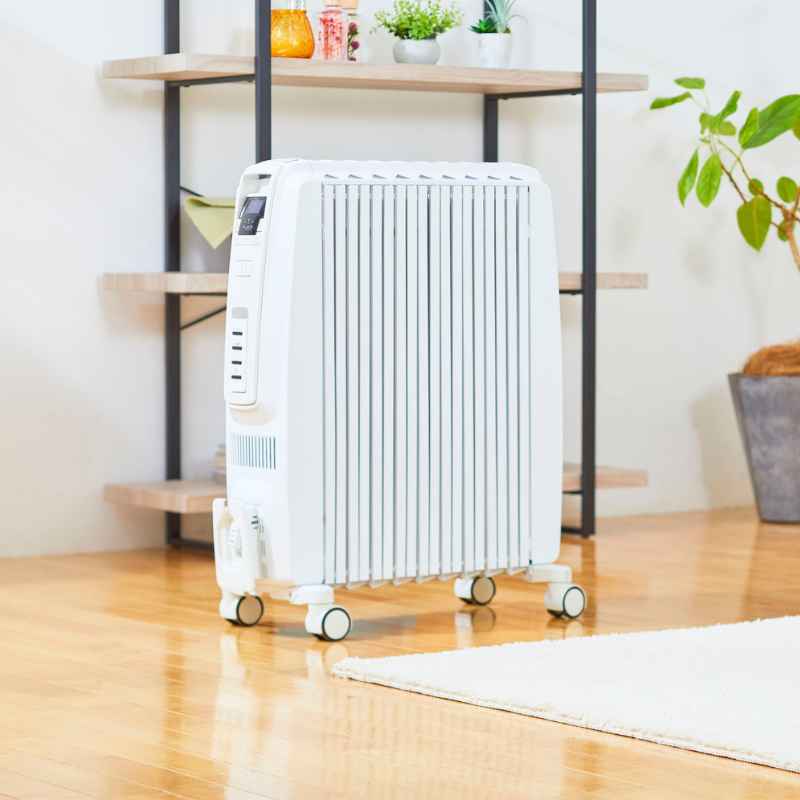
Are Portable Ac Units Also Heaters? The Honest Answer
It’s that time of year again. The air outside is getting crisp, and maybe you’re thinking about staying comfortable inside. You might have a portable air conditioner, and a question pops into your head: Can this thing also keep me warm?
It’s a common thought. Many of us like to get the most out of our gadgets. We want things that do more than one job.
Especially when it comes to keeping our homes at just the right temperature, year-round.
Let’s dive in and find out if your portable AC unit is a two-in-one wonder or if you might need something extra when the cold winds blow. We’ll cover how they work, what to expect, and when a separate heater is your best bet.
Your portable air conditioner is primarily designed for cooling. While some models offer a heating function, not all do. If yours has a heat pump, it can provide warmth, but its efficiency and effectiveness as a primary heat source can vary significantly compared to dedicated heating units. Always check your specific model’s features.
Understanding Portable AC Units
A portable air conditioner is a self-contained unit. It sits on the floor, usually on wheels. It has a hose that vents hot air out through a window.
Its main job is to cool a single room.
Think of it like a mini refrigerator for your space. It pulls warm air from inside. It then cools that air down.
This cool air is blown back into your room. The heat it removes is pushed outside through the vent hose.
These units are great for spaces where you can’t install a window AC or a central system. Garages, workshops, or older homes often benefit. They offer flexibility and targeted cooling.
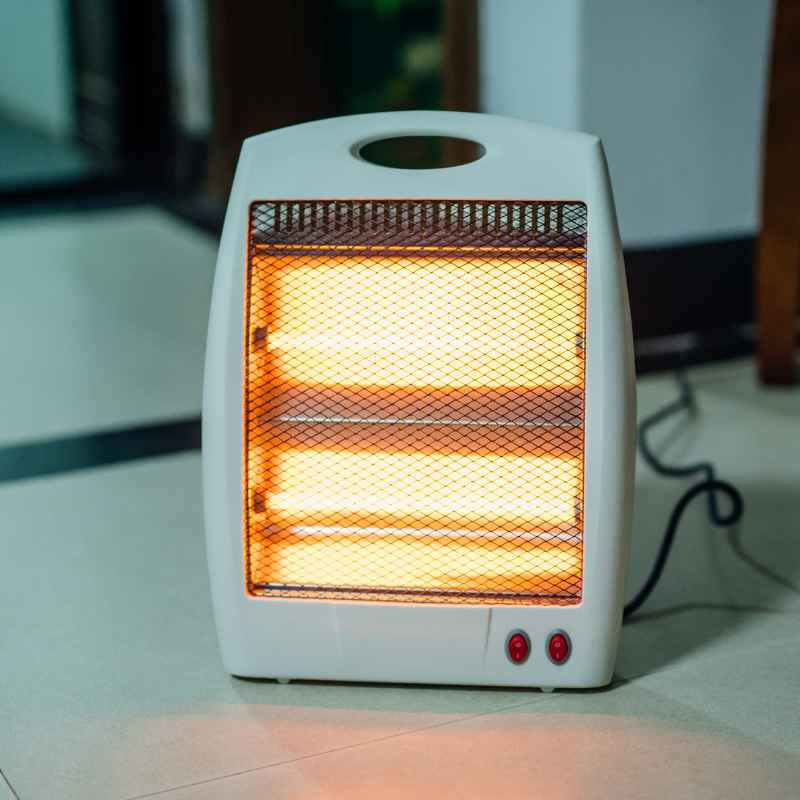
The Question of Heating: Dual-Function Models
Now, about heating. Some portable air conditioners are built with a dual function. They can cool and heat.
These units are often called “portable air conditioners with heat.”
How do they heat? Most use a “heat pump” technology. This is similar to how a refrigerator works, but in reverse.
Instead of moving heat out of the room, it moves heat into the room.
In the summer, it moves heat from inside your house to the outside. In the winter, a heat pump can pull heat from the outside air. It then transfers that heat inside your home.
This is how it provides warmth.
It’s important to know that the effectiveness of this heating can change. It depends a lot on how cold it is outside. In very cold weather, the heat pump might struggle to gather enough heat from the air.
How Portable ACs Generate Heat (When They Can)
When a portable AC has a heating mode, it uses a reversing valve. This valve changes the direction of the refrigerant flow. This switches the unit from cooling to heating mode.
In cooling mode, the indoor coil is cold. It absorbs heat from the room air. The outdoor coil is hot.
It releases that heat outside via the exhaust hose.
In heating mode, the indoor coil becomes hot. It releases heat into the room. The outdoor coil becomes cold.
It absorbs heat from the outside air. The exhaust hose still vents air, but now it’s generally cooler exhaust in heating mode.
Some models might use a supplemental electric resistance heating element. This is like the heating coil in a toaster or a space heater. This kicks in when the heat pump needs extra help.
This is common when outdoor temperatures are very low.
This electric resistance heating is powerful. It can heat a space quickly. However, it uses a lot of electricity.
This can make your energy bills go up.
My Own Experience with a Dual-Action Unit
I remember buying my first portable AC. It was a hot summer. My apartment’s central air was acting up.
I needed something fast. I found a unit that boasted “cooling and heating.” I thought, “Perfect! One less thing to buy later.”
That summer, it was a lifesaver. My living room stayed blissfully cool. The exhaust hose setup was a bit clunky, but it worked.
I felt pretty smart for getting a unit that could do both.
Then, winter arrived. It was a mild winter, thankfully. I decided to try out the heating feature.
I plugged it in and set the thermostat. The unit hummed to life. It started blowing warm air.
It was okay for a small room on a chilly evening. But on a colder night, it just couldn’t keep up. The room felt a little less warm than I liked.
The unit also seemed to run constantly. I started to worry about my electricity bill.
I ended up buying a small electric space heater. It heated the room much faster. It felt more powerful.
The portable AC’s heater was more like a gentle breeze of warmth. It wasn’t a robust heat source.
That experience taught me a lot. A dual-action unit can be nice. But it’s usually not as good at heating as a dedicated heater.
It’s more of a bonus feature than a primary solution for cold weather.
Portable AC vs. Dedicated Heater: Key Differences
Cooling Power: Portable ACs excel at cooling.
Heating Power: Dedicated heaters are designed for warmth.
Energy Use: Heating modes on ACs can be energy-hungry.
Versatility: Dual units offer year-round use.
Cost: Dual units often cost more upfront.
Efficiency and Effectiveness
Let’s talk about how well these units actually work for heating. This is where many people are a little surprised.
When a portable AC uses its heat pump to heat, it’s generally more efficient than electric resistance heating. This means it uses less electricity to produce the same amount of heat. This is good for your energy bills.
However, there’s a catch. The efficiency of a heat pump drops as the outside temperature falls. Below a certain point, typically around 30-40 degrees Fahrenheit, the heat pump might not be able to extract enough heat from the outside air.
At this point, many dual-function units will switch to their electric resistance heating element. This is where the energy use spikes. It becomes less efficient and more costly to run.
Compared to a dedicated electric space heater, a portable AC’s heat pump mode can be quite efficient. But when the supplemental electric heat kicks in, it can use as much, or even more, power than a simple space heater. And it’s still limited by the unit’s overall power draw.
A dedicated electric heater is designed solely for warmth. It often has a more powerful heating element. It can heat a space faster and to a higher temperature.
It might also have better safety features for heating-specific use.
When is a Portable AC’s Heater Enough?
So, when can you rely on your portable AC’s heater? It really depends on a few things.
1. Mild Temperatures: If you live in a place with mild winters, your unit might be fine. Think of those days in fall or spring when it’s just a bit chilly.
Your portable AC can take the edge off the cold nicely.
2. Small Spaces: These units are best for single rooms. If you’re just trying to warm up a small bedroom or an office, it might do the job.
It’s not designed to heat an entire house.
3. Supplemental Heat: It’s often best thought of as a supplemental heat source. If your main heating system is working but you want a little extra warmth in one area, it can help.
It’s not a replacement for your furnace.
4. Energy Savings (with Heat Pump): When the heat pump is active and the outdoor temperature is mild, it can be an energy-efficient way to add some warmth without turning on the main system for just one room.
I’ve used mine on chilly mornings. Before I wanted to turn on the main furnace, I’d run the AC’s heater for an hour. It made getting out of bed a bit easier.
It felt less wasteful than heating the whole house.
Portable AC Heater: Use Cases
- Quick Warm-Up: For brief periods on cool days.
- Zone Heating: Adding warmth to a specific small room.
- Supplementing Main Heat: When your primary system needs a little help.
- Mild Climates: Where winters are not severe.
When You Need a Dedicated Heater
There are definitely times when a portable AC heater just won’t cut it. You’ll want to look at a different solution.
1. Very Cold Weather: If your area experiences freezing temperatures regularly, a portable AC heater is not enough. The heat pump will struggle, and the electric backup will drain your power.
A furnace or robust electric heater is necessary.
2. Large Spaces: If you need to heat a large living area, multiple rooms, or your whole home, a portable AC unit is not the right tool. It’s designed for spot cooling or heating.
3. Primary Heating Source: If your main heating system is broken, unreliable, or non-existent, you need a proper heating solution. Relying solely on a portable AC’s heater in this situation is risky and likely ineffective.
4. Energy Efficiency for Heating: While heat pumps are efficient, dedicated heating systems are often more so for large-scale heating. If heating costs are a major concern, a well-maintained central heating system or efficient space heaters are better choices.
5. Safety Concerns: Dedicated heaters often have advanced safety features like tip-over switches, overheat protection, and cooler-touch surfaces. While portable ACs have safety features, their primary design isn’t solely for heating.
I learned this the hard way during a power outage one winter. My furnace (which needs power) went down. I tried to rely on my portable AC’s heater.
It barely made a dent in the cold. We ended up layering blankets and huddling together until the power came back. It was a stark reminder that dual-action isn’t always equal to specialized.
Checking Your Specific Model
The most crucial step is to check your actual portable air conditioner. Not all of them have a heating function.
Look at the box it came in. Check the manual that was included. You can also find the model number on the unit itself.
Then, search for that model number online.
The product description or specifications should clearly state if it has a heating mode. It might say “cooling and heating,” “heat pump,” or similar. If it only mentions “cooling,” then it cannot heat.
Pay attention to the wattage for both cooling and heating. Higher wattage often means more power, but also more energy use. For heating, look for the BTU (British Thermal Unit) rating, though it’s less common to see this specified for the heating function on AC units.
Quick Model Check
- Read the Manual: Your best source of truth.
- Check the Unit Label: Model number is key.
- Search Online: Find product specs by model number.
- Look for “Heating” or “Heat Pump”: These terms are critical.
Understanding BTU Ratings for Heating
When we talk about portable ACs, we usually focus on cooling BTUs. For example, a 10,000 BTU portable AC is designed to cool a room of a certain size.
Heating BTUs are less commonly advertised for portable AC units. When they are, they might be lower than the cooling BTU rating. This is because heating often uses less energy than cooling.
For a dedicated space heater, BTU ratings are very important. A common rule of thumb is that you need about 20 BTUs per square foot to heat a room effectively.
So, if you have a 10,000 BTU portable AC that also heats, its heating capacity might be significantly less. It could be around 5,000 to 8,000 BTU. This reinforces why it’s better for smaller spaces or mild conditions.
If you’re looking at a dedicated portable heater, aim for one with an appropriate BTU rating for your room size. This ensures it can provide adequate warmth.
Energy Consumption When Heating
This is a big one for many people. How much power does it use to heat with a portable AC?
As we touched on, it varies. When the heat pump is working, it’s relatively efficient. It might use around 1,000 to 1,500 watts.
However, when the electric resistance heater kicks in, the power draw can jump significantly. It might go up to 1,500 to 2,000 watts, or even more for larger units.
For comparison, a typical electric space heater uses between 750 watts (low setting) and 1,500 watts (high setting). Some powerful ones might go up to 2,000 watts.
Running a portable AC’s heater on its electric resistance mode for extended periods can lead to a noticeable increase in your electricity bill. This is especially true if it’s the only source of heat for the room.
It’s wise to check the energy consumption specs for your specific model. Understanding this will help you make informed decisions about when to use the heating function.
Installation and Venting for Heating
Most portable AC units come with a window venting kit. This is essential for cooling. It removes hot air from the room.
When using the heating function, the venting setup might still be needed. This is because the unit still generates some internal heat and moisture that needs to be expelled.
Some units might allow you to run them in heating mode without venting, especially if they are designed to evaporate most of the internal moisture. However, always consult your manual.
Running the unit without proper venting when required can reduce its efficiency. It can also potentially lead to moisture buildup inside the unit. This could cause issues down the line.
The exhaust hose for heating is usually less hot than for cooling. It might not be as critical to seal perfectly. But ensuring the unit has a way to vent its exhaust is important for its operation.
Venting for Heating Mode
- Check Your Manual: Always the first step.
- Some Venting May Still Be Needed: To expel internal heat/moisture.
- Less Critical Than Cooling: Exhaust is generally cooler.
- Reduces Risk: Prevents moisture buildup.
Safety Considerations
Safety is always paramount, especially when it comes to heating appliances.
1. Overheating: Ensure nothing is blocking the vents of the portable AC unit. This applies to both cooling and heating modes.
Blocked vents can cause the unit to overheat, which is a fire hazard.
2. Placement: Keep the unit away from flammable materials like curtains, bedding, or paper. Maintain a safe distance as recommended in the user manual.
3. Electrical Safety: Use a grounded outlet. Avoid using extension cords if possible, or use heavy-duty ones rated for the appliance’s power draw.
Don’t overload circuits.
4. Water and Electricity: Portable ACs, like all electrical appliances, should be kept away from water. Ensure the unit is in a dry location.
5. Child and Pet Safety: While the casing of a portable AC might not get as hot as some space heaters, it can still be warm. Keep curious children and pets from touching the unit or its vents.
My neighbor once had a close call. They left a stack of newspapers too close to their portable AC. It was in heating mode.
The newspapers started to smoke. Thankfully, they caught it quickly. It was a scary reminder of how important clearances are.
When to Use a Portable AC vs. a Dedicated Space Heater
Deciding between using your portable AC’s heater and a separate space heater depends on your needs.
Choose your portable AC’s heater if:
- The weather is only mildly cool.
- You need to warm a small, enclosed room.
- You want a little extra warmth without turning on your main heating system for one area.
- Your unit is energy-efficient in heat pump mode and the temperatures are above freezing.
Choose a dedicated space heater if:
- It’s truly cold outside (below 30-40°F).
- You need to heat a larger space or multiple rooms.
- Your portable AC’s heating function isn’t providing enough warmth.
- You need a quick and powerful heating solution.
- You want to potentially save on electricity by using a device specifically designed for efficient heating.
Think of it this way: your portable AC is like a versatile tool in your toolbox. It can do many jobs. But sometimes, you need a hammer for pounding nails, not a screwdriver.
Portable AC Heater vs. Space Heater
| Feature | Portable AC Heater | Dedicated Space Heater |
|---|---|---|
| Primary Function | Cooling (secondary heating) | Heating |
| Best For | Mild temps, small rooms, supplemental warmth | Colder temps, larger rooms, primary warmth |
| Energy Efficiency (Heat Pump) | Good in mild weather | N/A |
| Energy Efficiency (Electric Heat) | Can be high usage | Varies, but efficient for its output |
| Cost-Effectiveness for Heating | Limited for significant heating needs | Generally more cost-effective for dedicated heating |
Maintenance Tips for Dual-Action Units
To keep your portable AC working well in both modes, regular maintenance is key.
1. Clean Filters: This is the most important task. Dirty filters restrict airflow.
This makes both cooling and heating less effective and uses more energy. Clean or replace them every 1-3 months, depending on usage and air quality.
2. Clean Coils: Gently clean the indoor and outdoor coils with a soft brush or a vacuum cleaner with a brush attachment. Do this once or twice a year.
Be careful not to bend the fins.
3. Check the Vent Hose: Make sure the hose is properly connected. Look for any cracks or damage.
A damaged hose can let in warm air or keep hot air from escaping effectively.
4. Empty Water Tanks (if applicable): Some units have a small tank for collected water. If yours does, make sure to empty it regularly.
If it overflows, it can shut the unit down.
5. Annual Inspection: Before switching from cooling to heating (or vice versa), give the unit a good once-over. Listen for strange noises.
Ensure all functions are working as expected.
I used to neglect cleaning my filters. My AC worked, but it felt like it was struggling. Once I started cleaning them regularly, the air output was much stronger.
It felt like a new machine!
What the Experts Say (U.S. Department of Energy)
The U.S. Department of Energy (DOE) provides valuable guidance on home heating and cooling. When it comes to portable air conditioners with heating capabilities, the DOE notes their limitations.
They generally advise that portable air conditioners are best suited for cooling single rooms. While some models offer heating, their effectiveness as a primary heat source, especially in colder climates, is often limited compared to dedicated heating systems.
The DOE emphasizes that for efficient whole-home heating, options like furnaces, heat pumps (central systems), and boilers are more effective and energy-efficient.
For supplemental heat in a single room, a portable electric heater or a portable zone heater can be a more straightforward and sometimes more efficient choice than using the heating mode on a portable air conditioner, particularly when outdoor temperatures drop significantly.
They recommend looking at the energy efficiency ratings (like SEER for cooling and HSPF for heating pumps) when choosing any HVAC equipment to ensure long-term cost savings.
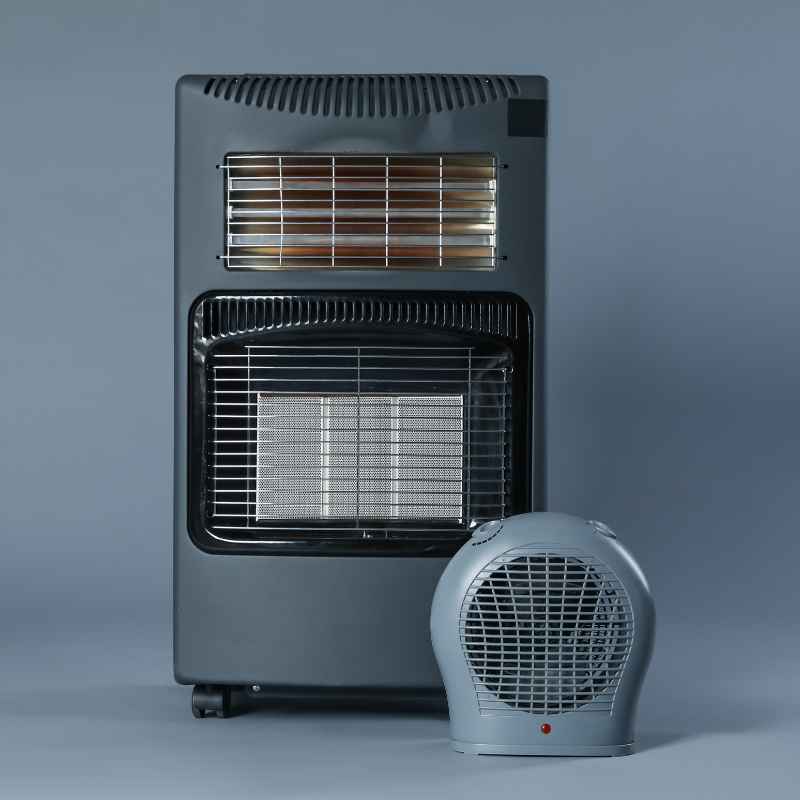
Frequently Asked Questions About Portable AC Heaters
Can a portable air conditioner heat my entire house?
No, a portable air conditioner is designed for single-room use. It cannot effectively heat an entire house. Its heating capacity is limited to the space it is placed in, and even then, it is best suited for mild temperatures or supplemental warmth.
How much electricity does a portable AC use for heating?
It varies by model and whether it uses a heat pump or electric resistance heating. Heat pump mode is more efficient, typically using 1,000-1,500 watts. Electric resistance heating can use 1,500-2,000+ watts, similar to a powerful space heater.
When should I stop using my portable AC’s heater?
You should stop using it as a primary heat source when temperatures drop significantly below freezing (around 30-40°F). At these temperatures, its heat pump becomes inefficient, and it relies on energy-hungry electric resistance heat. It’s also time to stop if it’s not providing enough warmth for comfort.
Are portable AC heaters safe?
Yes, when used correctly and according to the manufacturer’s instructions. Ensure proper ventilation, keep flammable materials away, use grounded outlets, and do not block the unit’s vents. Like any heating appliance, safety precautions are essential.
What is the difference between a portable AC with heat and a portable heater?
A portable AC with heat is primarily an air conditioner that also has a heating function. A portable heater is designed solely for generating heat. Dedicated heaters are often more powerful and efficient for heating purposes, especially in colder conditions.
Do I need to vent my portable AC when using the heating mode?
This depends on the specific model. Always check your user manual. Some units may still require venting to expel internal moisture or heat generated during operation, even in heating mode.
Final Thoughts: Your Portable AC’s Heating Role
So, are portable AC units also heaters? Some are, yes. But it’s crucial to understand their limits.
These dual-action units are fantastic for cooling. They offer flexibility for specific rooms. When they heat, they can provide a gentle warmth.
This is ideal for mild days or as a little extra comfort.
However, they are rarely a replacement for a dedicated heating system. For genuine cold weather, or for heating larger spaces, you’ll likely need a more robust solution.
Always check your specific model. Understand its capabilities and limitations. This will help you stay comfortable and make smart energy choices all year long.
Sponsored / affiliate links. As an Amazon Associate I earn from qualifying purchases. I may earn additional commission from eligible campaigns.