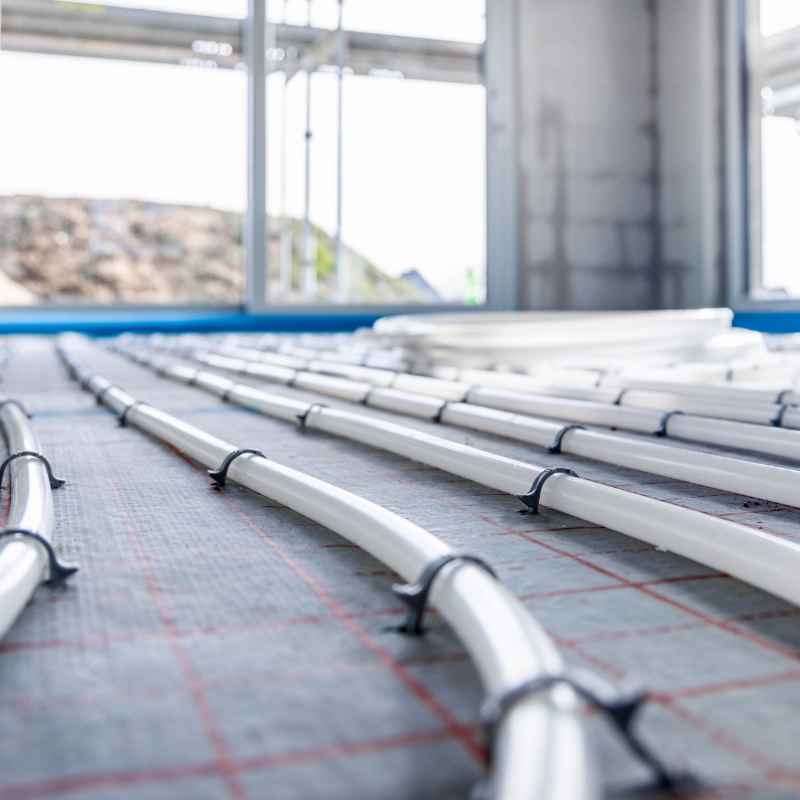
What Applications Are Hydronic Surface Heaters Suitable For?
Hydronic surface heaters are a versatile heating technology that uses water or a fluid-based system to warm surfaces like floors, walls, and ceilings. This post breaks down the most common and effective applications for these systems across residential, commercial, and industrial settings.
Simply put, hydronic surface heaters are best suited for residential whole-home heating, commercial office spaces, industrial warehouses, snow-melting systems for driveways and walkways, greenhouse temperature control, and specialized applications like radiant floor heating in bathrooms and basements. Their efficiency and even heat distribution make them a top choice for many projects.
Key Takeaways
- Hydronic surface heaters are ideal for residential, commercial, and industrial applications due to their even heat distribution and energy efficiency.
- Common uses include radiant floor heating, snow-melting systems for driveways and walkways, and temperature control in greenhouses and warehouses.
- These systems work by circulating warm water through pipes embedded in floors, walls, or ceilings, providing consistent warmth without drafts.
- Hydronic surface heaters are particularly effective in spaces with high ceilings, large open areas, or where noise reduction is a priority.
- Proper insulation and system design are critical to maximizing performance and avoiding common pitfalls like uneven heating or high energy costs.
What Are Hydronic Surface Heaters?
Hydronic surface heaters are radiant heating systems that transfer thermal energy from a fluid—usually water or a water-glycol mixture—to a surface such as a floor, wall, or ceiling. The heated surface then radiates warmth into the surrounding space, creating an even and comfortable temperature gradient.
Unlike forced-air systems that blow heated air through ducts, hydronic systems rely on conduction, convection, and radiation. This results in less heat loss and fewer drafts. The fluid is heated by a boiler, heat pump, or solar thermal system, then circulated through a network of pipes installed beneath the surface material.
Key components of a typical hydronic surface heater system include:
- A heat source (boiler, heat pump, or solar collector)
- Distribution pipes made from PEX, copper, or other durable materials
- A manifold to control flow to different zones
- A circulator pump to move the fluid
- A thermostat or control system for temperature regulation
- Insulation beneath or behind the pipes to prevent heat loss
Important: The efficiency of a hydronic surface heater depends heavily on proper insulation. Without adequate insulation beneath the pipes, much of the heat escapes downward, wasting energy and reducing comfort.
How Does Hydronic Surface Heating Work?
A hydronic surface heater operates on the principle of radiant heat transfer. Heated fluid travels through closed-loop tubing embedded in a surface. As the fluid moves, it warms the surface material—whether concrete, tile, wood, or drywall—which then radiates heat into the room.
The system is typically divided into zones, each controlled by a separate thermostat. This allows different areas of a building to be heated to different temperatures based on usage patterns. For example, a bathroom might be kept warmer than a hallway, or a rarely used guest room might be set to a lower temperature.
The basic steps of operation are:
- Heat generation: A boiler, heat pump, or solar thermal system heats the fluid to a target temperature, usually between 80°F and 140°F (27°C to 60°C).
- Circulation: A pump pushes the heated fluid through supply pipes to a manifold, which distributes it to individual loops in each zone.
- Heat transfer: The fluid travels through embedded tubing, warming the surrounding surface material evenly.
- Return flow: The cooled fluid returns to the heat source to be reheated and recirculated.
- Control: Thermostats monitor room temperature and adjust the flow of fluid to maintain desired comfort levels.
| Component | Function | Typical Material |
|---|---|---|
| Heat Source | Heats the fluid | Boiler, heat pump, solar collector |
| Distribution Tubing | Carries heated fluid | PEX, copper, or rubber |
| Manifold | Distributes flow to zones | Brass or stainless steel |
| Circulator Pump | Moves fluid through loops | Cast iron or stainless steel |
| Thermostat | Controls temperature per zone | Digital or programmable |
This table outlines the essential components of a hydronic surface heating system and their roles in delivering consistent warmth.
Residential Applications for Hydronic Surface Heaters
Hydronic surface heaters are a popular choice in residential construction and renovation. Homeowners value the quiet, draft-free warmth and the ability to heat specific zones independently. Common residential applications include radiant floor heating in bathrooms, kitchens, basements, and living areas, as well as wall and ceiling heating in retrofits.
In bathrooms, hydronic floor heating eliminates the shock of stepping onto cold tile. Kitchens benefit from even warmth underfoot, especially when standing for long periods. Basements with concrete slabs are ideal candidates because the mass of the concrete absorbs and slowly releases heat, maintaining stable temperatures.
Key residential applications include:
- Bathroom radiant floors: Tile or stone floors warmed by hydronic tubing provide luxurious comfort and help dry moisture quickly.
- Kitchen heating: Even warmth under hardwood, tile, or vinyl flooring reduces cold spots and improves comfort.
- Basement finishing: Concrete slabs are perfect for embedding hydronic pipes, preventing the cold floor syndrome common in below-grade spaces.
- Whole-home systems: Open-plan homes with high ceilings benefit from radiant heat that doesn’t stratify like forced air.
- Additions and sunrooms: Extensions with large windows lose heat quickly; hydronic floor heating compensates efficiently.
- Garages and workshops: Heating the floor keeps the space comfortable year-round and prevents tools and equipment from freezing.
Tip: For residential installations, use a programmable thermostat with floor-sensing capability. This ensures the floor temperature stays within a comfortable range (typically 80-85°F) and avoids overheating the surface.
In new construction, the cost of installing a hydronic system is often comparable to high-end forced-air systems. For retrofits, stapling tubing to the underside of subflooring or embedding it in a thin slab overlay are common techniques. These approaches minimize disruption while delivering reliable heat.
Commercial and Industrial Applications for Hydronic Heating
Beyond homes, hydronic surface heaters are widely used in commercial and industrial environments. Offices, retail stores, schools, and medical facilities benefit from the quiet operation and even temperature control these systems provide. In large open spaces, radiant heating eliminates the drafts and temperature stratification common with forced air.
Industrial warehouses and manufacturing plants often have high ceilings and concrete floors. Forced-air heating in such spaces is inefficient because hot air rises and collects near the ceiling. Hydronic floor heating keeps the occupied zone—the area where people actually work—at a comfortable temperature without wasting energy on unused overhead space.
Here are the most common commercial and industrial uses:
- Office buildings: Open-plan and private offices stay comfortable without noisy HVAC equipment.
- Retail spaces: Customers enjoy a warm floor, which encourages longer browsing and higher sales.
- Schools and universities: Classrooms and hallways benefit from quiet, draft-free heating and improved indoor air quality.
- Medical facilities: Hospitals and clinics require sterile, quiet environments; hydronic systems meet both needs.
- Warehouses and distribution centers: Heating only the occupied floor zone reduces energy consumption by 20-30% compared to forced air.
- Manufacturing plants: Worker comfort improves productivity, and even floor temperatures help protect temperature-sensitive materials.
- Airports and transit stations: Large concourses with high ceilings are ideal candidates for radiant floor heating.
| Setting | Key Benefit | Typical Surface |
|---|---|---|
| Office | Quiet, draft-free comfort | Concrete slab or thin overlay |
| Retail | Warm floors improve customer experience | Tile, concrete, or polished concrete |
| School | Improved air quality and quiet operation | Concrete or wood |
| Hospital | Sterile, quiet environment | Tile or sheet vinyl |
| Warehouse | 20-30% energy savings over forced air | Concrete slab |
According to the U.S. Department of Energy, radiant heating systems can be 15-25% more efficient than forced-air systems in buildings with high ceilings. This makes hydronic surface heaters a smart choice for commercial and industrial facilities looking to reduce operational costs.
Why Choose Hydronic Surface Heaters Over Traditional Systems?
Many building owners and contractors weigh the pros and cons of hydronic surface heaters against forced-air, electric radiant, and baseboard systems. The choice often comes down to efficiency, comfort, and long-term cost. Hydronic systems offer several distinct advantages that make them suitable for a wide range of applications.
One major benefit is energy efficiency. Because water holds heat much better than air, hydronic systems require less energy to maintain a set temperature. The even distribution of heat also means fewer hot and cold spots, which leads to greater occupant satisfaction.
Additionally, these systems operate silently, with no blower noise or duct rumble.
Key reasons to choose hydronic surface heating:
- Even heat distribution: No drafts, no cold spots, and no temperature stratification.
- Energy savings: According to the EPA, radiant heating can reduce energy consumption by 15-25% compared to forced air.
- Quiet operation: No fans, blowers, or ductwork means near-silent performance.
- Improved indoor air quality: No forced air means less dust and allergen circulation.
- Zoning flexibility: Each room or area can have its own thermostat for customized comfort.
- Low maintenance: With few moving parts, hydronic systems require minimal upkeep once installed.
- Compatibility with renewable energy: Hydronic systems pair well with solar thermal panels and heat pumps.
Warning: Hydronic systems are not ideal for every situation. In buildings with very poor insulation, the initial cost may be hard to justify. Always conduct a heat loss calculation before investing in a hydronic system.
Compared to electric radiant heating, hydronic systems are more cost-effective for larger areas because water is a cheaper heat transfer medium than electricity. In regions with high electricity rates, the operational savings can be significant over the system’s lifetime, which often exceeds 30 years.
Key Considerations for Installing Hydronic Surface Heaters
Before choosing hydronic surface heaters for a project, several factors must be evaluated to ensure the system performs as expected. Proper planning and design are essential for achieving optimal efficiency, comfort, and longevity. Below are the critical considerations every installer and building owner should review.
First, assess the building envelope. The insulation quality of walls, floors, and ceilings directly impacts how much heat the system needs to produce. A well-insulated building requires a lower water temperature, which improves boiler or heat pump efficiency.
According to the Radiant Floor Company, a typical hydronic system operates with water temperatures between 100°F and 130°F, but in a super-insulated home, temperatures as low as 80°F can suffice.
Key considerations include:
- Insulation quality: Install rigid foam or fiberglass insulation beneath the tubing to prevent downward heat loss.
- Floor covering: Tile, stone, and concrete transfer heat best; thick carpet and pad act as insulators and reduce performance.
- Heat source selection: Boilers, heat pumps, and solar thermal collectors each have different efficiencies and installation costs.
- Zoning plan: Divide the building into zones based on usage patterns, with separate thermostats for each zone.
- Pipe spacing: Typical spacing is 6-12 inches on center; tighter spacing delivers more heat output.
- System controls: Use outdoor reset controls that adjust water temperature based on outdoor conditions for maximum efficiency.
- Water quality: Use treated water or a water-glycol mix to prevent corrosion and freezing in the system.
| Floor Covering | Heat Transfer Efficiency | Recommended Max R-Value |
|---|---|---|
| Tile or Stone | Excellent | R-0.5 |
| Engineered Wood | Good | R-1.0 |
| Laminate | Fair | R-1.5 |
| Carpet with Pad | Poor | R-2.5 max |
This table shows how floor covering choices affect the performance of a hydronic surface heating system. Tile and stone provide the best heat transfer, while thick carpet significantly reduces output.
Tip: When installing hydronic heating under hardwood floors, use engineered wood rather than solid hardwood. Engineered wood is more dimensionally stable and less likely to warp from the heat.
Common Mistakes to Avoid with Hydronic Surface Heaters
Even with careful planning, certain pitfalls can compromise the performance of hydronic surface heaters. Recognizing these common mistakes before installation saves time, money, and frustration. Here are the most frequent errors and how to avoid them.
One of the biggest mistakes is undersizing the heat source. If the boiler or heat pump is too small for the building’s heat load, the system will struggle to maintain comfortable temperatures during cold weather. Always conduct a professional heat loss calculation using Manual J or similar standards.
Another frequent issue is poor pipe spacing or layout. If the tubing is spaced too far apart, the floor will have noticeable cold spots. Conversely, spacing it too close can lead to overheating and wasted energy.
Follow manufacturer guidelines for spacing based on the room’s heat demand.
Top mistakes to watch for:
- Inadequate insulation: Skipping insulation beneath the slab or above the tubing wastes heat and increases operating costs.
- Wrong floor covering: Installing thick carpet or area rugs over hydronic tubing reduces heat output significantly.
- No zoning: Using a single thermostat for the whole building leads to uneven temperatures and wasted energy.
- Improper water treatment: Using untreated water can cause scale buildup, corrosion, and reduced system lifespan.
- Ignoring expansion: PEX tubing expands and contracts; failing to account for this can cause leaks or damage.
- Skipping pressure testing: Not pressure-testing the system before covering tubing can lead to undetected leaks.
- Overlooking controls: Basic thermostats don’t optimize efficiency; use outdoor reset controls for best results.
Warning: Never operate a hydronic surface heater without proper pressure testing. Even a small leak in an embedded pipe can cause significant damage to flooring and subflooring, requiring expensive repairs.
According to the Hydronic Heating Association, proper system design and installation can extend the lifespan of a hydronic system to 35 years or more. By avoiding these common errors, you ensure reliable, efficient heating for decades.
Frequently Asked Questions
What are hydronic surface heaters best used for?
Hydronic surface heaters are best used for radiant floor heating in residential homes, commercial offices, warehouses, and industrial facilities. They are also excellent for snow-melting systems on driveways and walkways, as well as greenhouse temperature control.
Can hydronic surface heaters be installed in existing homes?
Yes, hydronic surface heaters can be retrofitted into existing homes. Common methods include installing tubing beneath the subfloor, using a thin concrete overlay, or mounting tubing in wall or ceiling cavities. Retrofits require careful planning but are achievable in most structures.
How much does it cost to install a hydronic surface heating system?
Installation costs vary based on system size, floor covering, and region. For a typical home, costs range from $6 to $15 per square foot. Commercial and industrial installations may have different pricing structures depending on complexity and scale.
Are hydronic surface heaters energy efficient?
Yes, hydronic surface heaters are highly energy efficient. According to the U.S. Department of Energy, radiant heating systems can reduce energy consumption by 15-25% compared to forced-air systems.
They also pair well with renewable energy sources like solar thermal and heat pumps.
How long do hydronic surface heating systems last?
A properly installed hydronic surface heating system can last 30 to 35 years or more. The PEX tubing used in most systems has a lifespan of 50+ years, while boilers and pumps typically need replacement after 15-20 years.
Final Thoughts
Hydronic surface heaters are a versatile, efficient, and durable solution for a wide range of heating applications. From residential bathrooms and basements to commercial offices and industrial warehouses, these systems deliver even, quiet warmth that outperforms traditional forced-air heating in many settings. By understanding the key considerations and avoiding common mistakes, you can maximize the performance and lifespan of your hydronic system.
Whether you’re building new or retrofitting, this technology offers a smart path to comfortable, energy-efficient spaces.
Sponsored / affiliate links. As an Amazon Associate I earn from qualifying purchases. I may earn additional commission from eligible campaigns.