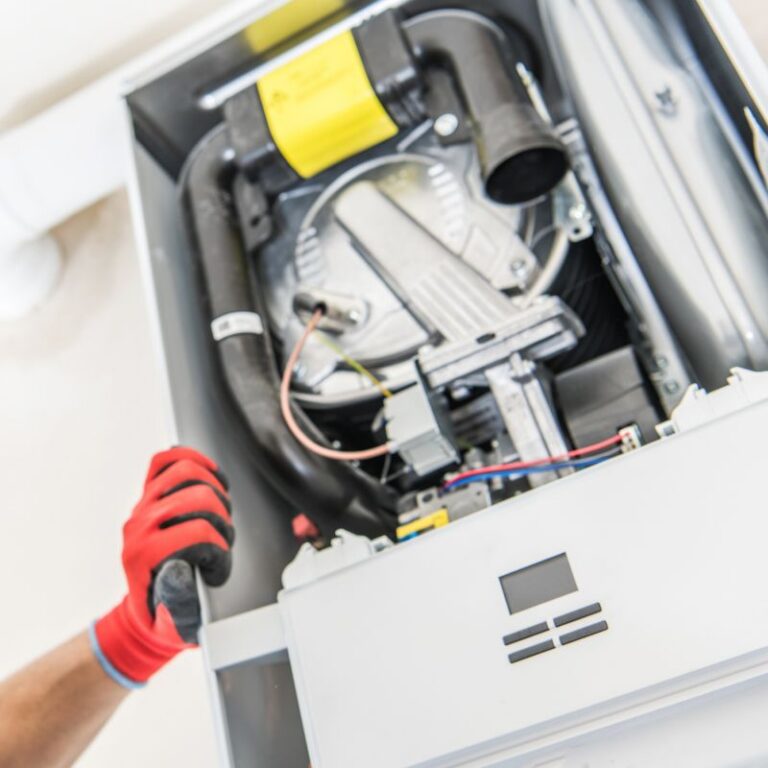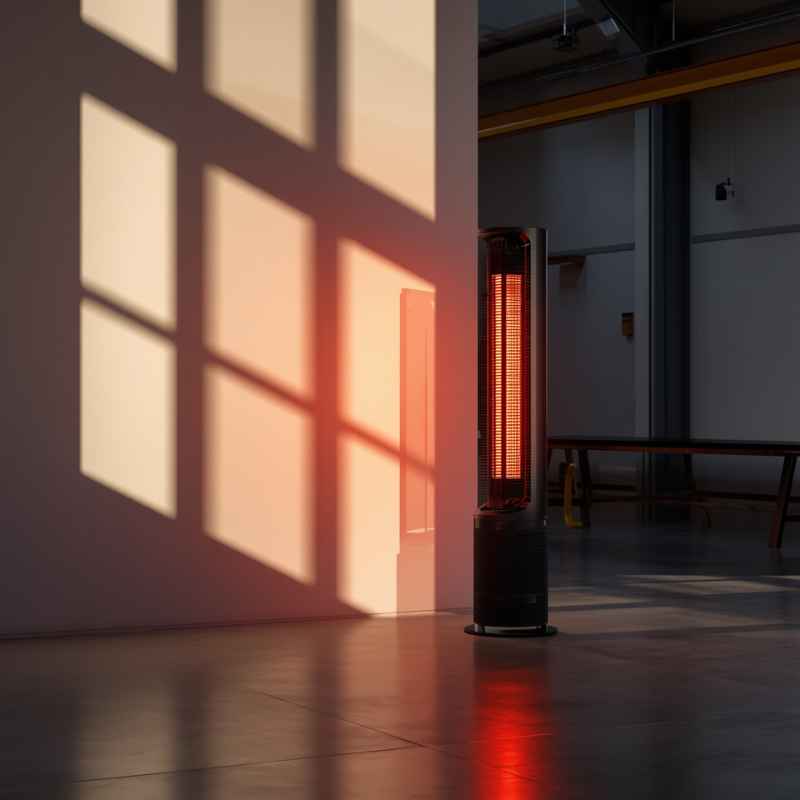
Best Industrial Workplace Heaters: Top Picks 2024
What are good heaters to put in an industrial workplace to ensure optimal comfort and productivity during colder months? Selecting the right heating solution for a large, often challenging industrial environment is crucial, impacting everything from worker well-being to operational efficiency and safety. This guide explores the most effective and reliable heating options available, breaking down their features, benefits, and ideal use cases to help you make an informed decision for your specific needs.
Simply put, the best industrial workplace heaters are robust, efficient, and safe, with options like forced-air propane heaters for large spaces, electric radiant heaters for targeted warmth, and heavy-duty ceramic heaters for durability, all considering factors like ventilation, power source, and coverage area.
Key Takeaways
- Industrial workplace heaters need to be powerful, durable, and safe for large, demanding environments.
- Forced-air propane heaters are excellent for quickly warming vast spaces, but require good ventilation.
- Electric radiant heaters provide efficient, targeted warmth without excessive air movement.
- Heavy-duty ceramic heaters offer a balance of safety and effective heating for various industrial settings.
- Consider power source, fuel type, BTU output, safety features, and ventilation requirements when choosing.
What Are Industrial Workplace Heaters?
Industrial workplace heaters are specialized heating units designed to cope with the unique demands of commercial and industrial settings. Unlike residential heaters, these units are built for ruggedness, high heat output, and often operate using powerful energy sources like propane, natural gas, or high-voltage electricity. Their primary purpose is to maintain a comfortable and safe working temperature in large, drafty, or poorly insulated spaces such as warehouses, workshops, factories, construction sites, and garages.
The effectiveness of an industrial heater is often measured by its British Thermal Units (BTUs), a unit of energy representing the amount of heat required to raise the temperature of one pound of water by one degree Fahrenheit. Higher BTU ratings generally mean more powerful heating capabilities. Beyond raw power, these heaters incorporate safety features like tip-over switches, overheat protection, and sturdy construction to withstand harsh environments.
They are engineered to provide consistent heat output, ensuring that temperature fluctuations are minimized, which is critical for both worker comfort and the integrity of sensitive materials or processes.
The selection process for an industrial heater involves a careful evaluation of the space it needs to heat, including its square footage, ceiling height, insulation quality, and the ambient temperature. Furthermore, the available power supply or fuel source is a primary consideration, as is the level of ventilation required to safely operate certain types of heaters, particularly those that combust fuel. Noise levels, portability, and maintenance requirements also play significant roles in determining the best fit for a specific industrial application.
- Designed for large areas like warehouses and factories.
- Built with durable materials for rugged environments.
- Higher BTU output for significant heating capacity.
- Emphasis on safety features like overheat protection and tip-over switches.
- Available in various fuel types: propane, natural gas, electricity.
- Crucial for worker comfort, safety, and productivity in cold conditions.
Choosing the Right BTU Output for Your Space
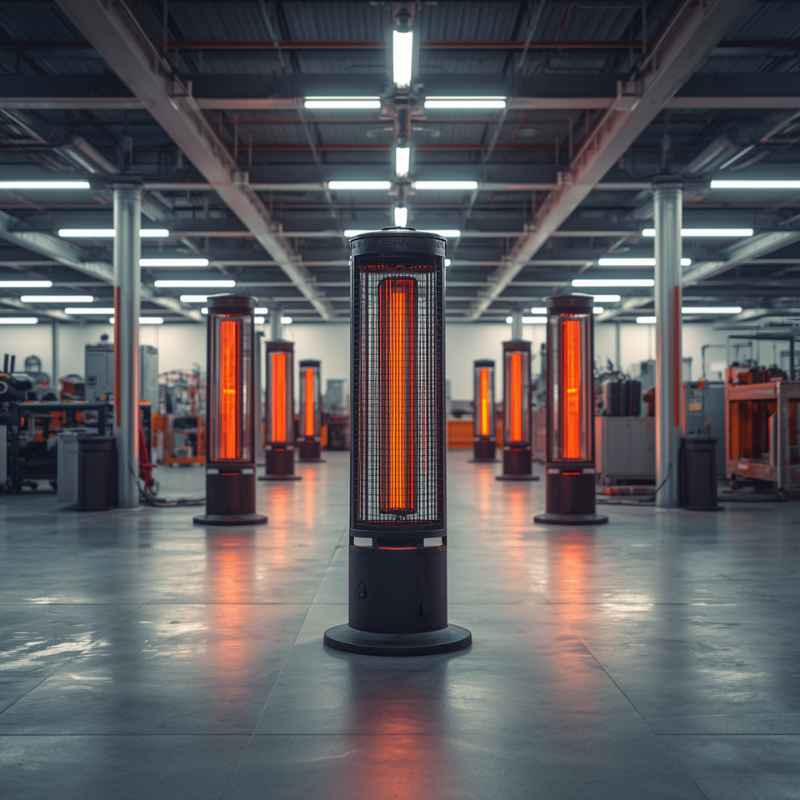
Determining the correct British Thermal Unit (BTU) output is perhaps the most critical step in selecting an effective industrial heater. An underpowered heater will struggle to reach or maintain a comfortable temperature, leading to wasted energy and discomfort. Conversely, an overpowered heater can lead to excessive heat, wasted fuel, and potential safety hazards.
The general rule of thumb is that for every 100 square feet of space, you need approximately 5,000 BTUs for average insulation and climate conditions. However, this is a simplified guideline.
Several factors can adjust the required BTU output significantly. For instance, if your industrial space has poor insulation, high ceilings, or is prone to drafts, you will need to increase the BTU requirement by 10-20%. Conversely, a well-insulated space with lower ceilings might require slightly less.
The climate you operate in also plays a role; colder regions will naturally demand a higher BTU output to combat extreme temperatures. It’s also important to consider the purpose of the heating. If you’re simply trying to take the chill off, a lower output might suffice.
If you need to maintain a specific, consistent temperature for sensitive materials or processes, you’ll need a more robust output, often coupled with thermostats for precise control.
A practical approach involves using online BTU calculators that factor in not just square footage but also ceiling height, insulation levels, and desired temperature rise. Many manufacturers provide these tools on their websites. For example, a 10,000 square foot warehouse with 20-foot ceilings and moderate insulation in a cold climate might require a heater with an output upwards of 200,000-300,000 BTUs.
It’s often better to slightly overestimate than underestimate. Consulting with a heating professional or the manufacturer’s support team can provide tailored recommendations based on your specific site assessment.
BTU Calculation Factors
- Square Footage: The primary driver of heat demand.
- Ceiling Height: Higher ceilings mean a larger volume of air to heat.
- Insulation Quality: Poor insulation leads to significant heat loss.
- Climate Zone: Colder regions require higher BTU output.
- Drafts and Air Infiltration: Frequent air exchange necessitates more heat.
- Desired Temperature Rise: The difference between ambient and target temperature.
- Building Usage: Some processes may generate their own heat, reducing demand.
| Space Size (sq ft) | Estimated BTUs Needed (General) | Considerations for Higher BTUs |
|---|---|---|
| 1,000 | 5,000 – 10,000 | Poor insulation, high ceilings, very cold climate |
| 5,000 | 25,000 – 50,000 | Drafty doors, large windows, industrial machinery generating cold spots |
| 10,000 | 50,000 – 100,000 | Uninsulated metal buildings, 24/7 operation, maintaining specific temperature zones |
| 20,000+ | 100,000 – 300,000+ | Large open-plan warehouses, aircraft hangars, construction sites, outdoor enclosures |
This table provides a general guideline. Always consult specific product specifications and consider your unique environment for the most accurate BTU calculation.
Types of Industrial Workplace Heaters
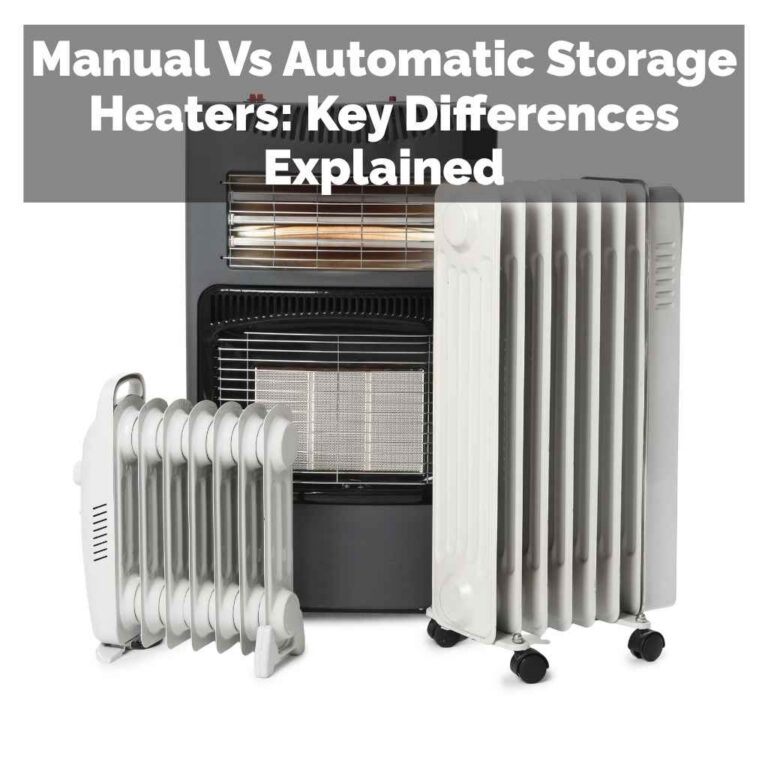
The market offers a variety of industrial heaters, each with its strengths and ideal applications. Understanding these differences is key to selecting the unit that best suits your operational needs. Common types include forced-air heaters (often propane or kerosene), electric radiant heaters, convection heaters, and powerful infrared heaters.
Each type utilizes different mechanisms to generate and distribute heat, influencing their efficiency, suitability for specific environments, and operating costs.
For instance, forced-air heaters are excellent for rapidly warming large, open spaces like warehouses or garages. They work by combusting fuel (like propane) and using a fan to push the heated air into the space. While fast and powerful, they require excellent ventilation due to the combustion byproducts.
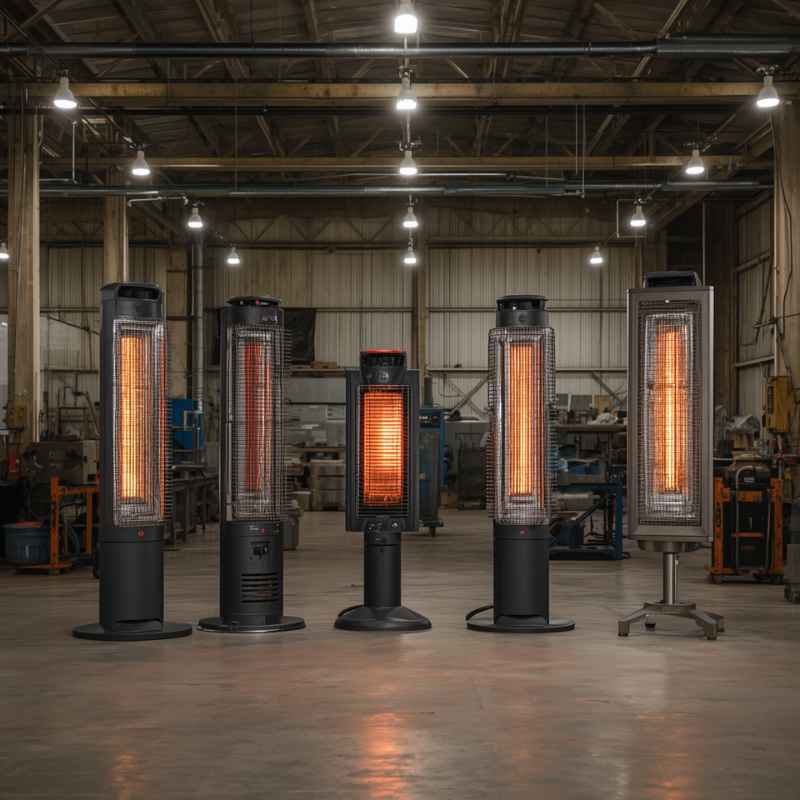
Electric radiant heaters, on the other hand, work by emitting infrared radiation that directly heats objects and people in their path, much like the sun. They are energy-efficient for spot heating and don’t create drafts, making them suitable for areas where air movement is undesirable. Ceramic heaters are a type of electric heater that uses a ceramic heating element, offering a good balance of safety, portability, and effective heat output for medium-sized areas.
When evaluating types, consider the fuel source availability, desired heating speed, whether you need to heat an entire area or just specific zones, and the environmental conditions. For example, construction sites might benefit from portable, high-output propane heaters, while a quiet, draft-free workshop might be better served by electric radiant panels. The cost of operation, maintenance requirements, and safety certifications are also important factors to weigh.
- Forced-Air Propane/Kerosene Heaters: High output, fast heating, ideal for large open spaces. Require excellent ventilation.
- Electric Radiant Heaters: Energy-efficient, direct heat, no drafts, good for spot heating.
- Ceramic Heaters: Safe, portable, good for medium-sized areas, durable.
- Infrared Heaters: Efficient for targeted heating of people and objects, can work in drafty conditions.
- Natural Gas Heaters: Often more cost-effective for permanent installations, require gas line connection.
- Steam/Hydronic Heating Systems: Typically used in very large, long-term industrial facilities, require boiler infrastructure.
Forced-Air Propane Heaters
Forced-air propane heaters are arguably the most common and powerful solution for rapidly heating large industrial spaces. These units excel at delivering a significant volume of heat quickly, making them ideal for warehouses, workshops, garages, and construction sites where immediate warmth is needed. They work by burning propane in a combustion chamber and then using a powerful fan to propel the heated air into the environment.
Their portability also makes them a popular choice for temporary heating needs, such as during building renovations or in outdoor work areas.
A key advantage of forced-air propane heaters is their high BTU output relative to their size and cost. They can efficiently heat vast areas, often in a matter of minutes. Many models come with adjustable heat settings and thermostats, allowing for some control over the temperature.
The ease of connecting a propane tank also means they can be used in locations without readily available electricity. Safety features are paramount, with most units equipped with automatic shut-off valves, high-temperature cutoffs, and sturdy grill guards to prevent accidental contact with hot surfaces.
However, the combustion process means these heaters produce exhaust fumes, making adequate ventilation absolutely critical. Operating them in an enclosed, unventilated space can lead to a buildup of carbon monoxide, a dangerous and potentially fatal gas. Therefore, they are best suited for well-ventilated areas or temporary use where fresh air can easily circulate.
The cost of propane fuel can also fluctuate, impacting long-term operating expenses. Regular maintenance, including cleaning the burner and checking for leaks, is essential for safe and efficient operation.
- Pros: High heat output, fast heating, portable, operates without electricity, cost-effective fuel for heating large volumes.
- Cons: Requires significant ventilation, produces exhaust fumes (CO risk), can be noisy due to the fan.
- Ideal For: Warehouses, garages, construction sites, agricultural buildings, temporary heating needs.
According to the U.S. Consumer Product Safety Commission (CPSC), thousands of people are treated in emergency rooms annually for injuries related to portable fuel-burning equipment, with carbon monoxide poisoning being a primary concern.
Electric Radiant Heaters
Electric radiant heaters offer a different approach to industrial heating, focusing on efficiency and direct heat transfer without significant air movement. These units generate infrared radiation that heats objects and people directly within their line of sight, similar to how sunlight warms your skin. This makes them an excellent choice for large, open-plan industrial spaces where heating the entire volume of air might be inefficient or impractical.
They are particularly useful for spot heating specific workstations or areas where people spend extended periods, ensuring comfort without unnecessarily heating unoccupied zones.
One of the primary advantages of electric radiant heaters is their energy efficiency for targeted applications. Because they don’t rely on moving air, they don’t stir up dust or allergens, making them suitable for environments where air quality is a concern, such as manufacturing facilities or workshops dealing with fine particles. They operate silently, contributing to a more pleasant work environment.
Installation is typically straightforward, often involving wall or ceiling mounting, and they don’t produce any combustion byproducts, so ventilation requirements are minimal. This makes them a safer option in many enclosed industrial settings.
However, their effectiveness is dependent on the line of sight. If an object or person is not directly in the path of the infrared rays, they will not receive significant heat. This means they are less effective for heating an entire large, enclosed space uniformly unless multiple units are strategically placed.
The operating cost can also be higher compared to some fuel-burning options, depending on electricity rates in your area. While they don’t produce harmful fumes, the heating elements can become very hot, so safety precautions regarding proximity to flammable materials are still necessary.
- Pros: Energy-efficient for spot heating, no air movement (less dust/allergens), silent operation, no combustion fumes, minimal ventilation required.
- Cons: Heat is directional (line of sight dependent), can be less effective for heating entire large volumes, potentially higher operating costs based on electricity rates.
- Ideal For: Workstations, garages, workshops, loading docks, areas where drafts are undesirable, supplemental heating.
According to the U.S. Department of Energy, radiant heating can offer significant energy savings, especially when used for zoning or spot heating, as it directly warms occupants rather than the entire air volume.
Heavy-Duty Ceramic Heaters
Heavy-duty ceramic heaters are a robust and reliable choice for providing localized warmth in various industrial settings. These units utilize a ceramic heating element that heats up and then distributes warmth through convection or, in some cases, with an integrated fan. They are designed with durability in mind, often featuring rugged metal casings, reinforced power cords, and stable bases to withstand the demanding conditions often found in workshops, garages, and small to medium-sized industrial areas.
Their inherent safety features make them a popular option.
One of the most significant advantages of ceramic heaters is their safety profile. They typically feature cool-touch housings, meaning the exterior remains at a much lower temperature than the heating elements themselves, reducing the risk of burns. Most also include automatic tip-over shut-off switches and overheat protection, which automatically turn the unit off if it’s knocked over or begins to overheat.
Because they use electricity and don’t involve combustion, they don’t produce any fumes or require special ventilation, making them suitable for use in more enclosed spaces where other heater types might be hazardous. They are also generally quiet and do not stir up dust, contributing to a cleaner and more comfortable workspace.
While excellent for targeted heating, ceramic heaters are generally less powerful than large forced-air propane units. Their BTU output is typically lower, making them best suited for heating smaller to medium-sized areas or for providing supplemental heat in larger spaces. The operating cost depends on electricity prices, which can be higher than propane or natural gas in some regions.
Their effectiveness can also be reduced in areas with significant drafts or very high ceilings, as the heat might not reach the desired zones efficiently. Regular cleaning of the air intake and fan components is recommended to maintain optimal performance.
- Pros: Safe operation (cool-touch, tip-over switch, overheat protection), no fumes or ventilation needed, quiet operation, doesn’t stir dust, portable.
- Cons: Lower BTU output compared to fuel-fired heaters, can be less effective in very large or drafty spaces, operating cost depends on electricity rates.
- Ideal For: Workshops, garages, offices within industrial facilities, spot heating workstations, areas requiring safe, enclosed heating.
Infrared Industrial Heaters
Infrared industrial heaters provide efficient and targeted warmth by emitting infrared radiation, which directly heats objects and people without significantly warming the air in between. This “line-of-sight” heating principle makes them an excellent choice for large, open, or drafty industrial environments where traditional convection heating would be inefficient. They are particularly effective for heating specific zones or workstations, ensuring that occupants are comfortable even if the ambient air temperature is lower.
This direct heating method can lead to significant energy savings compared to heating an entire space.
The primary benefit of infrared heaters is their ability to provide immediate warmth upon activation. Unlike heaters that rely on air circulation, the heat from an infrared unit is felt almost instantly by anyone or anything positioned in its radiant path. This makes them ideal for areas with high ceilings, large bay doors that are frequently opened, or outdoor covered areas like loading docks.
They operate silently and do not stir up dust, debris, or allergens, which is a significant advantage in environments where air quality is a concern, such as in manufacturing plants or agricultural facilities. Furthermore, because they heat objects directly, they can maintain comfort even with significant air infiltration or drafts.
Infrared heaters are available in various forms, including electric and gas-powered models, each with different installation requirements and operating costs. Electric infrared heaters are generally easier to install and maintain, while gas models can offer lower running costs if natural gas is available. The effectiveness of an infrared heater is directly tied to its placement; it must be positioned so that the intended targets are within its radiant zone.
They are not typically used to raise the overall ambient temperature of a fully enclosed space as efficiently as forced-air heaters. Safety considerations include maintaining adequate clearance from flammable materials, as the radiant elements can become very hot.
- Pros: Immediate, direct heat; efficient for spot heating and drafty areas; silent operation; no dust circulation; energy-efficient for targeted warmth.
- Cons: Heat is directional (line of sight), less effective for raising ambient room temperature uniformly, requires strategic placement.
- Ideal For: Workstations, garages, warehouses with high bay doors, loading docks, outdoor covered areas, areas where air movement is undesirable.
A study published in the journal “Energy and Buildings” highlighted that well-designed infrared heating systems can significantly reduce energy consumption in commercial spaces compared to conventional systems by directly warming occupants.
Natural Gas Heaters
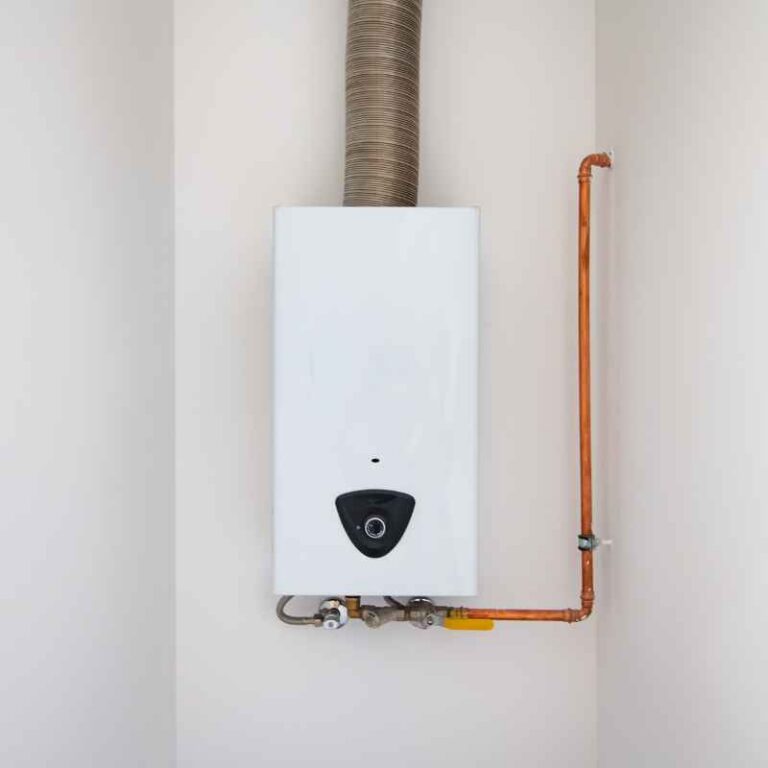
Natural gas heaters are a powerful and often cost-effective solution for permanent heating installations in industrial workplaces, particularly in facilities where a natural gas line is readily accessible. These units typically operate on the principle of forced air or radiant heat, similar to their propane counterparts, but utilize natural gas as their fuel source. They are designed for high heat output and can effectively warm large spaces, making them a common choice for factories, large warehouses, and manufacturing plants where consistent and substantial heating is required throughout the colder seasons.
The primary advantage of natural gas heaters lies in their operational cost. Natural gas is often more stable and less expensive per BTU than propane or electricity, leading to lower energy bills over time, especially for facilities that require continuous heating. Like propane heaters, they can provide a high volume of heat, quickly raising the temperature of large areas.
Many natural gas industrial heaters are equipped with advanced thermostat controls, allowing for precise temperature regulation and energy management, which is crucial for maintaining optimal working conditions and potentially reducing waste. They are built to be durable and reliable for long-term use.
However, natural gas heaters require a direct connection to a natural gas supply line, which limits their placement to areas where this infrastructure exists. Installation can be more complex and costly than with portable electric or propane units, often requiring professional gas fitting services. Similar to propane heaters, natural gas units involve combustion, so adequate ventilation is essential to prevent the buildup of carbon monoxide and other exhaust gases.
Their fixed installation means they are less portable than electric or propane options, making them unsuitable for temporary heating needs or highly mobile operations. Regular professional maintenance is recommended to ensure safe and efficient operation.
- Pros: Lower operating costs than propane/electricity, high heat output, precise temperature control with thermostats, durable for permanent installations.
- Cons: Requires natural gas line connection, fixed installation (not portable), requires adequate ventilation for exhaust fumes, potentially higher initial installation cost.
- Ideal For: Large factories, warehouses, manufacturing plants, workshops with permanent gas line access, long-term heating solutions.
| Feature | Natural Gas Heater | Propane Heater | Electric Heater |
|---|---|---|---|
| Fuel Source | Natural Gas | Propane Tanks | Electricity |
| Operating Cost | Generally Lower (stable) | Can be Higher (variable) | Depends heavily on electricity rates |
| Portability | Not Portable (fixed installation) | Highly Portable | Portable (depending on cord length and power) |
| Ventilation Needs | Required (combustion) | Required (combustion) | None required (no combustion) |
| Heat Distribution | Forced air or radiant | Forced air | Radiant or convection (fan-assisted) |
This comparison highlights the trade-offs between fuel sources. Natural gas offers consistent, cost-effective heating for fixed locations, while propane provides flexibility and electricity offers convenience and safety in enclosed spaces.
Safety Features and Regulations
Safety is paramount when selecting and operating industrial workplace heaters. Given the large scale and potential hazards of industrial environments, heaters are equipped with numerous safety features to prevent accidents, fires, and health risks. Understanding these features and any relevant regulations is crucial for ensuring a safe working environment for all personnel.
Most reputable industrial heaters will adhere to standards set by organizations like Underwriters Laboratories (UL) or similar bodies, indicating they have passed rigorous safety tests.
Common safety features include automatic tip-over shut-off switches that immediately power down the unit if it’s knocked over, preventing fires. Overheat protection mechanisms are also standard, shutting off the heater if it reaches unsafe internal temperatures. For fuel-burning heaters (propane, kerosene, natural gas), robust combustion controls, safety valves, and proper exhaust management systems are critical to prevent the buildup of dangerous gases like carbon monoxide.
Electric heaters often feature cool-touch exteriors and durable, insulated wiring to prevent electrical hazards.
Beyond the unit’s features, regulatory compliance is vital. In many regions, specific building codes and safety standards govern the installation and use of industrial heating equipment. For fuel-burning heaters, this often includes requirements for ventilation, clearances from combustible materials, and professional installation, especially for natural gas units.
OSHA (Occupational Safety and Health Administration) regulations in the United States, for example, mandate safe working conditions, which includes proper heating and ventilation. It’s always advisable to consult local building codes and occupational safety guidelines to ensure full compliance.
- Tip-Over Shut-Off: Automatically powers down the heater if it’s accidentally knocked over.
- Overheat Protection: Shuts off the unit if internal temperatures become dangerously high.
- Thermostats: Prevent overheating by regulating temperature.
- Durable Casing: Protects internal components and reduces burn risk.
- Flame/Ignition Controls (Fuel Heaters): Ensure safe and complete combustion.
- Carbon Monoxide Detectors: Essential for spaces using fuel-burning heaters.
- Ventilation Requirements: Crucial for fuel-burning units to expel exhaust gases.
- UL/ETL Certification: Indicates the product meets safety standards.
Frequently Asked Questions
What is the most efficient type of industrial heater?
The most efficient type depends on the application. Electric radiant heaters are highly efficient for spot heating as they directly warm objects and people. Forced-air propane or natural gas heaters can be efficient for quickly warming large volumes of air in well-ventilated spaces, but their efficiency is tied to fuel costs and insulation.
Natural gas is generally more cost-effective than propane for continuous heating.
How much ventilation is needed for a propane heater?
This varies by model and size, but for fuel-burning heaters like propane units, adequate ventilation is always critical. A general guideline is to have at least 3 square feet of free air intake and 3 square feet of exhaust per 100,000 BTUs. Always consult the manufacturer’s manual for specific ventilation requirements for your unit, and consider CO detectors.
Can I use a propane heater indoors without ventilation?
Absolutely not. Propane heaters produce carbon monoxide (CO) as a byproduct of combustion. Operating them in an unventilated indoor space can lead to dangerous and potentially fatal CO levels.
Always ensure sufficient fresh air exchange, especially in enclosed industrial settings.
How do I determine the right size heater for my industrial workplace?
Sizing involves calculating the required BTUs based on square footage, ceiling height, insulation, climate, and desired temperature rise. A common starting point is 5,000 BTUs per 100 square feet, but this needs adjustment for factors like poor insulation or high ceilings. Online calculators and consulting manufacturer specifications are essential.
Are electric industrial heaters safe for all environments?
Electric industrial heaters, especially ceramic and radiant types, are generally safer for enclosed spaces as they don’t produce combustion fumes. However, all heaters carry risks. Ensure proper grounding, clearance from flammables, and that the unit is rated for the environment (e.g., dust-resistant, water-resistant if needed).
Always check for safety certifications.
Final Thoughts
Choosing the right industrial workplace heater is a critical decision impacting comfort, safety, and operational efficiency. Prioritize powerful, durable, and safe units like forced-air propane heaters for large spaces, electric radiant heaters for targeted warmth, or robust ceramic heaters for general use. Always factor in BTU output, fuel source availability, essential ventilation requirements, and crucial safety features to ensure a warm and productive working environment throughout the colder seasons.
Sponsored / affiliate links. As an Amazon Associate I earn from qualifying purchases. I may earn additional commission from eligible campaigns.
 RockRose 2000W Heat Gun, Variable Temperature Control 302℉-1020℉ (50℃-550℃) with Overheat Protection, Professional Hot Air Gun Kit for Vinyl Wrap, Window Tint and Shrinking PVC Ideal for Craftsmen
 INTSUPERMAI 110V Industrial Portable Air Conditioner 9180BTU Mobile Spot Cooler Adjustable Air Outlet 350-450m³/h Cold Airflow Built-in Condensate Tank Lockable Wheels for Workshop, Warehouse