How Much Does It Cost to Run Under Tank Heaters?
How much does it cost to run under tank heaters for your home’s hot water system is a crucial question for many homeowners looking to manage their energy bills effectively. Understanding the factors that influence these costs can help you make informed decisions about energy efficiency and potential savings. This post breaks down the key elements that contribute to the operational expenses of under tank water heaters, offering insights into how to estimate and potentially reduce them.
In short, the cost to run under tank heaters varies significantly based on the type of heater (electric vs. gas), its energy efficiency rating, the local cost of electricity or natural gas, your hot water usage habits, and the climate in your region. For electric models, expect anywhere from $10 to $50 per month, while gas models can range from $5 to $30 per month, with efficiency and usage being primary drivers.
Key Takeaways
- The primary cost drivers for under tank heaters are energy source (electricity vs. gas), local energy prices, unit efficiency, and hot water consumption.
- Electric under tank heaters generally have higher running costs than gas models due to electricity’s typically higher per-unit energy cost.
- Energy efficiency ratings (like Energy Factor or UEF) are critical indicators of long-term operating expenses; higher ratings mean lower costs.
- Regular maintenance and proper insulation can significantly reduce the energy needed, thereby lowering monthly bills.
- Understanding your household’s hot water usage patterns is key to accurately estimating and controlling running costs.
Understanding Under Tank Heater Energy Consumption
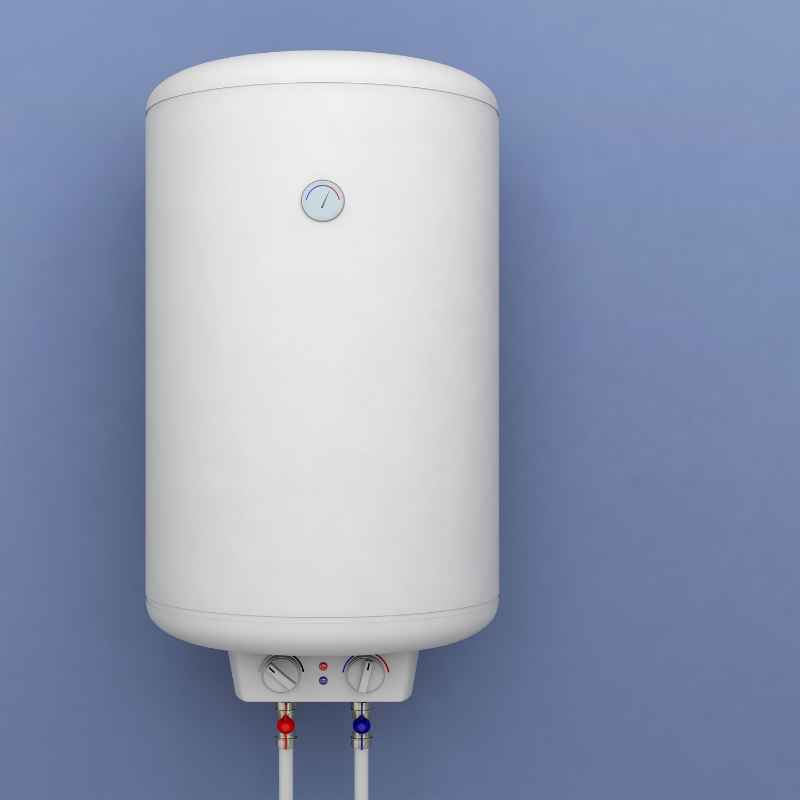
Under tank water heaters, also known as tank-style water heaters, are the most common type found in homes. They store a significant volume of water in an insulated tank and heat it using either electricity or natural gas. The cost to run these units is directly tied to how much energy they consume to maintain the water temperature and how much hot water you use.
The primary factors influencing consumption are the heater’s wattage (for electric) or BTU input (for gas), its insulation quality, and the set temperature. Higher temperatures require more energy to maintain, especially in colder environments or if the tank is not well-insulated. When you turn on a hot water faucet, the heater detects the drop in temperature and activates to heat more water, thus consuming energy.
Furthermore, the age and condition of the heater play a vital role. Older models are often less energy-efficient, and sediment buildup at the bottom of the tank can reduce its heating capacity, forcing it to work harder and longer to deliver hot water. This increased workload directly translates to higher energy bills over time.
- Energy Source: Electricity is typically more expensive per BTU than natural gas in most regions, making gas heaters often cheaper to run.
- Unit Efficiency: Look for the Uniform Energy Factor (UEF) rating. Higher UEF means better efficiency and lower running costs.
- Tank Size: Larger tanks mean more water to heat and store, potentially leading to higher energy use, though they can provide more hot water at once.
- Thermostat Setting: Setting the temperature too high increases energy consumption significantly.
- Standby Heat Loss: Heat escaping from the tank even when no hot water is being used. This is reduced by good insulation.
- Usage Habits: Frequent long showers, multiple hot water appliance cycles simultaneously, and leaking faucets all increase demand and cost.
Electric Under Tank Heater Costs
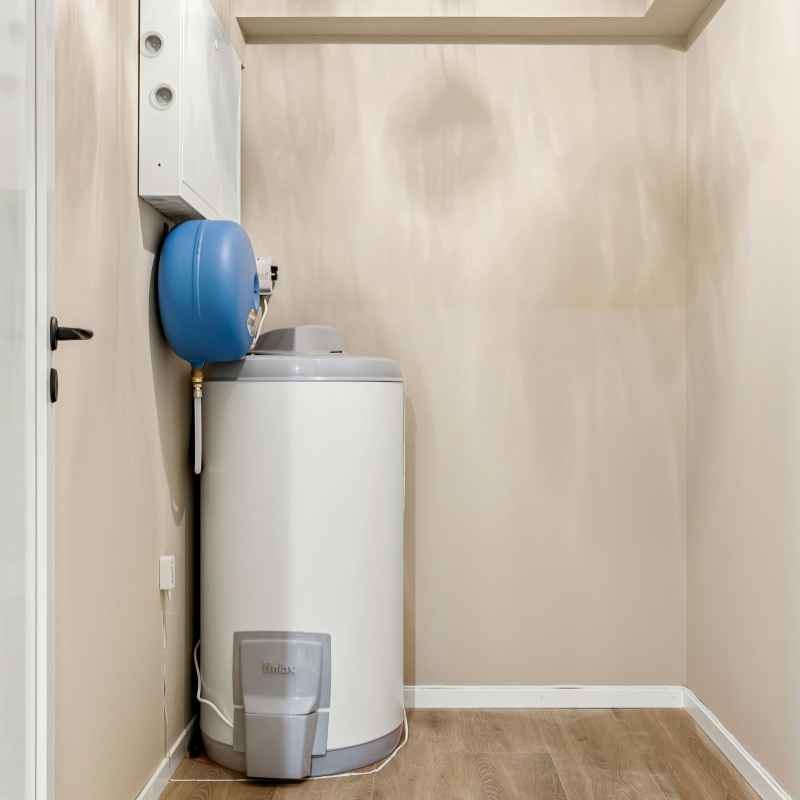
Electric under tank water heaters are popular for their ease of installation and lower upfront cost compared to gas models. However, they often come with higher running costs because electricity is usually more expensive than natural gas on a per-unit-of-energy basis. The cost is primarily determined by the heater’s wattage, the amount of hot water used, and the local price of electricity.
A typical electric water heater might have a wattage between 3,000 to 5,500 watts. If a 4,500-watt heater runs for 3 hours a day to compensate for usage and standby losses, it consumes 13.5 kWh per day. At an average electricity rate of $0.15 per kWh, this amounts to approximately $2.03 per day, or about $60 per month.
This is a simplified calculation, as actual run times vary greatly.
The standby heat loss can account for a significant portion of the energy used. An older, less insulated tank can lose a substantial amount of heat throughout the day. Improving insulation with an insulating blanket can mitigate this, reducing the frequency and duration the heating elements need to cycle on, thus lowering energy bills.
| Factor | Impact on Cost | Notes |
|---|---|---|
| Electricity Price ($/kWh) | Directly proportional | Varies by location; check your utility provider. |
| Heater Wattage (W) | Higher wattage = higher consumption | Larger tanks often have higher wattage. |
| Daily Hot Water Usage (Gallons) | More usage = more heating cycles | Consider family size and habits. |
| Thermostat Setting (°F) | Higher temp = more energy to maintain | ASHRAE recommends 120°F for safety and efficiency. |
| Insulation Quality/Age | Poor insulation = more standby loss | Insulating blankets can help older tanks. |
To estimate the monthly cost, you can use the formula:
(Daily kWh Usage Days in Month Cost per kWh). Daily kWh usage can be approximated by (Heater Wattage / 1000) * (Daily Run Hours). A common estimate for an average household using an electric under tank heater is between $10 to $50 per month, but this can fluctuate widely.
Warning: Always consult your local utility provider for the most accurate electricity rates in your area, as these can vary dramatically by region and time of day.
Gas Under Tank Heater Costs
Gas under tank water heaters use natural gas or propane as their energy source. Generally, natural gas is less expensive than electricity per unit of energy, making gas water heaters more cost-effective to operate for many households. The cost is influenced by the heater’s BTU input, its energy efficiency rating, the local price of natural gas or propane, and your hot water consumption patterns.
These heaters typically have BTU ratings ranging from 30,000 to 50,000. A 40,000 BTU heater, for instance, consumes 40,000 BTUs per hour of operation. If your local natural gas costs $1.00 per therm (1 therm = 100,000 BTUs), then a 40,000 BTU/hr heater would cost $0.40 per hour to run.
If it runs for an average of 1 hour per day, that’s about $12 per month.
Propane can be significantly more expensive than natural gas, so if you use propane, your operating costs will be higher, potentially approaching or exceeding those of an electric heater depending on current propane prices and the efficiency of your unit. Unlike electric heaters, gas units require venting to remove combustion byproducts, which can also impact installation costs and efficiency due to heat loss through the vent.
| Factor | Impact on Cost | Notes |
|---|---|---|
| Natural Gas Price ($/therm) | Directly proportional | Prices fluctuate; check local utility or supplier. |
| Propane Price ($/gallon) | Directly proportional; often higher than gas | Propane usage is measured differently (BTU equivalent). |
| Heater BTU Input (BTU/hr) | Higher BTU = higher consumption per hour | Determines heating speed. |
| Daily Hot Water Usage (Gallons) | More usage = more heating cycles | Consider family size and habits. |
| Ventilation Efficiency | Poor venting can cause heat loss | Ensure proper installation and maintenance. |
Generally, gas under tank water heaters are estimated to cost between $5 to $30 per month to run, but this can increase substantially if using propane or in areas with high natural gas prices. Accurate estimation requires knowing your local fuel costs and your specific heater’s performance metrics.
Factors Affecting Running Costs
Beyond the direct energy source, several other factors significantly influence the operational costs of under tank water heaters. These include the unit’s energy efficiency rating, the ambient temperature of the space where the heater is located, and the effectiveness of its insulation.
The Uniform Energy Factor (UEF) is a standardized measure of a water heater’s overall energy efficiency. It considers standby losses and the energy used to heat water. A higher UEF rating indicates a more efficient unit, meaning it will use less energy to deliver the same amount of hot water, resulting in lower monthly bills.
For example, a high-efficiency gas model might have a UEF of 0.80, while a standard electric model might be around 0.90-0.95. Advanced models, like heat pump water heaters (which are tank-style but use a different technology), can achieve UEF ratings over 3.0.
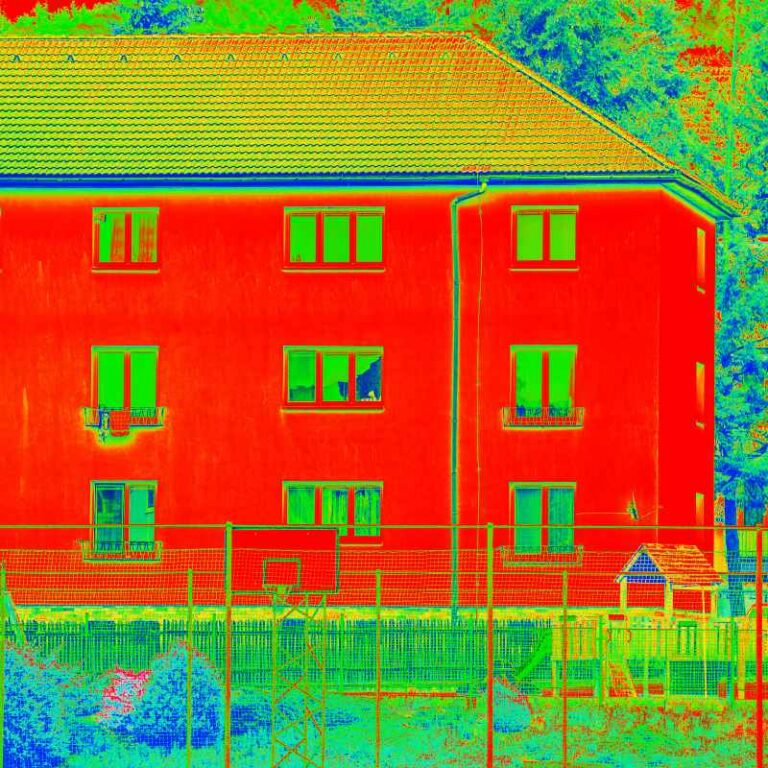
The ambient temperature of the room where the water heater is situated is also critical, particularly for standby heat loss. If the heater is in a cold basement or garage, it will lose heat more quickly to the surroundings, requiring the heating elements or burner to cycle on more frequently to maintain the set temperature. Insulating the tank and hot water pipes can help minimize this loss and reduce energy consumption.
- Energy Efficiency (UEF Rating): Higher UEF equals lower energy costs. Modern units significantly outperform older models.
- Ambient Room Temperature: Heaters in colder spaces (garages, basements) experience more standby heat loss.
- Tank Insulation: The R-value of the tank’s insulation determines how well it retains heat. Older tanks may have less effective insulation.
- Sediment Buildup: Minerals can accumulate at the bottom of the tank, reducing heating efficiency and requiring more energy.
- Thermostat Setting: Every 10°F reduction in thermostat setting can save 3-5% on water heating costs.
- Water Hardness: Hard water can lead to faster sediment buildup, impacting efficiency.
- Usage Patterns: Peak usage times and the duration of hot water use are major determinants.
What is Uniform Energy Factor (UEF)?
The Uniform Energy Factor (UEF) is a metric used to measure the energy efficiency of water heaters. It represents the percentage of energy that the water heater uses to heat water, taking into account standby losses (heat lost from the tank) and the energy consumed during the heating process. A higher UEF rating signifies a more energy-efficient appliance, which will result in lower operating costs over time.
The UEF replaced older efficiency ratings like Energy Factor (EF) and Appliance Efficiency Factor (AEF). When shopping for a new water heater, look for the UEF rating on the EnergyGuide label to compare different models. For tank-style water heaters, UEF ratings typically range from around 0.6 for older or less efficient gas models to over 0.95 for very efficient electric models.
Heat pump water heaters, a type of tank heater, can achieve UEFs of 3.0 or higher.
Estimating Your Running Costs
To get a more personalized estimate of how much it costs to run your under tank heater, you need to gather a few key pieces of information. The most critical data points are your local energy rates (electricity or gas), your water heater’s specifications, and your household’s typical hot water usage. This allows for a more accurate calculation than general averages.
First, determine your energy source and find your current rate. For electricity, check your utility bill for the cost per kilowatt-hour (kWh). For natural gas, look for the cost per therm.
If you use propane, you’ll need to find the price per gallon and know its BTU equivalent. Next, identify your water heater’s energy input (wattage for electric, BTU/hr for gas) and its storage tank capacity (in gallons).
Finally, estimate your daily hot water usage. A common estimate for a family of four is around 60-80 gallons per day, but this can vary greatly. You can also track your usage by noting how long your showers are, how many loads of laundry are done with hot water, and how often dishwashers are run.
With these numbers, you can plug them into the formulas to get a monthly cost estimate.
Important: For a more precise calculation, consider using an online energy usage calculator provided by your utility company or a reputable energy efficiency organization. These tools often account for regional variations and specific appliance models.
Example Calculation (Electric):
Let’s say you have a 4,500-watt electric water heater, your electricity rate is $0.15/kWh, and it runs for an average of 4 hours per day to meet your hot water needs.
- Daily Energy Use: (4500 W / 1000) * 4 hours = 18 kWh
- Daily Cost: 18 kWh * $0.15/kWh = $2.70
- Monthly Cost: $2.70/day * 30 days = $81.00
This is a simplified example. Actual usage can be higher or lower depending on numerous factors.
Example Calculation (Gas):
Suppose you have a 40,000 BTU/hr gas water heater, natural gas costs $1.20 per therm, and it operates for an average of 2 hours per day.
- Daily BTU Consumption: 40,000 BTU/hr * 2 hours = 80,000 BTUs
- Daily Therm Consumption: 80,000 BTUs / 100,000 BTUs/therm = 0.8 therms
- Daily Cost: 0.8 therms * $1.20/therm = $0.96
- Monthly Cost: $0.96/day * 30 days = $28.80
Again, this is an approximation. Your actual costs may vary.
Tips to Reduce Running Costs
Fortunately, there are several practical steps homeowners can take to reduce the energy consumption and, consequently, the operating costs of their under tank water heaters. Many of these involve simple maintenance or adjustments rather than expensive upgrades, making them accessible for most budgets.
One of the most effective methods is to lower the thermostat setting. The U.S. Department of Energy recommends setting your water heater to 120°F (49°C).
Many heaters are set higher by default. For every 10°F reduction in temperature, you can save between 3% and 5% on your water heating costs. This setting is also safer, reducing the risk of scalding, especially for households with children or elderly individuals.
Another significant way to reduce costs is by minimizing standby heat loss. If your water heater tank is older or located in an unheated space, consider installing an insulating blanket specifically designed for water heaters. This can reduce standby heat loss by up to 45% for electric heaters and 25% for gas heaters, according to the Department of Energy.
Also, insulate the first few feet of hot water pipes connected to the heater.
- Lower the Thermostat: Set it to 120°F (49°C) for both safety and energy savings.
- Insulate the Tank: Use a water heater insulating blanket, especially for older or electric models.
- Insulate Pipes: Cover the first 6 feet of hot water pipes with foam pipe insulation.
- Drain Sediment Annually: Flush the tank to remove mineral sediment, improving efficiency.
- Fix Leaks: A small drip from a hot water faucet can waste a surprising amount of heated water.
- Use Less Hot Water: Install low-flow showerheads and faucet aerators, and run full loads in dishwashers and washing machines.
- Consider a Timer: For electric heaters, a timer can restrict heating to periods when hot water is actually needed, reducing standby losses.
- Upgrade to a More Efficient Model: When it’s time for replacement, choose a high-efficiency model like a heat pump water heater.
How to Drain Sediment from Your Water Heater
Sediment buildup at the bottom of your water heater tank can reduce its efficiency by acting as an insulator, requiring more energy to heat the water. Draining the tank annually can prevent this. First, turn off the power (for electric heaters) or the gas supply (for gas heaters) to the unit.
Close the cold water supply valve. Attach a garden hose to the drain valve at the bottom of the tank and run the other end to a floor drain or outdoors. Open the drain valve and let the tank empty completely.
Once empty, briefly open the cold water supply valve to flush out any remaining sediment. Close the drain valve, disconnect the hose, refill the tank, then restore power or gas supply.
Frequently Asked Questions
How much does it typically cost to run a 40-gallon electric water heater per month?
A 40-gallon electric water heater can cost anywhere from $20 to $80 per month, depending heavily on local electricity rates, your hot water usage, and the heater’s efficiency. In areas with low electricity prices and moderate usage, it might be closer to $20-$30, while in high-cost areas with heavy usage, it could reach $80 or more.
Are gas or electric under tank water heaters cheaper to run?
Generally, gas under tank water heaters are cheaper to run than electric ones, provided you have access to natural gas. This is because natural gas is typically less expensive per unit of energy than electricity. However, propane is often more expensive than natural gas and can sometimes be comparable or even more expensive than electricity.
How much energy does a water heater use per day?
The daily energy consumption of a water heater varies greatly. An electric heater might use 4-12 kWh per day, while a gas heater could use 0.5-1.5 therms per day. This translates to roughly $1-$5 per day for electric and $0.50-$3 per day for gas, on average, but actual figures depend on usage and local energy prices.
What is the ideal temperature setting for an under tank water heater?
The U.S. Department of Energy recommends setting your water heater thermostat to 120°F (49°C). This temperature is hot enough for most household needs, reduces energy consumption by up to 10% compared to higher settings, and minimizes the risk of scalding injuries.
Can insulating my water heater tank significantly lower my energy bills?
Yes, insulating your water heater tank can significantly lower your energy bills, especially for older electric models that may have less effective built-in insulation. It helps reduce standby heat loss, meaning the heater doesn’t have to cycle on as frequently to maintain the water temperature. Savings can range from 10% to 25% or more, depending on the heater’s initial efficiency and insulation quality.
Final Thoughts
The cost to run under tank heaters is a dynamic figure influenced by energy prices, appliance efficiency, and your household’s hot water habits. By understanding these components and implementing energy-saving tips like lowering the thermostat and ensuring proper insulation, you can effectively manage and reduce your monthly utility expenses associated with hot water. Regularly maintaining your unit is also key to ensuring it operates at peak efficiency for years to come.
Sponsored / affiliate links. As an Amazon Associate I earn from qualifying purchases. I may earn additional commission from eligible campaigns.