How Much Do Dimplex Storage Heaters Cost to Run?
How much do Dimplex storage heaters cost to run is a crucial question for anyone considering this heating solution for their home. While known for their efficiency and use of off-peak electricity rates, the actual running costs can vary significantly based on several factors, including your energy tariff, insulation levels, and heating habits. This guide breaks down the economics of Dimplex storage heaters, helping you make an informed decision about their affordability.
Simply put, the running cost of Dimplex storage heaters is influenced by electricity prices, especially off-peak rates, your home’s insulation, and how you use the heater. While they leverage cheaper overnight electricity, actual expenses depend on your specific energy tariff and household heating needs.
Key Takeaways
- The primary cost driver for how much Dimplex storage heaters cost to run is the price of electricity, particularly the difference between peak and off-peak tariffs.
- Good home insulation is essential to retain heat generated overnight, reducing the need for topping up during expensive peak hours.
- Usage patterns, such as manual boost functions or over-reliance on them, can significantly increase running expenses.
- Modern Dimplex models offer better controls and insulation, potentially lowering running costs compared to older units.
- A typical off-peak electricity rate can make storage heaters more economical than direct electric heating, but comparing against gas or other systems is vital.
Understanding Storage Heater Running Costs
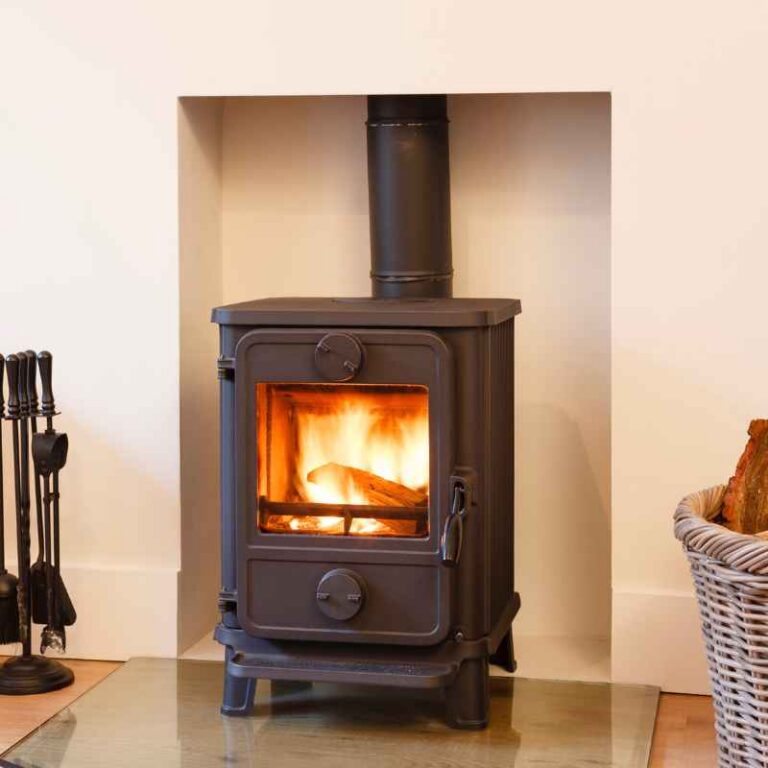
The cost to run any electric heating system, including Dimplex storage heaters, is fundamentally tied to the price you pay for electricity. Storage heaters are designed to take advantage of cheaper electricity rates, typically available overnight during off-peak hours, often referred to as Economy 7 or similar tariffs. During these hours, the heater absorbs heat into its core, which is then released gradually throughout the day.
This design principle means that if your energy provider offers a substantial difference between peak and off-peak electricity prices, your running costs can be significantly lower compared to standard electric radiators or fan heaters that draw power only when needed. For example, if off-peak electricity is £0.10 per kWh and peak electricity is £0.35 per kWh, a heater running for 8 hours overnight at 2kW would cost £1.60, whereas if it had to run for 4 hours during the day at the same rate, it would cost £1.40, showing the benefit of off-peak charging. However, if you deplete the stored heat too quickly and need to use the manual boost function during peak hours, these savings diminish rapidly.
The efficiency of the heater itself also plays a role. Newer models from Dimplex often incorporate better insulation and more sophisticated controls, meaning less stored heat escapes prematurely. This improved efficiency translates directly into lower running costs because the heater doesn’t need to draw as much electricity overnight to maintain a comfortable temperature throughout the day. Factors such as the size of the heater, its wattage, and the size of the room it’s intended to heat are also important considerations.
Key Factors Influencing Dimplex Storage Heater Running Costs
- Electricity Tariff: The price difference between off-peak and peak electricity is the most significant factor. Tariffs like Economy 7, Economy 10, or dedicated time-of-use rates are crucial.
- Insulation Levels: A well-insulated home retains heat better, meaning the storage heater needs to release less energy throughout the day. Poor insulation leads to heat loss, forcing the heater to work harder or requiring manual boost usage.
- Heater Usage Habits: Relying on manual boost functions during peak hours will increase costs. Proper thermostat and dimming controls management is key.
- Appliance Efficiency: Modern storage heaters are more efficient than older models due to better insulation and design, retaining heat for longer.
- Room Size and Heat Demand: The wattage of the heater must be appropriate for the room size. An undersized heater will struggle to provide enough heat, while an oversized one might unnecessarily consume more energy.
- Weather Conditions: Colder weather naturally increases the demand for heating, leading to higher energy consumption and thus higher running costs.
Understanding Electricity Tariffs for Storage Heaters
The most critical element in determining how much do Dimplex storage heaters cost to run is the electricity tariff you are on. Traditional tariffs like Economy 7 (E7) offer a set period of around 7-8 hours of cheaper electricity overnight, with the rest of the day at a standard, higher rate. For storage heaters to be cost-effective, the overnight rate needs to be substantially lower than the day rate.
For instance, if your off-peak rate is £0.12 per kWh and your peak rate is £0.30 per kWh, you are making significant savings by charging the heater overnight. A typical 1.5kW storage heater, fully charged over 7 hours at the off-peak rate, would consume 10.5 kWh, costing £1.26. This heat is then used throughout the day. If you needed to top this up for just 2 hours during the day at the peak rate, it would cost £0.60. However, if you run out of heat and need another 4 hours of charging during the day, the cost jumps to £1.20, drastically reducing your savings.
Newer tariffs, sometimes called “time-of-use” or “time-variable” tariffs, can offer even more flexibility, with even cheaper rates during certain overnight hours. Some providers are also offering smart meter tariffs where prices fluctuate throughout the day based on grid demand. If you have a smart meter, it’s essential to check if your supplier offers a suitable tariff that maximizes the benefits for your storage heating. Failing to align your storage heater usage with the cheapest periods on your tariff will lead to higher-than-expected running costs.
Comparing Storage Heater Tariffs
| Tariff Type | Characteristics | Pros for Storage Heaters | Cons for Storage Heaters |
|---|---|---|---|
| Economy 7 (E7) | ~7-8 hours of cheaper electricity overnight, standard rate during the day. | Clear, predictable charging period for storage heaters. | Day rate can be very high; requires careful management to avoid peak usage. |
| Economy 10 (E10) | Multiple periods of cheaper electricity throughout a 24-hour cycle (usually 10 hours total). | More flexibility for charging and potentially other daytime appliance use. | Periods can be shorter and less predictable than E7; requires precise timing. |
| Smart Meter Time-of-Use Tariffs | Prices vary significantly by time of day, often with very low overnight rates. | Potential for maximum savings if charging aligns perfectly with cheapest periods. | Requires a smart meter and potentially more active management; prices can spike unexpectedly. |
Choosing the right tariff is paramount for minimizing the running costs of your Dimplex storage heaters.
The Impact of Insulation on Storage Heater Costs
A well-insulated home is not just about comfort; it’s a significant factor in controlling how much Dimplex storage heaters cost to run. Storage heaters work by absorbing heat into their core during cheaper overnight electricity periods. This stored heat is then gradually released throughout the day to maintain a comfortable room temperature.
If your home loses heat quickly due to poor insulation, the stored heat will dissipate just as fast, leaving you cold and necessitating the use of the heater’s manual boost function during expensive peak electricity hours.
This is where the benefit of modern storage heaters truly shines, as they often feature advanced insulation materials within their casing. These materials minimize heat loss from the core, allowing more of the absorbed energy to be available for daytime use. However, even the most efficient heater cannot overcome a poorly insulated property. Think of it like trying to keep a hot drink warm in a leaky thermos; the more leaks (heat loss), the faster it cools down, and the more often you need to reheat it.
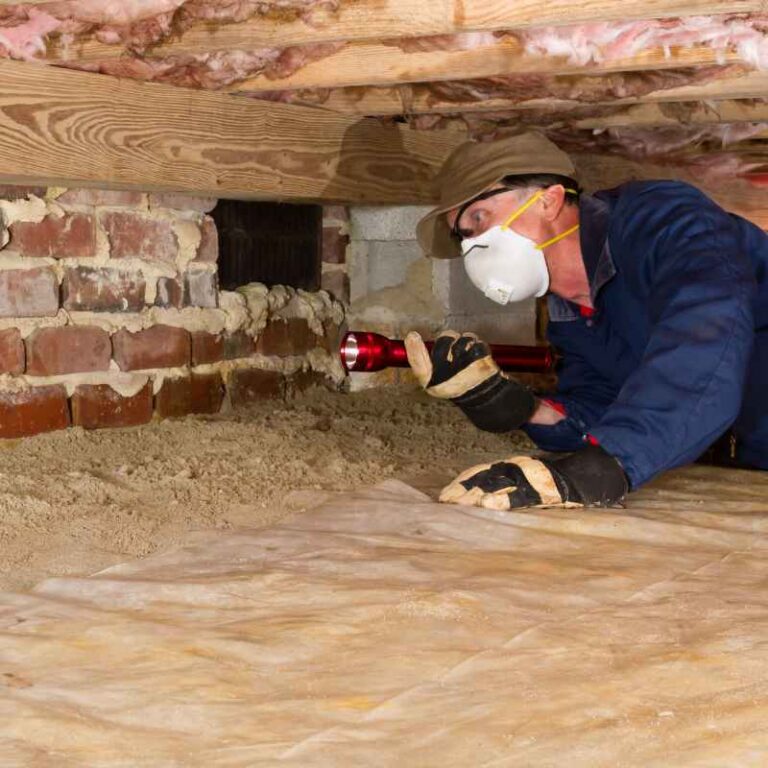
Common areas of heat loss include poorly insulated walls, roofs, and floors, as well as draughts from windows, doors, and chimneys. Investing in insulation, such as loft insulation, cavity wall fill, and draught-proofing, can dramatically improve the performance of your storage heaters. For every degree Celsius that your home retains heat better, you reduce the demand on your heating system, leading to lower electricity consumption and, consequently, lower running costs. According to the Energy Saving Trust, around 25% of heat can be lost through the roof and 35% through walls in an uninsulated home.
Key Areas for Home Insulation to Reduce Heating Costs
- Loft Insulation: Heat rises, making the loft one of the most critical areas to insulate. Proper loft insulation can save a significant amount on heating bills.
- Wall Insulation: Cavity wall insulation and solid wall insulation can prevent substantial heat loss. This is particularly effective in older properties.
- Floor Insulation: Insulating suspended timber floors can stop cold air from rising, making rooms feel warmer and reducing the need for high thermostat settings.
- Draught-Proofing: Sealing gaps around windows, doors, letterboxes, and chimneys can prevent drafts, making a noticeable difference to comfort and reducing heat escape.
- Window Glazing: Double or triple glazing significantly reduces heat loss compared to single-glazed windows. Secondary glazing can be a more cost-effective alternative.
- Pipe and Radiator Insulation: While more relevant for wet central heating, ensuring any pipework associated with your heating system is insulated can prevent minor heat losses.
Prioritizing these insulation measures will directly impact how effectively your Dimplex storage heaters can retain and release heat, thereby lowering your overall energy expenditure.
Usage Habits and Their Effect on Costs
Even with the cheapest electricity tariffs and excellent insulation, your personal usage habits can significantly influence how much do Dimplex storage heaters cost to run. Storage heaters are designed for a specific type of heating: slow, steady release of heat. They are not ideal for rapid, on-demand heating.
The primary control on most storage heaters is a thermostat that regulates the amount of heat released throughout the day. This is often represented by a “dimmer” control (for heat output) and a thermostat (for room temperature). Understanding how to set these correctly is vital. For example, setting the dimmer to a high level means more heat is released from the core, depleting its stored energy faster. If you then don’t have enough heat left for the evening or the next morning, you’ll be tempted to use the manual boost function.
The manual boost function is usually a direct electric heater element within the unit that provides instant heat but draws power at the standard, much higher daytime rate. Over-reliance on this feature will quickly negate any savings made by charging overnight. It’s best to use the boost sparingly for short periods when absolutely necessary, rather than as a primary heating method. Some modern Dimplex models, like the XLE or Q-Rad series, offer more advanced electronic controls with digital displays, programmable timers, and even occupancy sensors, allowing for more precise management of heat release and potentially greater efficiency.
Maximizing Efficiency with Dimplex Storage Heater Controls
- Thermostat Settings: Adjust the thermostat dial to maintain your desired room temperature. Avoid setting it higher than necessary, as this will encourage the heater to release more stored heat.
- Heat Output (Dimmer) Control: This controls how much heat is released from the core. Set it lower on milder days and higher on colder days. Experiment to find the right balance for your needs and the outside temperature.
- Manual Boost: Use this function only when absolutely necessary for a short burst of heat, and be aware it uses expensive peak-rate electricity.
- Timer Functions (on advanced models): Program the heater to release heat when you are most likely to need it, and to reduce output when the room is unoccupied or during the night.
- Venting: Ensure the heater’s vents are not blocked by furniture or curtains, as this impedes the flow of warm air into the room.
- Regular Servicing: Although storage heaters are generally reliable, occasional professional checks can ensure they are functioning optimally.
By understanding and correctly using the controls on your Dimplex storage heater, you can significantly reduce your energy consumption and running costs.
Cost Comparison: Storage Heaters vs. Other Heating Systems
To truly understand how much do Dimplex storage heaters cost to run, it’s helpful to compare them against other common heating methods. The economics are not always straightforward and depend heavily on your location, the age and type of your property, and your energy provider.
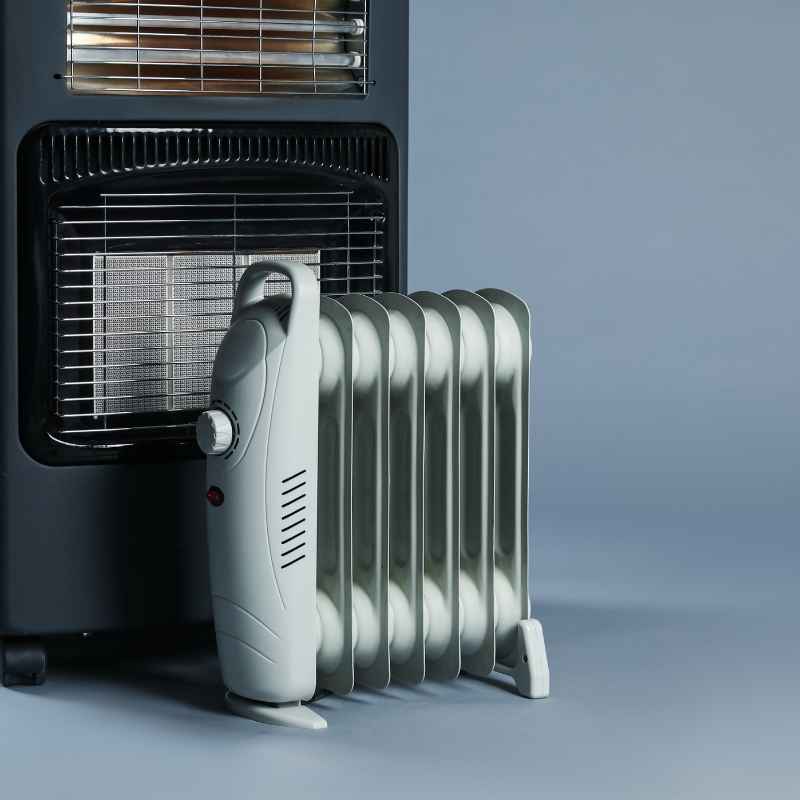
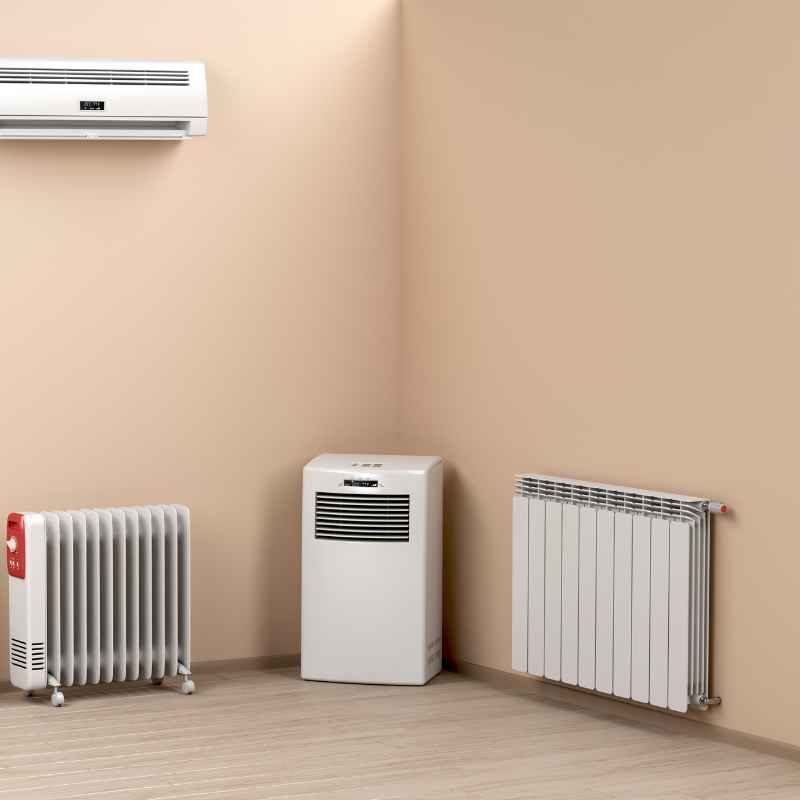
Direct electric heating, such as electric radiators or convector heaters, uses electricity at the standard daytime rate. This makes them significantly more expensive to run than storage heaters, provided the storage heaters are used in conjunction with an off-peak tariff. A 1.5kW electric radiator running for 8 hours a day at £0.30 per kWh would cost £3.60 daily. In contrast, a storage heater that uses 10.5 kWh overnight at £0.12 per kWh (£1.26) and then no additional power during the day might cost considerably less, assuming it provides sufficient heat.
The comparison with gas central heating is more complex. Historically, gas has been cheaper per unit of energy than electricity. However, with fluctuating gas prices and the increasing efficiency of electric heating technologies, the gap has narrowed. The cost of gas central heating depends on the boiler’s efficiency, the cost of gas per kWh, and the overall energy consumption. For a property with good insulation and an efficient modern boiler, gas central heating is often still more economical than even well-managed storage heaters. However, the upfront installation cost of gas central heating can be substantial.
Cost Comparison Table: Annual Running Costs (Estimates)
This table provides estimated annual running costs. Actual costs will vary significantly based on local energy prices, property size, insulation, and usage. We assume a moderately insulated 3-bedroom house in the UK.
| Heating System | Average Annual Running Cost (£) | Key Considerations |
|---|---|---|
| Dimplex Storage Heaters (Good Tariff/Insulation) | £700 – £1,200 | Relies heavily on cheap off-peak electricity; insulation is critical. No gas infrastructure needed. |
| Direct Electric Heaters (e.g., Oil-filled radiators) | £1,500 – £2,500+ | Uses standard electricity rates; very expensive for primary heating. Quick to heat up. |
| Gas Central Heating (Modern Condensing Boiler) | £600 – £1,000 | Generally cheaper per kWh, but requires gas supply and radiators. Upfront cost can be high. |
| Heat Pumps (Air Source) | £500 – £900 | Highly efficient, uses electricity but extracts heat from the air. High upfront cost, eligible for government grants. |
This comparison highlights that while storage heaters can be cost-effective, they are not always the cheapest option overall, particularly when compared to gas or highly efficient heat pumps.
Modern Dimplex Storage Heaters: Efficiency and Cost
Dimplex has been a leading manufacturer of electric heating solutions for decades, and their modern storage heaters represent significant advancements over older models. Understanding the features of these newer units is key to assessing their running costs accurately. Older storage heaters often suffered from poor insulation, leading to a rapid loss of stored heat by the afternoon. This necessitated excessive use of the manual boost function, making them expensive to run.
Newer Dimplex models, such as the XLE (Eco-friendly) and Q-Rad ranges, incorporate substantially improved insulation, often using advanced materials that minimize heat dissipation. They also feature more sophisticated electronic controls. The XLE range, for instance, boasts “intelligent heat management” and “adaptive learning” capabilities. This means the heater learns your heating patterns and the ambient temperature to automatically adjust its charging and heat release for optimal efficiency and comfort.
Warning: Older, poorly insulated storage heaters that require frequent use of the manual boost function during peak electricity hours can be extremely expensive to run. Always check the insulation and control features of any storage heater, especially if buying second-hand.
These advanced features help to maximize the use of cheaper off-peak electricity and minimize the need for costly top-ups. The Q-Rad range, for example, offers precise digital room temperature control and multiple heating modes, including Eco, Comfort, and Frost modes, allowing users to tailor their heating to their lifestyle and budget. According to Dimplex, their modern ranges are up to 47% more efficient than older models. This improved efficiency directly translates to lower energy bills, making the investment in a newer unit a potentially cost-saving decision over time.
Features of Modern Dimplex Storage Heaters
- Improved Insulation: Advanced materials reduce heat loss, meaning stored heat lasts longer.
- Intelligent Controls: Adaptive learning and automatic charging adjust to user needs and ambient temperatures.
- Digital Thermostats: Precise room temperature control for consistent comfort.
- Multiple Heating Modes: Eco, Comfort, Frost, and Programmable settings allow for customized energy use.
- Safety Features: Auto-safety cut-out and tip-over switches for peace of mind.
- Sleek Design: Modern aesthetics to blend better with home décor.
- Wi-Fi Connectivity (on some models): Remote control and monitoring via smartphone app for ultimate convenience.
The technology in modern Dimplex storage heaters is designed to make them a more viable and cost-effective heating solution than their predecessors.
Calculating Your Specific Running Costs
To get a precise answer to how much do Dimplex storage heaters cost to run, you need to perform a simple calculation using your specific details. This involves understanding your electricity meter, your chosen tariff, and the wattage of your heater.
First, identify your electricity meter. If you have an Economy 7 meter, you will likely have two meter readings: one for off-peak (night) and one for peak (day) electricity. Note down your current meter readings. Then, check your latest electricity bill to find out your specific rates per kilowatt-hour (kWh) for both off-peak and peak electricity. These rates can vary significantly between suppliers and regions. For example, an off-peak rate might be £0.12/kWh, while a peak rate could be £0.30/kWh.
Next, determine the wattage of your Dimplex storage heater. This is usually stated on a label on the back or side of the unit, or in the product manual. Storage heaters typically range from 1.2kW to 3.6kW. Let’s say you have a 2.4kW heater. You also need to estimate how many hours it will charge per night and how many hours you might need to use the manual boost function during the day.
If your Economy 7 tariff provides 7 hours of cheaper electricity and your 2.4kW heater is fully charged during this time, it will consume 2.4kW x 7 hours = 16.8 kWh. At £0.12/kWh, this would cost 16.8 x £0.12 = £2.02 to fully charge. If you manage to use this stored heat all day without needing the boost, your daily running cost for that charge would be £2.02. However, if you needed to use the manual boost for 2 hours at the peak rate of £0.30/kWh, that would add another 2.4kW x 2 hours x £0.30/kWh = £1.44 to your daily cost, bringing the total to £3.46.
Step-by-Step Cost Calculation Guide
- Identify your electricity meter: Check if you have a standard meter or a multi-rate meter (like Economy 7).
- Find your tariff rates: Consult your latest energy bill for off-peak and peak kWh prices. If unsure, contact your energy supplier.
- Determine heater wattage: Locate the wattage (kW) of your Dimplex storage heater.
- Estimate overnight charging hours: Note the duration of your off-peak electricity period (e.g., 7 hours).
- Calculate full charge cost: Multiply heater wattage (kW) by overnight hours, then by the off-peak rate (£/kWh).
- Estimate daytime boost usage: Determine how many hours (if any) you realistically use the manual boost function at the peak rate.
- Calculate boost cost: Multiply heater wattage (kW) by boost hours, then by the peak rate (£/kWh).
- Calculate total daily cost: Add the full charge cost and the boost cost.
- Calculate monthly/annual cost: Multiply the daily cost by the number of days you heat your home.
This calculation provides a tangible estimate of how much your Dimplex storage heaters will cost to run based on your specific circumstances.
Frequently Asked Questions
What is the average cost to run a Dimplex storage heater per day?
The average daily running cost for a Dimplex storage heater can range from approximately £1 to £4. This heavily depends on the heater’s wattage, the price of off-peak electricity, the duration of the off-peak period, and how much of the stored heat is used versus how much manual boost is needed. A well-insulated home on a good tariff might see costs closer to £1-£2 per day for consistent heating.
Are Dimplex storage heaters cheaper to run than gas central heating?
Historically, gas central heating has often been cheaper to run per unit of energy than electricity. However, with fluctuating gas prices and the increasing efficiency of modern storage heaters and electricity tariffs, the gap is narrowing. For many, gas remains more economical, but storage heaters can be a competitive option if you have a very favorable off-peak electricity rate and excellent home insulation, especially when considering the upfront cost of installing gas.
How many hours does a Dimplex storage heater need to charge?
Dimplex storage heaters are designed to charge during off-peak electricity periods, which typically last between 7 to 10 hours per night. The heater will absorb heat throughout this entire period to fill its thermal core, ensuring enough heat is available for the following day. Newer models have intelligent charging mechanisms that may optimize this process.
Can I use my Dimplex storage heater with a standard electricity meter?
While technically possible, using Dimplex storage heaters with a standard, single-rate electricity meter is generally not cost-effective. The primary benefit of storage heaters comes from charging them during significantly cheaper off-peak hours. If you only have access to standard-rate electricity, the running costs will be very high, making them an uneconomical choice compared to other heating systems.
How can I reduce the running costs of my Dimplex storage heater?
To reduce running costs, ensure your home is well-insulated to retain heat, use the heater’s controls effectively to avoid unnecessary heat release or boost usage, and confirm you are on the most suitable electricity tariff (e.g., Economy 7 or a time-variable tariff). Regularly check your energy provider for better deals and consider upgrading older, inefficient models.
Final Thoughts
Understanding how much do Dimplex storage heaters cost to run involves a close look at your electricity tariff, home insulation, and usage habits. While they offer a cost-effective way to heat homes using cheaper overnight electricity, modern advancements in insulation and intelligent controls are key to maximizing their efficiency. By carefully managing settings and ensuring your home is well-insulated, you can optimize performance and keep running expenses manageable, making them a viable heating solution for many.
Sponsored / affiliate links. As an Amazon Associate I earn from qualifying purchases. I may earn additional commission from eligible campaigns.