Fischer Storage Heater Costs: A Buyer’s Guide
Understanding the upfront fischer storage heaters cost to buy is crucial for anyone considering an upgrade to their home heating system. These heaters offer a cost-effective and efficient way to heat your home, particularly if you benefit from off-peak electricity tariffs. This guide will break down the various factors influencing their price and what you can expect to invest.
Simply put, Fischer storage heaters can range from £500 to £2,500 or more for a complete system, depending on the number of units, their size, and any professional installation required. Costs vary significantly based on the model, heat output, and features, with DIY installation being a potential cost-saver if feasible.
Key Takeaways
- The fischer storage heaters cost to buy varies widely based on model, size, and features, typically ranging from £500 to £2,500+ for a system.
- Heater output (kW rating) directly impacts price, with higher outputs generally costing more.
- Professional installation can add £200-£500 per heater, significantly influencing the total expenditure.
- Energy efficiency ratings and smart features, like Wi-Fi control, will increase the initial purchase price.
- Consider long-term running costs and potential savings from off-peak electricity tariffs when evaluating the overall investment.
What are Fischer Storage Heaters?
Fischer Future Heat specialises in modern electric storage heaters designed to leverage the lower prices of overnight electricity tariffs. Unlike older, less efficient models, these heaters are engineered for better insulation, smarter controls, and a more aesthetic design. They work by absorbing heat from electricity during off-peak hours (typically overnight) and releasing it gradually throughout the day, providing a consistent and controllable heat source.
The core principle behind a storage heater is its insulated core, usually made from materials like vermiculite or chamotte. This core is heated by electrical elements during periods of cheap electricity. Once heated, the insulation slows down the heat loss, allowing the stored warmth to be radiated and convected into the room when needed, even when the power is off.
Fischer aims to differentiate its products by focusing on improved energy efficiency and user experience. This includes features like automatic top-up controls that predict heat loss based on weather and room usage, and advanced insulation to minimise wasted heat. This focus on technology can lead to a higher upfront cost compared to basic electric heaters but promises better performance and lower running expenses over time.
- Designed to utilize off-peak electricity tariffs.
- Advanced insulation to retain heat for longer.
- Smart controls for automatic heat management.
- Modern aesthetic designs compared to older models.
- Various sizes and outputs to suit different room requirements.
- Focus on energy efficiency and user convenience.
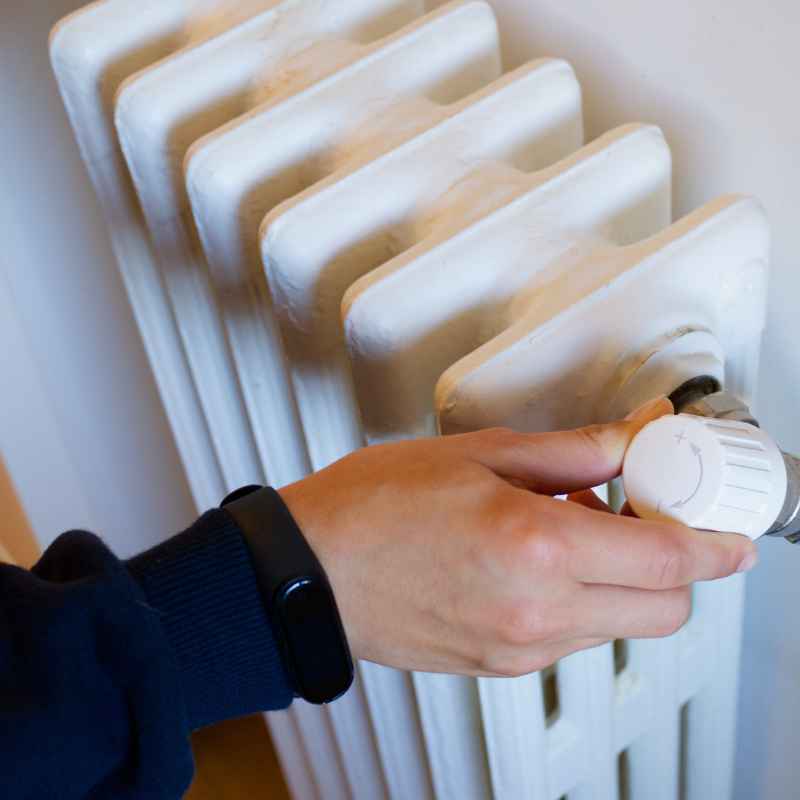
How do Storage Heaters Work?
Storage heaters operate on a simple yet effective principle of thermal energy storage. Electricity is consumed during off-peak hours when energy prices are significantly lower. This energy is used to heat a core material within the heater.
The efficiency of the heater is largely determined by how well it retains this stored heat until it’s needed.
Modern storage heaters, like those from Fischer, incorporate intelligent controls. These systems often include sensors that monitor room temperature and external weather conditions. Based on this data, the heater can automatically adjust the amount of heat it stores and the rate at which it releases it.
This “smart” functionality helps prevent overheating and ensures a more consistent room temperature throughout the day, optimizing comfort and energy usage.
The heat release mechanism typically involves a combination of convection and radiation. As the insulated core cools, it warms the air around it, which then circulates into the room (convection). Simultaneously, the heater’s surfaces radiate heat directly into the space.
The rate of heat release can often be manually adjusted by the user, allowing for further control over the room’s temperature throughout the day. Some models also have a fan to assist with convection for a quicker heat boost.
- Electricity consumption during off-peak hours (e.g., overnight).
- Heating of the internal thermal store material.
- Retention of heat within the insulated core.
- Gradual release of heat through convection and radiation during the day.
- Smart controls adjust storage and release based on user settings and environmental factors.
- Manual override options for immediate heating needs or adjustments.
| Storage Heater Component | Function |
|---|---|
| Insulated Core | Stores heat absorbed from electricity. Materials like vermiculite or concrete. |
| Heating Elements | Convert electrical energy into heat to warm the core. |
| Insulation Layer | Minimizes heat loss from the core when not actively heating. Crucial for efficiency. |
| Control Panel / Thermostat | Allows users to set desired temperature and charging times. |
| Fan (optional) | Assists in distributing warm air for faster heating. |
Understanding these components helps in appreciating the technology behind efficient heat storage and release.
Factors Affecting Fischer Storage Heater Costs
The fischer storage heaters cost to buy is influenced by several key factors, making it essential to understand these before making a purchase. The most significant determinant is the heater’s power output, measured in kilowatts (kW). Larger rooms or those requiring more heat will need higher kW units, which naturally come with a higher price tag.
For example, a 1.5kW unit will be cheaper than a 3.0kW model.
Beyond basic power, the specific model and its features play a vital role. Fischer offers various ranges, some with more advanced insulation, digital thermostats, and user-friendly programming options. Models with Wi-Fi connectivity and smartphone app control, allowing remote adjustments and energy monitoring, will command a premium price over simpler manual units.
The quality of materials used in construction and the overall build robustness also contribute to the cost.
Installation is another substantial cost to consider. While some technically adept individuals might opt for DIY installation, it’s generally recommended to use a qualified electrician. Professional installation ensures the system is fitted safely and correctly, maximizing efficiency and adhering to electrical regulations.
The cost of installation can vary depending on the complexity of the job, the number of heaters, and the electrician’s rates, often adding several hundred pounds per unit.
- Power Output (kW): Higher output heaters are more expensive.
- Model Range: Different series offer varying levels of technology and features.
- Smart Features: Wi-Fi control, app integration, and advanced thermostats increase cost.
- Build Quality and Materials: Premium components and robust construction add to the price.
- Brand Reputation: Established brands like Fischer may have slightly higher pricing due to perceived quality and support.
- Included Accessories: Some packages might include optional extras like wall brackets or connecting cables.
- Warranty Period: Longer warranties on advanced models can sometimes reflect a higher initial investment.
| Heater Output (kW) | Typical Price Range (Unit Only) | Suitable Room Size |
|---|---|---|
| 0.75 kW – 1.2 kW | £300 – £500 | Small rooms (e.g., bathrooms, small bedrooms) |
| 1.5 kW – 2.0 kW | £400 – £700 | Medium rooms (e.g., living rooms, master bedrooms) |
| 2.5 kW – 3.5 kW | £550 – £900 | Large rooms (e.g., open-plan living areas, conservatories) |
This table provides a general idea of unit costs based on output, but always check current pricing for the most accurate figures.
Important: Prices listed are estimates for the heater unit only and do not include installation, which can significantly increase the total cost. Always obtain a detailed quote.
Fischer Storage Heater Models and Pricing
Fischer Future Heat offers a range of storage heaters designed to meet different needs and budgets. Their most popular series, often featuring advanced insulation and smart controls, tends to be at the higher end of the price spectrum. For instance, a single Fischer EcoTherm model, a popular smart storage heater, might cost upwards of £700-£900 for a medium-sized unit (e.g., 2.0kW), depending on specific features like Wi-Fi connectivity and automatic top-up functionality.
The pricing structure generally reflects the technological advancements and energy-saving capabilities of each model. The Fischer Future Heat EcoTherm Plus range, for example, incorporates features like adaptive start control and a highly efficient insulation system to minimize heat loss, making them more expensive than basic models. These units are designed to learn your heating patterns and adjust automatically, offering superior comfort and potential long-term savings on electricity bills.
When considering a full system installation for a property, the fischer storage heaters cost to buy can escalate. A typical three-bedroom house might require 4-6 storage heaters of varying sizes. If each unit costs around £600-£800, this quickly adds up to £2,400-£4,800 for the heaters alone.
Factor in professional installation, which could add £200-£400 per unit, and the total investment could reach £3,200-£7,200 or more.
- Fischer EcoTherm: A popular smart storage heater range with advanced insulation and digital controls. Expect prices from £600 to £900+ per unit.
- Fischer EcoTherm Plus: The premium range, offering enhanced smart features like adaptive start and Wi-Fi connectivity. Likely to be at the higher end, potentially £800 to £1,200+ per unit.
- Basic Models: While Fischer focuses on modern solutions, older or simpler designs might be available at a lower price point, though less common now.
- Kit Prices: Some suppliers may offer package deals for multiple heaters, which could offer a slight discount compared to buying individually.
| Heater Model (Example) | Key Features | Estimated Price Range (Unit Only) |
|---|---|---|
| Fischer EcoTherm 2.0kW | Digital thermostat, adaptive start, insulated casing, Wi-Fi ready. | £750 – £850 |
| Fischer EcoTherm Plus 2.5kW | Advanced adaptive start, Wi-Fi control via app, superior insulation, user-friendly interface. | £850 – £1000 |
| Fischer Compact Electric Radiator (if applicable) | Often for smaller spaces, basic controls, good for supplementary heat. | £500 – £650 |
This table gives a snapshot of potential costs for specific models within the Fischer range.
Installation Costs for Fischer Storage Heaters
The decision to install Fischer storage heaters involves more than just the purchase price of the units themselves; professional installation is a significant component of the overall expense. For a safe, efficient, and compliant setup, hiring a qualified electrician is highly recommended. The cost of installation can vary considerably based on several factors, including the number of heaters being installed, the complexity of the wiring required, and the geographic location of the property.
Typically, an electrician will charge a day rate or an hourly rate. For installing a single storage heater, you might expect to pay anywhere from £150 to £300, depending on the circumstances. If multiple heaters are being installed across different rooms, the cost per unit may slightly decrease due to economies of scale, but the total project cost will rise.
For a property requiring 4-6 heaters, the installation bill could easily range from £800 to £1,800 or more.
It’s important to get detailed quotes from electricians, outlining precisely what is included. Some quotes may cover just the physical mounting and electrical connection, while others might include testing, system checks, and advice on operation. Always ensure the electrician is certified to work with domestic electrical systems and has experience installing heating appliances.
This will not only ensure safety but also ensure the heaters are optimally positioned and wired for maximum efficiency.
- Electrician’s Day Rate: Typically £200 – £400 per day.
- Hourly Rate: Around £40 – £70 per hour.
- Cost Per Unit: Estimated £150 – £300 per heater for straightforward installations.
- Complexity: New wiring runs, upgrades to fuse boards, or difficult wall mounting will increase costs.
- Number of Units: Installing multiple heaters often leads to a slightly lower per-unit cost but a higher total project cost.
- Location: Rates can vary significantly between urban and rural areas.
- Certification: Ensure the electrician is qualified (e.g., NICEIC, Gas Safe for broader heating work if applicable, though usually Part P registered electricians are key here).
Warning: Attempting to install storage heaters yourself without the necessary electrical qualifications can be dangerous and may void your warranty or insurance. Always use a certified professional.
Running Costs vs. Upfront Investment
While the initial fischer storage heaters cost to buy and install can seem substantial, it’s vital to weigh this against the potential long-term running costs. Storage heaters are designed to take advantage of off-peak electricity tariffs, which are significantly cheaper than standard daytime rates. This strategy can lead to considerable savings on heating bills, especially for households that consume a large portion of their energy overnight for heating.
According to industry reports, off-peak electricity can be as much as 70% cheaper than standard rates. This makes the electricity consumed overnight to heat the storage cores far more economical than using direct-acting electric heaters or even some fossil fuel systems, depending on current energy prices. Fischer’s advanced models with better insulation and smart controls further enhance efficiency, ensuring more stored heat is used effectively and less is wasted, thus reducing the overall electricity consumption required to maintain a comfortable temperature.
The payback period for storage heaters can vary. Factors like the insulation of your home, your typical heating usage patterns, and the specific tariffs you are on will influence how quickly the savings on running costs offset the initial investment. For example, a well-insulated home that requires consistent heating throughout the day will benefit more from the stored heat than a poorly insulated property where heat escapes rapidly.
It is estimated that the savings can range from 20% to 50% on heating bills compared to basic electric heaters, and can be competitive with other heating systems when off-peak tariffs are maximized.
| Aspect | Upfront Cost | Running Cost Benefit | Key Consideration |
|---|---|---|---|
| Fischer Storage Heaters | High (Unit + Installation) | Low (Utilizes off-peak tariffs, efficient insulation) | Requires smart tariff, good home insulation enhances savings. |
| Direct Electric Heaters (e.g., fan heaters, oil-filled radiators) | Low to Medium | High (Uses standard electricity rates) | Cheaper to buy, but expensive to run for continuous heating. |
| Gas Central Heating (if applicable) | Medium to High (Boiler, radiators, pipework) | Variable (Depends on gas prices and system efficiency) | Established technology, requires gas supply and regular maintenance. |
Comparing these options reveals that while Fischer heaters have a higher initial outlay, their running cost efficiency makes them a compelling long-term investment.
Frequently Asked Questions
What is the typical lifespan of a Fischer storage heater?
Fischer storage heaters are built for durability, with many models expected to last between 10 to 15 years. However, with proper maintenance and care, some units can continue to function effectively for even longer. The quality of the insulation and internal components plays a significant role in their longevity.
Can I install Fischer storage heaters myself?
While technically possible for those with electrical experience, it is strongly advised against. Storage heaters require specific wiring and safety checks to ensure they operate correctly and safely. Professional installation by a certified electrician is recommended to prevent hazards, ensure optimal performance, and maintain warranty validity.
Do Fischer storage heaters use a lot of electricity?
Fischer storage heaters are designed to be efficient by only consuming electricity during off-peak hours. While they do draw power to charge their heat stores, the cost is significantly lower due to cheaper tariffs. Their advanced insulation minimizes heat loss, ensuring that the stored heat is used effectively throughout the day, leading to controlled and optimized electricity usage.
Are Fischer storage heaters suitable for all types of homes?
Yes, Fischer storage heaters can be suitable for a wide range of homes, including those without access to gas central heating or where a different heating system is impractical. They are particularly beneficial in properties that can effectively utilize off-peak electricity tariffs. Good home insulation is key to maximizing their efficiency.
What is the average saving on electricity bills with Fischer storage heaters?
Savings can vary greatly depending on your previous heating system, home insulation, and electricity tariff. However, by utilizing off-peak electricity, households can often see savings of 20-50% on their heating bills compared to direct electric heating. Fischer’s modern, efficient models are designed to maximize these savings.
Final Thoughts
The fischer storage heaters cost to buy represents a significant initial investment, typically ranging from £500 to £2,500+ for a complete system including professional installation. However, this outlay is offset by their potential for long-term savings through efficient use of off-peak electricity tariffs. When considering the cost, it’s crucial to evaluate not just the purchase price but also the installation expenses, the specific model’s features, and the projected running cost benefits.
For those seeking a modern, controllable, and potentially cost-effective electric heating solution, especially in homes without gas, Fischer storage heaters are a strong contender.
Sponsored / affiliate links. As an Amazon Associate I earn from qualifying purchases. I may earn additional commission from eligible campaigns.