How Much Are Portable Heaters? Cost & Value Guide
Understanding how much portable heaters cost is crucial for making an informed purchase that balances warmth and your budget. These compact devices offer flexible heating solutions for individual rooms or specific zones, but their price points can vary significantly based on type, features, and brand. This guide breaks down the typical costs involved and helps you determine the best value for your needs.
Simply put, portable heaters range from $30 for basic ceramic models to over $300 for advanced infrared or oil-filled radiators with smart features. The price depends on wattage, heating technology, safety features, brand reputation, and additional functionalities like thermostats and timers.
Key Takeaways
- The average cost of a portable heater falls between $50 and $150, with basic models under $50 and premium options exceeding $200.
- Ceramic heaters are generally the most affordable, while infrared and oil-filled radiators tend to be more expensive but offer sustained warmth.
- Energy efficiency, wattage, thermostat control, safety features (like tip-over protection), and smart capabilities significantly impact the price of portable heaters.
- Consider the size of the space you need to heat and the desired heating speed when evaluating the cost-effectiveness of different models.
What Are the Different Types of Portable Heaters?
Portable heaters come in several varieties, each with its own heating mechanism, cost, and effectiveness. Understanding these differences is the first step in figuring out how much portable heaters will cost you. The most common types include ceramic, infrared, oil-filled radiators, and fan heaters. Each has distinct advantages and disadvantages that influence their price and suitability for different scenarios.
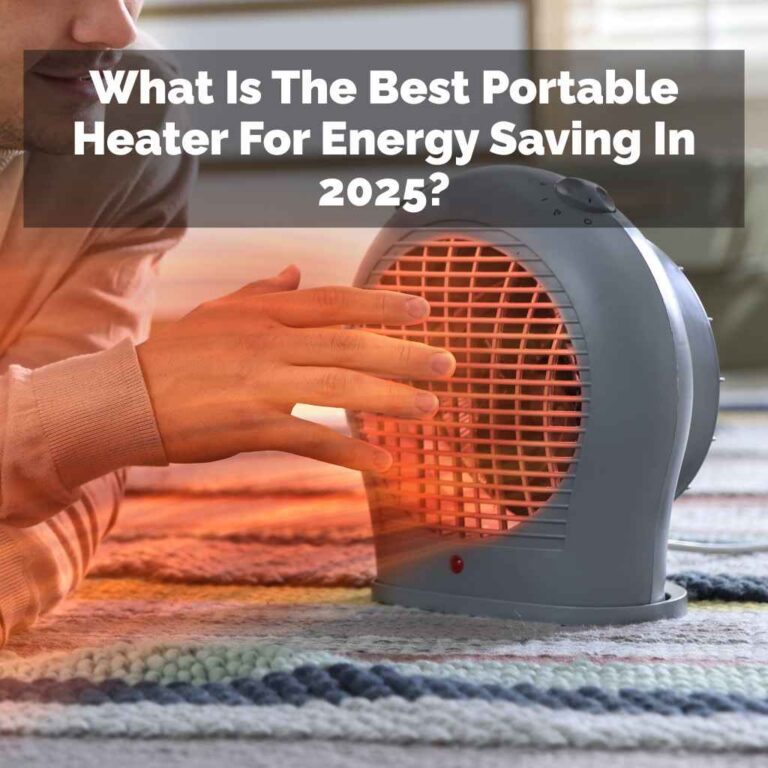
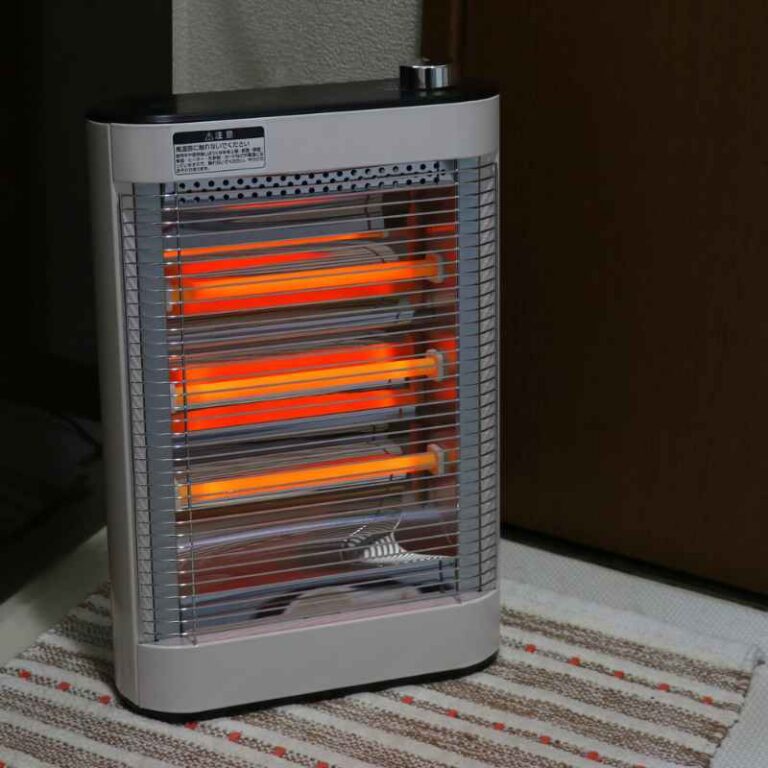
Ceramic heaters are popular for their relatively low cost and quick heating capabilities. They use a ceramic plate as a heating element, with a fan blowing air over it to distribute warmth. These are excellent for small to medium-sized rooms and are typically the most budget-friendly option. Infrared heaters, on the other hand, work by emitting radiant heat, similar to the sun. They heat objects and people directly rather than the air, making them efficient for spot heating and less affected by drafts. This technology often comes at a higher price point.
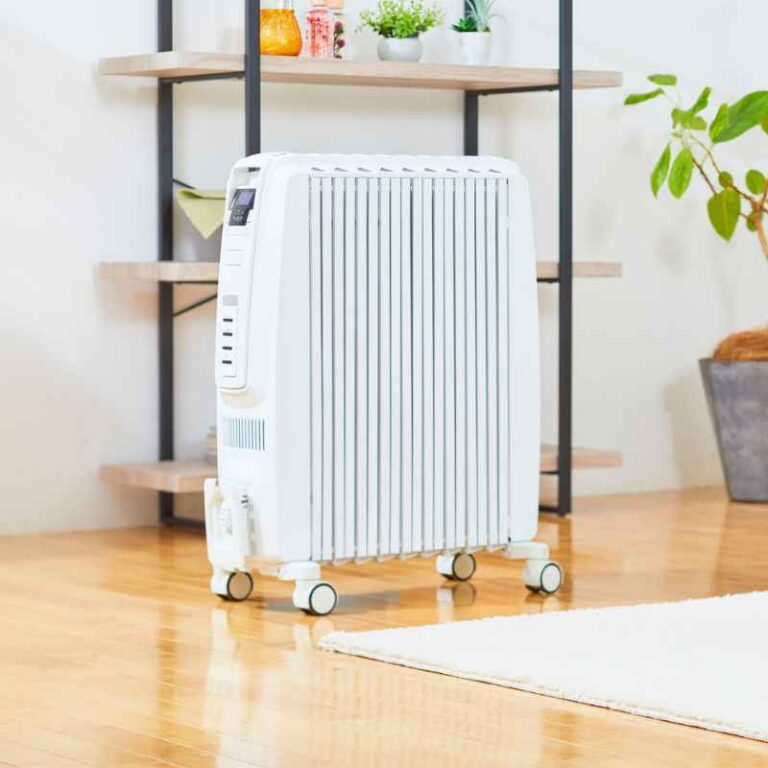
Oil-filled radiators mimic the heating process of traditional steam radiators. They contain a thermal oil that circulates and heats up, radiating warmth into the room for an extended period, even after being turned off. These are known for providing consistent, quiet heat but can take longer to warm up a space. Fan heaters are usually the most basic and affordable, using a heating element and a fan to blow hot air. While they heat up quickly, they can be noisy and less energy-efficient for larger spaces.
How Much Do Different Portable Heater Types Cost?
The price of portable heaters varies significantly depending on the technology they employ. As a general rule, simpler models with fewer features are less expensive, while those with advanced heating elements, smart capabilities, and robust safety features command higher prices. This section breaks down the typical cost ranges for the most common types of portable heaters, helping you budget effectively for how much portable heaters will set you back.
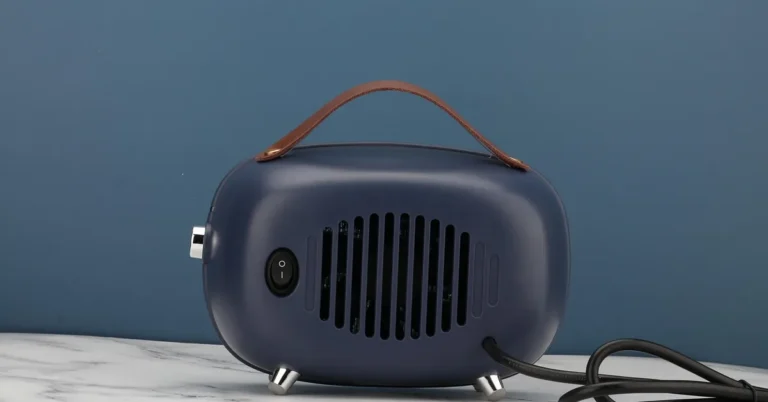
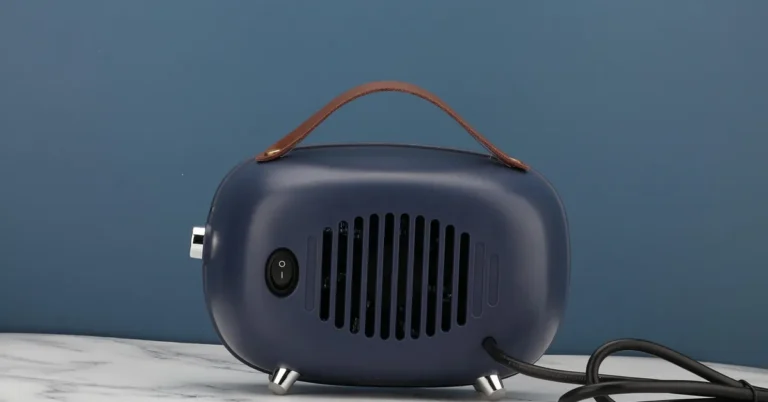
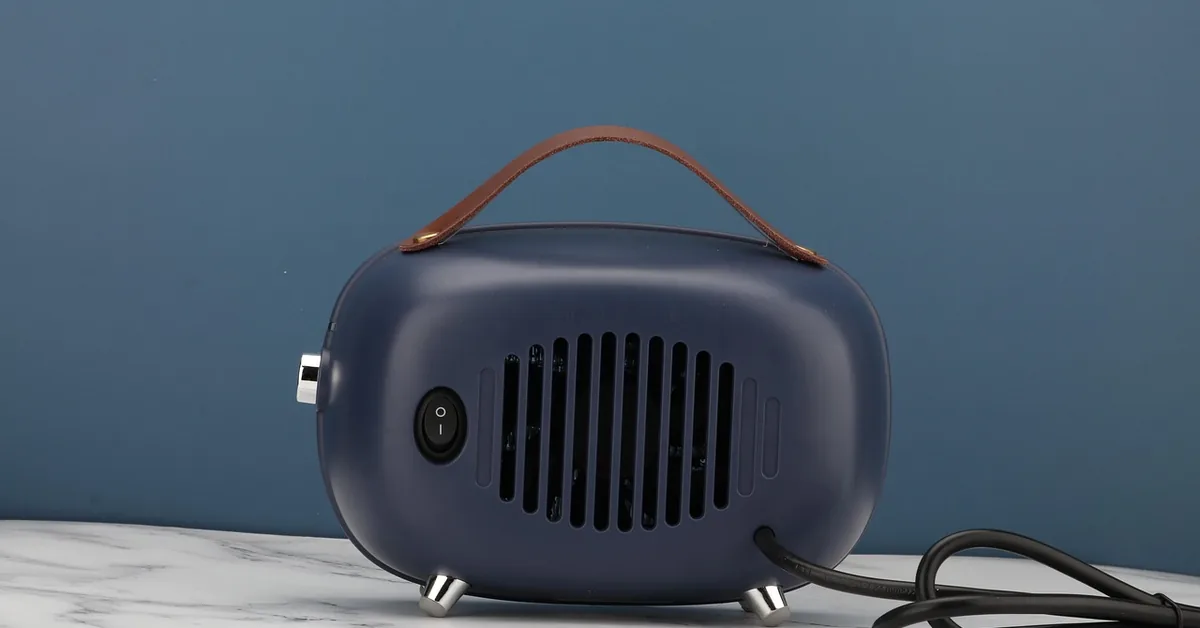
Ceramic heaters are often the entry-level choice, with basic models available for as little as $30 to $60. More advanced ceramic heaters with digital controls, timers, and oscillation features might cost between $60 and $120. These are a great option if you need a quick, budget-friendly solution for a small personal space or office.
Infrared heaters generally fall into a mid-to-high price range. Smaller personal infrared heaters can be found from $50 to $100, while larger, more powerful units designed for whole rooms can cost anywhere from $100 to $250. Their efficiency in heating objects directly can make them cost-effective in the long run, despite the higher initial investment.
Oil-filled radiators are usually priced between $70 and $200. The cost depends heavily on the size (wattage) and the number of fins. Larger, more powerful oil-filled units designed for bigger rooms will be at the higher end of this spectrum. They are a good investment for consistent, quiet warmth throughout the night or for extended periods.
Fan heaters, especially the basic portable electric coil or mica-panel types, can be found for as low as $20 to $50. However, these are often less durable and energy-efficient. If you’re looking for a slightly more robust fan heater with adjustable settings and safety features, expect to pay between $50 and $100.
What Features Influence the Cost of Portable Heaters?
Beyond the basic heating technology, several features significantly impact the final price you’ll pay for a portable heater. Manufacturers add these functionalities to enhance convenience, safety, efficiency, and overall user experience. Understanding what drives up the cost will help you prioritize what’s essential for your needs and avoid paying for features you won’t use, thereby optimizing your investment in how much portable heaters are worth.
One of the most significant cost drivers is wattage and heating power. Higher wattage generally means more powerful heating and faster warming of a space, but also increased energy consumption. Heaters with higher wattage capabilities, often designed for larger rooms, will naturally be more expensive. For instance, a 1500-watt heater will typically cost more than a 750-watt model from the same product line.
Thermostat control is another key feature. Models with adjustable thermostats allow you to set a specific temperature, and the heater will cycle on and off to maintain it. This not only provides consistent comfort but also saves energy compared to models that run continuously. Digital thermostats and programmable timers add further to the cost, offering greater precision and convenience.
Safety features are paramount and often reflected in the price. Overheat protection, which automatically shuts off the heater if it gets too hot, and tip-over protection, which does the same if the unit is knocked over, are standard on most reputable models today but can be more advanced or robust on premium units. Features like cool-touch housings also add to the manufacturing cost.
Smart capabilities, such as Wi-Fi connectivity for app control, voice command integration with smart home systems (like Alexa or Google Assistant), and remote operation, represent the premium end of the portable heater market. These features add significant convenience but also substantially increase the price. A smart portable heater can easily cost $150 to $300 or more.
Finally, brand reputation and build quality play a role. Established brands known for durability and reliable performance often charge a premium. Higher-quality materials and more rigorous manufacturing processes contribute to a higher price but can result in a longer-lasting and safer product.
What is the Energy Efficiency of Portable Heaters?
When considering how much portable heaters cost, it’s vital to look beyond the upfront purchase price and factor in their long-term operating costs, particularly energy efficiency. Portable heaters, like all electric resistance heaters, convert nearly 100% of the electricity they consume into heat. However, their efficiency in heating a specific space and how quickly they do so can vary, impacting how much you spend on electricity.
The primary determinant of energy consumption is the heater’s wattage. A 1500-watt heater will use more electricity per hour than a 750-watt heater. However, a higher-wattage heater might warm a room faster, potentially allowing it to be turned off sooner, thus balancing out the consumption. The key is to match the heater’s wattage to the size of the room and your heating needs. For a small bathroom, a 750-watt heater might suffice, while a large living area may require a 1500-watt model.
Models with adjustable thermostats are generally more energy-efficient than those without. A thermostat allows the heater to cycle on and off as needed to maintain a set temperature, preventing it from running constantly and overheating the space. This can lead to significant savings on your electricity bill compared to a heater that simply runs at full power until you manually turn it off. Some advanced models even feature eco-modes or energy-saving settings.
Infrared heaters are often touted as being energy-efficient because they heat objects and people directly, rather than warming the entire volume of air in a room. This means they can provide a feeling of warmth more quickly and effectively in a targeted area, potentially allowing for lower overall energy use if you only need to heat a specific spot. However, if you need to heat the entire air volume of a room, their efficiency advantage diminishes.
Oil-filled radiators are known for their ability to retain heat. Once the oil heats up and the thermostat cycles the unit off, the residual heat in the oil continues to radiate warmth into the room for a period. This provides a more even and sustained heat with fewer on-off cycles, which can be more energy-efficient for maintaining a comfortable temperature over long periods, especially in drafty rooms.
The placement and insulation of the room also play a critical role in energy efficiency. Using a portable heater in a well-insulated room with closed doors and windows will be far more effective and cost-efficient than using one in a poorly sealed or drafty space. Using weather stripping or draft stoppers can significantly reduce heat loss and improve the performance of any portable heater, making it work less to maintain your desired temperature.
What Are the Safety Features to Look For?
Safety is a paramount concern when choosing any heating appliance, and portable heaters are no exception. While the upfront cost is a significant factor in deciding how much portable heaters are, investing a little more in models with robust safety features can prevent accidents and ensure peace of mind. Reputable manufacturers prioritize safety, and these features often contribute to the overall price of a unit.
One of the most critical safety features is overheat protection. This mechanism automatically shuts down the heater if its internal temperature exceeds a safe limit. This is crucial to prevent the unit from malfunctioning, melting, or becoming a fire hazard. Most modern heaters include this, but checking for certifications from organizations like UL or ETL can assure you of its reliability.
Tip-over protection is another essential feature. This system automatically turns off the heater if it is accidentally knocked over. This is vital for preventing fires, especially in homes with pets or children, or in high-traffic areas where the heater might be bumped. The mechanism typically involves a mercury switch or a similar sensor that detects the unit’s angle.
Cool-touch housing is a desirable feature, particularly for ceramic heaters and those with exposed heating elements. This ensures that the exterior surfaces of the heater remain relatively cool to the touch, reducing the risk of burns. This is especially important if the heater will be used in areas where people might accidentally come into contact with it.
Flame-retardant materials are used in the construction of higher-quality portable heaters. These materials help to contain any potential fire or prevent it from spreading, adding an extra layer of safety. While not always advertised as a distinct feature, it’s often indicated by certifications or the overall build quality.
For models that use fans, ensuring the fan guard is securely in place and designed to prevent small fingers or objects from reaching the blades is important for child safety. Some heaters also include indicator lights to show when the unit is on or if it has shut down due to overheating, providing clear visual cues for the user.
Finally, looking for certifications from recognized safety testing laboratories such as UL (Underwriters Laboratories), ETL (Intertek), or CSA (Canadian Standards Association) is a reliable way to ensure a heater meets stringent safety standards. While these certifications don’t directly add to the price of the heater in terms of operational features, they represent the manufacturer’s commitment to safety compliance, which can influence the overall cost.
What is the Average Lifespan of a Portable Heater?
The lifespan of a portable heater is influenced by its build quality, how often it’s used, and how well it’s maintained. Understanding this can help you gauge the long-term value for how much portable heaters are worth over time, beyond the initial purchase price. Generally, a well-maintained portable heater can last anywhere from 5 to 15 years.
Basic fan heaters or coil heaters, due to their simpler mechanisms and often less robust construction, might have a shorter lifespan, typically around 5 to 8 years. Their heating elements can degrade over time, and fans can become noisy or fail.
Ceramic heaters tend to have a slightly longer lifespan, often between 7 and 10 years. The ceramic elements themselves are quite durable, but the lifespan can be affected by the fan motor and any electronic components like thermostats or control panels. Regular cleaning to prevent dust buildup is crucial for maintaining their performance and longevity.
Oil-filled radiators are known for their durability and can often last the longest, sometimes exceeding 10 to 15 years. The sealed system containing the oil has fewer moving parts (only a thermostat and power switch), and the oil itself doesn’t degrade significantly over time. The primary points of failure would be the thermostat or the power cord. As long as the unit doesn’t leak and the electrical components remain functional, they can provide reliable heat for many years.
Infrared heaters, with their quartz or ceramic emitters, can also be quite durable, with lifespans often falling between 8 and 12 years. The emitters themselves are very long-lasting, but the accompanying electronics and fan (if present) will eventually wear out.
To maximize the lifespan of your portable heater, regular maintenance is key. This includes dusting the unit, especially the vents and fan blades, to prevent dust from accumulating and potentially causing overheating or strain on the motor. Always store the heater properly when not in use, ideally in its original packaging or a protective cover, to shield it from dust and damage. Avoid running the heater continuously for excessively long periods, especially if it’s a lower-wattage model designed for intermittent use.
How to Calculate the Total Cost of Owning a Portable Heater
Calculating the true cost of owning a portable heater involves more than just its sticker price. You need to consider the upfront purchase cost, the estimated electricity usage, and the expected lifespan of the unit. This comprehensive approach will give you a clearer picture of how much portable heaters will actually cost you over their entire service life, allowing for a more informed decision.
Here’s a breakdown of the calculation:
1. Purchase Price: This is the straightforward cost you pay at the store or online. Let’s say you buy a mid-range ceramic heater for $80.
2. Electricity Cost Calculation:
Wattage: Determine the heater’s wattage (e.g., 1500 watts).
Convert to Kilowatts: Divide wattage by 1000 (e.g., 1500W / 1000 = 1.5 kW).
Hours of Use: Estimate how many hours per day and days per month you’ll use the heater. For example, 6 hours/day for 30 days/month = 180 hours/month.
Kilowatt-Hours (kWh): Multiply kW by hours of use (e.g., 1.5 kW 180 hours = 270 kWh per month).
Cost per kWh: Check your electricity bill for your average cost per kWh (e.g., $0.15/kWh).
Monthly Operating Cost: Multiply kWh by cost per kWh (e.g., 270 kWh $0.15/kWh = $40.50 per month).
3. Annual Operating Cost: Multiply the monthly operating cost by 12 (e.g., $40.50/month * 12 months = $486.00 per year).
4. Total Cost Over Lifespan:
Estimate the lifespan of the heater (e.g., 8 years).
Multiply the annual operating cost by the lifespan (e.g., $486.00/year 8 years = $3,888.00).
Add the purchase price to the total operating cost: $3,888.00 + $80.00 = $3,968.00.
This calculation shows that a $80 heater could cost nearly $4,000 over its 8-year lifespan if used extensively. This highlights the importance of choosing an energy-efficient model and using it judiciously.
Consider these factors for more accurate cost estimation:
- Thermostat Use: Using a thermostat can significantly reduce operating hours and costs.
- Room Insulation: Better insulated rooms require less heating time.
- Electricity Rates: Rates vary by location and time of day.
- Heater Efficiency: While all electric heaters are nearly 100% efficient at converting electricity to heat, some technologies heat spaces more effectively, reducing run time.
This detailed cost analysis helps put the initial price of how much portable heaters cost into perspective, emphasizing long-term value.
Frequently Asked Questions
What is the most energy-efficient type of portable heater?
Infrared heaters are often considered the most energy-efficient for spot heating because they heat objects and people directly, rather than warming the entire air volume of a room. This can lead to quicker perceived warmth and potentially lower overall energy usage if you only need to heat a specific area.
Are portable heaters expensive to run?
Portable heaters, especially those with high wattage, can be expensive to run if used continuously or to heat large spaces. Their cost depends on the heater’s wattage, how long it’s used, and your local electricity rates. Using them for zone heating or supplementing central heating is generally more cost-effective.
Can a portable heater replace my central heating system?
For most homes, a single portable heater cannot adequately replace a central heating system, especially in colder climates or for larger living spaces. They are best suited for supplemental heat in specific rooms or for smaller, well-insulated areas.
How much does a good quality portable heater cost?
A good quality portable heater typically ranges from $50 to $150. This price point usually ensures a balance of decent wattage, useful features like a thermostat, and essential safety mechanisms. Premium models with advanced features can cost $200 and above.
What are the typical safety certifications to look for?
Key safety certifications to look for include UL (Underwriters Laboratories), ETL (Intertek), and CSA (Canadian Standards Association). These certifications indicate that the heater has been tested and meets rigorous safety standards for electrical appliances.
Final Thoughts
When evaluating how much portable heaters cost, remember that the initial purchase price is only part of the equation. Consider the type of heater, its energy efficiency, essential safety features, and your specific heating needs. Investing in a model that aligns with your budget while providing reliable, safe, and efficient warmth will ensure long-term satisfaction and comfort. Choose wisely to maximize value and minimize operating expenses.
Sponsored / affiliate links. As an Amazon Associate I earn from qualifying purchases. I may earn additional commission from eligible campaigns.