How Much Does A Portable Heater Cost To Run Per Month?
Understanding the monthly cost of running a portable heater involves looking at its wattage, how often you use it, and your local electricity rates. By calculating these factors, you can estimate expenses and find ways to save energy.
What Affects How Much a Portable Heater Costs to Run?
Several things play a big role in how much you pay for electricity. Think of it like a puzzle. Each piece matters.
The heater’s power consumption is key. This is measured in watts. A higher wattage means it uses more power.
Your local electricity price is another big piece. Some areas have much cheaper power than others.
How long you run the heater matters a lot too. Using it for just an hour here and there is very different from leaving it on all day. The type of heater also makes a difference.
Some are more efficient than others.
Understanding Heater Wattage
Wattage tells you how much power a heater uses. This is super important for figuring out costs. Most portable heaters are between 750 watts and 1500 watts.
Some bigger ones might use more.
A heater with a 1500-watt rating uses more electricity than one rated at 750 watts. It’s like comparing a big truck to a small car. The truck uses more gas for the same trip.
Many heaters have different settings. You might see a “low” setting and a “high” setting. The low setting often uses less wattage, maybe 750 watts.
The high setting might use the full 1500 watts.
This means you can often adjust the power. If a room is just a little cool, the low setting might be enough. This saves you money.
Always check the label on your heater. It will show the wattage it uses.
Heater Wattage Quick Guide
Low Wattage (Around 750W): Good for small spaces or mild chill. Uses less power.
Medium Wattage (Around 1000W): A middle ground for average rooms.
High Wattage (Around 1500W): Best for larger rooms or very cold spaces. Uses more power.
How to Calculate Your Heater’s Running Cost
Ready to do some math? Don’t worry, it’s not too hard. We need three main things: the heater’s wattage, how many hours you use it, and the price of electricity in your area.
This formula works for most electric devices.
First, find the heater’s wattage. Let’s say it’s 1500 watts. Next, figure out how many hours you’ll use it.
Let’s plan for 4 hours a day. Then, you need your electricity rate. This is usually in cents per kilowatt-hour (kWh).
You can find this on your electric bill.
Let’s say your electricity costs 15 cents per kWh. That’s 0.15 dollars per kWh. To calculate daily cost, we use this: (Wattage / 1000) Hours Used Cost Per kWh.
So, (1500 / 1000) 4 0.15 = 1.5 4 0.15 = 6 * 0.15 = 0.90 dollars per day.
To get the monthly cost, multiply the daily cost by the number of days you’ll use it in a month. If you use it for 30 days, that’s $0.90 * 30 = $27.00 per month for that one heater, used 4 hours a day.
It’s good to remember that this is an estimate. Your actual usage might vary. But this gives you a solid idea.
Cost Calculation Steps
- Find Heater Wattage: Look on the heater’s label. (e.g., 1500W)
- Determine Hours of Use: How many hours per day? (e.g., 4 hours)
- Get Electricity Rate: Check your bill for cost per kWh. (e.g., $0.15/kWh)
- Calculate Daily Cost: (Wattage / 1000) x Hours x Rate (e.g., (1500/1000) x 4 x 0.15 = $0.90)
- Calculate Monthly Cost: Daily Cost x Days Used (e.g., $0.90 x 30 = $27.00)
The Impact of Electricity Rates
Your electric bill is a big factor. Rates change a lot from place to place. They also change depending on the time of day or even the season.
In some states, electricity is very cheap. In others, it’s much more expensive. This difference can really change your heater’s running cost.
A heater that costs $30 a month in one state might cost $60 in another, if used the same way.
Some utility companies have “time-of-use” plans. This means electricity is cheaper at night and more expensive during peak hours, like late afternoon. If your heater runs at night, you could save money.
Always check your bill to find your exact rate. It’s usually listed in cents per kWh or dollars per kWh. Knowing this number is vital for accurate cost estimates.
It’s a number that’s often overlooked.
Electricity Rate Snapshot
High Rate Areas: Can double your heater’s running cost compared to low rate areas.
Time-of-Use Plans: Running heaters during off-peak hours saves money.
Seasonal Rates: Some areas charge more for electricity in summer or winter.
Check Your Bill: Always use your specific rate for best estimates.
Different Types of Portable Heaters and Their Costs
Not all portable heaters are the same. They work in different ways and use different amounts of energy. This affects how much they cost to run.
Ceramic Heaters are very common. They use a ceramic plate to heat air. They’re good for small to medium rooms.
They usually use around 750W to 1500W. Their running cost is pretty standard for their wattage.
Infrared Heaters use radiant heat. They warm objects and people directly, not the air. They can feel warmer faster.
They also typically range from 750W to 1500W. Some people find they use less energy because they feel warmer with less time. This is not always true for the total energy used.
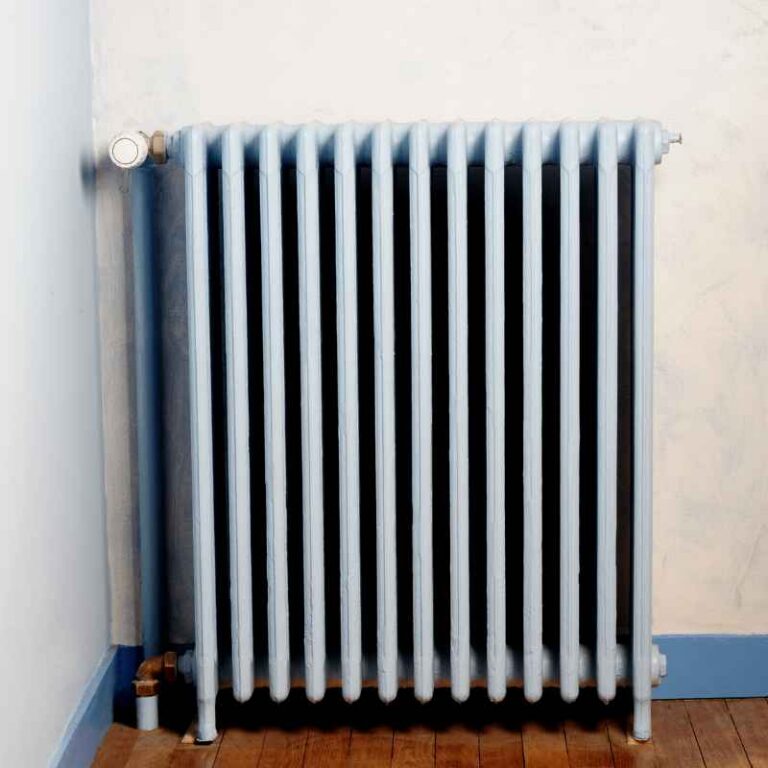
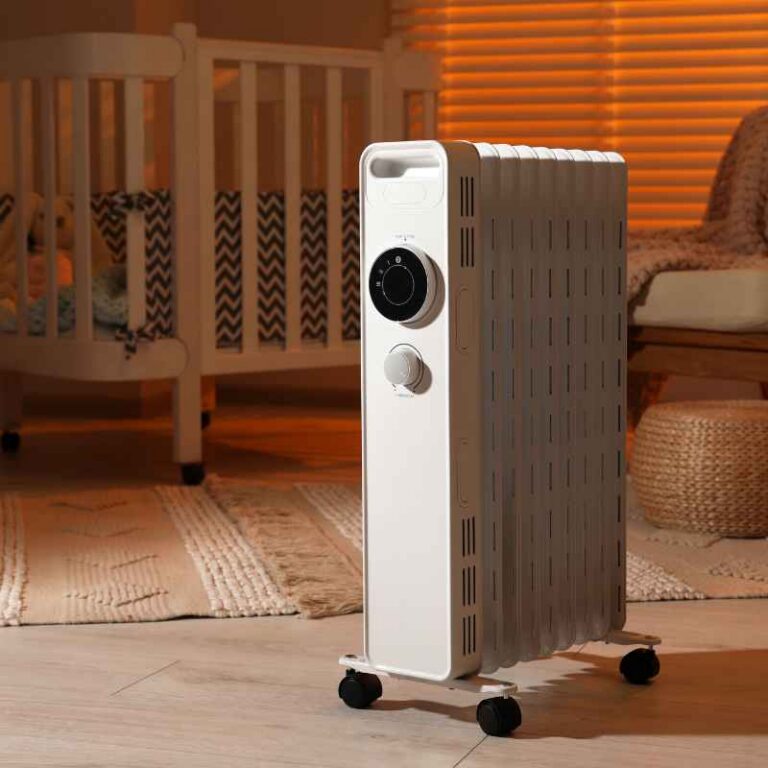
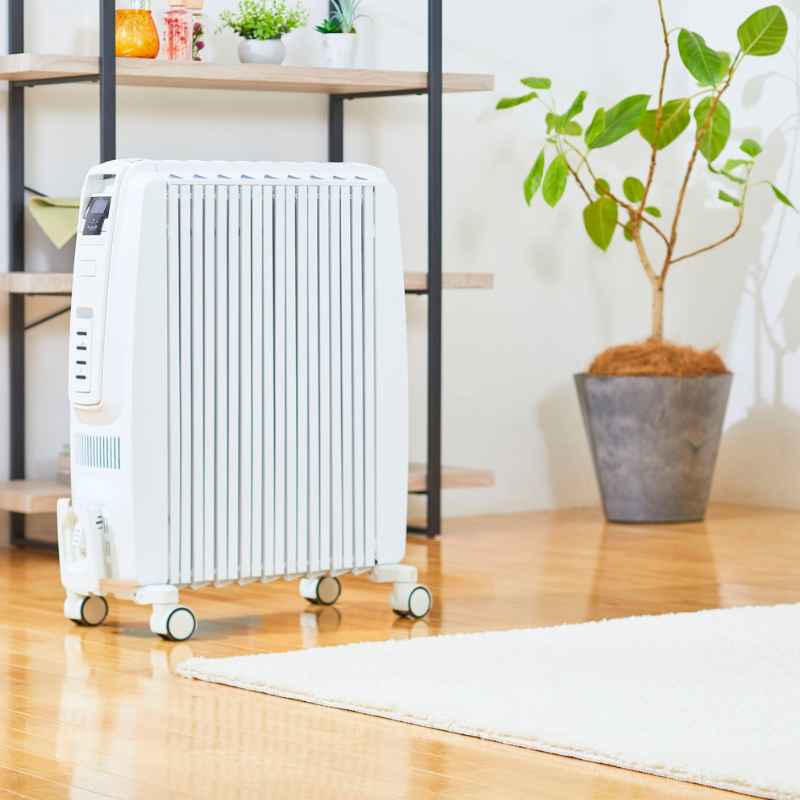
Oil-Filled Radiators look like old-school radiators. They have oil inside that heats up. They provide a steady, gentle warmth.
They often have lower wattage options, like 500W or 750W, for longer, consistent heating. They heat up slower but stay warm longer.
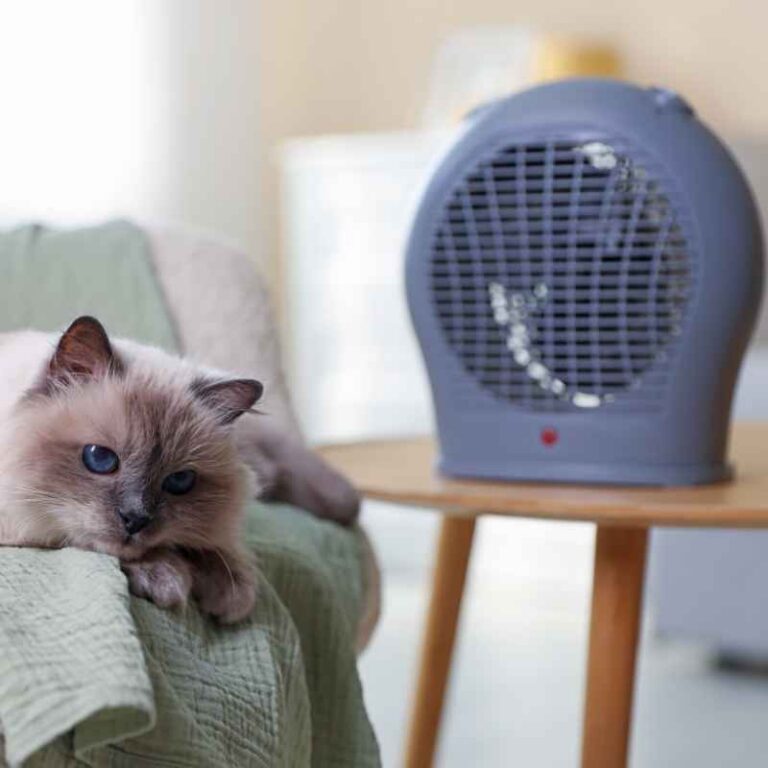
Fan Heaters (or Convection Heaters) use a fan to push hot air. They heat a room quickly. They are often 1500W.
Their quick heating might make them seem efficient. But they use full power when on.
Micathermic Heaters combine convection and radiant heat. They are thinner and lighter. They can heat a room and objects.
Their wattage is often around 1300W to 1500W. They tend to heat up fast.
The type of heater mainly impacts how it heats and how fast. For pure energy cost, the wattage is the biggest number to watch. A 1500W heater of any type will use roughly the same amount of energy per hour.
Heater Type vs. Cost
Ceramic: Standard cost for wattage. Good for general use.
Infrared: Similar wattage costs. May feel warmer faster, leading to shorter run times.
Oil-Filled: Can have lower wattage for steady heat. Slower to heat but retains warmth.
Fan/Convection: Fast heating, uses full power. Good for quick warm-ups.
Micathermic: Fast heating, standard wattage costs.
Focus on Wattage: For direct cost, wattage is the main driver.
Personal Experience: The Night the Heater Ran All Night
I remember one particularly brutal February night a few years back. The power had flickered out earlier that day, and while it came back on, the house felt like an icebox. My thermostat was useless, and the central heat was just blowing cold air.
Desperate, I grabbed the little ceramic heater from the guest room. It was a 1500-watt model, one I usually only used for an hour or two to take the edge off a chilly morning.
I set it to high, pointed it towards the living room couch, and honestly, I fell asleep on the couch. I woke up around 3 AM feeling incredibly warm, almost too warm. The heater was still chugging along, humming its little tune.
That’s when the panic hit. I had left it on high, all night. My mind raced, picturing a sky-high electric bill.
I quickly turned it off, bundled up in blankets, and shivered through the rest of the night, regretting my nap and my carelessness.
The next morning, I braced myself to check my smart meter app. I fully expected to see some astronomical number. While it was higher than usual for that day, it wasn’t the disaster I’d imagined.
It taught me a valuable lesson about how even a powerful heater, when used mindfully, isn’t always a budget breaker, but leaving it on without thought is definitely a recipe for a surprise.
Real-World Context: Using Heaters in Different Rooms
Where you use your heater matters. It affects how long you need to run it and how much power it uses.
Small Office or Study: These are often smaller spaces. A 750W heater might be enough. You might only need it when you’re actually working.
So, maybe 3-4 hours a day. The cost would be pretty low.
Living Room: This is a larger area. You might need a 1500W heater. You might want to keep it on for longer periods, like in the evenings.
This is where costs can add up.
Bedroom: Some people like to heat their bedroom all night. This is where costs can get high. A 1500W heater running for 8 hours would use a lot of power.
It’s often better to heat it for a few hours before bed and then use blankets.
Drafty Rooms: If a room has leaks or poor insulation, the heater has to work much harder. It will run longer to maintain a temperature. This increases costs significantly.
Sealing drafts is a good first step.
Garage or Workshop: These spaces are often not insulated well. They can be very hard to heat. Using a portable heater here might be very expensive.
It might be better to use them only for short periods.
Think about the size of the room and how well it holds heat. This helps you choose the right heater and use it wisely. It’s about matching the tool to the job.
Room Usage Examples
Small Room (Office): 750W heater, 4 hours/day. Low cost.
Large Room (Living Room): 1500W heater, 6 hours/day. Moderate cost.
Bedroom (Overnight): 1500W heater, 8 hours/day. High cost.
Drafty Room: Heater runs longer. Higher cost, even with lower wattage.
Uninsulated Space (Garage): Very high cost. Best for short, necessary use.
What This Means for Your Monthly Bill
So, what’s the bottom line for your wallet? It really depends on your habits. A little portable heater can be quite cheap to run if you’re smart about it.
But it can also become a significant expense.
Low Usage: If you only use your 1500W heater for an hour or two on the coldest days, and your electricity rate is average (say $0.15/kWh), you might only add $5-$10 to your bill. This is a small price for comfort.
Moderate Usage: Using it for 4 hours a day, 5 days a week, could add $20-$40 a month. This is still quite manageable for many.
High Usage: If you run a 1500W heater for 8 hours a day, every day, the costs can climb quickly. For that same $0.15/kWh rate, it could be $60-$70 a month, or even more if your rates are higher.
Multiple Heaters: Running two heaters would, of course, double your costs. It’s usually more efficient to use one well-placed heater than two less effective ones.
The good news is, you have control. You can monitor your usage. You can adjust settings.
You can decide if the comfort is worth the cost for how long you run it.
When it’s normal: Using a portable heater to supplement your main heating system on very cold days. Or to warm up a specific room for a few hours.
When to worry: If you find yourself running a heater all day, every day, in a large, poorly insulated space. Or if your electricity bill suddenly spikes dramatically, and you can’t pinpoint other reasons.
Simple checks: Look at your past bills to see your usual electricity usage. Then, add your heater’s estimated usage to that. See how it compares.
A smart meter or energy monitor can give you real-time data.
Quick Fixes & Energy-Saving Tips
Want to keep your cozy levels high and your costs low? There are plenty of smart ways to do it. These tips are easy to follow and make a real difference.
- Use a Thermostat: Many heaters have them. Set a temperature and let the heater cycle on and off. This is much better than leaving it on high constantly.
- Zone Heating: Only heat the room you are in. Close doors to unused rooms. This stops heat from escaping.
- Seal Drafts: Check windows and doors for leaks. Use draft stoppers or weather stripping. This helps keep warm air in.
- Insulate: Make sure your windows have good curtains or blinds. In winter, these can add a layer of insulation.
- Wear Layers: Put on a sweater or socks before you turn on the heater. Sometimes, a little extra clothing is all you need.
- Use Lower Settings: If your heater has multiple settings, try the lower one first. It often uses much less power.
- Set a Timer: Some heaters have timers. Use them to turn off the heater automatically after a set time.
- Don’t Block Vents: Make sure nothing is blocking the heater’s airflow. This allows it to work efficiently.
- Consider Heater Type: For constant, gentle warmth, an oil-filled radiator might be more efficient over long periods than a high-wattage ceramic heater.
Energy Saver Checklist
thermostat – Set and forget.
Close Doors – Keep heat where you want it.
Seal Drafts – Stop warm air escaping.
Wear Layers – Warm up yourself, not just the room.
Lower Settings – Use less power when possible.
Use Timers – Automatic shut-off saves energy.
Frequent Questions About Portable Heater Costs
How much does a 1500-watt heater cost to run for 8 hours?
To figure this out, you need your electricity rate. Let’s use $0.15 per kWh as an example. The calculation is (1500 watts / 1000) 8 hours $0.15/kWh = 1.5 8 0.15 = $1.80 per day.
If you run it for 30 days, it would be about $54 for the month. Your actual cost will change based on your specific rate.
Is running a portable heater more expensive than central heating?
Often, it can be. Central heating systems are designed to heat an entire house efficiently. Portable heaters are best for heating a single room or a small area.
If you only need to warm one room for a short time, a portable heater can be cheaper. But if you need to heat multiple rooms or run it for many hours, central heating is usually more cost-effective overall.
Do infrared heaters save money compared to ceramic heaters?
Both types of heaters typically use the same amount of wattage (often 1500W). The main difference is how they heat. Infrared heaters warm objects and people directly, while ceramic heaters warm the air.
Some people feel warmer faster with infrared, which might lead to shorter run times. But the energy consumed per hour is generally similar for heaters with the same wattage. The cost to run them is usually about the same.
How can I check my electricity rate to calculate heater costs?
The best way is to look at your most recent electricity bill. It will clearly state your rate, usually in cents per kilowatt-hour (kWh) or dollars per kWh. If you use online billing, your rate should be listed in your account details.
If you’re unsure, call your electricity provider directly. They can tell you your current rate and any different rate plans available.
Is it safe to leave a portable heater running overnight?
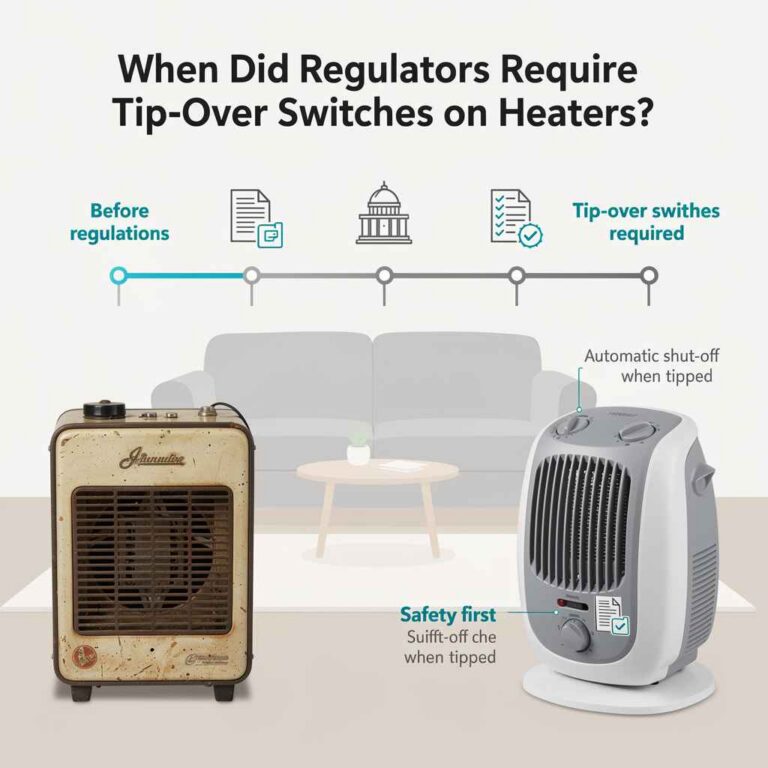
While many modern portable heaters have safety features like tip-over protection and overheat shut-off, it’s generally not recommended to leave any portable heater running unattended, especially overnight. It’s safer to use a timer or turn it off before you go to sleep. If you do need warmth overnight, consider using a lower wattage setting, ensuring there’s plenty of space around the heater, and checking that it’s in good working order.
How many watts does a typical space heater use?
Most portable space heaters commonly found in homes operate in the range of 750 watts to 1500 watts. The 1500-watt setting is usually the maximum power draw for these units. Many models have lower settings, such as 750 watts, which use less electricity.
Always check the label on your specific heater for its exact wattage. Higher wattage means more energy use and a higher running cost.
Conclusion
Staying warm doesn’t have to break the bank. By understanding your portable heater’s wattage, your electricity rates, and your usage habits, you can accurately estimate costs. Small changes, like using timers and sealing drafts, can lead to big savings.
Enjoy your cozy space, but do it wisely!
Sponsored / affiliate links. As an Amazon Associate I earn from qualifying purchases. I may earn additional commission from eligible campaigns.