How Much Do Portable Heaters Cost To Run Each Month?
Thinking about running costs is smart. It’s easy to just plug something in, but understanding the numbers helps you make good choices for your budget. We’ll break down what makes portable heaters cost what they do.
You’ll learn what to watch out for. And most importantly, you’ll get tips to keep your energy bills from getting too high.
The monthly cost of running a portable heater varies greatly. It depends on its wattage, how many hours it runs daily, your local electricity rates, and the heater’s efficiency. Using a high-wattage heater for many hours in an area with high electricity prices can add significantly to your bill.
Understanding Portable Heater Costs
Portable heaters are great for specific tasks. They can warm a single room quickly. This is handy when your main heating system struggles or you only need heat in one spot.
But they do use electricity. And electricity costs money.
The main thing that decides how much a portable heater costs to run is its wattage. Wattage is a measure of power. More watts mean the heater uses more energy.
Think of it like a car’s engine. A bigger engine uses more gas.
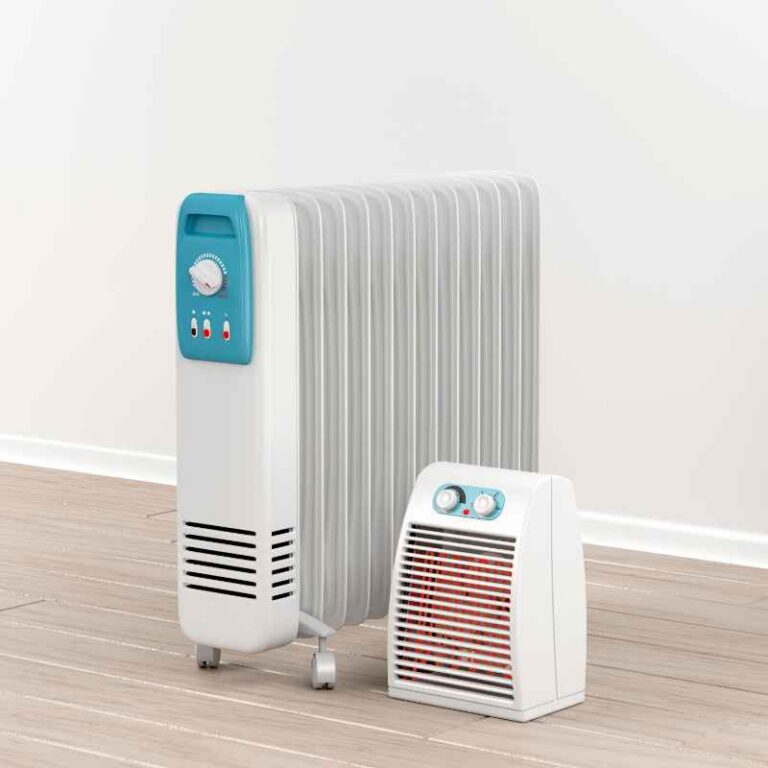
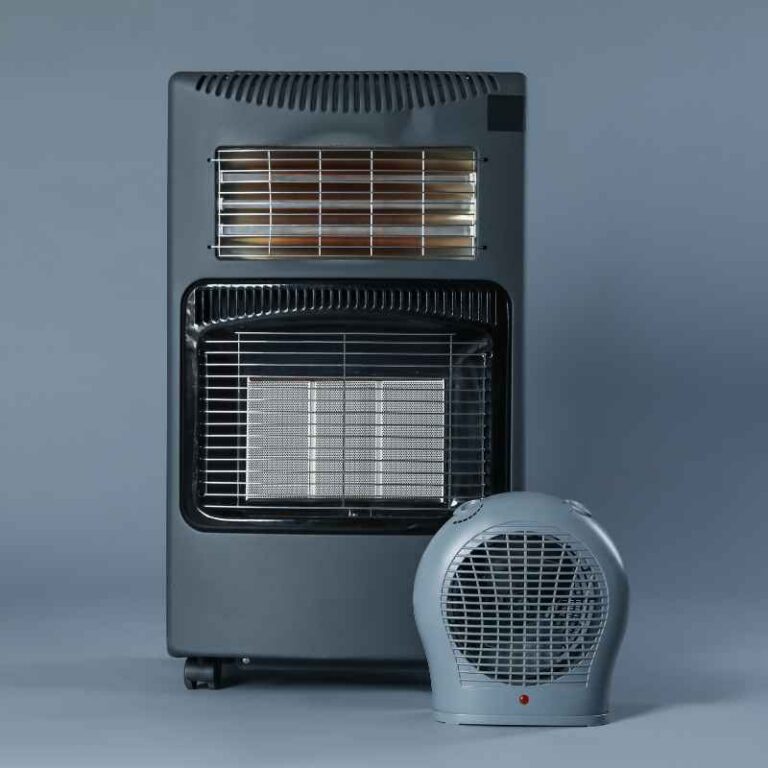
Heaters come in different sizes and types. Some are small ceramic heaters. Others are larger oil-filled radiators.
Electric baseboard heaters are also portable. Each type has a different wattage. This directly impacts its energy use.
A 1500-watt heater will use more power than a 750-watt one.
Another big factor is how long you run it. A heater that runs for just an hour a day costs less than one that runs all day. It’s like leaving a light on.
If you forget to turn it off, the bill goes up.
Then there are your electricity rates. These rates change depending on where you live. Some areas have cheaper power than others.
Your local utility company sets these prices. They can also change with the seasons.
Finally, consider the efficiency of the heater. Newer models might be designed to use energy better. They might heat up faster or maintain temperature more smartly.
Older or cheaper models might waste more energy as heat.
My Own Portable Heater Scare
I remember one particularly cold winter a few years back. My main furnace in my old house started acting up. It was making strange noises.
I called for service, but they couldn’t come for two days. Brrr! I had a small ceramic heater.
I thought, “No problem, I’ll just use this to keep the living room warm.”
I plugged it in and set it to a nice, toasty temperature. I let it run all day while I worked from home. I even used it for a few hours in the evening.
I didn’t think much of it. It was small, right? How much could it really add?
Then my electric bill arrived. My jaw nearly hit the floor. It was almost double what it usually was!
I started checking everything. Was there a mistake? Did I forget to pay something?
Then I looked at the dates. The bill covered the exact time my heater was running non-stop. That little heater, I realized with a sinking feeling, had cost me a fortune.
It was a big lesson for me. Portable heaters can be great tools. But they can also be silent budget-busters if you’re not careful.
That day, I learned the true meaning of “energy hog.” It made me research how much they actually cost to run. Now I want to share that with you.
Heater Types and Their Wattage
Ceramic Heaters: Often between 1000-1500 watts. Good for small to medium rooms. Heat up fast.
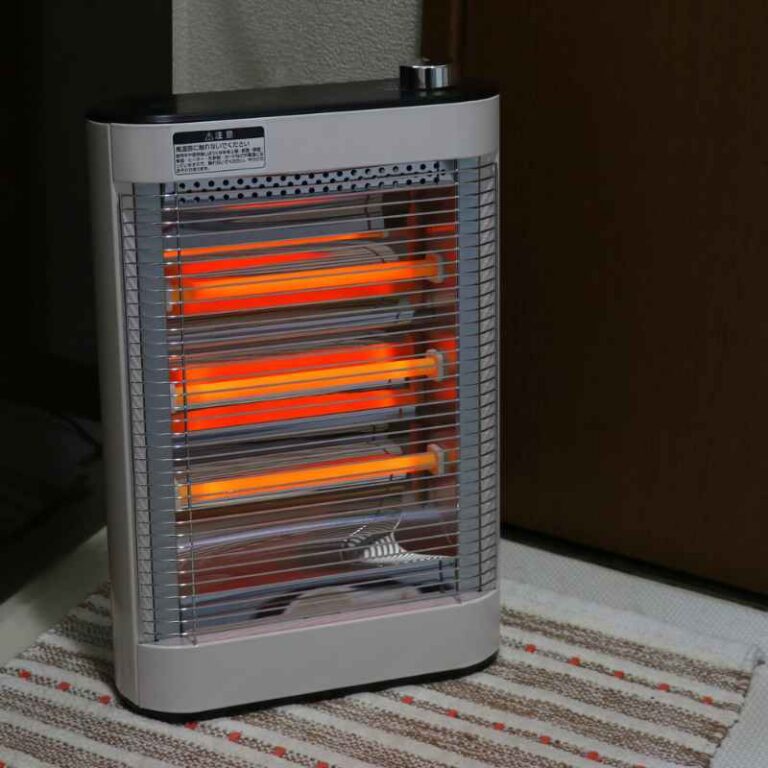
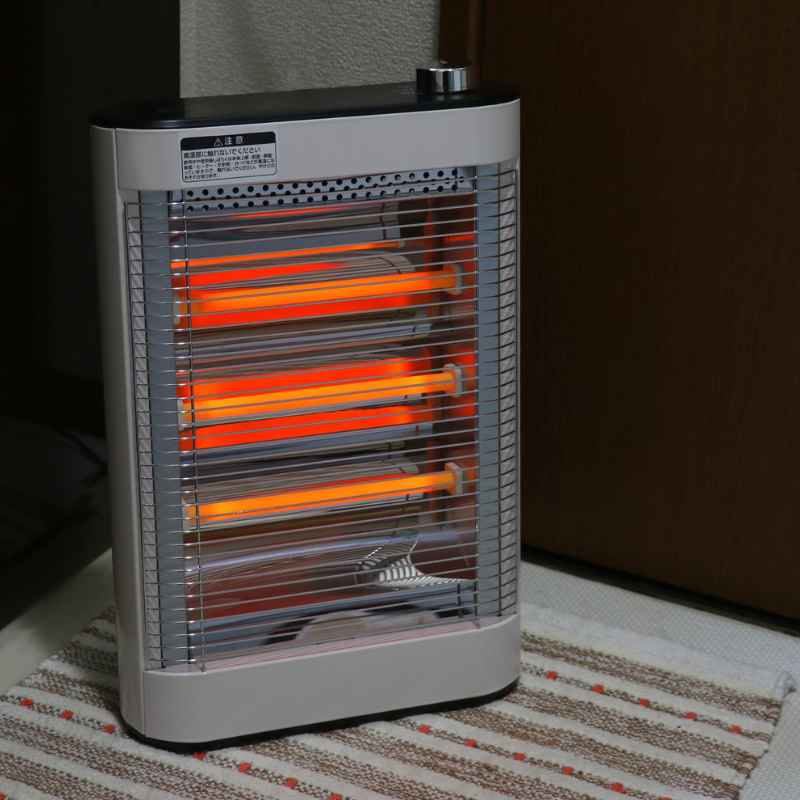
Infrared Heaters: Usually 1500 watts. Heat objects directly, not just air. Feel warm faster.
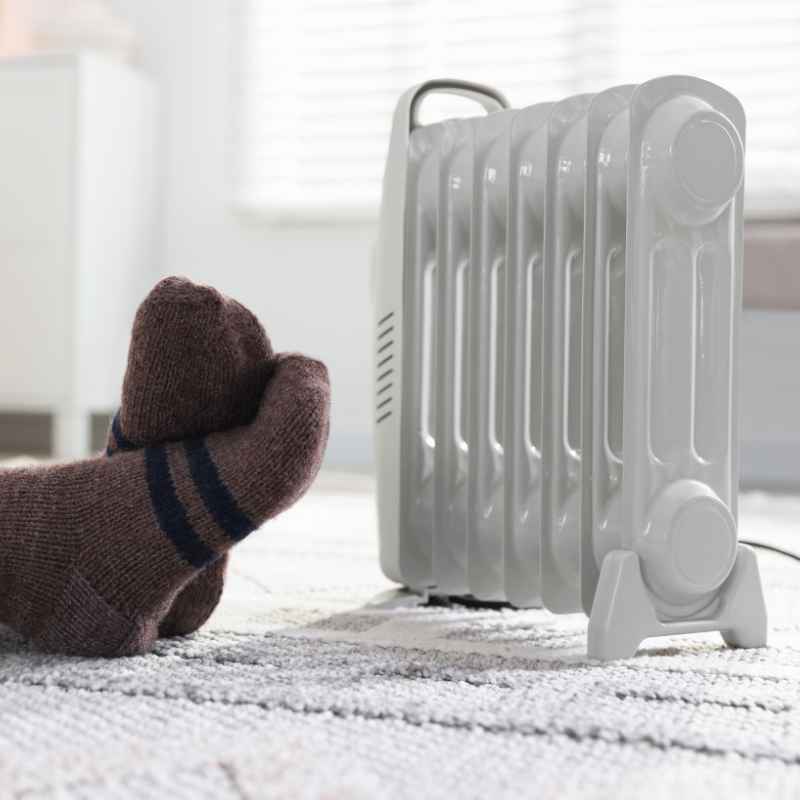
Oil-Filled Radiators: Often 1500 watts. Heat slowly but provide steady warmth. Good for overnight use.
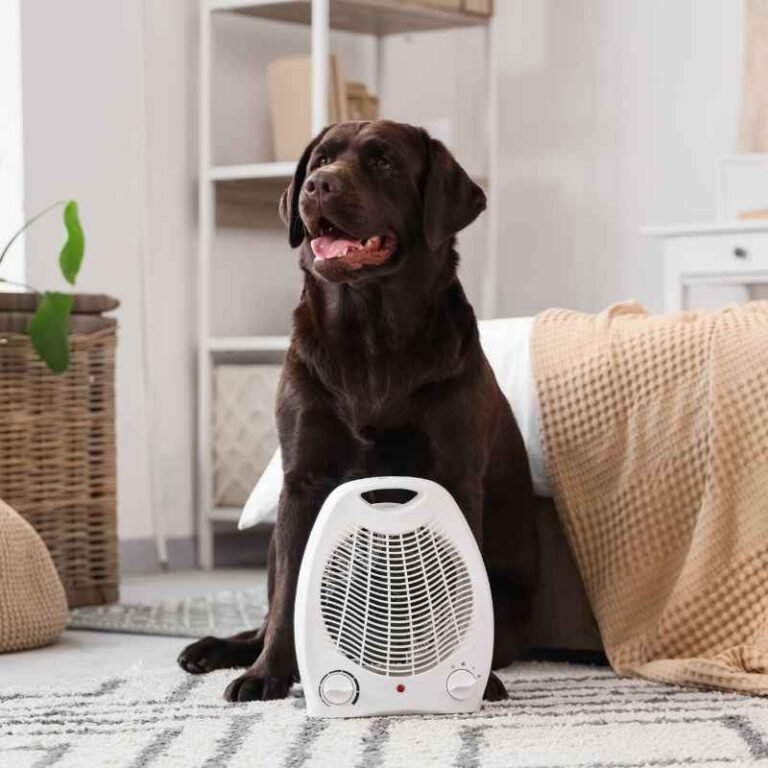
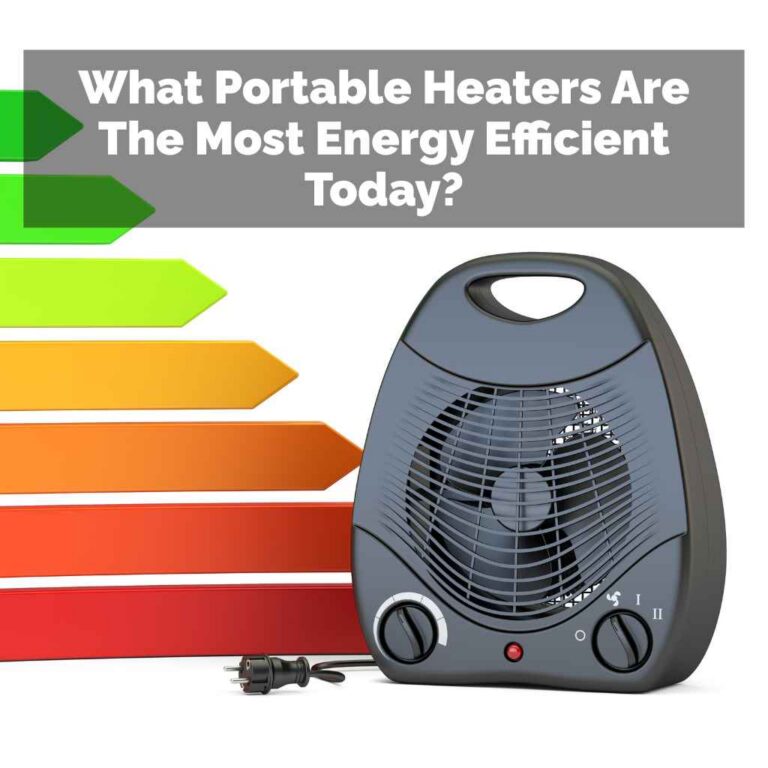
Fan Heaters: Can vary, but many are 1500 watts. Use a fan to blow warm air. Can be noisy.
Calculating Your Heater’s Running Cost
Want to figure out the actual cost? It’s not too hard. You need three main numbers.
First, the heater’s wattage. You can usually find this on a sticker on the heater itself. Or check its manual or the box it came in.
Second, you need the cost per kilowatt-hour (kWh) from your electric bill. A kilowatt-hour is how much energy you use when you run a 1000-watt appliance for one hour. Your bill will show this rate.
It might be something like $0.15 per kWh.
Third, decide how many hours per day you’ll use the heater. Be realistic here. Are you using it for a quick 30 minutes?
Or all day long?
Here’s the formula: (Wattage / 1000) x Hours Used x Cost per kWh = Daily Cost
Let’s use an example. Suppose you have a 1500-watt heater. You use it for 6 hours a day.
Your electricity rate is $0.15 per kWh.
First, convert watts to kilowatts: 1500 watts / 1000 = 1.5 kW.
Now, plug that into the formula: (1.5 kW) x (6 hours) x ($0.15/kWh) = $1.35 per day.
To find the monthly cost, multiply the daily cost by the number of days you’ll use it. If you use it for 30 days:
$1.35 per day x 30 days = $40.50 per month.
This shows that even a seemingly small appliance can add up. If you used it for 10 hours a day, that would be much higher!
Cost Breakdown Example
Scenario: 1500-watt heater, used 4 hours/day, electricity rate $0.20/kWh.
Step 1: Kilowatts
- 1500 Watts / 1000 = 1.5 kW
Step 2: Daily Cost
- 1.5 kW x 4 hours x $0.20/kWh = $1.20 per day
Step 3: Monthly Cost (assuming 30 days)
- $1.20/day x 30 days = $36.00 per month
Factors Affecting Your Electricity Bill
Your local electricity price is a huge piece of the puzzle. In states like California or New York, electricity rates are much higher than in states like Idaho or Washington. For example, the average U.S.
rate might be around $0.15 per kWh, but in some areas, it can be $0.30 or even more.
Think about this: a 1500-watt heater running for 8 hours a day at $0.30 per kWh costs: (1.5 kW x 8 hours x $0.30) = $3.60 per day. Over 30 days, that’s $108! That’s a significant chunk of a monthly bill.
The climate where you live matters too. If you live in a place with very cold winters, you’ll likely use your heater more often. You might need it for more months of the year.
A short, mild cold snap is different from months of deep freezes.
How well your home is insulated plays a big role. If your house leaks a lot of heat through old windows or poor insulation, your portable heater will have to work much harder. It will run longer to try and keep the room warm.
This means more energy use and a higher bill.
The thermostat setting is another obvious factor. A higher temperature means the heater needs to produce more heat. It will run for longer periods to reach and maintain that temperature.
Lowering the thermostat by just a few degrees can make a noticeable difference.
Electricity Price Comparison (Approximate Averages)
State Example (High Cost): California – around $0.27/kWh
State Example (Medium Cost): Texas – around $0.15/kWh
State Example (Low Cost): Washington – around $0.11/kWh
Note: These are averages and can change. Check your local utility bill for exact rates.
When is a Portable Heater a Good Choice?
Despite the costs, portable heaters have their place. They are excellent for supplemental heat. This means they add heat to a space that isn’t quite warm enough from your main system.
You might use one to take the edge off a drafty room.
They are also great for zone heating. If you spend most of your time in one room, like a home office or a basement den, you can heat just that area. This is often more energy-efficient than trying to heat your whole house.
Why warm up empty rooms?
Portable heaters are also useful for temporary situations. If your furnace breaks down, as in my story, they are a lifesaver. They can keep you comfortable while you wait for repairs.
They can also be handy for specific tasks, like warming up a garage workshop for a short time.
The key is to use them wisely. Don’t rely on them as your sole heating source for a large or poorly insulated home. They are best for targeted, short-term warming.
Think of them as an assistant to your main heating system, not a replacement.
What Kind of Heater is Most Efficient?
Efficiency in portable heaters can be tricky. Most electric resistance heaters, like ceramic or fan heaters, are about 100% efficient at converting electricity into heat. This sounds good, but it means they use a lot of electricity to produce that heat.
Infrared heaters are often praised for their efficiency. They heat objects directly, which can make you feel warmer faster. This means you might not need to run them as long.
But they still use the same amount of electricity per watt as other types.
Oil-filled radiators are different. They contain oil that heats up. This oil then radiates heat slowly.
This can provide a more even and consistent warmth. They might feel more efficient because the heat lasts longer after the unit turns off. However, they still consume electricity at their rated wattage.
The perceived efficiency is what matters most for user experience. If a heater makes you feel warm faster, you might use it less. This saves money.
Look for heaters with features like adjustable thermostats and timers. These help you control usage and avoid overheating.
Heater Efficiency vs. Energy Use
Myth: Some heaters are much more efficient than others.
Reality: Most electric resistance heaters are about 100% efficient at converting electricity to heat. The difference is in how they deliver that heat and how quickly you feel warm. Some technologies make you feel warmer sooner, allowing for shorter run times.
Key Feature: Adjustable thermostats and timers are crucial for controlling energy use.
Real-World Scenarios
Let’s look at some common situations where portable heaters are used. Imagine a home office in a basement. It’s always a few degrees cooler down there.
You can place a small ceramic heater under your desk. It keeps your feet warm. You use it for about 4 hours a day while you work.
If the office is small and well-sealed, this might add $20-$40 to your monthly bill, depending on your electricity rates. This is a reasonable cost for comfort during work hours.
Now consider someone living in an older apartment. The windows don’t seal well. Cold air drafts are common.
They try to use a powerful 1500-watt heater to warm the entire living room. They run it for 10 hours a day because the heat escapes so fast.
In this case, the cost could be $75-$150 or more per month, depending on electricity prices. This is because the heater is fighting a losing battle against heat loss. The energy is essentially going out the window.
Another scenario: a parent uses a small heater in a nursery. They set it to a low temperature for a few hours at night. Safety is the top concern here.
The cost might be minimal, maybe $5-$10 a month. But they ensure the heater is designed for safety, with tip-over protection and a cool-touch exterior.
The environment matters. A drafty room needs more energy. A well-insulated room needs less.
Your habits are key. Running it all day versus just when you’re in the room makes a big difference. And the design of the heater itself influences how well it distributes heat.
Quick Scan: Common Heater Use Cases
Use Case: Home Office (4 hours/day, 1000W heater, $0.15/kWh)
- Estimated Monthly Cost: $18.00
Use Case: Drafty Living Room (8 hours/day, 1500W heater, $0.25/kWh)
- Estimated Monthly Cost: $90.00
Use Case: Bathroom (30 mins/day, 750W heater, $0.12/kWh)
- Estimated Monthly Cost: $2.25
What This Means for Your Budget
Understanding these costs means you can make informed decisions. If you see that running a heater for many hours adds $50 or more to your bill, you might reconsider. You might decide to bundle up more or use it for shorter periods.
It’s important to know when a portable heater is actually saving you money. If you live in a large house and your main heating system struggles to reach a comfortable temperature in one room, using a small heater there for a few hours might be cheaper than running your whole system more intensely. This is zone heating.
However, if your home is generally well-heated but you just want an extra boost in one spot, be mindful of the wattage. A 750-watt heater will cost about half as much to run as a 1500-watt one. Look for models with lower wattage options if that’s a concern.
When it’s normal to use a portable heater? When you need targeted warmth. Or when your main system needs help.
When to worry? If your bill spikes unexpectedly. Or if you’re running a high-wattage heater for 10+ hours daily in a large or drafty space.
Simple checks include reviewing your electric bill for usage spikes and feeling for drafts in your home.
Normal vs. Concerning Usage
Normal Usage:
- Heating a small, well-insulated room for a few hours a day.
- Supplementing main heat in a specific zone.
- Temporary use during a heating system repair.
Concerning Usage:
- Running a high-wattage heater 24/7 in a large, drafty space.
- Relying on a portable heater as the sole heat source for an entire home.
- Seeing a sudden, large increase in your electricity bill directly tied to heater use.
Quick Tips to Save Money
Want to keep those costs down? Here are some easy tips. First, always use the thermostat on your heater.
Don’t just turn it on high and forget about it. Set it to the lowest comfortable temperature. You can always turn it up a bit if needed.
Next, use a timer. Many heaters have built-in timers. If you only need heat for an hour or two, set the timer.
This ensures it turns off automatically. You won’t waste electricity by leaving it on longer than necessary.
Seal air leaks in your home. Check around windows and doors. Use weatherstripping or caulk to stop drafts.
This makes your heater work less. It also helps your main heating system be more efficient.
Use it for zone heating. Don’t try to heat your whole house with a small portable unit. Use it only in the room you are currently in.
Close doors to other rooms to keep the heat contained.
Consider a lower wattage heater if you only need a little warmth. A 750-watt heater uses about half the energy of a 1500-watt one. It might be enough for small spaces or to take the chill off.
Finally, compare your electricity rates. If you have options for different energy plans, see if any are more cost-effective for the times you use your heater most. Some utilities have lower rates at night or on weekends.
Smart Energy Saving Strategies
Use a Thermostat: Set to the lowest comfortable temp. Avoid “high” settings constantly.
Employ Timers: Set it to turn off automatically. Don’t leave it running all night unless necessary.
Seal Drafts: Caulk windows and doors. Add weatherstripping. Keep heat inside.
Zone Heating: Heat only the room you are in. Close doors to unused areas.
Lower Wattage Options: For small spaces, a 750W heater is often enough.
Energy Plan Review: See if your utility offers off-peak or lower-cost plans.
Frequently Asked Questions About Portable Heater Costs
How much does a 1500 watt heater cost to run per hour?
To find the cost per hour, you need your electricity rate. Let’s say it’s $0.15 per kWh. A 1500 watt heater is 1.5 kW.
So, 1.5 kW multiplied by $0.15/kWh equals $0.225 per hour. This means it costs about 23 cents to run that heater for one hour.
Can a portable heater really add $100 to my electric bill?
Yes, it can, especially if used extensively. If you live in an area with high electricity rates (like $0.25/kWh) and run a 1500-watt heater for 8-10 hours a day for a month, the cost can easily exceed $100.
Are oil-filled heaters cheaper to run than ceramic heaters?
Both types typically consume the same amount of electricity per watt. Oil-filled heaters provide a more consistent, radiant heat that lingers. This might make them feel more efficient because the warmth lasts longer.
However, their actual energy consumption is similar if run for the same duration at the same wattage.
What is the most energy-efficient type of portable electric heater?
Most electric resistance heaters (ceramic, fan, infrared, oil-filled) are about 100% efficient at converting electricity to heat. The difference lies in how quickly they heat the space or you. Infrared heaters can make you feel warmer faster, potentially allowing for shorter run times, but they use power at the same rate per watt.
Should I use a portable heater instead of my central heating?
Generally, it’s better to use a portable heater as a supplement for zone heating or to warm a single room. Using it instead of central heating for your whole house is usually much more expensive, as central systems are designed for larger spaces. It depends on your home’s insulation and heating needs.
How can I tell if my portable heater is costing too much?
Compare your current electric bill to previous months from the same time of year, before you started using the heater. If there’s a significant, unexplained jump in usage and cost, and the portable heater has been running frequently, it’s likely the culprit. Also, calculate the estimated cost using the wattage, hours used, and your local rate.
Conclusion
Portable heaters offer welcome warmth. But their cost to run is not a fixed number. It truly depends on how you use them, your local rates, and your heater’s power.
By understanding wattage, running times, and electricity prices, you can estimate costs. Then, you can use them smarter. This way, you stay cozy without breaking the bank.
Always keep an eye on your energy usage.
Sponsored / affiliate links. As an Amazon Associate I earn from qualifying purchases. I may earn additional commission from eligible campaigns.