How Much Is a Portable Heater? Cost Factors Explained
How much is a portable heater? This is a common question for anyone looking to supplement their home heating, add warmth to a specific room, or prepare for unexpected cold snaps. The price of a portable heater can vary significantly, influenced by its type, features, brand, and energy efficiency.
Understanding these factors will help you make an informed decision and find a unit that fits your budget and heating needs.
This post will break down the typical costs associated with different types of portable heaters, highlight the features that drive up the price, and provide insights into long-term operating expenses. We’ll cover everything from basic ceramic models to advanced infrared units, ensuring you know exactly what to expect when shopping for your perfect portable heater.
In short, the cost of a portable heater ranges from $30 for basic ceramic or oil-filled radiators to over $200 for high-end infrared or smart-enabled models. Key price drivers include heating technology, wattage, safety features, thermostat controls, portability, and brand reputation.
Key Takeaways
- The cost of a portable heater typically falls between $30 and $200+, depending on its type and features.
- Ceramic heaters are usually the most budget-friendly option, while infrared heaters tend to be pricier.
- Higher wattage, advanced thermostat controls, smart connectivity, and enhanced safety features increase the overall price.
- Consider long-term energy efficiency, as a slightly more expensive, efficient model can save money on electricity bills.
- Brand reputation and warranty can also influence the final price you pay for a portable heater.
Understanding Portable Heater Price Ranges
When you start browsing for portable heaters, you’ll quickly notice a wide spectrum of prices. The most affordable options are typically basic models designed for small spaces or supplemental heat. These might lack advanced features but can still provide effective warmth for their intended use.
Mid-range portable heaters offer a better balance of features and price. They often include adjustable thermostats, multiple heat settings, and improved safety mechanisms. These units are suitable for larger rooms or for individuals who want more control over their heating environment.
The premium segment of the portable heater market includes advanced units with innovative technology, smart home integration, and superior build quality. These are for users who prioritize efficiency, specific heating methods, or the latest convenience features, and are willing to invest more upfront.
The price you pay is directly correlated with the technology employed and the features offered. For instance, a simple fan-powered ceramic heater will always be less expensive than an infrared panel heater that uses radiant heat to warm objects directly.
Common Portable Heater Types and Their Costs
The type of portable heater is the most significant factor influencing its price. Each technology has its own manufacturing costs and efficiency levels, which are passed on to the consumer.
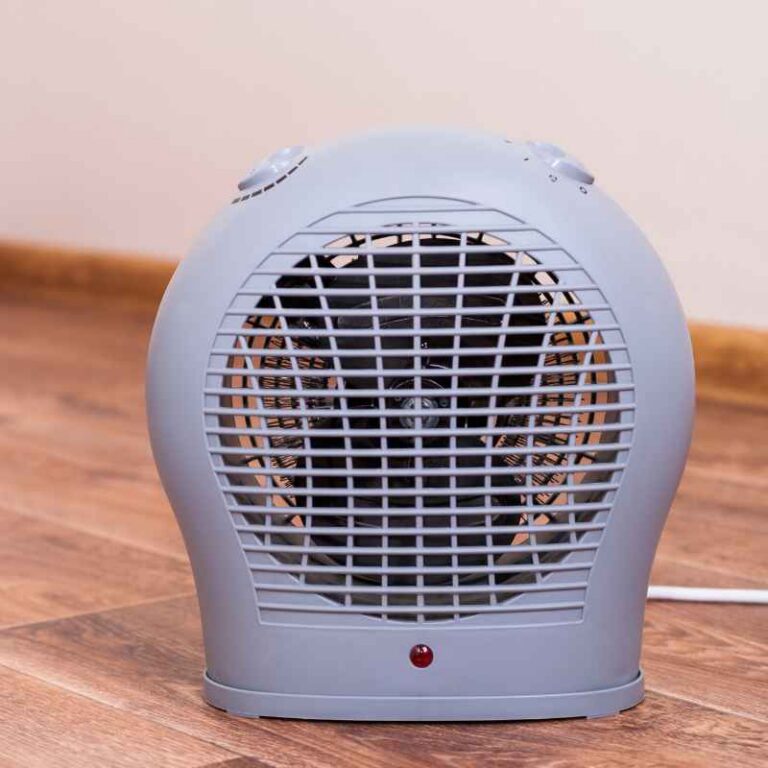
- Ceramic Heaters: These are the most common and generally the most affordable. They use a ceramic heating element and a fan to blow warm air. Prices typically range from $30 to $70.
- Convection Heaters: These heat the air in a room by circulating it. They are often quieter than ceramic heaters but can take longer to warm up a space. Expect to pay between $40 and $90.
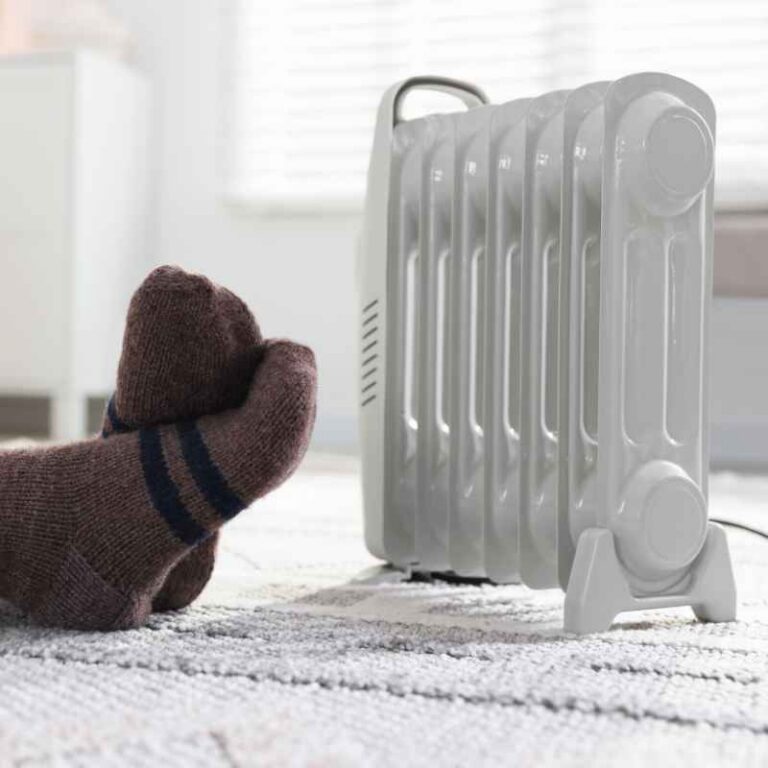
- Oil-Filled Radiators: These portable radiators are filled with oil that heats up and then radiates warmth. They are very quiet and provide steady, even heat, making them ideal for bedrooms. Prices usually range from $50 to $120.
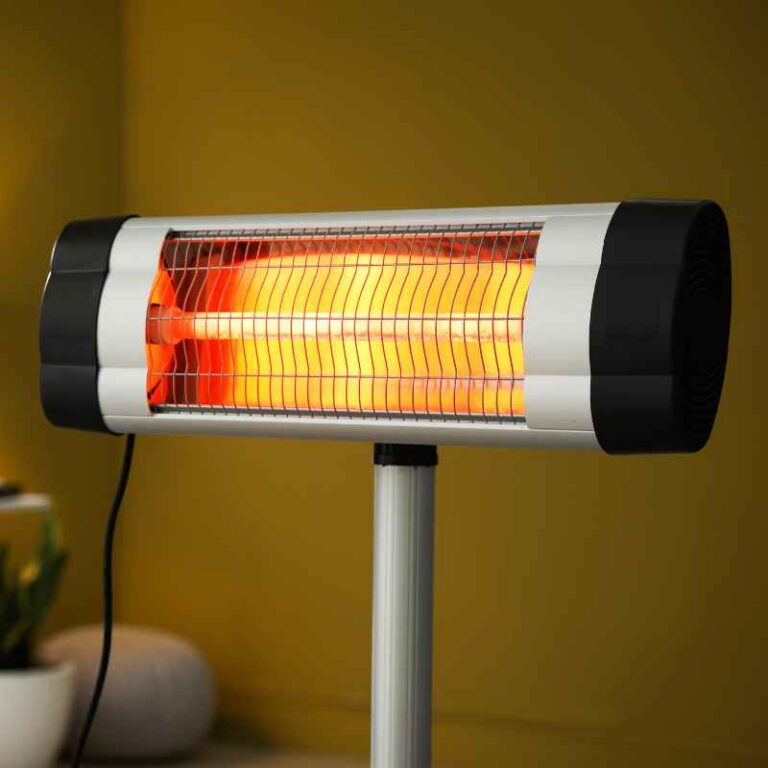
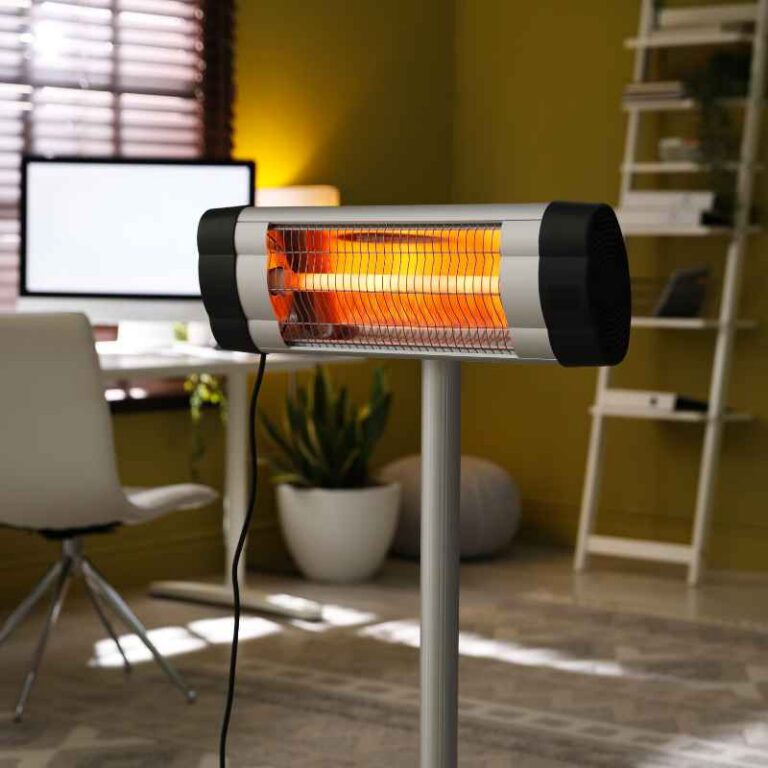
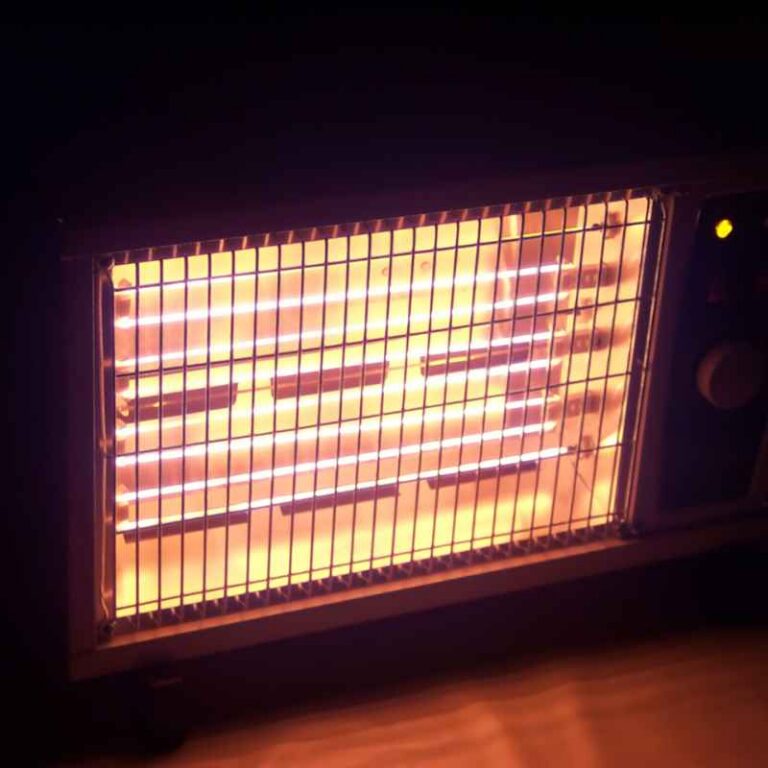
- Infrared Heaters: These heaters emit infrared radiation to warm people and objects directly, rather than heating the air. They are energy-efficient for spot heating and can be more effective in larger or drafty rooms. Costs typically range from $80 to $200+.
- Fan Heaters: Simple and portable, these use a heating element and a fan. They are good for quick bursts of heat in small areas. Basic models can be found for as low as $25, with more feature-rich ones going up to $50.
- Micathermic Heaters: A hybrid, these combine convection and radiant heat. They are known for fast heating and energy efficiency. Prices are often between $70 and $150.
The wattage of a heater also plays a role. Higher wattage generally means more heating power and a faster warm-up time, but it also means higher energy consumption. Most portable heaters range from 700 to 1500 watts.
Key Features That Impact Price
Beyond the basic heating technology, numerous features can elevate the price of a portable heater. These additions often enhance convenience, safety, or performance, making them attractive to specific users.
Thermostat control is a crucial feature that adds to the cost. Simple on/off switches are common in budget models, but adjustable thermostats allow you to set a specific temperature, which the heater then maintains. This not only improves comfort but also increases energy efficiency by preventing overheating.
Prices for units with digital thermostats and precise temperature settings are higher than those with basic dials.
Safety features are another significant factor. While all modern portable heaters are designed with safety in mind, premium models often include advanced mechanisms like automatic tip-over shutoff, overheat protection, and cool-touch exteriors. These features add to the manufacturing cost but provide peace of mind, especially in households with children or pets.
Feature Comparison Table
| Feature | Typical Price Impact | Description |
|---|---|---|
| Adjustable Thermostat | $10 – $40+ | Allows setting a specific room temperature. |
| Timer Function | $5 – $30+ | Schedules operation for energy saving and convenience. |
| Tip-Over Shutoff | $5 – $20+ | Automatically turns off if the heater is knocked over. |
| Overheat Protection | $5 – $20+ | Shuts off the heater if internal temperatures become too high. |
| Remote Control | $10 – $30+ | Allows for operation from across the room. |
| Smart Home Integration (Wi-Fi/App Control) | $20 – $80+ | Control via smartphone app, voice assistants, scheduling. |
These features enhance user experience and safety, often justifying a higher price point for discerning consumers.
Energy Efficiency and Long-Term Costs
When considering “how much is a portable heater,” it’s crucial to think beyond the initial purchase price and factor in ongoing energy consumption. A heater that seems inexpensive upfront could end up costing you more in electricity bills over time if it’s not energy-efficient.
The energy efficiency of a portable heater is largely determined by its heating technology and wattage. Infrared heaters, for instance, are often lauded for their efficiency because they heat objects directly, meaning less energy is wasted heating unoccupied air. Ceramic heaters, while affordable, can be less efficient for larger spaces as they rely on fans to circulate warmed air, which can escape through drafts.
Warning: Portable heaters should be used as supplemental heat sources, not as a replacement for your home’s central heating system, unless specifically designed and rated for primary heating of a small, well-insulated space. Over-reliance can lead to high energy bills and potential safety risks.
The Department of Energy estimates that electric resistance heating, which includes most portable heaters, costs approximately $0.15 to $0.50 per hour of operation, depending on the heater’s wattage and local electricity rates. For example, a 1500-watt heater running for 8 hours a day at a rate of $0.20 per kWh would cost $2.40 per day, or roughly $72 per month if used daily.
Estimating Running Costs
To estimate running costs, you need three pieces of information: the heater’s wattage, how many hours per day you plan to use it, and your local electricity rate per kilowatt-hour (kWh).
- Find Wattage: Check the heater’s label or manual for its power consumption in watts (W). Common wattages are 750W, 1000W, 1500W.
- Convert to Kilowatts: Divide the wattage by 1000. For example, 1500W / 1000 = 1.5 kW.
- Calculate Daily kWh: Multiply the kilowatts by the number of hours the heater will run per day. (1.5 kW * 8 hours = 12 kWh).
- Find Electricity Rate: Check your utility bill for your cost per kWh. This varies by location but is often between $0.10 and $0.30 per kWh.
- Calculate Daily Cost: Multiply the daily kWh by your electricity rate. (12 kWh * $0.20/kWh = $2.40 per day).
This calculation helps you understand the long-term financial impact of using a particular portable heater, guiding you toward a more cost-effective choice.
Brand Reputation and Warranty Considerations
The brand behind a portable heater can significantly influence its price and perceived value. Established brands often command higher prices due to their reputation for quality, reliability, and customer service. Purchasing from a well-known manufacturer can provide greater confidence in the product’s performance and longevity.
A longer and more comprehensive warranty is often a hallmark of higher-priced portable heaters. While budget models might come with a limited one-year warranty, premium units may offer two or three years, sometimes even covering parts and labor. This extended coverage can be a significant factor if you plan to use the heater frequently or for many years.
When comparing models, always check the warranty details. A strong warranty can offset a higher initial cost, as it provides protection against defects and premature failure.
Warranty Comparison
| Brand Tier | Typical Warranty | Price Expectation | Example Brands |
|---|---|---|---|
| Budget/Economy | 6 months to 1 year (limited parts) | $30 – $60 | Generic brands, store brands |
| Mid-Range | 1 to 2 years (parts and labor often covered) | $60 – $120 | DeLonghi, Lasko, Honeywell |
| Premium/Specialty | 2 to 5 years (comprehensive coverage) | $120 – $250+ | Dyson, Vornado, Dr. Infrared |
While a good warranty is important, it’s also wise to research customer reviews regarding common issues and the ease of the warranty claim process.
Where to Buy and Seasonal Pricing
The price of portable heaters can also be influenced by where you choose to make your purchase and the time of year. Retailers often have different pricing strategies and sales events that can impact the final cost.
Major home improvement stores, electronics retailers, and online marketplaces are common places to buy portable heaters. Online retailers like Amazon often have a wider selection and competitive pricing, especially during major sales events. Brick-and-mortar stores can offer the advantage of seeing the product in person and taking it home immediately, but may have higher overhead costs reflected in their prices.
Important: Always compare prices across different retailers before making a purchase. Use price comparison tools or check multiple websites to ensure you’re getting the best deal for the portable heater you want.
Seasonal demand plays a significant role in pricing. Prices for portable heaters tend to be highest during the peak winter months (November through February) when demand is at its strongest. Conversely, you can often find the best deals during the off-season, typically in late spring and summer, as retailers clear out inventory to make way for warmer-weather products.
Seasonal Pricing Trends
- Peak Winter (November – February): Prices are at their highest due to demand. Sales are less frequent and might offer smaller discounts.
- Shoulder Seasons (October, March): Prices may start to decrease as retailers prepare for or transition out of peak season. Discounts may become more common.
- Off-Season (April – September): This is the best time to buy if you can plan ahead. Expect the deepest discounts and clearance sales as stores aim to liquidate inventory.
Shopping outside of the typical heating season is a smart strategy to maximize your savings on a portable heater.
Frequently Asked Questions
How much is a basic ceramic portable heater?
A basic ceramic portable heater, suitable for small rooms and offering simple controls, typically costs between $30 and $70. These models are usually the most budget-friendly option for supplemental heat.
What is the average price for an energy-efficient infrared heater?
Energy-efficient infrared heaters, known for their direct radiant heating, generally range from $80 to $200 or more. Higher-priced models often feature larger heating areas, advanced controls, and premium construction.
Are expensive portable heaters worth the cost?
Expensive portable heaters can be worth the cost if they offer superior energy efficiency, advanced safety features, smart home integration, durable construction, and a longer warranty. For primary heating of a larger space or for those prioritizing comfort and convenience, the investment can pay off.
How much does a portable heater add to my electricity bill?
A 1500-watt portable heater running for 8 hours a day could cost around $2.40 daily, or about $72 monthly, depending on local electricity rates. Energy efficiency and usage patterns significantly impact this cost.
Should I buy a portable heater in the summer?
Yes, buying a portable heater in the summer is often a great strategy to save money. Retailers typically offer significant discounts during the off-season to clear inventory, allowing you to purchase a unit at a much lower price than during winter months.
Final Thoughts
Understanding how much is a portable heater involves looking beyond the sticker price to consider the underlying technology, features, and long-term running costs. While basic models can be found for under $50, investing in a unit with advanced features, better energy efficiency, and robust safety mechanisms, even if it costs $100-$200, can provide greater comfort, safety, and savings over time. Always weigh the initial cost against expected energy usage and the value of added benefits to make the best choice for your needs.
Sponsored / affiliate links. As an Amazon Associate I earn from qualifying purchases. I may earn additional commission from eligible campaigns.
 AZEUS Portable AC and Heater Unit, 420W 110V Compact Air Conditioner for Tent RV Truck Cabin and Small Room, 1400W Cooling, 800W Heating, Remote Control, Dehumidifier, Sleep Timer, ChampagneMEGAWISE Portable Air Conditioner and Heater, 420W 110V Compact AC Unit with Remote Control, 1400W Cooling Capacity, 800W Heating, Dehumidifier, Fan, Sleep Timer, Champagne