Are Quartz Portable Room Heaters Economical? Honest Answer
Quartz portable room heaters can be economical for targeted heating if used wisely. They offer quick warmth but their overall cost-effectiveness depends on usage patterns, room size, electricity rates, and the heater’s efficiency. They are best for supplemental, temporary spot heating rather than whole-house solutions.
Understanding Quartz Portable Room Heaters
So, what exactly is a quartz portable room heater? Think of it as a small, easy-to-move heater that uses quartz elements. These elements get very hot when electricity passes through them.
This heat then radiates out into the room.
The main idea is that you can pick it up and move it where you need it. Need heat in your garage for a few hours? Want to take the chill off your bedroom before you get into bed?
That’s what these are designed for.
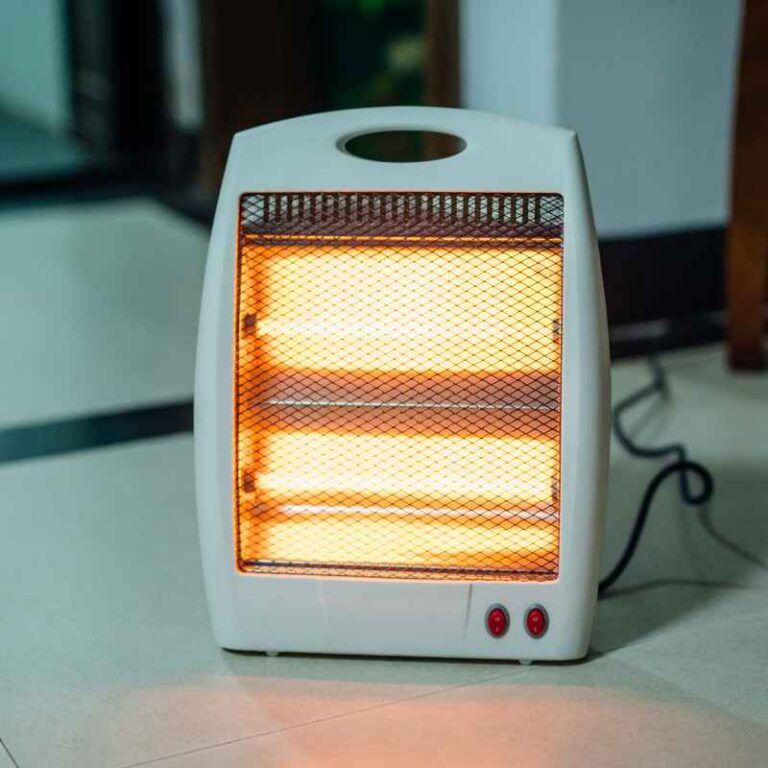
They often look like a small cylinder or a panel with a grill. Inside, you’ll see those glowing quartz tubes. When you plug them in and turn them on, they start to glow red and produce instant warmth.
It feels good right away.
The heat they give off is mostly radiant. This means it heats objects and people directly in its path. It’s not like a fan heater that blows hot air all around the room.
This direct heat can feel very comforting on a cold morning.
The promise is quick, on-demand heat. You don’t have to wait for your whole house to warm up. You just turn it on, and bam, you feel the warmth. This is a big draw for many people.
But here’s where the “economical” part gets tricky. While they provide immediate heat, we need to look at how much energy they use to do it. That’s the key to whether they save you money or cost you more in the long run.
My Own Chilly Office Story
I remember a few winters ago. My home office was always the coldest room in the house. The main heating system just didn’t seem to reach it well.
I was spending hours there each day, trying to work while shivering.
I decided a portable heater was the answer. I went to the store and saw all sorts of them. The quartz ones looked so appealing because they glowed.
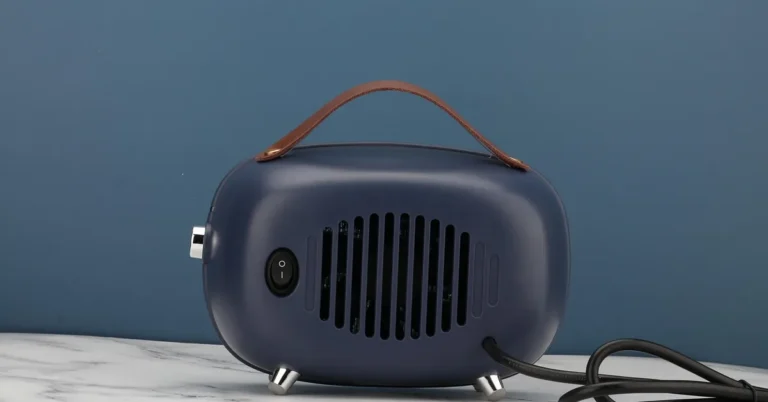
It felt like they were giving off a lot of power. I bought one, thinking it would solve all my problems. It was a small, round one, very portable.
The first day I used it, I felt instant relief. The warmth was amazing. I could finally focus on my work without my fingers going numb.
I thought, “This is perfect! So much better than being cold.” I used it every single day for about 4-5 hours. I kept it on my desk, pointed right at me.
After a couple of months, my electricity bill arrived. My jaw dropped. It was significantly higher than usual.
I couldn’t figure out why. Then it hit me. That little glowing heater was probably using a lot of power.
My “quick fix” was costing me a lot more than I anticipated.
That experience taught me a valuable lesson. Just because something provides immediate comfort doesn’t mean it’s the most budget-friendly choice. You really have to look at the energy it uses.
How Much Power Do They Really Use?
This is the heart of the matter. Portable heaters, including quartz ones, are essentially electric resistance heaters. This means they convert electrical energy directly into heat.
Most quartz portable room heaters use around 1500 watts (W) of power. Some might be a bit less, maybe 1200W, and some might be more, but 1500W is a very common rating. This is a lot of power for a small appliance.
To put that in perspective, a typical household light bulb uses maybe 60-100 watts. So, one of these heaters uses as much power as 15 to 25 light bulbs, all running at once!
Your electricity bill is usually calculated based on kilowatt-hours (kWh). A kilowatt is 1000 watts. So, a 1500-watt heater running for one hour uses 1.5 kWh.
The cost per kWh varies a lot depending on where you live. In the U.S., the average is around $0.16 per kWh, but it can be as low as $0.10 or as high as $0.30 or more in some areas.
Let’s do some quick math for a common scenario:
Cost Example:
- Heater Wattage: 1500 watts (or 1.5 kW)
- Hours Used Per Day: 5 hours
- Days Used Per Month: 20 days
- Average Electricity Rate: $0.16 per kWh
Calculation:
- Daily Use: 1.5 kW * 5 hours = 7.5 kWh
- Monthly Use: 7.5 kWh * 20 days = 150 kWh
- Monthly Cost: 150 kWh * $0.16/kWh = $24.00
This is just for one heater in one room for a portion of the day. If you use it more, or your rates are higher, the cost goes up quickly.
So, while the heater itself might not be too expensive to buy, the running cost can add up faster than you might think.
Key takeaway: Higher wattage means higher electricity usage and higher costs.
Quartz vs. Other Portable Heater Types
To understand if quartz is economical, we should compare it to other types of portable heaters you might find. This helps put its costs into perspective.
There are generally a few main types of portable electric heaters:
Heater Type Comparison
| Type | How it Works | Pros | Cons | Typical Wattage |
|---|---|---|---|---|
| Quartz | Heats quartz elements directly, radiating heat. | Instant warmth, radiant heat feels good. | Can be costly to run, heat is directional. | 1200W – 1500W |
| Ceramic Fan | Heats a ceramic plate, then a fan blows hot air. | Heats a room more evenly, quiet operation. | Can dry out air, takes time to heat a room. | 750W – 1500W |
| Infrared | Uses infrared bulbs to emit heat waves. | Heats people and objects directly without heating air. Efficient for spot heating. | Can be expensive upfront, heat coverage might be limited. | 500W – 1500W |
| Oil-Filled Radiator | Heats oil inside, which then heats the fins and room. | Provides gentle, even, and sustained heat. Very quiet. | Slow to heat up, bulky and heavy. | 700W – 1500W |
As you can see, most portable electric heaters hover around the same wattage. This means their energy consumption per hour is often quite similar. The difference lies in how they deliver that heat and how efficient they feel for different situations.
Quartz heaters are often praised for their instant radiant heat. This can feel very satisfying and effective when you’re sitting directly in front of it. It’s like sitting by a campfire.
Ceramic fan heaters distribute heat more broadly. They can warm up a smaller room faster if you want more general warmth. Infrared heaters are also good for targeted, direct heat, similar to quartz but often without the glow.
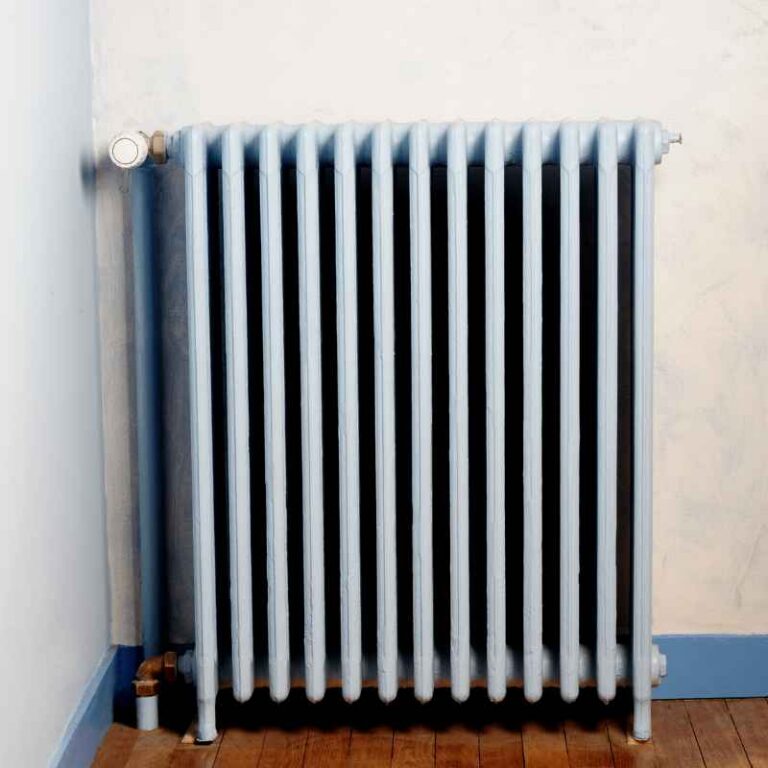
Oil-filled radiators are the slowest but provide a more constant, gentle warmth. They can keep a room warm for a long time after they are turned off.
So, when it comes to sheer energy consumption per hour, a 1500W quartz heater uses about the same electricity as a 1500W ceramic heater. The economy comes down to how well they do the job for your specific needs.
The Role of Energy Efficiency (And What It Means for Quartz)
When we talk about “energy efficiency” for electric resistance heaters, it’s a bit different from something like a refrigerator or an air conditioner. All electric resistance heaters are essentially 100% efficient at converting electricity into heat.
This means that if a heater uses 1500 watts, it produces 1500 watts of heat. No energy is wasted in the conversion process itself.
So, where does the “economical” part come in? It’s not about the heater being more efficient at making heat, but rather how well that heat is used and how quickly it makes you feel warm.
Quartz heaters are good at delivering immediate radiant heat. If your goal is to feel warm quickly in a small area, and you don’t need to heat the whole room evenly, then the heat they produce is used effectively for that purpose.
However, if you need to heat a larger space or maintain a steady temperature, that direct, radiant heat might not be enough. You might find yourself turning up the thermostat or using the heater for longer periods, which increases costs.
Consider this: a quartz heater heats you directly. If a cold draft comes through the room, it can quickly make you feel cold again, even if the heater is still on. You might then increase the heater’s output or duration.
Other types of heaters, like ceramic fan heaters, can circulate warm air more effectively in a room. This can lead to a more consistent temperature throughout the space. This might mean you don’t need to run the heater as intensely or for as long to feel comfortable.
Real-world economy depends on application. For short bursts of direct warmth in a small, contained space where you’ll be sitting still, a quartz heater can feel economical because it provides rapid comfort. For longer periods or larger areas, its energy use can become uneconomical.
Many quartz heaters also come with features like adjustable thermostats and multiple heat settings. These can help you control energy use. A lower heat setting will use less power.
Look for models with an energy-saving mode or an ECO setting. These are designed to use less electricity while still providing warmth.
Some newer models might also have digital controls and timers, which allow for more precise management of when and how long the heater runs. This is a big plus for economy.
When Quartz Heaters Make Sense (Economically)
Despite the potential for higher running costs, quartz heaters can be economical in specific situations. It’s all about matching the heater to the job.
Here’s when they often make good sense:
Smart Usage Scenarios for Quartz Heaters
- Spot Heating for Short Periods: If you need to quickly warm your hands while working at a desk, thaw out a small workspace, or get a little extra warmth when sitting on the couch for an hour. The instant radiant heat is perfect for this.
- Supplementing Main Heating: In rooms that are always a little cooler, like a sunroom or a basement den, a quartz heater can provide that extra boost of warmth you need without having to crank up your central heating system for the whole house.
- Targeted Warmth in Unoccupied Areas: If you have a garage or shed where you only work occasionally, a quartz heater can quickly warm up the immediate area where you are, rather than heating the entire space.
- When Comfort is Immediate and Direct: For situations where you want to feel warm right now and are sitting directly in the path of the heater, the radiant heat is highly effective.
- As a Backup for Power Outages (with caution): If you have a generator that can power it safely, a small quartz heater can provide essential warmth. However, always prioritize safety and ventilation.
The key here is control and intention. If you are mindful of when and how long you use it, and you’re only heating a small zone, the energy cost can be managed.
Imagine you’re working on a craft project in a chilly basement. You don’t need to heat the whole room, just the area around your workbench. A quartz heater placed nearby can provide that comfort without using energy for the entire space.
It’s about using them as a tool for specific tasks, not as a primary heat source for your entire home. Think of it like using a spotlight instead of floodlights when you only need to illuminate a small spot.
Experience check: I’ve found that when I’m just reading a book for an hour in my study, having a small quartz heater on the floor a few feet away makes a world of difference. The warmth is direct and pleasant. I make sure to turn it off when I leave the room.
When Quartz Heaters Can Be Economically Wasteful
Now for the flip side. There are definitely scenarios where using a quartz portable room heater can lead to wasted money and higher bills.
The biggest culprit is using them as a primary heat source for large rooms or entire homes.
1. Heating Large Rooms: These heaters are best for small to medium-sized rooms. If you try to heat a large living room or an open-plan space, the direct, radiant heat won’t reach everywhere.
You’ll end up running the heater on high for longer, and it still might not feel warm enough.
2. Heating Multiple Rooms: Running several quartz heaters at once can quickly rack up your electricity bill. Each 1500W heater adds a significant load to your home’s power.
It’s almost always cheaper to use your central heating system, even if you set it a degree or two lower, than to run multiple portable heaters.
3. Leaving Them On Unattended: This is a safety hazard and an energy waste. If a heater is left on in an empty room, you’re just paying to heat nothing.
Using timers or simply being mindful to turn them off when you leave the room is crucial.
4. Poor Insulation: If your home is not well-insulated, or you have leaky windows and doors, any heat you generate will escape quickly. This means your heater will have to work much harder and longer to maintain any sort of warmth, leading to higher energy use.
5. Long-Term Continuous Use: These are designed for temporary, supplemental heat. Relying on them day in and day out for many hours can become very expensive.
Think of them as a quick fix, not a permanent solution.
6. Comparing to Natural Gas or Propane: If your home is heated by natural gas or propane, those fuel sources are often significantly cheaper per unit of heat than electricity in most U.S. regions.
Using an electric heater as a primary source when you have a gas furnace is usually more expensive.
My neighbor tried to heat his entire finished basement with one quartz heater. He’d turn it on in the morning and leave it running all day. His electricity bill nearly doubled that winter.
He eventually switched to a small, more efficient electric baseboard heater meant for that space, and even then, he only used it when he was down there.
The bottom line is: if your goal is to keep a large area warm for extended periods, a portable electric heater, including a quartz one, is unlikely to be the most economical choice.
Features That Boost Economy (Or Hurt It)
When you’re looking at portable heaters, certain features can impact their running costs and how economical they are for you. Some features are designed to save energy, while others might lead to more usage.
Feature Impact on Economy
- Thermostat: A built-in thermostat is a must. It allows the heater to cycle on and off to maintain a set temperature. This prevents it from running constantly and using maximum power all the time. Good for economy.
- Adjustable Heat Settings: Models with multiple heat settings (e.g., low, medium, high) let you choose the power level. Using a lower setting when full heat isn’t needed saves energy. Good for economy.
- Timers: Programmable timers are excellent for economy. You can set the heater to turn on just before you need it and turn off automatically after a certain period. This prevents accidental long run times. Very good for economy.
- Remote Control: While convenient, a remote doesn’t inherently save energy. It might even encourage you to turn it on or up from across the room without thinking, potentially using more power. Neutral to slightly negative for economy.
- Energy-Saving or ECO Modes: Some heaters have specific modes designed to reduce power consumption while still providing warmth. These are usually a good indicator of an economy-focused design. Good for economy.
- Fan Speed Control: For ceramic fan heaters, adjustable fan speeds can impact how quickly heat is distributed and how the room feels. Sometimes a lower fan speed can lead to more sustained, gentle heat rather than a blast of hot air. For quartz heaters, fans are less common as they rely on radiation.
- Tip-Over Switch: This is a safety feature that turns the heater off if it’s knocked over. It doesn’t directly impact economy but is essential for safe operation. Essential for safety, not economy.
- Digital Displays vs. Knobs: Digital controls often allow for more precise temperature settings and timer programming than old-style knobs, which can lead to better energy management. Often better for economy.
When you’re shopping, always look for features that give you control over the heating cycle and power output. These features are your best friends when trying to keep your electricity bill down.
A heater with a good thermostat and a timer can make a big difference. You can set it to warm up your room for an hour before you wake up, and then turn off. This way, you’re not running it all night.
Consider the initial purchase price versus the running cost. A slightly more expensive heater with better energy-saving features might pay for itself over time through lower electricity bills.
When Is It Worth It? Calculating the True Cost
To figure out if a quartz portable room heater is “worth it” for you, you need to do a little math and self-assessment. It’s not just about the purchase price.
Ask yourself these questions:
True Cost Calculation Guide
- What is your primary goal? (e.g., quick spot warmth, whole room heating, long-term comfort)
- How large is the space you need to heat? (Small office, bedroom, living room)
- For how long will you use the heater each day/week? (Estimate hours)
- What is your local electricity rate per kWh? (Check your utility bill)
- What is the wattage of the heater? (Usually listed on the unit or in the manual)
- Are you comparing it to other heating methods? (Central heating, other portable types)
Formula to estimate monthly cost:
(Heater Wattage / 1000) (Hours Used Per Day) (Days Used Per Month) * (Cost Per kWh) = Monthly Cost
Let’s say you buy a 1500W quartz heater for $50. Your electricity is $0.16/kWh. You plan to use it for 3 hours a day, 5 days a week (about 20 days a month).
Monthly Cost = (1500 / 1000) 3 20 * $0.16
Monthly Cost = 1.5 3 20 * $0.16
Monthly Cost = 90 * $0.16 = $14.40 per month.
If you use it for 5 hours a day, 7 days a week (about 30 days a month), the cost jumps to:
Monthly Cost = 1.5 5 30 * $0.16
Monthly Cost = 225 * $0.16 = $36.00 per month.
Now, compare that to the cost of running your central heating for the same duration. If your central heating is gas, the cost per BTU (British Thermal Unit, a measure of heat) is often much lower than electric resistance heat. If it’s electric central heat, the cost might be similar, but it heats your whole house.
So, if your goal is to avoid heating your whole house and just get quick warmth for, say, 2 hours a day in your office, that $14.40 monthly cost might feel perfectly reasonable for the comfort it provides. But if you’re thinking of using it for 8 hours a day to heat a large room, $36 a month (or more!) might feel very uneconomical.
It’s worth it if: The comfort and convenience outweigh the direct energy cost for your specific, limited use case. You’re using it as a targeted tool.
It’s not worth it if: You plan to use it as a primary heat source for large areas or for extended periods. You can get more warmth for your money elsewhere.
Safety First!
Before we wrap up, a quick word on safety. While we’re talking about economy, never compromise on safety.
Always ensure your quartz heater has a tip-over switch. Never leave it running unattended, especially when you’re sleeping or away from home. Keep flammable materials away from it.
Proper ventilation is also important, though quartz heaters don’t produce fumes like combustion heaters. Ensure the room has some air circulation.
Check the cord and plug regularly for any signs of damage. Use a power outlet that can handle the heater’s wattage, and avoid using extension cords if possible, as they can overheat.
Frequently Asked Questions
Are quartz heaters expensive to run compared to other portable heaters?
Not necessarily. While quartz heaters can use a lot of power (often 1500 watts), so do many other portable electric heaters like ceramic fan heaters. The cost of running depends more on how long you use them and your local electricity rates, rather than a significant difference in consumption per hour between similar wattage heaters.
Can a quartz heater heat an entire room effectively?
Quartz heaters provide direct radiant heat. They are most effective at heating objects and people directly in their path. For heating an entire room evenly, especially a larger one, they are often less effective than fan-forced or convection heaters, which circulate warm air better.
Is it cheaper to use a quartz heater or my central heating system?
Generally, for heating an entire house or even a large room for extended periods, central heating systems (especially gas) are more economical than portable electric resistance heaters. Quartz heaters are best for supplemental, temporary, or spot heating in a specific area.
How can I make my quartz heater more economical to use?
Use it only when and where needed for short periods. Utilize features like thermostats and timers to prevent continuous operation. Ensure the room is well-insulated and free from drafts.
Choose a heater with multiple heat settings so you can use a lower, less power-hungry option when full heat isn’t required.
What is the average wattage of a quartz portable room heater?
Most quartz portable room heaters operate at around 1500 watts (W). Some models might be rated slightly lower (e.g., 1200W) or higher, but 1500W is a very common power draw.
Are quartz heaters energy efficient?
All electric resistance heaters, including quartz ones, are nearly 100% efficient at converting electricity into heat. The “economy” aspect comes from how effectively that heat is delivered to the area you want to warm and how long you use it, rather than the heater’s internal efficiency.
Final Thoughts on Economy and Comfort
So, are quartz portable room heaters economical? The honest answer is: it truly depends on how you use them. They offer a quick and comforting warmth that can be very appealing on a cold day.
When used as intended—for targeted, temporary spot heating in small areas—they can be a perfectly reasonable and even economical choice. They provide comfort exactly where and when you need it, without heating empty spaces.
However, if you’re looking for a way to heat large rooms or your whole house for long periods, you’ll likely find them to be quite expensive to run. Their high wattage means they can significantly increase your electricity bill when used excessively.
Always consider your specific needs, your home’s insulation, and your local electricity rates when making a decision. Using them mindfully is the key to enjoying their benefits without breaking the bank.
Sponsored / affiliate links. As an Amazon Associate I earn from qualifying purchases. I may earn additional commission from eligible campaigns.