How Much Do Under Carpet Floor Heaters Cost To Operate?
It’s a question many homeowners ponder, especially as the weather cools: “How much will it really cost to run that under carpet floor heating system I’m dreaming of?” You see those cozy pictures, imagine warm toes on a chilly morning, and then reality hits. The upfront cost is one thing, but the ongoing expense is another. Many people worry about their electricity bills skyrocketing.
We get it. It’s a big investment, and you want to make sure it makes sense for your wallet.
This guide will break down the real cost of running these systems. We’ll look at what makes the price go up or down. You’ll learn how to estimate your own costs.
Plus, we’ll share smart ways to keep those bills as low as possible. Let’s make your dream of warm floors a reality without breaking the bank.
The operating cost of under carpet floor heaters varies greatly. Factors include system wattage, square footage heated, insulation levels, climate, thermostat settings, and electricity rates. Generally, radiant floor heating is more efficient than traditional forced air. Expect costs to range from a few cents to a dollar or more per day per zone, depending on these variables.
Understanding How Under Carpet Floor Heating Works
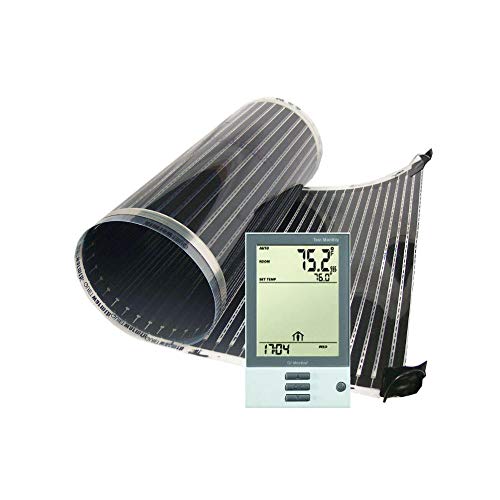
Under carpet floor heating systems are pretty neat. They use electric cables or mats that get installed directly beneath your carpet. Think of them like a giant heating pad for your entire floor.
When you turn them on, electricity flows through these elements. This creates warmth that then rises up through the carpet and into the room.
These systems are a type of radiant heating. This means they heat objects and people directly. They don’t rely on blowing hot air around.
This is different from your home’s central heating system. Radiant heat feels different, too. It’s often described as a more even, comfortable warmth.
It doesn’t create drafts or dry out the air as much.
The key components are the heating elements themselves. These are usually thin electric wires or mats. They are designed to be safe and durable.
Then there’s the thermostat. This is what controls the temperature. You set it to your desired warmth.
The thermostat tells the heating system when to turn on and off. This helps keep the temperature steady. It also helps save energy.
Installation is a crucial step. The heating elements must be laid out evenly. They need to be properly connected.
Then they are covered by a thin layer of material. Finally, the carpet goes on top. This keeps the heating elements hidden and protected.
It also ensures the heat transfers effectively.
My Own Cozy Carpet Experience
I remember the first time I truly understood the appeal of heated floors. It was a winter in New England. My old house had drafty windows.
Even with the main heater blasting, the floor in the living room was always icy. I’d wear thick socks and slippers indoors. One day, a friend told me about their under carpet system.
I was skeptical. “Won’t that make my electric bill explode?” I asked. They assured me it was worth it.
So, I decided to try it in one room – the one my kids used most. Seeing their little feet running around on a warm carpet felt like magic. The room just felt cozier, more inviting.
I didn’t have to worry about them getting chilled.
I monitored the electricity meter closely at first. I was surprised. It wasn’t nearly as bad as I feared.
The room felt consistently warm. I could even turn the main house thermostat down a few degrees. This actually helped balance things out.
That initial worry faded. It was replaced by the simple joy of a warm, comfortable space.
Energy Use Breakdown
Heating Element Wattage: This is the power the system uses. Higher wattage means more heat. It also means more energy use.
Area Heated: A bigger space needs more power. Heating a small rug is different from heating a whole living room.
Runtime: How long the system is on each day matters. A programmable thermostat helps control this.
Factors That Affect Operating Costs
So, what makes the numbers on your electric bill change when you have under carpet heating? It’s not just one thing. Many different factors play a role.
Understanding these will help you predict costs better.
The most important factor is the system’s wattage. Heating elements come in different power ratings. A system designed for a small bathroom might be 150 watts.
A system for a large living room could be 1500 watts or more. Higher wattage means it uses more electricity when it’s running.
Next is the size of the area you are heating. Heating a 5-foot by 8-foot rug uses less energy than heating a 20-foot by 20-foot room. The total wattage needed often depends on the square footage.
More space equals more heating elements, which means more power draw.
How well your home is insulated is a huge piece of the puzzle. If your walls, attic, and windows are well-insulated, heat stays inside. This means your floor heating system doesn’t have to work as hard.
It won’t need to run as often to maintain the desired temperature. A poorly insulated home will lose heat quickly. This forces the system to cycle on more frequently.
Your local climate matters too. If you live in Florida, you’ll use your system much less than someone in Minnesota. Cold weather demands more heating.
Even during milder seasons, a cooler basement or a drafty room might need more heat than others.
The thermostat settings are also key. What temperature do you set it to? Do you use a programmable thermostat?
A programmable thermostat lets you set different temperatures for different times of day. You can lower the heat when you’re sleeping or away from home. This can save a lot of energy compared to keeping it at one constant temperature.
Finally, your electricity rate is crucial. The price you pay per kilowatt-hour (kWh) varies wildly by region and by your utility provider. Some areas have very cheap electricity.
Others have much higher rates. This directly impacts your operating cost. For example, if electricity costs $0.15 per kWh, running a 1000-watt heater for 4 hours will cost $0.60 (1 kW x 4 hours x $0.15/kWh).
Quick Scan: Key Cost Drivers
High Wattage System = Higher Potential Cost
Large Heated Area = Higher Potential Cost
Poor Insulation = Higher Potential Cost
Cold Climate = Higher Potential Cost
High Thermostat Setting = Higher Potential Cost
Expensive Electricity Rates = Higher Potential Cost
Estimating Your Monthly Costs
Figuring out an exact monthly cost is tricky without knowing your specific setup. But we can give you a good idea. Let’s use some common examples.
We’ll assume an average electricity rate.
For this example, let’s say your electricity costs $0.15 per kilowatt-hour (kWh). This is a common rate in many parts of the U.S. Your actual rate might be higher or lower.
Consider a medium-sized living room, say 150 square feet. A system for this area might be around 10 watts per square foot. That’s a total of 1500 watts (1.5 kW) when it’s running at full power.
Now, how long is it actually on? This is where thermostats are important. Let’s imagine you want the floor to feel warm from 7 AM to 10 AM (3 hours) and again from 5 PM to 10 PM (5 hours).
That’s a total of 8 hours a day.
However, the system won’t run at full power for all 8 hours. A thermostat will cycle it on and off. A good estimate for how much it actually runs is about 50% of the time.
So, it might run for 4 hours a day at full power.
Daily cost estimate: 1.5 kW (system wattage) 4 hours (actual runtime) $0.15/kWh (electricity rate) = $0.90 per day.
Monthly cost estimate: $0.90/day * 30 days/month = $27.00 per month.
This is just an estimate for one room. If you heat multiple rooms, you’d add up the costs for each. If your electricity rate is higher, say $0.25/kWh, that same room would cost about $45 per month ($0.90 30 / 0.15 0.25).
If you only heat a small area, like a bathroom (say 50 sq ft, 500 watts total), and it only runs for 2 hours a day total, the cost is much lower. Daily: 0.5 kW 2 hours $0.15/kWh = $0.15. Monthly: $0.15 * 30 = $4.50.
These examples show how much the size of the system and the usage patterns impact the final cost. Always check your local electricity rates for the most accurate estimates.
Contrast Matrix: Usage Habits
| Normal Use (Estimated Monthly Cost) | High Use (Estimated Monthly Cost) |
|---|---|
| Thermostat set to 70°F. Lowered at night. System runs 4 hours/day. | Thermostat set to 78°F. Constant high heat. System runs 10 hours/day. |
| Well-insulated room. Minimal heat loss. | Poorly insulated room. Drafty windows. Significant heat loss. |
| Used only in coldest months. Turned off in spring/fall. | Used year-round, even on mild days. |
| Living Room (150 sq ft, 1.5 kW system, $0.15/kWh): ~$27/month | Living Room (150 sq ft, 1.5 kW system, $0.15/kWh): ~$67.50/month (or more) |
Is It More Expensive Than Central Heating?
This is a common point of confusion. People often ask if radiant floor heating costs more to run than their existing furnace or heat pump. The answer is usually: it depends.
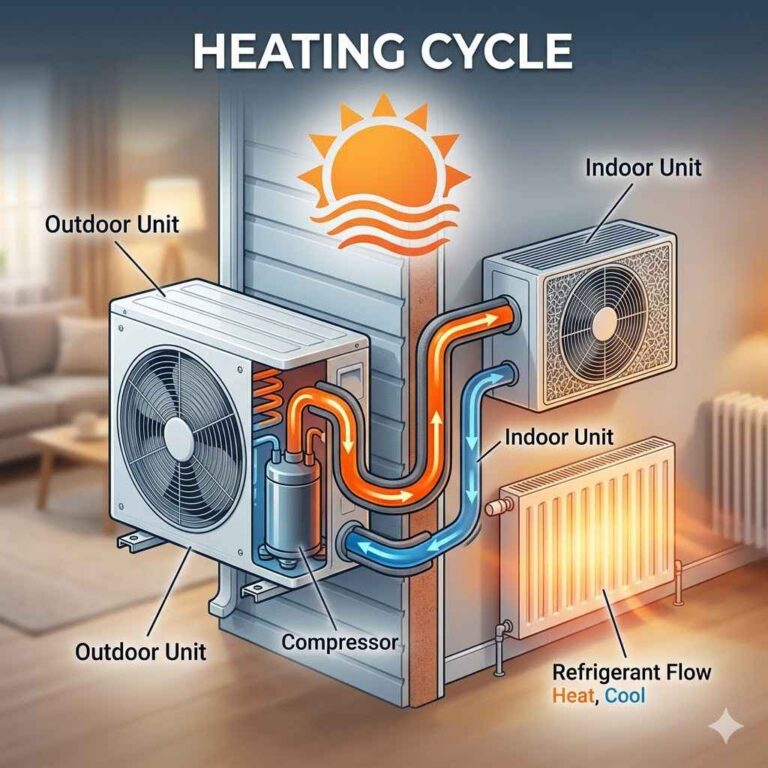
Central heating systems, like furnaces, heat the air. They then blow that hot air through vents. This method can lose a lot of heat through ductwork.
It can also create uneven temperatures. Rooms further from the furnace might be cooler. The air can also feel dry.
Radiant floor heating, on the other hand, heats the floor directly. The warmth then rises slowly and evenly. This type of heat is often perceived as more comfortable at a lower air temperature.
You might be able to set your central thermostat a few degrees lower if you have heated floors. This can lead to energy savings overall.
Here’s where it gets nuanced. If you are heating your entire house with under carpet radiant systems, that would likely be more expensive than a well-functioning central system. That’s because you’d be using a lot of electricity, and electricity is often more expensive per unit of energy than natural gas (which many furnaces use).
However, most people use under carpet heating as a supplemental heat source. They use it in specific rooms or zones that feel cold. For example, a bathroom, a basement family room, or a master bedroom.
In these cases, it can be very cost-effective.
Think about it this way: If your main heating system struggles to warm a particular room, or if you only want that room warm for a few hours a day, turning on a targeted radiant floor system for that zone can be much cheaper than running your whole house furnace just for that one room. You’re only heating the space you need, when you need it.
Also, radiant heat feels warmer. This means you might be comfortable at a lower thermostat setting. If you normally set your main thermostat to 72°F but with heated floors you’re comfortable at 68°F, you can save significant money on your overall heating bill.
The U.S. Department of Energy suggests that lowering your thermostat by 7–10°F for 8 hours a day can save you 10% on your heating bill.
So, while the wattage of a radiant floor system might seem high, its efficiency in targeted heating and the potential to lower overall thermostat settings can make it competitive, and sometimes even cheaper, than relying solely on central heating for comfort.
Stacked Micro-Sections: Efficiency Tips
Zone Control: Only heat rooms you use. Use a thermostat for each zone.
Programmable Thermostat: Set lower temps when away or asleep.
Insulation Matters: Keep heat in. Check walls, windows, and doors.
Carpet Choice: Thicker, denser carpets hold heat better.
Underlayment: Use a good quality underlayment designed for radiant heat.
Real-World Scenarios: Where Costs Vary
Let’s look at a few common scenarios to see how costs can play out in real homes across the U.S.
Scenario 1: The Cozy Bathroom Retreat
Imagine a typical 5×8 foot bathroom. Many homeowners install under-tile or under-carpet heating here. Let’s say the system is 600 watts (8 watts/sq ft).
In the chilly Northeast, you might want it on for 2 hours in the morning and 1 hour in the evening. That’s 3 hours total daily runtime.
Electricity rate: $0.18/kWh.
Daily Cost: 0.6 kW 3 hours $0.18/kWh = $0.32.
Monthly Cost: $0.32/day * 30 days = $9.60.
This is very affordable for a luxury feel. The actual usage is low because the space is small and the duration is controlled.
Scenario 2: The Basement Family Room
A basement family room might be larger, say 400 square feet. Basements can be naturally cooler. A system here might be 4000 watts (10 watts/sq ft).
You might want this room comfortable for a good part of the day, maybe 6 hours on average, with the thermostat cycling.
Electricity rate: $0.14/kWh (Midwest).
Assume it runs effectively for 4 of those 6 hours.
Daily Cost: 4.0 kW 4 hours $0.14/kWh = $2.24.
Monthly Cost: $2.24/day * 30 days = $67.20.
This is a significant cost, but it provides comfort in a space that might otherwise be cold and unused. The larger area and longer usage drive up the price.
Scenario 3: The Home Office Nook
A small home office, just 8×10 feet, maybe 80 square feet. You want it warm while you work. The system might be 800 watts (10 watts/sq ft).
You work from home 8 hours a day. You set the thermostat to a comfortable 70°F. The system might cycle on and off, effectively running for about 4 hours during that 8-hour period.
Electricity rate: $0.22/kWh (California).
Daily Cost: 0.8 kW 4 hours $0.22/kWh = $0.70.
Monthly Cost: $0.70/day * 30 days = $21.00.
This is a reasonable cost for consistent comfort during your workday, especially if your home office is on a colder side of the house or over an unheated garage.
These scenarios highlight the variability. A simple calculation based on your system’s wattage, estimated daily runtime, and local electricity price is the best way to get a personalized estimate.
Observational Flow: Energy Use Over Time
Morning Activation: Thermostat signals heating. Elements engage. Power draw increases.
Steady Warmth: Target temperature reached. System cycles on/off. Lower, intermittent power draw.
Occupancy: People in the room. Body heat adds to warmth. System may cycle less.
Exterior Temperature Change: Colder outside means heat loss. System may run more.
Night Setback: Thermostat lowers temp. System cycles off more frequently or stays off.
What This Means for Your Budget
Understanding the operating costs is key to budgeting. For many, the monthly cost for a single zone is comparable to a few tanks of gas or a couple of restaurant meals. It’s not usually a budget-breaking expense if used wisely.
When it’s normal: Expect costs to be low for small areas like bathrooms or entryways. Costs are also normal if you live in a warmer climate or only use the system for short periods each day. If your monthly bill for a heated room is between $10-$50, that’s generally within the expected range for moderate use.
When to worry: If your electricity bill spikes dramatically after installing the system, and you haven’t changed other habits, investigate. Are you heating too large an area? Is the thermostat set too high?
Is your home very poorly insulated? A monthly cost exceeding $100-$150 for a single standard-sized room (without extreme climate or usage) might indicate an issue with the system installation or usage pattern.
Simple checks:
- Check your thermostat settings. Are they reasonable for the time of day and occupancy?
- Inspect insulation. Feel for drafts near windows and doors.
- Review your electricity bill. Understand your per-kWh rate.
- Monitor usage. Many smart thermostats offer usage reports.
The peace of mind and comfort from warm floors can be well worth the expense. It’s about finding the balance that works for your lifestyle and your budget.
Quick Tips for Lowering Operating Costs
You’ve invested in comfort, now let’s talk about keeping those running costs as low as possible. It’s all about smart usage and making sure your system works efficiently.
- Embrace the Programmable Thermostat: This is your best friend for energy savings. Set it to lower the temperature when you’re asleep or away. Even a few degrees can make a difference. For example, lower it by 5-10°F at night.
- Use Zones Wisely: Only heat the rooms you are actively using. If the basement family room isn’t being used on a Tuesday afternoon, turn its thermostat down or off.
- Seal Up Air Leaks: Drafts are energy vampires. Check around windows, doors, electrical outlets, and any other penetrations in your walls. Use weatherstripping and caulk. This keeps the warm air in and the cold air out, so your floor heating system doesn’t have to work overtime.
- Improve Insulation: While this is a bigger project, good insulation is key. Ensure your walls, attic, and crawl spaces are well-insulated. This dramatically reduces heat loss.
- Consider Carpet and Underlayment: Thicker, denser carpets and high-quality underlayment can help retain heat. Make sure the underlayment is rated for radiant heat.
- Smart Thermostat Features: Some newer thermostats learn your habits and adjust automatically. Others can be controlled remotely via your smartphone.
- Regular Maintenance: While these systems are low maintenance, ensure your connections are secure. An inefficient system could use more power.
- Don’t Over-Heat: Find a comfortable temperature and stick to it. Remember that radiant heat feels warmer, so you might not need as high a setting as you think.
Frequently Asked Questions About Operating Costs
How much electricity does a typical under carpet floor heater use per hour?
A typical system might use between 10 to 15 watts per square foot. So, a 100 sq ft area might use 1000-1500 watts (1-1.5 kW) when actively heating. This is similar to a toaster or a hairdryer.
Actual usage depends heavily on thermostat settings and how often it cycles.
Can I use under carpet heating as my primary heat source?
For most homes, under carpet heating is best as a supplemental or zone heating solution. While powerful systems exist, heating an entire home solely with electric radiant floor heat can be very expensive, especially in colder climates, due to the cost of electricity compared to other fuel sources.
How does the cost compare to electric baseboard heaters?
Radiant floor heating is generally considered more energy-efficient than electric baseboard heaters. Baseboard heaters heat the air directly, which can lead to stratification (hot air rising, cool air settling). Radiant floor heat provides more even, comfortable warmth from the ground up, allowing for potentially lower thermostat settings and better perceived comfort.
Will my carpet wear out faster with under floor heating?
No, not typically. When installed correctly, the heat is distributed evenly and is not excessively hot. The key is ensuring the system does not overheat any one spot and that the carpet and underlayment are rated for use with radiant heat.
Manufacturers provide guidelines to prevent damage.
What is the average monthly electricity cost for a small bathroom heated with under carpet mats?
For a small bathroom (e.g., 50-80 sq ft) used for a couple of hours a day, the monthly operating cost is often quite low, typically ranging from $5 to $20, depending on your electricity rate and usage. This is a small price for significant comfort.
How can I track my under carpet floor heating energy usage?
The best way is to use a smart thermostat that provides energy usage reports. Alternatively, you can use a plug-in energy monitor if the system is on a standard outlet (though most are hardwired). You can also monitor your whole-house electricity meter during periods when only the floor heating is running.
Conclusion
So, how much does it cost to run under carpet floor heaters? It’s not a simple number, but by understanding the factors involved, you can get a very good estimate. We’ve explored wattage, area size, insulation, climate, and electricity rates.
We’ve seen how these elements combine to create your monthly bill.
The good news is that with smart usage, proper installation, and a little attention to insulation, these systems can provide incredible comfort without an astronomical energy cost. They can be a wonderful addition to your home, making those cold floors a distant memory. Enjoy the warmth!
Sponsored / affiliate links. As an Amazon Associate I earn from qualifying purchases. I may earn additional commission from eligible campaigns.