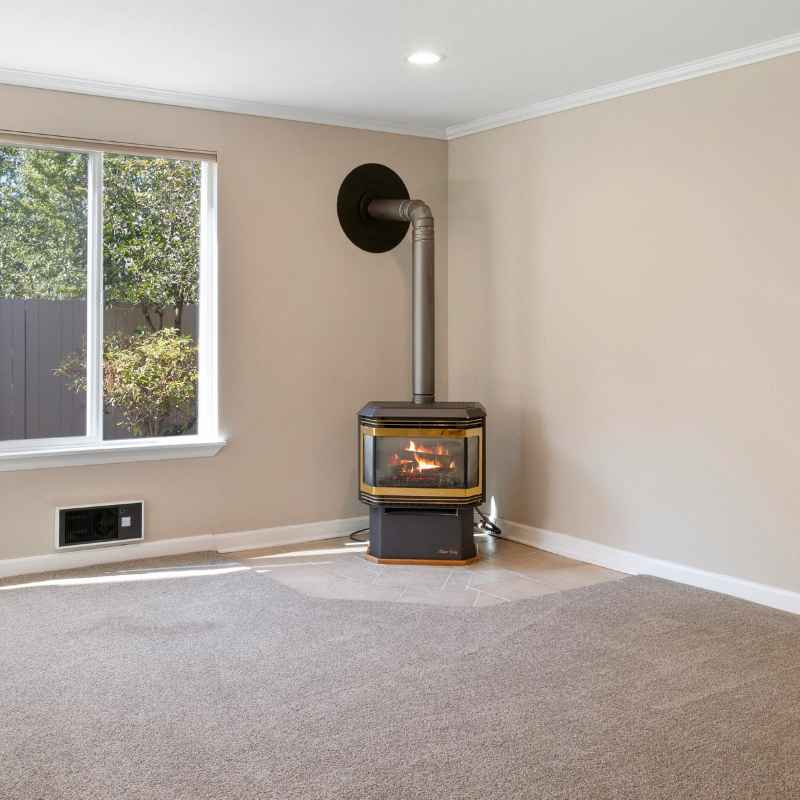
How To Build Space For A Pellet Stove With No Fireplace
Building space for a pellet stove without a fireplace involves careful planning. Focus on safe clearances, proper ventilation, and finding a spot that fits your home’s layout. This guide covers essential steps for a safe and stylish installation.
Understanding Pellet Stove Installation Without a Fireplace
Adding a pellet stove is exciting. It brings warmth and a nice focal point. But if you don’t have an existing fireplace, things change.
You need to create the right space for it. This means more than just finding an empty corner. It involves making sure it’s safe and works well.
Pellet stoves burn wood pellets. These pellets create heat. But they also create smoke and exhaust.
This exhaust needs to go outside. So, you’ll need a vent. This vent is a pipe.
It carries the smoke away from your home. It must be installed correctly. Safety is the top priority here.
You don’t want any fumes getting into your living space.
Think about the stove itself. It gets hot. The sides and front can be warm.
You need space around it. This space keeps things from getting too hot. It also lets you clean and maintain the stove easily.
Good airflow is important too. It helps the stove run efficiently. It also makes sure the air in your room stays fresh.
When you don’t have a fireplace, you are building from scratch. This gives you flexibility. You can choose the best spot.
But it also means you need to be more informed. You are creating the whole setup. We will break down all the key parts.
Personal Experience: The Time My Living Room Felt Too Small
I remember a time when I really wanted a pellet stove. My old house had a small living room. It felt a bit cramped.
I saw a beautiful pellet stove online. It looked so inviting. I pictured it warming up the room on a cold winter night.
The problem was, there was no chimney or fireplace. My living room was also full of furniture. There wasn’t much open wall space.
I started looking at pictures of pellet stoves in homes. They were often in corners or against a wall. I measured my walls.
I tried to imagine the stove there. It seemed like I would have to move a sofa. Or maybe a bookshelf.
I felt a bit frustrated. It seemed like my dream was going to be too hard to make happen. I even considered giving up.
Then, I talked to an installer. He looked at my room. He pointed out a spot near the window.
It was an empty corner. He explained that we could vent it through the wall. He showed me how much space was needed.
It meant moving a small side table. But the sofa could stay. It suddenly felt possible.
Seeing the space laid out, and understanding the venting options, changed everything. I went from feeling stuck to feeling excited again.
Choosing the Right Location: Where Your Pellet Stove Will Live
Picking the spot for your pellet stove is a big decision. It affects how it looks and how well it works. It also affects how safe it is.
You can’t just put it anywhere. There are rules and good ideas to follow.
Location Factors to Consider
Heat Distribution: Place it where heat can spread easily. Avoid small, closed-off rooms. An open floor plan works best.
Airflow: Ensure the stove gets enough air. Don’t block vents. Good airflow helps it burn cleaner.
Proximity to Walls: Check the stove’s manual. It will tell you the safe distance. This is very important for fire safety.
Access for Maintenance: You need space to clean it. You also need space to add pellets. Make sure you can reach it easily.
Electrical Outlet: Pellet stoves need electricity. They have a fan and an auger. Have an outlet nearby.
One common place is a corner. A corner can save space. It also makes the stove a nice feature.
You can often vent it through the outside wall behind it. Another spot is on a plain wall. This might be a wall that doesn’t have windows or doors.
It gives you a good canvas.
Think about how you use your room. Where do you sit? Where do you walk?
You don’t want the stove to be in the way. You also want to see it from where you spend most of your time. This makes it a true focal point.
Safety First: Clearances and Ventilation Essentials
Safety is non-negotiable with any heating appliance. Pellet stoves are no different. You must follow specific rules for clearances.
Clearances are the safe distances from the stove to things like walls, furniture, and curtains. These distances prevent fires.
Your stove’s manual is your best friend here. It will have diagrams. These diagrams show exact distances.
Always follow these numbers. They are usually set by the manufacturer and safety experts.
For example, the sides and back of the stove might need 6 to 12 inches of space. The front might need more, like 3 to 4 feet. This is for radiant heat and access.
These numbers can change based on the stove model. They also change based on what is around the stove. If your wall is combustible (like drywall or wood), you need more space.
If it’s non-combustible (like brick or stone), you might need less.
Venting is the other huge safety piece. Pellet stoves create exhaust. This exhaust contains carbon monoxide.
Carbon monoxide is a dangerous gas. It is odorless and colorless. You must vent the exhaust properly.
This is usually done with a specialized vent pipe. This pipe goes through an exterior wall or a window. It must be sealed correctly.
Key Venting Points
Direct Vent vs. Vent-Free: Most pellet stoves are direct vent. This means they vent directly outside.
Vent-free stoves are rare for pellet models and have specific safety concerns.
Approved Venting Materials: Use only vent pipes designed for pellet stoves. Do not use dryer vent hose.
Proper Slope: Vent pipes often need a slight upward slope. This helps with exhaust flow.
Sealing: All connections must be sealed tightly. This stops leaks.
Termination Point: The outside end of the vent pipe must be at a safe distance from windows, doors, and air intakes.
A professional installer is highly recommended. They know the local building codes. They understand how to run vents safely.
They can ensure your stove meets all safety standards. This protects your home and your family.
Creating a Safe Hearth Area
Beyond clearances, you might want to create a hearth. A hearth is a non-combustible surface under and around the stove. It adds an extra layer of safety.
It also makes the stove area look more finished.
Materials like tile, stone, brick, or concrete work well. Check your local building codes. Many areas require a hearth.
The size of the hearth is often specified. It usually needs to extend a certain distance in front of the stove. It also needs to go out to the sides and behind it.
Think about the look you want. A stone hearth can look rustic. A tile hearth can be modern.
It’s a chance to add a design element. Make sure the hearth is level. This ensures the stove sits flat.
This is important for its operation.
The floor under the hearth also matters. It needs to be able to support the stove’s weight. Check the stove’s specifications for its weight.
A professional installer can advise on flooring reinforcement if needed.
Aesthetic Choices: Making Your Pellet Stove Look at Home
Now for the fun part: making your pellet stove look good! Since you’re creating the space, you have control over the style. You can make it a seamless part of your home’s decor.
Or, you can make it a standout feature.
Consider the stove’s finish. Many come in black, cast iron, or stainless steel. Choose one that matches your style.
A sleek black stove can look modern. A cast iron look is more traditional.
Design Tips for Your Pellet Stove Space
Surrounding Materials: Use non-combustible materials around the stove. Think stone veneer, tile, or metal panels. These can add texture and color.
Mantel or Shelving: If your stove is against a wall, you might add a floating shelf above it. Keep items on the shelf non-combustible. And check clearances again.
A mantel can also add a nice touch.
Color Palette: Match the stove and its surround to your room’s colors. Or, use it as a chance to add a pop of contrast.
Lighting: Good lighting can highlight the stove. Consider accent lighting to draw attention to it.
Accessorize Wisely: Keep the area around the stove clear. But a small basket for pellets or a nice poker can add to the look.
If you’re building a custom hearth, this is your chance. You can design it to fit perfectly. You can choose the exact tiles or stones.
You can even incorporate built-in storage for pellets below it. This makes the whole setup look intentional and stylish.
Remember, the goal is integration. The stove should feel like it belongs. It shouldn’t look like an afterthought.
By thinking about the design from the start, you can achieve this. It will be both functional and beautiful.
Ventilation Options: Through Walls or Chimneys
When you don’t have a fireplace, you need a way to get the exhaust out. The most common method is venting through an exterior wall. This is called direct venting.
It uses a special vent pipe system.
These systems are designed for efficiency and safety. They often use a double-wall pipe. The inner pipe carries the exhaust.
The outer pipe provides insulation and airflow. This type of venting can go through a side wall or even a back wall.
Sometimes, people consider venting through the roof. This is more like a traditional chimney. It can be done with a direct-vent system that goes up vertically.
This is often a good choice if wall venting isn’t practical. For example, if your stove is in the middle of a room.
Here’s a quick comparison:
Vent Pipe Styles
| Feature | Wall Venting | Roof Venting |
|---|---|---|
| Installation Complexity | Generally easier; penetrates wall | More complex; requires roof access and sealing |
| Visual Impact | Vent pipe visible outside; can be less attractive | Vent pipe often hidden in attic; cleaner exterior look |
| Draft Performance | Can be very effective; depends on run length | Often provides good draft; can be affected by wind |
| Cost | Can be less expensive | Can be more expensive due to complexity |
It’s crucial to use the correct type of vent pipe. It must be rated for pellet stoves. Always follow the manufacturer’s instructions.
And get professional advice. They can assess your home’s structure. They can help you choose the best venting method.
Some older homes might have unused chimneys. It’s possible to reline an old chimney for a pellet stove. But this requires a professional inspection.
The chimney must be sound. It must also be properly insulated and sized for the pellet stove. It’s not always the easiest or most efficient option compared to direct venting.
Real-World Scenarios: Where Pellet Stoves Fit
Let’s look at how this plays out in real homes. Many people add pellet stoves to living rooms. This is often the main gathering space.
Placing it on an exterior wall allows for easy venting.
Another popular spot is a basement. Basements are often unfinished. They offer plenty of space.
They are also close to an exterior wall. This makes venting simpler. A basement stove can heat the lower level.
It can also help warm up the floors above.
Some people put them in dining rooms or large kitchens. If there’s an exterior wall available, it can work. You just need to ensure there’s enough clearance.
And that it doesn’t block traffic flow. Think about the heat distribution. A large, open room is ideal.
What about smaller spaces like dens or bedrooms? This is usually not recommended. Unless the stove is specifically designed for small spaces and meets all clearance requirements.
Even then, safety is paramount. The risk of overheating nearby items is higher.
Common Placement Examples
Living Room Corner: A popular choice for ambiance and heat distribution.
Basement Area: Great for adding usable living space and warmth.
Dining Room Wall: If space and venting allow, it can make dinner warmer.
Hallway Niche: Sometimes a wider hallway offers a spot, if clearances are met.
The key is always to assess the specific room. Consider its size. Think about where the heat will go.
And always prioritize safety clearances. Never compromise on the distances required by the manufacturer. Even if it means a less-than-ideal location.
What This Means For You: Normal vs. Concerning Signs
Once your pellet stove is installed, you’ll want to know what’s normal. And what might signal a problem. It’s good to be aware of both.
Normal:
- A gentle hum from the fan.
- The steady feed of pellets from the hopper.
- Warm air circulating from the stove.
- A visible flame inside the burn pot.
- Slight odors when starting or shutting down the stove. This is usually exhaust that escapes during those transitions.
Concerning:
- Loud or unusual noises.
- Excessive smoke puffing out of the stove.
- A strong, persistent smell of smoke in the room.
- Visible soot buildup on the outside of the stove.
- Error codes on the stove’s digital display.
If you notice any concerning signs, stop using the stove immediately. Turn it off. Let it cool.
Then, consult your owner’s manual. If the problem persists or seems serious, call a qualified service technician. Do not try to fix complex issues yourself.
Carbon monoxide detectors are a must. Install them on every level of your home. Test them regularly.
If a detector goes off, evacuate your home immediately. Call 911 from a safe location. This is the most important safety measure.
Quick Tips for Pellet Stove Success
Here are some simple tips to help you get the most out of your pellet stove setup.
- Read the Manual: Seriously, read it cover to cover. It has all the answers.
- Use Quality Pellets: Not all pellets are the same. Use high-quality hardwood pellets. They burn cleaner and hotter.
- Regular Cleaning: Clean the burn pot daily or every few days. Clean the glass and ash pan weekly. Do a deeper clean monthly.
- Maintain the Venting: Have your vent pipe inspected and cleaned at least once a year.
- Check Clearances Periodically: Make sure nothing has been placed too close to the stove over time.
- Have a Backup Plan: Know how to operate your stove manually if the power goes out.
Pellet Storage Tips
Keep Dry: Pellets absorb moisture easily. Store them in a dry place.
Use Containers: Store in their original bags or in sealed bins.
Elevate: If storing on a concrete floor, elevate the bags or bins slightly.
Ventilation: Ensure the storage area is somewhat ventilated.
These small steps make a big difference. They ensure your stove runs well. They keep it safe.
And they prolong its life.
Frequently Asked Questions About Pellet Stove Space
Can I put a pellet stove on any floor?
You can, but the floor must be able to support the stove’s weight. Most floors need a non-combustible hearth pad underneath. This pad protects the floor from heat.
It also catches any stray embers. Always check your stove’s weight and local building codes.
How much space do I need around a pellet stove?
This varies by model. Always check the manufacturer’s manual for exact clearance requirements. Typically, you need about 6-12 inches on the sides and back.
The front needs more space for safety and access, often 3-4 feet.
Do I need a special outlet for a pellet stove?
Most pellet stoves require a standard 120V grounded electrical outlet. They need power for the auger, fan, and control board. Ensure the outlet is on a dedicated circuit if possible, or at least not overloaded.
Can I vent a pellet stove through a window?
Yes, some direct-vent systems are designed for window installation. This uses a special window kit. It’s a good option if wall or roof venting isn’t possible.
Make sure the kit is properly sealed to prevent air leaks.
How do I know if my chosen location is safe?
Safety comes from following clearances and proper venting. Always consult your stove’s manual. If unsure, hire a certified professional installer.
They can assess your chosen spot and ensure compliance with safety codes.
What if I don’t have an exterior wall nearby?
If an exterior wall isn’t convenient, you can vent through the roof. This uses a vertical vent system. It’s more complex but achieves the same result.
A professional can advise on the best method for your home’s layout.
Conclusion: Making Space for Warmth and Comfort
Adding a pellet stove without a fi
By following these guidelines, you can build the perfect space. You’ll enjoy cozy warmth for years to come. Remember, when in doubt, call a pro!
Sponsored / affiliate links. As an Amazon Associate I earn from qualifying purchases. I may earn additional commission from eligible campaigns.