How Often Do Aquarium Fish Get Burned by Heaters?
How often do aquarium fish get burned by heaters is a common concern for many fish keepers, and understanding the risks is crucial for maintaining a healthy aquatic environment. While direct burns are relatively rare with modern aquarium heaters, improper installation, malfunction, or lack of protective measures can lead to serious injury or even death for your fish. This guide will explore the likelihood of heater burns, the factors that contribute to them, and how to prevent such incidents effectively.
Simply put, direct burns from aquarium heaters are uncommon when the equipment is functioning correctly and properly guarded, but they can occur due to malfunctions, incorrect placement, or if fish are particularly small or curious. Prevention through regular maintenance and protective measures is key to ensuring fish safety.
Key Takeaways
- Direct burns to aquarium fish from heaters are infrequent but possible, especially with smaller fish or faulty equipment.
- Proper heater selection, installation, and protective measures are the most effective ways to prevent burns.
- Regular maintenance and monitoring of heater function can significantly reduce the risk of accidents.
- Understanding fish behavior and tank dynamics helps in anticipating and mitigating potential hazards.
What is an Aquarium Heater and How Does It Work?
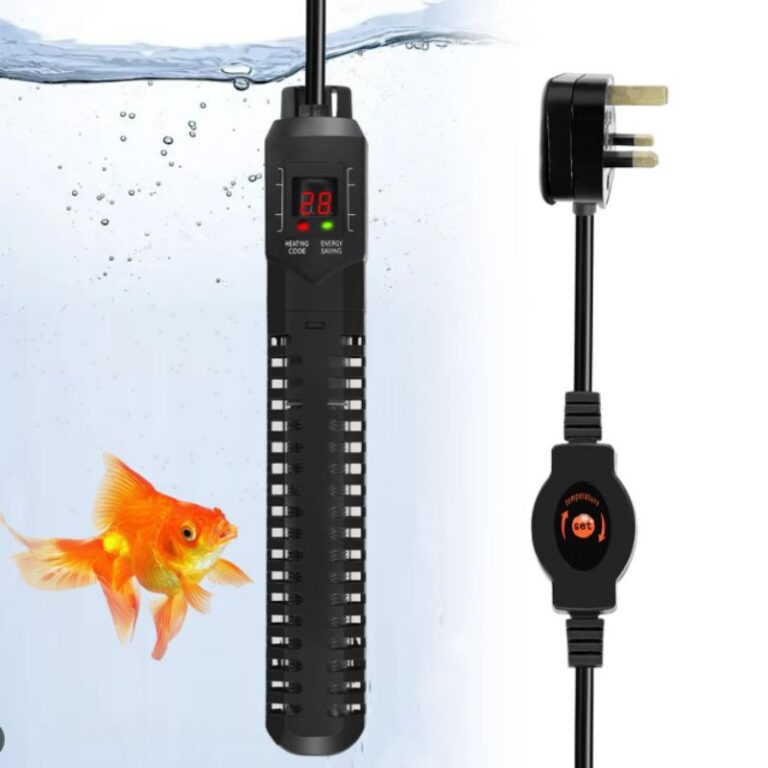
An aquarium heater is an essential device for most tropical and subtropical freshwater and marine fish species, maintaining a stable water temperature that mimics their natural habitat. These heaters typically consist of a heating element enclosed in a glass or metal tube, a thermostat to regulate temperature, and a power cord.
The heating element, usually a resistive wire, generates heat when electricity passes through it. This heat is then transferred to the surrounding water. The thermostat monitors the water temperature and switches the heating element on or off to keep the water within a pre-set range.
Most modern aquarium heaters have adjustable thermostats, allowing you to set a specific temperature for your tank.
The process is straightforward: the heater is submerged in the aquarium, plugged into a power source, and set to the desired temperature. Water circulates naturally around the heater, or through filtration systems, ensuring even heat distribution throughout the tank. Without a heater, many popular aquarium fish would suffer from temperature fluctuations, leading to stress, weakened immune systems, and susceptibility to diseases.
- Heating Element: Generates heat when electrified.
- Thermostat: Senses water temperature and controls the heating element.
- Adjustable Dial: Allows users to set the desired temperature.
- Submersible Design: Most heaters are designed to be fully submerged for efficient heat transfer.
- Safety Features: Many include automatic shut-off if the water level drops too low.
- Indicator Light: Shows when the heater is actively heating.
The reliability of the thermostat is paramount. If it fails, the heater could overheat the water or fail to heat it adequately. This is where potential dangers arise, not just from direct burns, but also from thermal shock if temperatures fluctuate wildly.
Ensuring the heater is correctly sized for the tank volume is also critical for optimal performance and safety.
Factors Contributing to Aquarium Heater Burns
Direct physical contact with a hot heating element is the primary cause of burns. While the heating tube itself doesn’t typically reach temperatures high enough to instantly vaporize fish tissues, prolonged contact can cause severe damage. This is more likely to occur if the heater is not properly guarded or if the fish are forced into close proximity with it.
One significant factor is heater malfunction. If a thermostat fails and stops regulating the temperature, the heating element can continue to heat the water indefinitely, potentially raising the temperature to lethal levels. In such extreme cases, fish might try to escape the heat by congregating near the heater, leading to burns.
Small, weakened, or sick fish are also more vulnerable and less able to move away from a hot spot.
Another contributing factor is the size and species of fish. Smaller fish, like neon tetras or guppies, have less mass and thinner skin, making them more susceptible to heat damage than larger, more robust species. Likewise, fish that are naturally curious or spend a lot of time exploring nooks and crannies might accidentally come into contact with a hot heater, especially if it’s not adequately protected.
Certain species also have specific temperature requirements that, if exceeded, can cause physiological stress even without direct burns.
| Risk Factor | Description | Impact |
|---|---|---|
| Thermostat Failure | Thermostat stops regulating temperature, causing continuous heating. | Overheating water, potential for lethargy, stress, and burns from proximity. |
| Improper Guarding | Lack of a heater guard or cage around the heating element. | Increased direct contact risk between fish and hot surfaces. |
| Fish Size/Health | Small, weak, or ill fish are less able to escape heat or avoid contact. | Higher susceptibility to burns and thermal stress. |
| Curious Fish Behavior | Fish species that explore tight spaces or are attracted to heat sources. | Accidental contact and potential for burns. |
| Incorrect Placement | Heater placed in a confined area with no escape routes for fish. | Fish trapped in a hot zone. |
Understanding these factors allows for proactive measures. For instance, ensuring your heater has a reliable thermostat and considering a heater guard are fundamental steps in mitigating these risks.
How to Prevent Aquarium Heater Burns
Preventing burns is far more effective and humane than treating them. The first line of defense is selecting a high-quality heater from a reputable brand known for reliability and safety features. Many modern heaters come with integrated safety mechanisms, such as automatic shut-off if the water level drops or if the heater is running dry, which can prevent overheating and potential damage.
Proper installation is also critical. Always ensure the heater is fully submerged as per the manufacturer’s instructions before plugging it in. This prevents the heating element from overheating when exposed to air.
Positioning the heater near the filter’s outflow can help distribute heat evenly throughout the tank, reducing hot spots and ensuring a more consistent temperature, which also minimizes the chance of fish seeking out specific warm areas.
A heater guard, often made of plastic or metal, is a highly recommended accessory. This cage-like device surrounds the heating element, preventing fish from coming into direct contact with the hot surface. These guards are particularly important in tanks with small fish, fry, or species known to be curious explorers.
Regular maintenance checks of your heater are also vital. Periodically test your aquarium’s temperature with a reliable thermometer and compare it to the heater’s setting. If you notice discrepancies or if the heater is constantly on or off, it might be malfunctioning and require replacement.
- Invest in Quality: Purchase heaters from well-known brands with good reviews and safety certifications.
- Full Submersion: Always ensure the heater is fully submerged before powering it on.
- Strategic Placement: Position near filter outflow for even heat distribution; avoid enclosed spaces.
- Use a Heater Guard: Essential for tanks with small fish, fry, or curious species.
- Regular Thermometer Checks: Cross-reference tank temperature with heater setting daily.
- Monitor Heater Behavior: Observe if the heater cycles on/off appropriately.
- Avoid Overcrowding: Reduces stress and the likelihood of fish being trapped.
- Choose Appropriate Wattage: Ensure the heater is sized correctly for your tank volume.
By implementing these preventive measures, you significantly minimize the risk of your aquarium fish suffering from heater-related injuries. It’s a small investment of time and resources for the well-being of your aquatic pets.
Signs of an Aquarium Heater Malfunction
Recognizing the signs of a malfunctioning aquarium heater is key to preventing potential disasters. The most obvious indicator is a temperature reading that is significantly different from the one set on the heater. If your thermometer consistently shows a temperature much higher or lower than intended, suspect the heater.
Other behavioral signs in fish can also point to heater issues. If fish are constantly gasping at the surface, it often indicates low oxygen levels due to high water temperatures. Conversely, if fish are lethargic and staying at the bottom, it could signal water that is too cold.
Rapid, erratic swimming can also be a sign of thermal stress.
Visually inspect the heater itself. Look for any cracks in the glass casing, especially if it’s a glass model. Check if the indicator light on the heater works correctly – it should illuminate when heating and turn off when the set temperature is reached.
If the light is constantly on or never turns on, there’s likely a problem. Furthermore, if you notice unusual bubbling or noises coming from the heater, it’s a strong indication of a malfunction and it should be removed immediately.
- Temperature Discrepancies: Your aquarium thermometer shows a reading far from the heater’s setting.
- Fish Behavior Changes: Gasping at surface, lethargy, erratic swimming, or fish congregating in specific areas (e.g., near filter outflow if it’s cooler).
- Indicator Light Issues: Light stays on constantly or never turns on when it should be heating.
- Physical Damage: Visible cracks, chips, or signs of corrosion on the heater unit.
- Unusual Noises or Bubbling: Strange sounds or excessive bubbling emanating from the heater.
- Constant Overheating/Underheating: Water temperature remains consistently too high or too low despite the heater being set.
If any of these signs are present, it’s crucial to act swiftly. Unplug the heater immediately and use a backup heater or take steps to manage the tank temperature until a replacement can be installed. Never assume the heater is working correctly without verification.
What to Do if You Suspect a Heater Problem
If you suspect your aquarium heater is malfunctioning, your immediate priority is the safety of your fish. The very first action you should take is to unplug the heater. This stops it from potentially overheating or underheating the water further and causing more damage.
Once unplugged, assess the situation. If the water temperature is dangerously high or low, you may need to employ temporary measures. For high temperatures, increasing water surface agitation with an air stone or filter outflow can help increase oxygenation and slightly cool the water.
For low temperatures, you can place a temporary heater in the tank, ensuring it’s rated for the correct wattage and also fully submerged before plugging in. Always use a reliable, separate thermometer to monitor the actual water temperature.
Thoroughly inspect the heater. Check for any visible damage, such as cracks or discoloration. If it’s a glass heater, look for hairline fractures.
If the heater appears damaged or if its behavior was erratic (e.g., constant heating, no heating), it’s best to replace it immediately. Do not attempt to repair a faulty aquarium heater, as this can be dangerous and ineffective. A new, properly sized heater from a reputable brand is the safest solution to restore stable temperature control to your aquarium.
- Unplug Immediately: Remove power to the suspect heater.
- Assess Tank Temperature: Use a separate, reliable thermometer to check current water temp.
-
Implement Temporary Measures:
- For High Temps: Increase aeration, perform small water changes (if safe).
- For Low Temps: Use a temporary backup heater (properly installed).
- Inspect the Heater: Look for physical damage, corrosion, or signs of malfunction.
- Replace if Damaged/Faulty: Do not risk using a compromised heater.
- Verify New Heater: Ensure the replacement heater is correctly sized and installed, and monitor its performance.
| Action | When to Use | Considerations |
|---|---|---|
| Unplug Heater | Suspected malfunction, visual damage, erratic behavior. | Immediate safety measure. |
| Increase Aeration | Water temperature too high. | Helps oxygenation and slight cooling. |
| Use Backup Heater | Water temperature too low. | Ensure proper wattage and submersion. |
| Perform Small Water Change | Temperature is too high and stable. | Use dechlorinated water at room temperature. |
| Replace Heater | Damage confirmed, thermostat failure, or repeated issues. | Invest in a reliable, appropriately sized unit. |
Prompt action can prevent a minor issue from escalating into a catastrophic event for your aquarium inhabitants.
Types of Aquarium Heaters and Their Safety Features
Aquarium heaters come in several types, each with its own set of safety features and considerations regarding fish safety. Understanding these differences can help you choose the most appropriate and safest option for your tank.
Submersible Heaters are the most common type. They are fully enclosed in a glass or metal tube and designed to be placed directly in the water. Modern submersible heaters often include features like automatic shut-off if the water level drops below a certain point, protecting the heating element from burning out or cracking.
Some also have dual thermostats for redundancy and fail-safe operation. The primary risk with these is direct contact, which can be mitigated with guards.
In-line Heaters are installed in the filter’s outflow tubing, meaning the water passes through them before entering the tank. This design offers excellent temperature distribution and keeps the heating element completely out of the main aquarium, making direct contact impossible for fish. They are often more powerful and suitable for larger tanks.
However, they require more complex installation and can be a point of failure for the entire filtration system if they malfunction.
Substrate Heaters are heating cables laid beneath the gravel or substrate. They provide gentle, even heating from the bottom up, which can be beneficial for plant growth and beneficial bacteria. They pose virtually no burn risk to fish as they are buried.
However, they are not typically adjustable in terms of temperature and can sometimes be dug up by fish, exposing the cable. They are also less effective for rapidly changing ambient temperatures.
| Heater Type | Description | Burn Risk to Fish | Key Safety Features |
|---|---|---|---|
| Submersible | Placed directly in water, most common. | Moderate (can be mitigated with guards). | Auto shut-off (water level), dual thermostats, overheat protection. |
| In-line | Installed in filter tubing. | Very Low (no direct contact in tank). | Keeps element away from fish, good heat dispersion. |
| Substrate | Heating cable beneath substrate. | Very Low (buried). | Gentle, even heating from below. |
Regardless of the type, always follow manufacturer instructions for installation and operation to maximize safety and ensure your fish remain unharmed.
What is the Actual Temperature of a Working Aquarium Heater?
The surface temperature of a working aquarium heater element can vary, but it typically ranges from around 100°F to 130°F (38°C to 54°C) for submersible glass heaters when they are actively heating. This is significantly higher than the desired water temperature, which is usually between 75°F and 80°F (24°C to 27°C) for most tropical fish. This temperature difference is what allows the heater to transfer warmth efficiently to the surrounding water.
However, it’s important to understand that the water immediately surrounding the heating element is much hotter than the bulk of the tank water. This localized hot spot is why direct contact can be dangerous. Fish, especially smaller or less agile ones, can suffer burns if they remain in this immediate vicinity for too long.
The glass or metal casing of the heater, while providing some insulation, does not entirely prevent heat transfer.
Modern heaters are designed with thermostats that cycle the heating element on and off, preventing it from staying at its maximum temperature for extended periods. This cycling helps maintain the overall water temperature within a safe range and reduces the continuous risk from direct contact. When a heater is malfunctioning and the thermostat fails, the element can remain at its peak temperature for much longer, drastically increasing the risk of burns and overheating the entire tank.
- Heating Element Temperature: Ranges from approximately 100°F to 130°F (38°C to 54°C) when active.
- Water Temperature Target: Typically 75°F to 80°F (24°C to 27°C) for most tropical fish.
- Heat Transfer: The temperature difference allows efficient warming of tank water.
- Localized Hot Spot: Water directly around the element is significantly hotter than the rest of the tank.
- Thermostat Control: Cycles the heating element to maintain overall water temperature.
- Malfunction Impact: Failed thermostat leads to prolonged high temperatures, increasing burn risk.
While the temperature of the element itself is high, proper functioning and preventative measures make direct burns a relatively low probability event.
How do you protect fish from aquarium heaters?
Protecting your fish from aquarium heaters primarily involves preventative measures and utilizing accessories designed for safety. The most effective method is the use of a heater guard. These are typically cages made of plastic or metal that fit around submersible heaters.
They create a barrier, preventing fish from accidentally bumping into or resting against the hot glass or element. This is especially crucial in tanks with small fish, fry, shrimp, or species known to be inquisitive and explore all parts of the aquarium.
Proper placement of the heater is another significant protective measure. Instead of tucking the heater into a dead space or a tight corner where fish might get trapped, place it in an area with good water flow, such as near the filter’s output. This ensures that the heat is dispersed evenly throughout the tank, eliminating hot spots that fish might gravitate towards.
It also provides an escape route for any fish that might feel too warm.
Choosing the right type of heater can also contribute to safety. As mentioned, in-line heaters, which are integrated into filter systems, completely remove the heating element from the main tank environment, thus eliminating any direct burn risk. Similarly, substrate heaters, while less common and with their own considerations, also keep the heating element buried and away from direct fish contact.
For submersible heaters, always ensure they are fully submerged before use, as running them dry can cause them to overheat and potentially crack, leading to a hazardous situation.
- Install a Heater Guard: A physical barrier around submersible heaters is the most direct protection.
- Strategic Heater Placement: Position near filter outflow for even heat distribution and avoid enclosed areas.
- Use a Reliable Thermometer: Regularly monitor water temperature to ensure the heater is functioning correctly.
- Choose Appropriate Heater Type: In-line heaters eliminate direct contact risk within the tank.
- Ensure Full Submersion: For submersible heaters, never operate them dry.
- Select Reputable Brands: Opt for heaters with built-in safety features like auto shut-off.
- Maintain Tank Health: Healthy fish are more robust and less likely to seek out problematic areas.
- Regular Maintenance: Inspect heaters for damage and check thermostat function periodically.
By combining these strategies, you can create a safe and stable thermal environment for your aquarium fish.
Frequently Asked Questions
Are aquarium heaters dangerous to fish?
Aquarium heaters are not inherently dangerous if they are functioning correctly, properly installed, and used with appropriate safety measures like heater guards. The primary risks involve malfunctions, leading to overheating, or direct contact with the hot heating element, which can cause burns, especially for smaller or weaker fish.
What temperature should my aquarium heater be set to?
The ideal temperature depends on the species of fish you are keeping. For most common tropical freshwater fish, a temperature between 75°F and 80°F (24°C to 27°C) is recommended. Always research the specific needs of your fish species to set the appropriate temperature.
How long do aquarium heaters typically last?
The lifespan of an aquarium heater can vary significantly depending on its quality, brand, and how well it is maintained. On average, a good quality heater might last anywhere from 2 to 5 years. It’s advisable to replace heaters older than 3-4 years, as their thermostats can become less reliable over time.
Can a heater crack and injure fish?
Yes, if a glass heater is run dry or subjected to a sudden temperature shock (like adding cold water to a hot heater), the glass can crack. This could expose the internal heating element, potentially causing damage and posing a risk to fish if they come into contact with the compromised unit or if the electrical component fails dangerously.
What are the signs that my heater is failing?
Signs of a failing heater include the aquarium temperature consistently being too high or too low, the heater’s indicator light malfunctioning (always on or never on), visible cracks or damage to the unit, or unusual noises. Regular monitoring with a separate thermometer is the best way to detect issues early.
Final Thoughts
While direct burns from aquarium heaters are not an everyday occurrence in well-maintained tanks, the potential exists. By choosing quality equipment, installing it correctly, employing protective measures like heater guards, and performing regular maintenance, you can ensure your fish remain safe and comfortable. Vigilance in monitoring your tank’s temperature and your heater’s performance is the ultimate safeguard.
Sponsored / affiliate links. As an Amazon Associate I earn from qualifying purchases. I may earn additional commission from eligible campaigns.