How Much Home Energy Comes From Space Heating? Explained
It’s a question many homeowners ponder, especially as energy bills climb. You flip the switch, or the thermostat kicks in, and warmth fills your home. But have you ever stopped to think about where all that energy comes from, and just how much of it is used for heating your living space?
It’s a big part of our energy use, and understanding it can help you save money and energy. Let’s break down how much home energy comes from space heating and what that means for your household.
Space heating typically accounts for the largest portion of a home’s total energy consumption, often ranging from 40% to 60% or even more in colder climates. This energy powers furnaces, boilers, heat pumps, and electric heaters to keep your home warm during chilly months.
The Big Home Energy Use
Think about everything in your house that uses electricity or gas. Lights, refrigerators, TVs, computers, stoves, water heaters – they all add up. This is your home’s total energy consumption.
It’s everything your home needs to run smoothly. This total energy is split into different categories. These categories help us understand where our energy goes.
The main uses for energy in a home are:
- Space Heating
- Water Heating
- Appliances
- Lighting
- Electronics
- Cooling (Air Conditioning)
Of all these uses, space heating usually takes the biggest slice of the pie. This is especially true in places where it gets cold for many months of the year. In warmer areas, cooling might use more energy.
But for most of the United States, heating is the king of energy consumption.
This big chunk of energy use means that if you can find ways to use less energy for heating, you’ll see a real difference. It’s not just about saving money. It’s also about using less of our planet’s resources.
We’ll explore how much of your energy goes to heating and why that number can change.

Why Space Heating Uses So Much Energy
Why does heating need so much power? Well, think about it. Your home is like a cozy box.
But outside, the air can be very cold. The heat inside your home wants to escape. It tries to get out through walls, windows, doors, and even tiny cracks.
This is a natural process called heat transfer.
Your heating system has to work hard to replace this lost heat. It’s like trying to fill a leaky bucket. The colder it is outside, the faster the heat escapes.
This means your heater has to run more often and for longer periods. It needs to keep pushing warm air or water into your home to maintain a comfortable temperature.
The amount of energy needed also depends on a few key things:
- How cold it gets outside: A freezing winter day demands more heat than a cool autumn afternoon.
- How well your home is insulated: Good insulation acts like a warm blanket for your house. It slows down heat loss.
- How big your house is: A larger home needs more energy to heat up.
- Your thermostat setting: Every degree you turn up the thermostat adds to the energy bill.
- The type of heating system you have: Some systems are more efficient than others.
So, it’s not just one thing. It’s a combination of outside weather, your home’s condition, and how you use your heating. Understanding these factors helps explain why heating takes such a large portion of home energy use.
My Own Home Heating Wake-Up Call
I remember one winter, a few years back. My energy bills seemed to jump out of nowhere. I live in a fairly old house, the kind with charm but also, I soon learned, with its share of drafts.
I’d always thought my heating system was fine. It kept the house warm, that’s what mattered, right?
One particularly cold January, I was reviewing my utility statements. I noticed the gas bill was nearly double what it had been the year before. Panic set in.
Was something wrong with the furnace? Was there a gas leak? I called a technician, who checked everything.
The furnace was working perfectly. He then asked me about my insulation and windows.
That’s when it hit me. I had never really thought about how much heat was just seeping out of my home. I’d notice cold spots near windows or feel a draft by the front door.
But I dismissed them. The technician pointed out the old, single-pane windows. He also showed me where the insulation in the attic was thin.
It was like he was showing me holes in my budget, everywhere.
He explained that my furnace was working overtime, trying to fight the constant battle against the cold air getting in and the warm air getting out. It wasn’t just the furnace; it was the whole system. This experience was a real turning point.
It made me realize how much of my energy use was directly tied to just keeping my home warm, and how much of that was actually being wasted.
Understanding Your Home’s Heating Load
Your home’s “heating load” is basically a measure of how much heat your house loses. A higher heating load means your house loses heat faster. This requires your heating system to work harder and use more energy.
Several things contribute to this load, and they often work together.
Here are the main players that determine your heating load:
Key Factors Affecting Heating Load
1. Outdoor Temperature: The bigger the difference between inside and outside, the more heat escapes. Colder days mean a higher load.
2. Insulation Levels: Good insulation slows heat loss. Poor insulation lets heat escape easily, increasing the load.
3. Air Leaks (Infiltration): Gaps around windows, doors, and pipes let cold air in and warm air out. More leaks equal a higher load.
4. Window and Door Quality: Old, single-pane windows are poor at keeping heat in. New, energy-efficient windows help lower the load.
5. House Size and Shape: Larger homes and those with more complex shapes can have higher heating loads.
Imagine your house as a person. Insulation is like wearing a warm coat. Air sealing is like zipping up that coat tightly.
If the coat is thin and has holes, the person inside gets cold quickly, even if they have a heater nearby. Your house is the same way. If it can’t hold onto its heat, the heating system has to work non-stop.
Knowing your home’s heating load helps you understand where to focus your energy-saving efforts. It tells you if your problem is more about a leaky house or a need for better insulation. This understanding is the first step to tackling those high energy bills.
The Role of Insulation and Air Sealing
If space heating uses so much energy, then keeping that heat inside is super important. This is where insulation and air sealing come in. They are like the guardians of your home’s warmth.
They work together to create a comfortable environment without making your heating system work too hard.
Insulation is material that slows down heat flow. Think of it like a barrier. It’s usually put in attics, walls, and crawl spaces.
Good insulation keeps the heat inside your home during winter. It also keeps the heat outside during summer, which helps with cooling costs too.
There are different types of insulation. Some common ones are fiberglass, cellulose, and spray foam. Each has its own way of slowing down heat transfer.
The amount and type of insulation needed depend on your climate and local building codes. For example, colder regions need more insulation.
Air sealing is about stopping drafts and unwanted air leaks. These leaks happen around windows and doors. They also occur where pipes or wires enter your home.
They can even be in the attic or basement. Sealing these leaks stops cold air from getting in and warm air from getting out.
Simple things like weatherstripping around doors and windows can make a big difference. Caulk is another great tool for sealing small cracks. Stopping air leaks is often a very cost-effective way to improve your home’s energy efficiency.
It’s like plugging the little holes in your blanket so it stays warmer.
When you combine good insulation with effective air sealing, you create a tighter, more energy-efficient home. This means your heating system doesn’t have to run as much. Consequently, your energy bills go down.
It’s a win-win for your wallet and the environment.
How Different Heating Systems Impact Energy Use
Not all heating systems are created equal when it comes to energy use. The type of system you have in your home plays a significant role in how much energy it consumes to keep you warm. Some systems are naturally more efficient than others.
Others might be cheaper to install but cost more to run over time.
Here’s a quick look at common heating systems and their general energy impact:
Common Home Heating Systems
Natural Gas Furnaces: Very common and generally efficient. Modern furnaces can have Annual Fuel Utilization Efficiency (AFUE) ratings of 80% to 98%. This means 80-98% of the gas is converted to heat.
Electric Furnaces: These use electricity to generate heat. They are 100% efficient at the point of use, meaning all the electricity becomes heat. However, electricity can be more expensive per unit of heat than natural gas in many areas, and generating that electricity can have environmental impacts.
Heat Pumps: These systems move heat from one place to another. In winter, they move heat from the outside air into your home. They are very efficient for moderate climates but can lose efficiency in very cold weather.
Newer “cold climate” heat pumps are much better.
Boilers (Hydronic Systems): These heat water that then circulates through radiators or baseboard heaters. They can be powered by natural gas, oil, or propane. Their efficiency varies but can be high with modern units.
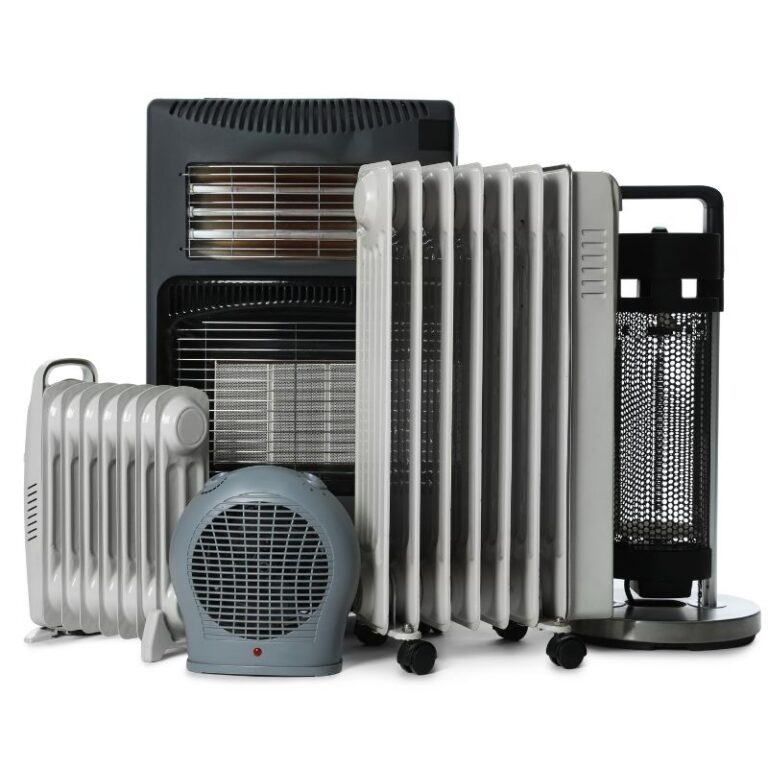
Electric Resistance Heating (Baseboards, Space Heaters): These are the least efficient and most expensive to run. They convert electricity directly into heat, but electricity is often a costly energy source for this purpose.
The efficiency of your heating system is often measured by its AFUE rating for furnaces and boilers, or its Seasonal Energy Efficiency Ratio (SEER) or Heating Seasonal Performance Factor (HSPF) for heat pumps. A higher number generally means better efficiency and lower energy bills.
Choosing a high-efficiency system when replacing an old one can lead to significant long-term savings. It’s an investment that pays back over time. Even with an older system, regular maintenance can help it run more efficiently and use less energy.
The Impact of Climate and Season
It’s no surprise that where you live and what time of year it is makes a huge difference in how much energy you use for heating. The U.S. has many different climate zones, from the snowy peaks of the Rockies to the sunny beaches of Florida.
In colder regions like the Northeast and Midwest, winters can be long and harsh. This means furnaces and boilers are running for many months of the year. For these homes, space heating can easily make up 50-60% or even more of their total annual energy use.
The average outdoor temperature is low, so the heating system has to work constantly to maintain a comfortable indoor temperature.
In milder climates, like the Southeast, heating seasons are shorter. Winters are not as severe. Homes in these areas might use heating for only a few months.
In these cases, space heating might be closer to 30-40% of the total energy use. Other energy uses, like cooling, might take up a larger percentage.
Even within a single region, the specific weather patterns of a year matter. A winter with more unusually cold days will naturally lead to higher heating energy consumption. Conversely, a mild winter will result in lower heating use.
So, when you look at your energy bills, remember that your local climate is a major factor. It sets the baseline for how much energy your home needs for heating. Understanding this context helps you compare your energy use to averages and identify potential areas for improvement.
Real-World Scenarios: How Habits Matter
Beyond the big factors like climate and insulation, the daily habits of people living in a home also influence energy use for heating. These small choices can add up to noticeable differences in energy bills and how much energy comes from space heating.
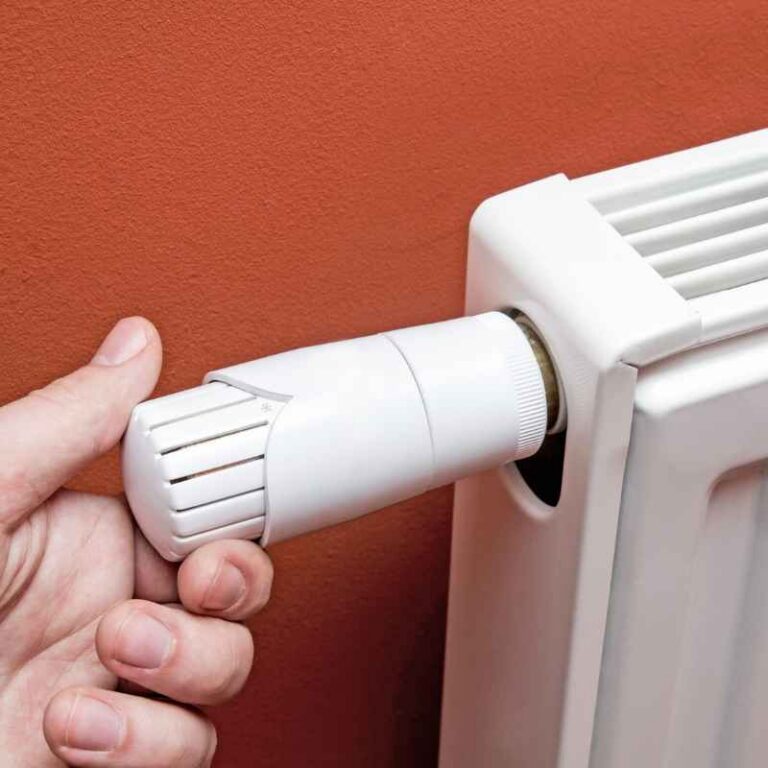
Think about thermostat settings. If a family likes their house to be very warm, say 75°F (24°C), they will use more energy than a family who is comfortable at 68°F (20°C). For every degree you raise the thermostat in winter, you can expect your heating costs to go up by about 1-3%.
That might sound small, but over a whole winter, it adds up significantly.
Another habit is how people manage their homes when they are away or asleep. Many people automatically set their thermostat back when they leave for work or go to bed. This is a smart practice.
It means the heating system doesn’t have to work as hard to keep an empty house warm. Setting the thermostat back 7-10°F (about 4-6°C) for 8 hours a day can save you up to 10% on your heating bills.
Using alternative heat sources is also a habit. On a mild day, some people might rely on a small electric space heater in a room they are using frequently, rather than heating the whole house. Or they might use a fireplace.
While these can offer localized warmth, it’s important to know their efficiency. Small electric heaters can be very energy-intensive per unit of heat produced.
Leaving doors or windows open for extended periods, even if unintentional, also contributes to heat loss. It’s easy to forget when you’re busy. But every time warm air escapes, the heating system has to compensate.
Making small adjustments to daily routines can have a substantial impact on your home’s heating energy consumption.
What Does This Mean for You?
So, you know that space heating takes up a large chunk of your home’s energy use. What does this really mean for you and your household? It means you have a significant opportunity to make a difference.
When it’s normal: It’s completely normal for space heating to be the largest energy expense in your home, especially in colder climates. If your energy bills spike in the winter and are lower in the summer, that’s a clear sign your heating system is working hard. Seeing heating account for 40-60% of your total energy use is common.
When to worry: You might want to pay closer attention if your heating bills seem unusually high compared to similar homes in your area. Or if your bills suddenly increase without a change in your habits or the weather. This could indicate issues like poor insulation, air leaks, or an inefficient heating system.
Simple checks you can do:
- Feel for drafts: Walk around your home on a cold day. Can you feel cold air coming in around windows, doors, or electrical outlets?
- Check your attic insulation: Is it thick and evenly distributed? You should be able to see the joists in some places if there isn’t enough.
- Look at your furnace filter: If it’s clogged, your system works harder.
-
Review your energy bills: Compare them to previous years.
Notice trends.
Understanding that heating is a major energy consumer empowers you. It means that by focusing on heating efficiency, you can achieve the most significant savings on your overall home energy costs. It’s not about eliminating heating entirely, but about making it as efficient as possible.
Quick Tips for Reducing Heating Energy Use
Ready to take some action? Making your home more energy-efficient for heating doesn’t always require big, expensive renovations. Many simple steps can help you reduce how much energy your home uses for space heating.
These tips are practical and can be implemented by most homeowners.
Smart Heating Tips
1. Program Your Thermostat: Set it lower when you’re asleep or away. Even a few degrees can make a difference.
2. Seal Air Leaks: Use caulk and weatherstripping around windows, doors, and any openings. Check for leaks where pipes or wires enter your home.
3. Improve Insulation: Add more insulation to your attic. This is often the most cost-effective upgrade.
4. Maintain Your Heating System: Get annual tune-ups for your furnace or boiler. Change air filters regularly.
5. Use Curtains Wisely: Open curtains on sunny days to let in natural heat. Close them at night to keep heat in.
6. Close Vents in Unused Rooms: If you have rooms you don’t use often, close the vents and doors to them.
7. Consider a Smart Thermostat: These learn your habits and can optimize heating schedules automatically.
Remember, these are guidelines. The best approach for your home might depend on its specific needs and your budget. Even small changes can lead to noticeable savings over time.
Focusing on reducing heat loss and using your heating system more efficiently is key.
Frequently Asked Questions About Home Heating Energy
What percentage of home energy use is typically for heating?
In most U.S. homes, space heating accounts for about 40% to 60% of the total annual energy consumption. This can be higher in colder climates and lower in warmer regions where air conditioning might use more energy.
How can I tell if my home has poor insulation?
Signs of poor insulation include cold spots on walls or floors, drafts around windows and doors, ice dams on the roof, and higher-than-average heating bills. You can also check your attic; if you can easily see the ceiling joists, you likely need more insulation.
Is it cheaper to heat with gas or electricity?
Generally, natural gas is cheaper per unit of heat than electricity in most parts of the U.S. However, electric heat pumps can be very efficient and sometimes competitive, especially in moderate climates. Electric resistance heating (like baseboard heaters) is usually the most expensive to operate.
How much does sealing air leaks save on heating bills?
Sealing air leaks can save you anywhere from 10% to 30% on your heating and cooling bills. It’s a very cost-effective way to improve home energy efficiency by preventing conditioned air from escaping and outdoor air from entering.
Should I turn down my thermostat drastically when I leave?
Yes, turning down your thermostat by 7-10°F (about 4-6°C) for 8 hours or more a day can save up to 10% on your heating bills. Modern heating systems are efficient enough to recover quickly when you return.
What is the most efficient type of heating system?
High-efficiency natural gas furnaces (AFUE 95%+) and modern cold-climate heat pumps are among the most efficient systems available. The “most efficient” can depend on your specific climate and energy costs in your area.
Conclusion: Warmer Homes, Lower Bills
Understanding how much home energy comes from space heating is a powerful step. It shows us where our energy dollars are going. By focusing on insulation, air sealing, efficient systems, and smart habits, you can significantly reduce this energy use.
This not only saves you money but also contributes to a more sustainable environment. Make your home a cozy, efficient haven this winter and beyond!
Sponsored / affiliate links. As an Amazon Associate I earn from qualifying purchases. I may earn additional commission from eligible campaigns.