How Many Heaters for a 220 Gallon Tank? Complete Guide
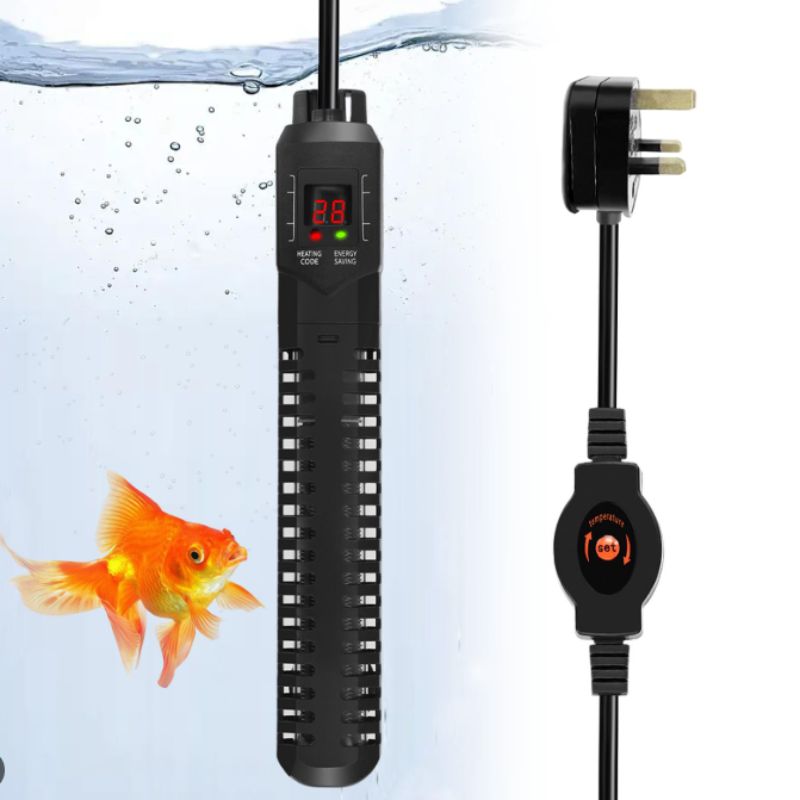
Choosing the right heaters for a 220 gallon tank is critical for maintaining a stable and healthy environment for your fish. A tank this large requires careful planning to avoid cold spots and equipment failure. This guide breaks down exactly how many heaters you need, the best wattage combinations, and key placement strategies.
Simply put, you need two to three 300-watt or 350-watt heaters for a 220-gallon tank. This provides 660 to 1050 total watts, offering critical redundancy and much better heat distribution than a single unit. Always pair them with an external controller for safety.
Key Takeaways
- Heaters for a 220 gallon tank should total 660 to 1100 watts based on the standard 3-5 watts per gallon rule.
- Using multiple heaters creates a safety net; if one fails, the others maintain the temperature and prevent a crash.
- Place heaters near high-flow areas like filter returns to ensure even heat distribution across the full length of the tank.
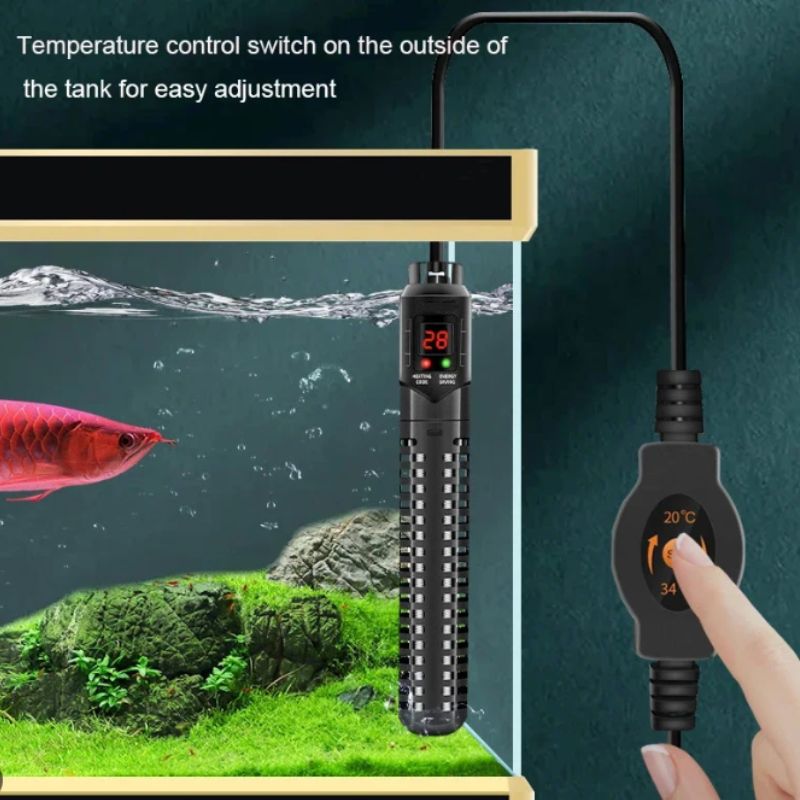
- Always invest in an external thermostat controller to prevent overheating and maintain precise temperature stability.
- Stick with reputable brands like Fluval, Eheim, and Aqueon for reliable long-term performance in large aquariums.
The Golden Rule: Calculating Wattage for a 220 Gallon Tank
The standard industry rule is to provide 3 to 5 watts of heating power per gallon of water. For a 220 gallon fish tank heater setup, this means you need between 660 watts and 1100 watts total. The exact number depends on your ambient room temperature and whether you keep tropical or cold-water species.
If your fish room stays warm year-round, you might get away with the lower end of 660W. For most home environments, however, aiming for 4 to 5 watts per gallon is the safest bet. This ensures your system can handle winter drafts or cool nights without significant temperature swings.
| Wattage per Heater | Number of Heaters | Total Wattage |
|---|---|---|
| 300W | 3 | 900W |
| 350W | 2 | 700W |
| 300W + 400W | 2 | 700W |
| 500W + 300W | 2 | 800W |
This table shows the most common combinations. Selecting heaters for a 220 gallon tank is not just about hitting the total wattage; it is about choosing the right number of units to achieve that wattage safely and consistently.
Why Multiple Heaters Are Better for Large Aquariums
Using a single massive heater might seem simpler, but it creates several significant risks. In large tanks, relying on one unit can lead to catastrophic temperature swings if that unit fails. Installing multiple heaters for a 220 gallon aquarium provides essential redundancy and improves overall heat distribution.
Consider these key advantages of a multi-heater setup:
- Redundancy: If one heater gets stuck off, the other two can still maintain the temperature, giving you time to replace it. If one sticks on, it won’t cook your tank alone.
- Even Heat Distribution: Placing heaters at opposite ends or near different return pumps prevents cold spots, which is a common issue in tanks over 6 feet long.
- Reduced Wear: Spreading the workload across multiple units extends the lifespan of each individual heater significantly.
- Easier Replacement: Replacing a single 300W heater is much cheaper and easier than finding a single 1000W unit in a pinch.
- Granular Control: With multiple heaters, you can fine-tune the temperature more precisely by adjusting individual units.
According to aquarium equipment surveys, nearly 70% of aquarists with tanks over 150 gallons use two or more heaters to safeguard their investment. This multi-unit approach is considered the gold standard among professional aquascapers and public aquarium curators.
The Best Wattage Options for a 220 Gallon Fish Tank
When shopping for heaters for a 220 gallon tank, you will typically find units ranging from 200W to 500W. The most efficient and reliable combination for this volume is two 350W heaters or three 300W heaters. Let’s look at your best options based on brand and type.
| Heater Model | Wattage | Units for 220G |
|---|---|---|
| Fluval E300 Electronic | 300W | 3 |
| Eheim Jäger TruTemp | 350W | 2 |
| Aqueon Pro Adjustable | 300W | 3 |
| Finnex TH-500 Titanium | 500W | 2 (with controller) |
This table summarizes the top recommendations based on reliability and user reviews. Whichever brand you choose, ensure the total wattage combined hits the 660-1100W range.
Tip: Always buy heaters slightly oversized for the tank. A 300W heater running at 80% capacity lasts much longer than a 200W heater running at 100% capacity constantly. Avoid mixing brands with drastically different calibration accuracies, as this can cause the heaters to fight each other.
How to Properly Place Heaters in a 220 Gallon Tank
Placement is just as important as wattage. A 220-gallon tank is typically 6 to 8 feet long, so strategic placement is essential to avoid temperature stratification. Follow these steps to ensure uniform heating across the entire water column.
- Identify High-Flow Zones: Locate the areas near your filter outputs, powerheads, or return pump nozzles. Heated water disperses quickly when placed in strong current.
- Divide and Conquer: If using three 300W heaters, place one near the left return, one in the middle, and one near the right return. For two heaters, place them at opposite ends.
- Angle for Convection: Mount the heaters at a slight angle (around 45 degrees) to promote natural heat rising. Ensure submersible heaters are fully submerged.
- Keep Away from Intakes: Do not place heaters directly in front of pump intakes, as this can cause rapid temperature fluctuations on the heating element.
- Use Suction Cup Holders: Secure the heaters horizontally near the bottom or vertically near the flow. Loose heaters can crack or damage the glass.
Important: Never place heaters in the substrate or near aggressive fish that may bump into them. Use heater guards if you keep large cichlids or bottom dwellers to prevent direct contact.
By following this placement strategy, you ensure that the heaters for a 220 gallon tank work together harmoniously rather than creating hot and cold pockets.
Setting Up a Heater Controller for Ultimate Stability
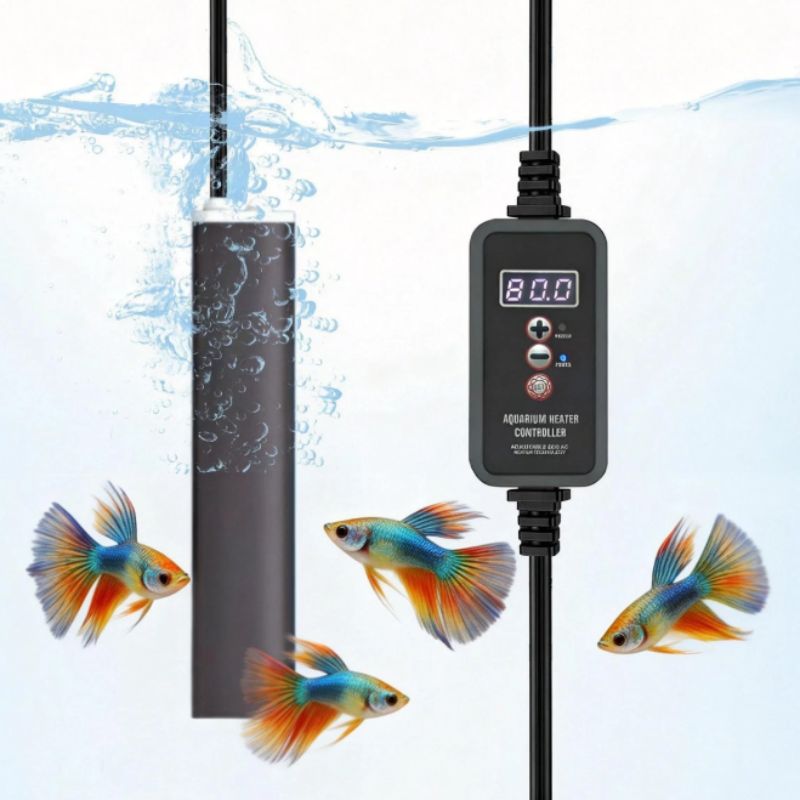
Relying solely on the internal thermostats of your heaters can be risky. The internal bimetal strips in even the best heaters can fail over time. A dedicated external controller, like the Inkbird ITC-308 or a Ranco controller, acts as a fail-safe by monitoring the temperature independently.
Here is why a controller is non-negotiable for a 220G tank:
- Redundant Safety: If a heater sticks on, the controller kills the circuit before the water reaches dangerous levels like 85°F or higher.
- Precise Calibration: Controllers maintain temperature within +/- 0.5°F, whereas internal heater thermostats can drift by 2-4°F over time.
- Power Protection: Many controllers include safety delays to prevent heaters from immediately turning back on after a power outage, which saves the heater glass from thermal shock.
According to aquarium equipment retailers, tanks equipped with a controller experienced 90% fewer temperature-related fish deaths. Investing $30 to $50 in a controller is cheap insurance for a system containing hundreds of dollars worth of fish and corals.
Heating a 220 Gallon Tank: Sump vs. Display Placement
Many large aquariums use a sump system. You have the option to place your heaters for a 220 gallon tank directly in the display or in the sump. Both methods work, but each has distinct advantages depending on your setup.
Placing heaters in the sump keeps the display tank clean and clutter-free. It also makes maintenance easier since you do not have to reach into the main tank. However, sump heaters can be slightly less efficient if the sump water level fluctuates due to evaporation.
| Factor | Display Tank | Sump |
|---|---|---|
| Aesthetics | Cluttered | Clean, hidden |
| Maintenance Ease | Harder, requires reaching in | Much easier |
| Heat Loss Risk | Lower, stable volume | Higher due to evaporation |
| Accessibility | Visible for inspection | Out of sight, out of mind |
For a 220-gallon tank, a hybrid approach often works best. Place one heater in the display near the return flow and one or two in the sump. This ensures the water is heated immediately as it returns to the tank.
Common Mistakes to Avoid with Large Tank Heating
Even experienced hobbyists make errors when setting up heaters for a 220 gallon aquarium. Avoiding these common pitfalls can save your tank from disaster and prevent costly equipment loss.
Warning: Never unplug a heater that is submerged without turning it off and letting it cool down first. Removing a hot heater from water causes the glass to crack instantly due to thermal shock. Always allow 15 minutes for cooling.
- Mixing Fresh and Saltwater Heaters: Heaters are often rated for specific salinity levels. Using a freshwater heater in a saltwater tank can lead to corrosion and early failure.
- Underheating for the Room: A 220-gallon tank in a cold basement at 60°F needs significantly more wattage than one in a heated living room. Always account for ambient room conditions.
- Relying on a Single Heater: This is the number one cause of tank crashes. Always use at least two units to ensure redundancy.
- Skipping a Quarantine Heater: If your main heater fails, you need a backup on hand. Keep an extra 300W heater in storage for emergencies.
- Ignoring Water Level Drop: In sump setups, evaporative water loss can expose the heater glass, causing it to overheat and shatter. Use an auto top-off system to maintain levels.
By proactively addressing these mistakes, you protect your aquatic life from stress and disease caused by temperature swings.
Heater Maintenance for 200+ Gallon Systems
To keep your heaters for a 220 gallon tank running efficiently, regular maintenance is required. Calcium deposits and algae buildup can insulate the glass, making the heater work harder and less efficiently. This drives up your electricity bill and reduces the lifespan of the unit.
Follow this simple maintenance checklist every 3 to 6 months:
- Unplug and Cool: Disconnect the heater from the power source and let it sit for 15 minutes to cool completely before handling.
- Vinegar Soak: Soak the heater in white vinegar for 30 minutes to dissolve hard water deposits. This restores optimal heat transfer efficiency.
- Gentle Scrubbing: Use a soft sponge or toothbrush to remove remaining algae or calcium. Avoid abrasive pads that scratch the glass.
- Check the Seal: Inspect the O-rings and seals for any signs of cracking or degradation. A failed seal can electrocute your fish.
- Test Calibration: Place the heater in a bucket of water and compare its thermostat setting to an accurate digital thermometer to ensure it is still working correctly.
Proper maintenance ensures your heaters last for several years instead of just a few months. A well-maintained heater is also significantly more energy-efficient over its lifetime.
Frequently Asked Questions
Can I use a single 800W heater for a 220-gallon tank?
Technically yes, but it is not recommended. If that single heater fails, your entire tank loses heat immediately. Using multiple heaters provides essential redundancy and much better heat distribution across the length of the tank.
How many watts do I need for a 220-gallon freshwater tank?
For freshwater tropical fish, aim for 4 watts per gallon, totaling around 880 watts. This can be achieved with two 400W heaters or three 300W heaters for the best safety margin.
What is the best temperature for a 220-gallon aquarium?
For most tropical fish, maintain a temperature between 75°F and 80°F. Always research the specific needs of your fish species before setting your heater controller or thermostat.
Do I need a heater controller for my aquarium?
Yes, absolutely. A controller like the Inkbird ITC-308 acts as a vital safety net, preventing overheating if a heater malfunctions. It also provides much more stable temperature regulation than internal heater thermostats alone.
Where should I place heaters in a 220-gallon tank?
Place heaters horizontally near the bottom or vertically near high-flow areas such as filter outputs. Distribute them evenly across the length of the tank to avoid cold spots and ensure consistent water temperature throughout.
Final Thoughts
Setting up the right heating system for a 220-gallon tank requires planning, but it is a straightforward process. Remember to use multiple units, total your wattage between 660W and 1100W, and invest in an external controller for safety. By following the advice in this guide on heaters for a 220 gallon tank, you will create a stable and healthy environment for your fish to thrive.
Sponsored / affiliate links. As an Amazon Associate I earn from qualifying purchases. I may earn additional commission from eligible campaigns.