Do Landlords Have To Provide Heaters In Atlanta Rentals?
Many Atlanta renters wonder if their landlord is required to provide a working heater. Generally, landlords must ensure rental properties are habitable, which includes providing essential services like heat during cold months in Georgia. Specific requirements can depend on lease terms and local housing codes.
Understanding Your Landlord’s Duty to Provide Heat
When you rent a place, your landlord has a job to do. They need to keep the property in good shape. This is called maintaining habitability. One big part of habitability is making sure you have basic needs met. Heat is definitely a basic need, especially when it’s cold outside. Georgia law, like in many states, expects landlords to provide safe living conditions. This means the home should be fit for people to live in, all year round.
Think about what “livable” means. It means you can be comfortable and safe there. A home without heat when it’s cold is not safe. It can lead to health problems. It makes it very hard to live normally. So, a working heating system is usually part of that habitability. This is true for most rental properties in Atlanta. It’s not about luxury; it’s about having a basic, safe place to stay. Your lease agreement also plays a big role. It spells out what both you and your landlord agree to.
My Own Cold Apartment Scare
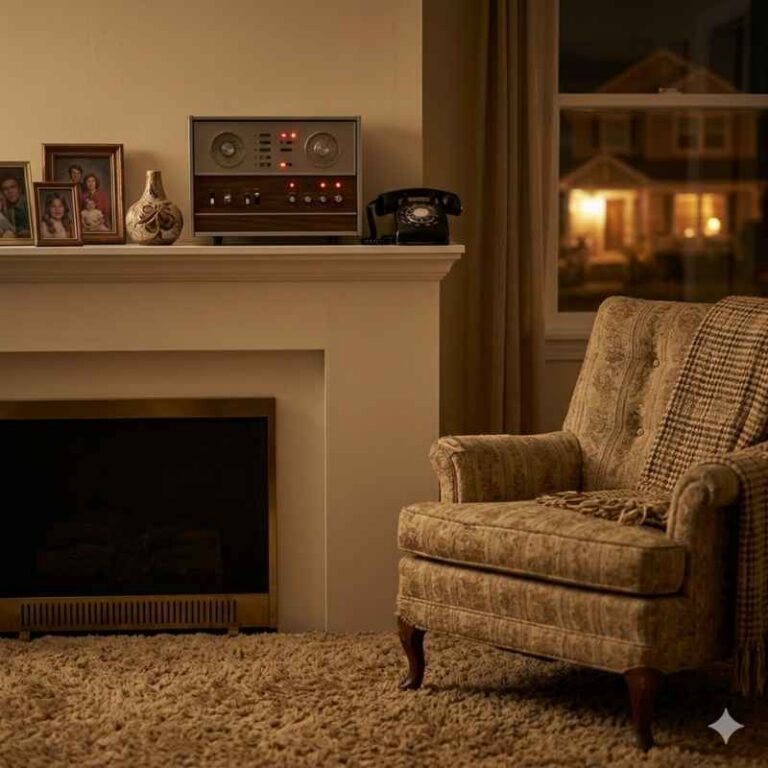
I remember one November evening in Atlanta. I was helping a friend move into a new apartment. The day had been mild, so we didn’t think much about the heat. But as night fell, a cold snap hit fast. We turned on the lights, and suddenly, I felt a draft. A strong, cold draft. My friend, Sarah, looked worried. Her old apartment had a broken heater for a week. She told me how miserable that was. The pipes almost froze. It was damp and so unpleasant.
She started checking her thermostat. Nothing. No warm air. Just cold air blowing. Panic started to set in for her. It was late, and calling a landlord then felt daunting. She kept saying, “I just want to be warm. Is this even allowed?” That feeling of being helpless in your own home, when the basic comfort is gone, is awful. It made me realize how crucial a working heater truly is. We spent the rest of the evening huddled in blankets, trying to figure out what to do next.
What Georgia Law Says About Rental Heating
Georgia has laws that help renters. These laws say landlords must keep their rental properties in good repair. This applies to things that affect your health and safety. The law doesn’t always say “you MUST have a heater.” But it does say the property must be habitable. A key part of this is providing hot and cold running water. It also means providing adequate heat.
What is “adequate heat”? That’s a good question. In Atlanta, the law often looks at what’s reasonable for the season. During cold months, landlords are generally expected to provide a working heating system. This system should be able to keep the inside of the home at a reasonable temperature. Some cities might have specific temperature minimums. But even without those, a lack of heat in winter usually breaks the habitability rule. Your lease might also have clauses about heating. Always check your lease first.
Landlord’s Responsibility for Essential Services
Landlords must ensure essential services are working. Heat is an essential service in cold weather. This includes maintaining the heating system. It also means fixing it if it breaks. They can’t just ignore a broken heater. Renters have rights when these essential services are missing. It’s important for landlords to know this. It’s also important for renters to know their rights.
This responsibility falls under what’s called the implied warranty of habitability. This is a promise that comes with every rental agreement. It says the rental unit will be fit to live in. This warranty is not something a landlord can easily waive. Even if your lease doesn’t specifically mention “heater,” the law implies that heat must be provided when needed.
When is a Heater Considered Essential?
A heater is generally considered essential when the weather outside makes living indoors unsafe or extremely uncomfortable. In Atlanta, this typically means during the fall and winter months. The exact temperature can be a bit fuzzy. But if the indoor temperature drops significantly below what’s considered normal living comfort, heat becomes essential. Think about days when you can’t comfortably do everyday tasks inside without shivering.
Many sources suggest that a habitable home should be able to maintain a temperature of at least 65 to 70 degrees Fahrenheit. This is especially true during daytime hours. Landlords have a duty to fix problems that prevent this. They need to do it in a timely manner. What’s “timely” can depend on the severity of the issue. A lack of heat in freezing temperatures is usually an emergency.
Factors Determining the Need for Heat
Several factors help decide if heat is needed and expected. The outdoor temperature is the most obvious one. If it’s consistently cold, below what most people consider comfortable for indoor living, then heat is likely required. The climate of Atlanta itself plays a role. Atlanta experiences cold winters. So, a working heating system is expected.
The type of heating system also matters. Is it a central heating system? Or individual space heaters? The landlord’s responsibility usually covers the installed heating system. If the lease states the landlord provides a working furnace, they must do so. If the lease is silent, the habitability laws still apply. The goal is always a safe and comfortable living space.
Your Lease Agreement: The First Place to Look
Your lease agreement is a very important document. It’s a contract between you and your landlord. It outlines many rules for your tenancy. This includes details about repairs and what each party is responsible for. Many leases will specifically mention heating. They might state that the landlord will provide and maintain a working heating system. Some might even specify a minimum temperature the system should achieve.
If your lease says the landlord provides heat, that’s a strong point. You can refer to it if you have a problem. If your lease doesn’t mention heating, the state’s habitability laws still apply. However, a lease that clearly states the landlord’s duty makes things simpler. It removes doubt about their obligation. Always read your lease carefully before signing. And keep a copy handy for your records.
What if the Lease is Unclear?
If your lease is unclear about heating, or doesn’t mention it at all, don’t worry. The law still protects you. As mentioned, the “implied warranty of habitability” is part of your rental agreement. This warranty is not written down in every lease. It’s a legal standard that applies automatically. It means the landlord must provide a safe and livable home. And that includes heat when it’s cold.
In this situation, you would rely on state and local housing codes. These codes often define what makes a property habitable. They usually include requirements for heating. You might need to do a bit more research to find these specific codes. But the principle remains the same: your landlord has a duty to provide heat when it’s needed for habitability.
My Neighbor’s Heating Battle
I recall a friend, Mark, who lived in an older building in Midtown. His apartment was charming but definitely aged. One winter, his ancient heating unit started making terrible noises. Then, it just stopped. It was a Saturday. He called his landlord, but they were slow to respond. Mark layered up, but his small apartment got colder by the hour. He was working from home and found it hard to concentrate. His cat, Mr. Fluffernutter, was even shivering.
He researched his rights online. He found out that landlords in Georgia generally have 24 hours to fix emergency issues like no heat. If the landlord still didn’t act, Mark learned he might have options. He could potentially pay for a temporary heater and deduct it from rent. Or, in some cases, break the lease without penalty. He decided to send a formal written notice to his landlord, clearly stating the problem and the need for immediate repair. That seemed to speed things up. The landlord sent someone the next day. It was a stressful few days for Mark, but he learned a lot about his tenant rights.
Types of Heating Systems Landlords Might Provide
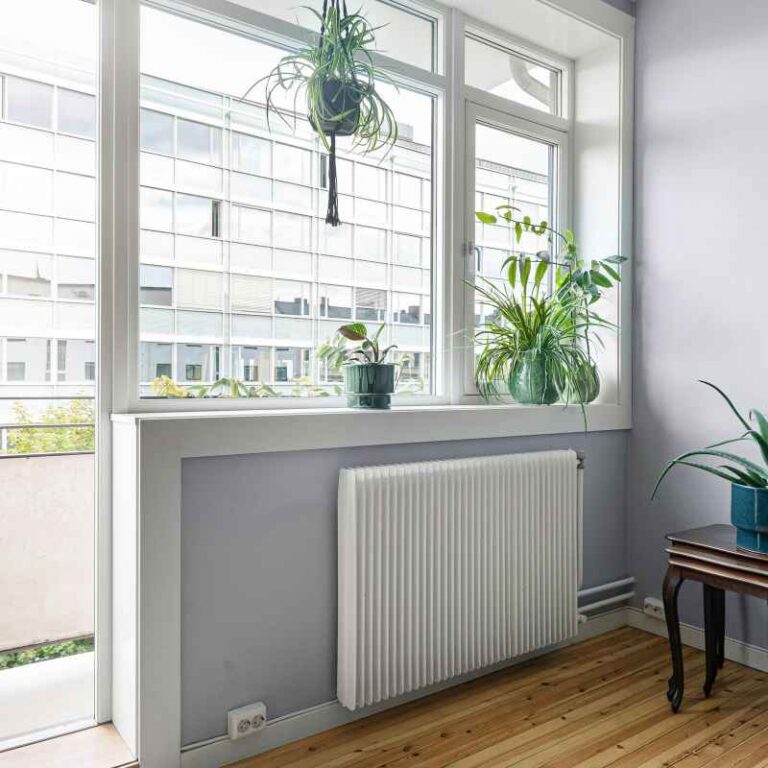
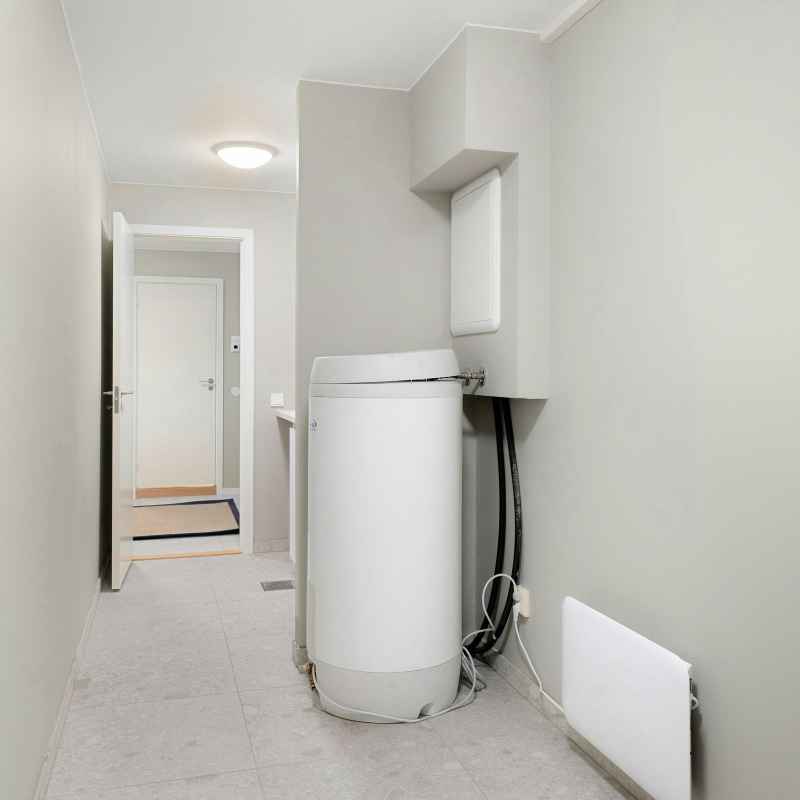
Landlords in Atlanta can use different types of heating systems. The most common is a central heating system. This uses a furnace, often powered by natural gas or electricity. It distributes warm air through ducts to all rooms. Another common system is a boiler with radiators or baseboard heaters. These use hot water or steam to warm the space.
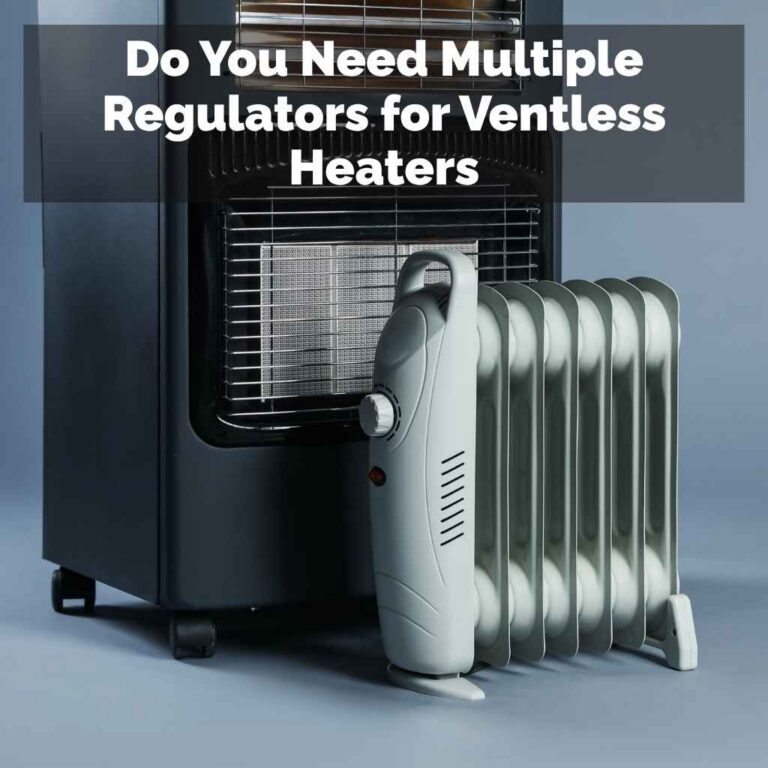
Some smaller units or older buildings might have electric baseboard heaters in each room. Or even wall-mounted units. In some rare cases, a landlord might provide window air conditioning units that also have a heating function. Or they might allow tenants to use portable electric heaters, though this is less common for the primary heat source. Regardless of the type, the landlord’s duty is to ensure the provided system works.
Central Furnaces vs. Other Systems
Central furnaces are popular because they provide consistent heat throughout the entire home. They are usually more efficient than individual room heaters. However, they can be expensive to install and repair. Boilers with radiators offer a different kind of heat, often described as more even. Electric baseboard heaters are simpler to install but can be more costly to run.
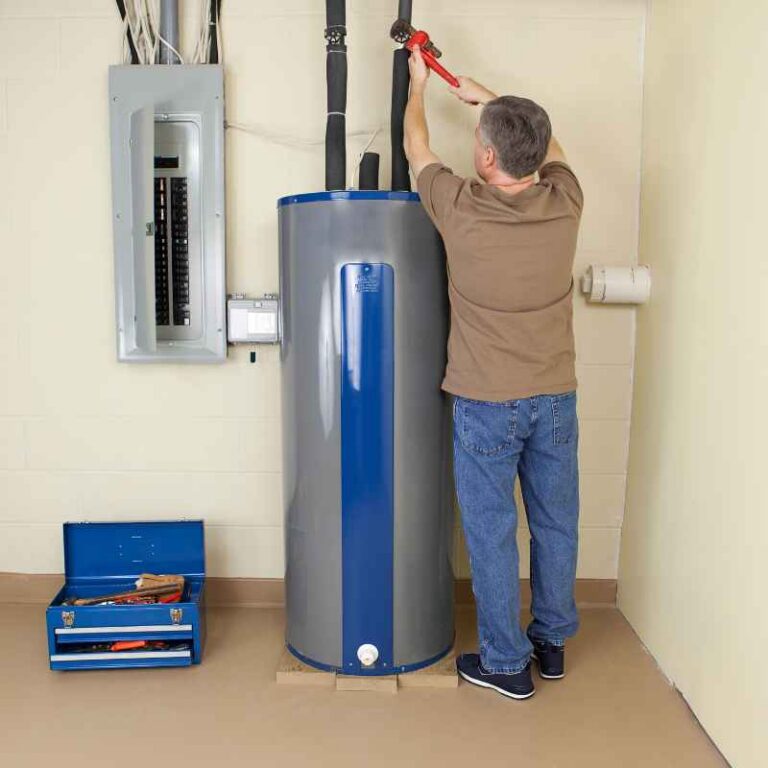
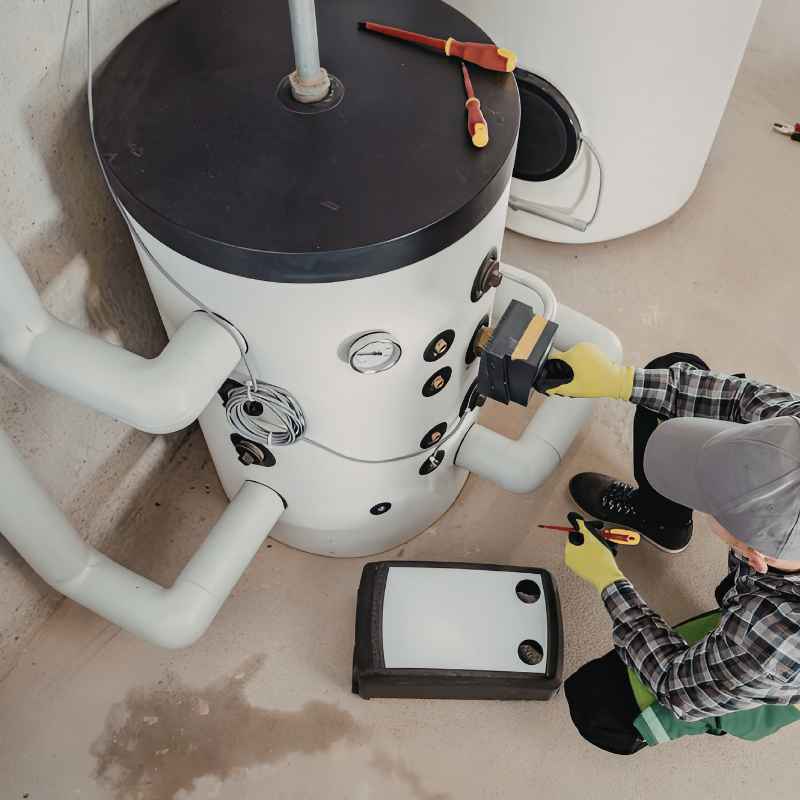
The landlord is responsible for the upkeep and repair of whatever system they provide. If the furnace breaks down, they must fix it. If the boiler leaks, they must repair it. If electric heaters aren’t working, they need to address that. The specific system doesn’t change the fundamental duty. The duty is to provide adequate heat.
When is it an “Emergency” Requiring Immediate Action?
A lack of heat during cold weather is often considered an emergency. This means the landlord should act quickly. Many states and cities have rules about what constitutes an emergency repair. Typically, this includes situations that affect the habitability of the property. No heat when outdoor temperatures are below freezing or very cold usually falls into this category.
What does “immediate” mean? It often means within 24 to 48 hours. Some jurisdictions might have even shorter timeframes. It’s important to check your local housing codes or tenant rights organizations for specific definitions. If it’s an emergency, you usually need to notify your landlord in writing. This creates a record of your request.
What to Do If Your Heater Breaks in Winter
If your heater breaks in the winter, take these steps:
1. Check your thermostat: Make sure it’s set correctly. Sometimes it’s a simple fix.
2. Notify your landlord immediately: Call them. Then, send a written notice (email or certified letter) detailing the problem. Mention the date and time it stopped working.
3. Document everything: Keep copies of all communications. Take pictures or videos if possible, showing the lack of heat or any issues.
4. Understand your lease: Check what your lease says about repairs and landlord response times.
5. Know your rights: Research Georgia tenant rights regarding heat. Look for your city’s specific housing codes.
6. Follow up: If you don’t hear back or get a slow response, follow up with another written notice.
If the landlord fails to act within a reasonable time (especially for an emergency), you may have legal options. These can include withholding rent (with strict legal procedures), repairing the issue yourself and deducting the cost from rent, or breaking the lease. However, it’s crucial to follow legal steps precisely.
Your Rights as a Tenant in Atlanta
In Atlanta, and across Georgia, tenants have rights. These rights protect you from unsafe living conditions. A major right is the right to a habitable home. This means the property must be safe and livable. It includes access to essential services like heat during cold weather. You also have the right to privacy and to not have your landlord enter your unit without proper notice, except in emergencies.
If your landlord fails to meet their obligations, you have recourse. This often starts with giving proper written notice. Then, if the issue isn’t resolved, you can pursue further action. Your local tenant rights groups are great resources. They can explain your options clearly. Knowing your rights empowers you. It helps ensure you get the safe and comfortable home you’re paying for.
When is the Landlord NOT Responsible?
There are situations where a landlord might not be responsible for providing heat. If the lease agreement clearly states that the tenant is responsible for their own heating source, and the property doesn’t come with one installed. For example, if you rent a cabin that’s designed for portable heaters only, and your lease says you must provide them.
Also, if you cause damage to the heating system yourself. For instance, if you intentionally break a part of the furnace. Or if you misuse the system in a way that causes it to malfunction. In these cases, the responsibility for repair would fall on you. Another common scenario is if the property doesn’t have a heating system installed, and the lease agreement reflects this. But this is very rare for a standard rental property in Atlanta during winter.
What if the Heater is Old But Working?
Sometimes, a heating system might be old. It might make strange noises or not be as efficient as a new one. As long as it’s still functioning and providing adequate heat, the landlord has likely met their obligation. The law generally requires landlords to maintain systems, not necessarily to upgrade them to the latest models.
However, if an old system is constantly breaking down, or if it poses a safety hazard (like a gas leak risk or electrical fire risk), then the landlord must address it. They might need to repair it frequently. Or, if it’s beyond repair, they might be required to replace it. Age alone is usually not a reason for the landlord to be non-compliant, as long as it works safely.
Common Rental Property Heating Issues in Atlanta
In Atlanta, like anywhere, rental properties can have heating issues. One common problem is a lack of consistent heat. Some rooms might be warm, while others stay chilly. This is often due to unbalanced ductwork in central systems. Or poor insulation. Another issue is a furnace that makes loud noises or cycles on and off too frequently.
Older buildings sometimes have outdated heating systems that struggle to keep up with cold weather. Or they might be prone to breaking down. Leaky pipes in boiler systems are also a concern. And sometimes, the thermostat itself might be faulty. These issues can all affect your comfort and your landlord’s duty.
Signs of a Problematic Heating System
Watch out for these signs:
Uneven heating: Some rooms are very hot, others are cold.
Strange noises: Banging, rattling, or whistling sounds from the unit.
Lack of airflow: The vents aren’t blowing much warm air.
Pilot light issues: If your furnace has one, and it’s out or flickering.
Musty or burning smells: These could indicate a serious problem.
High energy bills: If your heating bill jumps dramatically without reason, the system might be inefficient.
Complete failure: The system just stops producing heat.
If you notice any of these, it’s a good idea to let your landlord know. Even if it’s not a complete breakdown yet. Early detection can prevent bigger issues.
Who Pays for the Heating Bill?
This is a crucial point. Usually, the lease agreement will specify who pays for utilities, including heat. In most Atlanta rentals, the tenant is responsible for paying their own electricity or gas bill. This covers the cost of running the heating system. The landlord typically pays for water and sewer. Or sometimes trash pickup.
If the landlord is responsible for paying the heat bill, it would be explicitly stated in the lease. This is less common for individual rental units. It’s more typical in some types of master-metered buildings. Always check your lease to understand your utility responsibilities.
Are Space Heaters Allowed?
Whether space heaters are allowed depends on your lease agreement and your landlord’s rules. Some landlords prohibit them due to fire safety concerns. Others might allow them. If you use a space heater, ensure it’s in good condition and has safety features like auto-shutoff. Always follow the manufacturer’s instructions.
If your primary heating system is broken, and your landlord isn’t fixing it promptly, you might need a temporary solution. Discuss using a space heater with your landlord. They might permit it while repairs are underway. They could even provide one.
What if Your Landlord Ignores Your Heater Problem?
This is a frustrating situation. If you’ve notified your landlord in writing about a broken heater and they aren’t fixing it, you have options.
1. Send a formal demand letter: This is a more serious written request for repair. It often includes a deadline.
2. Consult local tenant rights organizations: They can offer specific advice for your situation. They know the local laws and procedures.
3. Consider legal options: Depending on the severity and your landlord’s inaction, you might have grounds to:
Repair and Deduct: Pay for the repair yourself and deduct the cost from your rent. This has strict rules.
Rent Withholding: Stop paying rent until the repair is made. This also has strict rules.
Terminate the Lease: Move out and end your lease agreement without penalty.
Sue the landlord for damages.
It’s extremely important to follow the correct legal procedures for any of these options. Failure to do so can put you at risk of eviction. Always get advice before taking these steps.
What to Do Before Renting in Atlanta
Before you sign a lease in Atlanta, do your homework on heating.
Inspect the property thoroughly: Visit the unit during colder weather if possible. Or at least check the heating system. Ask to turn it on briefly.
Ask specific questions: How old is the heating system? When was it last serviced? What type of system is it?
Read your lease carefully: Pay close attention to clauses about utilities and repairs.
Talk to current tenants: If possible, ask them about their experience with heating and repairs.
Check online reviews: Look for reviews of the landlord or property management company.
This preparation can save you a lot of headaches later.
When is Lack of Heat NOT the Landlord’s Problem?
As mentioned, if the lease says you provide your own heat and the unit is designed for that. Or if you cause the damage. Also, if the property doesn’t have a heating system as part of its design and that was clear. Power outages are another common reason for no heat. But this is usually a temporary issue caused by the utility company, not the landlord’s fault. The landlord still needs to ensure the system works once power is restored.
If the building’s main power is out due to a storm, your landlord can’t fix that. But if their internal wiring fails, causing a lack of power to the heating system, that becomes their responsibility. The key is distinguishing between a failure of the provided system versus an external event.
Frequently Asked Questions About Rental Heating in Atlanta
Do landlords have to provide AC in Atlanta?
While Georgia law requires landlords to maintain habitable conditions, which includes heat in cold weather, there’s generally no statewide law mandating air conditioning. However, if your lease agreement specifically includes air conditioning as an amenity, then the landlord must provide and maintain it.
What if my landlord refuses to fix the heater?
If your landlord refuses to fix the heater after proper written notification, you have legal options. These can include withholding rent, making repairs yourself and deducting the cost, or terminating the lease. It’s crucial to follow specific legal procedures and seek advice from tenant rights organizations first.
Can I break my lease if there’s no heat?
Yes, often you can break your lease if there’s no heat and your landlord fails to address the issue promptly, making the property uninhabitable. This is usually considered a breach of the warranty of habitability. However, you must follow the correct legal steps, including providing written notice.
How long does a landlord have to fix a heater in Georgia?
For non-emergency repairs, landlords typically have a “reasonable” time to fix issues, often around 30 days. For emergencies like no heat in cold weather, this is much shorter, often 24 to 48 hours. Always check your lease and local codes for specific timelines.
What temperature should my rental unit be in winter?
While not always a precise law, many housing codes suggest a habitable dwelling should be able to maintain indoor temperatures around 65-70 degrees Fahrenheit during cold weather. This is a general guideline for comfort and habitability.
What if my lease says I’m responsible for heat repairs?
A lease clause making you responsible for all heat repairs might be challenged. Landlords generally cannot waive their duty to provide a habitable living space, which includes essential services like heat. Such a clause may be deemed invalid or unenforceable depending on Georgia law.
Final Thoughts on Rental Heating
Having a working heater is fundamental to your comfort and safety. In Atlanta, landlords are expected to provide this essential service during the colder months. Understanding your rights, your lease, and Georgia’s habitability laws is key. If you face issues with your heating system, act promptly and communicate clearly, in writing, with your landlord. Resources like local tenant unions can offer invaluable guidance. Your home should be a warm refuge, not a chilly battleground.
Sponsored / affiliate links. As an Amazon Associate I earn from qualifying purchases. I may earn additional commission from eligible campaigns.