Do Jaeger Heaters Need Full Submersion? Expert Guide
Do Jaeger heaters have to be completely submerged to function effectively and safely? This is a crucial question for anyone setting up or maintaining an aquarium, as improper heater placement can lead to poor temperature regulation, damage to the heater, and even harm to your aquatic inhabitants. Understanding the specific requirements of your heater model is key to a thriving underwater ecosystem.
This post will break down the submersion needs of Jaeger heaters, explain why it matters, and offer clear guidance for optimal use.
In short, while many aquarium heaters require full submersion for safe and efficient operation, some Jaeger heater models are designed with a submersible heating element, meaning they do not necessarily need to be fully submerged but must at least have their heating element underwater. Always consult your specific model’s manual for precise instructions.
Key Takeaways
- Jaeger heaters often have a submersible heating element, meaning only that portion needs to be underwater, not the entire unit.
- Full submersion is generally recommended for most aquarium heaters, including many Jaeger models, to ensure even heat distribution and prevent overheating of exposed components.
- Consulting the user manual for your specific Jaeger heater model is the most reliable way to determine its submersion requirements.
- Proper heater placement and submersion are critical for maintaining stable aquarium temperatures and the health of your fish and invertebrates.
- Understanding your Jaeger heater’s submersion needs prevents premature failure and potential hazards in your aquarium setup.
Understanding Aquarium Heater Submersion
Aquarium heaters are essential devices for maintaining a stable and appropriate water temperature for aquatic life. Without a heater, many tropical fish species would struggle to survive in typical home aquarium conditions. The primary function of a heater is to warm the water, but how it achieves this and what parts of it need to be in contact with the water are critical for its longevity and the safety of the aquarium.
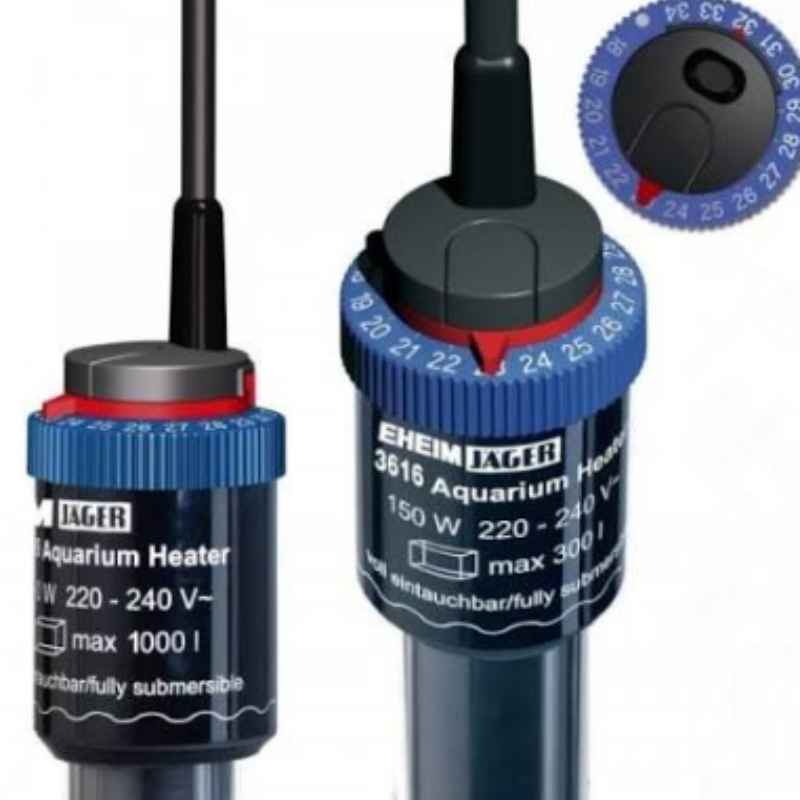
Submersion requirements vary significantly between different brands and even different models within the same brand. Some heaters are designed to be fully submersible, meaning the entire unit, including the thermostat controls and power cord connections, can be safely placed underwater. Others are only partially submersible, with specific markings indicating the maximum water level or the portion that must remain dry.
For Jaeger heaters, which have been a popular choice for many aquarists, understanding their specific design is paramount. Many older and some current Jaeger models feature a heating element and thermostat housed within a glass tube, often with a suction cup mounting system. The critical component that heats the water is the heating element itself, and this part must be submerged.
Jaeger Heater Design and Submersion
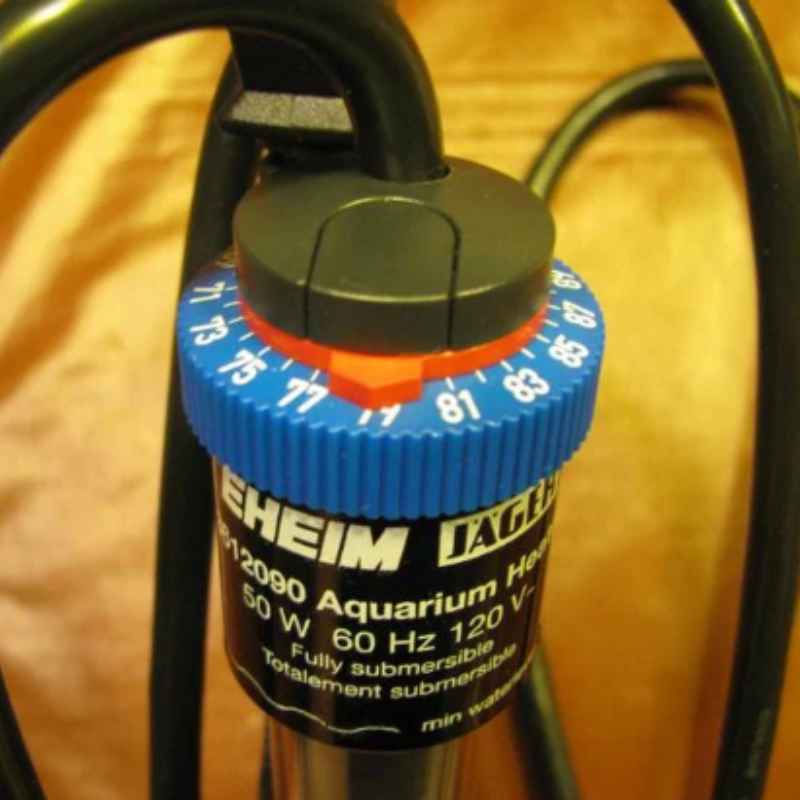
Jaeger aquarium heaters, particularly older models like the familiar Jaeger 300W, have a distinctive design. They typically consist of a glass tube encasing the heating coil and the thermostat. This glass tube is sealed at the top, where the power cord emerges, and at the bottom, where the heating element is located.
The power cord and plug are never meant to come into contact with water.
The key distinction for many Jaeger heaters is whether the entire unit is rated for full submersion or if only the heating element and thermostat housing need to be underwater. Generally, if the heater is sealed and designed with a glass tube that encloses all electrical components except the plug, it is often considered fully submersible. However, always check for explicit statements in the product manual.
Even with fully submersible designs, there are still practical considerations. Placing the heater fully underwater ensures that the heat generated by the element dissipates evenly into the surrounding water. If a significant portion of the heating element were to be above the water line, it could overheat, potentially causing damage to the element, the glass tube, or even igniting nearby decorations.
This is why manufacturers often recommend at least submerging the heating element below the minimum water line indicated.
Specific Submersion Recommendations for Jaeger Models
While general advice can be helpful, the most accurate information will always come from the manufacturer for your specific model. Many aquarists have found success with Jaeger heaters by ensuring the heating element is well below the water surface. This typically means the lower half or two-thirds of the glass tube should be submerged, depending on the heater’s wattage and the aquarium’s water level.
For example, a 300W Jaeger heater might be designed to handle a larger volume of water and therefore has a longer heating element. In such cases, ensuring this entire element is submerged is crucial for efficient heat transfer. If the water level drops significantly due to evaporation, and the upper part of the heating element becomes exposed, this is a common scenario that can lead to heater failure.
Some newer aquarium heaters are explicitly designed as “fully submersible” and feature more robust sealing and heat dissipation designs. While older Jaeger models may not always have this explicit labeling, their enclosed glass design often implies a high degree of water resistance. Nevertheless, caution and adherence to the manual are always advised.
The heating element itself is the most critical part that must be kept underwater.
Why Full Submersion (or Element Submersion) Matters
The primary reasons for ensuring proper submersion of an aquarium heater revolve around safety, efficiency, and longevity. Each of these aspects is interconnected and vital for a healthy aquarium environment. When a heater isn’t submerged correctly, it can create a cascade of problems.
Safety is paramount. Electrical devices submerged in water pose risks if they are not designed for it. A heater that is not fully submersible and has exposed electrical contacts or seals can lead to electrical shorts, potential electrocution hazards for you and your fish, and even fire risks.
While most modern aquarium heaters are built with safety in mind, using them outside their intended parameters negates these safety features.
Efficiency is another major concern. Heaters work by transferring heat from their internal element to the water. If a portion of the heating element is exposed to air, it will heat up much faster and to a higher temperature than the surrounding water.
This localized overheating can damage the element and reduce its overall lifespan. Furthermore, it means less heat is being effectively transferred to the main water volume, requiring the heater to run longer and harder to reach the target temperature, thus consuming more electricity.
Consequences of Improper Submersion
The consequences of not submerging your Jaeger heater correctly can range from minor inconveniences to significant problems. One of the most common issues is premature failure of the heater. The internal components can be damaged by thermal shock or direct overheating when exposed to air.
Another significant risk is thermal stress on the glass tube. If the heating element overheats in an air pocket, the rapid temperature change can cause the glass to crack or even shatter, releasing the electrical components into the aquarium water. This is not only dangerous but can also be incredibly messy and potentially harmful to sensitive aquatic life.
Furthermore, improper submersion can lead to inconsistent water temperatures. If the heating element is only partially submerged, it may struggle to heat the entire tank volume effectively. This can result in temperature fluctuations, which are stressful for most fish species, especially tropical varieties.
Some fish are very sensitive to even small changes in temperature, and prolonged exposure to suboptimal conditions can weaken their immune systems, making them more susceptible to diseases.
| Submersion Scenario | Potential Outcome | Why It Happens |
|---|---|---|
| Heating element fully submerged | Safe, efficient, and even heating; longer heater lifespan | Optimal heat transfer to water, prevents component overheating. |
| Heating element partially exposed to air | Reduced efficiency, localized overheating, risk of glass cracking | Air pockets cause rapid temperature increase in exposed element, thermal stress on glass. |
| Entire unit exposed to water (if not designed for it) | Electrical hazard, short circuits, potential fire risk | Water ingress into unsealed electrical components. |
This table illustrates how proper submersion directly impacts the performance and safety of your Jaeger heater.
How to Properly Install and Position Your Jaeger Heater
Installing your Jaeger heater correctly is crucial for its performance and longevity. The process is generally straightforward but requires attention to detail, especially regarding submersion. Always start by ensuring the heater is unplugged from the power source.
Begin by deciding on the best location for your heater within the aquarium. Ideally, it should be placed in an area with good water flow, such as near a filter output or a powerhead. This ensures that the heated water is quickly circulated throughout the tank, maintaining a consistent temperature.
Avoid placing the heater directly on the substrate or too close to sensitive plants or delicate fish that might be sensitive to direct heat.
Once you’ve chosen a location, attach the suction cups to the heater and press them firmly onto the aquarium glass. Ensure the heater is positioned vertically or at a slight angle, with the heating element well below the minimum water line. Some heaters have a clearly marked “minimum water level” line; if yours does, ensure the heating element is at least an inch or two below this mark.
If no such mark exists, consult your manual, but generally, submerging the lower half to two-thirds of the heater is a safe bet for most models.
Placement Tips for Optimal Heating
Consider the following tips to ensure your Jaeger heater is placed optimally for effective heating and maximum lifespan:
- Water Flow is Key: Place the heater where water circulation is active. This prevents hot spots and ensures even temperature distribution.
- Avoid Direct Contact: Do not let the heater touch decorations, substrate, or aquarium walls directly, as this can lead to localized overheating or damage.
- Consider Tank Size: Ensure the wattage of your Jaeger heater is appropriate for the volume of your aquarium. A common guideline is 3-5 watts per gallon.
- Securely Fasten: Use strong suction cups to keep the heater firmly in place. A falling heater can be dangerous.
- Keep Electrical Connections Dry: The power cord and plug must always remain outside the aquarium. Use a drip loop to ensure any stray water drips away from the plug.
- Check Water Level Regularly: Evaporation can lower the water level, potentially exposing the heating element. Monitor and top up your tank as needed.
By following these placement tips, you can maximize the efficiency and safety of your Jaeger heater.
Tip: When first installing your heater, it’s a good practice to leave it unplugged in the water for about 15-20 minutes before plugging it in. This allows the glass to acclimate to the water temperature and reduces the risk of cracking.
Checking Your Jaeger Heater Model’s Manual
The single most reliable source of information regarding your Jaeger heater’s submersion requirements is its user manual. Manufacturers provide these guides to ensure customers use their products safely and effectively. If you no longer have the physical manual, most manufacturers offer digital versions on their websites.
Searching for “Jaeger aquarium heater manual ” should yield results.
Pay close attention to any diagrams or specifications that indicate the maximum water level or required submersion depth. These are not suggestions; they are crucial operational parameters. If the manual explicitly states “fully submersible,” you can generally place the entire unit underwater, ensuring the power cord remains dry.
If it specifies a “minimum water line” or shows a diagram with only the lower portion submerged, adhere strictly to those guidelines.
The model number is usually found on the heater itself, often on a label near the power cord or on the glass tube. It’s essential to find the manual for the exact model you own, as design specifications can change between generations of products.
What to Look For in the Manual
When you find your Jaeger heater’s manual, look for these key sections:
- Installation Instructions: This section will detail how to properly mount and position the heater.
- Safety Precautions: This is where you’ll find warnings about electrical hazards and proper usage.
- Operating Instructions: This will cover how to set the temperature and, critically, the submersion requirements.
- Specifications: Sometimes, submersion depth might be listed here.
- Troubleshooting: Common issues and their solutions might offer clues about correct operation.
If, after consulting the manual, you are still unsure, it is always safer to err on the side of caution and ensure at least the heating element is well below the water line.
Common Mistakes to Avoid with Jaeger Heaters
Many aquarists inadvertently make mistakes when setting up or using their aquarium heaters, including Jaeger models. Recognizing these common pitfalls can help prevent damage and ensure your heater functions as intended.
One of the most frequent errors is failing to submerge the heating element adequately. This is often due to evaporation lowering the water level over time without the owner noticing, or incorrect initial placement. Another mistake is plugging the heater in before it’s submerged, which can cause immediate thermal shock and damage.
Over-wattaging or under-wattaging the aquarium is also a common issue. Using a heater that is too small for the tank volume will cause it to run constantly, shortening its lifespan and potentially failing to keep the water at the desired temperature. Conversely, a heater that is too powerful can overheat the tank quickly, creating dangerous temperature spikes for the fish.
List of Common Heater Installation Mistakes
- Plugging in the heater before it is submerged in water.
- Allowing the water level to drop below the minimum submersion mark for the heating element.
- Placing the heater in an area with poor water flow, leading to uneven heating.
- Not using a thermometer to verify the heater’s accuracy.
- Positioning the heater too close to other equipment or decorations that could be damaged by heat.
- Ignoring the recommended wattage per gallon for the heater’s intended tank size.
- Not cleaning the heater periodically, which can lead to mineral buildup and reduced efficiency.
- Assuming all heaters are fully submersible without checking the manual.
Important: Always use a separate aquarium thermometer to monitor the actual water temperature. Heaters are not always perfectly accurate, and a reliable thermometer is your best tool for ensuring the correct temperature is maintained.
The Role of Thermometers and Temperature Monitoring
A heater is only one part of the equation for maintaining a stable aquarium temperature. A reliable thermometer is absolutely essential and acts as your verification tool. Without a separate thermometer, you are essentially trusting the heater’s dial implicitly, which can be risky, especially if the heater’s thermostat is inaccurate or has been compromised by improper submersion.
There are several types of aquarium thermometers available, including liquid crystal strip thermometers, submersible glass thermometers, and digital probe thermometers. For accuracy and ease of reading, many aquarists prefer digital thermometers or traditional submersible glass thermometers placed in a different part of the tank from the heater. This allows you to confirm that the temperature is consistent throughout the aquarium.
Regular monitoring is key. Check your aquarium thermometer at least once a day, and more frequently when you first set up a new heater or notice any unusual behavior from your fish. Significant temperature fluctuations can stress fish, making them vulnerable to diseases like Ich (white spot disease) or fin rot.
Recommended Monitoring Practices
- Daily Checks: Make it a habit to glance at your thermometer daily to ensure the temperature is within the ideal range for your fish.
- Spot Check Near Heater: While you don’t want to place the thermometer right next to the heater, checking the temperature in that vicinity can help you gauge how quickly heat is being distributed.
- Verify Heater Setting: If the temperature is consistently off, adjust the heater setting gradually and re-check after several hours.
- Calibrate Digital Thermometers: If you use a digital thermometer, check its calibration periodically against a known accurate source if possible.
- Consider Redundancy: For critical setups or very sensitive species, some aquarists use two smaller heaters instead of one large one. If one fails, the other can often prevent a complete temperature drop.
Frequently Asked Questions
Do I need to submerge the entire Jaeger heater, or just the heating element?
Generally, you need to ensure the heating element of your Jaeger heater is fully submerged. While many models are designed to be fully submersible due to their glass casing, always refer to your specific model’s manual. Exposing the heating element to air can cause it to overheat and fail.
What happens if my Jaeger heater is not fully submerged?
If the heating element is exposed to air, it can overheat rapidly, potentially cracking the glass tube or damaging the element itself. This reduces the heater’s efficiency, shortens its lifespan, and can create safety hazards. It can also lead to inconsistent water temperatures in your aquarium.
Can I put my Jaeger heater horizontally or vertically?
Most Jaeger heaters are designed to be installed vertically or at a slight angle. While some may work horizontally, vertical installation is generally recommended to promote better water circulation around the heating element and prevent air pockets. Check your manual for specific orientation guidelines.
How do I know if my Jaeger heater is working correctly?
You can confirm your Jaeger heater is working by checking the temperature gauge on the heater itself against a separate, reliable aquarium thermometer placed elsewhere in the tank. You should also observe your fish; they will generally be active and healthy in a stable temperature. Some heaters have an indicator light that shows when they are actively heating.
How often should I check the water level to ensure my heater remains submerged?
You should check your aquarium’s water level daily, especially in warmer climates or during dry periods, due to evaporation. If you notice the water level is getting low, top it up to ensure the heater’s critical components remain submerged and operational.
Final Thoughts
Ensuring your Jaeger heater is properly submerged, with its heating element consistently underwater, is fundamental for the health and safety of your aquarium. While many Jaeger models are robust and designed with water resistance in mind, always consult the specific user manual for definitive guidance. By paying attention to placement, monitoring water levels, and verifying temperatures with a separate thermometer, you can ensure your Jaeger heater provides stable, reliable warmth for your aquatic environment for years to come.
Sponsored / affiliate links. As an Amazon Associate I earn from qualifying purchases. I may earn additional commission from eligible campaigns.