Tankless vs Tank Water Heaters: Which Lasts Longer?
Tankless water heaters often boast a longer lifespan than traditional tank models, but the reality involves several factors influencing durability and cost-effectiveness.
Choosing the right water heater impacts your home’s energy efficiency and your long-term expenses, making it crucial to understand the lifespan differences between tankless and tank systems.
Tankless water heaters generally last significantly longer, often 20 years or more, compared to traditional tank water heaters which typically last 10-15 years, though proper maintenance is key for both.
Key Takeaways
- Tankless water heaters typically have a lifespan of 20+ years, while traditional tank models last 10-15 years.
- Proper maintenance is crucial for maximizing the lifespan of both tankless and tank water heaters.
- The initial cost of a tankless unit is higher, but its extended lifespan can offer better long-term value.
- Tank water heaters are simpler and cheaper to replace when they fail, but require more frequent maintenance to reach their expected lifespan.
- Environmental factors and installation quality significantly impact the longevity of any water heating system.
What is a Tankless Water Heater?
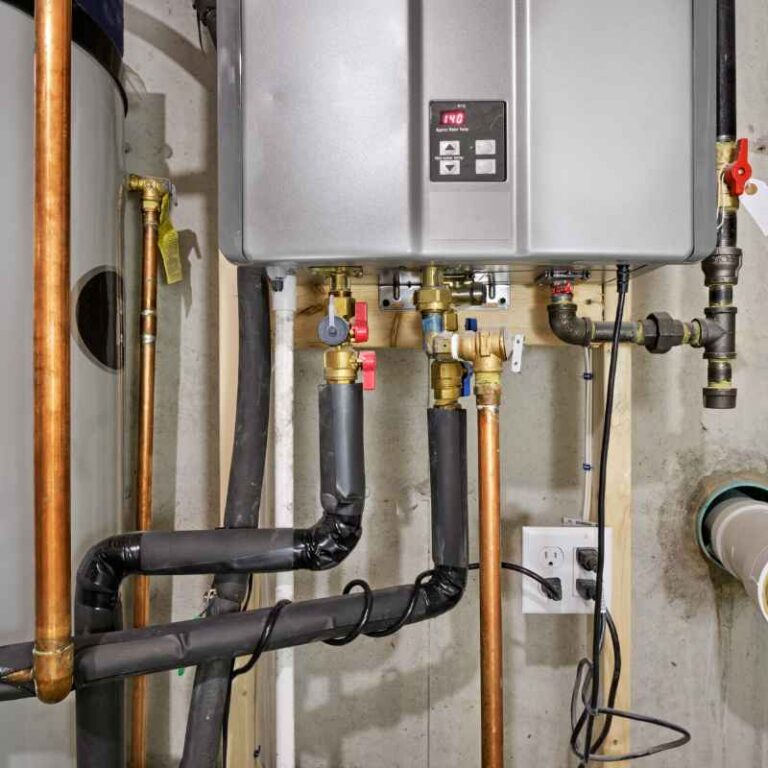
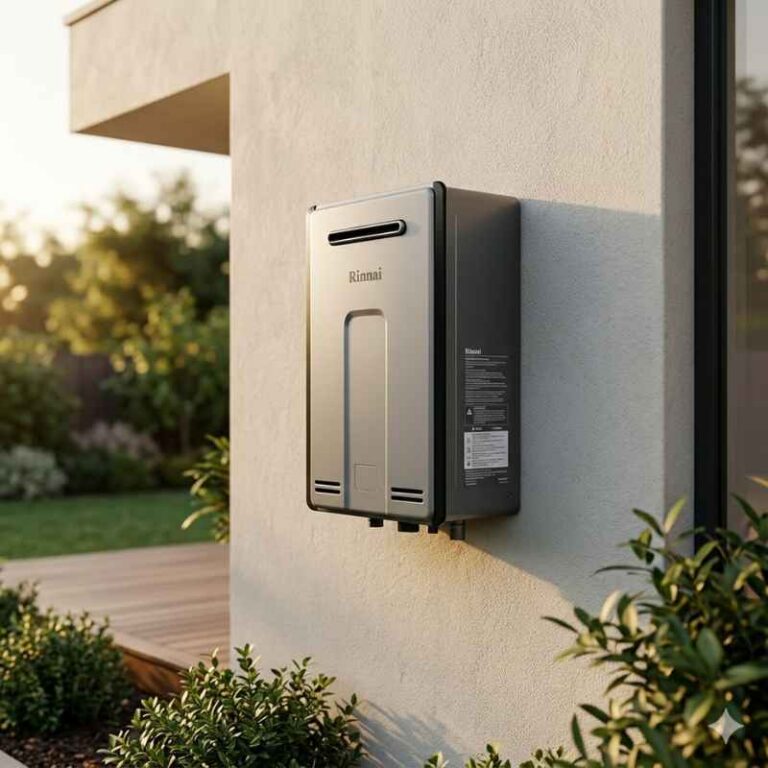
A tankless water heater, also known as an on-demand water heater, heats water directly as it flows through the unit, rather than storing a large volume of hot water in a tank.
This means you get hot water only when you need it, which is a significant departure from traditional systems that constantly keep a reservoir of water heated, even when no one is using it.
These units use a powerful heating element, either electric or gas-fired, to rapidly heat the incoming cold water to your desired temperature. When a hot water tap is turned on, water flows through the unit, triggering the heating mechanism. Once the tap is turned off, the heating element shuts down, conserving energy and preventing standby heat loss.
- On-demand heating: water is heated only when needed.
- Energy efficiency: significant savings on energy bills due to lack of standby heat loss.
- Compact design: smaller footprint compared to bulky tank models.
- Continuous hot water supply: theoretically, an endless supply as long as the unit can keep up with demand.
- Longer lifespan: generally designed to last longer than tank heaters.
The primary benefit of tankless systems is their efficiency and longevity. Because they don’t store hot water, they avoid the continuous energy expenditure associated with maintaining a tank’s temperature. This can lead to substantial savings on utility bills over the life of the unit.
Furthermore, the technology behind tankless heaters often uses more durable components, contributing to their extended operational life.
What is a Tank Water Heater?
A traditional tank water heater, also known as a storage water heater, stores a specific volume of water in an insulated tank, which is continuously heated to a set temperature.
When you turn on a hot water faucet, hot water is drawn from the top of the tank, and cold water enters the bottom to be heated. This process continues until the tank is empty or the water cools down too much.
| Component | Function | Lifespan Factor |
|---|---|---|
| Insulated Tank | Stores and insulates hot water. | Prone to corrosion and leaks over time. |
| Heating Element (Gas Burner or Electric Coils) | Heats the water within the tank. | Can wear out or scale up, affecting efficiency. |
| Anode Rod | Sacrificially corrodes to protect the tank lining. | Needs periodic replacement to prevent tank damage. |
These units are generally less expensive to purchase and install than tankless models. Their widespread availability and simpler mechanics mean most plumbers can service or replace them easily. However, they are prone to standby heat loss, meaning energy is used to keep the water hot even when not in use.
The constant presence of water in the tank also makes it susceptible to corrosion and sediment buildup over time, which can shorten its lifespan and impact water quality. Regular flushing and anode rod replacement are essential maintenance tasks to extend their life.
Comparing Lifespans: Tankless vs. Tank
The most significant difference between tankless and tank water heaters lies in their expected operational lifespan. Industry standards and manufacturer warranties consistently point to tankless units outlasting their tank counterparts by a considerable margin.
A typical tank water heater has a lifespan of 10 to 15 years, though this can be significantly shorter if not properly maintained or if installed in an area with hard water. Tankless models, on the other hand, are engineered with more robust components and a design that experiences less wear and tear, leading to lifespans often reaching 20 years or more, and sometimes even up to 30 years.
Several factors contribute to this discrepancy. Tank heaters are constantly holding water, making the tank susceptible to rust and corrosion from the inside out. The anode rod, designed to protect the tank, eventually corrodes away, leaving the tank vulnerable.
In contrast, tankless units only heat water as needed. This means there’s no standing water to cause corrosion in a large tank, and the heating components are generally more durable and less prone to failure over repeated cycles.
Key Lifespan Factors
- Material Quality: Tankless units often use higher-grade stainless steel heat exchangers and more resilient internal components.
- Corrosion & Sedimentation: Tanks are inherently prone to internal rust and sediment buildup, which degrades them over time. Tankless units avoid this by heating water in flow-through chambers.
- Usage Patterns: While tankless provides continuous hot water, its usage is based on demand, not constant heating. Tank heaters are always working to maintain a temperature.
- Maintenance Schedule: Both benefit from maintenance, but the type and frequency differ significantly.
- Water Quality: Hard water with high mineral content significantly shortens the life of both types, but is particularly damaging to tank heaters.
The longevity of a tankless unit is often tied to the durability of its heat exchanger and the quality of its electronic components. While these are built to last, they can be susceptible to scale buildup, especially in areas with very hard water. Regular descaling is crucial for maintaining optimal performance and longevity.
For tank heaters, the primary points of failure are often leaks from the tank itself or issues with the heating element or thermostat.
| Feature | Tank Water Heater | Tankless Water Heater |
|---|---|---|
| Typical Lifespan | 10-15 years | 20-30 years |
| Primary Failure Point | Tank corrosion/leaks, sediment buildup | Scale buildup in heat exchanger, electronic component failure |
| Maintenance Focus | Flushing tank, replacing anode rod | Descaling heat exchanger, filter cleaning |
| Initial Cost | Lower ($400-$1,500) | Higher ($1,000-$3,000+) |
| Energy Efficiency | Lower (due to standby heat loss) | Higher (no standby heat loss) |
The table above summarizes the key differences. While the upfront investment for a tankless unit is higher, its longer lifespan and superior energy efficiency can make it more cost-effective over the total ownership period. This is a crucial consideration when comparing the two technologies.
Maintenance for Longevity
Proper and consistent maintenance is paramount for ensuring either type of water heater reaches its maximum potential lifespan. Neglecting maintenance can significantly shorten the operational life of even the most durable unit.
For tank water heaters, regular flushing of the tank to remove sediment is vital. This prevents rust and corrosion from accelerating and improves heating efficiency. Inspecting and replacing the anode rod every few years is also critical, as it’s designed to corrode instead of the tank lining.
Tip: Check your tank water heater’s manual for recommended flushing intervals, typically every 6-12 months, especially if you have hard water.
Tankless water heaters require descaling, especially in areas with hard water. Mineral deposits can build up on the heat exchanger, reducing efficiency and potentially causing damage over time. This process involves circulating a descaling solution through the unit.
Additionally, checking and cleaning inlet water filters can prevent debris from entering and damaging the unit.
-
Tank Water Heater Maintenance:
- Flush the tank annually to remove sediment.
- Inspect and replace the anode rod every 2-5 years.
- Check for leaks around the tank and fittings.
- Ensure the temperature and pressure relief (T&P) valve is functioning.
- Insulate hot water pipes to reduce heat loss.
-
Tankless Water Heater Maintenance:
- Descale the unit annually or bi-annually, depending on water hardness.
- Clean inlet and outlet filters regularly.
- Inspect venting system for blockages or damage (for gas units).
- Check for leaks in water and gas connections.
- Ensure proper ventilation for gas units to prevent carbon monoxide buildup.
According to a report by the U.S. Department of Energy, performing regular maintenance on water heaters can extend their lifespan by up to 20% and improve their energy efficiency. This highlights the importance of not viewing maintenance as an optional expense, but as a critical investment in the longevity and performance of your appliance.
For tankless units, professional servicing is often recommended for descaling to ensure it’s done correctly and safely.
Installation Quality and Environmental Impact
Beyond the inherent design and maintenance practices, the quality of installation and environmental factors play a significant role in how long any water heater will last.
A professional installation ensures the unit is correctly plumbed, vented (for gas models), and electrically connected, minimizing the risk of premature failures. Improper installation can lead to strain on components, leaks, or safety hazards, all of which can drastically reduce the lifespan of the appliance.
Important: Always use a qualified and licensed plumber for water heater installation to ensure it’s done correctly and safely.
Environmental conditions also matter. For instance, installing a tank water heater in a damp basement prone to flooding can accelerate corrosion. Similarly, a tankless unit installed in an unconditioned space that experiences extreme cold could be more susceptible to freezing if not properly protected or winterized.
The type of water – particularly its hardness and mineral content – is a critical environmental factor that directly impacts the longevity of both types of heaters.
Environmental Considerations
- Water Hardness: High mineral content leads to scale buildup, reducing efficiency and lifespan.
- Ambient Temperature: Extreme temperatures can affect performance and durability.
- Humidity & Exposure: Damp or corrosive environments can accelerate deterioration.
- Power Supply: Stable and adequate electrical or gas supply is crucial for consistent operation.
- Ventilation (Gas Units): Proper venting prevents combustion byproducts and ensures safe operation.
The Energy Information Administration (EIA) notes that homes in regions with very hard water often see shorter lifespans for water heaters, necessitating more frequent maintenance or replacement. Furthermore, the quality of the water itself, including the presence of chemicals like chlorine, can also affect the lifespan of internal components. For gas tankless units, ensuring adequate gas pressure and proper venting is not only a matter of longevity but also critical for safety, preventing the buildup of carbon monoxide.
Cost vs. Lifespan: A Long-Term View
When comparing tankless and tank water heaters, it’s essential to look beyond the initial purchase price and consider the total cost of ownership over the unit’s lifespan.
Tank water heaters have a lower upfront cost, typically ranging from $400 to $1,500 for the unit itself, with installation adding a few hundred dollars more. This makes them an attractive option for those on a tighter budget or for short-term solutions.
Tankless water heaters, however, come with a higher initial price tag, often between $1,000 and $3,000 or more for the unit alone. Installation costs can also be higher, especially if gas line upgrades or new venting are required. The extended lifespan of tankless units (20+ years compared to 10-15 for tanks) and their superior energy efficiency mean that over time, they can become more cost-effective.
Total Cost of Ownership Comparison (Estimated Over 20 Years)
| Factor | Tank Water Heater (1.5 units) | Tankless Water Heater (1 unit) |
|---|---|---|
| Initial Purchase & Install Cost | $800 – $2,500 (assuming 1.5 replacements over 20 yrs) | $1,500 – $4,000+ |
| Annual Energy Costs | $400 – $600 (higher due to standby loss) | $200 – $400 (significant savings) |
| Maintenance Costs (Annual) | $50 – $150 (flushing, anode rod) | $100 – $250 (descaling, filter cleaning) |
| Estimated Total Cost (20 Years) | $2,200 – $4,500+ | $2,800 – $6,500+ |
This table illustrates that while tankless units have a higher potential maximum cost due to their price and specialized maintenance, their energy savings and extended lifespan can often result in a comparable or even lower total cost over two decades. The exact figures depend heavily on local utility rates and the specific models chosen.
Frequently Asked Questions
Do tankless water heaters really last longer?
Yes, tankless water heaters are designed with more durable components and do not suffer from the same corrosion issues as tank water heaters due to the absence of a large water reservoir. This typically gives them a lifespan of 20 years or more, compared to 10-15 years for tank models.
What causes a tank water heater to fail?
The most common causes of tank water heater failure include internal tank corrosion leading to leaks, sediment buildup that reduces efficiency and stresses components, and failure of the heating element or thermostat. The anode rod, designed to protect the tank, also degrades over time.
Can a tankless water heater be repaired?
Yes, tankless water heaters can often be repaired. Common repairs include replacing faulty electronic control boards, repairing or replacing the heat exchanger (though this can be costly), or fixing issues with the fan or gas valve. Regular maintenance can prevent many issues that might require repair.
What is the most important maintenance for a tank water heater’s lifespan?
The most critical maintenance for a tank water heater’s lifespan is regularly flushing the tank to remove sediment and inspecting and replacing the anode rod. These steps directly combat corrosion and prevent premature tank failure.
Are tankless water heaters worth the higher initial cost?
For many homeowners, tankless water heaters are worth the higher initial cost due to their significantly longer lifespan, substantial energy savings, and continuous supply of hot water. The total cost of ownership over 20+ years often makes them more economical than replacing tank units multiple times.
Final Thoughts
Ultimately, both tankless and tank water heaters have their place, but when longevity is the primary concern, tankless units generally win. Their advanced design and construction mean they’re built to last significantly longer than traditional tanks. However, remember that both types require diligent maintenance to achieve their maximum lifespan, and professional installation is key for optimal performance and durability. Choosing the right system involves balancing upfront costs with long-term benefits and considering your household’s specific needs.
Sponsored / affiliate links. As an Amazon Associate I earn from qualifying purchases. I may earn additional commission from eligible campaigns.