Are Tankless Water Heaters More Efficient Than Tank Models?
Are tankless water heaters more efficient than tank water heaters? This is one of the most common questions homeowners face when upgrading their water heating system. In this post, we break down the efficiency comparison, upfront costs, long-term savings, and practical considerations so you can make an informed decision.
Simply put, tankless water heaters are 8–14% more energy-efficient than traditional tank models, especially in households that use less than 86 gallons of hot water per day. However, the total cost of ownership depends on installation complexity, fuel type, and usage patterns. For many homes, the energy savings can offset the higher upfront price within 5–10 years.
Key Takeaways
- Tankless water heaters achieve 24–34% higher efficiency for small households, but the exact savings depend on usage and climate.
- Traditional tank water heaters have lower upfront costs but incur standby heat losses that reduce overall efficiency.
- Energy factor (EF) ratings show tankless units typically score 0.80–0.99, while tank units score 0.60–0.75.
- Installation costs for tankless can be $1,000–$3,000 higher due to gas line upgrades or electrical work.
- Lifespan is another key factor: tankless lasts 20+ years versus 10–15 years for tank models, affecting long-term value.
How Tankless Water Heaters Work
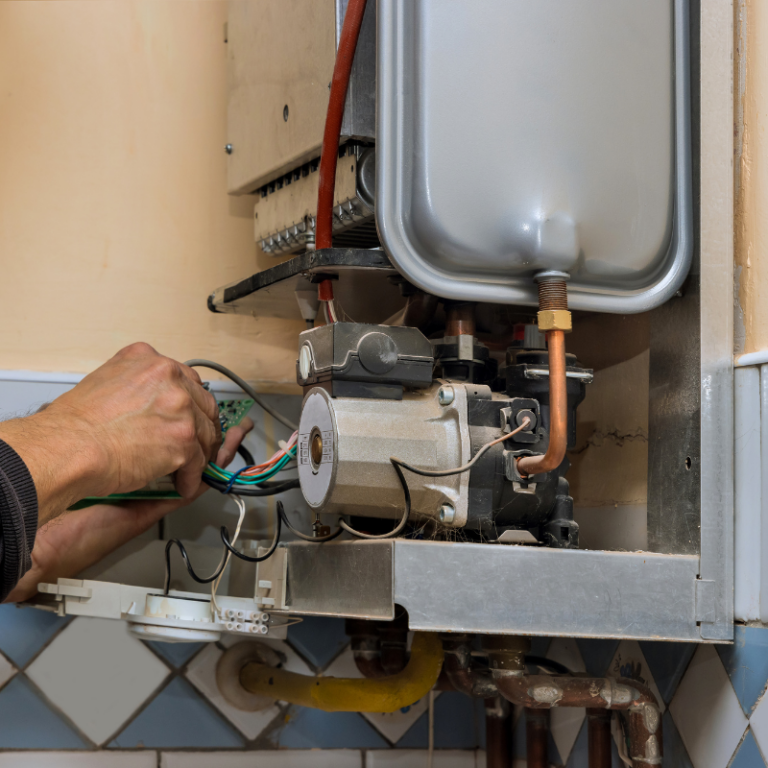
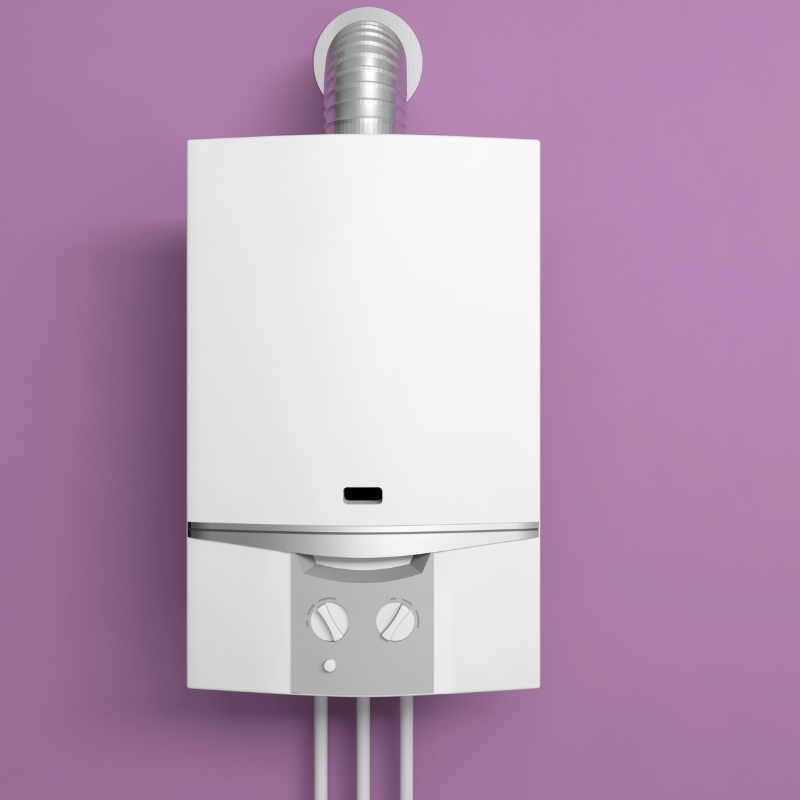
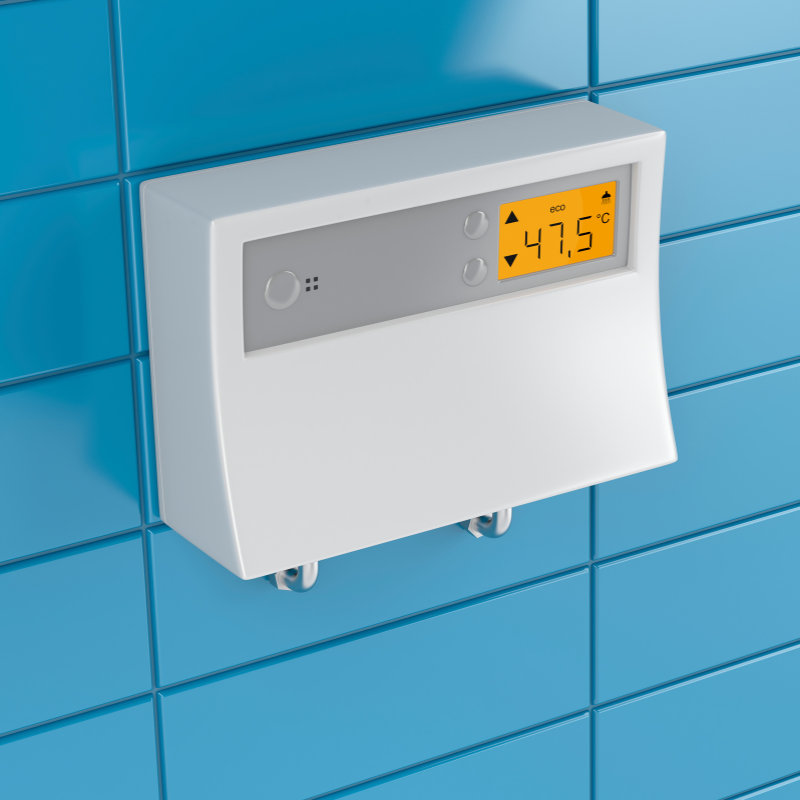
Tankless water heaters, also called on-demand heaters, heat water directly as it flows through a heat exchanger. When you turn on a hot water tap, cold water travels through the unit, and a gas burner or electric element instantly raises the temperature. No storage tank means no standby heat loss – the heat that escapes from a conventional tank while it waits to be used.
According to the U.S. Department of Energy, tankless systems use about 24–34% less energy for homes that consume 41 gallons or less of hot water daily. For larger households using 86 gallons or more, the savings drop to 8–14% because the unit must run longer to meet peak demand.
- Gas-powered tankless units can deliver 2–5 gallons per minute (GPM) – enough for one or two simultaneous uses.
- Electric tankless models are smaller and easier to install but may require a 200-amp electrical service upgrade.
- Most tankless heaters have a life expectancy of 20–30 years, nearly double that of tank heaters.
- Maintenance includes annual descaling to prevent mineral buildup, especially in hard water areas.
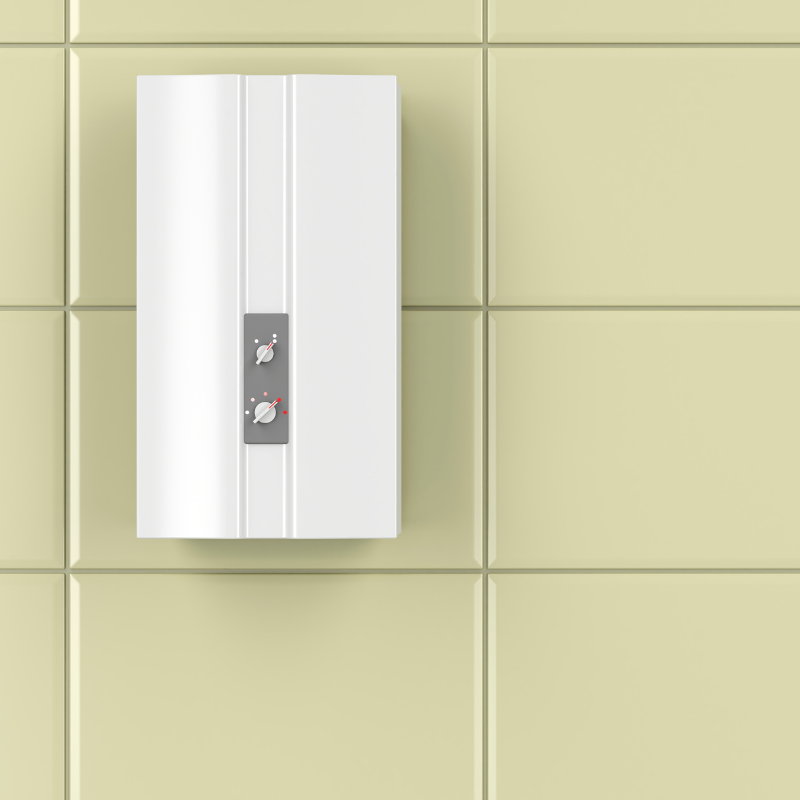
- They can be wall-mounted, saving floor space, and are often installed point-of-use for specific appliances.
How Traditional Tank Water Heaters Work
A conventional tank water heater stores 30–80 gallons of heated water in an insulated tank. The unit constantly reheats the water to maintain a set temperature – typically 120°F–140°F. This creates a “standby” energy loss as heat escapes through the tank walls and pipes, even when no one is using hot water.
Traditional tank heaters are less expensive to purchase and install. The average cost ranges from $300 to $600 for the unit itself, plus $200–$400 for installation. However, the lower efficiency means higher monthly utility bills over time.
The Energy Factor (EF) of a typical gas tank heater is between 0.60 and 0.75, while electric models range from 0.70 to 0.88.
Warning: If your tank water heater is more than 10 years old, efficiency drops significantly due to sediment buildup and degraded insulation. Replacing it may be more cost-effective than repairing.
- Life expectancy: 10–15 years, depending on water quality and maintenance.
- Replacement parts are widely available and inexpensive.
- Some models come with a first-hour rating (FHR) that indicates how many gallons can be delivered in the first hour of heavy use.
- Tank models work reliably during power outages if they use gas, but they still require electricity to ignite the burner in many modern units.
Energy Efficiency Comparison: Tankless vs Tank
The most direct measure of water heater efficiency is the Energy Factor (EF) or the newer Uniform Energy Factor (UEF). Higher numbers mean more efficient conversion of fuel to hot water. Tankless units consistently outperform tank models because they eliminate standby losses.
| Factor | Tankless | Tank |
|---|---|---|
| Energy Factor | 0.80 – 0.99 | 0.60 – 0.75 |
| Standby Loss | None | 10–20% of energy wasted |
| Annual Energy Cost (Gas) | $150 – $300 | $200 – $400 |
| Annual Energy Cost (Electric) | $300 – $600 | $400 – $700 |
| Estimated Savings per Year | $50 – $150 | – |
As the table shows, tankless heaters can save $50–$150 per year compared to a tank model, depending on fuel type and regional energy prices. Over a 20-year lifespan, that equates to $1,000–$3,000 in energy savings – enough to offset the higher initial purchase price.
Cost Comparison: Upfront vs Long-Term
Upfront cost is the biggest barrier to choosing a tankless system. A gas tankless unit typically costs $700–$1,500, plus installation that can reach $1,000–$2,500 if new gas lines or venting are needed. Electric tankless units are cheaper to buy ($300–$800) but may require a costly electrical panel upgrade.
In contrast, a gas tank heater costs $300–$600 with installation averaging $200–$400. However, the total cost of ownership includes replacement every 10–15 years, while a tankless unit can last twice as long. Below is a 15-year cost comparison for a typical family of four using natural gas.
| Cost Category | Tankless | Tank |
|---|---|---|
| Initial Purchase + Installation | $2,000 | $800 |
| Energy Costs (15 years) | $3,000 | $4,500 |
| Maintenance (descaling, parts) | $300 | $100 |
| Replacement at Year 15 | $0 (still operational) | $800 |
| Total 15-Year Cost | $5,300 | $6,200 |
Tip: If you plan to stay in your home for more than 10 years, a tankless water heater will likely save you money overall. For shorter stays, a tank model may be more cost-effective.
Which One Is Right for Your Home?
The answer depends on your household’s hot water usage, budget, and priorities. Tankless water heaters excel in homes that want to save space, reduce energy bills, and minimize environmental impact. They are ideal for smaller families or modern homes with energy-efficient fixtures.
Traditional tank heaters are better for large households with simultaneous hot water demands (e.g., running two showers, a dishwasher, and a washing machine at the same time). They also work well in homes with limited budgets or where installation of new gas lines is impractical.
When to Choose Tankless
- You have a small family (2–3 people) and use less than 50 gallons of hot water per day.
- You want a longer-lasting appliance (20+ years).
- You have access to natural gas and can upgrade the venting or gas line.
- You are building a new home or remodeling and can plan for proper sizing.
- You live in a mild climate where incoming water temperature isn’t extremely cold.
When to Stick with a Tank Heater
- You have a large family that often uses hot water simultaneously.
- Your water is very hard and you cannot commit to annual descaling.
- You are on a tight budget and cannot afford the higher upfront cost.
- Your current gas line, venting, or electrical panel cannot support a tankless upgrade without major renovation.
- You prefer a simpler system with fewer components and repair points.
Common Myths About Tankless Water Heaters
Many homeowners hesitate because of misinformation. Let’s clear up the most persistent myths.
-
Myth: Tankless water heaters never run out of hot water.
Partially true – they provide continuous hot water, but the flow rate is limited. If you exceed the unit’s GPM capacity, water temperature will drop. -
Myth: They are maintenance-free.
Fact: They need annual descaling, especially in hard water areas. Neglect can reduce efficiency and shorten lifespan. -
Myth: Tankless units are always more cost-effective.
Fact: The payback period can exceed 10 years in large households with high usage. Run the numbers for your specific situation. -
Myth: Electric tankless heaters are as efficient as gas ones.
Fact: Electric units have higher EF but electricity is often more expensive per BTU than natural gas, so operating costs may be higher. -
Myth: You can install a tankless heater yourself and save money.
Fact: Improper sizing, gas line sizing, or venting can cause safety hazards and void warranties. Professional installation is recommended.
Important: Always check local building codes before installation. Some areas require permits for gas line modifications or electrical upgrades.
Frequently Asked Questions
Are tankless water heaters more efficient than tank models?
Yes, tankless water heaters are 8–34% more energy-efficient than tank models, depending on your daily hot water usage. They avoid standby heat losses that can waste 10–20% of energy in tank heaters.
How much does it cost to install a tankless water heater?
Installation costs range from $500 to $2,500 for gas units and $300 to $1,000 for electric units, not including the appliance itself. The price varies based on gas line upgrades, venting, and electrical work.
Do tankless water heaters save money on electricity?
They lower electricity usage because they heat on demand, but the savings depend on your local electricity rates.
On average, households save $50–$150 per year on energy costs compared to a standard electric tank heater.
How long does a tankless water heater last?
A well-maintained tankless water heater can last 20 to 30 years, while a traditional tank heater typically lasts 10–15 years. Regular descaling and proper installation extend its lifespan.
What size tankless water heater do I need for a family of 4?
For a family of four, look for a gas unit with a flow rate of 6–8 GPM at a 70°F temperature rise. Electric units may require multiple units or a larger capacity model to meet simultaneous demand.
Final Thoughts
Are tankless water heaters more efficient than tank water heaters? The clear answer is yes when it comes to energy use, but the full picture includes installation costs, maintenance, and your household’s hot water needs.
For many homeowners, the long-term savings and longer lifespan make tankless the superior investment. However, if your budget is tight or your water usage is very high, a modern tank heater may still be a practical choice. Choose based on your priorities, and always consult a licensed professional for sizing and installation.
Sponsored / affiliate links. As an Amazon Associate I earn from qualifying purchases. I may earn additional commission from eligible campaigns.