How To Heat A Crawl Space To Keep Pipes From Freezing
Keeping pipes in your crawl space from freezing is key. This guide explains how to heat that area. It includes simple steps and what to watch out for. You can protect your home from cold weather damage.
Understanding Crawl Space Heating and Pipe Freezing
A crawl space is the area under your house. It’s usually not heated. It can get very cold there.
Cold air makes pipes lose heat. If pipes get cold enough, water inside freezes. Frozen water expands.
This expansion puts pressure on the pipes. The pipes can crack or burst. This is a serious problem.
It can cause leaks and flooding.
Most homes have water pipes running through the crawl space. These pipes bring water into your house. They also carry waste away.
If these pipes freeze, your water supply stops. You might have no hot or cold water. That’s a huge inconvenience.
Fixing burst pipes is also costly. It involves opening up walls and floors. It can damage your home’s structure.
Protecting these pipes is smart. It saves you money and stress.
Why do crawl spaces get so cold? They are outside the main heated part of your home. They are exposed to outside temperatures.
Cold air can seep in through cracks. Snow and ice on the ground also make it colder. Insulation in your home helps a lot.
But it might not be enough for the crawl space. Especially in very cold climates. We need to add some warmth down there.
Or at least keep the cold out.
My Own Winter Pipe Scare
I remember one winter. It was brutally cold. I lived in an older house then.
The house had a deep crawl space. I thought my pipes were fine. They always had been.
Then one morning, no water. None at all. It was a complete shock.
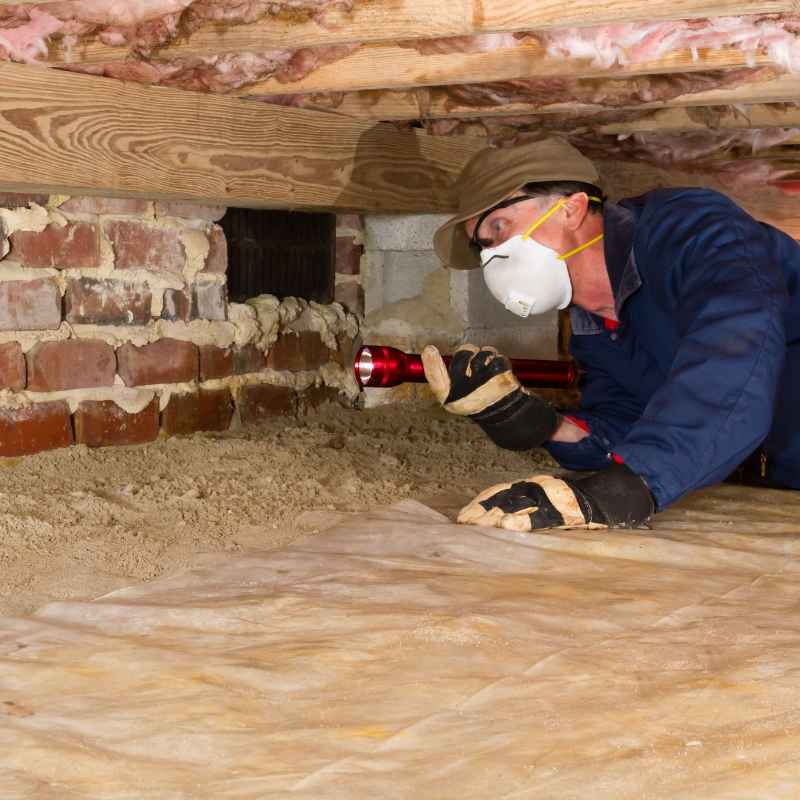
I felt a knot of panic in my stomach. I grabbed a flashlight and braved the cold. I went down into the crawl space.
It was like an ice box. The air was damp and biting. I shined my light on the pipes.
Some were covered in frost. I could hear a faint dripping sound somewhere. That sound was terrifying.
I knew I had made a mistake. I hadn’t prepared. I had waited too long.
It took me hours to thaw things out. I used a hair dryer and towels. It was a messy, stressful job.
That experience taught me a valuable lesson. Never underestimate the cold. And never ignore your crawl space.
Key Signs of Crawl Space Cold
Air Leaks: Feel drafts coming from under your house.
Frost on Pipes: See ice or frost on any visible plumbing.
Low Water Pressure: Notice reduced water flow to faucets.
No Water: The most obvious sign – your taps are dry.
Methods for Heating Your Crawl Space
There are several ways to keep your crawl space warm. Some are simple DIY tasks. Others might need a professional.
We’ll explore the most common and effective methods. Think about your climate. Think about your budget.
Think about your home’s layout.
1. Improving Insulation
Good insulation is your first line of defense. It keeps heat in. It also keeps cold out.
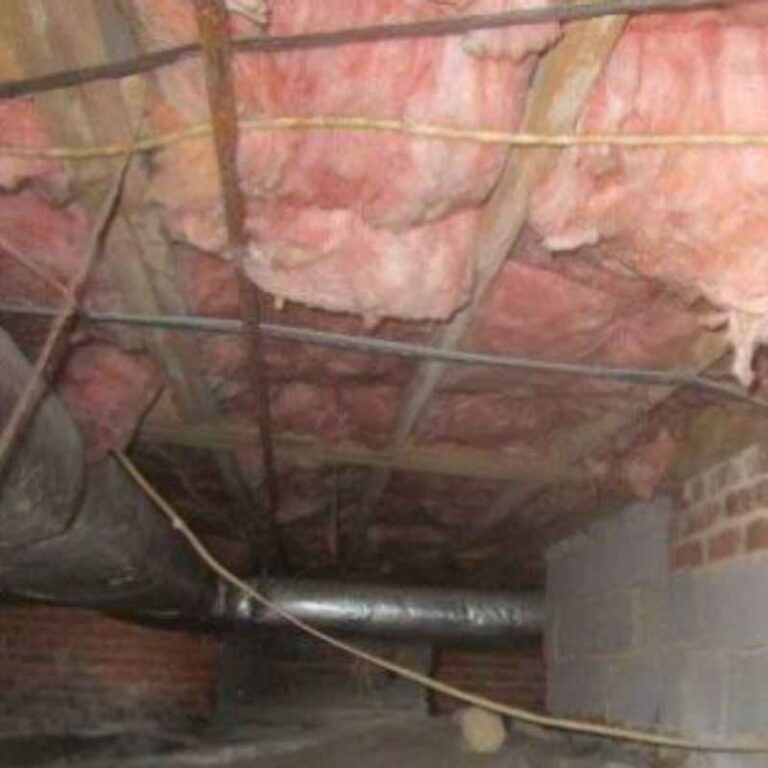
Many older homes have poor crawl space insulation. Or no insulation at all. You can add insulation to the crawl space walls.
You can also insulate the floor above the crawl space. This is the most common method. It’s often called “rim joist insulation.”
Batt insulation is a common choice. You can buy rolls or pre-cut pieces. Another option is spray foam insulation.
It seals up gaps better. It adds more R-value per inch. R-value is a measure of how well insulation works.
Higher R-value means better insulation. You need to be careful when insulating. Make sure you wear protective gear.
Gloves, a mask, and eye protection are important. You don’t want to breathe in insulation fibers.
Before you insulate, clean out the crawl space. Remove any debris. Check for moisture issues.
You don’t want to trap dampness. Dampness can lead to mold. It can also damage the insulation.
Some people use rigid foam boards. These are easy to cut and fit. They create a good barrier against the cold concrete foundation walls.
Insulation Options Explained
Fiberglass Batts: Affordable, easy to install, good for walls and floors. Needs vapor barrier.
Mineral Wool Batts: Similar to fiberglass, but more fire resistant and better in damp conditions.
Rigid Foam Boards: Great for foundation walls, moisture resistant, good R-value.
Spray Foam: Excellent at sealing air leaks, high R-value, professional installation often needed.
2. Sealing Air Leaks
Even with good insulation, air can leak in. Cold air finds tiny cracks. These leaks happen around pipes.
They happen where the foundation meets the house. They happen around vents. Sealing these leaks is very important.
It stops cold drafts from getting in. It also stops warm air from escaping.
Use caulk and spray foam to seal these spots. Caulk is good for smaller cracks. Spray foam works for larger gaps.
Pay close attention to the rim joist area. This is the wooden frame that sits on top of the foundation. It’s often a source of leaks.
Sealing these leaks makes your home more energy efficient. It can lower your heating bills. It also helps keep your crawl space warmer.
Check around any pipes that go through the foundation. Also, check around electrical wires. Sometimes plumbing vents go through the crawl space.
Make sure those openings are sealed. It might seem like a small thing. But these little leaks add up.
They make a big difference in keeping the cold out. Think of it like sealing a window. You don’t want any drafts.
3. Installing a Small Heater
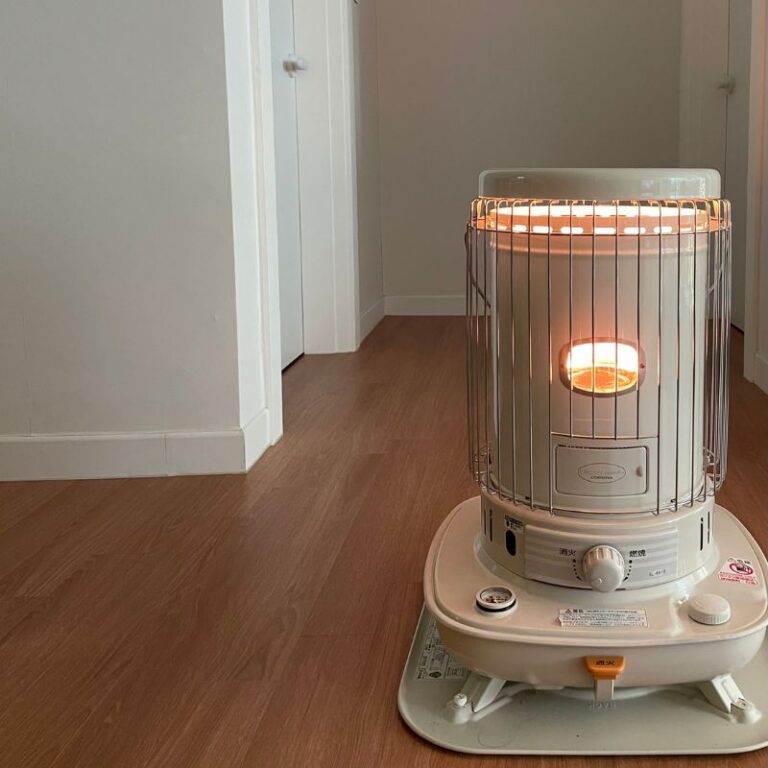
For very cold climates, insulation might not be enough. You may need to add a heat source. There are special heaters designed for crawl spaces.
These are often called “crawl space heaters” or “basement heaters.” They are usually electric. They are built to be safe for enclosed spaces.
Look for heaters with a thermostat. This lets you set a target temperature. The heater will turn on and off as needed.
This saves energy. It also prevents overheating. Some models are designed to be energy efficient.
They use less power. Make sure any heater you use is approved for crawl space use. It needs to be safe around dust and potential moisture.
You can also use a portable electric heater. But be very careful. These are not always designed for crawl space conditions.
They can be a fire risk if not used properly. Always follow the manufacturer’s instructions. Never leave a portable heater unattended.
A permanently installed crawl space heater is usually the safest bet. It’s designed for this specific job. Consider the size of your crawl space.
You’ll need a heater that’s powerful enough.
Crawl Space Heater Features to Look For
Thermostat Control: Maintains a set temperature automatically.
Safety Features: Auto shut-off if tipped or overheated.
Energy Efficiency: Uses less electricity to do the job.
Crawl Space Rated: Built for durability and safety in that environment.
Size Appropriateness: Matches the square footage of your crawl space.
4. Venting and Moisture Control
Crawl spaces need to breathe. But they also need protection from the cold. This is a balancing act.
Traditional crawl space vents are meant to let air circulate. This helps dry out moisture. However, in winter, these vents let cold air in.
This is bad for pipes.
Some experts recommend “conditioning” the crawl space. This means sealing off the vents in winter. Then, you bring conditioned air from the house into the crawl space.
This can be done with a small fan or vent. It helps maintain a more stable temperature. It also reduces moisture if done correctly.
Moisture is a big enemy. If your crawl space is damp, pipes can corrode faster. Insulation can get wet and lose its effectiveness.
A vapor barrier is essential. This is a plastic sheeting laid on the ground. It stops moisture from rising from the soil.
Make sure it’s installed correctly. It should cover the entire crawl space floor. It should go up the foundation walls a bit.
If you have persistent moisture problems, you might need a dehumidifier. Or you might need to address drainage issues outside your home. Standing water in a crawl space is a serious problem.
It can lead to mold and rot. It also makes pipes more vulnerable to freezing if water gets into them.
Moisture Control Checklist
Check for Leaks: Fix leaky pipes or foundation issues.
Install Vapor Barrier: Cover the ground with thick plastic sheeting.
Seal Vents: Close crawl space vents in winter.
Use a Dehumidifier: If dampness persists, run a dehumidifier.
Improve Drainage: Ensure water flows away from your foundation.
5. Pipe Insulation
This is a direct way to protect the pipes themselves. You can buy foam sleeves. These wrap around your pipes.
They act like a jacket for the pipes. They prevent heat from escaping the water. They also offer some protection from cold air.
This is a good step to take. Even if you heat the crawl space. It’s an extra layer of security.
It’s also quite simple to do yourself. You just cut the foam to length. Then you split it or snap it around the pipe.
Make sure there are no gaps. For pipes with elbows or valves, you might need special fittings. Or you can use tape to seal any openings.
Use pipe insulation on all exposed water pipes. This includes both hot and cold water lines. Cold water lines can still freeze.
They just have cold water in them. Focus on pipes that are most exposed to the cold. Think about areas near foundation walls or vents.
This is a low-cost solution. It can make a big difference. Especially for those crucial water lines.
Pipe Insulation Tips
Measure First: Get the right size insulation sleeves.
Seal All Gaps: Use tape to secure ends and joints.
Cover All Exposed Pipes: Don’t miss any sections.
Check Valves and Elbows: Ensure these areas are also protected.
Consider Foam Pipe Tapes: For areas where sleeves don’t fit.
Real-World Context and Scenarios
What does all this look like in a real home? Let’s consider a few scenarios. Imagine a house in Minnesota.
Winters are long and very cold. The crawl space is often below freezing for months. This house will likely need several solutions.
Good insulation on the foundation walls is a must. Sealing all air leaks is critical. A crawl space heater that runs on a thermostat is probably necessary.
And of course, pipe insulation on all water lines.
Now, think about a house in Georgia. Winters are milder. Freezing temperatures are less common.
They might happen for a few days each year. This house might get away with just good insulation. Sealing air leaks would still be smart.
Adding pipe insulation to exposed pipes would be a good precaution. A dedicated crawl space heater might be overkill. But if the pipes are in a very exposed area, it’s worth considering.
The type of foundation matters too. A house on a slab foundation has no crawl space. The pipes are usually inside the heated walls.
A house with a full basement also has less risk. The basement is typically warmer than a crawl space. It’s often heated to some extent.
Crawl spaces are unique. They are often unheated and poorly insulated. This makes them the most vulnerable.
The condition of your home’s exterior plays a role. Are your exterior walls well-insulated? Are your windows energy-efficient?
These factors affect the overall temperature of your house. They also affect how cold the crawl space gets. If your house is drafty, the crawl space will be too.
Addressing whole-home energy efficiency helps.
What This Means for Your Home
The goal is to create a more stable temperature. You want to prevent extreme cold from reaching your pipes. When is the temperature in your crawl space normal?
It’s normal for it to be cooler than your house. But it shouldn’t be freezing. If you can feel significant cold air, that’s concerning.
If you see frost on pipes, that’s a big warning sign.
When should you worry? If you suspect your pipes might be freezing. Or if you’ve had frozen pipes before.
If your home is in a very cold climate. If you notice signs like low water pressure during cold snaps. You should take action.
It’s better to prevent the problem. It’s much easier than fixing a burst pipe. Checking your crawl space regularly during winter is wise.
Even if you’ve taken steps to heat it.
Simple checks can save you a lot. Feel the air coming from under your house. Look at your pipes when you can.
Listen for any unusual sounds. Especially when the temperature drops. These small checks are part of good home maintenance.
They are especially important for older homes. Or homes with known insulation issues.
Quick Tips for Pipe Protection
Here are some easy things you can do:
- Open Cabinet Doors: In extreme cold, open kitchen and bathroom cabinet doors. This lets warm air circulate around pipes. This works for pipes in walls, not just crawl spaces.
- Let Faucets Drip: If temperatures are very low, let a faucet drip slowly. This keeps water moving. Moving water is less likely to freeze. Even a small trickle helps.
- Know Your Water Shut-Off Valve: Locate your main water shut-off valve. Know how to turn off your water supply. This is crucial if a pipe bursts.
- Use Heat Tape: Electric heat tape can be wrapped around pipes. It generates gentle heat. Make sure to follow installation instructions precisely.
- Check for Insulation Gaps: Regularly inspect your existing pipe insulation. Ensure there are no holes or gaps.
Frequent Questions About Crawl Space Heating
Can I just use a space heater in my crawl space?
While a space heater might offer temporary warmth, it’s generally not recommended for long-term or unsupervised use in a crawl space. Dedicated crawl space heaters are designed with safety features specifically for these environments, which can be dusty and potentially damp. Always use appliances rated for crawl space use and follow manufacturer guidelines closely.
How often should I check my crawl space in winter?
It’s a good idea to check your crawl space at least once a month during the coldest winter months. More frequent checks are recommended if you experience prolonged periods of extremely low temperatures or if you’ve had previous issues with frozen pipes. Look for any signs of frost, leaks, or unusual moisture.
Will sealing my crawl space vents cause mold?
Sealing crawl space vents in winter is a common practice to prevent cold air from entering. However, proper moisture control is essential. This includes installing a vapor barrier on the ground and ensuring there are no internal moisture sources.
If you seal the vents, you may need to monitor humidity levels and consider a dehumidifier or a controlled ventilation system to prevent mold growth.
What is the best insulation for a crawl space?
The “best” insulation depends on your specific needs and budget. For foundation walls, rigid foam boards or spray foam offer excellent R-value and moisture resistance. For the floor above the crawl space, fiberglass or mineral wool batts are common choices.
Spray foam provides the best air sealing properties throughout.
How much does it cost to heat a crawl space?
The cost varies greatly. Simple pipe insulation might cost under $100. Adding batt insulation can range from a few hundred to over a thousand dollars, depending on the size.
Installing a dedicated crawl space heater could add $100-$300 upfront, plus the cost of electricity to run it. The running cost depends on the heater’s wattage and how often it operates.
Should I insulate my crawl space in summer too?
Insulation is beneficial year-round. In summer, it helps keep your home cooler by preventing heat from the ground from entering. It also helps keep out humidity.
So, yes, maintaining good insulation in your crawl space is a year-round benefit for comfort and energy savings.
Conclusion
Keeping your crawl space warm and your pipes safe is important work. It protects your home from damage. It saves you from costly repairs.
By taking steps like insulating, sealing leaks, and protecting pipes, you can face winter with confidence. A little effort now saves a lot of trouble later. Your home will thank you for it.
And your water will keep flowing.
Sponsored / affiliate links. As an Amazon Associate I earn from qualifying purchases. I may earn additional commission from eligible campaigns.