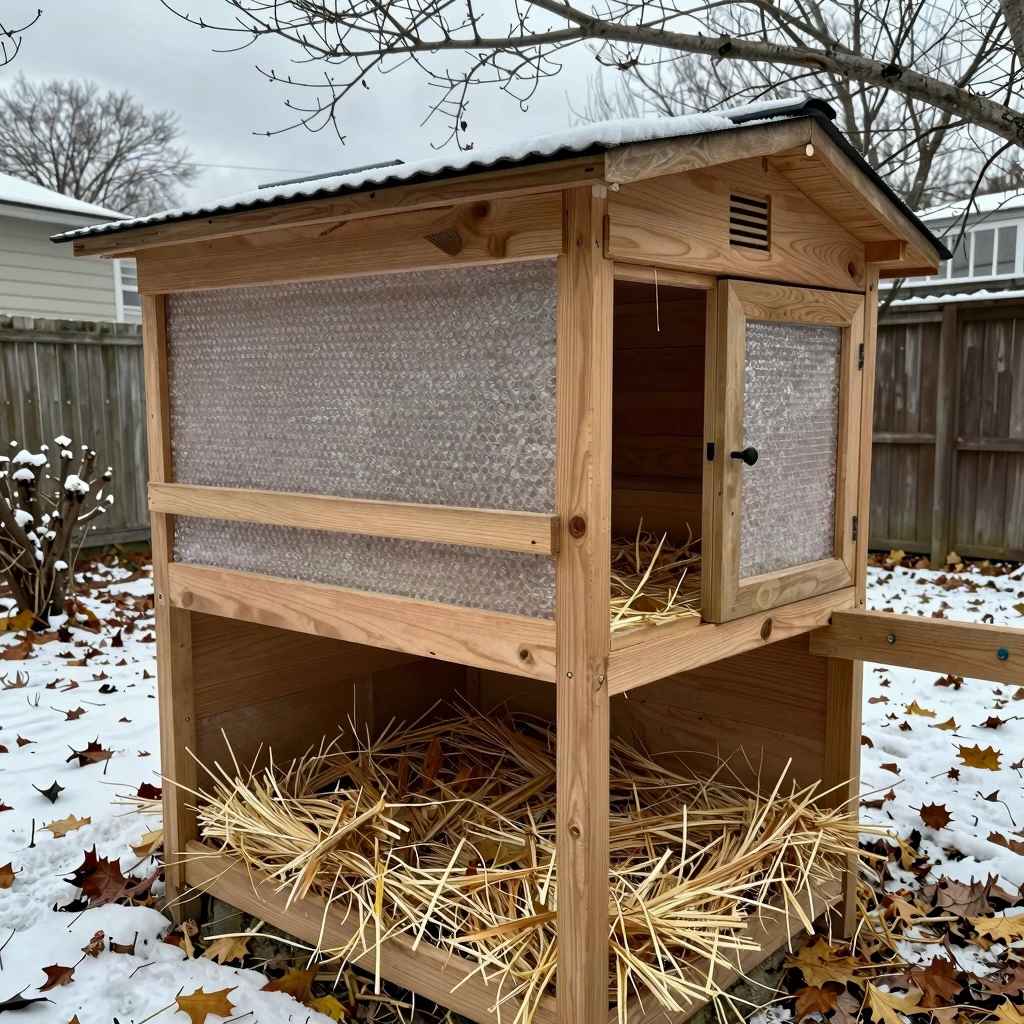
How To Keep A Chicken Coop Warm In Winter Without Heaters
Keeping chickens through the winter can be a rewarding experience. You get fresh eggs even when it’s cold outside. But as the days get shorter and colder, you start to worry about your flock.
You might wonder if they are warm enough. The thought of a heater in a coop can seem like the only answer. However, heaters can be risky.
They can cause fires or shock your chickens. Let’s explore ways to keep your coop toasty and safe. We’ll focus on natural methods.
You’ll learn how to create a warm haven for your feathered friends.
Keeping a chicken coop warm in winter without heaters involves good insulation, proper ventilation, and adding natural materials. This approach ensures safety and comfort for your flock. It relies on understanding chicken biology and coop design.
Understanding Chicken Warmth in Winter
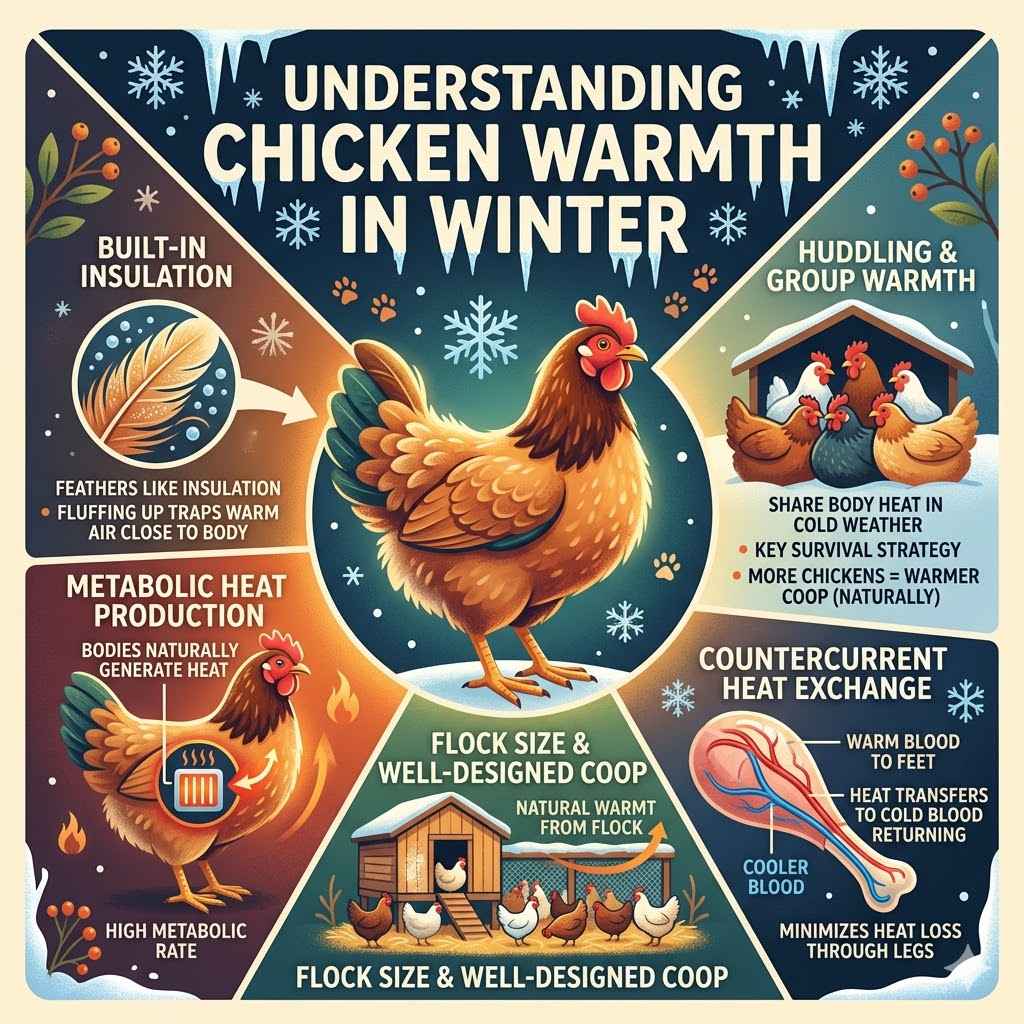
Chickens are more hardy than many people think. They have a natural ability to stay warm. Feathers are like built-in insulation. Their bodies generate heat. This is called metabolic heat. Fluffing up their feathers traps air close to their bodies. This warm air acts as an insulator. They also have a process called “countercurrent heat exchange.” This happens in their legs and feet.
It helps them keep their core body temperature up. Blood going to their feet is warm. It transfers heat to the cold blood coming back up. This means they don’t lose too much heat through their legs and feet.
When chickens huddle together, they share body heat. This is a key survival strategy for them. The more chickens you have, the warmer the coop can become naturally. So, a larger flock can actually help itself stay warmer. This is especially true in a well-designed coop.
Why Avoiding Heaters is Often Best
Many experts and experienced chicken keepers advise against using electric heaters in coops. There are several reasons for this. Safety is the biggest concern. Electrical equipment in a dusty, straw-filled environment is a fire hazard. Sparks can ignite bedding easily. Many fires have started this way.
There’s also the risk of electrical failure. If a heater breaks, your chickens could be in danger. They might have become used to the artificial warmth. Then, suddenly, it’s gone. This sudden drop in temperature can be more harmful than never having a heater at all.
Finally, heaters can dry out the air. This can be bad for your chickens’ respiratory systems. It can also make their skin dry. So, while it seems like a simple solution, the risks often outweigh the benefits. We want to focus on creating a naturally warm and safe environment.
The Power of Coop Insulation
Insulation is key to keeping any building warm. Your chicken coop is no different. The goal is to trap the heat your chickens generate inside. It also helps keep the cold air out.
Walls and Roof Insulation
You can add insulation to the walls and roof of your coop. Think of it like adding a warm coat to your house. Materials like fiberglass batts or rigid foam boards can be used. You need to cover these materials so chickens can’t peck at them. Chicken wire or thin plywood can work.
Make sure to seal any gaps. Air leaks let warm air escape. They also let cold drafts sneak in. Use caulk or weatherstripping around windows and doors.
Floor Insulation
The floor is often overlooked. If your coop has a dirt floor, the ground can get very cold. It can also get damp. You can add a layer of thick bedding. This helps insulate the floor. You can also raise the coop slightly off the ground. This prevents ground cold from seeping up. Some people add a layer of straw or wood shavings to the floor. This creates a warm, dry base.
Insulation Material Ideas
- Fiberglass Batts: Effective but must be covered.
- Rigid Foam Board: Easy to cut and install. Needs covering.
- Natural Materials: Thick layers of straw or wood shavings on the floor.
- Cardboard: Can be used as a layer between walls.
Ventilation: The Unexpected Warmth Helper
This might sound strange. How can ventilation help keep a coop warm? It’s all about managing moisture. Chickens produce a lot of moisture. This comes from their breath and droppings. In a tightly sealed coop, this moisture can build up. It condenses on surfaces. This makes the coop damp. Dampness makes the air feel much colder. It can also lead to frost and ice. Wet bedding is also a breeding ground for germs.
Good ventilation allows this moist air to escape. It lets drier, fresh air come in. This keeps the air inside the coop drier. A dry coop feels warmer than a damp one. It also stays healthier for your flock.
How to Ventilate Properly
You don’t want drafts blowing directly on your chickens. That’s what a “draft” usually means: cold air moving fast. Proper ventilation means having openings that allow air to move. But these openings should be placed so the air doesn’t create direct cold streams.
Think about having vents near the roof. Warm, moist air rises. It can escape through these upper vents. Fresh, drier air can enter from lower openings. But again, avoid direct drafts. Having a slightly larger coop can help. It gives the air more room to move.
A good rule of thumb is to have about 1 square foot of ventilation per 10 square feet of floor space. Make sure these vents are not blocked by snow or ice. You might need to check them daily in harsh weather.
The Magic of Deep Litter Method
The deep litter method is a game-changer for winter chicken coops. It’s a way to manage bedding that keeps the coop warm and dry. You start with a thick layer of absorbent bedding. This is usually wood shavings or straw. We’re talking 4 to 6 inches deep.
As your chickens scratch and peck, they mix the bedding with their droppings. This creates a compost pile right in your coop. Microbes start to work in this bedding. They break down the waste. This process generates a small amount of heat. It’s like a natural compost warmer.
This heat helps keep the coop floor warm. The deep layer also acts as insulation. It absorbs moisture well. You only need to stir the litter every week or two. You add more bedding on top as needed. You don’t clean it out until spring.
Benefits of Deep Litter
Warmth: The composting action produces gentle heat.
Dryness: The thick litter absorbs moisture effectively.
Odor Control: The microbes break down waste, reducing ammonia smells.
Less Work: You clean the coop much less often in winter.
Nutrient-Rich Bedding: The finished litter is great garden fertilizer.
You need to make sure your bedding is dry to start. Avoid hay. Hay can mold easily. Pine shavings or large flake straw are good choices.
Quick Deep Litter Setup
1. Start Fresh: Lay down 4-6 inches of dry, absorbent bedding.
2. Let it Work: Chickens will mix it as they scratch.
3. Stir Weekly: Turn the top few inches to help air circulate.
4. Add More: Top up with fresh bedding as needed to maintain depth.
5. Clean in Spring: Remove the old bedding once winter is over.
Strategic Coop Location and Design
Where you put your coop and how it’s built matters a lot. These factors influence how well it handles winter weather.
Choosing the Right Spot
If you can, place your coop in a spot that gets some sun. A south-facing location is ideal. This allows the winter sun to warm the coop during the day. It’s also wise to choose a spot that is protected from strong winds. A natural windbreak, like a dense hedge or a building, can make a big difference.
Avoid low-lying areas that might collect snow or water. A slightly elevated spot will stay drier. Make sure the coop is not too close to other structures that could block sun or trap moisture.
Coop Size and Shape
A coop that is too large can be hard to keep warm. Your chickens’ body heat will just dissipate in a big space. A coop that is too small can lead to humidity issues and overcrowding. You want a space that is cozy but not cramped.
A general rule is 2-4 square feet per standard-sized chicken inside the coop. Plus 8-10 square feet of outdoor run space. Make sure the coop is tall enough for you to stand in, but not so tall that heat escapes easily. Rectangular shapes with a pitched roof are generally good for shedding snow and allowing some ventilation.
Extra Bedding for Extra Warmth
Beyond the deep litter method, you can add more bedding in other ways. Think of it as adding blankets.
Fluffing Up the Bedding
Regularly fluffing the bedding can help. This breaks up any packed areas. It allows air to circulate better. It also helps trap more air within the bedding. This makes it a better insulator.
Covering Roosting Bars
Chickens spend most of their time on roosting bars at night. If these bars are exposed to cold air, they can get very cold. Some people wrap their roosting bars in old blankets or thick rags. This adds a layer of comfort and warmth for their feet.
Ensure any fabric is securely attached. You don’t want it to become a hazard. It should also be washable or easily replaceable.
Feeding for Winter Warmth
What you feed your chickens also plays a role in their ability to stay warm. Their diet is their fuel.
Extra Calories
In cold weather, chickens burn more calories to stay warm. It’s a good idea to give them a little extra food. This can be in the form of scratch grains. This is a mix of corn, wheat, and other grains. You can give this to them in the late afternoon. It gives them something to digest through the cold night.
Just don’t overdo it. Too much scratch can lead to obesity. And it shouldn’t replace their main balanced layer feed. Their layer feed provides essential vitamins and minerals.
Warm Treats
You can offer some warm treats. A small amount of warm oatmeal or scrambled eggs can be a nice treat. Make sure it’s not too hot. And offer it in moderation. These are supplements, not main meals.
Water is also crucial. Frozen waterers are a major problem. Make sure your chickens always have access to unfrozen water. Heated waterers are an option here, but they do use electricity. There are also solar options. Or you can break ice manually several times a day.
Winter Feeding Tips
- Main Feed: Always provide balanced layer feed.
- Extra Calories: Offer scratch grains in the late afternoon.
- Warm Treats: Small amounts of oatmeal or eggs can be nice.
- Fresh Water: Ensure water is always available and unfrozen.
Protecting Against Wind and Drafts
Even with good insulation, drafts can be a chicken coop’s enemy. A draft is moving air. Even if the air isn’t super cold, moving air can chill your chickens.
Sealing Gaps
Go around your coop and look for any small holes or gaps. These can be in the walls, floor, or around the roofline. Use caulk or wood filler to seal them. Pay special attention to areas where different materials meet.
Window and Door Drafts
If your coop has windows, make sure they seal well when closed. You can add a clear plastic sheeting to the inside of windows. This adds another layer of insulation. For doors, use weather stripping. This creates a tighter seal when the door is shut.
Blocking Direct Drafts
Remember, we want air movement, but not direct drafts. If you have vents, ensure they are not positioned to blow air directly onto roosting bars or nesting boxes. You can sometimes use baffles or turns in the vent system to redirect airflow.
Protecting Nesting Boxes
Nesting boxes are where your hens lay their eggs. They should be comfortable and warm.
Adding Extra Bedding
Put plenty of soft bedding in the nesting boxes. Straw or pine shavings work well. This gives the hens a warm, cozy place to sit. It also helps insulate the box.
Covering Boxes (Carefully!)
Some people cover their nesting boxes with a flap. This can be made of heavy-duty fabric or thick cardboard. This helps trap heat inside the box. It also makes the hens feel more secure. Make sure the flap is easy for the hens to get under. And ensure it doesn’t block ventilation if it’s too close to an air inlet.
The Flock Itself: Natural Warmth
Your chickens are your best allies in keeping the coop warm. A healthy, active flock generates a lot of body heat.
Roosting Together
At night, chickens naturally flock together on their roosting bars. The more chickens roosting close together, the more body heat they share. This communal warmth is very effective. Make sure your roosting bars are close enough to allow this. But not so close that they are uncomfortable or that it causes issues.
Fluffing Up Feathers
Encourage your chickens to be healthy. A well-fed chicken with good quality feathers will fluff them up. This traps air and keeps them warm. Ensure they have access to good nutrition.
What About Power Sources?
If you must use electricity, think smart.
Low-Wattage Options
If you decide on a supplemental heat source, consider very low-wattage options. Some people use ceramic heat emitters. These don’t produce light, which can disrupt sleep. They also tend to be safer than heat lamps. However, they still carry risks.
Safety First
Whatever you use, mount it securely. Keep it far from bedding. Use a thermostat to control the temperature. And have a backup plan. Never leave a heating element unattended. Always have a fire extinguisher nearby.
When is it Too Cold?
Even with all these precautions, there are times when it’s just too cold for comfort.
Signs of Cold Stress
Your chickens might show signs of being too cold. This includes:
Shivering or trembling.
Huddled together tightly, even during the day.
Fluffed up feathers constantly.
Lack of activity.
Frostbite on combs and wattles (though this is more common in very low temperatures).
If you see these signs, especially frostbite, you need to take action. Sometimes, this might mean bringing them into a warmer part of your house temporarily.
Hardy Breeds
Some chicken breeds are naturally more suited to cold weather. Breeds with heavy feathering and larger body sizes tend to do better. Examples include Wyandottes, Plymouth Rocks, and Orpingtons. Smaller breeds or those with less feathering might need more help.
Daily Checks in Winter
Winter requires a bit more attention to your coop.
Morning Routine
Every morning, check the basics. Is there water? Is it frozen? Is the bedding damp? Are there any signs of frostbite? Are all chickens acting normally?
Ventilation Check
Make sure your vents are clear of snow and ice. You don’t want them blocked. Good airflow is still needed.
Food Check
Ensure they have enough food. As mentioned, they eat more in winter.
My Own Winter Coop Story
I remember my first winter with chickens. I lived in Upstate New York. The winters were brutal. Snow piled up, and the temperatures dropped way below zero. I was so worried about my small flock of four hens. They were a mix of breeds.
I had read all about insulation and ventilation. I thought I had done a good job. I added extra straw to the coop. I made sure the vents were open but not drafty. But one morning, I woke up to a blizzard. I went out to the coop, and it was buried in snow. The wind was howling.
When I opened the coop door, I could see my hens huddled together in the far corner. They were puffed up, looking miserable. The waterer was frozen solid. I felt terrible. I rushed to get more straw and broke up the ice in the waterer. I also gave them some extra scratch grains.
That experience taught me so much. I realized that even with good preparation, you have to be vigilant. I learned the importance of checking everything daily. I also learned how much chickens rely on each other. Their combined body heat is powerful.
That year, I also decided to try the deep litter method more seriously. I started with a really thick layer of pine shavings. I stirred it regularly. By mid-winter, I noticed a difference. The coop floor was warmer. The air felt less damp. The hens seemed more comfortable. It was a slow process, but it worked. It was a relief to not worry about electrical hazards.
Real-World Scenarios
Let’s look at some common winter coop situations.
Scenario 1: The Too-Tight Coop
Imagine a small coop with no vents. The owner sealed it up tight to keep out the cold. But in the morning, the inside is damp. Frost is on the walls. The chickens look lethargic. This is a classic case of too much moisture trapped inside. The solution is to add ventilation. Even a few small openings near the roof can make a big difference.
Scenario 2: The Drafty Coop
Another coop is well-insulated but has a large gap under the door. The wind blows right in. The hens are constantly shivering. They avoid the door area. This coop needs draft-proofing. Weather stripping around the door and sealing floor gaps will help immensely.
Scenario 3: The Large, Uninsulated Coop
A large coop with high ceilings and no insulation. The owner wants to keep it warm. This is tough. The chickens’ body heat disperses too much. Adding insulation to the walls and roof is crucial. Also, consider ways to make the space feel cozier. Maybe blocking off part of the coop during the coldest months.
What This Means for You
Knowing how to keep your coop warm is about more than just comfort. It’s about your flock’s health and well-being.
When it’s Normal
It’s normal for chickens to be a bit more subdued in winter. They naturally slow down. It’s normal for them to huddle together. It’s normal for them to need more food and unfrozen water. A little extra fluffing of feathers is also normal.
When to Worry
You should worry if you see signs of frostbite on combs and wattles. This looks like dark, blackened spots. You should worry if your chickens are constantly shivering, seem weak, or are not eating. If they are constantly wet or the coop smells strongly of ammonia, it’s a sign of a moisture problem.
Simple Checks
Water: Is it frozen? Can they drink?
Bedding: Is it dry? Is it deep enough?
Air: Is there fresh air moving, but no direct drafts?
Chickens: Are they active? Are they eating? Do they look healthy?
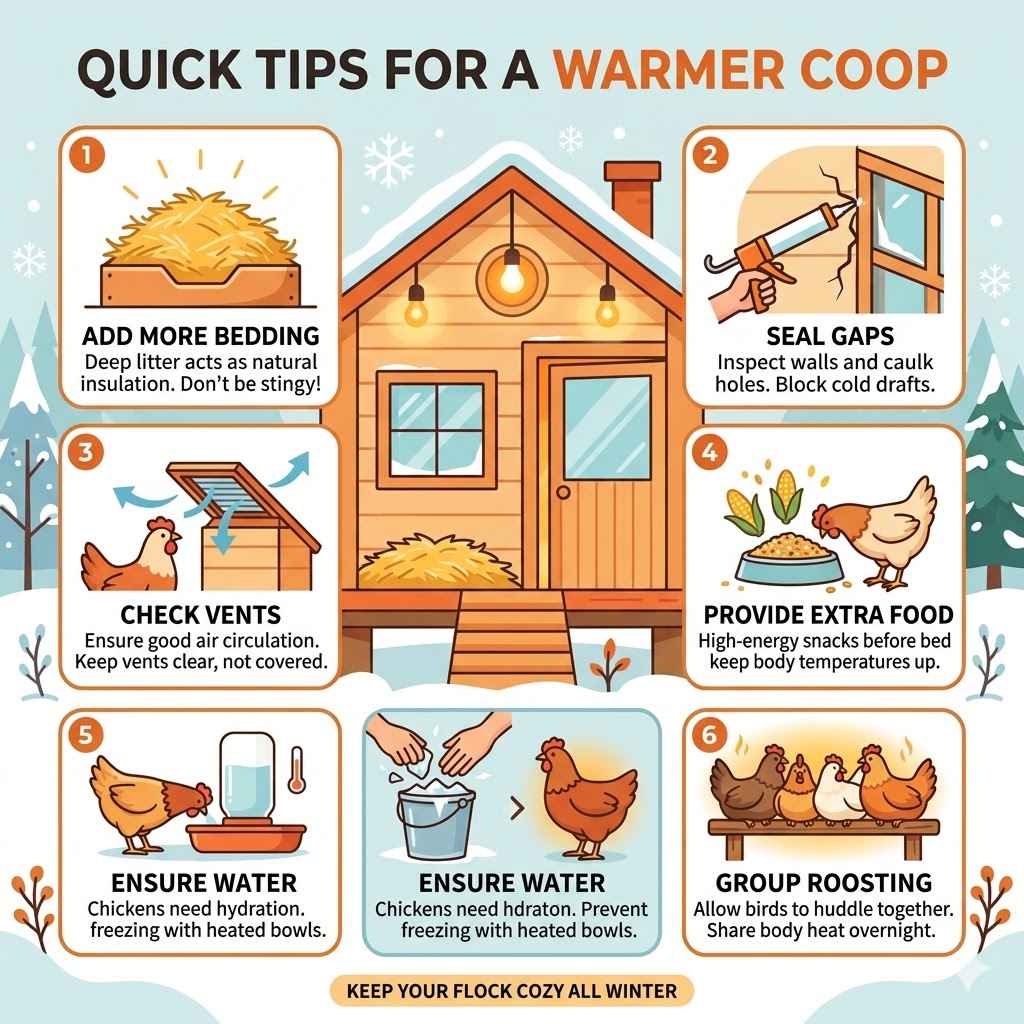
Quick Tips for a Warmer Coop
Here are some easy things you can do.
Add More Bedding: Always err on the side of more bedding in winter.
Seal Gaps: Walk around your coop and caulk any holes.
Check Vents: Make sure they are clear.
Provide Extra Food: A little scratch grain before bed helps.
Ensure Water: Break ice or use a heated waterer.
Group Roosting: Make sure roost bars allow birds to huddle.
Frequently Asked Questions About Winter Coops
Can chickens survive in a very cold coop without heat?
Yes, healthy chickens can survive very cold temperatures if their coop is properly set up. This means good insulation, dry bedding, ventilation to manage moisture, and protection from drafts and wind. Their natural feathering and ability to huddle together provide warmth.
The key is creating a dry, draft-free environment that traps their own body heat.
How deep should the bedding be in a winter chicken coop?
For the deep litter method, aim for 4 to 6 inches of absorbent bedding to start. You’ll add more on top as needed. The goal is to have a thick layer that insulates, absorbs moisture, and generates gentle heat as it composts.
What is the best bedding for a cold chicken coop?
Pine shavings or large flake straw are excellent choices. They are absorbent and create good loft for trapping air. Avoid hay, as it can mold easily and doesn’t break down as well in the deep litter method.
How do I prevent my chicken coop from freezing?
Preventing freezing involves keeping the coop dry and well-ventilated. Moisture inside the coop can freeze. Good insulation helps maintain a slightly warmer temperature.
Regularly breaking ice in waterers is essential. In extremely cold climates, a heated waterer is the most reliable solution for providing unfrozen water.
Should I close the chicken coop vents in winter?
No, you should not close the vents entirely. While you want to prevent direct drafts, ventilation is crucial. It allows moisture from the chickens’ breath and droppings to escape.
This keeps the coop dry, which is vital for warmth and health. Aim for controlled ventilation, allowing fresh air in without creating cold streams.
How can I tell if my chickens are too cold?
Signs include shivering, constant fluffing of feathers, huddling tightly even during the day, lethargy, and reduced activity. You may also see frost on their combs and wattles in extreme cold. If you notice these, reassess your coop’s insulation, ventilation, and bedding.
Conclusion
Keeping your chickens warm and safe through the winter is achievable without risky heaters. It’s about creating a smart, natural environment. Focus on good insulation, smart ventilation, and deep, absorbent bedding. Your flock’s own body heat, combined with these methods, can create a cozy haven. A little extra attention to their food and water also goes a long way. With these steps, your chickens can stay happy and healthy all winter long.