Removing Carpet Adhesive From Hardwood Floors (No Damage)
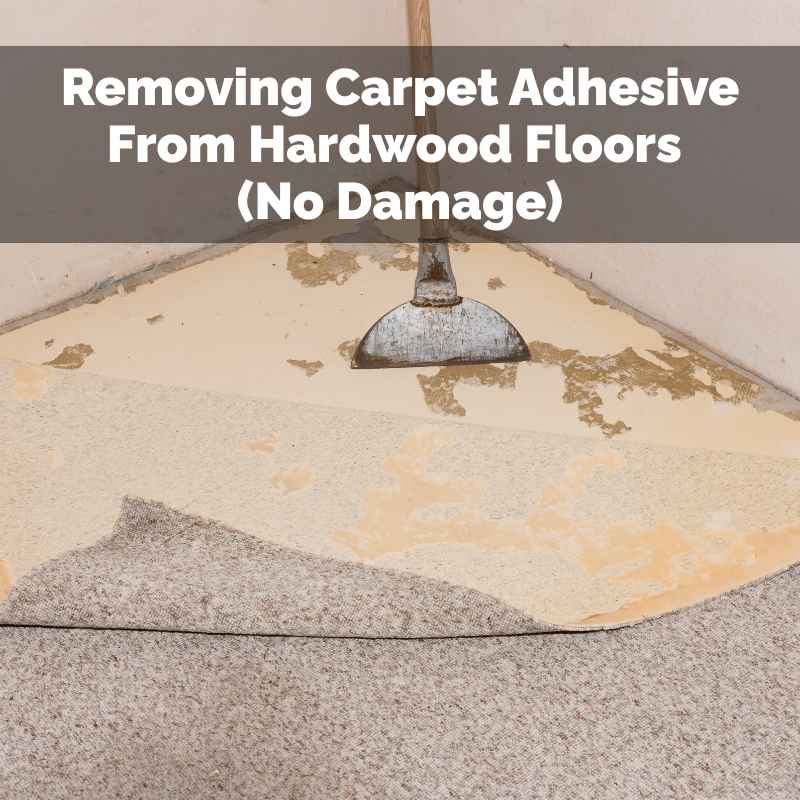
This guide will show you safe ways to remove carpet glue from hardwood. You’ll learn what tools to use and what methods work best. We’ll cover common issues and how to avoid damaging your beautiful wood floors. You’ll get your floors looking clean and new again.
Understanding Carpet Adhesive and Hardwood
Carpet adhesive is a strong glue. It holds carpet in place. It’s designed to be sticky and tough.
This is good for carpets. It’s not so good when it’s stuck to wood. Hardwood floors are beautiful.
They can also be sensitive. Some glues are water-based. Others are solvent-based.
The type of glue matters. It affects how you clean it. Hardwood itself can be finished or unfinished.
Finished floors have a protective top layer. This layer helps resist stains and damage. Unfinished floors soak things up.
Cleaning methods must be gentle. You don’t want to scratch or dull the wood. You also don’t want to lift the finish.
The main goal is to dissolve or loosen the carpet adhesive. You want to do this gently. The hardwood floor is delicate.
Think of it like a protective skin. You need to clean the skin without hurting it. Common glues include latex-based adhesives.
There are also epoxy-based ones. Some might be asphalt-based. Knowing what you’re dealing with helps.
But often, you don’t know the exact type. So, starting with the gentlest methods is best. Then you can try stronger ones if needed.
Always test a small, hidden spot first.
My Experience: The Sticky Surprise
I remember pulling up old carpet in my first apartment. It was shag carpet. It looked so dated.
I was excited to see the hardwood floor underneath. I thought it would be a quick job. Just peel up the carpet.
Then, maybe a quick sweep. Nope. Underneath was a thick layer of dark, sticky adhesive.
It was everywhere. It looked like a giant chocolate stain. My heart sank a little.
I had no idea how to clean this. I worried I’d have to sand the whole floor. That seemed like way too much work and money.
I felt a bit panicked. I had a vision of beautiful, clean wood floors. This sticky mess was a nightmare.
I touched it, and my finger stuck. Ugh. It was like glue traps for my fingers.
I started scraping with a putty knife. That just pushed the goo around. It made it worse.
Some of it got under the edges of the floorboards. I felt so frustrated. Was I going to ruin my new, found floors?
I took a deep breath. I decided to research. I needed a gentle approach.
I found a few ideas. Some involved water. Others involved oils.
I was scared to use water on wood. But I decided to try a little oil first. It took time.
A lot of elbow grease. But it started to lift. Slowly, the sticky mess began to come off.
It was a relief. It taught me patience is key. And the right tools make a big difference.
Safe Cleaning Supplies to Have Ready
What You Need:
- Plastic scraper or putty knife (with rounded corners if possible)
- Microfiber cloths
- Soft rags
- Warm water
- Mild dish soap
- Natural oils (like mineral oil, coconut oil, or vegetable oil)
- Rubbing alcohol (isopropyl alcohol)
- Commercial adhesive remover (use with caution)
- Gloves
- Safety glasses
Having these items on hand makes the process smoother.
The Gentle Approach: Starting with Oils
When faced with carpet glue on hardwood, always start gently. Oils are a great first step. They can break down many types of adhesives.
They are also usually safe for finished hardwood floors. Mineral oil is a popular choice. Coconut oil or even vegetable oil can work too.
These oils help to lubricate the glue. They also soften it. This makes it easier to scrape away.
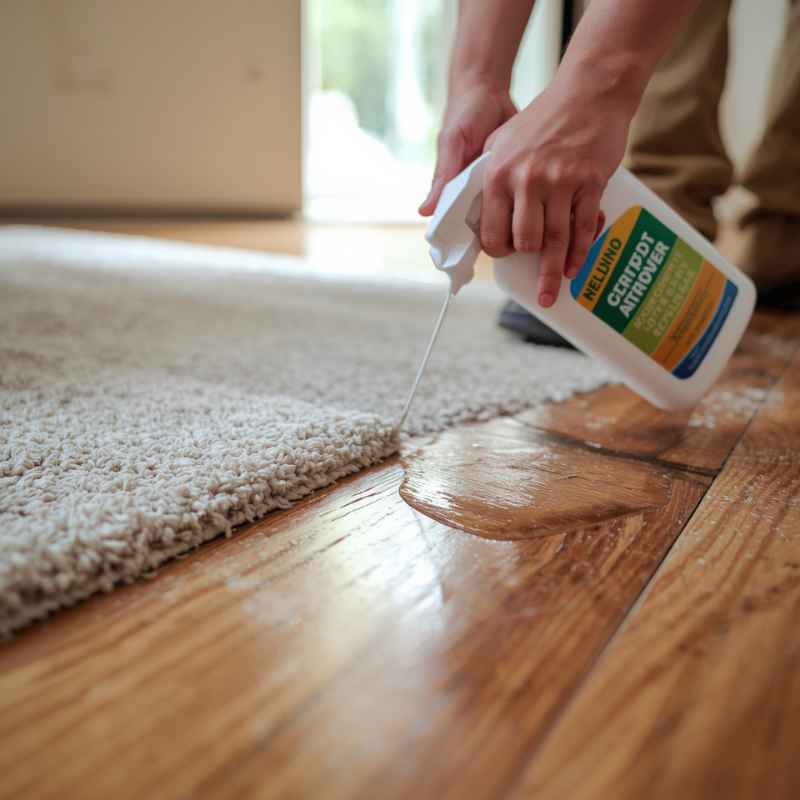
Here’s how to do it: Apply a generous amount of oil. You can pour it directly onto the sticky spots. Or, dip a rag in the oil.
Then, dab it onto the adhesive. Let it sit for a while. About 15 to 30 minutes is good.
This gives the oil time to work. It needs to soak into the glue. After letting it sit, use a plastic scraper.
Gently scrape the softened adhesive. Work in the direction of the wood grain. Try to lift the glue.
Don’t force it. If it’s still too sticky, apply more oil. Let it sit longer.
This method is slow. But it’s very safe. It won’t damage your floor’s finish.
Once you scrape off the bulk of the glue, you’ll have some oily residue. That’s normal. You can clean this up next.
Use a soft rag. Dampen it with a little warm water. Add a tiny drop of mild dish soap.
Gently wipe the area. Then, wipe again with a clean, damp rag. Finally, dry the spot thoroughly with a dry cloth.
This removes the oil and any remaining stickiness.
Tip: Oil for Stubborn Spots
Scenario: A thick, old patch of glue.
Action: Apply oil. Cover the oiled spot with plastic wrap. This keeps the oil from evaporating.
Let it sit for an hour or even longer. Then scrape.
Why it works: Trapping the oil helps it penetrate deeper. It softens tough adhesives better.
Moving On: Rubbing Alcohol Method
If the oil method doesn’t quite get everything, rubbing alcohol is the next step. Rubbing alcohol, also known as isopropyl alcohol, is a solvent. It can dissolve many sticky residues.
It’s usually safe for sealed hardwood floors. But it’s stronger than oil. So, it’s important to use it carefully.
Always test it in an inconspicuous area first.
To use rubbing alcohol: Dampen a clean cloth or cotton ball with rubbing alcohol. You don’t want to soak the wood. Just make the cloth damp.
Gently rub the sticky spots. You should see the adhesive start to loosen and dissolve. As it loosens, use your plastic scraper to lift it away.
Work in small sections. Wipe up the dissolved glue with a clean part of the cloth. Or use a fresh cloth.
Keep applying alcohol as needed. Work your way through the sticky areas.
Once the glue is gone, you need to clean the area. Alcohol can dry out wood finishes if left on. Use a clean, damp cloth with warm water and a tiny bit of mild soap.
Wipe the area to remove any alcohol residue. Then, rinse with a clean, damp cloth. Finally, dry the spot very well with a soft, dry towel.
This helps prevent water damage. Rubbing alcohol is effective. It’s often the key to removing the last bits of stubborn glue.
Contrast: Oil vs. Alcohol
Oil:
- Pros: Very safe for most finishes, good for initial softening.
- Cons: Can be slow, might leave an oily residue that needs extra cleaning.
Rubbing Alcohol:
- Pros: Dissolves glue effectively, evaporates quickly.
- Cons: Can dull some finishes if used too much or not cleaned off properly, requires testing.
When to Consider Commercial Removers
Sometimes, even oil and rubbing alcohol aren’t enough. This is rare. But it can happen with very old or tough adhesives.
In these cases, you might need a commercial adhesive remover. There are many products made specifically for this. Products like Goo Gone or WD-40 are often mentioned.
Some are citrus-based. Others use stronger solvents.
Important safety note: Always read the product label carefully. Follow the instructions precisely. Many of these products are for specific surfaces.
You must check if they are safe for finished hardwood floors. Some can damage the finish. They might cause discoloration or dullness.
Always test these products in a very hidden spot first. Let it dry completely. Check for any adverse effects before using it on a larger area.
If you use a commercial remover: Apply it sparingly to the adhesive. Let it sit for the time recommended on the label. Then, use your plastic scraper to lift the softened glue.
Clean the area thoroughly afterward. This usually involves wiping with a damp cloth. Then drying the area completely.
If you’re unsure about a product, it’s better to avoid it. Sometimes, the risk of damaging your floors is too high. You might need to call a professional flooring expert.
Quick-Scan Table: Removal Methods
| Method | Best For | Caution |
|---|---|---|
| Oil (Mineral, Coconut, Veggie) | Initial softening, light to medium adhesive. | Can be slow, requires thorough cleaning afterward. |
| Rubbing Alcohol | Dissolving more stubborn adhesive. | Test first, clean off thoroughly to avoid dulling finish. |
| Commercial Removers | Very tough, old adhesives. | Risk of finish damage, must test and follow instructions precisely. |
Scraping Techniques: The Right Way to Scrape
Scraping is a crucial part of removing carpet glue residue. But how you scrape matters a lot. The wrong technique can scratch your hardwood floors.
It can also embed the glue deeper. The key is to be gentle and patient. Always use a plastic scraper.
Metal putty knives are too harsh. They can easily gouge the wood. If you only have a metal putty knife, try to cover the edge with tape.
Or file down the corners to make them less sharp.
Scrape in the direction of the wood grain. This is very important. Wood grain runs along the length of the floorboards.
Scraping across the grain can cause visible scratches. Hold the scraper at a low angle. About 30 degrees to the floor is good.
This allows you to slide under the adhesive. Try to lift the glue. Don’t push it.
If a spot is really stuck, don’t force it. Go back to softening it with oil or alcohol.
Work in small sections. As you loosen glue, remove it immediately. Don’t let it re-stick to the floor.
Use a damp cloth or paper towels to pick up the scraped-off glue. Dispose of it properly. If you scrape away a lot of glue, you might notice some slight dulling of the finish.
This is usually temporary. A good cleaning and maybe a polish afterward will help. The goal is to lift the glue without lifting the finish.
Patience and the right angle are your best friends here.
What This Means For You: Scraping Basics
Angle: Keep your scraper low (around 30 degrees).
Direction: Always scrape with the wood grain.
Pressure: Gentle and steady. Let the softening agent do the work.
Tool: Plastic scraper is ideal. Avoid metal unless absolutely necessary and modified.
Dealing with Different Floor Finishes
The type of finish on your hardwood floor plays a big role. Most modern hardwood floors have a polyurethane finish. This finish is tough.
It provides a good barrier against moisture and stains. It’s generally quite forgiving with the gentle methods described above.
Older homes might have different finishes. Some might have wax finishes. Wax finishes are softer.
They can be more easily damaged by solvents like rubbing alcohol. If you have a waxed floor, stick strictly to the oil method. You may need to re-wax the area after cleaning.
Some floors might have oil-based finishes. These also require a gentle approach. Always test any cleaning product on a hidden area first.
If you’re unsure what kind of finish you have, a good rule of thumb is to be extra cautious. Start with the absolute gentlest method (oil). Then, move to slightly stronger ones like alcohol.
Avoid harsh chemicals. If you see any signs of the finish being lifted or dulled, stop. You might need to consult a flooring professional.
They can identify your finish. They can also recommend the safest cleaning products. Taking care of your floor’s finish is as important as removing the glue itself.
The Importance of Testing First
I cannot stress this enough: Always test your cleaning solution first. This is the most critical step. Even gentle cleaners can react differently with different floor finishes. What works perfectly on one floor might damage another.
Find a small, inconspicuous area of your hardwood floor. This could be inside a closet. Or in a corner that’s not usually visible.
Apply your chosen cleaner (oil, alcohol, or commercial product) to this test spot. Follow the same steps you would use for the main cleaning area. Let it sit for the recommended time.
Scrape gently. Clean the residue. Then, let the spot dry completely.
Check for any changes. Look for dullness, discoloration, or damage to the finish. If the test spot looks good, then you can proceed with cleaning the rest of your floor.
If the test spot shows problems, try a gentler method. Or consult a professional.
This small step can save you a lot of heartache. It’s your insurance policy against damaging your beautiful hardwood floors. It takes only a few minutes.
But it can prevent costly repairs down the line. Always remember the golden rule: test before you trust.
Observation Flow: Testing Process
- Identify Test Area: Choose a hidden spot (closet, corner).
- Apply Cleaner: Use your chosen method (oil, alcohol, etc.).
- Wait: Allow the cleaner to work as per instructions.
- Scrape Gently: Use a plastic scraper, with the grain.
- Clean Residue: Wipe with a damp cloth, then dry.
- Dry Fully: Let the test spot air dry completely.
- Inspect: Check for any damage, discoloration, or dullness.
- Proceed or Re-evaluate: If clear, move to main area. If issues, try a gentler method or seek advice.
Final Clean-Up and Protection
After you’ve successfully removed all the carpet adhesive from hardwood, you’re almost done. The final steps are crucial. They ensure your floors look great.
They also help protect them moving forward. Once the glue is gone, there might still be a slight film. This could be from the oil or the cleaning solution.
A final wipe-down is needed.
Use a clean microfiber cloth. Dampen it with plain warm water. Wipe down the entire area where you cleaned.
This removes any lingering residue. Then, immediately dry the area thoroughly with another clean, dry cloth. This is very important.
Standing water can damage hardwood floors. It can lead to warping or discoloration.
Depending on the products you used, your floors might look a little dull. If you used oils, they might look a bit too shiny. If you used alcohol, they might look a bit dry.
You can use a hardwood floor cleaner that’s appropriate for your finish. Follow the product instructions. This will help restore the shine.
Some people like to use a wood polish. This can add an extra layer of protection. Make sure it’s compatible with your floor’s finish.
A little care at the end goes a long way. It leaves your floors looking pristine.
When to Call a Professional
Most of the time, you can tackle carpet adhesive yourself. The methods described are effective. They are also safe when done correctly.
However, there are times when it’s best to call in the experts. If you have very old, delicate, or antique hardwood floors, be cautious. If you’re dealing with a floor that has a very specific or unusual finish, professional advice is wise.
Another reason to call a pro is if you’ve tried gentle methods. You’ve tested carefully. But the adhesive just won’t budge.
Or if you’ve accidentally damaged the finish. A professional flooring company has specialized tools. They have stronger, yet safe, cleaning agents.
They also have the expertise to know how to use them. They can often remove stubborn adhesives. They can also repair minor damage to the finish.
Don’t feel discouraged if you need help. It’s better to get professional assistance. This ensures your floors are restored correctly.
It avoids costly mistakes. When in doubt, always err on the side of caution. The beauty and longevity of your hardwood floors are worth it.
Frequently Asked Questions
Can I use a razor blade to scrape off carpet adhesive?
It’s generally not recommended to use a razor blade on hardwood floors. Razor blades are very sharp. They can easily scratch or gouge the wood, even if you’re careful.
A plastic scraper is much safer. If you absolutely must use a blade, ensure it’s at a very low angle and only on the adhesive itself, avoiding the wood. But a plastic scraper is always the preferred tool.
Is it safe to use heat to remove carpet adhesive?
Using heat, like from a hairdryer, can sometimes help soften adhesive. However, be very careful. Too much heat can damage the finish on your hardwood floors.
It can cause discoloration or warping. If you try heat, use a low setting. Keep the dryer moving constantly.
Don’t focus it on one spot for too long. It’s often safer to stick with solvents like oil or alcohol.
How do I know if my hardwood floor is sealed or unsealed?
A simple test is to drop a small amount of water onto the floor in an inconspicuous area. If the water beads up and stays on the surface, your floor is likely sealed. If the water soaks in quickly and darkens the wood, it’s likely unsealed or has a weak finish.
For unsealed floors, always use the gentlest methods and avoid excess moisture.
Will WD-40 remove carpet glue from hardwood?
WD-40 can sometimes work on adhesive. It’s a solvent. However, it’s not specifically designed for hardwood floors.
It can leave an oily residue. It might also affect some finishes. Always test WD-40 in a hidden spot first.
If you use it, make sure to clean the area thoroughly afterward with a mild soap and water solution, then dry it well.
How long does it take to remove carpet adhesive?
The time it takes varies greatly. It depends on the amount of adhesive, its type, and how long it’s been there. Simple spots might take a few minutes.
Large areas with tough glue could take several hours. Patience is key. Rushing the process can lead to damage.
Break it down into smaller sessions if needed.
Can I use vinegar to remove carpet adhesive?
Vinegar is acidic. While it can cut through some sticky residues, it’s generally not recommended for hardwood floors. Its acidity can dull or damage the floor’s finish.
It’s safer to use oil-based products or rubbing alcohol. If you must try vinegar, dilute it heavily with water and test it in a hidden spot first.
Conclusion
Removing carpet adhesive from hardwood floors might seem daunting. But with the right approach, it’s a manageable DIY task. Start gentle with oils.
Move to rubbing alcohol if needed. Always test first. Scrape carefully with the grain.
Clean up thoroughly. Your beautiful hardwood floors are worth the effort. You can achieve a clean, smooth surface again.
Enjoy your refreshed floors!
Sponsored / affiliate links. As an Amazon Associate I earn from qualifying purchases. I may earn additional commission from eligible campaigns.