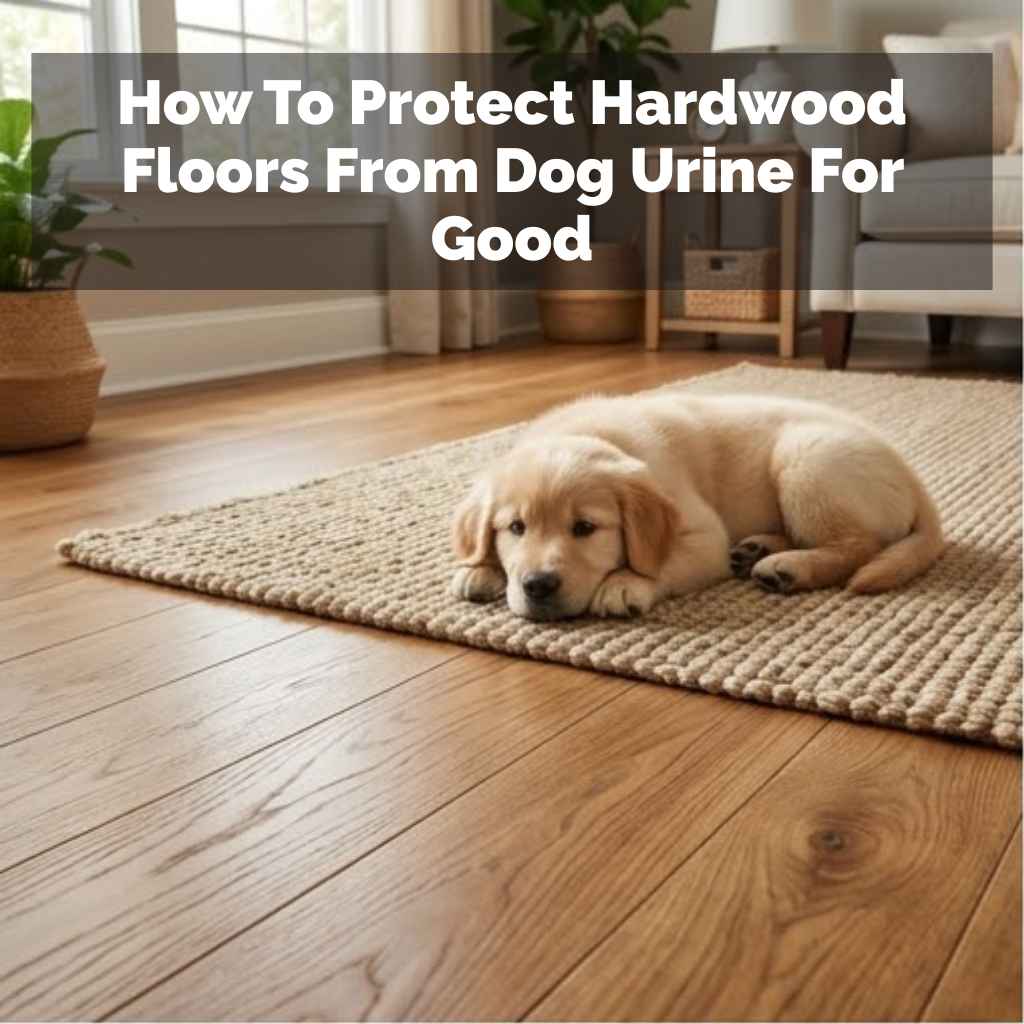
How To Protect Hardwood Floors From Dog Urine For Good
Protecting hardwood floors from dog urine involves understanding the risks, acting fast when accidents happen, and using the right methods to clean and seal your floors. It’s about being prepared and knowing what steps to take to prevent damage and odors.
Understanding Dog Urine and Hardwood Floors
Dog urine is more than just a liquid. It’s a complex mix of water, urea, uric acid, and other waste products. When it hits hardwood, it can cause several problems. The moisture can seep into the wood grain. This can lead to swelling and warping. Even worse, the uric acid in urine crystallizes. These crystals are hard to remove. They can cause lasting stains and a persistent odor. Over time, repeated accidents can break down the wood’s finish. This makes the floor even more vulnerable.
Hardwood floors have a protective finish on top. This finish is usually polyurethane or a similar sealant. It’s your first line of defense. However, this finish isn’t always perfect. It can have tiny cracks or wear down over time. This allows urine to get past the barrier. The longer urine sits on the floor, the more damage it can do. This is why speed is so important when cleaning up accidents. Understanding the chemistry of urine and the nature of wood helps us see why prompt action is key.
Your First Line of Defense: Quick Cleanup is Key
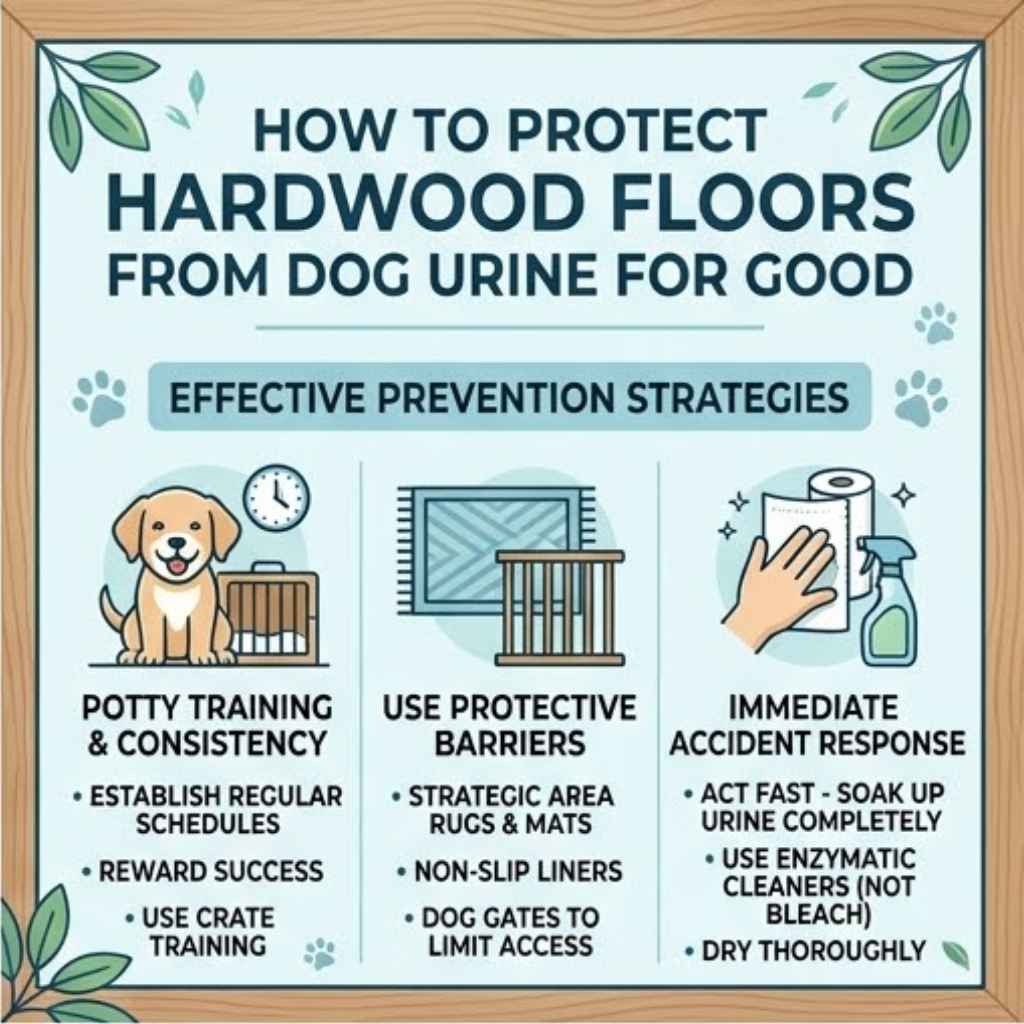
When your dog has an accident, your immediate goal is to remove as much of the liquid as possible. Don’t rub or spread the mess. Instead, blot it up. Use clean paper towels or absorbent cloths. Press down firmly. You want to soak up the wetness. Think of it like soaking up a spilled drink. You don’t want to push it deeper into the carpet. The same applies to your hardwood floors.
After blotting, you need to clean the spot. Use a damp cloth. A little bit of mild soap and water can help. Be sure to use a soap that is safe for hardwood floors. Avoid harsh chemicals. Rinse the cloth well. Wipe the area again to remove any soap residue. Then, dry the spot completely. Use a clean, dry towel. Leaving moisture on the wood can still cause damage. This quick cleanup prevents the urine from soaking deep into the wood. It’s the most critical step in protecting your floors.
Immediate Action Checklist
Don’t Panic: Take a deep breath. Your dog isn’t doing it to be bad.
Grab Supplies: Have paper towels and a cleaning solution ready.
Blot, Don’t Rub: Soak up the mess with paper towels.
Gentle Wash: Use a pH-neutral cleaner for wood floors.
Rinse and Dry: Remove all cleaner and dry the spot well.
Choosing the Right Cleaners for Dog Urine
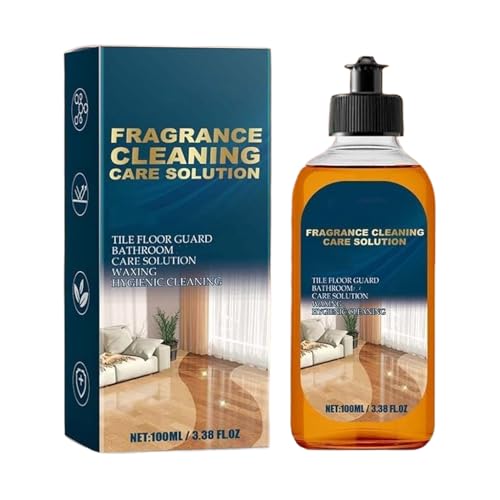
Not all cleaners are created equal when it comes to hardwood floors. Many common household cleaners can strip the finish or even damage the wood itself. For dog urine, you need something that can neutralize odors and break down the stain without harming your floor.
Enzymatic cleaners are often recommended for pet messes. These cleaners contain special enzymes. These enzymes break down the organic matter in urine. They essentially “eat” the stain and the odor. This is more effective than just masking the smell. Look for a cleaner specifically made for hardwood floors. Always test any cleaner in an inconspicuous spot first. This ensures it won’t damage your floor’s finish.
Another option is a solution of white vinegar and water. Mix equal parts white vinegar and water. Vinegar is a natural disinfectant. It can help to break down the uric acid crystals. Apply this solution with a damp cloth. Wipe the area. Then, rinse with a clean, damp cloth. Finally, dry the area thoroughly. Some people also use a bit of baking soda. Make a paste with baking soda and water. Apply it to the stain. Let it dry. Then, vacuum or wipe it away. Always follow up with a dry cloth.
Enzymatic Cleaner Tips
Read Labels: Make sure it’s safe for hardwood.
Follow Instructions: Apply as directed by the manufacturer.
Allow Dwell Time: Enzymes need time to work.
Ventilate: Open windows during use.
Test Area: Always test on a small, hidden spot first.
Dealing with Old or Set-In Stains
Sometimes, you find a stain that’s already there. Maybe you didn’t notice it right away. Or perhaps a previous accident wasn’t cleaned properly. These older stains can be trickier. The urine has had more time to soak into the wood and interact with the finish.
For set-in stains, you might need a stronger approach. You can try the enzymatic cleaner or vinegar solution again. Apply it generously. Let it sit for a longer period. Sometimes, gentle scrubbing with a soft brush can help lift the stain. Be very careful not to damage the wood’s finish.
If the stain is very deep, you might see a dark spot. This is often discoloration of the wood itself. In some cases, you might need to use a wood bleach. This is a more aggressive treatment. It can lighten the wood. You will need to be very careful. Wood bleach can also affect the surrounding wood. You’ll want to match the color as closely as possible. This might involve refinishing a small section of the floor. For very stubborn stains, consult a professional flooring expert.
Stain Removal Matrix
| Stain Type | Method | Caution |
|---|---|---|
| Fresh Accident | Blot, clean with pH-neutral cleaner, dry. | Act immediately. |
| Recent Stain (Hours Old) | Enzymatic cleaner or vinegar/water mix, blot, dry. | Gentle scrubbing if needed. |
| Old Stain (Days/Weeks Old) | Repeat enzymatic cleaner or vinegar. Longer dwell time. | Risk of finish damage. |
| Deep Discoloration | Wood bleach (use with extreme care), professional help. | Can alter wood color. Refinishing may be needed. |
Preventing Future Accidents: Training and Management
The best way to protect your hardwood floors is to prevent accidents from happening in the first place. This is especially true for puppies and older dogs who may have less control. Consistent training and good management are key.
For puppies, potty training needs to be a top priority. Take them outside frequently. Reward them every time they go to the bathroom in the right spot. Watch for signs that they need to go, like sniffing or circling. For older dogs, accidents can sometimes signal health issues. If your dog suddenly starts having accidents, it’s a good idea to visit the vet. They might have a urinary tract infection or other health concerns.
Other management techniques include using doggy doors if possible. This gives them more freedom to go outside when they need to. Crate training can also be helpful. Dogs are naturally clean animals. They often avoid soiling their sleeping area. Make sure the crate is the right size. It shouldn’t be too large. When you can’t supervise your dog, consider keeping them in an area with easy-to-clean flooring. This could be a kitchen or laundry room with tile.
The Role of Your Dog’s Health
It’s important to remember that dogs don’t have accidents just to be naughty. There are usually underlying reasons. Understanding these reasons can help you prevent damage to your floors.
Puppies are still learning. Their bladders are small. They need frequent trips outside. Older dogs may develop medical conditions. These can include urinary incontinence, kidney disease, or diabetes. These conditions can cause them to lose bladder control. If you notice a sudden change in your dog’s behavior regarding potty habits, a vet visit is crucial. Addressing the health issue is the best way to stop the accidents.
Sometimes, anxiety can play a role. Separation anxiety can cause dogs to urinate inside. Stress from changes in the household, like a new pet or a move, can also trigger accidents. If you suspect anxiety, work with a professional dog trainer or a veterinary behaviorist. They can help you develop a plan to manage your dog’s stress. This will also protect your floors.
Choosing the Right Floor Finish for Pets
When you’re installing new hardwood floors or refinishing old ones, the type of finish you choose makes a big difference. Some finishes are much more durable and resistant to pet accidents than others.
Polyurethane finishes are very common. They offer good protection. Water-based polyurethanes are generally clearer and more flexible. Oil-based polyurethanes tend to be harder and more resistant to scratches. However, they can also be more prone to yellowing over time. For pet owners, a finish with good water resistance and durability is essential.
Hardwax oils are another option. These penetrate the wood and create a more natural look. They can be easier to repair. If a spot gets damaged, you can often reapply oil to just that area. However, some hardwax oils might not offer as much surface protection against deep saturation as a thick polyurethane layer. Always discuss your pet situation with your flooring installer or refinisher. They can recommend the best finish for your needs.
Sealing Your Hardwood Floors for Maximum Protection
Applying a good sealant is one of the most effective ways to protect your hardwood floors. The sealant creates a barrier. This barrier prevents liquids from soaking into the wood. There are several types of sealants available.
Polyurethane is a popular choice. It’s a very common finish for hardwood floors. It forms a hard, protective layer on top of the wood. There are both water-based and oil-based polyurethanes. Water-based finishes dry faster. They are also lower in VOCs (volatile organic compounds). Oil-based finishes can be more durable but take longer to dry and have stronger odors. For best protection against urine, a good quality polyurethane, applied in multiple coats, is a strong option.
Another type of sealant is an epoxy coating. These are extremely durable and waterproof. However, they can also create a very plastic-like appearance. This might not be the look you want for your hardwood. Some people also consider wax finishes. Wax provides some protection. But it’s not as durable as polyurethane or epoxy. It can also be more susceptible to scratching and water damage. Regardless of the type, ensure the sealant is fully cured before letting your dog back onto the floors.
Sealant Application Basics
Prep is Key: Ensure the floor is clean and dry.
Multiple Coats: Apply two or more thin coats for best results.
Work in Sections: Follow manufacturer directions for application.
Drying Time: Allow ample drying and curing time.
Ventilation: Use in a well-ventilated area.
My Own Close Call with a “Phantom Puddle”
I remember one time, years ago, when I had just finished refinishing my living room floor. It was beautiful. A warm, rich oak with a fresh coat of polyurethane. My Golden Retriever, Buster, was about two years old. He was usually so good. We were getting ready to host a party. I was rushing around, putting out snacks. Buster was snoozing on the rug.
Later that evening, as guests started arriving, I noticed a small, dark spot on the floor. It was near the edge of the rug. My heart sank. I had that awful feeling. I immediately went to check. It looked like a tiny puddle. I grabbed paper towels and started blotting. I cleaned it with my usual wood floor cleaner. I dried it thoroughly. I kept looking at it, hoping it would just disappear. But a faint watermark remained.
I was so upset. I had spent so much time and money on those floors. I thought, “How could this happen? He never has accidents!” I realized he must have had a tiny bit of a tummy ache. He probably didn’t even realize he was doing it. Or maybe he held it too long and it just dribbled out. It was a stark reminder that even well-trained dogs can have issues. That incident really drove home for me how important it is to be prepared. I started keeping a special pet stain remover kit right by the back door. I also made sure to check Buster’s water intake before bed. It was a valuable, though stressful, lesson.
Considering Different Wood Types and Their Vulnerability
Not all hardwood floors are created equal. Some types of wood are naturally more porous or softer than others. This makes them more susceptible to damage from pet urine.
For instance, softwoods like pine are much more prone to scratches and dents. They also absorb liquids more readily. This means urine can soak in faster. Hardwoods like oak, maple, and hickory are generally more durable. They have a denser grain. This provides a better natural barrier against moisture.
The grain pattern of the wood also plays a role. Woods with more open grain patterns might allow liquids to penetrate more easily. When choosing new hardwood, consider its hardness rating (Janka hardness scale) and its natural resistance to moisture. If you already have softer woods, being extra vigilant with cleaning and sealing is even more critical.
Understanding the Odor Problem: Beyond the Visible Stain
The visible stain is one problem. The lingering odor is another. Even after you clean the visible mess, the uric acid crystals can remain in the wood. These crystals can react with moisture in the air. This releases an ammonia-like smell. This is why you might smell “dog” in a room even after you can’t see any mess.
The odor can be particularly strong in humid conditions. It can also return when you mop the floors. This is because the mop water can reactivate the crystals. This is where enzymatic cleaners are so important. They are designed to break down these odor-causing compounds. Simply masking the smell with air fresheners won’t solve the root problem. You need to eliminate the source of the odor.
Regular cleaning and proper sealing help prevent this. But if odors persist, you might need to try a specialized odor eliminator for pet stains. Some people have success with activated charcoal absorbers placed in the room.
Odor Neutralization Steps
Identify Source: Pinpoint the exact location of the accident.
Enzymatic Cleaner: Use a quality cleaner that targets uric acid.
Dwell Time: Let the cleaner work as directed.
Ventilate: Air out the room to dissipate odors.
Repeat if Needed: Stubborn odors may require multiple treatments.
When to Call a Professional
There are times when DIY solutions just aren’t enough. If you have deep stains that you can’t remove, or if the odor is persistent, it might be time to call in the experts. Professional flooring companies have specialized tools and products. They can often tackle stains and odors that homeowners can’t.
They might have access to stronger wood bleaches or professional-grade odor treatments. They can also assess the damage to your floor’s finish. They can then recommend the best course of action. This could include refinishing a section of the floor or even replacing damaged boards.
Don’t hesitate to reach out to a professional if you’re unsure. It’s better to get expert advice than to try a harsh treatment that could cause more damage. They can save your floors and your sanity.
Protecting Your Investment: Long-Term Strategies
Protecting your hardwood floors from dog urine is an ongoing effort. It requires a combination of prevention, quick action, and regular maintenance. Think of it as protecting a valuable investment in your home.
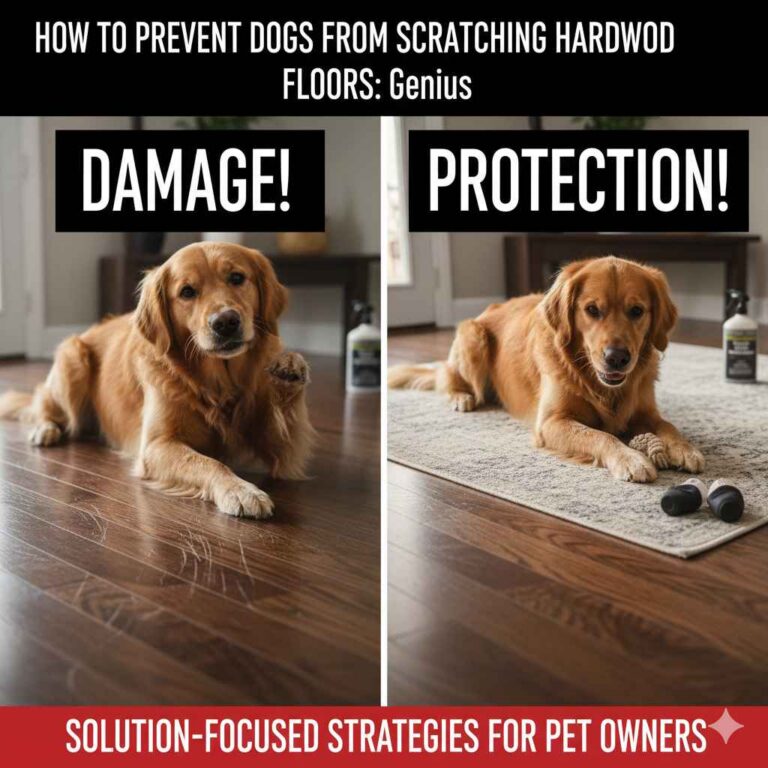
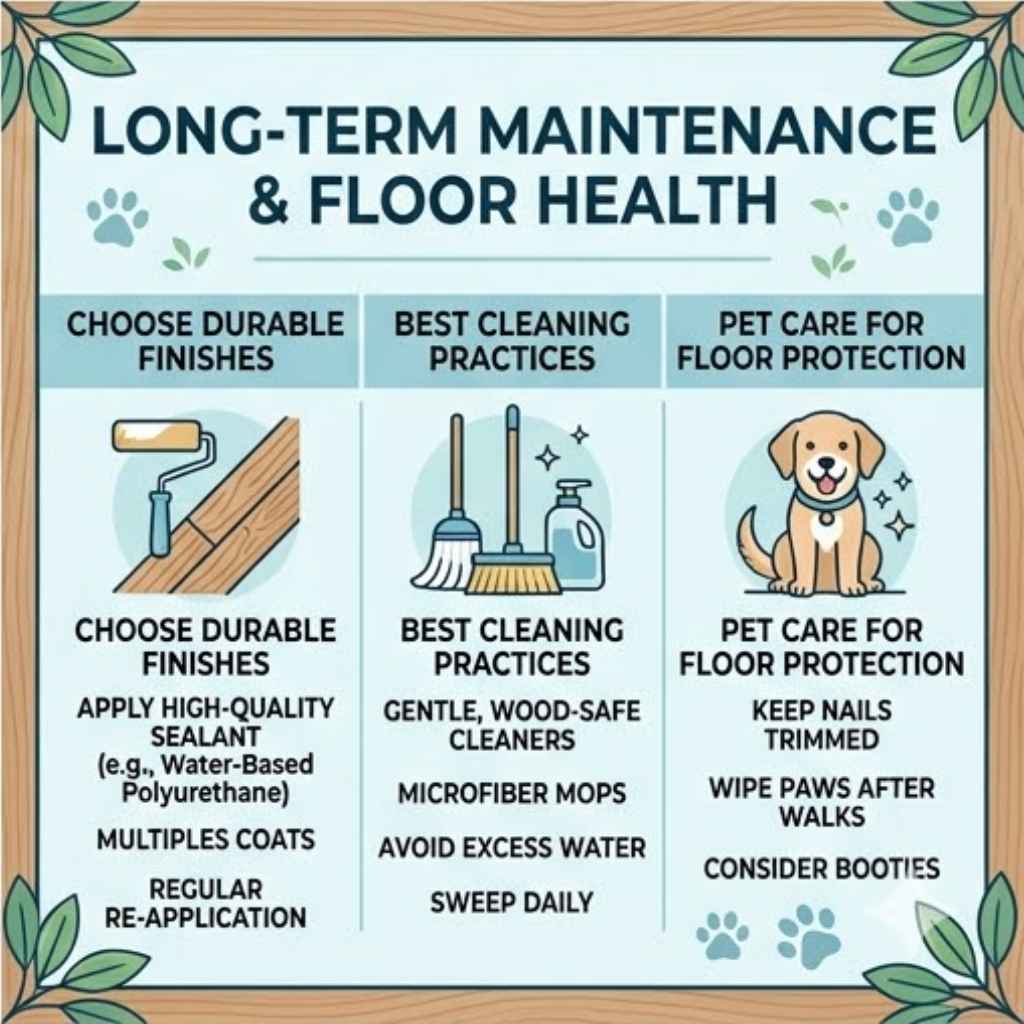
Regularly inspect your floors. Look for any signs of wear and tear on the finish. Be extra vigilant in areas where your dog spends most of its time. Keep your dog’s nails trimmed. This helps prevent scratches that can create entry points for moisture. Sweep or vacuum your floors daily. This removes dirt and grit that can scratch the finish.
Mop your floors periodically with a cleaner specifically designed for hardwood. Avoid using too much water. Always ensure the floor dries quickly. If you’re going away for an extended period, consider boarding your dog or having a pet sitter come in. This reduces the risk of accidents while you’re not there to supervise.
The Importance of Regular Maintenance and Checks
Maintenance isn’t just about cleaning up accidents. It’s also about keeping your floors in good condition so they’re less likely to be damaged. A well-maintained floor has a strong, intact finish. This finish is your best defense against urine.
Periodically check the condition of your floor’s finish. Is it dull in some areas? Are there any scratches or chips? If you notice the finish is wearing down, it might be time for a recoat. A recoat involves lightly screening the existing finish and applying a new layer or two. This can refresh your floor’s protection. It’s much less work than a full refinish.
Pay attention to transitions between rooms. Are there rugs or mats? These can trap moisture. Make sure they are cleaned regularly too. Also, consider where your dog likes to drink water. Spills around the water bowl can also damage hardwood floors over time. Place a waterproof mat under the water bowl.
Can Dog Urine Permanently Damage Hardwood Floors?
Yes, unfortunately, dog urine can permanently damage hardwood floors if not dealt with properly and quickly. The uric acid in urine can penetrate the wood and cause a chemical reaction. This leads to discoloration and staining that can be very difficult, if not impossible, to remove without refinishing or replacing the affected wood.
The longer the urine sits on the floor, the deeper it penetrates. It can break down the wood fibers and the finish. This can lead to warping, swelling, and permanent dark spots. Even if you clean it up, the stain might remain. The odor can also become embedded in the wood. This is why immediate cleanup and the use of appropriate cleaning agents are so critical.
Different Types of Wood and Their Susceptibility
Let’s dive a bit deeper into how different woods react.
Oak (Red and White): Oak is very popular for a reason. It’s durable and has a closed, tight grain. This makes it moderately resistant to liquid penetration. However, it can still stain and warp if urine is left untreated. White oak is generally more resistant to moisture than red oak.
Maple: Maple is another hard, dense wood. It has a fine, closed grain, which makes it quite resistant to moisture and stains. It’s a good choice for pet owners, but still requires prompt cleanup.
Hickory: Hickory is one of the hardest woods available. Its density and tight grain provide excellent protection. It’s very resistant to scratches, dents, and liquid penetration.
Pine: Pine is a softwood. It’s much less dense than hardwoods. Its open grain structure means it absorbs liquids very quickly. Pine floors are highly susceptible to staining and warping from dog urine. They require extra vigilance.
Cherry and Walnut: These woods are beautiful but tend to be softer and have more open grain. They are more prone to staining and damage from moisture than oak or maple.
Understanding your specific wood type can help you tailor your approach to protection.
The Role of Humidity and Climate
The climate you live in can also affect your hardwood floors and their susceptibility to urine damage. High humidity levels can cause wood to expand. This can open up the grain and make it easier for liquids to penetrate.
In humid climates, it’s even more important to ensure your floors are well-sealed. You might also want to use a dehumidifier in your home. This helps control the moisture levels in the air. Conversely, very dry climates can cause wood to shrink. This can also open up the grain. Maintaining a consistent, moderate humidity level is best for hardwood floors.
When urine is present in a high-humidity environment, the moisture content can exacerbate the damage. The wood might swell more significantly. This can lead to cupping or crowning of the floorboards.
What Does “Water-Based Polyurethane” Mean?
When we talk about finishes, you’ll often hear terms like “water-based polyurethane” or “oil-based polyurethane.” Let’s break that down simply.
Water-Based Polyurethane: This finish uses water as its solvent. It dries faster than oil-based finishes. It’s also typically clearer, meaning it won’t yellow your wood over time as much. It’s often lower in harsh fumes. For pet owners, it’s a good choice because it can be very durable and flexible. It’s less likely to crack.
Oil-Based Polyurethane: This finish uses mineral spirits or other oil-based solvents. It tends to create a harder, more durable surface. It also offers a warmer, amber tone to the wood. However, it takes longer to dry. It has stronger fumes. It can yellow over time, which some people like for a more traditional look.
Both can provide good protection. The key is how many coats are applied and the quality of the product. For ultimate protection against pet urine, multiple coats of a high-quality polyurethane are often recommended.
My Experience with a Recoat to Add Protection
After that “phantom puddle” incident, I decided to take proactive steps. My floors were still in good shape, but the finish was a few years old. I decided to get them “recoated.” It’s not a full sanding and refinishing. Instead, they lightly buffed the surface. This is called screening. It creates a surface for the new finish to adhere to.
Then, they applied two new coats of a water-based polyurethane. It was amazing. The floors looked brand new. But more importantly, they felt much more robust. I noticed that small spills that might have worried me before now just sat on the surface. They were easy to wipe up without leaving any trace. This recoating process was a game-changer for me. It gave me peace of mind. It felt like I had added a really strong shield to my beautiful floors. It was a cost-effective way to upgrade my floor’s protection.
When Is It Okay to Just Use a Damp Mop?
You might be wondering if you can ever just use a damp mop. The answer is usually no, not for regular cleaning with dog urine being a concern. Standard damp mopping, especially with typical household cleaners, can actually be detrimental to hardwood floors, especially when pet accidents are a possibility.
Here’s why:
Too Much Water: Hardwood and excess water are not friends. Even a “damp” mop can leave too much moisture behind. This can seep into the wood grain, causing swelling and damage over time.
Wrong Cleaners: Many general-purpose floor cleaners contain harsh chemicals. These can strip away the protective sealant layer on your hardwood. Once the sealant is gone, the wood is much more vulnerable.
Odor Reactivation: If there are any lingering uric acid crystals, mopping with water can reactivate them. This can bring back those unpleasant odors.
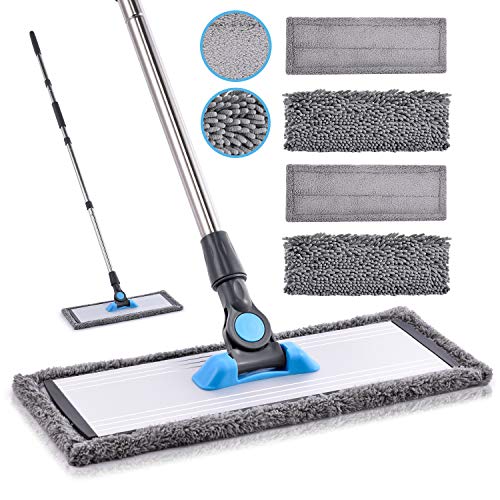
The only time a very lightly damp, well-wrung-out microfiber mop might be used is for a quick, immediate clean-up after a very fresh spill, followed by immediate drying. But for general cleaning, or if there’s any concern about past accidents, a specific hardwood floor cleaner or a diluted vinegar/water solution (followed by drying) is a safer bet.
Can You Really “Erase” a Dog Urine Stain from Wood?
The word “erase” is tricky here. For a fresh accident, you can absolutely clean it away so that no permanent damage occurs. This means blotting, cleaning with an appropriate cleaner, and drying completely. In this case, you’ve effectively prevented a stain.
However, for a stain that has set in, you can’t truly “erase” it in the sense of making it vanish completely without further treatment. The discoloration has occurred within the wood fibers themselves.
What you can do is:
Lighten it: Using enzymatic cleaners or a diluted vinegar solution might lighten the stain over time with repeated applications.
Bleach it: Wood bleach can lighten the stained area. However, this is a drastic measure. It can alter the color of the surrounding wood, requiring you to match the color by staining the entire board or even a larger section.
Sand it out: A full refinish involves sanding down the top layer of wood. This can remove the stained wood. Then, you’d reapply a new finish.
So, while you can often mitigate the damage and improve the appearance, a deep, old stain might leave a lasting mark that requires more significant intervention than simply wiping it away.
Quick Fixes vs. Long-Term Solutions
It’s easy to look for quick fixes when dealing with pet messes. But with hardwood floors, quick fixes often lead to bigger problems down the line.
Quick Fix Example: Wiping a fresh spot with a paper towel and then just leaving it, or using a general all-purpose cleaner that strips the finish.
Long-Term Solution: Immediately blotting, cleaning with a specialized enzymatic cleaner, and thoroughly drying the area. Followed by regular maintenance and proper sealing.
Trying to “cover up” a smell with air fresheners is a quick fix. It doesn’t address the uric acid crystals causing the odor. A long-term solution involves neutralizing those crystals.
When it comes to protecting your floors, think prevention and preservation, not just immediate cleanup. Invest in good quality sealants, train your dog well, and be prepared for the occasional accident. This approach saves you money and stress in the long run.
My Neighbor’s Hardwood Horror Story
My neighbor, Sarah, has absolutely stunning, antique hardwood floors. They were original to her 1920s home. She has two little terriers. She was always so careful. But one day, she was out for a few hours, and one of her dogs had a massive accident right in the middle of her living room.
She got home and found a huge, dark puddle. She grabbed a mop and started cleaning, panicking. She used a lot of water and a cleaner she usually used for her tile floors. By the time she realized it was a mistake, the damage was done. The wood started to swell. It warped the boards. The dark stain was deep.
She tried everything. She bought every special cleaner. She even tried to sand a small spot, but it made it look worse. Eventually, she had to hire a professional restorer. He managed to save most of the floor but had to
When to Worry: Signs Your Floor Needs Professional Help
You’ve cleaned up, but you’re still worried. When should you really be concerned and call in the pros?
Deep, Dark Stains: If the stain is black or very dark, it has likely penetrated deep into the wood and possibly caused permanent discoloration.
Warped or Swollen Boards: If you see that the floorboards are no longer flat, that they are raised or sunken in an area, this indicates moisture damage.
Persistent Odor: Even after cleaning and airing out, if you still get a strong ammonia smell, especially when humidity rises, the source is likely still in the wood.
Damaged Finish: If the finish in the affected area is cloudy, peeling, or looks significantly different from the rest of the floor, the sealant has likely been compromised.
Multiple Accidents in the Same Spot: If an area has been repeatedly soiled, the cumulative damage can be severe.
Don’t wait too long if you see these signs. The sooner you address them, the better the chance of salvaging your floors.
The Environmental Impact of Pet Urine on Wood
While we’re focused on protecting our floors, it’s worth noting that pet urine can also have an environmental impact, especially if not cleaned properly. The ammonia and nitrogen in urine can leach into the soil if it goes untreated and the wood itself can become a breeding ground for bacteria and mold if it stays damp for too long. Proper cleanup and sealing help prevent these issues from festering.
Are There Any “Magic Bullet” Solutions?
Sadly, no. There isn’t one single product or method that magically erases all traces of dog urine from hardwood floors with zero effort. It’s a combination of immediate action, the right cleaning agents, and proactive protection. Anyone promising a “magic bullet” is likely oversimplifying the process or doesn’t fully understand the nature of wood and pet waste. The best approach is a thorough, multi-step one.
My Go-To Routine for Peace of Mind
After years of owning dogs and having hardwood floors, I’ve developed a routine that gives me a lot of peace of mind.
1. Prevention First: I’m very diligent about taking my dogs out frequently, especially when they are young or older. I also make sure they have access to outside whenever possible.
2. Immediate Cleanup Kit: I keep a small bin near the back door with paper towels, a spray bottle of an enzymatic cleaner specifically for pet stains on wood, and a clean microfiber cloth.
3. The “Oopsey” Protocol: If an accident happens, I grab my kit. I blot up as much as I can. Then I spray the enzymatic cleaner, let it sit for about 10-15 minutes (following the product instructions), and then wipe it clean with the microfiber cloth. I always finish by drying the area thoroughly with a separate dry cloth.
4. Regular Sealing Check: At least once a year, I inspect my floors for any signs of wear on the finish. If I see any dull spots, I consider a recoat sooner rather than later.
5. Ventilation: If I smell anything, even faintly, I open the windows. Fresh air is a great odor neutralizer.
This routine might sound like a lot, but it becomes second nature. It’s so much better than the stress of discovering a permanent stain.
Final Thoughts on Protecting Your Hardwood Floors
Protecting your hardwood floors from dog urine is definitely achievable. It requires understanding the problem, being prepared, and acting fast. By following the steps of immediate cleanup, using the right cleaning products, and ensuring your floors are properly sealed and maintained, you can keep your beautiful hardwood looking its best.
Your furry friends bring so much joy into your life. With a little effort and the right knowledge, you can ensure your home remains a beautiful and welcoming place for both you and your pets. Don’t let the fear of accidents stop you from enjoying your home.
Frequently Asked Questions about Dog Urine and Hardwood Floors
Can dog urine permanently stain hardwood floors?
Yes, if left untreated for too long, dog urine can permanently stain and damage hardwood floors. The uric acid in urine can penetrate the wood and cause discoloration that is very difficult to remove without refinishing.
What is the best cleaner for dog urine on hardwood floors?
Enzymatic cleaners are generally considered the best for dog urine on hardwood floors because they break down the odor-causing uric acid crystals. Always choose one specifically labeled as safe for hardwood.
How do I get the smell of dog urine out of hardwood floors?
To get rid of the smell, you need to neutralize the uric acid crystals. Use an enzymatic cleaner designed for pet stains. Allow it to dwell on the affected area as directed by the product’s instructions. Thorough cleaning and good ventilation are key.
Should I seal my hardwood floors if I have a dog?
Yes, sealing your hardwood floors is highly recommended if you have a dog. A good quality sealant, like polyurethane, creates a protective barrier that prevents liquids from soaking into the wood, making cleanup much easier and reducing the risk of stains.
My dog had an accident days ago, and I just found it. What should I do?
If you find an old stain, clean it immediately with an enzymatic cleaner. You may need to apply it multiple times and let it soak for longer periods. If the stain is dark and set in, you might need to consider wood bleach or professional refinishing.
Can I use vinegar and water to clean dog urine on hardwood?
A diluted solution of white vinegar and water (equal parts) can help break down uric acid. However, use it sparingly and always follow up by rinsing with a clean, damp cloth and drying the area thoroughly. Test in an inconspicuous spot first, as vinegar can sometimes affect certain finishes.
Sponsored / affiliate links. As an Amazon Associate I earn from qualifying purchases. I may earn additional commission from eligible campaigns.