How To Keep A Couch From Sliding On Hardwood Floors
It’s a funny thing, isn’t it? You get a new couch, you love it, you settle in for a cozy night, and then… whoosh! Your couch decides it wants to explore the room on its own.
Sliding across your beautiful hardwood floors can be more than just a minor annoyance. It can be downright frustrating, even a little bit dangerous if it happens suddenly. You want your furniture to stay put, looking great and feeling safe.
Let’s dive into how we can solve this common household puzzle together.
The easiest ways to stop a couch from sliding on hardwood floors involve using grippy materials under the furniture legs or applying specialty furniture pads. These solutions prevent friction, keeping your couch stable and protecting your floors.
Why Do Couches Slide on Hardwood?
It all comes down to friction. Or, more accurately, a lack of it. Hardwood floors, especially when polished or finished, can be very smooth.
Couch legs, often made of metal, plastic, or hard wood, are also designed for durability, not necessarily for grip. When you have these two smooth surfaces together, any small nudge or weight shift can cause the couch to glide. Think of it like trying to stand on a freshly waxed floor in socks – it’s tough to stay put!
Sometimes, the legs themselves are the issue. Older couches might have worn-down leg bottoms. Or, the material they’re made from is just naturally slippery.
Even the slightest tilt from uneven flooring or weight distribution can start the sliding motion. It’s a simple physics thing: less friction means easier movement.
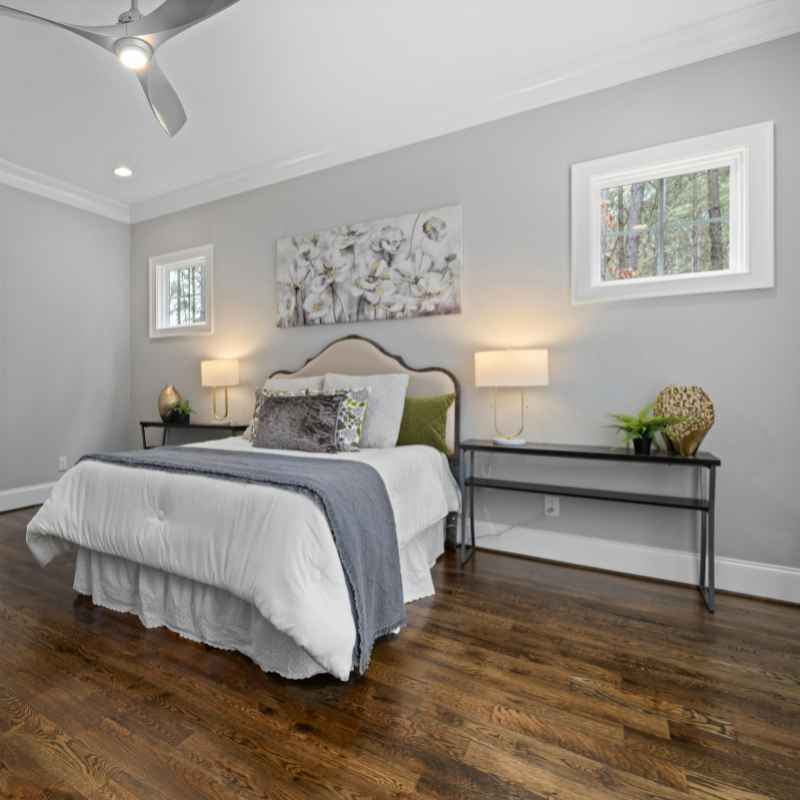
My Couch Almost Made a Break For It
I remember this one time, we had just moved into a new apartment with gorgeous, gleaming hardwood floors. I’d splurged on a beautiful, modern sofa. It looked amazing.
I was so proud of it. One evening, I was reaching for the remote, and the couch just… slid. It moved about six inches away from the wall.
My heart actually jumped! I thought, “Is this going to happen every time someone sits down?” It felt unstable and just wrong. That night, I spent hours researching.
I tried a few things that didn’t quite work before finding what finally kept it in place. It was such a relief when it finally stayed put!
Common Couch Leg Materials
Metal Legs: Often sleek and modern, but can be very slippery.
Hardwood Legs: Match your floor but offer little grip on their own.
Plastic Legs: Common on many furniture pieces. Can be smooth and prone to sliding.
Rubber or Felt Bottoms: These are often added by manufacturers to help. But sometimes they wear out or aren’t grippy enough.
Understanding Friction and Grip
Friction is what stops things from moving. It’s the force that resists sliding between two surfaces. When you want something to stay still, you need good friction.
For couches on hardwood, we need to increase that friction. We do this by adding a layer between the couch leg and the floor. This layer needs to be rougher or stickier than the bare leg or the bare floor.
Think about the tires on a car. They have a special tread pattern and rubber compound to grip the road. We want something similar for our couch legs, just on a smaller scale.
The goal is to create a barrier that grabs onto the floor. This barrier shouldn’t damage your floors either. That’s a key point.
How to Keep a Couch From Sliding on Hardwood Floors: The Best Solutions
There are several ways to tackle this. Some are super simple, others require a bit more effort. Let’s break them down.
We’ll look at what works, what doesn’t, and why.
Quick-Scan Solutions for Couch Stability
1. Rubber Grips: Easy to slip on. Good for most legs.
(Rating: ⭐⭐⭐⭐)
2. Felt Pads: Protect floors. Can slide on smooth finishes.
(Rating: ⭐⭐⭐)
3. Rugs/Mats: Natural grip. Adds style.
(Rating: ⭐⭐⭐⭐⭐)
4. Furniture Gripper Strips: Very effective. Can be cut to size.
(Rating: ⭐⭐⭐⭐⭐)
5. Anti-Slip Mats: Designed specifically for this. (Rating: ⭐⭐⭐⭐)
Using Rubber Couch Leg Grippers
These are often the first thing people try, and for good reason. They are simple rubber or silicone caps that fit over the bottom of your couch legs. The rubber material provides excellent grip against the hardwood floor.
You can find them in various shapes and sizes to fit different leg types, whether they are round, square, or have a strange angle.
When I first started looking, I found some basic black rubber ones. They were a little plain, but they worked surprisingly well. The rubber grips the floor firmly.
Even with my kids jumping on the couch (which I don’t recommend, but it happens!), it stayed put. It’s important to measure your couch legs first to make sure you get the right size. If the leg is too big, the gripper might slip off.
If it’s too small, it won’t cover the whole bottom.
Pros and Cons of Rubber Grippers
Pros:
- Easy to install.
- Very effective grip.
- Protects floors from scratches.
- Affordable.
Cons:
- Can be unsightly on modern furniture.
- May wear out over time.
- Need to get the right size.
Felt Pads for Furniture Legs
Felt pads are fantastic for protecting hardwood floors from scratches. They are usually self-adhesive and can be stuck to the bottom of furniture legs. However, when it comes to stopping a couch from sliding, plain felt pads might not be enough on their own.
Felt is quite smooth. It provides less friction than rubber.
Some people have luck with thicker, denser felt pads, especially if the couch legs have a good flat surface. But if your couch is heavy or tends to move a lot, you might find that felt alone just isn’t enough. It’s better for lighter pieces or for floors that aren’t extremely slippery.
What I’ve seen work well is using felt pads in combination with another grippy material. Or, choosing felt pads that have a rubberized or non-slip backing. These combine floor protection with some much-needed grip.
Always clean the bottom of the leg and the floor area before applying. This ensures the adhesive sticks well.
Using Rugs or Area Mats Under Your Couch
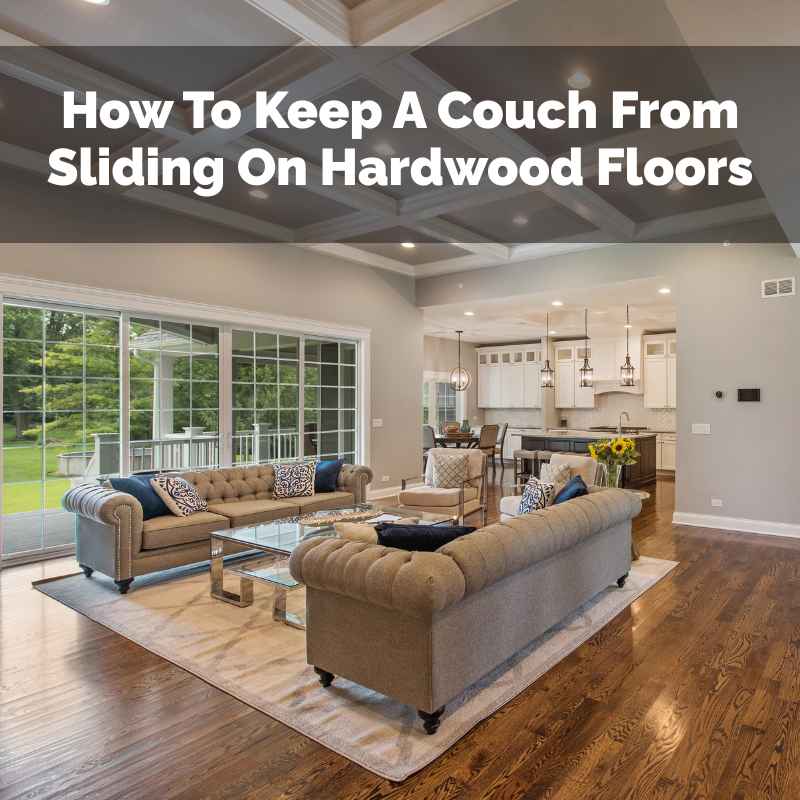
This is a classic solution that works because rugs naturally have texture and grip. Placing a rug under your couch can anchor it firmly. The rug’s fibers interact with the couch legs, creating much more friction.
This is especially true for rugs with a dense pile or a rubberized backing.
The type of rug matters. A thin, slick rug might actually make the problem worse! You want something with a bit of heft and texture.
A low-pile rug or a rug with a natural fiber like jute can offer good grip. If your rug has a separate rug pad underneath, make sure that pad is also grippy. Many rug pads are designed to prevent both the rug and the furniture from slipping.
This method also adds a decorative element to your room. It can define a living space and make it feel cozier. It’s a win-win.
You get stability and style. Just make sure the rug is large enough to extend beyond the legs of your couch. This way, the legs have more surface area to grip onto.
Rug Types That Help Prevent Sliding
Natural Fiber Rugs: Jute, sisal, and coir offer great texture.
Dense Pile Rugs: Wool or synthetic rugs with a tight weave provide more grip.
Rugs with Rubber Backing: Many modern rugs come with this built-in feature.
Outdoor Rugs: Often made of durable, grippy materials. Can be used indoors too!
Specialty Furniture Gripper Strips
These are some of the most effective solutions I’ve come across. Furniture gripper strips are made from a durable, high-friction rubber or composite material. They often come in rolls or sheets that you can cut to size.
You simply attach them to the bottom of your couch legs.
The beauty of these is that they provide a broad, consistent gripping surface. They are designed specifically to prevent furniture from moving. They often have an adhesive backing, making them easy to apply.
You just peel and stick. For really heavy couches, you might even consider screwing them on for extra security, though the adhesive is usually very strong.
I used these on a particularly heavy sectional that loved to drift apart. Cutting the strips to fit the large, square feet of the sectional was simple. Once attached, it was like the couch was glued to the floor.
It didn’t budge. This gave me so much peace of mind, especially with active kids running around. They are a bit more industrial-looking than felt pads, but their effectiveness is hard to beat.
Anti-Slip Couch Mats
Similar to gripper strips, anti-slip mats are designed specifically to stop furniture movement. They are usually flat mats made of a sticky, rubbery material. You place them on the floor where the couch legs will rest, or attach them directly to the bottom of the legs.
Some of these mats are large enough to go under the entire base of a couch or chair. Others are smaller pads. They work by creating a high-friction zone.
Think of them like industrial-grade non-slip tape for furniture. They are great because they offer a wide contact area. This distributes the weight and prevents the couch from shifting.
When choosing these, look for ones that are specifically designed for use on hardwood floors. Some mats can leave residue or even damage certain finishes if they aren’t formulated correctly. Always check the product description.
I found some that were a bit too sticky and left a slight mark when I removed them, so testing in an inconspicuous area first is a good idea.
Easy-to-Apply Furniture Grippers: A Quick Guide
Measure Your Legs: Know the size and shape of your couch legs.
Clean Surfaces: Ensure legs and floor are clean and dry.
Cut to Fit: Trim grippers or mats to match leg dimensions.
Apply Firmly: Press down well to ensure good adhesion.
Test Stability: Gently push the couch to check if it’s secure.
DIY Solutions: What to Try (and What to Avoid)
Sometimes, you need a quick fix and don’t have specialty products on hand. Here are a few common DIY ideas. Some work, others can cause more harm than good.
Things that can work:
- Old Rug Scraps: Cut pieces of an old, grippy rug and place them under the legs.
- Shelf Liner: Some non-slip shelf liners can provide a temporary grip. Cut to size.
- Carpet Scraps: Similar to rug scraps, the rough backing of carpet can help.
Things to avoid:
- Cardboard: It flattens too easily and offers very little grip.
- Newspaper: It’s too smooth and will tear.
- Anything that can leave a stain: Be cautious with unproven materials.
- Anything that’s too soft: It will compress and lose its grip quickly.
I once tried using folded-up dish towels. It seemed like a good idea at the time. They were absorbent and a bit textured.
But they just bunched up and moved with the couch. It was a mess. Stick to materials designed for grip and durability.
Considering the Weight of Your Couch
The heavier your couch, the more likely it is to slide. A lightweight couch might move with just a gentle push. A heavy, solid couch exerts more pressure on its legs, which can sometimes help it grip.
But if the legs are still smooth, that pressure can also make it slide further and faster.
For very heavy furniture, you’ll need the most robust solutions. Gripper strips, heavy-duty anti-slip mats, or a thick rug with a non-slip pad are your best bet. Simple felt pads might just get compressed and ineffective under extreme weight.
Think about how much force is acting on those few square inches where the leg meets the floor. More force means you need more grip.
Protecting Your Hardwood Floors
Beyond just stopping the slide, you want to make sure your floors are safe. Many of the solutions for stopping sliding also protect your floors. Rubber and felt pads prevent the hard legs from scratching or denting the wood.
Rugs act as a buffer.
However, some solutions can be detrimental. If you use something too sticky or a material that reacts poorly with your floor finish, you could end up with residue or even damage. Always check product recommendations and test in an out-of-the-way spot if you’re unsure.
A good quality finish on your hardwood is tough, but it’s not invincible.
Floor Protection Checklist
Scratch Prevention: Use soft materials under legs.
Residue Check: Ensure adhesives won’t damage finish.
Weight Distribution: Wide pads help spread pressure.
Moisture: Avoid materials that trap moisture near wood.
When to Worry: Signs Your Couch is a Hazard
Most of the time, a sliding couch is just an annoyance. But there are times when it becomes a real concern. If your couch slides unexpectedly and forcefully, it could be a tripping hazard.
Especially for children or older adults. Imagine a guest trying to sit down, and the couch moves out from under them.
Also, consider the structure of the couch itself. If the legs are loose or wobbly, that’s a separate issue that needs fixing. A sliding couch can also put stress on the frame over time.
Listen for creaking or shifting sounds that seem more than just the usual house noises.
If your couch is sliding constantly, no matter what you try, it might be worth checking the legs themselves. Are they securely attached? Are they damaged?
Sometimes the problem isn’t just the floor; it’s the furniture.
Simple Checks You Can Do
Before you buy anything, take a quick look at your couch legs.
- Are they all the same height? An uneven leg can cause tipping and sliding.
- Are they damaged? Cracks or chips can affect stability.
- Are they clean? Dust and grime reduce grip.
- Are they securely attached? Tighten any loose screws or bolts.
Sometimes, a simple tightening of a leg can make a big difference. It’s always good to start with the easiest checks.
Quick Couch Leg Check
Visual Inspection: Look for damage or wear.
Wiggle Test: Gently try to move each leg.
Level Check: Ensure all legs touch the floor evenly.
Clean Bottoms: Wipe away dust and debris.
Choosing the Right Solution for Your Home
The best solution for you really depends on a few factors.
- Your couch: How heavy is it? What are its legs made of?
-
Your floors: Are they freshly finished or older?
Very smooth or slightly textured?
- Your lifestyle: Do you have kids or pets? Do you move furniture often?
- Your aesthetic: Do you prefer invisible solutions or are you okay with visible pads?
For most people, a combination of a good rug pad under an area rug, or high-quality rubber grippers on the legs, will do the trick. If you have very large or unusually shaped legs, you might need to get creative with gripper strips or custom-cut mats.
I’ve found that starting with the simplest, most affordable options is usually the best approach. If rubber leg caps don’t work, then move on to something more robust like gripper strips or a quality rug pad. Don’t get discouraged if the first thing you try isn’t perfect.
There’s a solution out there for every couch and every floor.
Frequently Asked Questions About Couch Stability
How can I stop my couch from sliding without damaging my hardwood floors?
The best way is to use materials designed for grip and floor protection. Look for rubber or silicone furniture grippers, non-slip rug pads, or furniture gripper strips. Always ensure the product is safe for hardwood floors and test in an inconspicuous area if you’re unsure.
What is the best material for preventing furniture from sliding on wood?
Rubber and high-friction composites are generally the best. These materials create excellent grip. Natural fibers like jute or sisal in rugs also offer good traction.
Avoid smooth materials like plastic or thin felt, as they offer less friction.
Will a rug pad stop my couch from sliding?
Yes, a good quality rug pad with a non-slip backing can significantly help. It adds a grippy layer between your rug and the hardwood floor. This grip then transfers to the couch legs resting on the rug, preventing it from sliding.
Ensure the pad is designed for hardwood.
My couch legs are oddly shaped. What solutions work for custom shapes?
For oddly shaped legs, furniture gripper strips or anti-slip mats that you can cut to size are often the best options. You can trim them to match the exact shape of your legs, ensuring full contact and maximum grip.
How often do I need to replace furniture grippers or pads?
This depends on the quality of the product and the amount of wear and tear. High-quality rubber grippers or sturdy strips can last for several years. Regularly check them for signs of wear, such as thinning, cracking, or loss of grip.
Replace them if you notice any of these issues.
Can I use regular non-slip shelf liner under my couch legs?
Some non-slip shelf liners might offer a temporary solution. However, they are often not durable enough for the weight and constant movement of a couch. They can flatten out quickly, lose their grip, or even leave residue on your floors.
It’s usually better to invest in products specifically made for furniture stability.
Final Thoughts on Couch Stability
Dealing with a sliding couch on hardwood floors is a common frustration. But as you can see, there are many effective ways to fix it. From simple rubber caps to robust gripper strips, you have options.
The key is to increase the friction between your couch legs and the floor. Doing so not only stops the annoying slide but also protects your beautiful hardwood. Take a moment to assess your situation, choose the solution that fits best, and enjoy a stable, secure living space.
Sponsored / affiliate links. As an Amazon Associate I earn from qualifying purchases. I may earn additional commission from eligible campaigns.
 Kuoser Non-Slip Dog Socks for Hardwood Floors, Paw Protector to Prevent Licking, Double-Side Grippers Dog Boot for Hot Pavement/Traction/Recovery/Warmth, Breathable Shoes for Small, Medium, Large DogsKuoser Non-Slip Dog Socks for Hardwood Floors, Paw Protector to Prevent Licking, Double-Side Grippers Dog Boot for Hot Pavement/Traction/Recovery/Warmth, Breathable Shoes for Small, Medium, Large Dogs