What To Use On Wood Floors To Make Them Shine Like New
To make wood floors shine like new, use pH-neutral cleaners and microfiber mops. Regular sweeping or vacuuming with a soft brush attachment is key. For extra shine, apply a wood floor polish or restorer specifically designed for your floor’s finish.
Always test products in an inconspicuous area first.
Understanding Your Wood Floor’s Finish
Before you grab any bottle from the store, it’s super important to know what kind of finish is on your wood floors. This is the layer on top that protects the wood and gives it its shine. Different finishes need different care.
Think of it like skin: oily skin needs different products than dry skin. The most common finishes are polyurethane, oil-based, and wax-based. Polyurethane is the toughest and most common today.
It gives a plastic-like protective layer. Oil-based finishes soak into the wood. Wax finishes sit on top and need regular buffing.
Why does this matter so much? Using the wrong cleaner can actually strip the finish. This leads to dullness and damage.
It can also leave a hazy film that’s tough to remove. So, the first step to getting that “like new” shine is a quick finish check. If your floors were installed recently, you can ask the installer.
If not, a good guess can be made. Polyurethane floors are usually smooth and slightly shiny. Older wax or oil finishes might feel a bit softer.
They might also show wear patterns more easily.
The Enemies of Wood Floor Shine
Let’s talk about what really hurts that shine. It’s not always about what you put on your floors, but what you don’t do, or what you use by mistake. Things like abrasive cleaners are a big no-no.
They can scratch the finish. Scratches catch dirt and light, making floors look dull. Also, too much water is a floor’s worst enemy.
Wood expands when it’s wet. If too much water gets into the wood, it can warp or cup. This damage is usually permanent.
It also ruins the smooth surface needed for shine.
Steer clear of ammonia-based cleaners. These can eat away at the finish over time. They’re too harsh.
Forget about steam mops, too. While they seem like a great idea for cleaning, the intense heat and moisture can damage the wood and its finish. It’s like giving your floors a harsh sauna treatment they don’t need.
Many general all-purpose cleaners also contain harsh chemicals. They might work on counters, but they can be rough on your precious wood floors. Always read the label carefully.
Common Pitfalls to Avoid
Abrasive Scrubbers: Steel wool or rough pads will scratch. Stick to soft cloths.
Excess Water: Always wring mops out well. A damp cloth is better than a wet one.
Harsh Chemicals: Ammonia, bleach, and strong solvents can damage the finish.
Oil Soaps (on Polyurethane): Some people love them, but they can build up a residue on modern finishes.
Buffing Too Hard: Over-buffing can heat up the finish and cause damage.
The Golden Rule: pH-Neutral Cleaners
So, if all those things are bad, what should you use? The champion of wood floor cleaning is a pH-neutral cleaner. What does pH-neutral mean?
Think of a scale from 0 to 14. Seven is neutral. Below seven is acidic.
Above seven is alkaline. pH-neutral means it’s right around that 7 mark. These cleaners are gentle.
They clean effectively without harming the wood’s finish. They won’t strip away protection or leave behind dulling residue. This is key for maintaining that natural shine.
You can find many cleaners marketed specifically for wood floors. Look for ones that state they are pH-neutral or safe for all sealed wood floors. Brands like Bona, Method, and Murphy Oil Soap (though be cautious with Murphy on polyurethane, as mentioned) offer good options.
When in doubt, always check the product label. If it says it’s specifically for wood floors and doesn’t list harsh chemicals, it’s a good starting point. Using a dedicated wood floor cleaner is often the simplest path to shine.
Your Daily Routine for Lasting Shine
Making wood floors shine like new isn’t just about the big cleaning days. It’s also about what you do every single day. Regular sweeping or vacuuming is your first line of defense.
Use a soft-bristle broom or a vacuum cleaner with a hard floor attachment or a special wood floor brush. This removes grit, dust, and pet hair. These small particles act like sandpaper underfoot.
They grind away at the finish, dulling it over time. Think of it as giving your floors a gentle polish with every sweep.
Wipe up spills immediately. Don’t let them sit and soak into the wood. A simple cloth or paper towel is all you need.
For high-traffic areas, consider using rugs or mats. This protects the floor from wear and tear. In entryways, a good doormat can stop most dirt before it even gets onto your wood floors.
These small, consistent habits make a huge difference. They prevent damage from happening in the first place, making your floors look better for longer.
Daily Shine Habits
Sweep/Vacuum Daily: Use soft tools. Remove dust and grit.
Wipe Spills Fast: Liquids are enemies of wood. Act quickly.
Use Doormats: Outside and inside doors. Trap dirt and moisture.
Area Rugs in Traffic Zones: Protect floors in busy spots.
The Best Cleaning Method: Damp Mopping
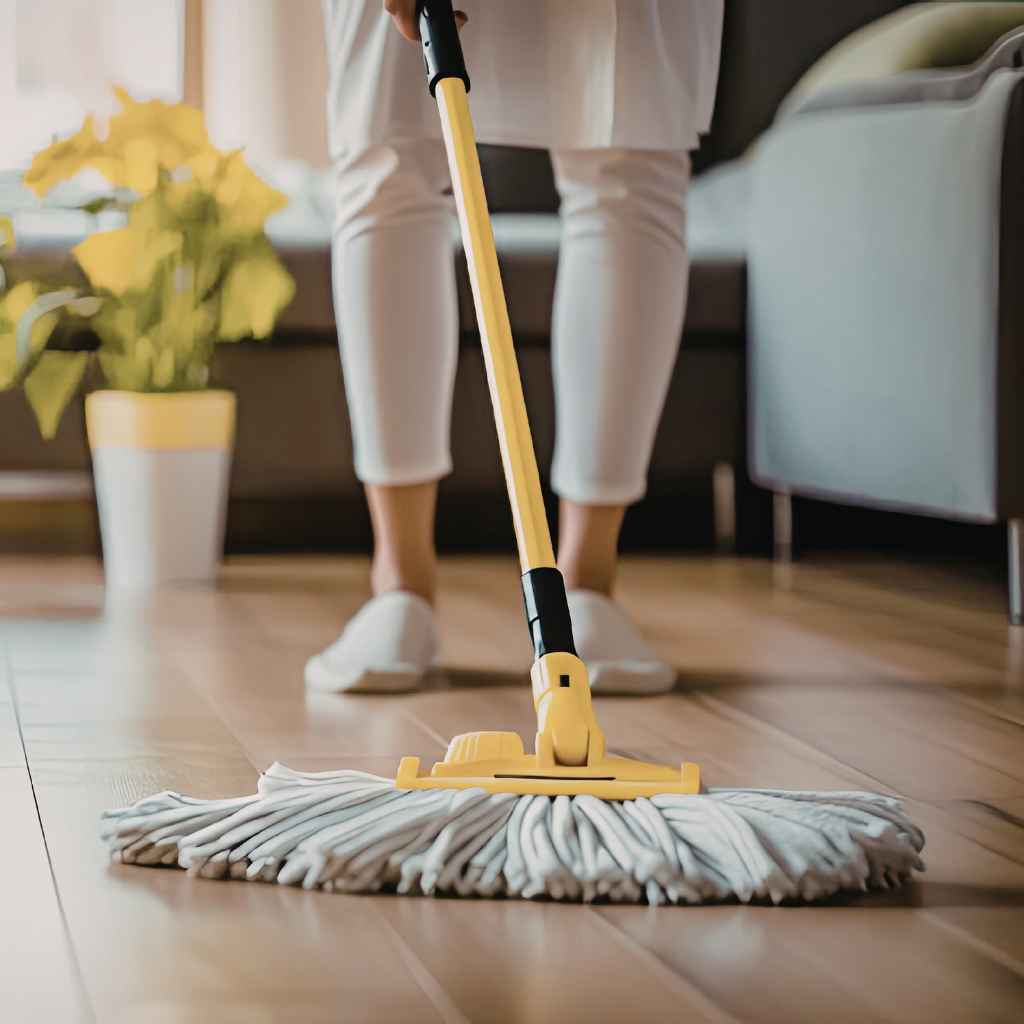
When it’s time for a proper clean, damp mopping is the way to go. This means using a mop that is barely wet. You want it to be damp, not dripping.
A spray mop is often ideal for this. You can control the amount of cleaner sprayed. If you use a traditional mop, wring it out extremely well.
The goal is to clean the surface without leaving standing water. Water is the enemy, remember? A little bit of moisture is okay, but puddles are not.
Use your pH-neutral cleaner on the mop. Work in small sections. Mop with the grain of the wood if possible.
This helps to remove dirt more effectively. After mopping a section, if you notice any excess moisture, wipe it up with a clean, dry cloth. Many people find that they don’t even need to rinse after using a good pH-neutral wood floor cleaner.
They clean and dry well, leaving a streak-free shine. This process is simple and effective for making your floors gleam.
I remember one time, I was trying to clean my own floors after a party. I used a cleaner that promised a great shine. It smelled nice, too.
But after I finished, the floors looked duller than before. There was a faint hazy film. I was so annoyed!
I had to go back and re-clean them with a product I trusted. That taught me a valuable lesson. Always check what’s in the cleaner.
And test it first. It saves a lot of heartache and extra work later on.
Polishing for That Extra Sparkle
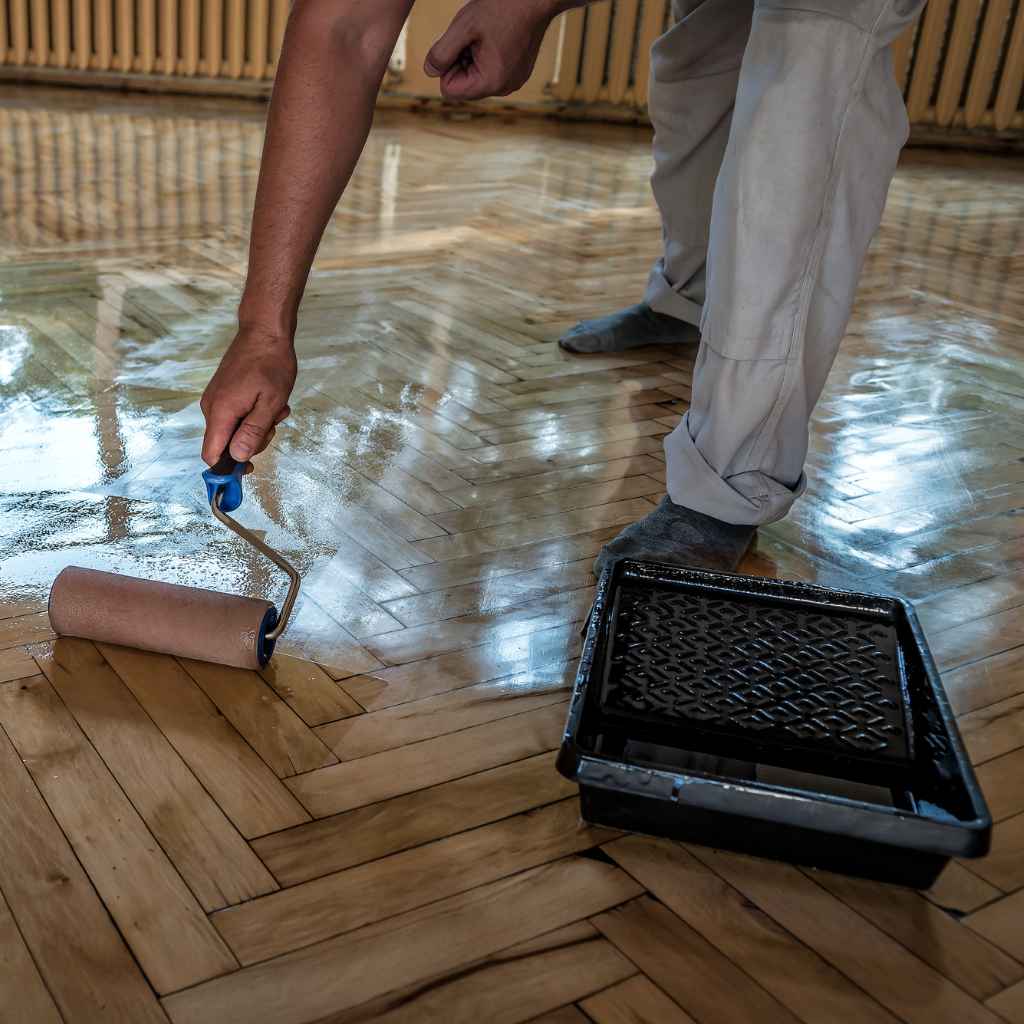
Sometimes, cleaning alone isn’t enough to get that dazzling, “like new” shine. This is where a wood floor polish or restorer comes in. These products add an extra layer of gloss.
They can also fill in tiny scratches that dull the surface. Polishes are generally safe for polyurethane finishes. They create a temporary protective coating that enhances the look.
Always choose a polish designed specifically for the type of finish your floor has.
Read the instructions very carefully. Most polishes are applied with a microfiber applicator pad. You usually don’t need to buff them.
Just apply a thin, even coat. Let it dry completely. The result is a smooth, reflective surface that really makes your wood floors shine.
It’s like giving your floors a fresh coat of clear nail polish. It brightens everything up and makes them look revitalized. A good polish can breathe new life into tired floors.
Polish Application Tips
Choose the Right Product: Make sure it’s for your floor’s finish.
Test First: Apply to a hidden spot to check results.
Thin, Even Coats: Don’t apply too much. Less is more.
Allow to Dry: Let it cure fully before walking on it. Check the bottle for times.
Don’t Over-Polish: Too many coats can lead to buildup and slipperiness.
When to Call a Professional
There are times when DIY might not be enough. If your floors have deep scratches, significant water damage, or the finish is completely worn away, it might be time for professional help. A professional floor refinisher can sand down your floors.
They can then apply a new protective finish. This process can make your floors look absolutely brand new. It’s a bigger investment, but it can truly restore their beauty.
Professionals also have access to commercial-grade products and equipment. They know how to deal with different wood types and finishes. If you’re unsure about your floor’s condition or how to tackle a major issue, getting an expert opinion is wise.
They can assess the damage and recommend the best course of action. Sometimes, the best way to get that “like new” shine is a complete restoration. This is especially true for older homes with original flooring.
Ingredients to Look For (And Avoid!) in Cleaners
Let’s break down some common ingredients in wood floor cleaners. This helps you make smarter choices. For cleaning, you want gentle surfactants.
These are the agents that lift dirt. Look for ingredients like coco-glucoside or decyl glucoside. These are plant-derived and very mild.
Glycerin can also be a good addition. It helps to condition the wood and add a subtle sheen. Simple water-based formulas are often best.
On the flip side, strongly avoid anything with high levels of alcohol. It can dry out the wood. Avoid strong alkaline or acidic cleaners.
As we discussed, these damage the finish. Petroleum distillates or strong solvents should also be avoided. They can strip protective layers.
If a cleaner has a long list of unpronounceable chemical names, it’s probably best to choose something simpler. Simplicity is often the key to safe and effective wood floor care.
Ingredient Breakdown: Good vs. Bad
Good to See:
- Water (as the base)
- Mild, plant-derived surfactants (e.g., coco-glucoside)
- Glycerin (for conditioning)
- Specific wood floor cleaning agents
Avoid:
- Ammonia
- Bleach
- Strong Solvents
- High levels of Alcohol
- Abrasive particles
- Ammonium Hydroxide
Maintaining Shine on Different Wood Floor Types
Your floor’s finish dictates the best way to get that shine. For polyurethane finishes, which are most common, stick to pH-neutral cleaners and occasional polishing. Avoid wax or silicone-based polishes, as they can build up residue.
For oil-finished floors, special oil soaps or cleaners designed for oiled wood are best. These replenish the oil in the wood. They maintain its natural look and feel.
They also help keep it protected.
Wax-finished floors are more labor-intensive. They require regular buffing to maintain shine. You’ll use specific wax cleaners and then buff the floor with a soft cloth or a floor buffer.
If your wax floor looks dull, it usually just needs more wax and buffing. Avoid water-based cleaners on wax finishes, as water can break down the wax. Knowing your finish is the first step to choosing the right product to make it shine.
Real-World Scenarios: Bringing Back the Gleam
Let’s picture a few common situations. Imagine your living room floor. It gets a lot of foot traffic from kids and pets.
It looks a bit dull, with faint scuff marks. What’s the plan? First, a thorough sweep or vacuum.
Then, use a spray mop with a pH-neutral wood cleaner. Give it a good damp mop. If the scuff marks persist, try a dedicated wood floor cleaner that targets scuffs.
You might need a specific cleaner or even a wood floor polish.
Consider your kitchen floor. It gets spills from cooking and dropped food. Regular sweeping and spot cleaning are crucial here.
A damp mop with pH-neutral cleaner will work. For tougher spots, like dried-on food, you might need to let the cleaner sit for a minute or two before wiping gently. Avoid using too much liquid, especially near the baseboards where moisture can get trapped.
For a quick shine boost, a light coat of wood floor polish can make a big difference after cleaning.
Scenario Spotlight: Entryway Woes
Problem: Muddy footprints and grit are dulling your entryway floor.
Solution:
- Immediate Action: Wipe up spills and mud tracks right away with a damp cloth.
- Daily Care: Sweep or vacuum thoroughly every day.
- Weekly Clean: Use a pH-neutral wood floor cleaner and a well-wrung-out mop.
- Extra Shine: Consider a wood floor polish after cleaning, especially if wear is visible.
- Prevention: Ensure you have a high-quality doormat outside and another inside your door.
When is Dullness Normal?
It’s good to know when your floors are just being floors. Some dullness is normal, especially in high-traffic areas. If the dullness is only in spots where people walk the most, it’s likely just wear and tear.
Light scratching and scuff marks are also common. They happen with everyday use. The finish is designed to take some abuse.
But over time, even the best finishes show signs of life. This doesn’t always mean damage.
If your floors have a slight haze, it could be residue from an old cleaner. Or it might be that the finish itself is getting tired. Sometimes, it’s just dust that hasn’t been swept up yet.
A good, thorough cleaning with the right products can often reveal the shine underneath. So, before you panic, try a deep clean. You might be surprised at how much shine you can bring back with just the right approach.
When to Worry About Your Wood Floors
There are definite signs that something is wrong. If you see warping or cupping, where the wood boards are bending upwards or downwards, that’s a big red flag. This usually means too much moisture.
Buckling is an even more serious sign of water damage. If the finish is peeling or flaking off, the protective layer is failing. This can happen from using the wrong cleaners or from age.
Dark spots or stains that don’t come out with cleaning can indicate deep moisture damage or mold.
Listen to your floors, too. If they squeak or creak excessively, it could mean the boards are loose or there’s an issue with the subfloor. These are more serious problems that need professional attention.
Surface scratches are one thing, but deep gouges or lifting wood planks are another. If you see any of these, it’s time to stop cleaning and start looking for a wood floor specialist.
Signs Your Floors Need More Than Just Cleaning
Warping or Cupping: Wood boards changing shape due to moisture.
Peeling Finish: The protective top layer is coming off.
Deep Scratches or Gouges: Cuts that go beyond the finish into the wood.
Stains That Won’t Budge: Especially dark spots indicating deeper issues.
Loose or Squeaky Boards: Suggests subfloor or installation problems.
Quick Fixes and Shine Boosters
Want a quick shine boost without a full clean? For polyurethane floors, a good quality wood floor polish can work wonders. Apply it thinly and let it dry.
It’s a fast way to revive dullness. For minor scuffs, sometimes a tennis ball can help. Gently rub the scuff mark with a clean tennis ball.
The soft rubber can lift some marks. Always test this in an inconspicuous spot first.
For light scratches, a wood touch-up crayon or marker in a matching color can help camouflage them. They don’t repair the scratch, but they fill it in visually. This makes the floor look smoother and more uniform.
These are temporary fixes, but they can help maintain the appearance between deeper cleanings. Remember, these are for cosmetic issues, not damage.
Frequently Asked Questions About Wood Floor Shine
Can I use vinegar to clean my wood floors?
It’s generally not recommended to use straight vinegar on wood floors. Vinegar is acidic. While diluted, it can work for some tough spots.
However, repeated use can dull the finish. It’s safer to stick to pH-neutral cleaners specifically designed for wood.
How often should I polish my wood floors?
This depends on traffic and the product used. Typically, you might polish every 3-6 months. Some polishes are designed for more frequent use.
Always follow the product instructions. Over-polishing can lead to buildup.
My floors look streaky after cleaning. What did I do wrong?
Streaking usually means you used too much cleaner, the mop was too wet, or the cleaner itself is leaving a residue. Ensure you’re using a pH-neutral cleaner and a well-wrung-out mop. For stubborn streaks, you might need to re-clean with a slightly different, highly-rated wood floor cleaner.
Can I use furniture polish on my wood floors?
No, furniture polish is not suitable for wood floors. It often contains silicone or waxes that can build up. This creates a slippery, hazy surface that’s hard to remove and can damage the floor’s finish over time.
What’s the difference between a wood floor cleaner and a wood floor polish?
A cleaner removes dirt and grime. A polish adds a layer of shine and protection. Polish can also help fill in minor scratches.
You clean first, then polish if desired for extra shine and protection.
How can I make my old, dull wood floors look new again?
Start with a deep clean using a pH-neutral cleaner. If that doesn’t work, consider a wood floor restorer or polish designed for older floors. For severely dull or damaged floors, professional refinishing might be the best option to truly make them look new.
Conclusion
Getting your wood floors to shine like new is totally achievable. It’s a journey that starts with understanding your floors and choosing the right tools. Gentle, regular cleaning is your best friend.
Use pH-neutral cleaners and a damp mop. Occasional polishing can boost shine. Always avoid harsh chemicals and excess water.
With consistent care and the right products, your wood floors can regain their beautiful gleam and look stunning for years to come.
Sponsored / affiliate links. As an Amazon Associate I earn from qualifying purchases. I may earn additional commission from eligible campaigns.