How Do You Remove Old Wax From a Wood Floor Safely?
Mineral spirits dissolve old floor wax without harming a polyurethane finish, but acetone and lacquer thinner strip the finish along with the wax — the National Wood Flooring Association warns against both. Using the wrong solvent can leave permanent dull spots or force an early refinish. This guide covers the mineral-spirits method, the vinegar option for light buildup, safe scraping technique, and what to do once wax has already dulled the finish.
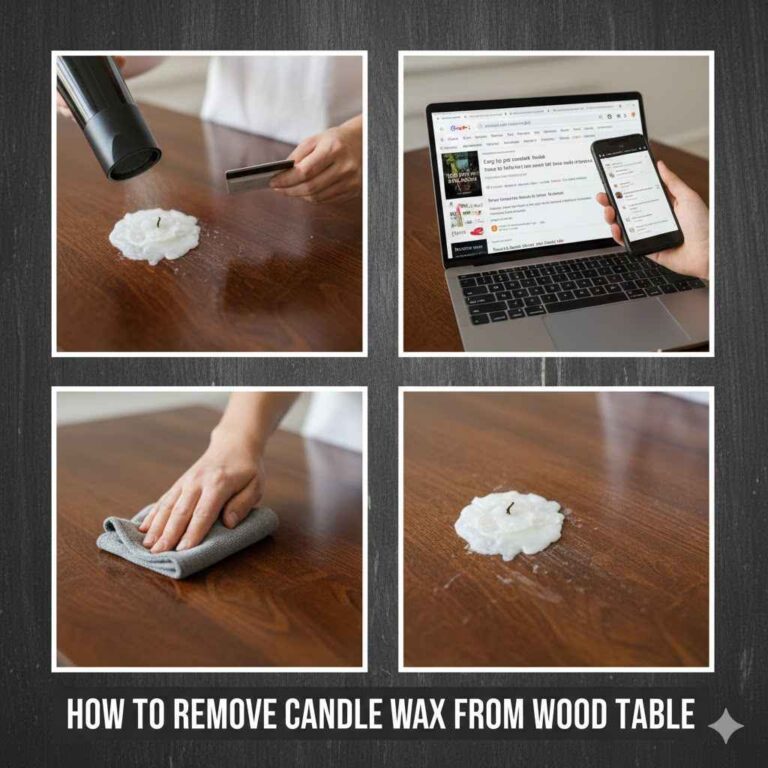
If wax dripped from a candle rather than built up from repeated floor waxing, the removal steps differ slightly — see our guide to getting candle wax off a hardwood floor for that specific situation. This article focuses on old wax coating and polish buildup.
What You’ll Need
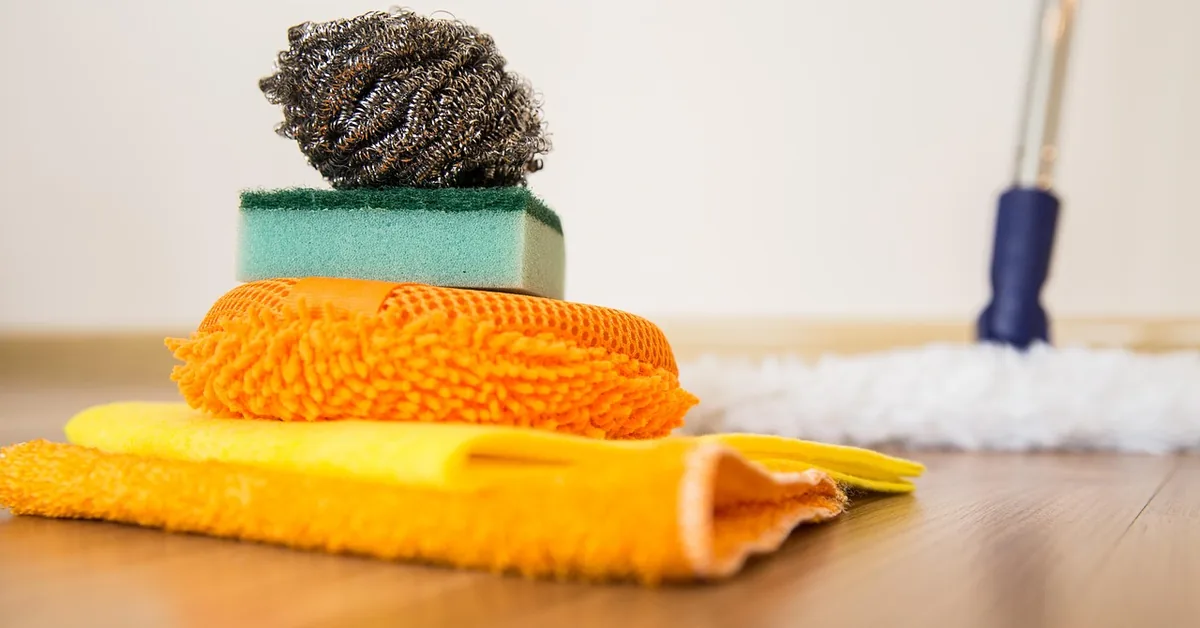
Gather these before starting so the wax doesn’t have time to spread or harden further while you search for supplies.
- Odorless mineral spirits (NWFA-recommended solvent for wax-finished floors)
- A plastic putty scraper — never metal, which gouges wood
- Several soft microfiber cloths
- White vinegar (for light buildup only)
- A bucket of warm water
- Nitrile gloves and safety glasses
- A hairdryer or clothes iron (for the heat method)
Best Wax Stripper Pick
Lundmark Super Strip Wax Remover Concentrate – $31.15
A concentrate built specifically to strip old wax coatings — useful when the mineral-spirits method in this guide only softens buildup instead of fully removing it.
- Best for: heavy, years-old wax buildup mineral spirits alone won’t fully lift
- Why we picked it: purpose-built stripper rather than a general solvent, so less scrubbing per pass
- Main drawback: concentrate must be diluted correctly or it can dull some finishes
Compare more wax-removal options
 Option 1 Rust-Oleum Low VOC Mineral Spirits – $17.63
|
 Option 2 Bates 6-Pack Plastic Putty Scrapers – $5.75
|
 Option 3 Amazon Basics Microfiber Cloths – $10.30
|
As an Amazon Associate we earn from qualifying purchases.
Step-by-Step: Removing Old Wax From a Wood Floor Safely
Work in small sections and test any product on a hidden spot — inside a closet or under a rug edge — before treating the visible floor.
- Clear and test: Sweep or vacuum the area, then apply your chosen solvent to a hidden spot and wait five minutes to confirm it doesn’t cloud or lift the finish.
- Apply mineral spirits: Dampen a microfiber cloth with odorless mineral spirits and rub in the direction of the wood grain using firm, even pressure.
- Let it dwell: Give the solvent 60–90 seconds to soften the wax before wiping — scrubbing too soon just spreads it.
- Scrape stubborn spots: Hold a plastic putty scraper at a low angle and lift softened wax in small sections, never digging in one spot.
- Rinse and dry: Wipe the area with a barely damp cloth to remove solvent residue, then dry immediately with a clean towel — standing moisture damages wood.
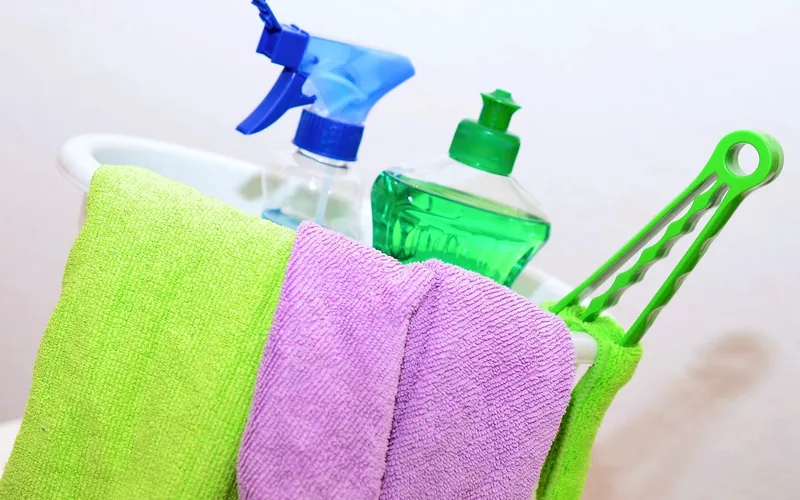
📊 Rags soaked in mineral spirits can spontaneously combust if bunched up in a trash can — the evaporating solvent generates heat with nowhere to escape. Lay used rags flat outdoors to dry completely before disposal. Source: Justrite, Storing Flammable Liquids Guide
Mineral Spirits vs. Vinegar vs. Heat: Which Method Fits Your Wax?
Light haze responds to vinegar; thicker buildup needs a solvent. Match the method to how much wax is actually on the floor before you start scrubbing.
| Method | Works Best On | Risk to Finish |
|---|---|---|
| Mineral spirits | Moderate to heavy wax buildup | Low, if tested first — NWFA-recommended |
| Vinegar + warm water | Light haze or thin buildup | Very low, but ineffective on thick wax |
| Heat (iron or hairdryer) | Fresh candle drips, small spots | Moderate — overheating can blister finish |
| Acetone or lacquer thinner | Not recommended | High — strips finish along with wax |
Using Heat to Loosen Wax
Heat works well for small, fresh spots but is harder to control over a large area than the solvent method above.
Hairdryer Method
Set the hairdryer to medium heat and hold it a few inches above the wax until it softens, then wipe it away with a soft cloth. Check often so the wood surface doesn’t overheat.
Iron Technique
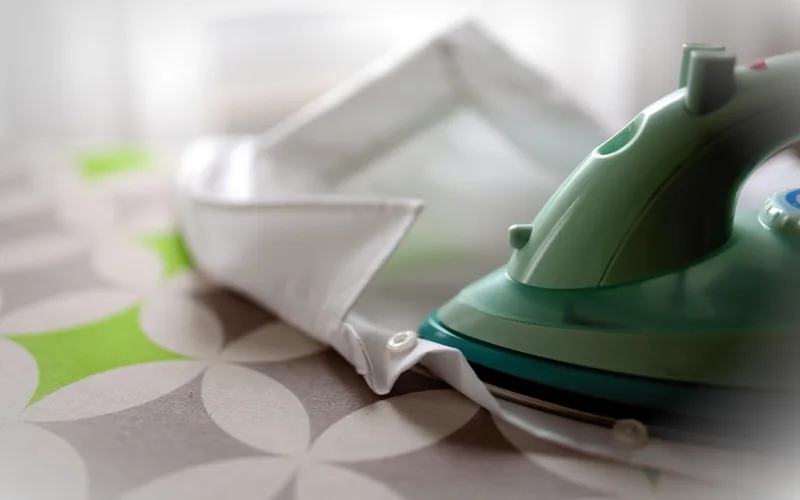
Place a thin cotton cloth over the wax and set a clothes iron to low heat with no steam. Press for a few seconds at a time — the wax melts into the cloth instead of the floor. Lift and check progress often; a scorched cloth means the setting is too hot.
“Only solvent-based waxes, buffing pastes, or cleaning liquids made specifically for wax-finished wood floors should be used — never a water-based product, and never scrubbing machinery unless the finish manufacturer specifically allows it.”
— National Wood Flooring Association, Care for Your Floor guide
Wax Buildup vs. a Dulled Finish: How to Tell the Difference
Wax buildup is a layer of old paste or liquid floor wax sitting on top of the finish, not damage to the finish itself. It shows up as a cloudy, streaky, or slightly sticky film that wipes away with the right solvent. A dulled finish, by contrast, means the polyurethane coating itself has worn thin or scratched through — no amount of solvent restores it, and the floor needs screening or refinishing instead.
A quick way to check: rub a small amount of mineral spirits on a dull spot with a cloth. If the shine comes back, it was wax buildup. If the area still looks flat and dry, the finish itself is worn and a wax remover won’t fix it.
Common Mistakes
Many people apply too much pressure while scrubbing, which can damage the wood. Using harsh chemicals is another common mistake.
Overusing Solvents
Too much mineral spirits removes the finish along with the wax, leaving a dull patch. Apply it to the cloth, not directly to the floor, and use only as much as the section needs.
Scraping With Metal Tools
Metal scrapers and razor blades cut through finish and leave permanent gouges. A plastic putty scraper lifts wax without cutting the wood underneath — always use plastic, even on stubborn spots.
Preventing Future Wax Build-Up
Sweep or dust-mop wood floors regularly and wipe up spills immediately — standing water and grit both work wax deeper into the finish. If you do rewax, apply a thin layer with a product designed for wood, following the guidance in our how to wax hardwood floors guide, and buff it out fully instead of letting coats stack up.
Between wax applications, stick to dry or barely-damp cleaning methods — see our guide on how to clean waxed wood floors for the day-to-day routine that keeps buildup from forming in the first place. For background on wax types and when waxing still makes sense for a floor, see our wax for wood floors guide, and browse the full wood floor wax topic hub for more.
Frequently Asked Questions
How do I remove old wax coating from a wood floor?
Test a hidden spot first, then apply odorless mineral spirits to a microfiber cloth and rub with the wood grain. Let it dwell for a minute, lift softened residue with a plastic scraper, then wipe with a barely damp cloth and dry immediately.
Can vinegar remove wax buildup from a wood floor?
Yes, for light haze. Mix 1 cup of white vinegar with 1 gallon of warm water, lightly dampen a microfiber mop, and work in small sections. Vinegar is too weak for thick, years-old buildup — use mineral spirits for that instead.
Is mineral spirits safe for wood floors?
Yes, the National Wood Flooring Association recommends odorless mineral spirits as a safe solvent-based option for wax-finished wood floors. Always test on a small, hidden area first, work in a ventilated room, and avoid stronger solvents like acetone, which strip the finish.
Can I use heat to remove wax from a wood floor?
Yes. A hairdryer on medium heat or a low-heat iron pressed over a thin cloth softens wax so it lifts away without scraping. Heat works best on small, isolated spots rather than large areas of buildup.
What’s the difference between candle wax and wax buildup on a wood floor?
Candle wax is a fresh spill that sits on top of the finish and usually responds to cooling and gentle scraping. Wax buildup is repeated layers of floor wax or polish that have accumulated over time and typically need a solvent like mineral spirits to fully dissolve.
Conclusion
Mineral spirits handle most wax buildup safely when you test first and work in small sections; save vinegar for light haze and heat for isolated fresh spots. Always use a plastic scraper, never metal, and dry the floor completely after any wet method.
If a dull patch doesn’t respond to solvent, the finish itself — not the wax — is likely worn, and it’s time to consider screening or refinishing rather than more scrubbing.
Sponsored / affiliate links. As an Amazon Associate I earn from qualifying purchases. I may earn additional commission from eligible campaigns.