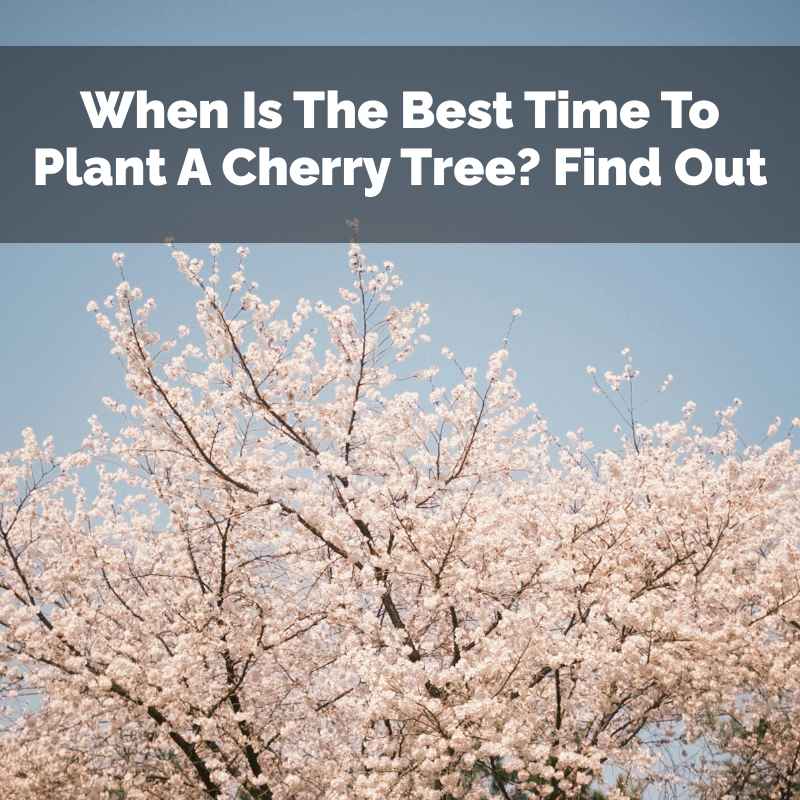
When Is The Best Time To Plant A Cherry Tree? Find Out
It’s a common question, one that pops up when you’re dreaming of sweet, juicy cherries right from your backyard. You’ve got the spot, you’ve chosen your tree, but when is the absolute best time to get it in the ground? Getting this right can make a huge difference for your little tree.
The best time to plant a cherry tree is in early spring, after the last frost, or in the fall, before the ground freezes. This timing allows the tree’s roots to establish themselves before the stress of summer heat or winter cold.
Understanding Cherry Tree Planting Windows
Planting a cherry tree seems simple, but timing is a big deal. It’s not just about digging a hole. It’s about giving your new tree the best possible start. The goal is to help its roots grow strong. Strong roots mean a happy, healthy tree. This tree will give you fruit for many years.
Think about it like this. You wouldn’t want to move into a new house in the middle of a blizzard or a heatwave, right? Your cherry tree feels the same way. It needs time to settle in. It needs to adjust to its new home without facing extreme weather.
There are two main windows when planting is usually best. These are the early spring and the fall. Both have their own good points. Both also have a few things to watch out for. We’ll dig into both of them. We’ll also talk about why they work so well for these lovely fruit trees.
The Allure of Spring Planting
Early spring is often the top choice for many gardeners. Why? Because winter’s harsh grip is finally loosening. The soil starts to warm up. It’s moist from the melting snow and spring rains. This is perfect for encouraging new root growth.
When you plant in spring, the tree has a whole growing season ahead of it. It has the warm sun and gentle rains to help it establish itself. It can start building up its strength before the really tough weather hits.
The key here is “early” spring. You don’t want to plant when the ground is still frozen. You also don’t want to plant when the last frost hasn’t happened yet. Frost can damage new, tender growth. It can shock a young tree that’s just trying to get its roots down.
So, keep an eye on your local weather. Talk to other gardeners in your area. They’ll know when the last frost typically arrives. Once that threat has passed, and the soil is workable, you’re in a good zone for spring planting.
The Quiet Strength of Fall Planting
Fall is another excellent time to plant. It’s often overlooked, but it has some real advantages. When you plant in the fall, the air is cooler. The soil is still warm from the summer. This is a dream combination for roots.
The cooler air means less stress on the tree itself. It doesn’t have to fight off hot sun while it’s trying to grow new roots. The warm soil helps those roots keep growing even as the leaves start to fall. They can spread out and get a good grip.
When winter comes, the roots are more established. They are better protected under the insulating layer of soil. This means the tree is often stronger when spring rolls around. It’s like it’s been quietly working underground all winter.
The main thing to watch for with fall planting is timing. You need to plant early enough. This gives the roots a solid month, at least, to grow before the ground freezes solid. If you plant too late, the roots won’t have enough time to establish. The tree could be more vulnerable to winter damage.
So, just like with spring, know your local frost dates. Aim to plant a few weeks before the first hard freeze is expected.

Factors Affecting Your Planting Decision
While spring and fall are generally the best, a few other things can sway your choice. Your specific location matters a lot. The type of cherry tree you choose also plays a part. And, of course, your own schedule is a factor.
Your Local Climate Zone
The United States has different climate zones. These zones are based on average minimum winter temperatures. What works in Florida won’t work in Minnesota. Understanding your zone helps you pick the right time.
If you live in a warmer climate, like parts of the South, you might have a longer fall planting window. You might even be able to plant in winter in some very mild areas. Spring planting is still good, but you want to avoid the intense summer heat.
In colder regions, spring planting is often safer. It gives the tree more time to get established before the next harsh winter arrives. Fall planting needs to be done very carefully. You need to make sure the ground won’t freeze too early.
The USDA Plant Hardiness Zone Map is a great resource. Look up your zone. This will give you a clearer idea of what to expect in your area for temperatures.
Bare-Root vs. Container-Grown Trees
How you buy your cherry tree can also influence planting time. Most fruit trees are sold either as bare-root or in containers.
Bare-root trees are dug up when they are dormant. They have no soil around their roots. These trees MUST be planted when they are dormant. This means they are best planted in early spring or late fall. They cannot survive sitting around without roots for long.
Container-grown trees are grown in pots with soil. They can often be planted at more times of the year. However, even these trees do best when planted during the cooler, wetter seasons. Planting a container tree in the peak of summer can be very stressful for it. The roots can dry out quickly.
If you have a bare-root tree, you are a bit more limited. You’ll need to plant it as soon as you get it, within its dormant window. If you have a container tree, you have a bit more flexibility. But remember, the cooler seasons are still preferred for less stress.
Your Personal Schedule
Let’s be honest. Sometimes, the best time to plant is simply when you have the time. You might have a busy spring or a packed fall. If you can’t get to it during the absolute ideal window, don’t despair.
If you miss the ideal spring window, you can still plant a container-grown tree in late spring or early summer. Just be prepared to water it very diligently. It will need extra care to get through the heat.
Similarly, if you miss the fall window, you can plant in early spring. The key is to give the tree the best chance. If you have to plant outside the prime times, adjust your care accordingly. More water is usually the answer.
Preparing Your Cherry Tree for Planting
Once you’ve picked your planting time, you need to get ready. Good preparation is key to success. It’s like getting your new home ready before you move in. You want everything to be just right.
Choosing the Right Spot
Cherry trees love sunshine. They need at least six to eight hours of direct sunlight every day. Pick a spot that gets plenty of sun. Avoid areas that are shaded by larger trees or buildings.
Good drainage is also super important. Cherry trees do not like “wet feet.” If your soil holds too much water, the roots can rot. They can also get diseases.
How can you test your soil drainage? Dig a hole about a foot deep and a foot wide. Fill it with water. Let it drain completely. Then fill it again. See how long it takes to drain. If it takes more than a few hours, you have drainage issues.
You can improve drainage by adding compost or other organic matter to the soil. Planting on a slight mound can also help water drain away from the roots.
Preparing the Soil
Don’t just dig a hole and plop the tree in. You need to amend the soil. This means adding good stuff to make it healthier for your tree.
Mix in compost. Compost adds nutrients. It also helps with both drainage and water retention. You want the soil to be loose and crumbly. This allows roots to spread easily.
Don’t add too much fertilizer at planting time. Young trees can be sensitive to it. Let the tree settle in first. Focus on good soil structure.
The Planting Process Itself
When you’re ready to plant, dig a hole that’s about twice as wide as the tree’s root ball. Make it as deep as the root ball. You want the top of the root ball to be level with the surrounding soil.
Gently remove the tree from its container or shake off excess soil from a bare-root tree. Be careful not to damage the roots. If the roots are tightly circled around the root ball, gently loosen them with your fingers. This encourages them to grow outwards.
Place the tree in the hole. Make sure it’s standing straight. Start filling the hole with the amended soil. Gently firm the soil around the roots. This removes air pockets. Don’t pack it down too hard.
Water the tree thoroughly after planting. This helps settle the soil and gets moisture to the roots.
Caring for Your Newly Planted Cherry Tree
Planting is just the first step. Your young cherry tree will need your attention to thrive.
Watering is Crucial
This is where many new gardeners make mistakes. Newly planted trees need consistent moisture. They need more water than you might think, especially in the first year.
Water deeply. This means giving it a good soaking. Let the water soak down into the soil. This encourages deeper root growth. Shallow watering leads to shallow roots. Shallow roots can’t support the tree in dry spells.
Check the soil moisture regularly. Stick your finger about two inches into the soil near the base of the tree. If it feels dry, it’s time to water.
In hot, dry weather, you might need to water every few days. In cooler, wetter periods, you might water less often. Always check the soil first. Don’t just water on a schedule.
Mulching for Health
Mulch is a gardener’s best friend. Put a layer of organic mulch around the base of your tree. This could be wood chips, straw, or compost.
Keep the mulch a few inches away from the trunk of the tree. You don’t want it touching the bark. This can trap moisture and invite pests or diseases.
Mulch helps the soil retain moisture. It also keeps the soil temperature more even. This protects the roots from extreme heat and cold. Mulch also helps suppress weeds. Weeds compete with your tree for water and nutrients.
Protecting Your Tree
Young cherry trees can be vulnerable. Pests like rabbits or deer might nibble on the bark or branches. Extreme sun can scorch the trunk.
Consider using a tree guard around the trunk. This is especially important if you have deer or rabbits in your yard. These guards are usually made of plastic or wire mesh. They protect the bark from damage.
For young trees, you might also want to consider wrapping the trunk with a tree wrap. This protects it from sunscald, especially in winter.
When is the Best Time to Plant a Cherry Tree? A Recap
So, to bring it all back together, the sweet spot for planting a cherry tree is really about giving it a calm start. You want it to be able to focus all its energy on growing roots.
The two prime times are:
Early Spring: After the last danger of frost has passed, and the soil is starting to warm up and become workable. This gives the tree a full growing season to establish.
Fall: Several weeks before the ground freezes solid. This allows roots to grow in the warm soil before winter sets in, creating a strong foundation.
Remember to consider your local climate. Think about whether your tree is bare-root or container-grown. And if you have to plant at a slightly different time, just be prepared to give it a little extra TLC, especially with watering.
By planting at the right time and preparing your soil well, you’re setting your cherry tree up for a long and fruitful life. And that means delicious cherries for you to enjoy!
Common Questions About Planting Cherry Trees
Can I plant a cherry tree in the summer?
While it’s not ideal, you can plant a container-grown cherry tree in the summer. However, you must be prepared to water it very diligently, possibly daily, to keep the soil consistently moist and prevent stress from the heat. Bare-root trees should not be planted in summer.
What if I live in a very cold climate?
In very cold climates, early spring planting is often the safest bet. This gives your cherry tree the longest possible growing season to establish before facing its first harsh winter. Ensure you plant as soon as the ground is workable and all frost danger has passed.
How deep should I plant a cherry tree?
You should plant your cherry tree so that the top of the root ball (or the graft union on a bare-root tree) is level with or slightly above the surrounding soil. Planting too deep can suffocate the roots and lead to disease.
Do cherry trees need a lot of water when they are young?
Yes, young cherry trees require consistent watering to establish their root systems. During their first year, they need more water than mature trees, especially during dry or hot periods. Always check the soil moisture before watering.
What is the difference between a sweet cherry and a sour cherry regarding planting?
Both sweet and sour cherry trees have similar planting needs regarding timing, sun, and soil drainage. The main difference is their fruit and sometimes their hardiness zones. Always check the specific variety’s requirements.
Should I fertilize my cherry tree right after planting?
It’s generally not recommended to fertilize a cherry tree immediately after planting. Focus on good soil preparation with compost. Wait until the tree shows signs of new growth in its first spring, then use a balanced fertilizer if needed, following product instructions.
Final Thoughts on Planting Your Cherry Tree
Choosing the right moment to plant your cherry tree is a thoughtful decision. It shows you care about its future health and fruitfulness. By understanding the best windows of early spring and fall, and by preparing the ground and the tree with care, you’re making a significant investment. You’re investing in delicious harvests for years to come. Be patient, be observant, and enjoy the process of nurturing a new life in your garden.
Sponsored / affiliate links. As an Amazon Associate I earn from qualifying purchases. I may earn additional commission from eligible campaigns.