Fill Wood Holes Without Wood Filler: 5 DIY Fixes
You can fill holes in wood without wood filler by mixing sawdust with wood glue, packing glued toothpicks into the gap, or using a flour-and-glue paste or an Epsom salt paste instead. Skipping the repair leaves nail and screw holes that trap moisture and show through paint or stain. This guide covers five household-item methods, when each one works best, and how to tell a cosmetic hole from a sign of rot or pests.
What Are These Holes in Wood?
Our Pick: Best Wood Repair Supplies
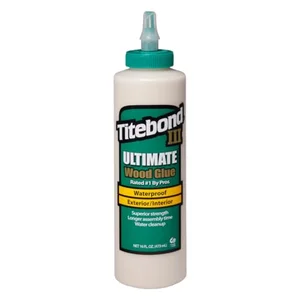 |
Titebond III Ultimate Wood Glue, 16 oz – $9.58 This is the wood glue the sawdust-paste and toothpick methods above both depend on for a strong bond. Check on Amazon |
More Wood Repair Supplies This Guide Recommends
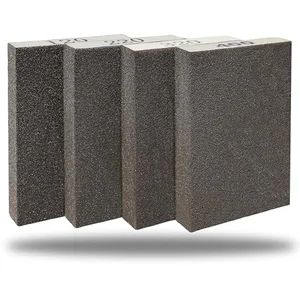 4-Pack Hand Sanding Sponge Set – $4.59 Use a fine grit to sand any of these DIY patches flush once they’ve dried. Check on Amazon |
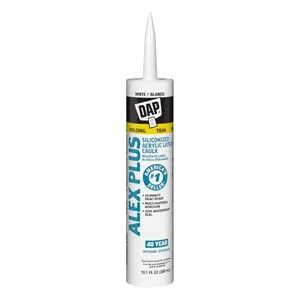 DAP Alex Plus White Acrylic Caulk – $2.97 The paintable caulk this guide recommends for small holes in painted trim. Check on Amazon |
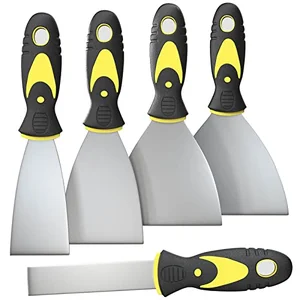 5-Piece Putty Knife Set – $5.99 A putty knife makes packing sawdust or flour paste into a hole much easier. Check on Amazon |
Holes in wood happen for many reasons. Tiny nail holes are common. Bigger ones can come from screws that were removed.
Sometimes, the wood itself might have a small knot that fell out. These are often called voids or cavities.
Wood filler is a material made to fill these gaps. It dries hard. Then you can sand it and paint or stain it.
But it’s not always the best choice. Sometimes, you need a fix that blends in better. Or you might want a natural look.
My Own Little Wood Nightmare
I remember working on an old dresser. It had a few divots from where someone had put screws in a long time ago. I wanted to repaint it a nice soft blue.
But these screw holes were just begging to be noticed. I rushed to the store for wood filler.
I got home, opened the tub, and it was hard as a rock! Totally dried out. I felt a wave of panic.
It was late, and I couldn’t go back to the store. My mind raced. Could I use something else?
I started looking around my workshop. That’s when I remembered an old trick my grandpa used. It saved the day.
Method 1: Sawdust and Glue Combo
This is a classic. You mix wood dust with wood glue.
What you need:
- Sawdust (from the same type of wood if possible)
- Wood glue
How to do it:
Mix sawdust and glue into a paste. It should be thick. Use a small putty knife or your finger to press it into the hole.
Let it dry completely. Then sand it smooth. This works best for smaller holes.
Why Sawdust and Glue Works Wonders
Sawdust is basically tiny wood particles. When you mix it with wood glue, it creates a strong material. The glue acts like a binder.
It holds the wood dust together. This makes a patch that is very similar to the original wood.
The key is getting the right mix. Too much glue, and it’s too wet and shrinks a lot. Too little glue, and it’s crumbly and won’t stick well.
You want it like a thick peanut butter. This helps it fill the space without falling out.
Quick Scan: Sawdust Paste for Holes
| Hole Size | Best For | Drying Time | Sanding |
|---|---|---|---|
| Small (nail/screw) | Most woods | A few hours | Easy |
| Medium (larger gouges) | Requires packing | Overnight | Moderate |
Tip: Match sawdust color to your wood for better hiding.
Real-World Wood Scenarios
This sawdust method is great for furniture. Think of an old wooden chair with a loose spindle. You might have a small hole where it connects.
Packing this paste in can secure it. It’s also good for trim around windows. If a small nail head popped out, this fix is perfect.
It’s less ideal for large, deep holes. The paste might shrink too much. It could also crack as it dries.
For those bigger issues, you might need something else. But for most everyday fixes, it’s a go-to.
When Is Sawdust Paste Enough?
This method is perfect for holes that don’t need to bear weight. If you’re filling nail holes before painting, it’s ideal. The paint will cover the patch.
You won’t see it. For stained wood, it can work if you are careful. Matching the sawdust color is crucial then.
If the hole is very deep, you might need to fill it in layers. Let the first layer dry before adding more. This stops cracking.
It ensures a solid repair. For holes that are under heavy stress, like a joint that needs to be super strong, this might not be enough on its own.
Quick Fixes Using Sawdust and Glue
Pack it tight: Use a small tool to push the paste into the hole. Get it all the way in.
Scrape excess: Wipe away any paste that sits on the surface. This makes sanding easier later.
Let it cure: Don’t rush the drying time. Give it at least a few hours, or overnight for deep holes.
Sand gently: Use fine-grit sandpaper. Work slowly until it’s flush with the wood surface.
Method 2: Toothpicks and Glue for Tiny Holes
This is super simple for small holes.
What you need:
- Wooden toothpicks
- Wood glue
How to do it:
Dip a toothpick into wood glue. Push it into the hole. Add more toothpicks if needed.
Break off any that stick out. Once dry, you can sand it. This works for nail holes or small screw holes.
The Toothpick Trick Explained
Think of toothpicks as little wood plugs. When you dip them in glue and push them into a hole, they fill the space. The glue helps them stick firmly.
It also adds strength. This creates a solid plug inside the hole.
It’s like building a tiny wooden support. For a single nail hole, one or two toothpicks might be all you need. For a slightly larger hole, you might need to crisscross a few.
The goal is to fill the void completely.
Contrast: Toothpick Fix vs. Wood Filler
| Feature | Toothpicks & Glue | Traditional Wood Filler |
|---|---|---|
| Best For | Small, shallow holes | All sizes, deep cracks |
| Material | Wood, glue | Resin, chalk, wood fibers |
| Blending | Can blend if done well | Often visible after staining |
| Strength | Good for its size | Varies, some very strong |
Key takeaway: Toothpicks are a great quick fix for small spots.
When to Reach for Toothpicks
This is your best friend for a quick fix on a project. You are painting a room and notice a small nail hole in the baseboard. Grab some toothpicks.
It takes seconds. You are assembling furniture and accidentally make a small pilot hole too deep. Toothpicks save the day.
It’s not for big gaps. If you have a hole the size of a quarter, toothpicks won’t do the job. You’d need a lot of them.
They’d be hard to pack in evenly. Plus, the wood glue would need to dry a long time.
Simple Steps for Toothpick Repairs
Prep the hole: Make sure the hole is clear of dust.
Glue time: Put a good amount of wood glue on the toothpick.
Insert carefully: Push the glued toothpick all the way into the hole.
Pack if needed: Add more toothpicks side-by-side or layered until the hole is full.
Trim and dry: Snap or cut off any toothpick ends sticking out. Let the glue dry. Sand smooth.
Method 3: Flour and Glue Paste (DIY Wood Putty)
This is a bit more involved but uses pantry items.
What you need:
- All-purpose flour
- Salt
- Water
- White glue (PVA type)
- Optional: Food coloring or stain (to match wood)
How to do it:
Mix about 2 parts flour and 1 part salt. Add water slowly. Mix to a thick dough.
Cook this dough briefly on low heat until it forms a stiff paste. Let it cool. Then mix in white glue.
Add a bit of stain if you want it to match wood color.
Press this paste into the hole. Let it dry. Sand it smooth.
It’s like making your own putty.
The Science Behind Flour Paste
Flour acts as a filler. Salt helps preserve it slightly and adds some body. The water makes it a workable paste.
White glue is the binder. It makes the mixture harden. When it dries, it becomes a firm plug.
Cooking the flour and water mix changes the starches. This makes the paste thicker and stronger. It’s similar to how cooking makes gravy thicker.
The glue then locks it all in place. Matching the color can be tricky. You might need to experiment.
Observational Flow: Making Flour Paste
- Step 1: Mix Dry. Combine flour and salt in a bowl.
- Step 2: Add Water. Stir in water until a thick dough forms.
- Step 3: Cook Gently. Heat on low, stirring until it’s a stiff paste.
- Step 4: Cool Down. Let the paste cool enough to handle.
- Step 5: Add Glue. Mix in white glue until combined.
- Step 6: Color Match (Optional). Add a tiny bit of stain or food coloring.
- Step 7: Apply. Press the paste into the wood hole.
- Step 8: Dry & Sand. Let it dry hard, then sand smooth.
When This DIY Putty Shines
This flour paste is good for medium-sized holes. It’s great if you need to fill something before painting. The texture can be a bit softer than wood filler.
So, it might not be ideal for high-wear surfaces if you plan to stain.
It can also be a bit messy to make. But if you’re out of wood filler and want to get a project done, it’s a neat solution. It’s especially handy if you have kids and want them to help with a simple repair project.
Tips for Using Flour Paste
Small batches: Make only what you need. This paste can dry out.
Test color: Try coloring a small bit first. See how it looks when dry.
Pack it well: Push the paste firmly into the hole. Get all the air out.
Patience is key: Let it dry fully. This can take a day or more for deeper holes.
Method 4: Epsom Salt and Glue Mixture
This one is a bit unusual but effective for small to medium holes.
What you need:
- Epsom salt (magnesium sulfate)
- Wood glue
How to do it:
Mix Epsom salt with wood glue. You want a thick paste, similar to the sawdust mix. The Epsom salt crystals help create a textured filler.
Press this paste into the hole. Let it dry completely. Then sand it smooth.
The texture of the salt can sometimes blend well with certain wood grains.
Understanding the Epsom Salt Fix
Epsom salt crystals are small and somewhat irregular. When mixed with glue, they form a filler that can be quite strong. The salt crystals provide a body and texture.
The glue holds them all together. It’s a bit like using tiny, irregular pebbles mixed with cement.
This method is interesting because Epsom salt is readily available. It’s often found in medicine cabinets. The texture is different from sawdust.
It might create a slightly rougher finish. This can be good or bad depending on your goal.
Stacked Micro-Sections: Epsom Salt Filler
Ingredient: Epsom salt (magnesium sulfate crystals).
Binder: Wood glue is essential.
Texture: Creates a granular, sometimes rough filler.
Best Use: Small to medium holes, especially before painting.
Drying: Requires thorough drying time.
Where This Method Fits In
This Epsom salt and glue mix is best for holes where you plan to paint afterward. The texture of the salt might show through if you try to stain the wood. It’s a good option if you have a small ding or dent in a piece of furniture.
You want to fill it quickly.
It’s not for very large voids. The crystals might not pack densely enough. You also want to ensure it dries fully.
If there’s moisture trapped, the glue might not cure properly. This could lead to a weak spot.
Tips for Epsom Salt Repairs
Start small: Mix a small amount. See how the paste feels.
Press firmly: Get the paste deep into the hole.
Allow full cure: This is crucial. Let it dry for at least 24 hours for best results.
Smooth finish: Sand carefully. If the texture is too rough, you might need a bit of primer before painting.
Method 5: Using Caulk (For Specific Situations)
This isn’t a universal fix. But for certain types of holes, caulk can work.
What you need:
- Paintable caulk (latex or acrylic)
- Caulk gun (if using a tube)
- Small putty knife or putty knife
How to do it:
Choose caulk that matches your paint color if you’re painting. For a small nail hole in drywall or wood trim, you can often use caulk. Apply it directly into the hole.
Smooth it with your finger or a damp cloth.
Let it dry. Caulk shrinks a little. So, for slightly larger holes, you might need two applications.
This works best on vertical surfaces or areas that don’t get much wear.
When Caulk Makes Sense
Caulk is flexible. It’s designed to fill gaps and cracks, often where different materials meet. Think of the gap between a wooden baseboard and a wall.
Or a small hole in painted wood trim. Caulk can seal these areas. It prevents drafts and looks neat.
However, caulk isn’t as hard as wood. It can be easily damaged. It’s also hard to sand.
If you try to sand it, it often balls up. So, it’s best for holes where appearance is key and wear is minimal.
Split Insight Panel: Caulk for Wood Holes
Ideal For: Small holes in painted wood trim, baseboards, or even drywall edges that meet wood.
Pros: Easy to apply, flexible, good for sealing, available in many colors.
Cons: Does not sand well, can shrink, not very durable for high-traffic areas.
Important: Always use “paintable” caulk if you plan to paint over it.
What Caulk Means for Your Wood Repair
If you have a painted piece of trim with a small nail hole, caulk is an easy choice. It fills the hole and seals it. When it dries, you can touch it up with paint.
It disappears. If you have a hole in unfinished wood, caulk is generally not the best choice.
Also, be aware that caulk can shrink. For a deeper hole, you might need to apply it, let it dry, and then apply a second coat. This ensures the hole is filled without a noticeable dip.
Simple Caulk Application Tips
Clean the area: Make sure the hole is free of dust and debris.
Cut the tip: If using a caulk tube, cut the tip to a small opening.
Apply smoothly: Squeeze caulk into the hole. Don’t overfill.
Smooth and wipe: Use a damp cloth or your finger to smooth the caulk. Wipe away excess.
Let it cure: Allow the caulk to dry according to the package directions before painting.
What This Means for You
Now you know there are multiple ways to fill holes in wood without buying special wood filler. Each method has its own strengths. Sawdust and glue is great for matching wood color.
Toothpicks are fast for tiny spots. Flour paste and Epsom salt are DIY options. Caulk works for painted trim.
Choosing the right method depends on the hole size. It also depends on the type of wood. And what you plan to do with the wood afterward.
Most of these fixes are simple and use items you might already have.
When Is a Hole Normal?
Small nail holes are very common in wooden structures. So are small screw holes. They happen when things are built or repaired.
A small dent or ding on furniture is also normal wear and tear. These are usually not a problem.
If the hole is tiny, like from a small finishing nail, it’s perfectly fine. It doesn’t affect the wood’s strength. It’s just a cosmetic issue.
These are what the methods above are great for.
When to Worry About Wood Holes
You should worry if the holes are very large and deep. Especially if they are in a structural part of the wood. For example, a hole going through a table leg could be a problem.
If the wood looks rotten or soft around the hole, that’s also a concern.
Pest damage can also create holes. Look for tiny sawdust piles. If you see signs of insects, you need to address that first.
These DIY fixes won’t solve an infestation.
Simple Checks for Wood Holes
Tap test: Gently tap the wood around the hole. Does it sound solid? Or hollow and soft?
Soft wood might mean rot.
Probe gently: Use a toothpick or small screwdriver to poke into the hole. Does it go in easily? Does it break up soft wood?
Visual check: Look closely at the edges of the hole. Are they clean-cut? Or ragged and crumbling?
Frequently Asked Questions
Can I use toothpaste to fill holes in wood?
While some people suggest toothpaste for very small holes, it’s generally not recommended. Toothpaste can be sticky. It may not dry hard.
It can also attract pests. It’s better to use a method with actual binding agents like glue.
Will these methods work on painted wood?
Yes, most of these methods work well on painted wood. The sawdust and glue mix, toothpicks and glue, and the flour paste can all be painted over after they dry and are sanded smooth. Caulk is specifically designed for painted surfaces.
How do I match the color of the repair to my stained wood?
Matching color is the hardest part for stained wood. For sawdust and glue, try to get sawdust from the exact same wood. For flour paste, you can add a tiny bit of wood stain or matching paint to the mixture.
You might need to do some touch-up painting after sanding to get a perfect match.
How long do these repairs take to dry?
Drying times vary. Tiny toothpick repairs can dry in a few hours. Sawdust and glue mixes may need 4-12 hours, or overnight for deep holes.
Flour paste and Epsom salt mixes can take 12-48 hours to fully harden, especially in humid conditions. Caulk dries fairly quickly, usually within an hour.
Are these fixes permanent?
For small, non-structural holes, these fixes are quite durable. They should last for years. They are not as strong as a proper wood filler or epoxy for very demanding situations.
But for most cosmetic repairs, they hold up well. Durability depends on the application and the stress on the repaired area.
Can I use any kind of glue?
Wood glue (PVA glue) is best for sawdust, toothpicks, and flour/Epsom salt mixes. It dries strong and bonds well with wood fibers. White school glue can work in a pinch for the flour paste, but wood glue is preferred.
Avoid super glue for filling larger holes as it can be brittle.
Conclusion
You’ve seen five ways to fix holes in wood without a tub of filler. Each method offers a simple solution. You can tackle small dings and nail pops.
Your projects can look great again.
Don’t let a few holes stop you. Try one of these easy tricks. You’ll be amazed at how well they work!
Sponsored / affiliate links. As an Amazon Associate I earn from qualifying purchases. I may earn additional commission from eligible campaigns.