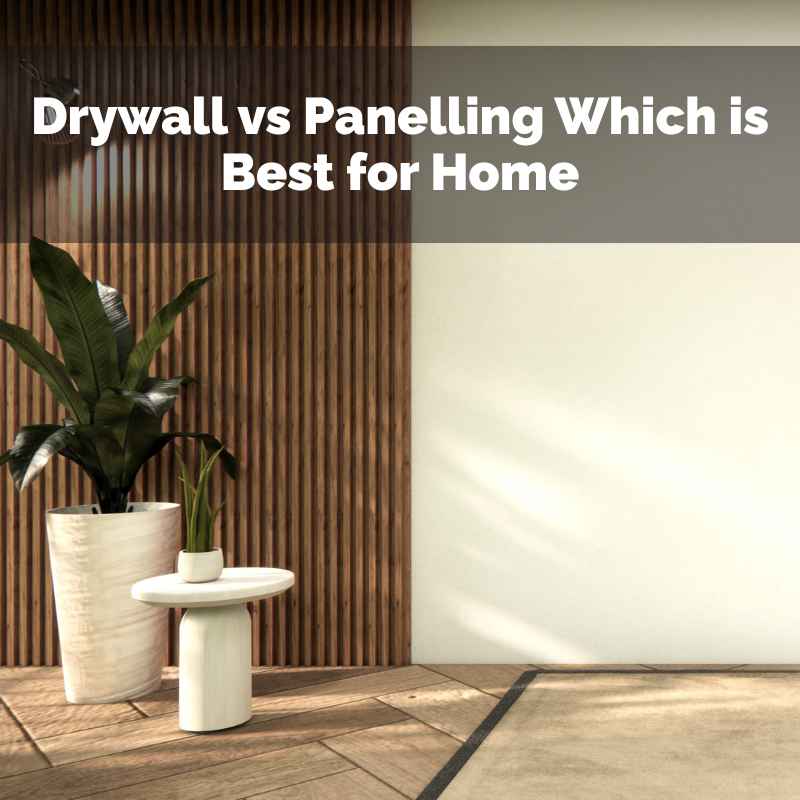
Drywall vs Panelling Which is Best for Home
Picking the right wall covering can feel tricky, especially when you’re new to home projects. You might wonder about Drywall vs Panelling: Which is Best for Your Local Home? and what makes one better than the other for your specific needs. It’s a common question because both look good but work differently.
Don’t worry, we’ll break it down simply, step by step. Let’s look at what each option offers and help you decide.
Understanding Drywall
Drywall is a popular choice for walls and ceilings. It’s made from gypsum plaster sandwiched between two thick sheets of paper. This makes it strong yet relatively lightweight.
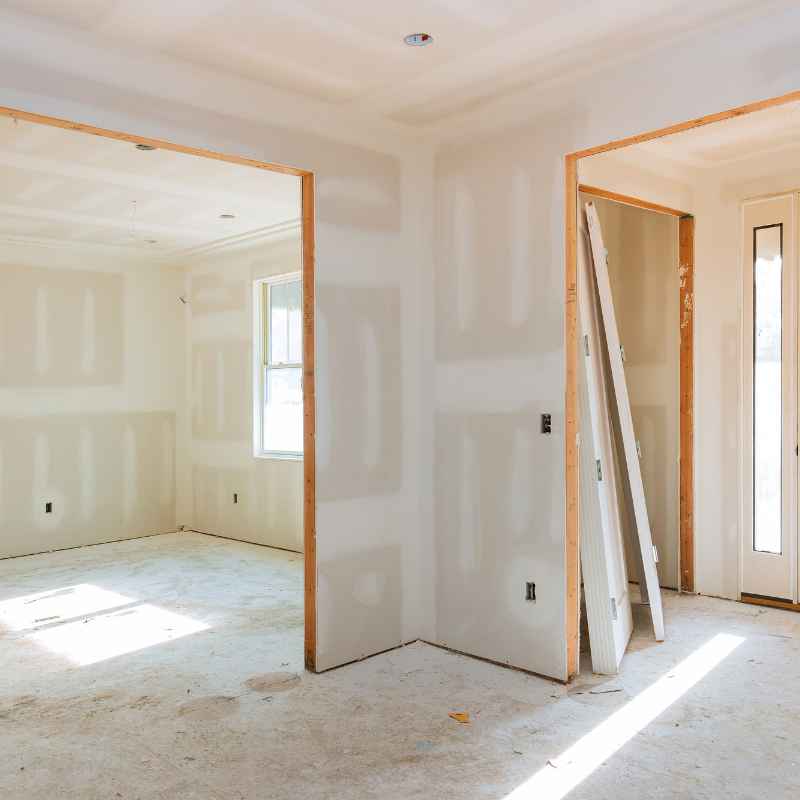
Drywall comes in large sheets, usually 4 feet by 8 feet, or sometimes larger. Installing it means hanging these sheets and then covering the seams and screw holes with joint compound, also known as mud. After it dries, you sand it smooth.
This creates a seamless surface ready for paint or wallpaper. It’s a common building material because it’s cost-effective and offers a smooth finish. Its versatility makes it a favorite for many home renovation and construction projects.
What is Drywall Made Of
Drywall is essentially a gypsum core. Gypsum is a soft sulfate mineral composed of calcium sulfate dihydrate. It’s naturally occurring and mined from the earth.
This gypsum is heated to remove water molecules, creating a powder. This powder is then mixed with water and other additives to form a thick slurry. This slurry is spread between two large sheets of paper.
These papers provide strength and a smooth surface. The manufacturing process is quite efficient, allowing for large-scale production. This contributes to drywall’s affordability and widespread availability.
The Benefits of Using Drywall
Drywall offers several advantages for homeowners. One of its main benefits is its smooth, seamless finish. When installed correctly, it can make walls look like a single, continuous surface.
This is ideal for modern aesthetics and for achieving a professional look with paint. It’s also a good fire-resistant material. Gypsum contains water in its molecular structure, which releases as steam when heated, slowing down the spread of fire.
Drywall is also relatively easy to cut and install compared to other wall materials. This can save on labor costs for DIY projects. Its smooth surface also makes it easy to repair if it gets damaged.
Small dents or holes can be patched quickly and discreetly.
Common Types of Drywall
There are a few common types of drywall designed for specific uses. Standard drywall is the most basic and is suitable for most interior walls and ceilings. Moisture-resistant drywall, often called green board, has a special facing that helps it withstand humidity better.
It’s a good choice for bathrooms and kitchens. Mold-resistant drywall is similar but has additives that further prevent mold growth. Fire-resistant drywall, or Type X, is thicker and contains fiberglass reinforcement.
It’s used in areas where extra fire protection is needed, like in attached garages or multi-family dwellings. There’s also abuse-resistant drywall, which is stronger and can withstand more impact, making it suitable for high-traffic areas.
Drywall Installation Process
Installing drywall involves several steps. First, measure and cut the drywall sheets to fit the wall area. Then, hang the sheets, screwing them into the wall studs.
This requires careful placement to ensure they are level and secure. Next comes the taping and mudding process. Joint tape is applied over the seams between sheets.
Then, multiple thin layers of joint compound are applied over the tape and screw heads. Each layer needs to dry completely before the next is applied and before sanding. Sanding is crucial to create a smooth, uniform surface.
The final step is priming and painting or applying other wall finishes. This process requires patience and attention to detail.
Exploring Panelling Options
Panelling refers to sheets or planks of material that are attached to walls. Unlike drywall, which creates a seamless surface, panelling often has visible seams or patterns. This can range from solid wood planks to decorative wood panels and even vinyl or laminate options.
Panelling can add character and texture to a room. It can be used to cover entire walls or just accent specific areas. The installation method can vary greatly depending on the type of panelling.
Some types, like beadboard or shiplap, are designed to interlock. Others are applied individually and may require more precise cutting and fitting. The aesthetic possibilities with panelling are vast.
What is Wall Panelling
Wall panelling is a broad term for materials applied to walls to cover them. It can be made from wood, composite materials, laminate, or even vinyl. Unlike drywall, which is typically painted, panelling often showcases its material or design.
Wood panelling can range from elegant solid hardwoods to more rustic pine planks. MDF (medium-density fiberboard) panels are common and can be finished to look like wood or painted. Laminate panels offer durability and a consistent look, often mimicking wood grain.
Vinyl panels are budget-friendly and easy to clean, making them suitable for high-moisture areas or kids’ rooms. The primary purpose is both decorative and protective.
Types of Panelling Materials
There’s a wide variety of panelling materials available. Solid wood panels offer a natural, classic look. These can be stained or painted to match any decor.
Plywood panels are also an option, offering a more affordable way to get a wood look. MDF panels are popular because they are stable and can be easily machined into different profiles. They are often used for wainscoting or decorative wall treatments.
Laminate panels are made by printing a design onto a layer of paper and then covering it with a protective wear layer. They are durable and come in many styles. Vinyl panels are waterproof and easy to install, often used in basements or garages.
Aesthetic Appeal of Panelling
Panelling can dramatically change the feel of a room. Wood panelling, for instance, can add warmth and a sense of tradition. Shiplap panelling, with its overlapping planks, gives a charming, farmhouse-style look.
Beadboard panelling, with its raised beads, offers a classic cottage or traditional appearance. Panelling can also be used to create bold statements. Dark, rich wood panels can give a room a sophisticated, club-like atmosphere.
Brightly colored or patterned panels can add a playful or modern touch. It’s a way to add texture and depth that a simple painted drywall surface cannot always achieve.
Installation Methods for Panelling
The way panelling is installed depends on its type. Some wood or laminate panels use a tongue-and-groove system. The tongue of one piece fits into the groove of the next.
This creates a tight fit and often hides the fasteners. Other panels, like beadboard or shiplap, are designed for this interlocking method. Some panels are applied individually.
This might involve nailing or screwing each piece to the wall studs. Large MDF or plywood panels might be glued and screwed. The ease of installation can vary significantly.
Beadboard, for example, is often considered quite DIY-friendly. More intricate paneling might require more specialized tools and skills.
Drywall vs Panelling Which is Best for Your Local Home
Deciding between drywall and panelling for your home depends on several factors unique to your situation. Drywall vs Panelling: Which is Best for Your Local Home? involves looking at budget, desired look, durability needs, and your own DIY skills. Drywall offers a smooth, paintable canvas and is generally the standard for most homes due to its cost-effectiveness and ease of repair.
Panelling, on the other hand, offers more decorative options and can add significant character and warmth to a space. It can be more forgiving for minor wall imperfections than drywall. However, the cost and installation complexity can vary widely depending on the type of panelling chosen.
Cost Considerations
When comparing costs, drywall is typically the more budget-friendly option for covering large wall areas. The material itself is relatively inexpensive. The labor for installation can also be less, especially if you’re hiring professionals for a standard drywall job.
Panelling costs can vary much more widely. Basic beadboard or MDF panelling might be comparable in price to drywall, especially if you’re doing the installation yourself. However, premium wood panels or custom-designed systems can be significantly more expensive.
You also need to factor in finishing materials like paint, stain, or sealant, which add to the overall project cost for both options.
Durability and Maintenance
Durability is a key consideration. Standard drywall is susceptible to dents and damage from impacts. While easy to patch, it doesn’t stand up well to rough treatment.
Moisture-resistant drywall improves its durability in damp areas. Panelling can offer greater durability depending on the material. Wood panelling, especially hardwood, is quite tough.
Laminate and vinyl panels are also designed to be hard-wearing and resistant to scratches and moisture. Maintenance for drywall is straightforward: clean with a damp cloth and touch up paint as needed. Panelling maintenance varies.
Wood panels may need occasional refinishing. Laminate and vinyl are usually easy to wipe clean.
Installation Ease and DIY Friendliness
For DIY enthusiasts, drywall installation involves a learning curve. Taping, mudding, and sanding require practice to achieve a professional finish. Mistakes can be visible.
Panelling can sometimes be easier for DIYers, especially systems like shiplap or beadboard that interlock. These often involve less finishing work. However, some panelling, like solid wood planks or custom designs, can be quite challenging and require precise cutting and fitting.
If you’re looking for a simpler DIY project, certain types of panelling might be more accessible than a perfectly smooth drywall finish. If you plan to hire professionals, the cost difference in installation might be less significant.
Aesthetic Impact and Room Style
The aesthetic impact of drywall and panelling is vastly different. Drywall provides a clean, neutral backdrop. It’s ideal for modern, minimalist, or traditional styles where the focus is on furniture and decor.
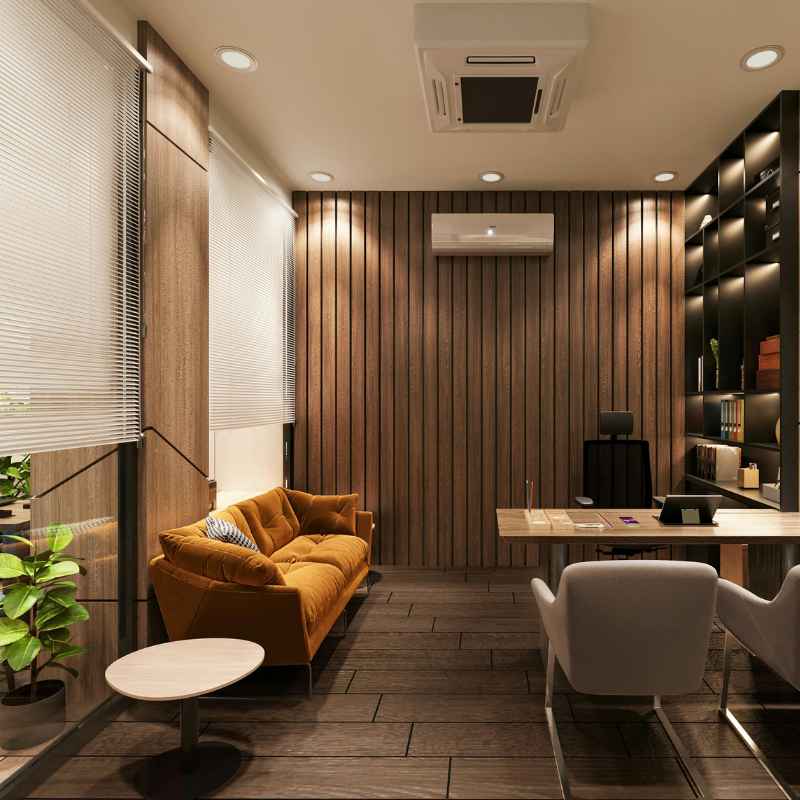
It allows for endless color possibilities with paint. Panelling, however, is a statement in itself. Wood panelling adds warmth, texture, and can create a cozy or sophisticated atmosphere.
Shiplap or beadboard panels lend themselves to farmhouse, cottage, or coastal styles. The visual texture and depth that panelling adds are unique. Choosing between them often comes down to the overall style you want for your room.
When to Choose Drywall
You should choose drywall for your home if you’re aiming for a smooth, seamless finish that can be painted any color. It’s the standard for most rooms in a house. Drywall is often the more budget-friendly choice for full room coverage, especially if you’re hiring installers.
It’s also the go-to for ceilings and areas where a flat, uniform surface is desired. If you plan to use wallpaper, drywall provides the perfect base. It’s also generally easier to patch and repair minor damage compared to some panelling types.
For new construction or major renovations where a fresh, blank canvas is needed, drywall is the usual selection.
When to Choose Panelling
Panelling is a great choice if you want to add visual interest, texture, and character to your walls. It’s excellent for creating accent walls or covering imperfections that are difficult to repair with drywall. If you love the look of natural wood grain, beadboard, or shiplap, panelling is the way to go.
It can make a room feel warmer and more inviting. Panelling is also a good option for areas that need extra durability, like playrooms or entryways, depending on the material. For specific design styles like farmhouse or traditional, panelling often plays a key role in achieving the desired aesthetic.
It can also be used effectively in basements or garages for a more finished look.
Comparing Drywall and Panelling in Detail
When we look at Drywall vs Panelling: Which is Best for Your Local Home?, a detailed comparison helps clarify the strengths of each. Drywall excels in providing a smooth, paintable surface and is generally more cost-effective for large areas. Its installation, while requiring skill, is a standard practice.
Panelling offers a wider range of aesthetic options, from rustic wood to sleek laminates, and can add significant character. The choice often hinges on the desired look, budget, and how much DIY effort you plan to put in. Let’s examine some specific comparison points.
Cost Comparison Table
| Feature | Drywall | Panelling (Typical) |
|---|---|---|
| Material Cost (per sq ft) | $0.50 – $1.50 | $1.00 – $10.00+ |
| Installation Labor Cost | Moderate | Moderate to High (varies greatly) |
| Finishing Cost (paint, etc.) | Standard painting costs | Can include staining, sealing, or specialized finishes |
| Overall Project Cost | Generally lower for full coverage | Can be higher, especially for premium materials |
This table shows that for basic wall coverage, drywall is often more economical. The price range for panelling reflects the huge variety of materials available. Simple beadboard or MDF might be closer to the lower end, while solid hardwoods or intricate designs will be at the higher end.
When considering panelling, always get quotes for the specific material you are interested in.
Durability and Repairability
Drywall is prone to dings and dents from everyday life. Small holes from picture hooks are common. Repairing these is usually simple: apply a bit of spackle or joint compound, sand it smooth, and repaint.
Larger holes require cutting out the damaged section and patching with new drywall. This makes drywall repair accessible to most homeowners. Panelling’s durability depends heavily on the material.
Solid wood is very durable and can be sanded and refinished if scratched. Laminate and vinyl panels are resistant to wear but cannot be repaired if deeply scratched or gouged; sections often need to be replaced. For areas prone to impact, like a child’s playroom or a busy hallway, a more durable panelling might be preferable.
Installation Complexity and Time
Installing drywall requires a specific skill set. Cutting large sheets accurately, screwing them into studs without gaps, and then applying joint compound and sanding creates a dust-filled process. It often takes multiple days due to drying times for the mud.
Panelling can be simpler, especially for DIYers. Interlocking systems like shiplap or beadboard can be cut with basic saws and attached with nails or screws. The seams are often designed to be visible or are part of the decorative appeal.
However, if you’re installing intricate wood panelling or require precise fits around windows and doors, it can be time-consuming and demanding. Some panelling installations might also involve adhesives. The time commitment for panelling can range from a weekend project to several days, depending on the complexity.
Soundproofing and Insulation Properties
When considering soundproofing, drywall has moderate sound-blocking capabilities on its own. Its density helps to absorb and reflect sound waves. For enhanced soundproofing, multiple layers of drywall can be installed, or specialized sound-dampening drywall can be used.
Insulation in the wall cavity also plays a significant role. Panelling’s soundproofing properties are generally less predictable. Thin decorative panels offer little in the way of sound dampening.
Thicker, solid wood panels might offer some improvement, but they are not typically chosen for their acoustic benefits. If soundproofing is a major concern, you might need to combine your wall covering choice with additional insulation or soundproofing materials.
Environmental Impact and Sustainability
The environmental impact of drywall production can be significant, involving mining for gypsum and energy use in manufacturing. However, drywall is recyclable. Many manufacturers now use recycled paper and gypsum in their products.
The disposal of drywall can also be an issue, though recycling programs are becoming more common. Panelling materials have varied environmental footprints. Solid wood panels, if sourced from sustainably managed forests, can be a renewable resource.
Engineered wood products like MDF use wood waste but often rely on formaldehyde-based adhesives, which can release VOCs (volatile organic compounds). Laminate and vinyl panels are typically petroleum-based and can be difficult to recycle. Choosing eco-friendly options often means looking for certifications like FSC (Forest Stewardship Council) for wood products.
Common Scenarios for Drywall vs Panelling
To better understand Drywall vs Panelling: Which is Best for Your Local Home?, let’s look at typical situations. For a brand-new home build or a major remodel aiming for a modern, clean look, drywall is the standard and often the most practical choice. It offers a neutral canvas for paint and decor.
On the other hand, if you’re looking to add warmth and character to a living room, create a feature wall, or update a basement, panelling can be an excellent option. Consider the specific room’s function and the overall design goal.
Living Rooms and Bedrooms
In living rooms and bedrooms, the focus is often on creating a comfortable and aesthetically pleasing atmosphere. Drywall is a popular choice here because it provides a smooth surface for paint, allowing you to easily change wall colors as trends or your preferences shift. It serves as a neutral backdrop that highlights furniture and artwork.
However, panelling can also be used to create a cozy and inviting space. For example, a feature wall in a bedroom with reclaimed wood panelling can add significant warmth and texture. In a living room, wainscoting or beadboard panelling can add a classic touch.
Kitchens and Bathrooms
Kitchens and bathrooms are high-moisture environments. Standard drywall is not ideal for these areas because moisture can cause it to weaken and mold. Moisture-resistant drywall (green board) is a better choice for these rooms, especially in areas like backsplashes or shower walls.
Some types of panelling, like vinyl or certain treated wood panels, can also be suitable for kitchens and bathrooms due to their water resistance. However, it’s crucial to select materials specifically designed for damp conditions to prevent long-term damage and ensure a hygienic finish. Proper sealing and ventilation are key regardless of the wall covering.
Basements and Garages
Basements and garages often present unique challenges. Basements can be prone to moisture and flooding, so durable, water-resistant materials are important. Panelling, particularly vinyl or moisture-resistant MDF, can be a good option for basements as it’s easier to clean and can withstand minor water exposure better than standard drywall.
For garages, durability and ease of cleaning are paramount. Painted drywall can work, but it’s susceptible to dents and marks. Some homeowners opt for pegboard or specialized garage panelling systems for added functionality and impact resistance.
Kids’ Rooms and Play Areas
Kids’ rooms and play areas are areas where durability and ease of repair are major factors. Drywall, while easily patched, can be prone to dents and scuffs from toys and active children. If you choose drywall, opt for a scrubbable paint finish.
Panelling can offer more resilience. Hardwood panels are very tough. Some laminate or even high-impact vinyl panels can stand up to rough play better than standard drywall.
The ability to easily wipe down and clean panelling is also a significant advantage in these spaces.
DIY Project Examples
Imagine you want to update a small guest bathroom. You could install moisture-resistant drywall, tape, mud, sand, prime, and paint. This is a multi-day project requiring a fair bit of skill.
Alternatively, you could choose beadboard panelling. You would cut the panels to size, attach them to the wall with nails, add a trim piece, and then paint. This could be completed in a weekend and might be more forgiving for a beginner.
Another example: transforming a living room accent wall. You could hang and finish drywall for a smooth, paintable surface. Or, you could install reclaimed wood planks, which would offer a rustic, textural focal point with a different installation process.
Frequently Asked Questions
Question: Is drywall or panelling more expensive overall?
Answer: Drywall is typically less expensive for basic wall coverage, especially when considering materials and standard installation for large areas. Panelling costs can vary widely, from affordable beadboard to premium wood, making it potentially more expensive overall depending on the material chosen.
Question: Which is easier to install for a beginner DIYer?
Answer: Certain types of panelling, like beadboard or shiplap, are often considered easier for beginners than drywall because they may involve less intricate finishing work like taping and mudding.
Question: Can panelling be painted?
Answer: Yes, most types of panelling can be painted, including wood, MDF, and some laminate panels. This allows for customization to match your home’s decor.
Question: Which wall covering is better for soundproofing?
Answer: Drywall offers moderate soundproofing, especially when layered or combined with insulation. Panelling’s soundproofing qualities are generally less pronounced, depending heavily on the material’s thickness and density.
Question: Which option is best for a modern home design?
Answer: Drywall is generally preferred for modern designs due to its smooth, seamless finish that acts as a clean canvas for minimalist aesthetics. However, some sleek, modern panelling designs also exist.
Final Thoughts
Deciding between drywall and panelling for your home hinges on your budget, desired aesthetic, and how much work you want to do. Drywall offers a smooth, versatile finish that’s cost-effective for most walls. Panelling adds texture and character, with options for rustic or modern looks.
Consider the room’s purpose and your skills to make the best choice.
Sponsored / affiliate links. As an Amazon Associate I earn from qualifying purchases. I may earn additional commission from eligible campaigns.