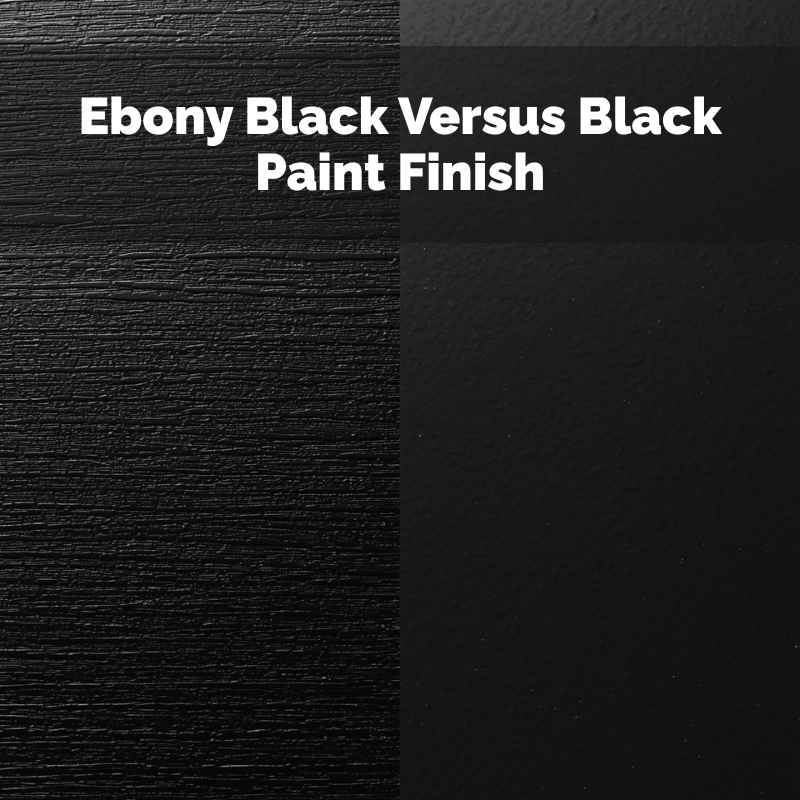
Ebony Black Versus Black Paint Finish
Choosing the right black finish for your project can feel a bit tricky, especially when you’re just starting out. You might wonder about the differences between something named ‘Ebony Black’ and just plain ‘black paint‘. It’s a common question that can make things seem more complicated than they need to be.
But don’t worry, this guide will make it super simple. We’ll break down exactly what you need to know to pick the perfect black finish for your needs.
Understanding Ebony Black and Black Paint
When people talk about black finishes, they often mean a few different things. Sometimes, it’s just about the basic color. Other times, it refers to a specific shade or even a type of material.
This section will help clear up the core differences between what’s typically meant by ‘Ebony Black’ and general ‘black paint. We’ll explore the common characteristics of each and what makes them stand out.
What is Ebony Black
Ebony black is a term often used to describe a very deep, rich, and dark shade of black. It’s inspired by the wood of the ebony tree, which is known for its extremely dark, almost true black color. When you see something described as ebony black, think of a color that absorbs most light, appearing intensely dark and often having a subtle, luxurious sheen.
This shade is usually achieved with pigments that create a very dense, opaque black. It’s not just any black; it implies a level of depth and saturation. For example, in furniture or car finishes, ebony black suggests a premium look.
It often has a subtle warmth or coolness depending on the specific formulation, but its primary characteristic is its intense darkness.
Many paint manufacturers offer shades that they label as ebony black. These can vary slightly from brand to brand. The key is that they aim for that profound, almost velvety blackness that is highly desirable for its sophistication and elegance.
It’s a classic choice that rarely goes out of style.
What is Standard Black Paint
Standard black paint is a more general term. It refers to any paint that is black in color. This can range from a softer, slightly grayish black to a deep, intense black.
The term doesn’t imply a specific shade or characteristic beyond being black. It’s the most common type of black paint you’ll find.
The hue and finish of standard black paint can vary greatly depending on the type of paint, its intended use, and the pigments used. For instance, a matte black paint will look very different from a glossy black paint, even if they are both labeled simply as ‘black’. The base formulation of the paint plays a big role.
When you buy ‘black paint’ without any further description, you might get a basic, everyday black. This is often used for general purposes, such as painting walls, fences, or simple craft projects. It’s functional and comes in many forms, but it doesn’t necessarily carry the specific depth or richness that ‘ebony black’ implies.
Key Differences Summarized
The main difference lies in specificity and implication. ‘Ebony Black’ suggests a particular, very deep, and rich shade of black, often associated with luxury and intensity. ‘Black Paint’ is a broader category, encompassing any black color without defining its specific depth or quality.
Think of ebony black as a refined subcategory within the larger group of black paints.
For example, a car painted in ebony black is expected to have a deep, mirror-like finish that captures light in a dramatic way. A wall painted in standard black might simply be a dark color, perhaps more muted or with a different sheen. The context of use often dictates which term is more appropriate.
- Depth of Color Ebony black is typically deeper and more intense than standard black paint.
- Connotation Ebony black carries connotations of luxury and sophistication, while standard black is more functional.
- Specificity Ebony black refers to a specific shade, whereas black paint is a general color category.
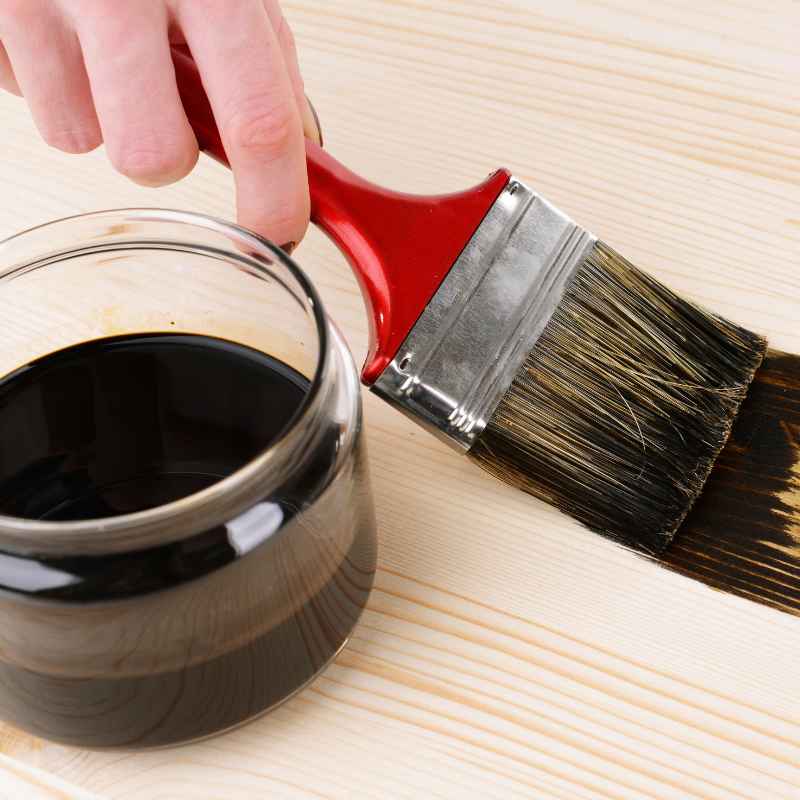
Exploring the Nuances of Black Finishes
Beyond just the name, the way a black finish looks and feels depends heavily on its composition and how it’s applied. Different types of black paint offer unique visual effects and durability. This section will look at the various finishes you might encounter and how they impact the final appearance.
We will also consider the materials they are applied to.
Matte Black Finishes
Matte black finishes have a non-reflective surface. They absorb light rather than reflecting it, giving a soft, velvety appearance. This look is very modern and can make objects appear sleek and understated.
Matte finishes are popular for cars, electronics, and interior design where a sophisticated, low-gloss look is desired.
The absence of shine means that imperfections on the surface can be more noticeable. Therefore, proper surface preparation is crucial when applying a matte black finish. It’s also important to note that matte finishes can sometimes be harder to clean than glossier ones, as dirt can settle into the pores of the finish more easily.
Despite these challenges, the unique aesthetic of matte black makes it a favored choice for those seeking a bold yet subtle statement. Its ability to reduce glare is also an advantage in certain applications, such as photography equipment or display screens.
Glossy Black Finishes
Glossy black finishes are highly reflective, creating a mirror-like surface. This type of finish makes colors appear more vibrant and can make surfaces look deeper and richer. Glossy black is often associated with luxury, elegance, and a high-end appearance.
It’s commonly used on cars, pianos, and high-fashion items.
The high reflectivity of glossy finishes means that they can highlight every flaw on the surface underneath. This requires a very smooth and well-prepared surface for application. While they are beautiful, glossy finishes can also show fingerprints and smudges more readily than matte finishes.
Cleaning glossy surfaces is generally easier as dirt and grime tend to sit on the surface and can be wiped away. However, abrasive cleaners should be avoided to prevent scratching the high-shine surface. The dramatic effect of a well-executed glossy black finish is often worth the extra effort.
Satin Black Finishes
Satin black finishes offer a middle ground between matte and glossy. They have a slight sheen but are not as reflective as a full gloss. This finish provides a sophisticated look that is less prone to showing imperfections or fingerprints than gloss, but still has more depth than a matte finish.
Satin finishes are often a good compromise for many applications. They offer a pleasing aesthetic without the extreme maintenance requirements of high gloss. For example, on kitchen cabinets or furniture, a satin black can provide a stylish look that is also practical for everyday use.
The slight sheen of satin black can make the color appear richer than a matte finish. It’s a versatile option that works well in a variety of settings, from modern to more traditional styles. It’s a popular choice for its balance of appearance and ease of care.
Specialty Black Finishes
Beyond the common finishes, there are also specialty black paints that offer unique effects. These can include metallic blacks, which have a subtle shimmer of metallic flakes, or textured blacks, which provide a tactile feel to the surface. Powder coating, a dry finishing process, also offers durable and attractive black finishes.
Another example is a “soft-touch” black finish, which feels almost velvety and slightly rubbery. These finishes are often used on electronic devices or premium car interiors to enhance the user experience. Some specialty finishes might also be designed for extreme durability or specific environmental conditions.
The choice of specialty finish depends entirely on the desired outcome and the object being finished. Whether it’s for aesthetics, functionality, or both, these options expand the possibilities for using black as a color choice.
Choosing the Best Black Finish for Your Project
Deciding between an ebony black and a standard black paint, and then choosing the right finish, involves thinking about a few key factors. Your project’s purpose, the desired look, and the environment it will be in all play a role. This section will guide you through making that decision so you end up with the best result possible.
Consider the Project’s Purpose
The intended use of the item you are painting is a major factor. For decorative items where aesthetics are paramount, a rich ebony black with a high-gloss finish might be ideal. For something that will see a lot of wear and tear, like a piece of furniture or an appliance, a more durable and practical finish like satin or even a textured black might be better.
If you are painting a car, the choice might depend on whether you want a deep, luxurious look (often ebony black with gloss) or a more subtle, modern appearance (perhaps a matte or satin finish). For walls in a home, a less intense black might be preferred to avoid overwhelming the space, possibly with a satin or eggshell finish for easy cleaning.
Think about how light will interact with the surface. Will it be in bright sunlight, or a dimly lit room? This can influence whether a reflective or non-reflective finish is more suitable.
The goal is to select a black finish that not only looks good but also performs well for its intended function.
Desired Aesthetic and Style
Your personal style and the overall aesthetic you want to achieve are crucial. Ebony black, especially in a glossy or satin finish, often conveys a sense of elegance, luxury, and sophistication. It’s a classic choice that can make any item look more premium.
Matte black, on the other hand, lends itself to modern, minimalist, or industrial styles. It can create a dramatic and bold statement without being overly flashy. Think of the sleek look of modern appliances or contemporary furniture.
Satin black offers a balanced approach, providing a sophisticated look that is approachable and versatile. It can bridge the gap between the extreme looks of matte and gloss, fitting into a wide range of design schemes. Consider the other colors and textures in your space to ensure the black finish complements them well.
Environmental Factors and Durability
The environment where the finished item will be placed is a significant consideration. If the item will be exposed to harsh weather, frequent cleaning, or high traffic, durability becomes very important. Some black finishes are inherently more resistant to scratching, fading, or chipping than others.
For outdoor applications, look for paints specifically formulated for exterior use, which often have enhanced UV resistance and weatherproofing. For high-touch surfaces like door handles or furniture, a finish that is easy to clean and resistant to fingerprints, such as a satin or a specialized soft-touch coating, would be beneficial.
While ebony black might be visually stunning, if it’s in a location prone to scuffs and dirt, you might regret choosing a finish that requires constant upkeep. It’s a balance between achieving the desired look and ensuring the finish remains looking good over time.
Real-Life Examples and Scenarios
Let’s look at how these choices play out in real situations. Imagine you are repainting your kitchen cabinets. If you want a high-end, modern look, you might consider ebony black in a satin finish.
This would provide a deep, rich color that is also practical for a busy kitchen environment. A glossy finish might highlight every smudge, making cleaning a chore, while a matte finish could look too dull.
Another example is choosing a finish for a custom bicycle frame. If the owner wants a stealthy, understated look that doesn’t draw too much attention, a matte black frame would be a great choice. It would absorb light and blend in, offering a cool, edgy aesthetic.
If, however, they wanted a show-stopping bike that looks fast and sleek, a glossy ebony black with silver accents could be the way to go.
Here’s a comparison table to help visualize:
| Finish Type | Typical Appearance | Best For | Considerations |
|---|---|---|---|
| Ebony Black (Glossy) | Deep, rich, mirror-like | Luxury items, show cars, accent pieces | Shows imperfections easily, requires smooth surface |
| Ebony Black (Satin) | Deep, rich, slight sheen | Furniture, cabinets, car interiors | Balanced look, easier to clean than gloss |
| Matte Black | Soft, non-reflective, velvety | Modern designs, electronics, stealth vehicles | Can be harder to clean, shows dust easily |
| Satin Black | Subtle sheen, smooth | Versatile use, walls, furniture, appliances | Good compromise of looks and practicality |
Consider this scenario: You are designing a media console for your living room. You want it to look sophisticated but also be durable enough for everyday use. A standard black paint might look too basic.
Ebony black in a satin finish would offer a premium look that hides fingerprints better than gloss. This makes it a practical choice for a piece of furniture that will be touched frequently.
Alternatively, if you are painting a bookshelf that will be in a low-traffic area and you want a dramatic, modern feel, a matte black finish could be perfect. It would create a striking contrast with colorful books and decor, giving the room a contemporary edge. The ease of cleaning might be less of a concern here.
For car enthusiasts, the debate between ebony black and other blacks is common. Many high-performance cars feature a deep, lustrous black finish that accentuates their aggressive lines. However, some prefer the subtle, almost tactical look of matte black for a more understated, yet powerful, presence on the road.
Application Tips for Black Finishes
Applying black paint, especially rich shades like ebony black, requires attention to detail to achieve the best results. Proper preparation, application techniques, and post-application care are key. This section will provide practical advice to help you achieve a flawless black finish.
Surface Preparation is Key
No matter which black finish you choose, preparing the surface is the most critical step. The surface must be clean, dry, and free of any dust, grease, or old paint. For glossy finishes, the surface needs to be incredibly smooth, as any bumps or imperfections will be magnified.
Sanding and priming are usually necessary.
Use the right primer for your surface type and the paint you will be using. A good primer will help the paint adhere better and can provide a uniform base color, which is especially important for deep blacks. For very dark or intense blacks, consider using a tinted primer that matches the final color.
Take your time with this stage. Rushing preparation will lead to a less-than-perfect final product. Ensure you have good lighting so you can see any imperfections you need to address before applying the color.
Application Techniques
When applying black paint, especially ebony black, it’s often best to use multiple thin coats rather than one thick coat. Thin coats allow for more even coverage and reduce the risk of drips or uneven patches. This is true whether you are using a brush, roller, or spray gun.
If you are brushing, use a high-quality brush and apply paint in the direction of the surface’s natural grain or lines. For rolling, use a roller cover appropriate for the paint type and the surface texture. Spray painting usually offers the smoothest finish, particularly for glossy or matte effects, but requires practice and proper equipment.
Allow adequate drying time between coats as recommended by the paint manufacturer. Rushing this can lead to lifting of the previous coat or an uneven finish. For very dark blacks, you may need more coats than you initially anticipate to achieve full opacity and depth.
Caring for Your Black Finish
Maintaining the beauty of your black finish involves proper cleaning and care. For most black paints, especially those with a sheen, use a soft cloth and a mild, non-abrasive cleaner. Avoid harsh chemicals or abrasive scrubbing pads that can scratch or dull the finish.
For matte finishes, be extra gentle. Some specialized cleaners are available for matte surfaces that won’t leave streaks or alter the finish. Always test any cleaning product on an inconspicuous area first.
Regular dusting will help prevent dirt from accumulating. For car finishes, consider using a car-specific detailer spray that can help maintain the shine and provide a protective layer. Protecting the finish from direct sunlight and extreme temperatures can also help preserve its appearance over time.
When to Seek Professional Help
While many black paint projects can be done by DIY enthusiasts, there are times when professional help is beneficial. If you are painting a large or complex item, such as a car, boat, or entire room with intricate details, a professional painter has the experience, tools, and expertise to deliver superior results.
Achieving a perfect, mirror-like gloss on a car, or a flawless matte finish on a large surface, can be challenging. Professionals also have access to higher-grade paints and coatings that may offer better durability and aesthetic appeal. If you are unsure about any step of the process or want to ensure a flawless finish, hiring a pro is a wise investment.
They can also advise on the best type of black finish and paint for your specific needs, considering factors like budget, durability requirements, and aesthetic goals. Their skill can save you time, money, and potential frustration.
Frequently Asked Questions
Question: What is the difference between Ebony Black and true black paint?
Answer: Ebony black is a specific, very deep, and rich shade of black, often implying a luxurious feel. True black is a more general term that can encompass any black color. Ebony black is a subcategory of black paint, known for its intense depth.
Question: Is ebony black harder to apply than standard black paint?
Answer: Not necessarily harder, but the desired effect of ebony black, which is deep richness and often a high sheen, means that surface preparation and application technique are even more important. Achieving a flawless, deep black can require more attention to detail.
Question: Which black finish is best for preventing fingerprints?
Answer: Matte black finishes are generally best at hiding fingerprints because they don’t reflect light. Satin finishes also do a decent job of minimizing their appearance compared to high-gloss finishes, which will show every smudge.
Question: Can I use ebony black paint on exterior surfaces?
Answer: Yes, but you must use an exterior-grade ebony black paint. Standard interior ebony black paint may not withstand UV rays, moisture, and temperature changes, leading to fading and peeling. Always check the paint’s specifications.
Question: How do I clean a matte black finish without damaging it?
Answer: Use a very soft microfiber cloth and a mild soap solution with distilled water. Avoid abrasive cleaners or scrubbing. For tough spots, specialized matte finish cleaners are available, but always test in an inconspicuous area first.
Summary
When choosing between Ebony Black and black paint, consider the depth and tone you desire. Ebony black offers a rich, intense hue, while standard black paint is more general. Matte, gloss, and satin finishes each provide a unique look and feel.
For best results, prioritize surface preparation and use careful application techniques, then maintain your chosen finish with appropriate cleaning methods to ensure lasting beauty.
Sponsored / affiliate links. As an Amazon Associate I earn from qualifying purchases. I may earn additional commission from eligible campaigns.