Acacia Wood Outdoor Furniture Care Made Simple
Acacia wood furniture is beautiful and strong. It makes your patio or garden look amazing. But keeping it looking new takes some effort.
Many people struggle with this. They buy lovely acacia furniture and then it starts to fade or crack. This article will show you how to care for your acacia wood outdoor furniture all year long.
You’ll learn simple steps to keep it looking its best.
Acacia wood outdoor furniture requires regular maintenance to preserve its beauty and durability. Year-round care involves cleaning, protecting, and storing the wood properly. Simple practices can significantly extend the life and appearance of your acacia pieces.
Understanding Acacia Wood and Its Needs
Acacia wood is a hardwood. It’s known for being tough and long-lasting. This makes it a great choice for outdoor furniture.
It can handle sun and rain pretty well. However, it’s still wood. Wood can dry out.
It can also get damaged by the weather over time. This is true even for tough woods like acacia. Understanding these basic needs is the first step to good care.
Think of it like your skin. Your skin needs lotion to stay soft. Wood needs oil and protection to stay strong.
If you leave wood out in the sun too much, it can get dry and brittle. Rain can cause it to swell and then shrink. This back and forth can lead to cracks.
Insects and mold can also become a problem if the wood isn’t cared for. So, knowing what the wood faces outdoors helps us choose the right care.
Acacia trees grow in many parts of the world. The wood from these trees often has lovely natural colors. It might be a light tan or a warm brown.
It often has interesting grain patterns. This natural beauty is why people love acacia furniture. To keep that beauty, we need to protect the wood’s natural oils and structure.
This means using the right products and methods.
My Experience with a Fading Acacia Table
I remember getting my first acacia wood coffee table for my patio. It was a sunny, warm spring day. I set it up, and it looked absolutely stunning.
The wood had a rich, golden glow. I felt so proud of my outdoor space. For the first few months, I didn’t think much about it.
I’d wipe it down with a damp cloth if it got dusty. That was about it.
Then summer hit hard. We had a lot of hot, sunny days. We also had a few sudden thunderstorms.
I was busy and forgot to cover the table or bring it in. By late summer, I noticed something was wrong. The beautiful golden color was gone.
It looked dull and faded. There were even some faint white marks where the sun had been strongest. I felt a pang of disappointment.
I thought I’d ruined it so quickly.
It was a hard lesson. I learned that even tough acacia wood needs help. It can’t just fend for itself out there all the time.
I realized I needed to be more proactive. That’s when I started researching how to actually care for this kind of furniture. It took some time, but I found ways to bring back its shine and protect it for the future.
It wasn’t a quick fix, but it was worth it.
Acacia Wood Care: Key Elements
Cleaning: Regular wiping prevents dirt buildup.
Oiling: Restores moisture and color.
Sealing: Adds a protective barrier against weather.
Storage: Protects during harsh weather.
Year-Round Care: A Seasonal Guide
Caring for your acacia wood furniture isn’t a one-time job. It’s something you do throughout the year. Different seasons bring different challenges.
Planning your care around these seasons makes a big difference. Let’s break it down.
Spring: Waking Up Your Furniture
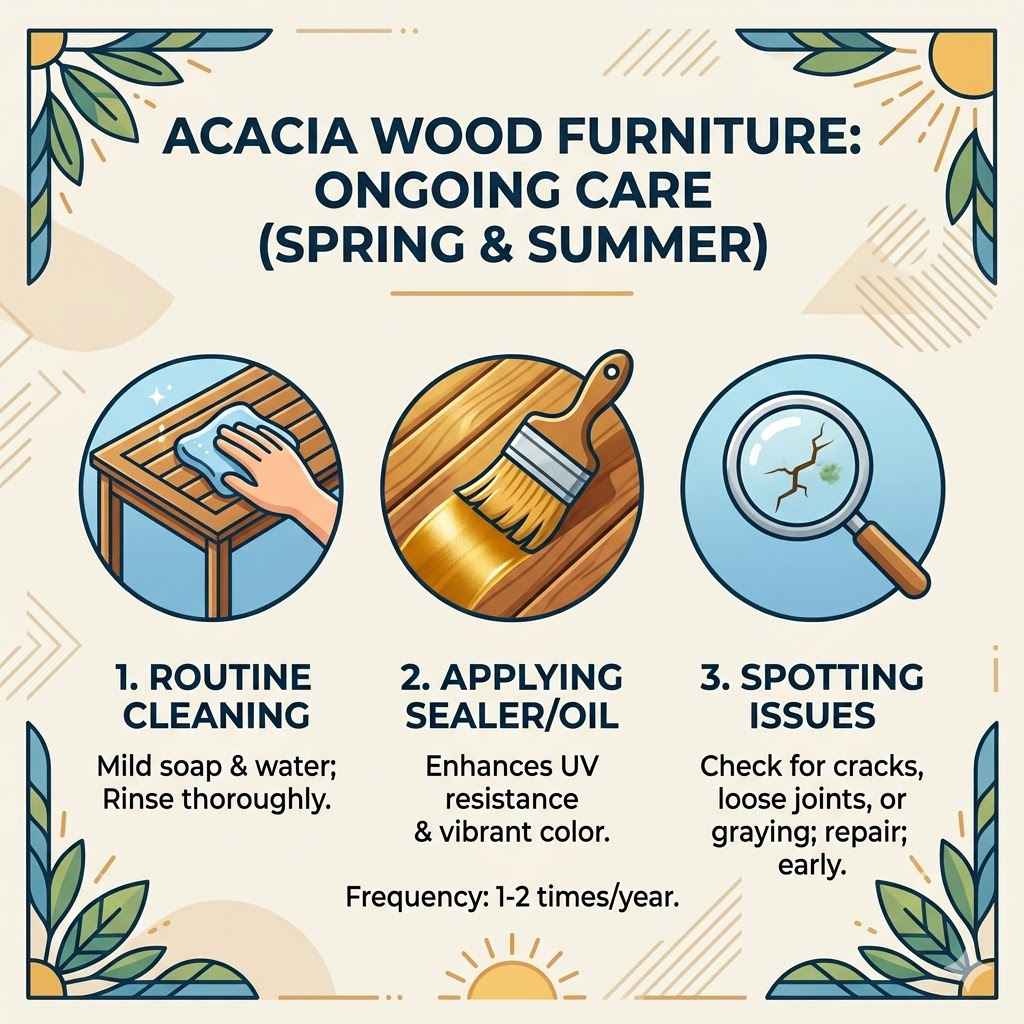
When spring arrives, it’s time to get your furniture ready for warmer weather. After a long winter, it might look a bit sad. First, give it a good cleaning.
You want to remove any dirt or grime that built up. Use a soft brush or cloth. A mild soap and water solution works well.
Make sure to rinse it thoroughly. Then, let it air dry completely.
Once it’s clean and dry, it’s a good time to oil it. Acacia wood can get dry during winter. Oiling replenishes the wood’s natural oils.
This helps prevent cracking. It also brings back some of that beautiful color. Use a good quality furniture oil designed for outdoor wood.
Apply it with a clean cloth. Let it soak in. Then, wipe away any excess oil.
This simple step makes a huge difference.
You might also want to check for any small damages. Look for tiny cracks or splinters. You can often fix these with wood filler or sandpaper.
It’s easier to fix small issues now before they become big problems.
Spring Spruce-Up Checklist
- Clean: Wash with mild soap and water.
- Dry: Ensure furniture is fully dry.
- Oil: Apply outdoor wood oil.
- Inspect: Check for minor damage.
- Repair: Fix any small cracks or splinters.
Summer: Protection from the Heat and Sun
Summer is when furniture gets the most use. It also faces the harshest conditions. The strong sun can bleach the wood.
High temperatures can dry it out further. To protect your acacia furniture, consider using a sealant. A good sealant adds an extra layer of protection.
It can help block UV rays. It also makes the wood more water-resistant.
Applying a sealant is similar to oiling. You clean the wood first. Then, you apply the sealant according to the product’s instructions.
Usually, you apply a thin coat with a cloth. Let it dry. You might need to apply a second coat.
This step is crucial for long-term protection. It helps maintain the wood’s color and strength.
If you have cushions on your furniture, bring them inside when not in use. They can trap moisture. They can also fade in the sun.
Covering your furniture with a breathable cover is also a good idea. Make sure the cover allows air to circulate. This prevents mold and mildew.
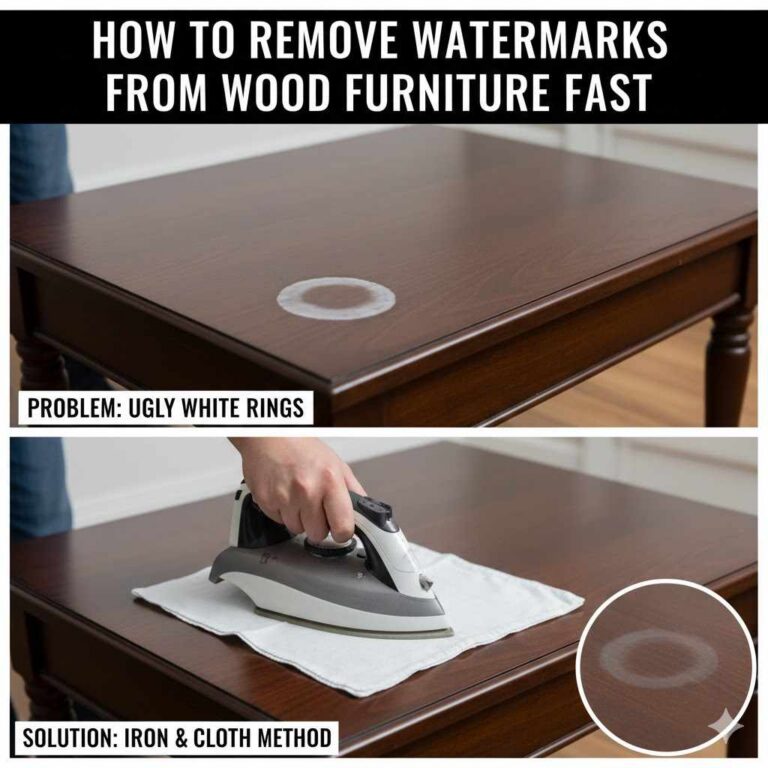
Avoid placing hot dishes directly on the wood. Use coasters and placemats. This prevents heat marks and water rings.
Regular wiping down of surfaces is also important. Spills should be cleaned up immediately. This prevents stains from setting in.
Fall: Preparing for Colder Weather
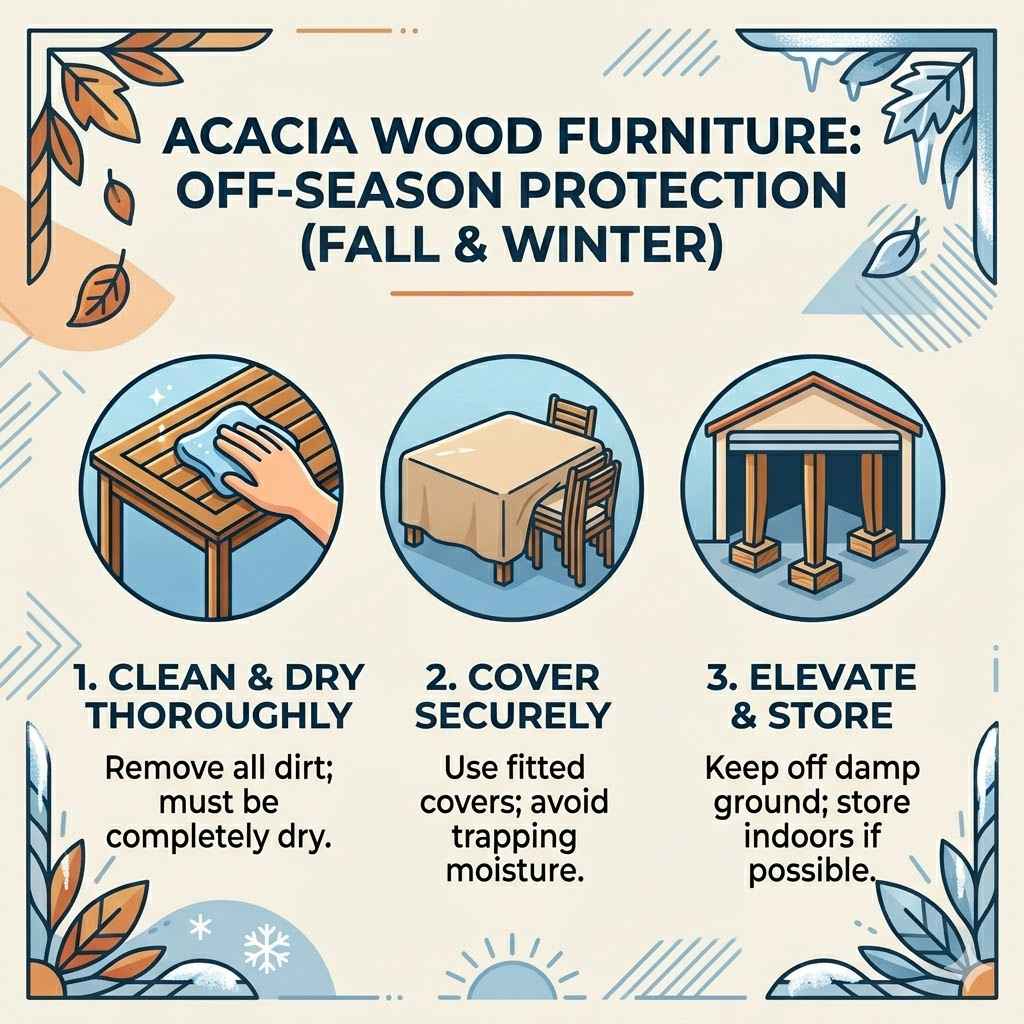
As the weather cools, it’s time to get your furniture ready for winter. Before the first frost, clean your furniture thoroughly. Remove any dirt, leaves, or pollen.
You want it to be clean before it goes into storage or faces the cold. A good scrub with mild soap and water is usually enough. Rinse and let it dry completely.
Once it’s clean and dry, give it another coat of oil or sealant. This is like giving it a warm blanket for winter. It adds extra protection against moisture and temperature changes.
Make sure you follow the product instructions for application. Allow enough time for it to dry and cure before storing or exposing it to winter weather.
If you live in a region with harsh winters, like heavy snow or ice, storing your furniture is the best option. Find a dry place like a shed, garage, or basement. If you can’t store it inside, use heavy-duty, waterproof covers.
Make sure they are secured well to prevent wind from blowing them off. Elevate the furniture off the ground if possible. This helps prevent moisture from wicking up into the wood.
Fall Prep Steps
- Deep Clean: Remove all dirt and debris.
- Final Oil/Seal: Apply a protective layer.
- Inspect & Repair: Fix any last-minute issues.
- Cover or Store: Protect from winter elements.
Winter: The Resting Period
During winter, the main goal is protection. If your furniture is stored indoors, it’s pretty safe. Just make sure the storage area is dry.
Avoid damp basements if possible. If it’s stored in a garage, make sure it’s not exposed to car exhaust fumes or leaks.
If your furniture stays outdoors, it needs robust protection. Use high-quality, waterproof covers. These covers should be breathable.
This prevents condensation from forming underneath. Condensation can lead to mold and mildew. Make sure the covers fit snugly.
Tie them down securely. You don’t want wind to lift them. Covering prevents snow and ice from sitting directly on the wood.
Avoid piling snow directly onto the furniture. If snow accumulates on the covers, brush it off gently. Don’t use metal shovels.
They can scratch or damage the covers or the furniture underneath. The idea is to shield the wood from direct contact with the elements. This minimizes moisture absorption and freeze-thaw cycles.
Check the covers periodically, especially after storms. Make sure they are still secure. Look for any tears or damage.
Fix them quickly to maintain protection. If you notice any moisture getting through, address the issue right away. Even a little dampness can cause problems over a long winter.
Winter Protection Focus
- Dry Storage: Ideal for indoors.
- Breathable Covers: Essential for outdoors.
- Secure Covers: Prevent wind damage.
- Avoid Piling Snow: Brush off gently.
- Regular Checks: Ensure covers are intact.
Choosing the Right Cleaning and Protection Products
Selecting the correct products is vital for acacia wood care. Not all cleaners or oils are suitable for outdoor furniture. You need products that are gentle but effective.
Cleaning Solutions
For regular cleaning, a simple solution of mild soap and water is best. Use a pH-neutral soap. Avoid harsh detergents or abrasive cleaners.
These can strip away the wood’s natural oils. They can also damage the finish. A soft cloth or a soft-bristled brush is ideal for cleaning.
For tougher spots, you might need a bit more elbow grease.
You can also find specialized outdoor furniture cleaners. Look for ones specifically designed for hardwoods. Always test any new cleaner on a small, inconspicuous area first.
This ensures it doesn’t discolor or damage the wood.
Oils and Sealants
When it comes to oils, linseed oil or tung oil are good choices. These are natural oils that penetrate the wood. They help nourish and protect it.
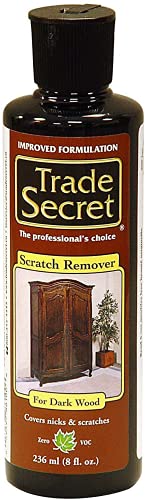
Look for pure tung oil or boiled linseed oil. These are often recommended for outdoor wood. Avoid using furniture polishes that contain silicones or waxes.
They can build up and prevent the wood from breathing.
For sealants, exterior-grade polyurethane or a marine varnish can offer good protection. However, many people prefer natural finishes for acacia wood. They allow the wood to retain its natural look and feel.
Some sealants are water-based and low-VOC, which are better for the environment. Again, always choose products specifically made for outdoor furniture.
When applying oil or sealant, use a lint-free cloth. Work in the direction of the wood grain. Apply thin coats.
It’s better to apply several thin coats than one thick one. This allows for better absorption and a smoother finish. Let each coat dry fully before applying the next.
Product Spotlight: What to Look For
Cleansers: Mild soap, water, specialized wood cleaners.
Oils: Pure tung oil, boiled linseed oil, teak oil.
Sealants: Exterior-grade varnishes, water-based sealers.
Tools: Soft cloths, soft brushes, sandpaper (fine grit).
Common Problems and How to Address Them
Even with the best care, you might encounter some issues. Knowing how to fix them quickly will save your furniture.
Fading and Graying
This is probably the most common issue. The sun’s UV rays break down the wood’s lignin. This causes it to turn gray.
It also makes the surface rougher. To prevent this, regular oiling and sealing are key. If your furniture has already turned gray, you can often restore it.
Use a wood brightener or a oxalic acid solution. Follow the product instructions carefully. After brightening, you’ll need to rinse and let it dry.
Then, reapply oil or sealant.
Cracking and Splitting
This happens when the wood dries out too much. Or when it absorbs too much moisture and then dries out rapidly. This causes the wood fibers to expand and contract.
If you see small cracks, you can often fill them. Use a good quality wood filler that matches the wood color. For larger splits, it might be more difficult to repair invisibly.
Consistent oiling and sealing help prevent this.
Avoid placing furniture in direct sunlight for extremely long periods. If possible, move it to a shaded spot during the hottest part of the day. Also, be careful about extreme temperature swings.
If possible, try to moderate them.
Mold and Mildew
This usually occurs in damp, shaded conditions. It’s often a sign of trapped moisture. Regular cleaning helps prevent it.
If you see mold or mildew, clean the area with a solution of mild soap and water. For stubborn spots, you can use a diluted bleach solution (one part bleach to ten parts water). Be sure to rinse thoroughly.
Make sure the area dries completely. Good air circulation is important.
Problem-Solving Quick Guide
Problem: Fading
Cause: Sun exposure.
Fix: Oil, seal, or use a wood brightener.
Problem: Cracking
Cause: Dryness or moisture changes.
Fix: Oil regularly, fill small cracks with filler.
Problem: Mold/Mildew
Cause: Dampness, poor air flow.
Fix: Clean with mild soap or diluted bleach, ensure drying.
Real-World Context: Habits and Environment
Where you live and how you use your furniture both play a big role. Consider the climate. Is it humid and rainy?
Is it dry and sunny? Is it prone to harsh winters with snow and ice?
If you live in a coastal area, salt spray can also be an issue. It can dry out wood and leave a residue. Frequent rinsing with fresh water might be needed.
In very humid areas, mold can be a persistent problem. Ensure good ventilation around your furniture. In dry areas, focus on moisture retention through oiling.
Your habits matter too. Do you use coasters? Do you clean up spills right away?
Do you cover the furniture during parties if rain is expected? These small actions add up. They contribute to the longevity of your furniture.
For example, dragging heavy items across the surface can scratch it. Lifting and moving are better.
The design of your furniture can also affect its care needs. Furniture with tight spaces or complex carvings can be harder to clean. Ensure you have the right tools to reach all areas.
Consider the height of the legs too. If they are very low, they might sit in puddles after rain. This can lead to moisture issues.
What This Means for You: When to Worry
Most issues with acacia wood furniture are manageable with regular care. However, there are times when you should be more concerned.
When It’s Normal
A slight change in color over time is normal. Wood is a natural material. It ages.
A bit of fading is expected. Minor surface scratches might happen from everyday use. These are usually cosmetic.
Small hairline cracks that appear and disappear with humidity changes can also be normal.
Some people actually like the weathered look of graying wood. It can give outdoor furniture a rustic charm. If you prefer this look, you can skip some of the oiling steps.
However, you should still clean it regularly to prevent dirt and grime buildup.
When to Worry
You should worry if you see significant cracking or splitting. This indicates the wood is drying out too much or experiencing extreme stress. Large splits can weaken the furniture’s structure.
Also, be concerned about extensive mold or mildew growth that doesn’t go away with cleaning. This can degrade the wood over time.
If the wood feels very rough and splintery, even after cleaning, it might be too dry or damaged by the sun. Deep gouges or dents that compromise the wood’s integrity are also a concern. If you notice signs of wood rot or insect infestation (like tiny holes and sawdust), it’s a serious problem.
In these cases, it might be time for more intensive repairs. Or, in extreme situations, it might be time to consider replacing the furniture. But for most minor issues, consistent care is the best prevention.
Quick Fixes and Tips for Better Care
Here are some easy tips to keep your acacia wood furniture looking great:
- Use Coasters: Always use coasters for drinks. This prevents water rings and heat marks.
- Clean Spills Immediately: Don’t let food or drink spills sit on the wood. Wipe them up quickly.
- Lift, Don’t Drag: When moving furniture, lift it. Dragging can scratch or dent the wood.
- Check Fasteners: Periodically tighten any screws or bolts. This keeps the furniture sturdy.
- Rotate Furniture: If possible, rotate your furniture pieces. This ensures even exposure to the elements.
- Invest in Quality Covers: Don’t skimp on covers. Good covers protect your investment.
- Clean Cushions Separately: Keep cushion covers clean and dry. Store them indoors when not in use.
- Avoid Harsh Chemicals: Stick to mild soaps and specialized wood products.
- Test Products: Always test new cleaners or finishes on a hidden spot.
- Read Instructions: Follow the directions on any oil or sealant product you use.
Essential Care Habits
- Daily: Wipe down surfaces, clean spills.
- Weekly: A quick wash if needed, check for dust.
- Monthly: Inspect for issues, ensure covers are secure.
- Seasonally: Deep clean, oil, or seal as needed.
- Annually: Major inspection, potential repairs, reapply sealant.
Frequently Asked Questions About Acacia Wood Furniture Care
How often should I oil my acacia wood outdoor furniture?
It’s best to oil your acacia wood furniture at least twice a year. Do this in the spring before heavy use and in the fall before winter storage. If you live in a very dry or sunny climate, you might need to oil it more often, perhaps every few months.
Can I use a power washer to clean my acacia furniture?
No, it’s generally not recommended to use a power washer on acacia wood. The high pressure can damage the wood fibers, causing them to splinter and fray. It can also force water deep into the wood, leading to issues later on.
Stick to a soft cloth or brush and mild soap and water.
Will rain damage my acacia wood furniture if it’s not covered?
Rain can definitely affect acacia wood furniture. While it’s a hardwood, repeated exposure to moisture can cause it to swell. When it dries, it can shrink, leading to cracks.
It can also encourage mold and mildew growth. Covering or storing your furniture during heavy rain periods is a good idea.
What’s the difference between oiling and sealing acacia wood?
Oiling penetrates the wood to nourish and moisturize it. It brings out the natural color and helps prevent dryness. Sealing forms a protective layer on the surface.
This layer helps block moisture and UV rays. Many people oil their furniture for nourishment and then seal it for added protection against the elements.
Can I leave my acacia wood furniture outside all winter?
Leaving acacia wood furniture outside all winter is not ideal, especially in areas with harsh weather like heavy snow, ice, or extreme cold. While it’s durable, prolonged exposure can lead to significant damage. It’s best to store it indoors or cover it with heavy-duty, waterproof covers if leaving it outside.
How do I remove white marks from my acacia furniture?
White marks can often be caused by water rings or sun bleaching. For water rings, you might try gently rubbing the area with a soft cloth dipped in mild soap and water. For sun bleaching, you may need to use a wood brightener or a light sanding followed by re-oiling and sealing to restore the color.
Conclusion: Enjoying Your Beautiful Acacia Furniture
Caring for your acacia wood outdoor furniture doesn’t have to be a chore. By understanding its needs and following a simple, year-round routine, you can keep it looking beautiful. You can protect your investment for many years to come.
Enjoy your lovely outdoor space!
Sponsored / affiliate links. As an Amazon Associate I earn from qualifying purchases. I may earn additional commission from eligible campaigns.