How To Remove Water Spots From Wood Furniture: 8 Fast Fixes
Water spots come out of wood furniture one of two ways: mayonnaise or toothpaste lifts trapped moisture from a white ring, oxalic acid strips a dark stain that soaked into the grain. Wait past the first hour and a hot mug or vase leaves a mark plain wiping never fixes. This guide covers 8 fixes, from the 5-minute mayo trick to when a stain needs a professional refinish.
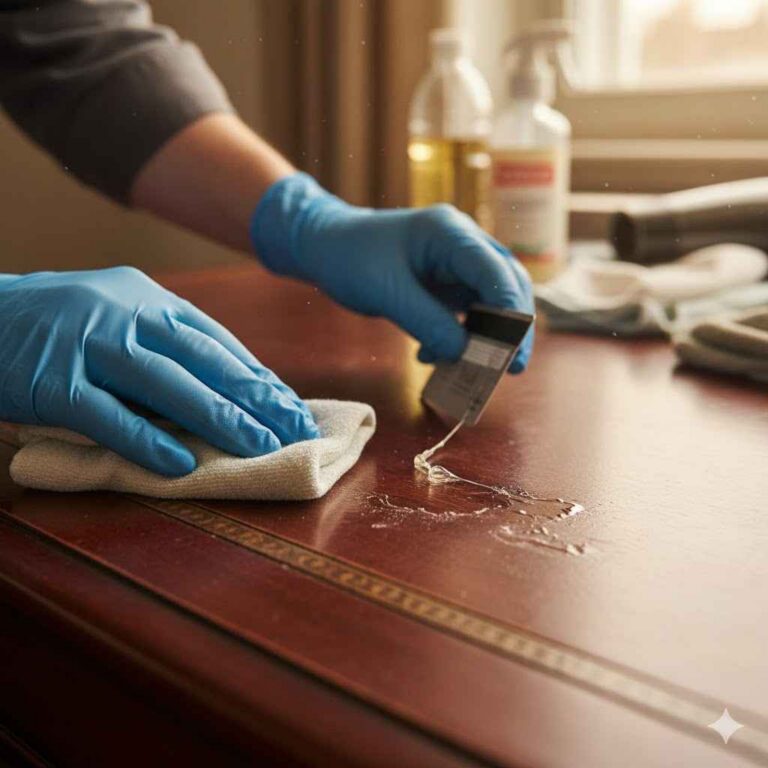
Removing water spots from wood furniture involves using gentle household items to lift the moisture trapped in the finish. Common solutions include mayonnaise, toothpaste, or a mild iron. The goal is to carefully draw out the moisture without damaging the wood’s protective layer.
Understanding Wood Furniture Water Spots
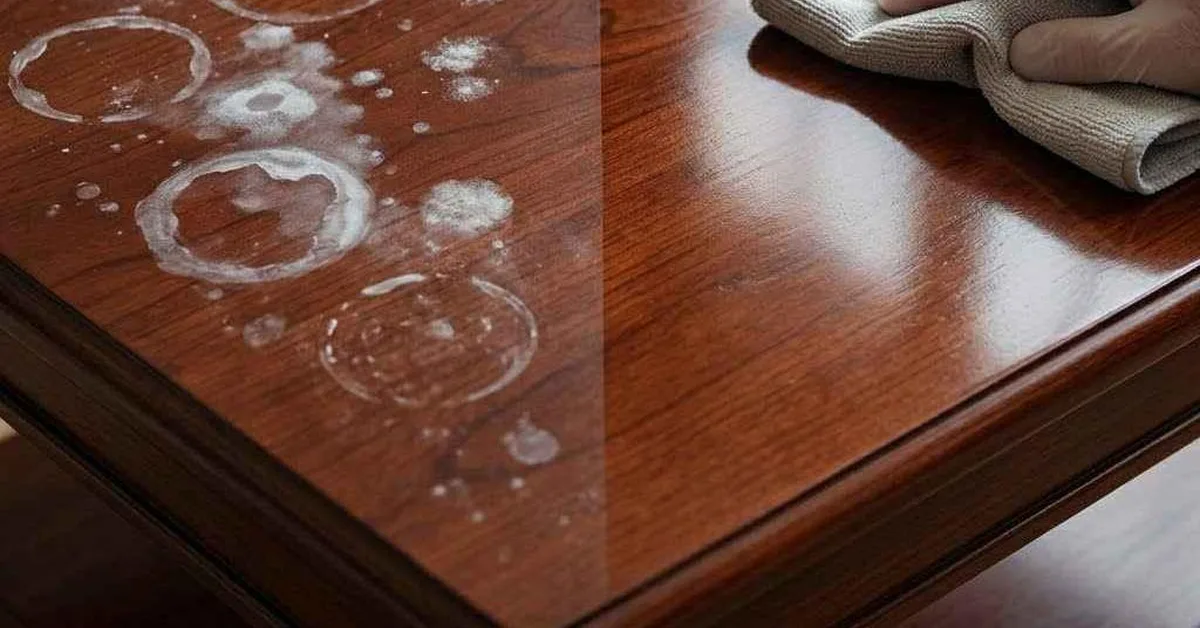
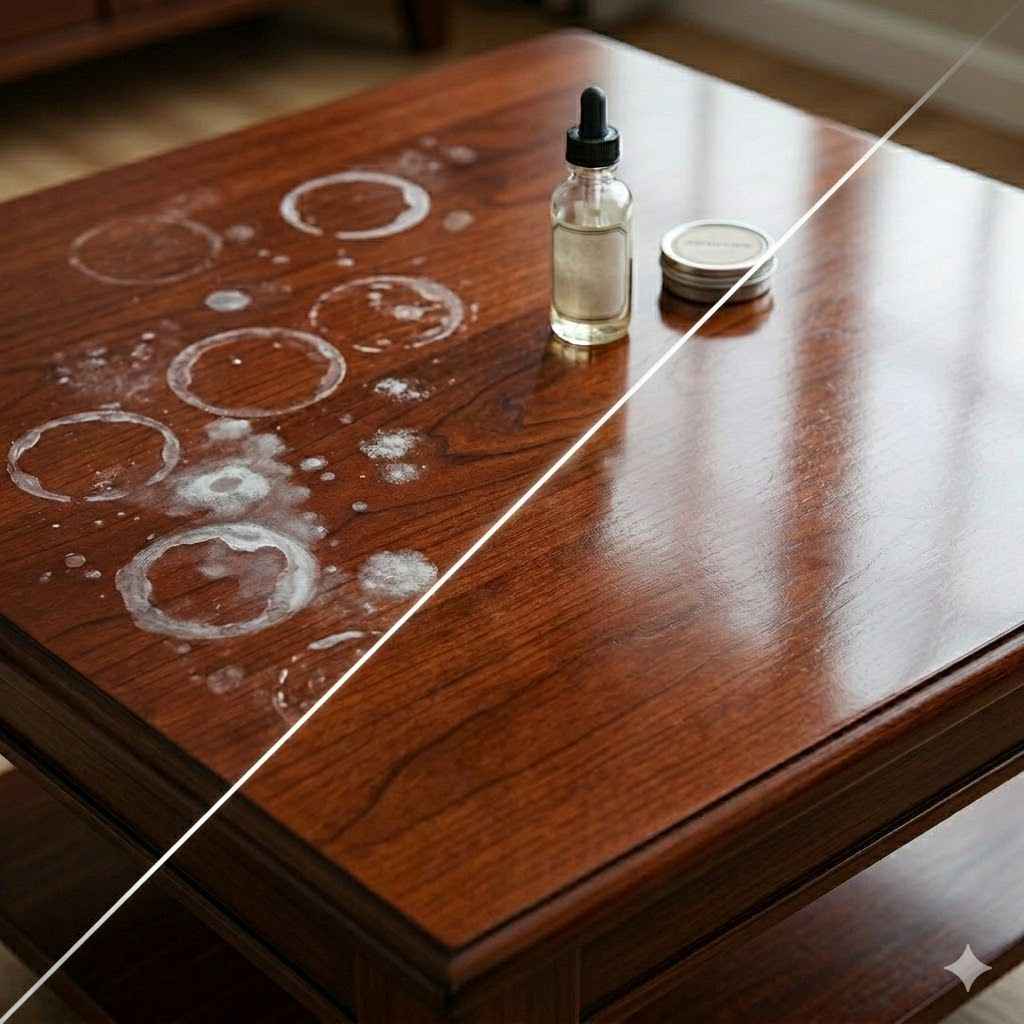
Water spots happen when moisture gets trapped in the top layer of your wood furniture’s finish. This finish is like a protective shield. When water or something wet sits there too long, it can seep in.
It pushes apart the wax or sealant. This creates those hazy or white marks you see. Sometimes, if the water is very hot or sits for a long time, it can leave a darker spot.
This means it might have gone deeper into the wood itself.
Different finishes react differently. A waxed finish might be more prone to white spots. A lacquered or varnished surface might show darker marks if the water penetrates through cracks.
It’s important to know what kind of finish your furniture has. This helps you pick the right way to fix it. Most times, though, these spots are not permanent damage.
They are just a sign that the finish needs a little TLC.
My Kitchen Table Nightmare
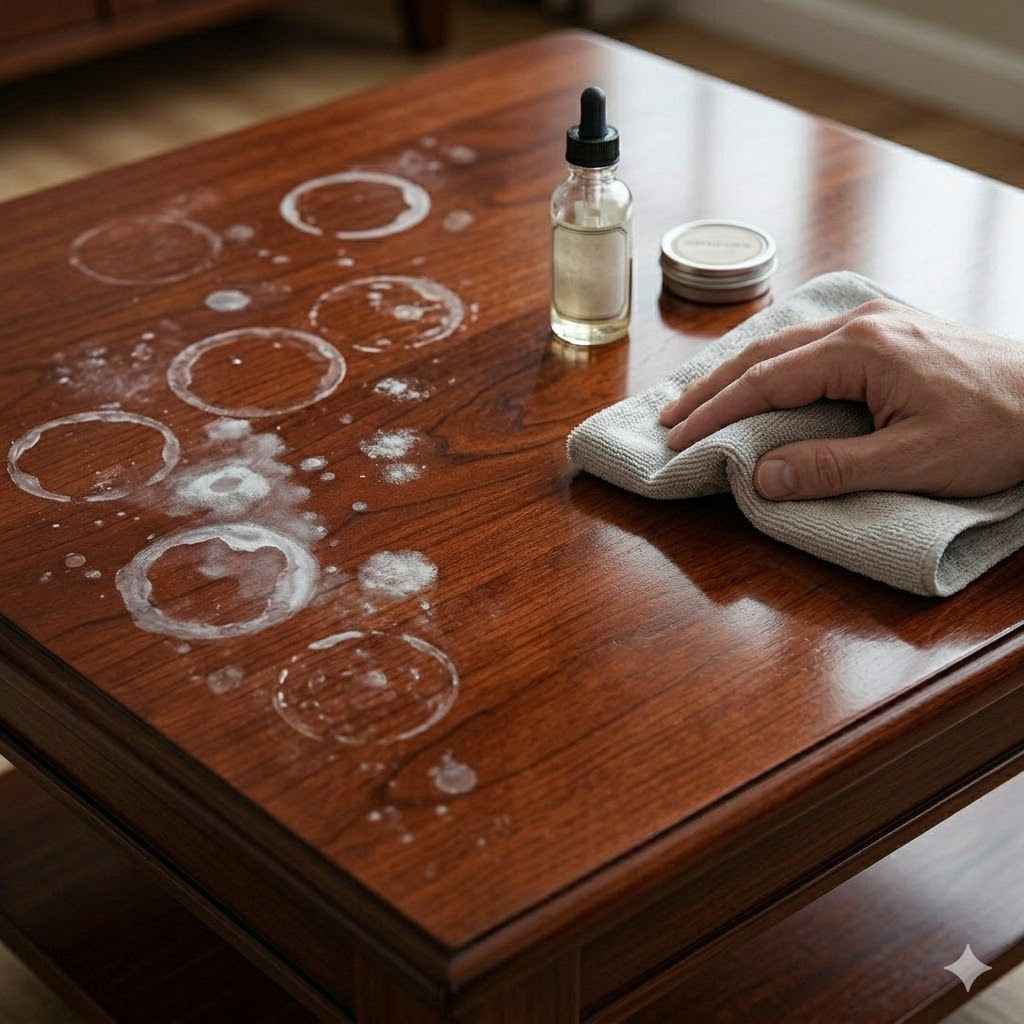
I remember this one time, years ago, when I was hosting a family dinner. Everything was going perfectly. Food was great, everyone was laughing.
Then, my Aunt Carol, bless her heart, put her iced tea glass down right on my newly refinished kitchen table. It was one of those humid summer nights. I was so engrossed in conversation, I didn’t even notice.
An hour later, as I was clearing plates, I saw it. A perfect, white ring. My heart sank.
I felt a wave of panic mixed with annoyance. This table was my pride and joy! I’d spent weeks sanding and staining it.
Now this? I immediately grabbed a dry cloth and scrubbed, but it just smeared. It looked worse.
I was convinced I’d ruined it, and the feeling was awful. I spent the rest of the evening feeling sick about it, even though no one else seemed to notice. That’s when I really learned the importance of protecting wood and knowing how to fix these little accidents.
Common Causes of Water Spots
Accidental Spills: Drinks, water from vases, or even condensation rings are frequent culprits.
Damp Cloths: Leaving a damp cleaning cloth on the surface too long can trap moisture.
Houseplants: Overwatering plants or leaky pots can cause drips that damage furniture.
Humidity: Very high humidity levels can sometimes affect wood finishes over time, though this is less common for distinct spots.
Best Wood Furniture Wax Pick
Howard Feed-N-Wax Beeswax Wood Polish and Conditioner, 16 Oz: $10.88
This guide’s own prevention section says wax “adds a protective barrier” that “helps repel moisture.” Feed-N-Wax is the beeswax formula it’s describing, applied every few months.
- Best for: Monthly maintenance that prevents new water spots from forming
- Why we picked it: Beeswax builds the moisture-repelling barrier this guide’s prevention section recommends
- Main drawback: Needs reapplying every few months, it’s upkeep, not a one-time fix
Compare more water spot removal options
 Option 1 MAXTITE Oxalic Acid Wood Bleach, 2 lbs: $17.99
|
 Option 2 Trade Secret Wood Furniture Restoration Kit: $49.99
|
 Option 3 SAMHITA Mango Wood Coasters, Set of 4: $9.95
|
As an Amazon Associate we earn from qualifying purchases.
Gentle Methods for White Water Spots
White water spots are usually just moisture stuck in the top layer of the finish. The good news is they are often the easiest to fix. We’ll start with the most common and gentle methods that work well for many furniture types.
Always test in an inconspicuous spot first. This is usually on the underside of a table or the back of a chair.
1. The Mayonnaise Method
This sounds strange, but it really works! The oil in mayonnaise helps to displace the trapped moisture. Take some full-fat mayonnaise.
Put a dab on a soft cloth. Gently rub it into the white spot. Let it sit for a few hours, or even overnight if the spot is stubborn.
Then, wipe it away with a clean, dry cloth. Buff the area. You should see the spot fade away.
It’s like the oil gently lifts the water out. This is great for slightly older, tougher spots too.
2. The Toothpaste Trick
Use plain white toothpaste, not gel. Gel toothpaste has colors and abrasives that can harm the wood. Squeeze a small amount of toothpaste onto a soft cloth.
Rub it into the water spot using a circular motion. Don’t press too hard. You’re not trying to scrub the wood, just the spot on the finish.
After rubbing for a minute or two, wipe it clean with a damp cloth. Then, dry and buff the area. This works because the mild abrasive in the paste helps lift the moisture layer.
3. The Iron Approach (with Caution!)
This method needs care. It works by using gentle heat to help evaporate the trapped moisture. First, empty all water from your iron.
Set it to the lowest, dry heat setting. Never use steam. Place a clean, dry cotton cloth over the water spot.
Then, hold the warm iron over the cloth for a few seconds. Lift the iron and cloth to check. Repeat if needed, but be very brief with each application.
The heat should be just enough to warm the finish. If it feels too hot, stop. This helps release the moisture without damaging the finish.
Always use a protective cloth. This method is quite effective for stubborn white rings.
Quick Scan: White Spot Fixes
| Method | What You Need | How To Use | Best For |
| Mayonnaise | Full-fat mayo, soft cloth | Apply, let sit, wipe, buff | Stubborn white spots |
| Toothpaste | White paste, soft cloth | Rub gently, wipe, dry, buff | Mild to moderate spots |
| Iron | Dry iron, cotton cloth | Low heat over cloth, short bursts | Tough white rings |
4. Baking Soda Paste
Similar to toothpaste, baking soda is a mild abrasive. Mix a small amount of baking soda with a few drops of water. You want to make a paste, not too watery.
Apply this paste to a soft cloth. Gently rub it into the white water spot in a circular motion. Wipe it off with a damp cloth.
Dry and buff the area. This works by gently lifting the clouded layer of the finish. It’s another safe option for most finishes.
5. Petroleum Jelly
Petroleum jelly is like mayonnaise. It uses oil to draw out moisture. Apply a generous amount of petroleum jelly to the white spot.
Let it sit for several hours, or even overnight. Wipe it off with a clean, dry cloth. Buff the area.
This is a very gentle method and is safe for most wood finishes. It’s especially good if you’re worried about using anything abrasive or hot.
Dealing with Dark Water Stains
Dark water stains are trickier. They usually mean the water has soaked through the finish and into the wood itself. This means the wood fibers have been stained.
These are harder to remove. You might need to be a bit more hands-on. Always start with the gentlest options.
If those don’t work, you might need to move to slightly stronger methods.
1. Oxalic Acid (Wood Bleach)
This is the go-to for dark stains. Oxalic acid is sold as a wood bleach. You can find it at hardware stores or woodworking shops.
It’s a powder you mix with water. Wear gloves and eye protection. This stuff is powerful.
Mix it according to the package directions. Apply the solution to the dark stain with a brush or cloth. Let it sit until the stain lightens.
You might need a couple of applications. Once the stain is gone, you need to neutralize the acid. Use a solution of water and baking soda.
Then, rinse the area with clean water and let it dry completely. This method often requires refinishing the area afterward. It might lighten the wood too much.
You’ll likely need to reapply stain and a protective finish.
2. Chlorine Bleach (Diluted)
For some dark stains, a diluted chlorine bleach solution might work. Use household bleach. Mix one part bleach with four parts water.
Apply to the stain with a cloth. Let it sit for a short time. Watch it closely.
Rinse thoroughly with water. Dry the area. Be careful with this method.
Bleach can lighten the wood too much or damage the grain. It’s usually best to try oxalic acid first. It’s more targeted for wood stains.
Contrast Matrix: Stain Types
Myth: All water spots are the same and can be fixed the same way.
Reality: White spots are in the finish; dark spots are in the wood. They need different treatments.
Normal: A light white ring that disappears with gentle rubbing.
Concerning: A dark stain that doesn’t budge with mild methods, or a spot that feels rough or damaged.
3. Sanding and Refinishing
If all else fails, the last resort is sanding and refinishing the damaged area. You’ll need to carefully sand down the finish and the stained wood. Use fine-grit sandpaper.
Work your way up to finer grits. Once you’ve removed the stain, you’ll need to reapply stain to match the surrounding area. Then, you’ll need to apply a new protective finish, like varnish or polyurethane.
This is a more involved process. It requires patience and skill. But it can bring your furniture back to life.
It’s best to try to match the existing finish as closely as possible. You might need to experiment with stain colors on a scrap piece of wood first.
Preventing Future Water Spots
The best way to deal with water spots is to prevent them from happening in the first place. A little bit of regular wood maintenance goes a long way. Making a habit of these simple things will keep your furniture looking its best for years to come.
Preventative Habits
- Use Coasters: This is the number one rule. Always use coasters for drinks, especially cold ones that sweat.
- Use Placemats: When serving meals, use placemats to protect the table surface from spills and condensation from dishes.
- Wipe Spills Immediately: Don’t let spills sit. Grab a soft, dry cloth and wipe them up right away.
- Be Careful with Vases: Ensure vases have a solid base or place a protective mat underneath them. Check for condensation.
- Avoid Damp Cloths: When cleaning, wring out your cloth well. Don’t leave it lying on the furniture.
- Monitor Houseplants: Place saucers under plants to catch any drips. Check them regularly.
4. Regular Polishing and Waxing
Keeping your wood furniture polished or waxed provides an extra layer of protection. A good quality furniture polish can fill in tiny imperfections in the finish. Furniture wax adds a protective barrier.
This barrier helps repel moisture. It makes it harder for water to penetrate the finish. Apply polish or wax every few months.
Follow the product instructions. This not only protects but also enhances the shine of your wood furniture. Make sure to use products that are safe for your specific furniture finish.
5. Protect from Extreme Conditions
While not directly about water spots, protecting your furniture from extreme heat or humidity can help maintain the integrity of the finish. Very hot or very humid environments can stress the wood and its finish. This might make it more susceptible to damage over time.
Try to keep your furniture in a climate-controlled environment if possible. Avoid placing it directly next to heat sources or in damp areas like unventilated bathrooms.
When to Call a Professional
Most water spots can be fixed with these DIY methods. But sometimes, you might have a very valuable antique. Or perhaps the damage is extensive.
In these cases, it’s wise to call a professional. A furniture restorer or refinisher has the expertise and tools. They can assess the damage.
They can use specialized techniques. They can match finishes perfectly. This is especially true for deep scratches, burn marks, or extensive dark staining.
Don’t risk ruining a cherished piece if you’re unsure. A pro can save it.
Real-world scenario: I once had a client with a beautiful mahogany dining table. It had a significant dark stain from a leaky humidifier that sat there for weeks. She tried several home remedies, but the stain was deep.
She was afraid to sand it herself. We recommended a local furniture restoration expert. He was able to carefully remove the stain using wood bleach and then seamlessly re-stained and re-finished the area.
It looked like new. The cost was worth the peace of mind and the beautiful result.
Frequently Asked Questions About Wood Furniture Water Spots
Can I use furniture polish to remove water spots?
Furniture polish can help mask very light white water spots by adding a bit of shine. However, it doesn’t typically remove the moisture trapped in the finish. For deeper spots, you’ll need one of the methods described above.
Polish is better for maintaining shine after a spot is removed.
Is it safe to use a hairdryer on water spots?
Yes, a hairdryer on a low heat setting can sometimes work for white water spots. Keep it moving and hold it a few inches away from the surface. The gentle heat helps to evaporate trapped moisture.
Be cautious not to overheat the finish, as this can cause damage.
What’s the difference between a white spot and a dark stain?
A white spot means moisture is trapped in the finish layer of the furniture. A dark stain means the moisture has gone through the finish and into the wood itself, staining the wood fibers.
How long should I leave mayonnaise on a water spot?
For most white water spots, leaving mayonnaise on for a few hours is enough. For more stubborn spots, you can leave it overnight. The longer it sits, the more time the oil has to work on lifting the moisture.
Do these methods work on all types of wood furniture?
These methods are generally safe for most finished wood furniture. However, always test on an inconspicuous area first. Very delicate antique finishes or unfinished wood might require different treatments.
Know your furniture’s finish before you start.
What if the water spot is also a scratch?
If the spot is accompanied by a scratch, the scratch will need to be repaired first. A scratch breaks the protective finish. After repairing the scratch, you can then try to remove the water spot.
You might need to refinish the area if the scratch is deep.
Can I use vinegar to remove water spots?
Diluted white vinegar can sometimes work on very mild white spots, as its acidity can help break down the moisture barrier. However, it can also damage certain finishes if used undiluted or left too long. It’s generally safer to use mayonnaise, toothpaste, or other methods mentioned.
Final Thoughts on Restoring Your Wood Furniture
Seeing a water spot on your beautiful wood furniture can be disheartening. But remember, it’s usually a fixable problem. With a little patience and the right approach, you can restore its beauty.
Whether it’s a simple white ring or a deeper dark stain, there are methods to help. Always start gently. Test first.
And most importantly, learn from the experience. A few preventative habits can save you a lot of worry down the road. Your furniture will thank you for it by staying lovely for years.
Sponsored / affiliate links. As an Amazon Associate I earn from qualifying purchases. I may earn additional commission from eligible campaigns.