Wood Coffee Table Water Damage: Fix Rings to Warping
Wood coffee table water damage falls into three types – white rings from trapped moisture, dark stains from water reaching the wood, and warping from prolonged soaking – and the fix depends on which one you have. Guess wrong and a mild toothpaste rub can leave a dark stain untouched while an oxalic acid treatment overtreats a simple ring. This guide covers home remedies for each type, refinishing, and when the damage needs a professional.
Understanding Wood Water Damage
Our Pick: Best Wood Water Stain Fix
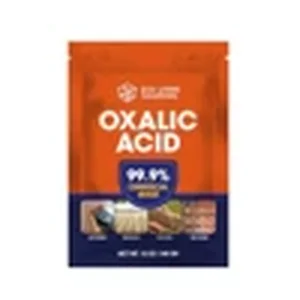 |
Oxalic Acid 99.9% Wood Bleach, 12 oz – $9.99 The wood bleach treatment this guide covers for dark water stains that home remedies alone will not lift. Check on Amazon |
More Water Damage Repair Supplies This Guide Recommends
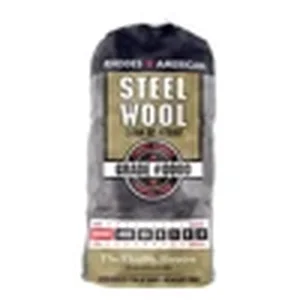 #0000 Steel Wool Pads, 12-Pack – $4.98 Pairs with mineral oil in the steel wool method the guide describes for buffing out stubborn marks. Check on Amazon |
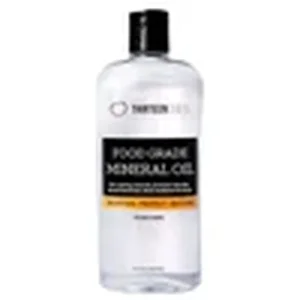 Food-Grade Mineral Oil, 12 oz – $12.49 The lubricant the guide’s steel wool method calls for so you buff, not scratch, the wood. Check on Amazon |
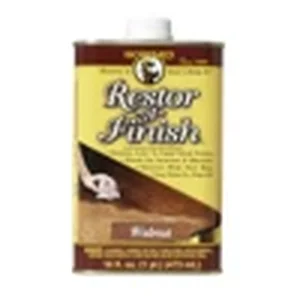 Howard Restor-A-Finish, Walnut – $10.98 For the refinishing and finish-matching step this guide covers once the stain itself is gone. Check on Amazon |
Wood is a natural material. It absorbs moisture. When water sits on a wood surface, it can cause a few different problems. These depend on how long the water was there and what was on the table.
White Rings and Haze
Most often, you see white rings. These look like ghostly circles. They happen when moisture gets into the finish of the wood. The finish is like a protective coat. Water seeps under this coat.
It pushes between the finish layers. This traps the water. The trapped water makes the finish cloudy. This is a common problem with furniture wax or shellac finishes. It looks bad, but it’s usually not deep damage. The wood itself is often okay.
Dark Stains
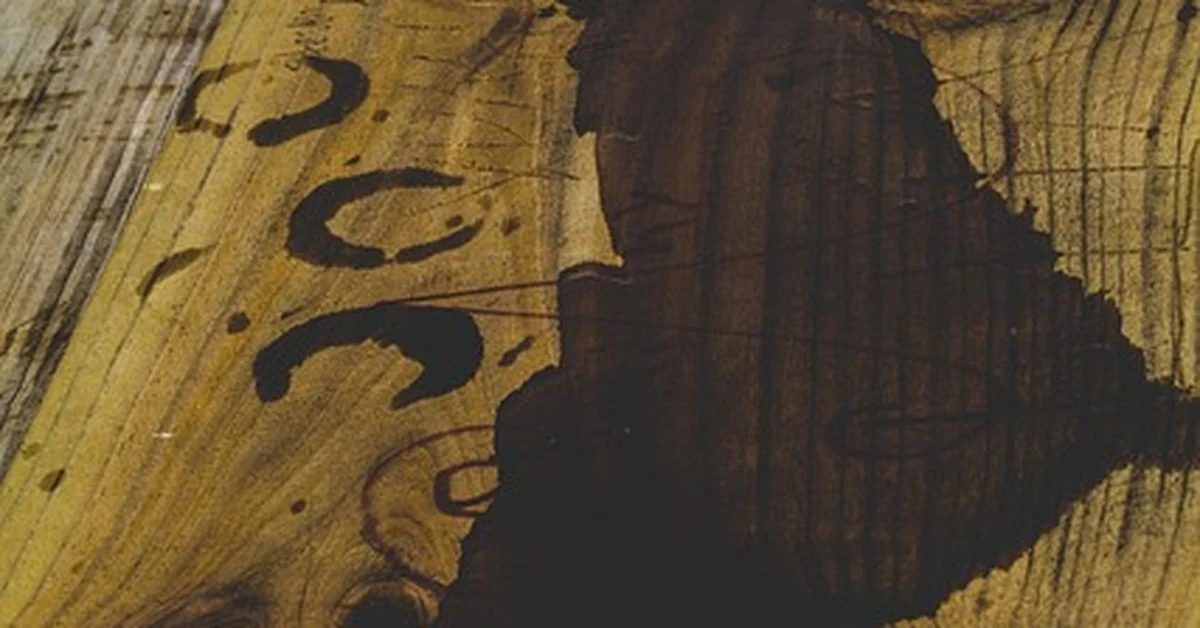
Dark stains mean water went deeper. It reached the actual wood. This can happen if the finish is already worn or cracked. The water can also carry other things. It might pick up dirt or minerals.
These things then soak into the wood. This causes a darker spot. Dark stains are harder to fix than white rings. They might need more work.
Warping and Swelling
If wood gets very wet for a long time, it can swell. It might even warp. This means the shape changes. The wood might cup or twist. This is more serious. It can happen if a table is left in a damp basement or outside.
Fixing warped wood can be tough. Sometimes, it’s not possible to get it perfectly flat again. But for most coffee table issues, we’re talking about surface damage.
My Own Coffee Table Nightmare
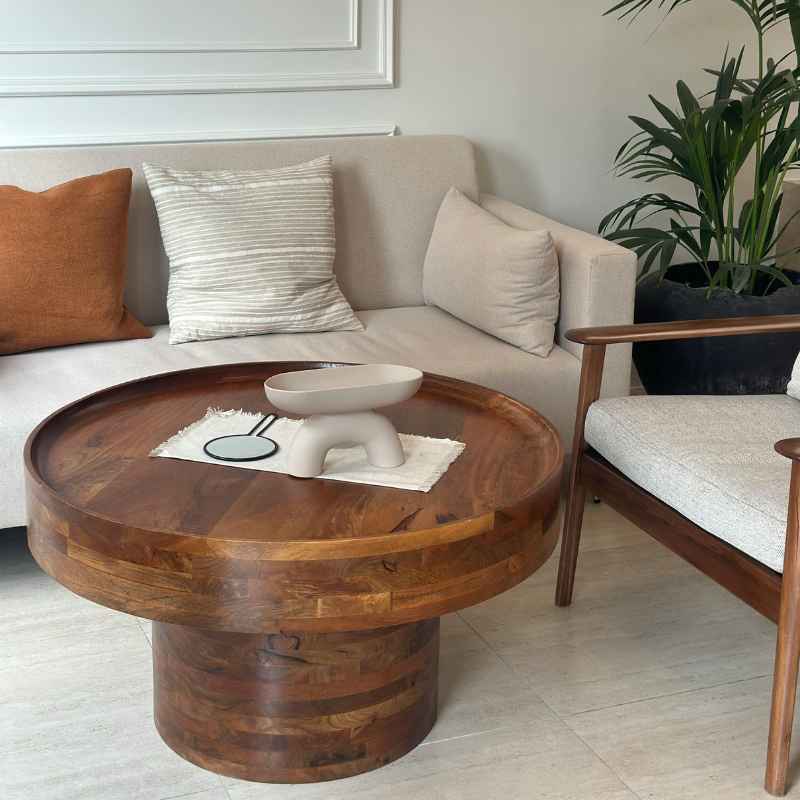
I remember one evening. I was hosting friends. We were all talking and laughing. Someone put a cold glass of iced tea down. It had no coaster. I didn’t notice it right away. Later, after everyone left, I saw it. A perfect, stark white ring sat right in the middle of my beautiful oak coffee table.
My heart sank. This table was a gift. It had a lovely, smooth finish. I ran my hand over the ring. It felt a little rough. I tried wiping it. Nothing worked. I started to panic. I imagined having to refinish the whole table. That seemed like such a huge job. I spent a few minutes feeling really bummed out. I almost gave up and covered it with a runner.
But then I remembered my grandma telling me about old tricks for wood. I decided to do some digging. I learned that white rings are often just trapped moisture. That gave me hope. I decided to try a few simple things first. It was amazing how well they worked! That experience taught me that many furniture problems have easy solutions if you know where to look.
Fixing White Water Rings: Simple Home Remedies
White rings are usually the easiest to fix. The goal is to get the moisture out of the finish. Here are some gentle ways to try this. Always test in a hidden spot first.
The Hair Dryer Method
This is often the first thing to try. Heat can help dry out the trapped moisture.
You will need:
A hair dryer
Here’s what to do:
1. Set the hair dryer to its lowest heat setting.
2. Hold it a few inches away from the ring.
3. Move the dryer back and forth over the spot. Don’t hold it still.
4. Watch the ring carefully. It should start to fade.
5. Keep going until the ring is gone. This might take a few minutes.
6. Let the area cool down.
7. Gently rub it with a soft cloth.
This works because gentle heat helps the finish re-seal. It pushes the moisture out.
Quick Tip: Hair Dryer Technique
Always use low heat. High heat can damage the finish further. Keep the dryer moving to avoid overheating one spot. Patience is key here.
The Iron and Cloth Method
This uses gentle heat too. It’s like the hair dryer but can be more direct.
You will need:
An iron
A clean, dry cotton cloth (like a t-shirt scrap)
Here’s how:
1. Empty the iron of water. You don’t want steam.
2. Set the iron to a low heat setting. No steam!
3. Place the dry cloth over the white ring.
4. Gently press the warm iron onto the cloth over the ring.
5. Lift the iron and cloth after a few seconds.
6. Check the ring. It should be fading.
7. Repeat if needed. Move the cloth a bit each time.
Be careful not to leave the iron on too long. You don’t want to melt the finish.
Contrast: White Ring vs. Dark Stain
White Rings: Moisture trapped in the finish. Usually fixable with heat. Surface issue.
Dark Stains: Water soaked into the wood. Harder to fix. May need deeper treatment.
Using Mayonnaise or Petroleum Jelly
This sounds strange, but it works for some white rings. The oil in these products can help displace the moisture.
You will need:
Mayonnaise (full fat works best) OR petroleum jelly
A soft cloth
Here’s the process:
1. Apply a small amount of mayonnaise or petroleum jelly to the white ring.
2. Let it sit there for a few hours, or even overnight.
3. Wipe it off gently with a soft cloth.
4. Buff the area.
The oil seeps into the finish. It pushes out the trapped water. Then you wipe away the excess.
Quick Scan Table: White Ring Fixes
| Method | Ease | Effort | Risk |
| Hair Dryer | Easy | Low | Very Low |
| Iron & Cloth | Easy | Medium | Low |
| Mayonnaise/Petroleum Jelly | Easy | Low | Very Low |
Baking Soda Paste
Baking soda is a mild abrasive. It can gently buff out the stain.
You will need:
Baking soda
Water
A soft cloth
Here’s how to do it:
1. Mix baking soda with a little water. Make a paste. It should be thick, like toothpaste.
2. Gently rub the paste onto the white ring. Use a soft cloth.
3. Rub in the direction of the wood grain.
4. Wipe away the paste with a clean, damp cloth.
5. Dry the area with a soft cloth.
This method can sometimes remove a tiny layer of the finish. So be gentle.
Toothpaste (Non-Gel)
Similar to baking soda, non-gel toothpaste can act as a mild abrasive.
You will need:
White, non-gel toothpaste
A soft cloth
Here’s the process:
1. Put a small amount of toothpaste on the cloth.
2. Gently rub the paste onto the white ring.
3. Use a light touch and rub with the wood grain.
4. Wipe clean with a damp cloth.
5. Dry the area well.
Again, be gentle. You don’t want to scratch the finish.
Dealing with Dark Water Stains
Dark stains mean the water went into the wood itself. These are tougher. They might need more aggressive methods. Sometimes, they can’t be fully removed.
Oxalic Acid (Wood Bleach)
This is the most effective way to remove dark water stains. Oxalic acid is a type of wood bleach. It works by chemically lifting the stain from the wood fibers. You can buy it at hardware stores.
You will need:
Oxalic acid crystals (often sold as wood bleach)
Warm water
A glass or plastic container (do not use metal)
Gloves
Eye protection
A stiff brush (like a scrub brush)
Clean rags
Fine-grit sandpaper (e.g., 220 grit)
Mineral spirits or denatured alcohol (for cleaning)
Wood sealant or finish
Safety first:
Always wear gloves and eye protection.
Work in a well-ventilated area.
Read the product instructions carefully.
Here’s the process:
1. Prepare the oxalic acid solution. Mix crystals with warm water according to the product directions. Wear gloves and eye protection.
2. Apply the solution. Use a brush or rag to apply the solution to the dark stain. Soak the stained area thoroughly.
3. Let it work. Let the solution sit on the stain for about 15-30 minutes. You should see the stain start to fade.
4. Scrub gently. Use a stiff brush to gently scrub the stained area. This helps lift the stain.
5. Rinse. Wipe the area clean with a damp cloth. Rinse multiple times to remove all acid.
6. Neutralize the acid. Some products recommend a neutralizing rinse. Often, a mild baking soda and water solution works to neutralize any remaining acid. Follow product directions.
7. Dry thoroughly. Let the wood dry completely. This might take a day or two.
8. Light sanding. Once dry, lightly sand the area with fine-grit sandpaper (220 grit). Sand in the direction of the wood grain. This smooths the wood and removes any raised grain from the moisture.
9. Clean the dust. Wipe away all dust with a tack cloth or a cloth dampened with mineral spirits.
10. Refinish the spot. You will need to reapply the wood finish or sealant to the repaired area. Match the original finish as closely as possible.
This process can be effective. But it might lighten the wood more than the stain. You might need to re-stain the whole table to match.
Observer’s Note: Wood Bleaching
Oxalic acid is powerful. It truly lifts color from the wood. If you have a very light wood, it might make that spot too light.
Always test first and be ready to possibly re-stain.
Using Lemon Juice and Salt
This is a gentler option for lighter dark stains. The acid in lemon juice and the abrasiveness of salt can help.
You will need:
Salt
Lemon juice
A soft cloth
Here’s how to do it:
1. Sprinkle salt over the dark stain.
2. Pour a little lemon juice onto the salt. It will start to fizz.
3. Gently rub the mixture into the stain with a soft cloth.
4. Let it sit for a few minutes.
5. Wipe it all off with a damp cloth.
6. Dry the area well.
This can help lift surface stains. It’s less harsh than oxalic acid.
Using Steel Wool and Mineral Oil
For very light dark stains, very fine steel wool can help.
You will need:
Super-fine steel wool (0000 grade)
Mineral oil
A soft cloth
Here’s the process:
1. Apply a little mineral oil to the steel wool.
2. Gently rub the stained area with the oiled steel wool.
3. Rub in the direction of the wood grain. Use very light pressure.
4. Wipe away the residue with a clean cloth.
5. Buff the area.
This method can remove a thin layer of finish and stain. It needs to be followed by re-finishing.
Addressing Warping and Swelling
Warping and swelling are the most difficult issues. They mean the wood structure has changed.
For Minor Swelling
If the wood feels slightly puffy, try the methods for white rings first. Gentle heat and air circulation can help the wood dry out.
Move the table to a dry room.
Use a fan to circulate air around it.
Try the hair dryer method on low heat for short periods.
This might help it return to its original shape.
For Warping
Warping is serious. It means the wood fibers have permanently changed.
Extreme Cases: If the table is badly warped, it might not be fixable without professional help or complete refinishing.
Minor Warping: Sometimes, placing heavy, flat objects on the warped area (with protection, like blankets, between the object and the wood) for an extended period can help. This requires patience and may not always work. You’d do this in a dry environment.
It’s often best to accept a little character. Or, consider a professional restorer for badly warped pieces.
Refinishing and Protecting Your Table
After fixing stains or rings, you often need to refinish the spot. This protects the wood and makes the repair blend in.
Matching the Finish
Identify your table’s finish. Is it polyurethane, lacquer, varnish, or wax? This can be hard to tell.
Use a furniture touch-up pen. These come in many wood colors and can help mask minor repairs.
Apply a matching stain. If you had to sand down to bare wood, you’ll need to re-stain. Test the stain in an hidden area first.
Seal the spot. Once stained, apply a clear topcoat. Use a product that matches your table’s original finish (e.g., polyurethane, lacquer). Apply thin coats.
Prevention is Key
The best fix is to avoid water damage in the first place.
Use coasters. Always use coasters for drinks.
Use placemats. Use placemats for meals.
Wipe spills immediately. Clean up any spills right away with a soft, dry cloth.
Avoid humid areas. Try not to place wood furniture in very humid places.
Regular care. Dust your table regularly. You can also use a good quality furniture polish or wax designed for your table’s finish. This adds a layer of protection.
When to Call a Professional
Sometimes, water damage is too much for home fixes. If you’re unsure or the damage is severe, it’s best to seek expert advice.
Deep damage: If the wood is rotten or severely warped.
Valuable furniture: If the table is an antique or very valuable.
Unsure about finish: If you don’t know what finish your table has.
Tried everything: If you’ve tried several methods and the damage is still there.
A professional furniture restorer has the tools and knowledge to handle complex repairs.
Frequently Asked Questions
Can I fix water rings on a varnished coffee table?
Yes, you often can. White water rings on varnished wood are usually in the top layer of the finish. Try the hair dryer or iron and cloth methods first. Be gentle.
How do I know if it’s a white ring or a dark stain?
White rings look milky or hazy. They are a surface issue in the finish. Dark stains are brown or black and look like they’ve soaked into the wood itself.
What’s the safest way to remove a white water ring?
The safest methods are using a hair dryer on low heat or the iron and dry cloth method. Always keep the heat moving and low. The mayonnaise or petroleum jelly trick is also very safe.
My coffee table has a dark stain. Can I just sand it off?
You can try sanding, but it’s often not that simple. Dark stains mean the water and whatever was in it have penetrated the wood. Sanding might remove the finish and some wood, but the stain can remain deep within the wood grain. Oxalic acid (wood bleach) is usually more effective for dark stains.
Should I refinish the whole coffee table after fixing one spot?
If your repair is small and blends well, you might not need to. But if the color or sheen is different after the fix, refinishing the entire top will give the best, most uniform look. Always test your repair and refinishing steps in an inconspicuous area first.
How long does it take for wood to dry after water damage?
This depends on how wet it got and the humidity. For surface moisture on the finish, it might be hours. If the wood itself soaked up water, it could take several days to dry out completely. Ensure good air circulation.
Final Thoughts
Seeing water damage on your wood coffee table can be upsetting. But many problems have simple solutions. Understanding the type of damage is the first step. Gentle methods often work for white rings. Darker stains might need more effort, like wood bleach.
Remember to always work gently. Test fixes in a hidden spot. Prevention is always best. Use coasters and clean spills quickly. With a little care, you can often bring your beloved coffee table back to life. Enjoy your beautiful furniture!
Sponsored / affiliate links. As an Amazon Associate I earn from qualifying purchases. I may earn additional commission from eligible campaigns.