How To Fix Scratches In Wood Laminate Floors Without Replacing
It’s a familiar feeling, right? You’re just trying to move a chair, or maybe a pet zooms across the floor, and suddenly you see it. A scratch.
On your beautiful wood laminate flooring. It feels like a tiny disaster, doesn’t it? You stare at it, wondering if everyone else will notice.
You might even feel a little pang of regret about not being more careful. But take a breath. You’re not alone in this.
Many homeowners deal with this exact frustration. The good news is, often you don’t need a full floor replacement. We’ll walk through simple ways to fix those unwelcome marks.
For most common scratches in wood laminate flooring, you can often fix them using simple repair kits, wax sticks, touch-up markers, or even household items like toothpaste or walnuts. The best method depends on the depth and color of the scratch.
Understanding Laminate Floor Scratches
Laminate flooring looks like wood, but it’s made differently. It has a core layer, usually high-density fiberboard. On top is a printed image layer that looks like wood grain.
The very top is a tough, clear protective layer called the wear layer. This wear layer is what stops most everyday damage.
When you see a scratch, it means something has cut through or scuffed this top layer. Shallow scratches just dull the surface. Deeper ones can go into the printed image layer or even the core.
The damage type tells you how easy it is to fix.
Why do scratches happen? It’s often from things like:
- Dragging furniture without pads.
- Pet claws can leave tiny marks.
- Dirt and grit act like sandpaper under shoes.
- Dropping something heavy can cause a gouge.
Knowing what caused it helps prevent more in the future. Think about what you were doing when you first spotted the scratch.
Personal Experience: The Uninvited Guest
I remember one Saturday afternoon clearly. I was trying to rearrange my living room furniture. It was a big sofa, and I thought I was being careful.
I’d put down towels, I thought. But as I slid the last leg across the floor, I heard it. A faint scrrrrape.
My heart sank. I immediately stopped and pulled the sofa back. There it was, a long, thin white line across the deep brown of my laminate floor.
It wasn’t a deep gouge, but it was noticeable. I felt that familiar wave of annoyance. How could I have been so clumsy?
All I could think about was how much the floor cost and how much work it was to install.
For a week, I avoided that spot. Every time I walked by, my eyes were drawn to it. It made the whole floor look less perfect.
I knew I had to do something. My first thought was, “Is this fixable? Or am I going to have to buy a whole new box of planks and replace this section?” The idea of that was overwhelming.
I started researching, hoping for a simple fix that wouldn’t cost a fortune or take all day. I learned that many of these marks aren’t the end of the world.
Types of Laminate Floor Damage
Surface Scratches: These only affect the top protective layer. They might look like dull lines or scuffs. They are usually the easiest to fix.
Deeper Scratches: These go through the top layer and into the printed design. They might show white or a different color from the print. These need more than just a polish.
Gouges: These are the most serious. They remove material from the floor, leaving a significant dent. These are the hardest to make invisible.
Fixing Shallow Scratches and Scuffs
Most of the time, the scratches you find are not deep at all. They are just on the surface. These are the easiest to tackle.
You can often buff these out or hide them with simple items.
1. The Toothpaste Trick: Yes, really. Non-gel white toothpaste can work wonders on light scuffs.
Put a little toothpaste on a soft cloth. Gently rub it into the scratch in a circular motion. Then, wipe it clean with a damp cloth.
Rinse and dry the area well. This works because toothpaste has a very mild abrasive. It can help smooth out tiny imperfections in the wear layer.
2. The Walnut Method: For very minor scratches, try a walnut. Seriously!
Take a shelled walnut (any kind will do). Rub the nut meat directly over the scratch. The natural oils in the walnut can fill in and darken light scratches, making them much less visible.
After rubbing, buff the area with a soft cloth. This is a quick, natural fix for those barely-there marks.
3. Soft Cloth Buffing: Sometimes, a scratch is just a scuff mark left by rubber or plastic. A clean, dry microfiber cloth can often buff these away.
Use firm, circular motions. If that doesn’t work, slightly dampen the cloth with water or a mix of water and a tiny bit of dish soap. Be sure to dry the spot well afterward.
Avoid using too much water, as it’s not good for laminate.
Quick Scan: Easy Fixes for Light Scratches
| Method | Best For | What You Need |
|---|---|---|
| Toothpaste (White, Non-Gel) | Light scuffs, dull spots | Soft cloth, toothpaste |
| Walnut | Very fine, light scratches | Shelled walnut |
| Microfiber Cloth | Rubber marks, faint scuffs | Clean microfiber cloth |
Using Repair Kits and Touch-Up Tools
When the scratches are a bit deeper, or the simple home remedies don’t quite do the trick, it’s time to look at specialized products. These are made specifically for laminate flooring and are quite effective.
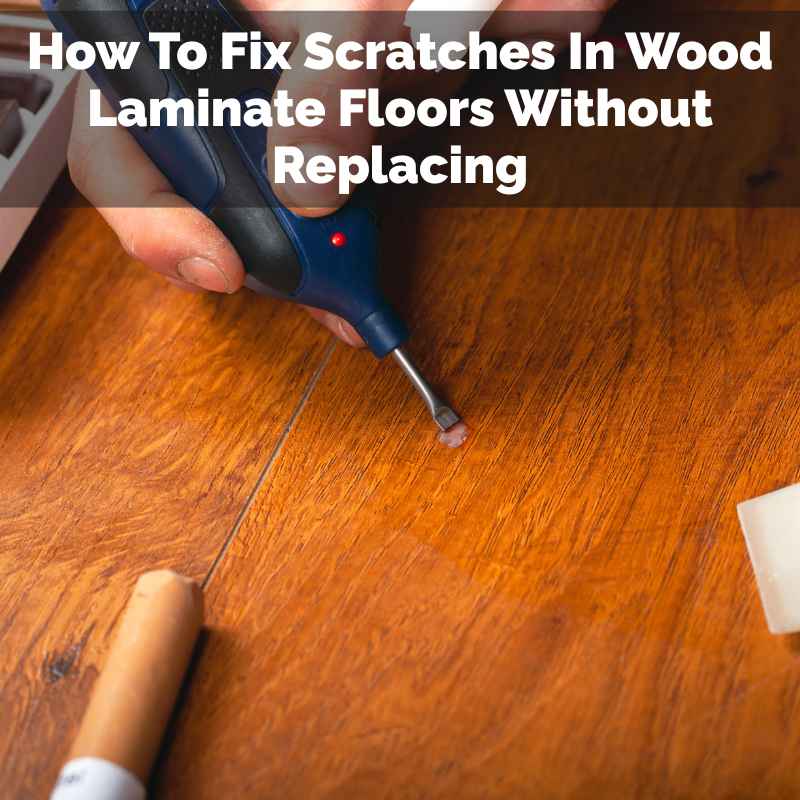
1. Laminate Floor Repair Kits: These kits are very popular. They usually contain a putty or filler compound.
You need to match the color of your floor as closely as possible. Some kits come with multiple colors you can mix. You apply the putty into the scratch with a small spatula.
Then, you wipe away the excess and let it dry. Once dry, you might need to lightly sand it smooth, depending on the kit instructions. Some kits also include a sealant or a clear coat to protect the repair.
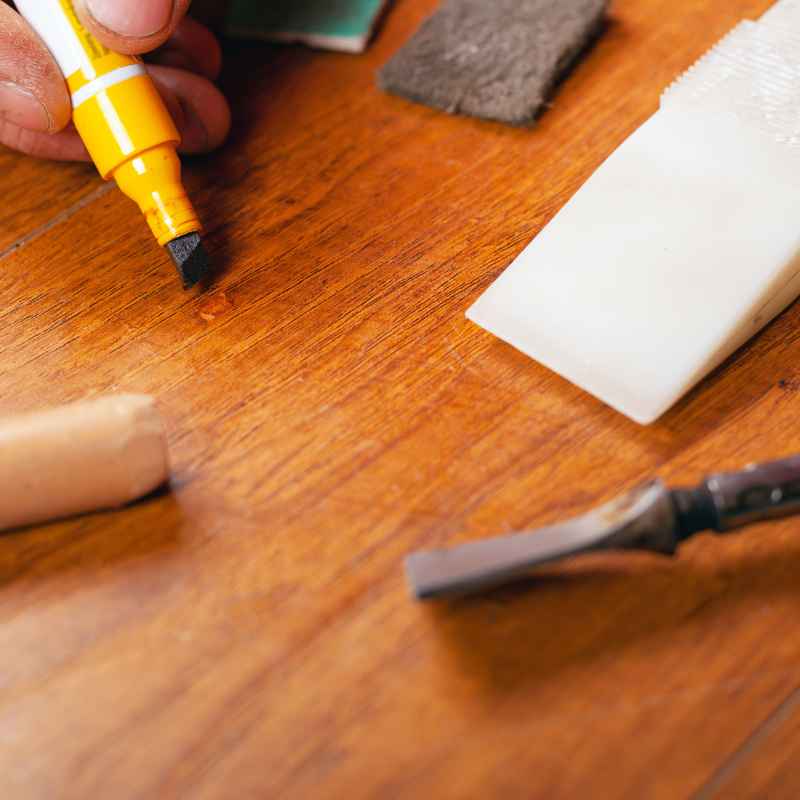
2. Wood Laminate Touch-Up Markers: These look like felt-tip markers. They are great for filling in color on scratches that have gone through the top wear layer.
You simply color over the scratch with the marker. Choose a color that matches your floor. You can often layer them or use multiple colors to get the exact shade.
Wipe away any excess color that gets on the surrounding floor. These are best for thin scratches and color restoration.
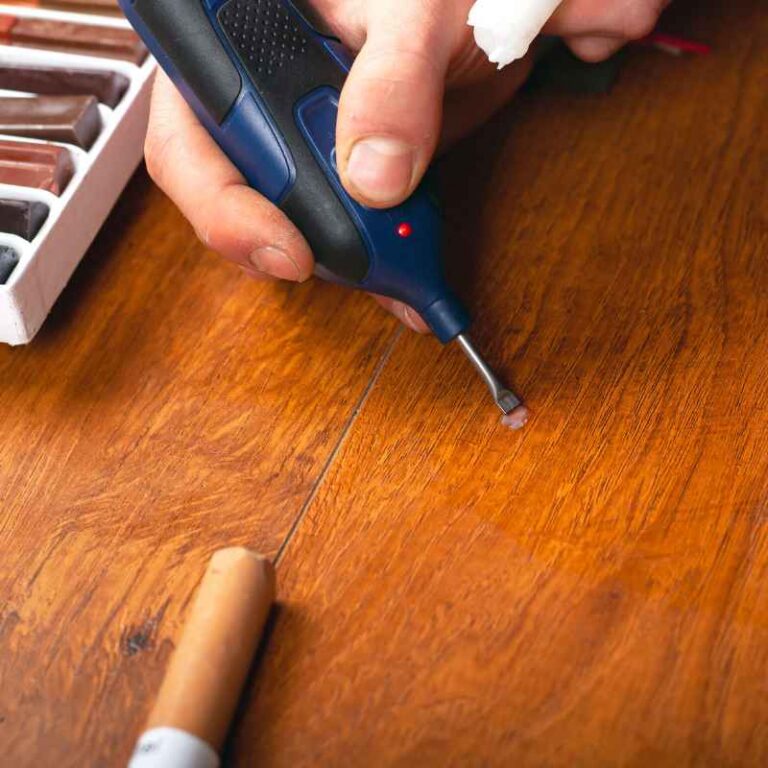
3. Wax Sticks or Crayons: Similar to putty, wax sticks are designed to fill scratches. You gently heat the wax (sometimes by rubbing it hard, or using a special applicator tool that comes with some kits) and melt it into the scratch.
You then smooth and remove excess with a plastic scraper. They are good for filling the void and blending the color.
Tips for Using These Products:
- Color Matching is Key: Always try to get a sample of your flooring or take a clear photo. Bring it with you when you buy a repair product. If you can’t match perfectly, sometimes a slightly darker shade can blend in better than one that’s too light.
- Clean the Area First: Before you apply any product, make sure the scratch and the area around it are clean and dry. Dust or dirt will prevent the filler or color from adhering properly.
- Test in an Inconspicuous Area: If you have a spare plank or a spot under a rug, test your marker, putty, or wax there first. This helps you get a feel for how it works and how the color looks.
- Follow Instructions Carefully: Each product is a little different. Read the directions on the package before you start. They will tell you the best way to apply, dry, and finish the repair.
Choosing the Right Repair Product
When to Use Markers: For scratches that have lost color but aren’t deep gouges. They are fast and easy.
When to Use Putty/Filler: For slightly deeper scratches or small chips where you need to fill a void. They offer a more substantial repair.
When to Use Wax Sticks: Similar to putty, good for filling and coloring. Can be easier to blend sometimes.
Consider Your Floor’s Finish: Some laminate has a very glossy finish, others are more matte. Try to choose a repair product that will dry to a similar sheen.
Dealing with Deeper Scratches and Gouges
Okay, so what if the scratch is really bad? It’s a deep cut, or maybe a chunk of the laminate is missing. This is where things get a bit trickier.
These types of damage require a more robust approach.
1. Laminate Floor Filler: For gouges, you’ll need a filler that’s meant for wood or laminate. These are often stronger than the putty in basic repair kits.
You’ll still need to match the color. Apply the filler generously into the gouge. Use a putty knife to level it with the surrounding floor.
You might need to build up the filler in layers if the gouge is very deep. Let each layer dry completely according to the product’s instructions. Once it’s fully dry and hard, you can carefully sand it smooth.
Be very gentle with sanding, as you don’t want to damage the undamaged floor around the gouge.
2. Touch-Up and Sealant: After the filler is smooth and dry, you’ll likely need to color it. Use your touch-up markers or paint pens to carefully match the wood grain.
This takes patience and a steady hand. Sometimes, you might need to apply multiple colors and blend them. Once the color is right, you may need to apply a clear sealant over the repaired area to protect it and match the sheen of the floor.
This can be a spray or a brush-on product.
3. Replacing a Plank: If the damage is extensive, or if it’s in a very visible spot and you want it to look perfect, the best solution might be to replace the damaged plank. This sounds daunting, but if you have leftover planks from installation, it’s very doable.
Most modern laminate floors use a click-lock system. You’ll need to carefully remove the damaged plank. This often involves cutting it out.
Then, you can click a new plank into place. It requires careful measurement and often some specialized tools like a pull bar and a tapping block.
Step-by-Step: Filling a Gouge
- Clean: Thoroughly clean the gouged area.
- Apply Filler: Use a wood or laminate filler. Press it firmly into the gouge.
- Level: Smooth the filler flat with the floor using a putty knife.
- Dry: Let the filler dry completely. This can take many hours or even a day.
- Sand (Optional): Lightly sand if needed to make it perfectly smooth.
- Color: Use touch-up markers or paint to match the wood grain.
- Seal: Apply a clear sealant to protect the repair.
When to Call a Professional
There are times when trying to fix it yourself might not be the best idea. If you’re not comfortable with the process, or if the damage is significant, it’s wise to get help.
1. Extensive Damage: If a large area of your floor is damaged, or if multiple planks are badly scratched or gouged, a professional might be able to
2. Very Old or Unique Flooring: If your laminate floor is very old, it might be harder to find exact color matches or repair products. Professionals have access to a wider range of materials and techniques.
3. High-Traffic Areas: For entryways or main living spaces that get a lot of foot traffic, you want repairs that are durable and look seamless. A pro can ensure the repair holds up and blends in perfectly.
4. Your Own Comfort Level: If you’ve tried a simple fix and it didn’t work, or if you’re worried about making the problem worse, don’t hesitate to call someone. Sometimes, a little investment in professional help saves you time, stress, and money in the long run.
Real-World Context: Preventing Future Scratches
The best way to deal with scratches is to stop them before they start. Think about your daily habits and how they might affect your floors.
1. Furniture Protection: Always put felt pads or rubber stoppers on the legs of all your furniture. This includes chairs, tables, sofas, and even heavy appliances.
Check these pads regularly; they can wear out or fall off. When moving heavy items, use furniture sliders. These are large, flat pads that go under the legs to allow things to slide smoothly without digging into the floor.
2. Entryway Mats: Place doormats both outside and inside entry doors. These trap dirt, sand, and grit before they get tracked onto your floors.
Grit is like tiny sandpaper that wears down the wear layer over time, making it more prone to scratches.
3. Pet Care: Keep your pets’ nails trimmed. Regular nail trims make a big difference in preventing tiny scratches from their claws.
If your pet has long nails, consider nail caps. Also, wipe their paws when they come in from outside, especially if it’s muddy or sandy.
4. Cleaning Practices: Sweep or vacuum your floors regularly. Use a vacuum cleaner with a soft brush attachment, not one with aggressive beater bars that can scratch laminate.
Damp mop your floors with a laminate-specific cleaner. Avoid soaking the floor, as excess water can seep into the seams and damage the core layer.
5. Strategic Placement: In areas where you know there will be a lot of wear and tear, like a busy kitchen or a child’s play area, consider using area rugs or runners. These add an extra layer of protection.
The Importance of the Wear Layer
What it is: The clear, tough top coat on laminate flooring.
Its job: Protects the printed design and core from scratches, stains, and moisture.
When it’s damaged: Scratches appear, colors fade, and the floor becomes vulnerable.
How to protect it: Use furniture pads, mats, and gentle cleaning.
What This Means for You
Seeing a scratch on your laminate floor can be upsetting. But it doesn’t automatically mean you need new flooring. Most of the time, these are cosmetic issues that can be addressed with simple tools and a bit of patience.
When it’s Normal: Very light scuffs or dull marks from furniture moving, pet paws, or everyday use are quite normal. They happen in most homes. They usually only affect the very top protective layer and are often fixable with easy methods.
When to Worry: Deeper scratches that go into the printed layer, large gouges where material is missing, or damage caused by significant water exposure are more concerning. These can compromise the floor’s integrity and may require more involved repairs or even plank replacement.
Simple Checks:
- Run your finger over the scratch. Can you feel a deep divot?
- Look closely at the color. Is it just dulled, or is the color completely gone?
- Is the scratch just on the surface, or does it look like the material itself is missing?
Answering these questions will help you decide which repair method is best.
Quick Fixes & Tips
Here are some final tips to keep your laminate floors looking their best:
- Always use a cleaner made for laminate floors. Harsh chemicals can damage the finish.
- Never use excessive water. Laminate and water don’t mix well long-term.
- Sweep or vacuum daily if you have pets or high traffic.
- Keep a small repair kit or touch-up marker handy for quick fixes.
- For very light scratches, sometimes a little floor polish designed for laminate can help blend them in.
Frequently Asked Questions About Laminate Floor Scratches
Can you really fix laminate floor scratches with toothpaste?
Yes, for very light scuffs or dull marks, non-gel white toothpaste can sometimes work. It acts as a mild abrasive to smooth out the top layer. Apply a small amount to a soft cloth, rub gently in a circular motion, then wipe clean and dry.
How do I choose the right color for a laminate repair kit?
The best way is to try and get a small sample of your flooring or take a very clear photo in good lighting. Bring this with you when you shop for repair kits. If you can’t get a perfect match, sometimes mixing colors from a kit or choosing a slightly darker shade can blend better than a lighter one.
Are laminate floor touch-up markers permanent?
Most touch-up markers and pens for laminate floors are designed to be quite durable. They use pigments that adhere well to the flooring surface. However, they are not as permanent as the factory finish.
For high-traffic areas, you might need to reapply them over time. They are best for filling in color loss on shallow scratches.
What’s the difference between a scratch and a gouge in laminate?
A scratch is typically a line on the surface that may go through the wear layer. A gouge is deeper; it’s where material has been removed, leaving a dent or hole. Scratches are usually easier to fix.
Gouges often require a filler to level the surface before coloring.
Can I use wood filler on laminate floors?
Yes, you can use wood filler, especially for deeper gouges. However, it’s best to use a filler specifically designed for laminate or hardwood floors if possible. Ensure the filler is a type that can be sanded smooth and then colored to match your floor.
Always test in an inconspicuous area first.
How do I prevent my dog’s nails from scratching the laminate floor?
The most effective way is to keep your dog’s nails trimmed regularly. Consider using nail caps designed for dogs. You can also use area rugs or runners in high-traffic areas where your dog spends a lot of time.
Wiping your dog’s paws when they come inside can also help reduce the amount of dirt and grit that can act like sandpaper.
Conclusion
It’s completely normal to feel a little frustrated when you find a scratch on your wood laminate floors. But remember, you have options! From simple household items to specialized repair kits, many scratches can be fixed without needing to replace your entire floor.
By understanding the type of damage and using the right methods, you can restore the beauty of your floors and keep them looking great for years to come.
Sponsored / affiliate links. As an Amazon Associate I earn from qualifying purchases. I may earn additional commission from eligible campaigns.