How to Remove Stains From Laminate Flooring (Without Damage)
A 1-cup vinegar to 1-gallon water solution removes most laminate flooring stains — for wine, coffee, or juice, mix it stronger at 1 part vinegar to 3 parts water. Steam mops and steel wool cause the real damage: steam pushes moisture into the seams and swells the boards, while steel wool wears through the protective aluminum oxide layer. This guide covers the right method for grease, ink, wine, wax, and scuff stains, plus what never to use on laminate.
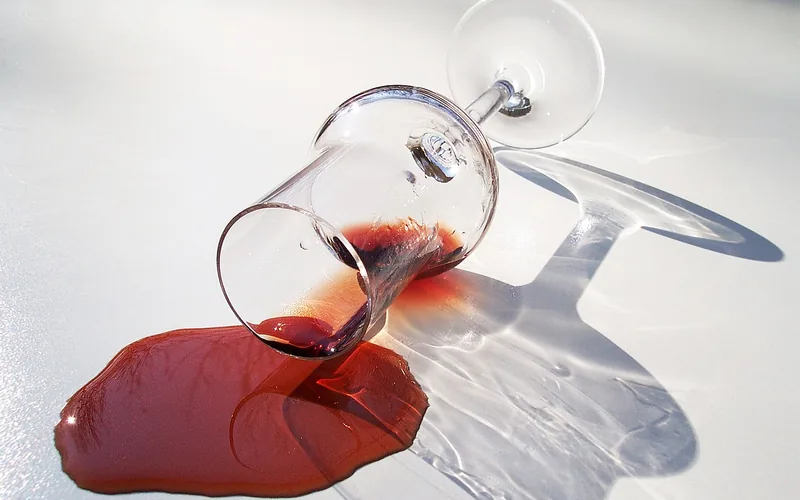
What Causes Stains on Laminate Flooring
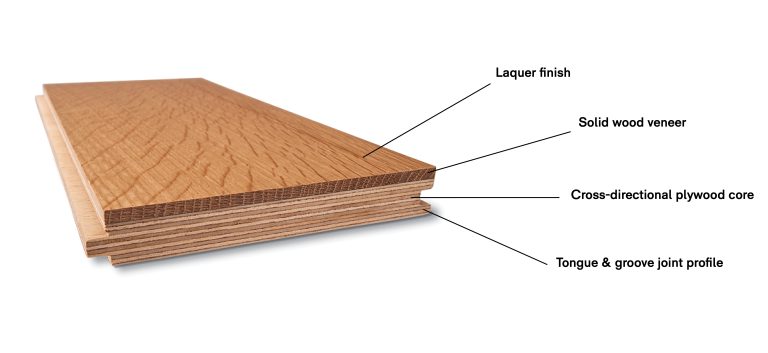
Laminate’s top layer is a clear, hard-wearing coating (usually melamine over aluminum oxide) fused over a printed design. Liquids don’t normally soak into that layer — staining happens when a spill sits long enough to dry into the seams between planks, or when something abrasive scratches through the coating and exposes the layer underneath, which stains far more easily. See our full laminate flooring guides for installation and care topics beyond stain removal.
- Food and drink spills — wine, coffee, and juice are the most common, and the most time-sensitive to clean up
- Grease and cooking residue — leaves a sticky film that attracts more dirt if left alone
- Ink, marker, and crayon — pigment-based and needs a solvent rather than soap and water
- Pet accidents — acidic urine can discolor the seams if it isn’t cleaned up quickly
What Not to Use on Laminate Floors
Most laminate stain jobs go wrong from the cleaning product, not the stain itself. These five cause more damage than the stain they were meant to remove:
- Steam mops — the moisture gets pushed into the seams between planks and can cause them to swell and warp; see our full breakdown of whether steam mops are safe on wood and laminate floors
- Bleach — strips the protective coating and lightens the printed pattern underneath it
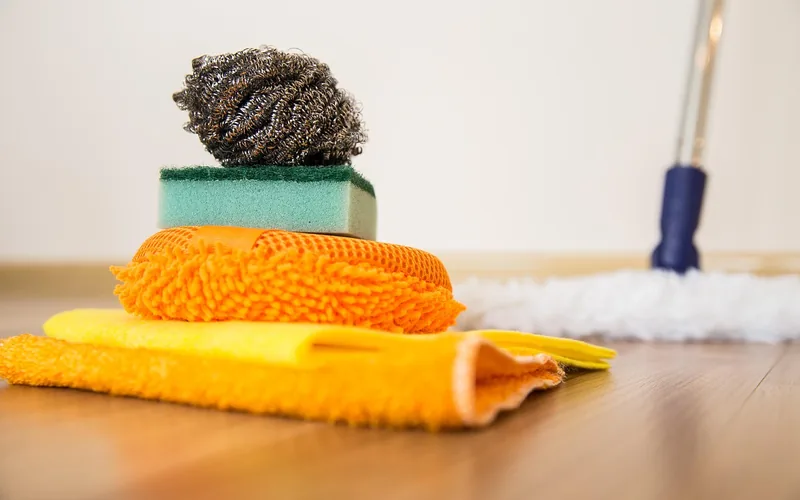
- Steel wool or abrasive scouring pads — wears straight through the aluminum oxide wear layer that gives laminate its scratch resistance, and can leave scratches that need their own repair
- Oil soaps, wax, or polish — leaves a hazy, sticky buildup that actually attracts more dirt over time
- Ammonia in high concentration — can dull the finish; if you use it, keep it well diluted (about 1/3 cup per gallon of water) and rinse after
For a deeper look at whether household vinegar itself is actually safe for laminate long-term (not just as a spot cleaner), see our dedicated breakdown: does vinegar ruin laminate floors?
📊 Pergo’s own care guide recommends a 1 cup household vinegar to 1 gallon warm water solution for routine laminate cleaning — the same ratio confirmed across major laminate brands’ care instructions. — Source: Pergo Flooring, Cleaning & Care guide, 2026
Preparation Before Cleaning
Gather a mop or soft cloth, a bucket, warm water, and a gentle cleaner before you start. Avoid anything labeled abrasive.
- Gather supplies: A microfiber mop or soft cloth, a bucket, warm water, and a mild cleaner or the vinegar solution above.
- Test in a hidden spot: Apply a small amount of cleaner to an inconspicuous area — inside a closet or under an appliance — and wait a few minutes to check for any color change before treating the visible stain.
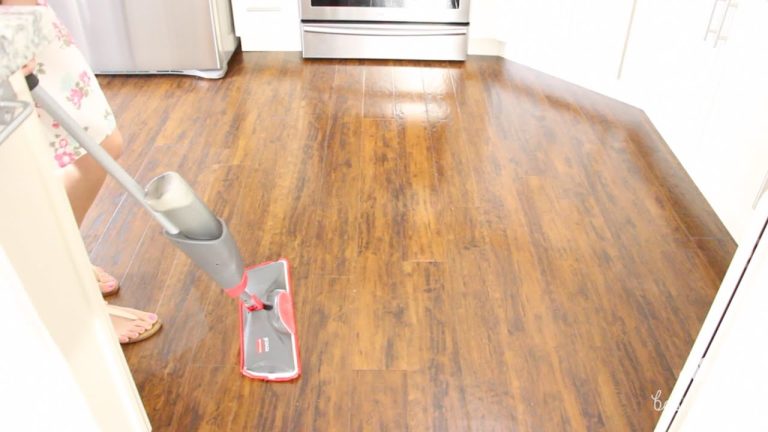
- Blot, don’t pour: Mist the cleaner onto a cloth or mop pad rather than pouring liquid directly onto the floor — standing water is what gets into the seams.
“Use lukewarm water and a non-abrasive cleaner with a soft cloth or mop.”
— Pergo Flooring, official Cleaning & Care guide
Best Laminate-Safe Cleaner Pick
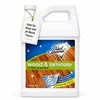
Wood & Laminate Floor Cleaner – Vinyl Floor Cleaner, 1 Gallon – $29.98
A pH-neutral formula made for laminate and wood — a safer everyday option than mixing your own vinegar solution if you’d rather not measure.
- Best for: routine cleaning between deeper stain treatments
- Why we picked it: formulated specifically not to leave the hazy residue this guide warns about with oil soaps
- Main drawback: not strong enough alone for set-in grease or ink stains
Compare more laminate cleaning tools
 Option 1 – Scuffs Mr. Clean Magic Eraser Original Cleaning Pads, Multi Pu – $6.29
|
 Option 2 – Mop Bona Premium Sweep & Clean Mop for Multi-Surface floors – $19.97
|
 Option 3 – Deep Restore Rejuvenate All Floors Restorer 1 Gal, Fills Scratches, – $50.80
|
As an Amazon Associate we earn from qualifying purchases.
How to Remove Common Stains From Laminate Flooring
Grease and Oil Stains
Set ice cubes in a plastic bag directly on the grease to harden it, then scrape gently with a plastic tool (never metal). For the remaining residue, mix a few drops of dish soap with warm water, wipe with a soft cloth, and dry immediately.
Wine, Coffee, and Juice Stains
Blot immediately — don’t wipe, which spreads the liquid. Mix 1 part white vinegar to 3 parts water, apply to a cloth, and dab the stain until it lifts. Dry the area completely with a clean towel.
Ink, Marker, and Crayon Stains
Dampen a cloth with isopropyl rubbing alcohol and dab outward from the edge of the stain toward the center, so you don’t spread the pigment further. For crayon wax, let it cool first (see below), then follow up with alcohol on any remaining color.
Candle Wax
Let the wax cool and harden completely — never scrape while it’s soft. Use a plastic scraper or old gift card to lift it off, then wipe any waxy film with a cloth dampened in rubbing alcohol.
Scuffs and Heel Marks
Rub gently with a pencil eraser or a barely-damp melamine sponge, using light pressure only — these marks are usually surface transfer, not a true stain, and come off faster than people expect.
Nail Polish and Sticky Residue
Use a non-acetone nail polish remover — full-strength acetone can dull or discolor the finish. For sticky adhesive residue, a few seconds of warm hair dryer heat followed by a dab of vegetable oil on a cloth loosens it without solvents. If you already used acetone remover and left a dull spot, see our guide on removing nail polish remover residue from wood for the fix.
Preventing Future Stains
Place mats or rugs with non-slip backing at every entry point to catch dirt and moisture before it reaches the laminate — wash them regularly so they don’t just spread dirt around. Sweep or vacuum with a hard-floor attachment daily, damp-mop only when needed, and wipe up any spill the moment it happens rather than letting it sit.
When to Call a Professional
A discolored spot that won’t lift with the methods above, especially if the laminate feels swollen, soft, or warped nearby, usually means water got underneath the surface rather than just staining the top. That’s a moisture problem in the subfloor or seams, not a cleaning problem, and scrubbing harder makes it worse.
- Check reviews and ratings before hiring a flooring repair professional
- Ask specifically whether they replace individual planks or refinish the whole floor
- Confirm they use non-abrasive, laminate-safe products — the same materials this guide tells you to avoid can also damage a floor in a pro’s hands if they’re not laminate-specific
Common Mistakes That Damage Laminate Instead of Cleaning It
- Using a steam mop for “deep cleaning” — moisture gets pushed into the seams and swells the boards
- Scrubbing with steel wool or an abrasive pad — wears through the aluminum oxide layer that resists scratches
- Skipping the hidden-spot test — some cleaners lighten or discolor laminate, and you won’t know until it’s too late
- Letting a spill sit — wine, juice, and pet accidents stain fastest when they’re allowed to dry into the seams
- Pouring cleaner directly onto the floor — mist a cloth or mop pad instead; standing liquid is what seeps between planks
Frequently Asked Questions
What removes stains from laminate flooring?
A solution of 1 cup white vinegar per gallon of water handles most everyday stains. Apply it with a soft cloth, never pour it directly on the floor, and avoid abrasive tools that scratch the surface.
Can you use bleach on laminate floors?
No. Bleach strips the protective coating and lightens the printed pattern underneath it. Stick to mild, pH-neutral cleaners or the vinegar solution instead.
Can you use a steam mop on laminate floors?
It’s not recommended. Steam pushes moisture into the seams between planks, which can cause them to swell and warp. A barely-damp microfiber mop cleans just as well without that risk.
How do you remove tough, set-in stains?
Make a paste of baking soda and a small amount of water, apply it to the stain, let it sit for a few minutes, then gently scrub with a soft cloth. For paint or heavy ink, isopropyl alcohol or mineral spirits on a cloth works better than scrubbing harder.
What should you never use on laminate floors?
Steam mops, bleach, steel wool or abrasive pads, and oil-based soaps or wax. All four either force moisture into the seams, strip the protective coating, or leave a residue that attracts more dirt.
Conclusion
Most laminate stains come out with a simple vinegar-and-water solution and the right technique for the specific stain type — grease gets ice and dish soap, ink gets rubbing alcohol, wax gets scraped cold. The floor damage people blame on “tough stains” is almost always caused by the cleaning method instead: a steam mop, bleach, or an abrasive pad. Skip those four, test any new cleaner in a hidden spot first, and most stains lift without a mark left behind.
Sponsored / affiliate links. As an Amazon Associate I earn from qualifying purchases. I may earn additional commission from eligible campaigns.