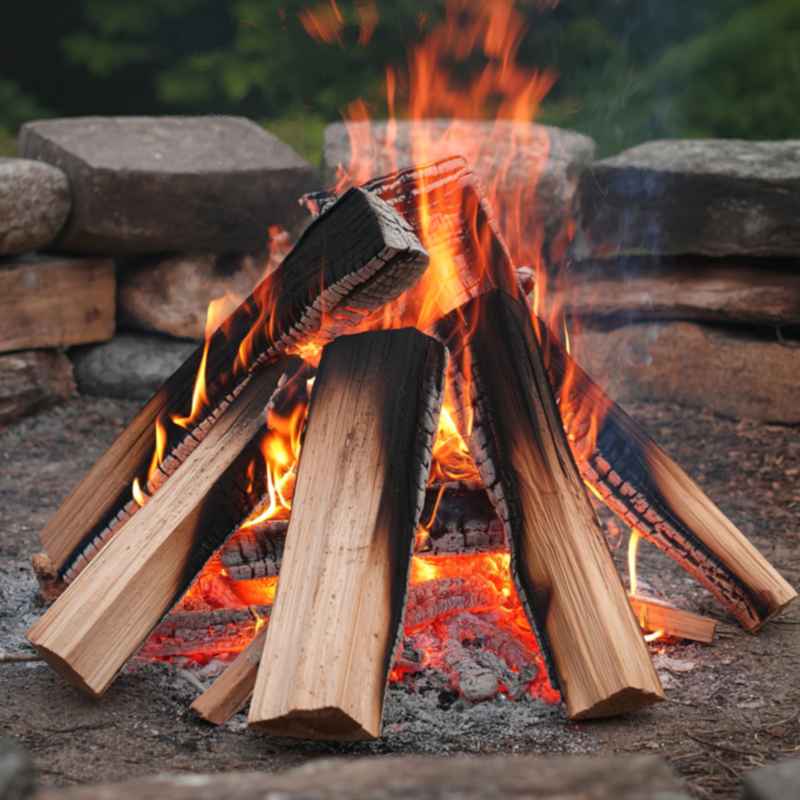
Starting a fire in a wood-burning fi
Understanding the Basics of Fire
Fire needs three things to burn: fuel, oxygen, and heat. This is often called the fire triangle. In a fi
Wood is a great fuel source for a fireplace. Different types of wood burn differently. Hardwoods like oak or maple burn longer and hotter.
Softwoods like pine or fir burn faster and can create more creosote, which is a sticky, tar-like substance. For starting a fire, you’ll want to use a mix. Small, dry pieces of softwood are great for getting things going.
Then, you can add larger pieces of hardwood to keep the fire burning steadily.
The airflow is super important. If there isn’t enough air, the fire will smolder and produce a lot of smoke. Too much air, and the fire might burn too quickly or even dangerously.
The damper, a metal plate inside your chimney, controls how much air can go up the chimney. You need to open it before you light the fire. You also need air to reach the fuel from below.
My First “Big” Fire: A Smoky Mess
I remember my first winter in my own house. It had a beautiful brick fi
I had just thrown big logs in. They were probably a little damp. And I hadn’t thought about how air would get to them.
The smoke just had nowhere to go but into my living room. It was frustrating and a little scary. I felt pretty silly, honestly.
But I learned that building a good fire isn’t just about lighting wood; it’s about creating the right conditions for it to burn.
That experience led me to research. I learned about kindling, tinder, and the importance of a well-opened damper. I discovered that small, dry pieces of wood catch fire easily.
Then, slightly larger pieces catch fire from those. Finally, the big logs catch and burn for a long time. It’s like a chain reaction, but you have to set up the chain correctly.
It’s all about layers and airflow. Getting this right makes all the difference between a beautiful, warm fire and a smoky disaster.
Fireplace Safety Checklist
Before you even think about lighting a match, do these checks:
- Check the Damper: Make sure it’s fully open.
- Clean the Firebox: Remove old ashes. Too many ashes can block airflow.
- Inspect the Chimney: Ensure it’s clear of debris like leaves or bird nests.
- Use a Fireplace Screen: This stops sparks from flying out.
- Have a Smoke Detector: Make sure it’s working nearby.
Preparing Your Fireplace
The first step to a great fire is preparing your fireplace. This means making sure it’s clean and ready to go. You don’t want old ashes getting in the way.
Ashes can stop air from getting to your wood. This makes it harder for the fire to start and can cause smoke to come back into your room.
You’ll need to clean out the firebox. This is the part where you put the wood. Use a metal shovel and a metal bucket.
Wear gloves and maybe even a dust mask, because old ashes can be dusty. Scoop out all the old ashes and put them in the metal bucket. Never use a plastic bucket, as it can melt.
Let the ashes cool completely before you get rid of them, just to be safe.
Ashes can be useful for other things, like fertilizing your garden (but only when fully cooled and in small amounts). For now, just get them out of the firebox so your new fire can breathe.
Also, check your chimney. A blocked chimney is a serious fire hazard. Leaves, twigs, or even bird nests can get stuck up there.
If your chimney is blocked, smoke and dangerous gases can’t escape. They’ll fill your house. You should have your chimney inspected and cleaned by a professional at least once a year.
They can spot problems you might miss.
Finally, make sure your fireplace screen is in good shape. This is the metal mesh you put in front of the opening. It keeps hot embers and sparks from jumping out onto your carpet or furniture.
It’s a simple safety step, but a very important one.
Gathering Your Fire-Starting Supplies
To build a successful fire, you need the right materials. Think of it like building blocks. You start small and build up.
For a good fire, you’ll need three main types of fuel: tinder, kindling, and firewood.
Tinder is what catches the spark or flame first. It needs to be very dry and fluffy. Good tinder includes things like dry leaves, pine needles, cotton balls, or even special fire starters you can buy.
You need a good handful of tinder. It should be easy to light. Think of it as the kindling for your kindling.
Kindling is small, dry pieces of wood. These pieces are usually about the size of a pencil or your finger. They catch fire from the tinder and burn long enough to light the larger pieces of firewood.
You can make your own kindling by splitting larger logs into smaller sticks. Make sure the kindling is completely dry. Wet kindling will just smolder and won’t catch well.
You’ll need a good armful of kindling, in various sizes from very thin twigs to slightly thicker sticks.
Firewood is the main fuel that keeps your fire going. For starting, you’ll want smaller pieces of firewood, perhaps 1-3 inches in diameter. As the fire gets going, you can add larger logs.
Always use seasoned firewood. This means the wood has been dried out for at least 6 to 12 months. It makes a much better fire.
Green wood (freshly cut) is hard to light and produces a lot of smoke and creosote. You can buy firewood or season your own if you have the space and time.
Wood Moisture Matters
Using dry wood is key. Wet wood makes for a smoky, inefficient fire. Look for these signs of dry firewood:
- Cracks: The ends of the logs should have cracks.
- Weight: Dry wood feels lighter than wet wood.
- Sound: When you knock two pieces together, dry wood makes a clear “clack” sound. Wet wood makes a dull “thud.”
- Bark: The bark might be loose or peeling on well-seasoned wood.
Building Your Fire: The Right Structure
Now that you have your supplies, it’s time to build the fire. The way you arrange the wood is crucial for airflow. There are a few popular ways to do this, but they all focus on letting air get to the flames.
One common method is called the “log cabin” style. First, lay down two pieces of your larger firewood parallel to each other. These are your base logs.
They should be spaced a few inches apart. This creates a small space for your tinder and kindling.
Next, place a good amount of tinder in the center, between the base logs. Then, on top of the tinder, arrange your kindling. You want to build a small pile or a criss-cross structure with your kindling.
Make sure there are gaps between the pieces of kindling so air can flow through.
Once your kindling is in place, you add more layers. You can lay two more pieces of kindling or small firewood across the first set, like building a small square box or “cabin” around the tinder and kindling. Continue layering kindling and small wood, leaving gaps.
The idea is to create a structure where air can move freely from the bottom up through the fuel.
As the fire burns, you can add larger pieces of firewood. Place them gently on top of the established flames. Don’t smother the fire.
You want the flames to lick up and catch the new wood. It’s a gradual process. You are building a fire that can sustain itself.
Another method is the “top-down” fire. In this method, you place the largest logs on the bottom. Then you layer smaller logs on top of those, and then kindling and tinder at the very top.
When you light the tinder, the flames burn down through the wood. This method can produce less smoke initially because the wood is heating up and drying out before it starts to burn.
Whichever method you choose, the goal is the same: create a structure that allows for good airflow. This helps the fire start quickly, burn efficiently, and produce less smoke. It’s all about giving the fire what it needs to thrive.
Lighting the Fire
With your fireplace prepped and your wood neatly stacked, it’s time for the exciting part: lighting the fire. Use a long fireplace match or a long lighter to reach the tinder. Carefully light the tinder in several spots.
Watch the tinder catch fire. You should see a small flame. This flame will then spread to the kindling.
It might take a few moments for the kindling to catch and start burning well. If it doesn’t catch right away, you might need to gently blow on the base of the flames to give them more oxygen. This helps them grow stronger.
Once the kindling is burning brightly, the flames will start to lick up at the smaller pieces of firewood. You’ll see these start to glow red and catch fire. This is the sign that your fire is establishing itself.
It can take about 5-10 minutes for the main firewood to catch properly.
If you notice that smoke is backing up into the room, double-check that your damper is fully open. Sometimes, a draft can push smoke back down the chimney, especially when the fire is small and the chimney isn’t hot enough to create a strong upward pull. A quick puff of smoke when you first light it is often normal, but if it continues, that’s a sign of an issue.
Be patient. A good fire takes a little time to build. Don’t try to rush it by adding too much wood too soon.
Let each stage of the fire build before adding more fuel. This ensures a strong, steady burn.
Quick Fire Starting Tips
- Long Matches: Always use long fireplace matches or a long lighter.
- Multiple Lights: Light the tinder in a few spots.
- Gentle Blowing: If needed, gently blow at the base of small flames.
- Patience is Key: Let the fire establish itself before adding more wood.
- Damper Check: Ensure the damper is fully open.
Maintaining Your Fire
Once your fire is burning well, you need to maintain it. This means adding wood periodically and ensuring good airflow. As the logs burn down, they will turn into glowing embers.
These embers provide a lot of heat.
When you add new logs, try to place them near the existing hot embers. This helps them catch fire faster. Don’t add too many logs at once.
This can smother the fire and reduce airflow. Add one or two logs at a time, depending on the size of your firebox and the size of the logs.
You might need to adjust the logs occasionally with a fireplace poker. This helps to expose hot spots and can help the fire burn more evenly. It also helps to move ash away from the logs.
But be careful not to disturb the fire too much, as this can send sparks flying.
Keep an eye on your damper. In some cases, as the fire gets very hot, you might want to slightly adjust the damper opening. However, for most fires, keeping it fully open until the fire is nearly out is best for good airflow and smoke removal.
Your fireplace manual might have specific advice on this.
Watch for creosote buildup. This sticky black substance forms as smoke cools in the chimney. It’s flammable.
If you see a lot of it, it’s time for a chimney cleaning. A roaring, clean-burning fire produces less creosote. This is another reason why using dry wood and having good airflow is so important.
If your fire starts to die down too much, you can often revive it by poking the embers to expose their heat and then adding a few small pieces of kindling or split wood. This can help get the flames going again before adding larger logs.
What This Means for Your Home
Understanding how to start a fire safely and efficiently is more than just about making a nice fire. It’s about making sure your home stays safe and warm. A poorly built fire can lead to:
- Smoke Infiltration: This is uncomfortable and can damage your home’s interior. It also means carbon monoxide might be present.
- Fire Hazards: Creosote buildup is a major cause of chimney fires. Sparks escaping can also ignite nearby materials.
- Inefficient Heating: A smoldering fire wastes wood and doesn’t produce much heat.
When your fire burns well, it’s a different story. You get a beautiful, dancing flame that provides radiant heat. The room becomes cozy and inviting.
The sound of the crackling wood is relaxing. And, most importantly, you can enjoy it knowing that you’ve done it safely. Proper fire building is a skill that pays off in comfort and peace of mind.
It’s also worth noting that the type of wood you burn matters for air quality. Burning unseasoned or treated wood can release harmful pollutants. Always use dry, seasoned hardwoods for the best results and to minimize air pollution.
Check local regulations, as some areas have rules about what types of wood can be burned.
Common Fireplace Mistakes to Avoid
- Burning Trash or Treated Wood: This releases toxic fumes.
- Not Opening the Damper: This leads to smoke filling your room.
- Using Wet or Green Wood: It’s hard to light and creates lots of smoke.
- Overloading the Firebox: This can reduce airflow and cause fires to burn unevenly.
- Neglecting Chimney Cleaning: This is a major fire risk.
Troubleshooting Common Fireplace Problems
Even with the best intentions, you might run into issues. Here are a few common problems and how to address them:
Problem: Too much smoke coming into the room.
Why it happens: Damper not fully open, chimney blocked, wood is too wet, or fire is too small to create a strong draft. Solution: Ensure damper is fully open. Check chimney for obstructions.
Use dry wood. Try building a stronger fire with more kindling.
Problem: Fire won’t start easily.
Why it happens: Tinder is damp, not enough kindling, or kindling is too large. Solution: Use very dry tinder. Ensure you have plenty of small, dry kindling.
Make sure kindling pieces are thin enough to catch easily.
Problem: Fire burns out too quickly.
Why it happens: Wood is too dry and burns too fast, or not enough larger wood is being added. Solution: Ensure you are using seasoned wood. Once the fire is established, add larger logs to provide a longer burn time.
Don’t add too much at once, but ensure there’s always fuel for the flames.
Problem: Sparks are flying out of the fireplace.
Why it happens: Burning softwoods with a lot of resin, or the fire is too active. Solution: Use a fireplace screen at all times. Try to burn hardwoods for a more consistent flame.
Don’t build the fire too high.
Problem: A strange smell from the fireplace.
Why it happens: Could be creosote, or something foreign burning in the fire. Solution: If it smells like tar or a strong burning odor, it could be creosote. Get your chimney inspected.
If it’s a chemical smell, stop the fire immediately and investigate.
Here are some handy tips to make your fire-starting experience even better:
- Have extra supplies handy: Keep a basket of tinder, kindling, and a few starter logs near your fireplace.
- Invest in a good poker and tongs: These tools help you manage the fire safely.
- Consider fire starters: For convenience, you can buy wax-impregnated fire starters that light easily.
- Clean ashes regularly: Don’t let ash build up more than an inch or two in the firebox.
- Educate family members: Make sure everyone knows how to safely operate the fireplace.
- Know your wood: Different woods burn at different rates. Hardwoods burn longer and hotter.
- Watch the weather: Very windy days can sometimes affect chimney drafts.
It’s also a good idea to have a fire extinguisher nearby, just in case of emergencies. Always prioritize safety when dealing with open flames. Understanding your fireplace and chimney system is part of that safety.
If you ever feel unsure, it’s always better to call a professional chimney sweep.
Frequently Asked Questions
What is the best type of wood to burn in a fireplace?
The best wood to burn is seasoned hardwood like oak, maple, or ash. These woods are dense, burn hotter and longer, and produce fewer sparks than softwoods. Softwoods like pine or fir burn faster and can create more creosote.
How often should I clean my fireplace and chimney?
You should clean out ashes from the firebox regularly, usually when they build up to about an inch or two. Your chimney should be inspected and cleaned by a professional at least once a year, or more often if you use your fireplace frequently.
Can I burn decorative logs or fire starters?
Yes, many people use decorative logs or store-bought fire starters. If using decorative logs, ensure they are designed for wood-burning fireplaces and follow the manufacturer’s instructions. They can help get a fire going quickly.
What are the signs of a chimney fire?
Signs of a chimney fire can include a loud roaring or banging noise in the chimney, thick black smoke, and flames or sparks coming from the top of the chimney. If you suspect a chimney fire, get everyone out of the house immediately and call 911.
Is it safe to leave a fire burning overnight?
It is generally not recommended to leave a fire burning unattended, especially overnight. Fires should be allowed to die down completely before you go to sleep or leave the house. This is a crucial safety measure.
What is creosote and why is it dangerous?
Creosote is a black, tar-like residue that forms from burning wood smoke. It builds up inside the chimney. It is highly flammable and is a primary cause of chimney fires.
Regular chimney cleaning removes creosote buildup.
Final Thoughts
Building a fire in your wood-burning fi