Will Copper Flashing Protect Underlying Wood From Moisture?
It’s a nagging worry for many homeowners. You’ve invested time and money into a beautiful home, but then you notice a bit of moisture where you don’t expect it. Maybe it’s near a window, a chimney, or where two different building materials meet.
You want to know if the materials you’re using, like copper flashing, are really doing their job. Will copper flashing protect the wood underneath from all that unwanted wetness? It’s a fair question, and the answer is a bit nuanced.
We’ll break down exactly how copper flashing works and when it’s your home’s best friend against water, and when it might need a little help.
The effectiveness of copper flashing in protecting underlying wood from moisture depends on its correct installation, maintenance, and the specific environmental conditions. While copper offers excellent corrosion resistance and durability, it is not a standalone solution for complete waterproofing. Proper flashing techniques, combined with good building practices, are essential for long-term wood protection.
Understanding How Copper Flashing Works
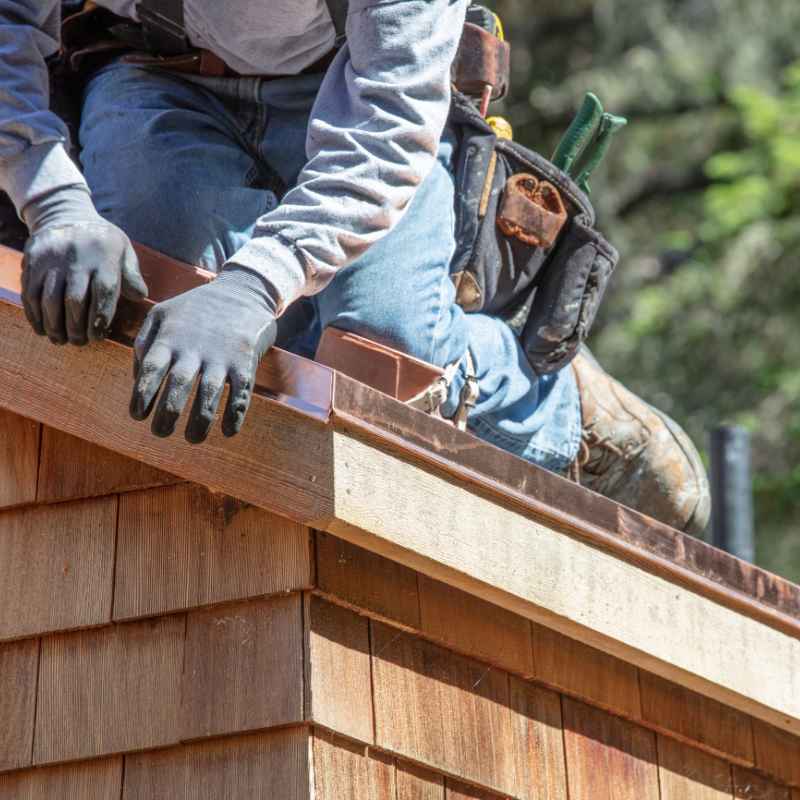
Copper flashing is a thin sheet of copper metal. Builders use it where different parts of a house meet. Think about where a roof meets a wall.
Or where a chimney sticks out of the roof. It also goes around windows and doors. Its main job is to guide water away.
Water flows over the copper and then down, away from vulnerable spots. This stops water from seeping into the structure. It protects the wood beneath from getting wet.
Copper is a great material for this job. It doesn’t rust easily like some other metals. This means it lasts a very long time.
It can handle the weather, sun, and rain for decades. Over time, copper can develop a green coating called a patina. This green layer actually helps protect the copper even more.
It’s like a natural shield. So, the flashing stays strong and keeps doing its work for many years.
The Science of Water and Wood
Wood is a natural material. It comes from trees. Like a sponge, wood can soak up water.
When wood gets wet, it swells. If it dries out, it shrinks. Doing this over and over again causes damage.
The wood can crack. It can rot. Fungi love wet wood.
They eat away at it. This makes the wood weak. Insects like termites also like damp wood.
They can cause even more damage.
Protecting wood from water is key to a home’s health. Flashing is one of the best ways to do this. It acts as a barrier.
It diverts water. Imagine rain falling on your house. Some of that rain will run down the walls.
Some will fall on the roof. Flashing stops this water from getting into the places it shouldn’t be. It directs it safely to the ground.
Copper’s Role in Moisture Defense
Copper flashing is a fantastic defender of wood. Its durability is a huge plus. It won’t break down quickly in the elements.
This means it keeps protecting your wood for a long time. It’s also very flexible. This allows it to be shaped to fit tight corners and curves.
This ability to form a good seal is vital. A good seal prevents water from finding tiny gaps to sneak through.
When installed correctly, copper flashing works by creating a continuous path for water. Water hits the surface. It flows down the smooth metal.
It bypasses the wood. This is true for many areas. Think about the top of a window.
Rain hits the top of the window frame. Copper flashing placed there guides the water away. It runs down the side of the window.
It does not drip onto the wood behind it.
Where Copper Flashing Is Used
Builders use copper flashing in many specific places. These are all spots where water might collect or enter.
- Roof-to-Wall Intersections: Where a sloped roof meets a vertical wall.Water running down the wall needs to be directed away from the roof edge.
- Chimney Flashing: Around the base of a chimney where it meets the roof. This is a common leak spot.
- Window and Door Headers: Above windows and doors to prevent water from seeping into the wall through the top opening.
- Skylight Installation: Around the frame of a skylight to seal it against the roof.
- Valleys: In the angled dip where two roof slopes meet. Water can gather here.
In each of these areas, copper’s ability to shed water and its long lifespan are critical for protecting the underlying wood structures.
Limitations of Copper Flashing
While copper is tough, it’s not magic. It needs to be installed right. If it’s not put in properly, water can still get behind it.
This can happen if the flashing is too short. Or if it’s not bent correctly. It could also happen if there are holes or cracks in the metal.
These issues let water in. Then, the wood can get wet.
Another thing to think about is how copper interacts with other materials. Sometimes, if copper touches certain other metals, it can cause a problem. This is called galvanic corrosion.
It can make the other metal break down faster. It can also, in rare cases, affect the copper itself. Builders need to be smart about what materials they put next to the copper.
This helps keep everything strong.
Installation Matters Most
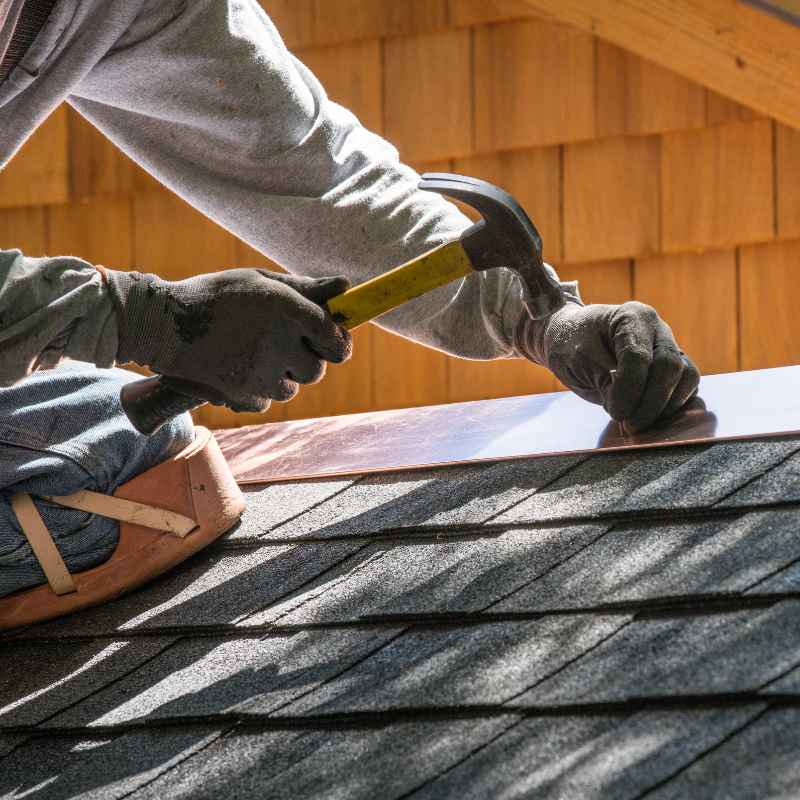
The most important part of copper flashing protecting wood is how it’s installed. A skilled installer makes all the difference. They know how to bend the copper.
They know how to seal the edges. They ensure the flashing overlaps correctly. Overlap means one piece of flashing goes over another.
This makes sure water always flows down and away. There are no gaps for water to enter.
For example, when flashing a window, the installer must ensure the top piece of flashing extends over the side pieces. This is called a “step flashing” technique in some areas. This detail is crucial.
Without it, water can travel right into the wall cavity. It can reach the wood framing. This is a preventable failure.
Good installation means the copper acts like a perfect little roof for the edge of your wood.
Real-World Experience with Copper Flashing
I remember working on an older house a few years back. The owner was complaining about a damp spot in their living room ceiling. It was right below where a chimney went through the roof.
We went up to check. The shingles looked okay. The roof itself seemed fine.
But when we looked closely at the chimney flashing, we saw the problem.
The copper flashing was there, but it was old. And it wasn’t installed quite right. The top part of the flashing didn’t go far enough down the roof slope.
Plus, there was a small gap where it met the brick. Over many rainy seasons, a little bit of water had been sneaking in. It found its way down behind the flashing.
It slowly dripped onto the wood rafters. The wood was starting to get soft. Luckily, we caught it early.
We were able to
This experience taught me that the material itself is only part of the story. It’s the craft of installation that truly safeguards the wood. It’s about understanding how water moves.
It’s about anticipating where it might go. A well-installed copper flashing system is a homeowner’s best defense. A poorly installed one can actually hide a problem for a while.
What stood out most was how subtle the leak was at first. It wasn’t a gushing river. It was a slow, steady drip.
Over years, that slow drip had done enough damage to be noticeable. It’s these quiet threats that we need to watch out for. That’s why checking flashing, especially on older homes, is so important.
Key Flashing Installation Dos and Don’ts
Do: Ensure flashing overlaps properly to direct water downwards.
Do: Use compatible fasteners and sealants recommended for copper.
Do: Extend flashing far enough over the protected surface.
Don’t: Allow flashing to trap water.
Don’t: Fasten directly through the main water-shedding surface if avoidable.
Don’t: Ignore signs of corrosion or damage on existing flashing.
The Role of Maintenance
Even the best-installed copper flashing needs some attention. Over time, things can change. Leaves and debris can build up.
This build-up can stop water from flowing freely. It can cause water to pool. This pooling water might then find a way around the flashing.
It could even sit against the wood for longer periods. This increases the risk of rot.
Regular checks are smart. A quick look after big storms or in the fall is a good idea. You can gently clear away any leaves or dirt.
Make sure the flashing looks secure. If you see any bends or damage, it’s best to fix them. This simple care keeps the copper working as it should.
It helps it keep the wood dry.
Maintenance Checklist for Copper Flashing
- Frequency: Annually, and after severe weather events.
- What to look for: Debris accumulation, visible damage (dents, holes), loose sections.
- Action: Gently remove debris. If damage is found, consult a professional for repair.
When Copper Meets Other Materials
Copper is a noble metal. It’s quite stable. But it doesn’t play well with every other metal.
When copper touches materials like aluminum or steel, especially when wet, a chemical reaction can happen. This is galvanic corrosion. It’s like a tiny battery is formed.
The less noble metal (like aluminum) will corrode faster. This creates holes or weakens the metal.
This is why builders often use specific fasteners. They might use copper nails or stainless steel screws. These are chosen to minimize this reaction.
They can also use special washers or sealants. These act as a barrier. They keep the copper from direct contact with less compatible metals.
Smart material choices protect the longevity of the whole system. They ensure the wood underneath remains safe from water intrusion caused by metal failure.
Material Compatibility Guide
| Metal | Galvanic Corrosion Risk with Copper | Common Use/Notes |
| Stainless Steel (High Grade) | Low | Often used for fasteners. |
| Galvanized Steel (Zinc Coated) | Moderate to High | Avoid direct contact where possible; use isolation. |
| Aluminum | High | Significant risk. Use extreme caution and isolation. |
| Lead | Low | Sometimes used in flashing; generally compatible. |
Understanding Wood Decay and Moisture
Wood decay is a serious problem. It’s caused by fungi. These fungi need certain conditions to grow.
They need food (the wood), oxygen, and moderate temperatures. But the most critical factor for fungal growth is moisture. Wood needs to be wet enough, for long enough, for these fungi to thrive.
Generally, wood needs to stay above a moisture content of about 20% for decay to start.
This is where flashing plays its vital role. By preventing water from reaching the wood, flashing keeps the wood’s moisture content low. It stays below that critical 20% threshold.
This makes it very difficult for decay fungi to establish themselves. So, copper flashing, when installed correctly and maintained, directly contributes to preventing wood rot. It helps ensure the structural integrity of your home.
Most people don’t think about the moisture content of their walls. They just assume things are fine. But water is sneaky.
It can find ways into places you’d never expect. That’s why a good flashing system is so important. It’s a barrier against those hidden threats.
It’s a silent guardian of your home’s wood.
Common Scenarios of Flashing Failure
Flashing failure isn’t always obvious. It often happens slowly. One common scenario is at the base of a window.
If the sill flashing isn’t installed correctly, water can pool there. Instead of running off, it sits. This water can then seep into the wood framing behind the window.
Over time, this leads to rot. It can even affect the wall sheathing.
Another scenario is roof valleys. These are the V-shaped sections where two roof planes meet. Water flows down into these valleys.
If the flashing in the valley isn’t continuous or has small punctures, water can get through. This water then drips onto the roof decking. This is the wood structure supporting the shingles.
Again, constant moisture leads to rot. It can spread to rafters and other structural wood elements.
Even small cracks can be a problem. Imagine a nail that missed its mark. Or a slight tear from an impact.
A tiny hole might not seem like much. But over years of rain, snow, and ice, it can let enough water in to cause significant damage. This is why a thorough inspection is always a good idea.
It helps catch these small issues before they become big ones.
Common Leak Points & Flashing Needs
- Roof Edges: Drip edge flashing directs water away from fascia and soffits.
- Gable Ends: Flashing along the roof peak where it meets the wall.
- Deck Penetrations: Around vents, pipes, or any fixture that goes through the roof.
What This Means for Your Home’s Wood
So, will copper flashing protect underlying wood? Yes, it absolutely can. But it’s not a guarantee on its own.
It’s a highly effective tool. It works best when it’s:
- Installed correctly: This is the most crucial factor.
- Maintained properly: Keeping it clear and intact.
- Used in the right places: Where water is likely to concentrate.
- Compatible with surrounding materials: To avoid corrosion issues.
When these conditions are met, copper flashing significantly reduces the risk of moisture damage to wood. It acts as a durable, long-lasting barrier. It diverts water away from vulnerable structural components.
This helps prevent rot, mold, and insect infestations that thrive in damp environments.
If you’re building or renovating, specifying copper flashing for key areas is a smart move. It’s an investment in your home’s longevity. For existing homes, inspecting your current flashing is a key part of home maintenance.
It’s one of those things that, when done right, you never have to think about. But when it fails, it can cause big problems.
When to Worry About Wood Moisture
You should start to worry if you see certain signs. These are indicators that water might be getting past your flashing.
- Stains: Water stains on ceilings or walls, especially near windows, doors, or chimneys.
- Soft Spots: Wood that feels soft or spongy when you touch it.This is a sign of rot.
- Mold or Mildew: Visible growth of mold or mildew, often accompanied by a musty smell.
- Peeling Paint: Paint that is bubbling or peeling away from surfaces near flashing.
- Dampness: Feeling persistent dampness in areas where wood meets the exterior.
These signs suggest a failure in your home’s moisture protection system. Often, the culprit is compromised flashing. It might be damaged, improperly installed, or simply old and worn out.
Don’t ignore these warnings. What seems like a small issue now can become a major structural problem later. Rot can spread.
It can weaken beams and supports. This can lead to very expensive repairs. Getting a professional to inspect your flashing and the surrounding wood is wise if you notice any of these signs.
Quick Checks You Can Do
You don’t need to be a professional to do some basic checks. A few minutes of your time can save you a lot of trouble.
- Visual Inspection: Walk around your house after it rains.Look at where your windows, doors, and chimneys meet the walls and roof. Do you see any water pooling around them? Is the flashing looking bent or damaged?
- Gutter Check: Make sure your gutters are clear.Clogged gutters can overflow. Water can then spill over the edges and run down your walls. This puts extra stress on flashing.
- Attic Inspection: If you have attic access, look for any signs of dampness or water stains on the underside of the roof decking or on the rafters, especially near chimneys or vents.
- Exterior Wall Check: Look for any cracks or gaps in the caulk or sealant around windows and doors.These can let water reach the flashing and wood behind.
These simple steps help you stay on top of your home’s health. They are a proactive way to protect your wood from long-term moisture damage.
Can Copper Flashing Prevent All Moisture?
No, copper flashing cannot prevent all moisture. It’s a highly effective water-diverting component. But it’s part of a larger system.
That system includes siding, roofing, sealants, and proper building design. Sometimes, extreme weather can overwhelm even good flashing. Heavy winds can drive rain sideways.
Ice dams can cause water to back up. These situations can test any material.
The goal of flashing is to manage the most common ways water tries to enter your home. It’s designed for normal rain and snowmelt. It works by creating a channel.
Water flows along this channel and away. It’s not meant to be a watertight seal on its own. It works with other components to keep your house dry.
Think of it as a crucial piece of a puzzle. All the pieces must work together.
Flashing vs. Waterproofing
Flashing: Guides water away from joints and penetrations. It’s a critical component of water management.
Waterproofing: A barrier designed to prevent water from passing through entirely (e.g., a membrane under tiles).
Copper flashing is a form of water management, not absolute waterproofing.
The Verdict: Copper’s Protection for Wood
So, to wrap it all up: Yes, copper flashing is excellent at protecting underlying wood from moisture. It does this by its remarkable durability and its ability to effectively shed water. When it’s installed with care and attention to detail, it creates a robust barrier.
This barrier stops water from reaching and damaging the wood structures beneath it.
However, the success of copper flashing relies heavily on proper installation. It also needs regular checks. It’s not a magic bullet that fixes all water problems alone.
But as a key component in a well-designed building envelope, it plays a vital role. It helps keep your home’s wood safe and sound for years to come. Understanding its role and ensuring it’s done right is the best way to protect your investment.
Frequently Asked Questions
How long does copper flashing typically last?
Copper flashing is known for its incredible longevity. It can last for 50 years or even much longer. This is because copper is very resistant to corrosion.
It develops a protective patina over time that further shields it.
Can I paint copper flashing?
While you can paint copper flashing, it’s generally not recommended. Copper’s natural corrosion resistance is its strength. Painting it can sometimes trap moisture.
It can also hide developing issues. If aesthetics are a concern, consider letting the copper develop its natural patina. Or use a specialized coating designed for metals that allows for expansion and contraction.
What is the difference between copper and aluminum flashing?
Copper is generally more durable and corrosion-resistant than aluminum. It also tends to be more flexible. However, copper is also significantly more expensive.
Aluminum flashing is lighter and cheaper. It can be a good option for less critical areas. But it may not last as long as copper in harsh conditions.
Are there any environmental concerns with copper flashing?
Copper is a natural element and is highly recyclable. Its longevity means it doesn’t need frequent replacement, reducing waste. In its solid form as flashing, it poses no significant environmental risk.
The primary concern during its production and mining is related to standard industrial practices.
What happens if copper flashing is installed incorrectly?
If copper flashing is installed incorrectly, water can find ways to get behind it. This can lead to moisture seeping into the wood structure. Over time, this can cause wood rot, mold growth, and structural damage.
It can even be worse than having no flashing, as it can hide the problem.
Is copper flashing overkill for some applications?
For some very simple or temporary applications, copper flashing might be considered overkill due to its cost. However, for critical areas like roof-to-wall junctions, chimneys, and window heads, its durability and effectiveness make it a wise choice. Many builders use other materials in less exposed areas and reserve copper for the most vulnerable spots.
Conclusion
Copper flashing is a top-tier material for safeguarding your home’s wood. Its strength lies in durability and water redirection. Proper installation and care are essential for it to do its job effectively.
When these are in place, it offers superb protection. It’s a smart investment for a long-lasting, dry home.
Sponsored / affiliate links. As an Amazon Associate I earn from qualifying purchases. I may earn additional commission from eligible campaigns.
 Rain Guard Wood Sealer Concentrate | Makes 2 Gallon | Protects Wood from Water Damage, Rotting, and Stains | Water Based Silane/Siloxane | Eco-Friendly | VOC-Free | Natural Finish
 GM620 Wood Moisture Meter, Digital Long Needle Humidity Detector, Moisture Meter, Moisture Content Measurement with LCD Display