How to Keep a Rug From Sliding on Hardwood Floors: 7 Fixes
A rug slides on hardwood because smooth wood and a smooth rug backing create almost no friction between them — a felt-and-natural-rubber non-slip pad fixes this by gripping both surfaces at once. Skip PVC or recycled-rubber pads, since both can discolor a hardwood finish within months. This guide covers seven fixes: rug pads, corner grippers, rug tape, hook-and-loop anchors, caulk dots, furniture anchoring, and a budget shelf-liner method.
Why Rugs Slide on Hardwood Floors
Hardwood floors are sealed with a smooth polyurethane or wax finish specifically so dirt and moisture don’t soak in — that same smoothness is what removes the friction a rug needs to stay put. Most rug backings (woven jute, cotton, or a flat latex coating) are just as smooth on the underside, so two low-friction surfaces sliding against each other is the actual mechanism, not “bad luck” or a defective rug. Thin, lightweight rugs and small runners move the most because there’s little weight holding them down; large, heavy wool rugs slide less but still creep over time with foot traffic.
📊 A 1/4-inch to 3/8-inch felt-and-natural-rubber pad is the recommended thickness and material combination for hardwood floors — felt cushions the rug, natural rubber grips the floor, and neither reacts with a hardwood finish the way PVC or recycled rubber can. — Source: RugPadUSA, “What You Need to Know Before Getting a Thick Rug Pad”

Method 1: Use a Non-Slip Rug Pad (Felt + Rubber)
A felt-and-natural-rubber rug pad is the most reliable fix and the one flooring pros recommend first. The felt layer cushions the rug and reduces wear on both the rug backing and the floor finish, while the natural rubber layer grips the wood without adhesive. Cut the pad about 1 inch smaller than the rug on all sides so it stays hidden under the edge.
Best Rug Pad Pick
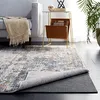
Safavieh Dual Surface Rug Pad, 5×8, 1/4″ Felt + Rubber – $81.69
Matches the 1/4-inch felt-and-natural-rubber spec this guide’s data callout recommends — the felt cushions the rug while the rubber backing grips hardwood without adhesive or discoloration risk.
- Best for: Any area rug you want secured long-term
- Why we picked it: Natural rubber + felt, safe for hardwood, made in the USA
- Main drawback: Priced higher than tape or grippers alone
Compare more anti-slip options
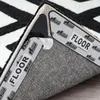 Method 2 Pick Gorilla Grip Rug Grippers, 8pc – $8.98
|
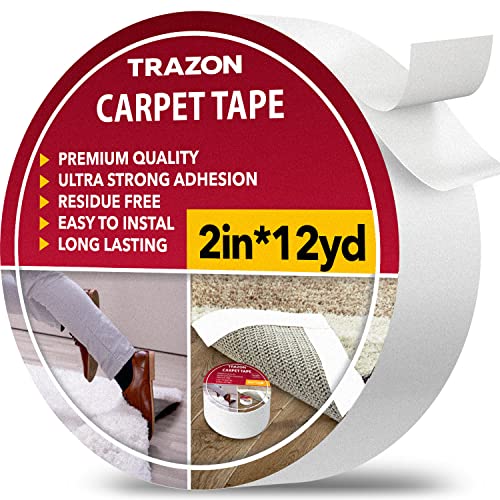
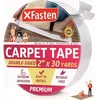 Method 3 Pick XFasten Rug Tape, 2″×30yd – $13.99
|
 Method 4 Pick Roberts Rug Traction Tape – $13.97
|
As an Amazon Associate we earn from qualifying purchases.
Avoid PVC and recycled-rubber pads on hardwood — both can leave a yellowed or tacky residue on the finish, especially under sun exposure or in warm rooms. If a pad doesn’t specify “safe for hardwood” or “natural rubber,” don’t use it on a wood floor.
Method 2: Rug Corner Grippers
Corner grippers are small double-sided discs or squares that stick to the underside of each rug corner and grip the floor beneath. They’re the fastest fix for a rug that’s already curling or lifting at the corners, and most are reusable — lift the rug, rinse the gripper under water to restore the tack, and reapply. Use four grippers on a small rug and six to eight on anything larger than 5×8 feet.
Method 3: Double-Sided Rug Tape or Anti-Slip Rubber Tape
Rug tape runs along the full perimeter rather than just the corners, which makes it the better choice for runners in hallways and entryways where a lot of foot traffic hits the edges first. Look specifically for tape labeled “residue-free” or “hardwood safe” — generic carpet tape made for concrete or vinyl can pull up finish when removed. Press it down in short sections and go slowly at the corners, where most tape fails first.
Method 4: Hook-and-Loop (Velcro) Anchors
Hook-and-loop strips work like a corner gripper but separate into two halves — one side stays stuck to the floor, the other to the rug — so you can lift the rug for cleaning without leaving loose grippers behind or losing track of which corner they came from. It’s the best option for rugs you move often, like a seasonal entry rug or one you vacuum underneath weekly.
Method 5: Silicone Caulk Grip Dots (Budget DIY)
- Flip the rug over on a clean, flat surface.
- Apply small dots of 100% silicone caulk (not latex or acrylic) in a grid pattern, spaced about 4 inches apart.
- Let it cure fully, typically 24 hours, before flipping the rug back over — tacky, uncured silicone will stick to the floor instead of grip it.
- Test a small area first on delicate or antique rug backings, since caulk is difficult to fully remove later.
This is the cheapest fix on this list — a single tube of caulk covers several rugs — but it’s the most permanent, so it’s best for a rug that’s staying in one spot long-term.
Method 6: Furniture Anchoring
Placing furniture legs on top of a rug’s edges adds enough dead weight to stop most sliding without buying anything. A coffee table, sofa legs, or an armchair positioned over at least two corners does most of the work — it won’t stop a rug from creeping under heavy daily foot traffic in the open middle, but it’s a genuinely free fix for a rug that only shifts slightly.
Method 7: Rubberized Shelf Liner (Budget DIY)
Non-adhesive rubberized shelf liner — the grid-textured roll sold for kitchen drawers — works as an improvised rug pad in a pinch. Cut a piece slightly smaller than the rug and lay it underneath. It’s not as durable as a purpose-made rug pad and can leave a faint waffle texture visible through thin rugs, but it costs a fraction as much and works for a rug you’re only using temporarily.
“Shelf liner is a fine stopgap under a thick rug, but under a thin, flatwoven runner the grid texture telegraphs through and you can feel every ridge underfoot — that’s the trade-off for the price.”
Comparing the 7 Methods
| Method | Cost | Best For | Reusable? |
|---|---|---|---|
| Felt + rubber rug pad | $15–$100+ | Any area rug, long-term | Yes |
| Corner grippers | $8–$18 | Rugs that curl at corners | Yes, washable |
| Rug tape | $8–$16 | Runners, hallways | No |
| Hook-and-loop anchors | $10–$15 | Rugs moved often | Yes |
| Silicone caulk dots | $5–$8 | Permanent placement | No |
| Furniture anchoring | Free | Minor shifting only | Yes |
| Shelf liner | $6–$12 | Temporary/budget use | Yes |
How to Size and Cut a Rug Pad
- Measure the rug: Record the exact length and width of the rug, not the room.
- Subtract 1 inch per side: Mark cutting lines about 1 inch inside the rug’s actual dimensions so the pad stays fully hidden under the edge.
- Cut on a flat, protected surface: Use sharp scissors or a utility knife and a straightedge for clean lines.
- Center the pad under the rug: Lay the pad first, then position the rug on top and check the margin is even on all sides.
- Smooth out air pockets: Press from the center outward so the pad lies flat with no bubbles before setting furniture back down.
Frequently Asked Questions
How do you keep a rug from sliding without a rug pad?
Use rug tape along the edges, corner grippers, or silicone caulk dots applied to the rug’s underside. Furniture placed over at least two corners also helps, though it works best combined with one of the other methods.
Do rug pads damage hardwood floors?
Natural rubber and felt pads don’t damage hardwood. PVC and recycled-rubber pads can, since some of their compounds react with polyurethane finish over time and leave a discolored or tacky patch.
What is the best non-slip pad for hardwood floors?
A felt-and-natural-rubber combination pad, 1/4 to 3/8 inch thick, is the safest and most effective choice for hardwood — the felt cushions the rug and the rubber grips the floor without adhesive.
Why does my rug keep sliding even with a pad underneath?
The pad is likely too thin, worn out, or made from a slicker material like PVC that doesn’t grip as well as natural rubber. Replacing a flattened or worn pad usually solves recurring sliding.
Can I use double-sided tape on a hardwood floor for a rug?
Yes, but only tape specifically labeled residue-free or safe for hardwood. Generic carpet tape made for concrete or vinyl subfloors can pull up the wood finish when removed.
How often should I replace a rug pad?
Most rug pads last 5–10 years, but check yours sooner if it feels flattened, brittle, or has started to crumble — a worn pad loses most of its grip well before it visibly falls apart.
Conclusion
A felt-and-natural-rubber rug pad solves rug sliding for most rooms and is worth the higher upfront cost since it also protects both the rug and the floor finish. For runners and high-traffic edges, pair a pad with rug tape or corner grippers at the ends. Whatever method you pick, avoid PVC and recycled-rubber products on hardwood — the risk of discoloring the finish outweighs the small cost savings.
Related Hardwood Flooring & Rug Guides
For more on pairing rugs with wood floors, see our full hardwood flooring guide hub. Choosing a pad for the first time? Check area rug pads safe for hardwood floors and our guide to rugs safe for hardwood floors. Still picking a rug? See best rug colors for light hardwood floors.
Sponsored / affiliate links. As an Amazon Associate I earn from qualifying purchases. I may earn additional commission from eligible campaigns.