How To Get Urine Stains Out Of Hardwood Floors Permanently
Urine stains on hardwood floors can be cleaned using a combination of moisture absorption, gentle cleaning solutions, and proper drying. Persistent stains may require more intensive treatments like light sanding and refinishing, or even replacement of affected boards. Immediate action is key to preventing deep, permanent damage and odor.
Understanding Hardwood Floor Urine Stains
When urine hits your hardwood floors, it’s more than just a surface spill. The liquid soaks into the wood grain. It can go deep.
This is especially true if the finish on your floor is old or worn. The longer urine sits, the worse the problem gets. It starts to break down the wood.
It also leaves behind a smell that can be hard to get rid of. This happens because of the ammonia and other chemicals in urine. They can also cause discoloration.
The wood itself is a porous material. Think of it like a sponge. It can absorb liquids.
The finish on your floor is supposed to protect it. But even a good finish can’t always stop a determined spill. Urine is acidic.
This means it can eat away at the finish. It can also damage the wood underneath. This damage leads to stains.
It also leads to that lingering odor. It’s a two-part problem. You need to deal with both the stain and the smell.
Different types of wood react differently. Softer woods like pine can absorb liquids more easily. Harder woods like oak or maple might resist a bit more.
But no hardwood is completely immune. The age of your floor matters too. Older floors might have less protective finish.
They might also have small cracks or gaps where liquid can easily seep in. This makes them more vulnerable to staining and odor.
Why Immediate Action Is Crucial
You might think you can clean it up later. But with urine on hardwood, later is often too late. When urine is fresh, it’s much easier to deal with.
You can soak up most of the liquid. You can prevent it from sinking too deep. This means less stain and less smell.
Letting it sit allows it to penetrate further. It bonds with the wood fibers. This makes removal much harder.
It also gives the odor-causing bacteria more time to grow and multiply. That’s when the smell becomes a real issue.
Think of it like a cut on your skin. If you clean it right away, it heals better. If you ignore it, it can get infected.
Urine on wood is similar. The chemicals in urine can start to oxidize. They react with the wood.
This process causes the dark or yellow stains you see. It also releases gases that cause the bad smell. The longer these chemicals are in contact with the wood, the more damage they do.
You’ll find yourself dealing with a permanent mark and a persistent odor.
So, the first and most important rule is: clean it up NOW. Don’t wait for a convenient moment. Grab paper towels or a clean cloth.
Blot up as much as you can right away. This simple step can save you a lot of trouble down the road. It’s the best defense against permanent damage.
It’s the first line of attack against that strong, unpleasant smell.
Dealing with Fresh Urine Spills
When an accident happens, don’t panic. The key is quick absorption. Grab several layers of thick paper towels or a clean, absorbent cloth.
Press down firmly on the spill. You want to lift as much liquid as possible out of the wood. Don’t rub.
Rubbing can spread the urine. It can also push it deeper into the wood grain and any gaps between boards.
Keep using fresh paper towels or cloths until no more liquid is being absorbed. You’ll feel the difference when the area is mostly dry. Once you’ve absorbed the bulk of the liquid, it’s time for the next step.
This is where you start to clean the surface. For a fresh spill, a simple solution is often best. You don’t want to use harsh chemicals right away.
They can sometimes damage the finish.
A common and effective cleaner is a mild solution of water and white vinegar. Mix equal parts water and white vinegar. Dampen a clean cloth with this solution.
Gently wipe the affected area. The vinegar helps to neutralize the ammonia in the urine. It also helps to lift any remaining residue.
Don’t make the cloth too wet. You don’t want to add more liquid to the floor. Just a damp cloth is enough.
After wiping with the vinegar solution, use a clean, dry cloth to blot the area again. This helps to remove any lingering moisture. Then, let the area air dry completely.
You can even place a fan near the spot to speed up the drying process. Proper drying is very important. It helps prevent moisture damage and reduces the chance of the stain setting in.
This method works best for very recent spills.
Tackling Dried-In Urine Stains
Dried stains are tougher. The urine has had time to soak in. It has bonded with the wood.
You’ll likely see a darker spot. You might also notice a strong smell. For these stains, you need a stronger approach.
But you still want to be careful. We’re aiming to clean, not to damage the floor further. Often, a specialized hardwood floor cleaner designed for pet stains works well.
Look for cleaners that are enzyme-based. Enzymes break down organic matter. This includes the components in urine.
Follow the product instructions carefully. Usually, you apply the cleaner. Let it sit for a bit.
Then you wipe it away. It’s important to test any new cleaner in an inconspicuous spot first. This is to make sure it doesn’t harm your floor’s finish.
We want to lift the stain, not strip the finish.
Another method involves a paste of baking soda and water. Baking soda is a natural absorbent and deodorizer. Mix baking soda with a little water to make a thick paste.
Apply this paste directly to the stain. Let it sit for several hours, or even overnight. The paste will draw the moisture and odor out of the wood.
Once it’s dry, gently scrape it away with a plastic scraper. Be very careful not to scratch the wood.
After removing the paste, clean the area with a damp cloth. Again, use a mild solution. A diluted solution of water and a few drops of dish soap can work.
Blot with a dry cloth and let it air dry completely. If the smell persists, you might need to repeat the baking soda treatment. Or, you might need to try a stronger enzymatic cleaner.
Persistence is key here.
The Power of Hydrogen Peroxide (With Caution)
For stubborn discoloration, hydrogen peroxide can be effective. However, it needs to be used with extreme caution. Hydrogen peroxide has bleaching properties.
It can lighten the wood. This might be what you need to remove a dark stain. But it can also lighten the wood too much.
This can create a new problem. Always test it in a hidden area first.
Use a 3% hydrogen peroxide solution. You can often find this at your local pharmacy. Dampen a clean cloth or cotton balls with the peroxide.
Gently dab the stained area. Do not pour the peroxide directly onto the floor. You want to control the application.
Let it sit for a short time. Watch it closely. You should see the stain start to fade.
Don’t leave it on too long.
Once the stain is lighter, wipe the area with a clean, damp cloth. Then, blot it dry. Let the wood air dry completely.
You might need to repeat this process a few times for tougher stains. But be patient. It’s better to do it multiple times with shorter contact periods.
This helps you avoid over-bleaching. If you notice the wood color changing more than you’d like, stop immediately.
It’s also important to note that hydrogen peroxide can affect certain finishes. It might dull the shine. It might even soften some types of finishes.
That’s why testing is so important. If you have a very delicate or antique floor, you might want to avoid hydrogen peroxide altogether. Stick to gentler methods.
Or, consult a professional floor restorer.
When to Call in the Pros
Some stains are just too deep or too widespread to handle yourself. If you’ve tried multiple methods and the stain or smell remains, it’s time to get expert help. Professional floor refinishers have specialized tools and knowledge.
They can assess the damage. They can often restore your floor without needing to replace boards. They know how to match stains and finishes perfectly.
Don’t let a stubborn stain ruin your beautiful floors. Sometimes, the best solution is professional expertise.
The Importance of Proper Drying
Drying is a step that many people overlook. But it’s incredibly important after cleaning any spill, especially urine. If you don’t dry the wood thoroughly, moisture can be trapped.
This can lead to several problems. It can cause the wood to warp or swell. It can create a breeding ground for mold and mildew.
It can also allow the stain and odor to set in even deeper.
After you’ve cleaned the area, use clean, dry cloths to blot up as much moisture as possible. Don’t stop until the surface feels mostly dry. Then, open windows or use fans to increase air circulation.
This helps the wood dry from the inside out. If you live in a humid climate, this step is even more critical. You might need to use a dehumidifier.
You can also use a clean, dry mop to go over the area. Just make sure the mop is not damp. The goal is to remove surface moisture.
Let the area air dry for several hours. Avoid putting rugs or furniture back on the spot until you are absolutely sure it is dry. You can even gently press a dry paper towel onto the spot after several hours.
If any moisture transfers to the paper towel, it’s still too wet.
Proper drying is part of preventing future issues. It ensures the wood remains stable. It helps maintain the integrity of your floor’s finish.
It’s a simple step that makes a big difference in the long run. It’s about protecting your investment.
Understanding Wood Finishes and Urine
Polyurethane Finish: This is the most common finish. It creates a protective layer. Urine can penetrate small cracks or wear spots.
It can cause a black stain if it reaches the wood. If the finish is intact, it offers good protection.
Wax Finish: Older floors often have wax. It’s less protective than polyurethane. Urine can soak in quickly.
It can be harder to remove stains from waxed floors without damaging the wax layer.
Oil Finish: Similar to wax, oil finishes are more natural. They soak into the wood. They offer less surface protection.
Stains can be tough to lift. Sometimes, re-oiling the spot is needed.
Dealing with Lingering Odors
Sometimes, the stain is gone, but the smell remains. This is a common problem with pet urine. The ammonia and other compounds in urine break down into gases.
These gases are what cause the odor. They can linger in the wood and even in the subfloor.
For odor removal, enzyme cleaners are your best friend. These cleaners contain specific enzymes that eat away at the odor-causing molecules. They break them down into harmless substances.
Make sure you get an enzymatic cleaner specifically designed for pet odors on hardwood floors. Follow the product’s instructions precisely. You often need to saturate the area.
Then let it air dry.
Baking soda is also a great natural deodorizer. You can sprinkle a generous amount of baking soda over the affected area. Let it sit for at least 24 hours.
Then vacuum it up. You can repeat this if needed. It absorbs odors from the air and the surface.
Ventilation is also key. Open windows and doors to let fresh air circulate. Use fans to move the air around.
This helps to dissipate the odors. If the smell is very strong or coming from under the floor, you might have a bigger problem. It could mean the urine has seeped into the subfloor.
In that case, professional cleaning or even subfloor repair might be necessary.
A solution of white vinegar and water can also help neutralize odors. Wipe down the area with this solution. Let it air dry.
The vinegar smell will dissipate as it dries. It’s often more effective than just plain water.
Preventing Future Urine Stains and Odors
The best way to deal with urine stains is to prevent them from happening in the first place. This is easier said than done, of course. But there are steps you can take.
Regular Potty Breaks: Make sure your pets have plenty of opportunities to go outside. Puppies need frequent breaks. Older dogs might have accidents due to age or health issues.
Proper House Training: Consistent and positive reinforcement training is crucial. If you’re having trouble, consider working with a professional dog trainer. They can help identify the root cause of accidents.
Clean Accidents Immediately: We’ve said it before, but it bears repeating. The faster you clean, the less damage and odor. Always have cleaning supplies ready.
Address Health Issues: If your pet suddenly starts having accidents, it could be a sign of a health problem. Urinary tract infections, kidney issues, or cognitive decline can cause house soiling. Visit your veterinarian to rule out any medical causes.
Use Pet Gates or Playpens: When you can’t supervise your pet, confine them to an area where accidents are less of a concern. This could be a kitchen with tile floors or a designated pet-friendly room.
Consider Pet Furniture Protectors: For areas where accidents are common, consider using washable mats or rugs that can be easily cleaned.
Maintain Your Floor’s Finish: A good quality finish provides a barrier. Keep your floors clean and reapply the finish as needed. This makes them more resistant to stains and damage.
Quick Scan: Spot Treatment Steps
Step 1: Blot Immediately. Use thick paper towels. Press firmly. Repeat until dry.
Step 2: Use a Mild Cleaner. For fresh spills, try 1:1 water and white vinegar. Damp cloth only.
Step 3: Wipe & Blot Again. Clean residue. Then blot dry.
Step 4: Air Dry Completely. Use fans if needed.
Step 5: For Dried Stains. Try an enzyme cleaner or baking soda paste. Follow instructions.
When to Consider Refinishing or Replacement
Sometimes, the damage is just too severe. If the urine has soaked into the wood for a long time, it can cause permanent damage to the wood fibers themselves. This can lead to deep pitting, rot, or significant discoloration that cannot be lifted.
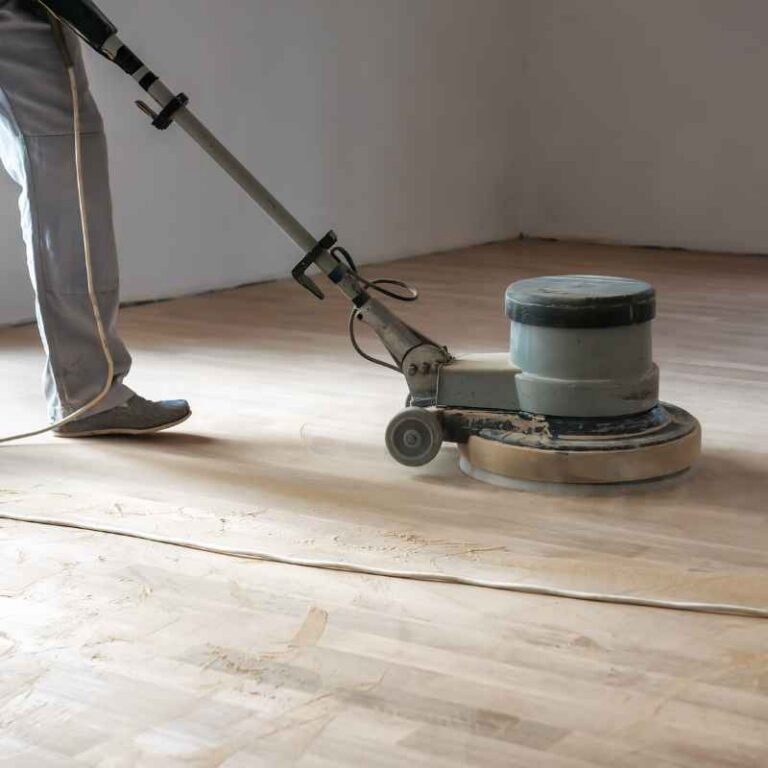
Refinishing: If the staining is widespread or the finish is heavily damaged, refinishing might be an option. This process involves sanding down the top layer of the wood. Then a new finish is applied.
For minor to moderate staining, sanding can often remove the stained wood. It reveals fresh wood underneath.
This is a more involved process. It requires specialized tools and skills. If you’re not experienced with floor refinishing, it’s best to hire a professional.
They can match the stain and finish to your existing floors. They can ensure a seamless look.
Board Replacement: In cases of severe damage, individual floorboards might need to be replaced. This is usually a last resort. It’s a more costly option.
It requires careful work to match the new boards to the old ones. The grain pattern, color, and size all need to be considered. A good flooring professional can make this look seamless.
If you’re noticing a strong, persistent odor that even enzyme cleaners can’t fix, it might be a sign that the urine has penetrated the subfloor. In such cases, the subfloor itself might need to be treated or even replaced. This is a significant undertaking.
My Own Experience with a “Little Accident”
I remember one evening, I was working late at my desk. My older cat, Mittens, had always been so reliable. I thought she was just sleeping in her favorite sunny spot.
Suddenly, I heard a faint, but unmistakable, wet sound. My heart sank. I looked down.
There it was. A small, but very dark, wet patch right on my beautiful, light oak floor. It was near the edge of my rug, in a spot I rarely looked.
Panic set in. It was already dark. My cleaning supplies weren’t right at hand.
I just grabbed a wad of paper towels and started blotting. It felt like forever. I kept pressing down, hoping I was getting it all.
The smell, even though it was small, was already starting to creep in. I could feel a knot of anxiety in my stomach. I knew I had to act fast.
I ended up using a mix of water and vinegar. Then I blotted again. I put a fan on it overnight.
The next morning, the spot looked better, but there was still a faint discoloration. That’s when I learned that even a small accident needed more than just a quick wipe-down.
Frequently Asked Questions About Urine Stains on Hardwood
Can urine stains on hardwood floors be removed permanently?
Yes, in many cases, urine stains on hardwood floors can be removed permanently. The success depends on how quickly you act, the type of wood and finish, and the severity of the stain. Prompt cleanup with absorbent materials and appropriate cleaning solutions is key.
For deep or old stains, professional refinishing or board replacement might be necessary.
What is the best way to remove old urine stains from hardwood?
For old urine stains, you’ll likely need a more intensive approach. Start with a good quality enzymatic cleaner designed for pet stains. These cleaners break down the odor-causing molecules.
If that doesn’t work, consider a paste of baking soda and water left on overnight, or a carefully applied 3% hydrogen peroxide solution (after testing in an inconspicuous spot). For very stubborn stains, professional refinishing may be required.
Will vinegar remove urine stains and odor from hardwood?
White vinegar can help neutralize the ammonia in urine and assist with odor removal, especially for fresh stains. Mix equal parts white vinegar and water and use a damp cloth to wipe the area. However, vinegar alone may not be strong enough for deep or dried-in stains and can sometimes dull certain finishes if used too often or too concentrated.
Always test first.
Can I use bleach to clean urine from my hardwood floors?
It is strongly advised NOT to use bleach on hardwood floors. Bleach is a harsh chemical that can damage the wood and its finish. It can strip the color, weaken the wood fibers, and create an uneven appearance.
It’s also not effective at breaking down the organic compounds in urine that cause odor.
How long does it take for a hardwood floor to dry after cleaning a urine stain?
After cleaning a urine stain, allow the area to air dry completely, which can take several hours. Using fans to increase air circulation can speed up the process. It’s important that the wood is thoroughly dry before placing furniture or rugs back.
If you can’t ensure complete drying, a dehumidifier can also help.
What if the urine smell persists after cleaning the stain?
If the stain is gone but the smell lingers, the odor-causing compounds may have penetrated deeper into the wood or subfloor. You should use an enzymatic cleaner specifically designed to break down pet odors. Ensure the cleaner reaches the source of the odor according to the product instructions.
Good ventilation is also crucial. If the odor is very strong and persistent, it might indicate a subfloor issue requiring professional attention.
Should I sand my hardwood floors if there are urine stains?
Sanding is often a solution for deep-set or widespread stains. A professional can sand down the affected area to remove the stained wood layers. This is followed by applying a new stain and protective finish to match the rest of your floor.
If the staining is limited to the surface or just below the finish, lighter cleaning methods should be tried first. Sanding is a more invasive process and should be done with care.
Conclusion: Restoring Your Floors’ Beauty
Dealing with urine stains on hardwood floors can feel overwhelming. But with the right knowledge and approach, you can successfully restore your floors. Remember to act fast when accidents happen.
Blot up as much as possible. Then use gentle, yet effective, cleaning solutions. For tougher situations, don’t hesitate to try specialized cleaners or even call in the experts.
By understanding how urine affects wood and by taking preventive measures, you can keep your hardwood floors looking beautiful for years to come.
Sponsored / affiliate links. As an Amazon Associate I earn from qualifying purchases. I may earn additional commission from eligible campaigns.