Can You Use Dawn Dish Soap On Hardwood Floors? Find Out
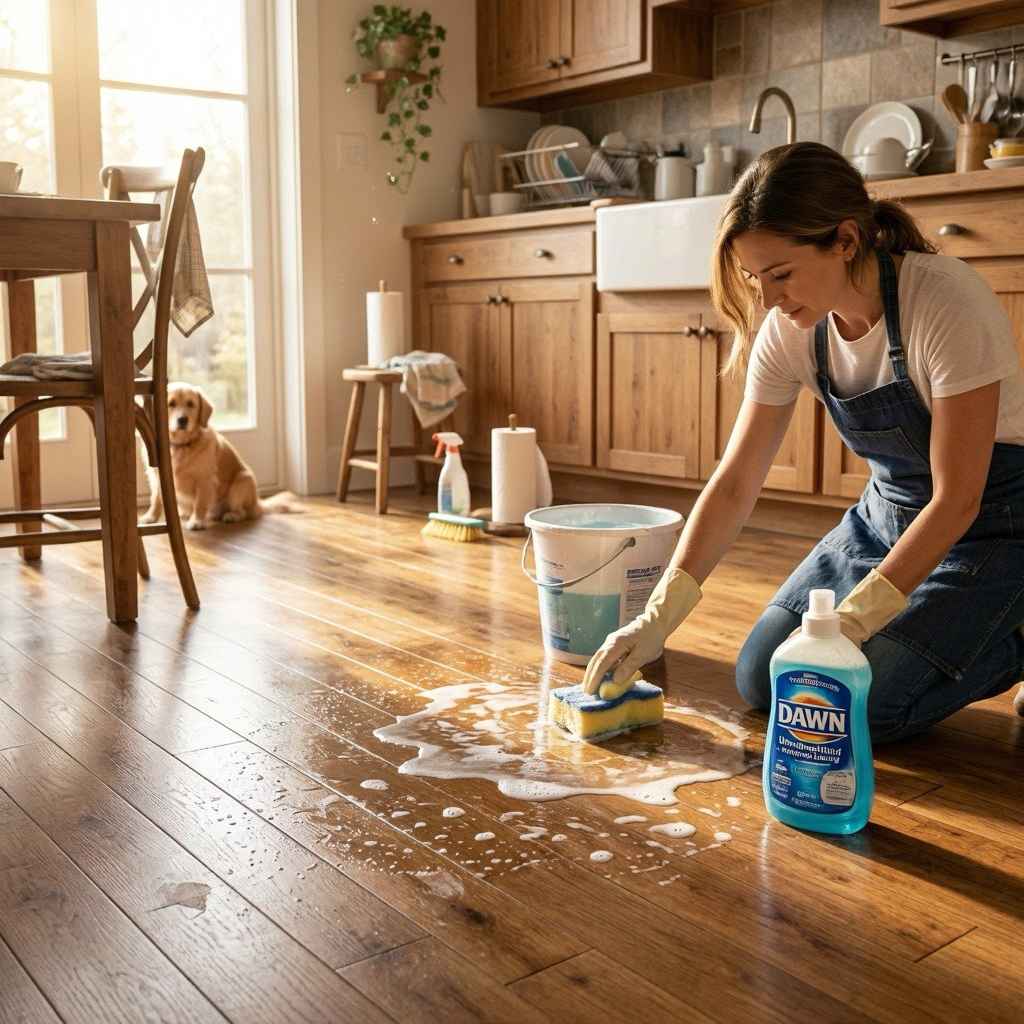
It’s a question many of us have asked while staring at a bottle of Dawn. That bright blue liquid is a kitchen staple. It tackles grease like a champ.
But when it comes to our beautiful hardwood floors, is it a friend or foe? Many people want to use what they have on hand. Cleaning is a chore, and buying special products can feel like an extra step.
Let’s dive into whether Dawn dish soap is a safe bet for your wood floors.
Dawn dish soap is generally not recommended for regular cleaning of hardwood floors. While it can clean effectively, its pH level and the residue it can leave behind may damage the finish over time, dulling the shine and potentially causing harm. For best results, use cleaners specifically designed for hardwood.
Understanding Your Hardwood Floor’s Finish
Your hardwood floor has a protective layer. This is called the finish. It keeps the wood safe from spills and wear.
Different types of finishes exist. Some are water-based. Others are oil-based.
The finish is what you are actually cleaning. It’s not the raw wood itself. It’s important to know what kind of finish you have.
This helps you pick the right cleaner.
Polyurethane is a common finish today. It’s very durable. It sits on top of the wood.
This makes it a good barrier. Older floors might have wax finishes. Or they could have penetrating oils.
Wax finishes need different care. They can be damaged by harsh cleaners. Oil finishes soak into the wood.
They need special oils to keep them looking good.
Why Dawn Dish Soap Might Seem Like a Good Idea
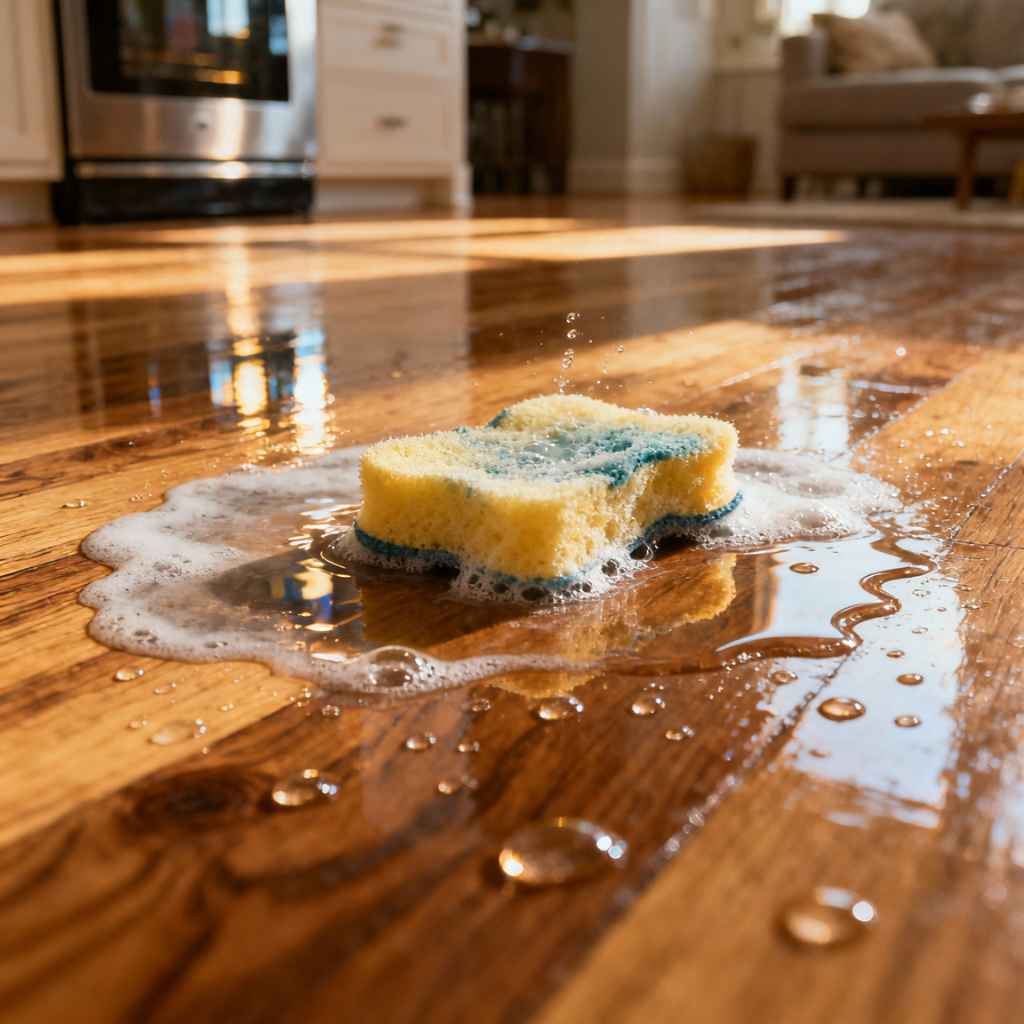
Dawn dish soap is famous for cutting grease. It’s in so many homes. You’re probably using it right now for dishes.
It works well on greasy pans. Many people think, “If it cleans grease, it will clean my floors too.” It feels resourceful. You use what you have.
It also seems like a budget-friendly choice. Why buy another bottle of cleaner?
The idea is simple. A little bit of soap in water. Wipe down the floors.
Get them clean and shiny. It’s a quick fix many imagine. You might see advice online.
Some sources suggest it. They might say to use just a tiny drop. They might say to rinse well.
But even with these tips, there are risks involved.
The Potential Risks of Using Dawn on Hardwood
Here’s the tricky part. Dawn dish soap is designed for dishes. It’s made to break down food oils.
It has a specific pH level. This level is often slightly alkaline. Wood floor finishes can be sensitive to this.
Regular use of alkaline cleaners can break down the finish. It can strip away the protective layer.
When the finish is stripped, it’s bad news. It makes the wood more open to damage. It can lead to dull spots.
These spots are hard to get rid of. The shine might disappear. The floor might look worn out faster.
It’s like washing your hair with dish soap every day. It strips natural oils and dries things out. Your floor can suffer the same fate.
Another issue is residue. Even if you rinse, some soap might stay. This soap residue can attract dirt.
It can make the floor sticky. It can also make the floor look dull. It’s not a clean shine.
It’s more of a hazy film. This film can build up over time. It becomes harder to clean later.
Dawn vs. Wood Floor Finish: A Closer Look
What Dawn does: Breaks down grease and oils.
What it might do to your floor finish: Strip protective oils, break down sealant, leave residue.
The result: Dull spots, increased wear, potential long-term damage.
My Own Experience: A Floorwashing Fiasco
I remember one spring cleaning day. I was determined to make our new house sparkle. We had just moved in.
The floors were beautiful, but a bit dingy. I looked at the kitchen sink. There was that familiar blue bottle of Dawn.
I thought, “I’ll just use a little bit. What could go wrong?” It seemed like a smart way to save money.
I put a tiny drop in my bucket of warm water. I wipped down a small section of the living room floor. It looked good at first.
It seemed cleaner. I felt proud of my little trick. I went on to clean the rest of the floors.
That evening, as the sun set, I saw it. In the low light, the areas I had cleaned looked… different. They were duller than the rest of the floor.
A small panic set in. It looked like I had just made things worse. That’s when I learned my lesson.
My shortcut had cost me more than I knew.
Myth vs. Reality: Cleaning Hardwood Floors
- Myth: Any dish soap is fine if you use a tiny amount.
- Reality: Dish soaps have specific formulas that can harm wood finishes.
- Myth: Rinsing well removes all soap.
- Reality: A microscopic residue can remain and attract dirt.
- Myth: If it looks clean, it’s safe.
- Reality: Damage to the finish can be slow and not immediately visible.
What Are the Best Cleaners for Hardwood Floors?
Now that we know Dawn might not be the best choice, what should you use? The good news is there are many great options. They are made just for hardwood floors.
These cleaners are formulated to be safe for your finish. They clean well without leaving bad residue. They help keep your floors looking their best.
Many floor manufacturers have their own recommended cleaners. Check the warranty for your floors. It might list approved cleaning products.
This is a good place to start. You can also look for cleaners labeled “pH-neutral.” This means they are balanced. They won’t be too acidic or too alkaline.
They are gentler on the finish.
Brands like Bona, Method, and Bruce offer excellent hardwood floor cleaners. You can find them at most home improvement stores. Or even in the cleaning aisle at your local grocery store.
They come in spray bottles or concentrates. Always follow the instructions on the bottle. This is key to getting the best results.
How to Properly Clean Your Hardwood Floors
Cleaning hardwood floors is simple. But it needs the right approach. Start with dry cleaning.
This means sweeping or vacuuming. Use a soft brush attachment on your vacuum. This removes loose dirt and grit.
Grit can scratch the floor. It’s like sandpaper underfoot. Getting rid of it first is very important.
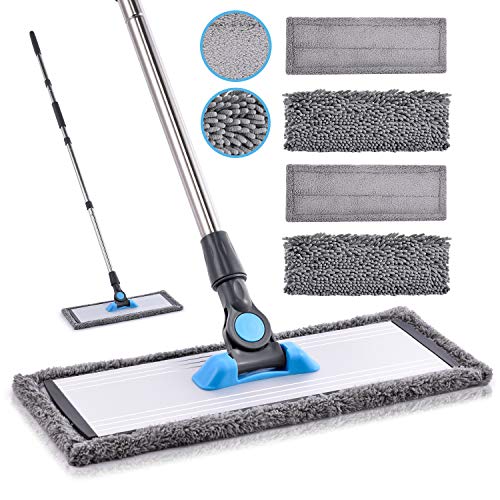
After dry cleaning, you can move to damp mopping. Use your special hardwood floor cleaner. Lightly dampen your mop.
Do not soak the mop. Water is the enemy of wood floors. Too much water can seep into the wood.
It can cause warping. It can also damage the finish over time. A damp mop means it’s just barely wet.
Mop in the direction of the wood grain. This helps lift dirt. It also makes the floor look better.
Work in small sections. Don’t let water sit on the floor. Wipe up any standing water immediately.
Most cleaners made for hardwood floors don’t need rinsing. This saves you a step. It also means less risk of residue.
Quick Guide: Hardwood Floor Cleaning Steps
Step 1: Dry Clean. Sweep or vacuum to remove loose dirt.
Step 2: Choose the Right Cleaner. Use a pH-neutral cleaner made for hardwood.
Step 3: Damp Mop. Lightly dampen your mop. Never soak.
Step 4: Mop with the Grain. Work in small sections.
Step 5: Dry Immediately. Wipe up any standing water.
What About Natural Cleaning Solutions?
Some people prefer natural cleaners. They want to avoid chemicals. For hardwood floors, this can be tricky.
Vinegar is a popular natural cleaner. Many people use it for other surfaces. But vinegar is acidic.
It can be too harsh for some wood finishes. It can etch the finish. It can dull the shine.
It’s best to avoid vinegar on hardwood floors.
Water alone is often the safest bet. For very light cleaning, a damp mop with just water can work. But it won’t tackle grease or grime.
Some people use a very diluted mixture of water and a specific type of cleaner. For example, a very, very small amount of Castile soap mixed with water is sometimes suggested. However, even Castile soap can leave a residue if not diluted properly or if too much is used.
It’s still a riskier option than a dedicated hardwood cleaner.
The key is understanding your floor’s finish. If you have a very robust, commercial-grade finish, it might tolerate more. But for most residential floors, sticking to what the manufacturer recommends is safest.
If you’re unsure, it’s always better to be cautious. A little extra caution can save you from costly repairs later.
When is a Little Dawn Really Okay?
Let’s be clear: there are very few situations where Dawn is a good idea for your hardwood floors. If you have a spill of something incredibly greasy or sticky, you might be tempted. Maybe a whole bottle of olive oil spills.
In a dire emergency, you might consider using a tiny, tiny amount of Dawn. You would need to dilute it heavily in water. Then, you would need to clean the spot immediately.
After cleaning the spot, you would then need to go over it with a clean damp cloth with just water. You would need to make sure every trace of the soap is gone. Then, you would need to dry the area completely.
This is a high-risk maneuver. It’s not for regular cleaning. It’s only for an extreme, isolated incident.
Even then, a dedicated spot cleaner for wood floors might be a better choice.
Think of it this way: Dawn is like a powerful solvent. You wouldn’t use a strong solvent on delicate fabric unless you had no other choice and knew the risks. Your hardwood floor finish is delicate in its own way.
It needs specific care. Relying on Dawn for regular cleaning is like using a sledgehammer to crack a nut. It’s overkill and likely to cause damage.
Spot Cleaning Emergency Protocol (Use with extreme caution!)
Situation: Major greasy or sticky spill on hardwood.
Option 1 (Best): Use a specialized hardwood floor spot cleaner.
Option 2 (Risky Emergency Use):
- Use one drop of Dawn in a cup of water.
- Dampen a cloth, not soak.
- Gently clean the spill.
- Immediately clean the area with a clean damp cloth (water only).
- Dry the area thoroughly with a clean towel.
Warning: This is not for general cleaning and can still damage your finish.
What Happens if I’ve Already Used Dawn?
If you’ve used Dawn on your floors and they still look good, that’s great! You might have a very durable finish. Or maybe you used it very sparingly.
Or perhaps the damage hasn’t shown up yet. It’s good to be aware of the potential for long-term issues.
If you notice your floors looking dull, or they feel stickier than usual, it could be the Dawn. You might need to do a deep clean. Try using a cleaner specifically made for hardwood floors.
Give them a good wash following the product’s instructions. This can help remove any residue.
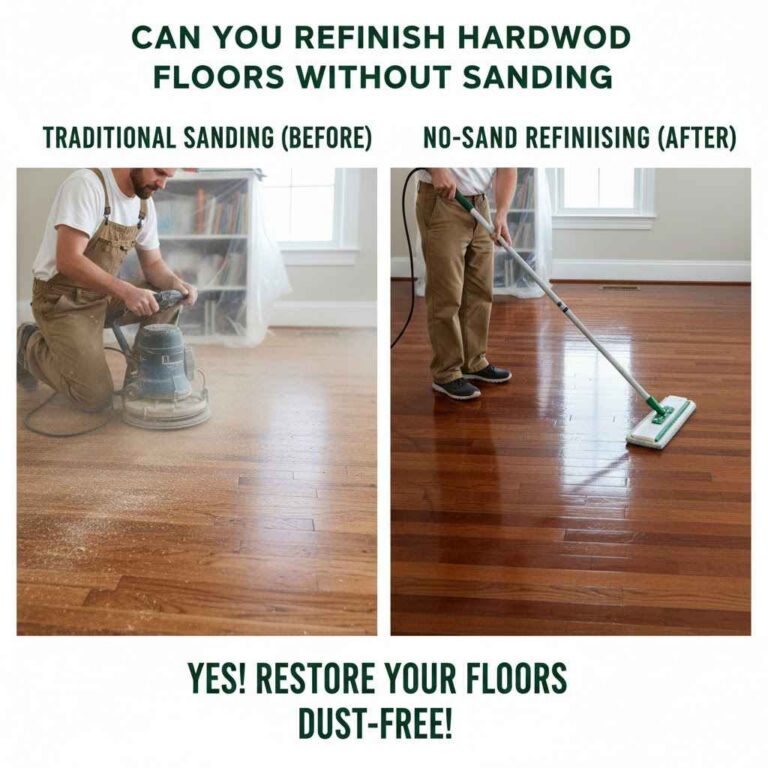
In some cases, if the finish has been significantly damaged, you might need to refinish the floors. This is a bigger job. It involves sanding down the old finish and applying a new one.
It’s much more costly than using the right cleaner. So, it’s worth taking steps now to protect your floors.
Long-Term Care for Your Investment
Your hardwood floors are an investment. They add beauty and value to your home. Taking good care of them ensures they last for many years.
This means choosing the right cleaning products. It also means cleaning them regularly. Small bits of dirt can cause wear over time.
Place mats at entryways. This helps catch dirt and moisture before it gets on your floors. Use felt pads on the legs of furniture.
This prevents scratches. Avoid walking on hardwood floors in high heels or cleats. These can cause dents and damage.
Consider the climate where you live. Humidity levels can affect wood. Too much dryness can cause boards to shrink.
Too much moisture can cause them to swell. Using a humidifier or dehumidifier can help maintain a stable environment for your floors. This general care helps the finish stay intact longer.
Checking Your Floor’s Finish Type
Do you know what kind of finish your floors have? It’s important for proper care. Here’s a simple test.
Find an inconspicuous spot. This could be inside a closet or under a rug. Put a drop of water on the floor.
If the water beads up, you likely have a surface finish like polyurethane. These are more resistant to water.
If the water soaks into the wood or darkens it quickly, you might have an older finish. This could be wax, penetrating oil, or even unfinished wood. These types need special care.
They are very sensitive to moisture and strong cleaners. For these, using only a manufacturer-approved cleaner is essential.
If you’re unsure, it’s always best to err on the side of caution. Contact the company that installed your floors. Or reach out to a local flooring specialist.
They can often tell you what finish you have. They can also give you specific cleaning advice.
When to Call the Professionals
Sometimes, the cleaning tasks become too much. Or you might notice significant damage. That’s when it’s time to call in the experts.
Professional floor cleaners have specialized tools. They have commercial-grade products. They know how to handle different floor types and finishes.
If your floors look very dull and no amount of cleaning helps, they might need a recoat. This is a service where a new layer of finish is applied. It’s less intensive than a full refinish.
It can bring back the shine and protection. For deeper scratches or damage, a full refinishing might be needed.
Don’t try to tackle major repairs yourself. You could make the problem worse. A professional can assess the situation.
They can offer the best solution. This ensures your beautiful hardwood floors remain that way for years to come.
Frequently Asked Questions About Dawn and Hardwood Floors
Is Dawn dish soap safe for all hardwood floors?
No, Dawn dish soap is not considered safe for regular cleaning of all hardwood floors. It can damage the finish over time by stripping protective oils and leaving residue, leading to dullness and wear.
Can I use a tiny drop of Dawn on my hardwood floors?
While a tiny drop in an emergency might be considered, it’s risky. Even a small amount can contribute to finish degradation and residue buildup over time. Dedicated hardwood cleaners are a much safer choice.
What is the best cleaner to use on hardwood floors?
The best cleaners are those specifically designed for hardwood floors, often labeled as pH-neutral. Brands like Bona, Method, and Bruce offer effective and safe options.
How often should I clean my hardwood floors?
Regular sweeping or vacuuming should be done a few times a week or as needed to remove grit. Damp mopping with a hardwood cleaner is typically done once a week or bi-weekly, depending on foot traffic.
What if my hardwood floors look dull after using Dawn?
If your floors look dull, try cleaning them with a dedicated hardwood floor cleaner. This can help remove any residue left by the Dawn. For persistent dullness, you might need professional cleaning or recoating.
Can I use vinegar on my hardwood floors?
It is generally not recommended to use vinegar on hardwood floors. Vinegar is acidic and can damage the protective finish, causing it to dull or etch over time.
Conclusion: Stick to What’s Best for Your Floors
In the end, the answer is clear. While Dawn dish soap is a fantastic cleaner for dishes, it’s not the best friend to your hardwood floors. The risk of damaging the finish outweighs any perceived convenience or cost savings.
Protecting your beautiful wood floors means using products designed specifically for them.
Choosing the right cleaner will help maintain their shine and longevity. It ensures they remain a beautiful part of your home for years to come. Stick to the experts’ advice and dedicated hardwood floor cleaners.
Your floors will thank you for it.
Sponsored / affiliate links. As an Amazon Associate I earn from qualifying purchases. I may earn additional commission from eligible campaigns.