Are Wet Dry Vacuums Good For Hardwood Floors? Real Answer
The short answer is: Yes, but with very specific precautions and the right attachments. A standard wet dry vacuum can easily damage hardwood floors if used incorrectly. Always use a dry mode and a soft brush or felt attachment. Never use the wet function directly on hardwood.
Understanding Your Wet Dry Vacuum and Hardwood
A wet dry vacuum is built for tough jobs. It can suck up liquids and solids. This makes it great for garages, workshops, or big spills. But hardwood floors are different. They are often sealed, but not waterproof. Water can seep into cracks. It can also warp the wood. High suction can also scratch the floor. This is why using a wet dry vacuum requires careful thought.
My Own Hardwood Floor Scare
I remember one time, a water pipe burst in my kitchen. It wasn’t a huge flood, but enough to worry about my newly refinished hardwood. My first thought was my wet dry vacuum. It’s my go-to for messy cleanups. I grabbed it, ready to suck up all that water. Then, I stopped. I looked at the vacuum’s sturdy hose and its powerful nozzle. I pictured it dragging across my floors, leaving tiny scratches I’d regret forever.
I nearly made a big mistake. That close call taught me a lot. It showed me that powerful tools need the right approach. Just because a tool can do a job doesn’t mean it should without care. I ended up using towels first. Then, I switched to the vacuum’s dry mode with a special soft brush. It worked, but it was a lesson learned the hard way, or almost the hard way.
How Wet Dry Vacuums Work with Wood
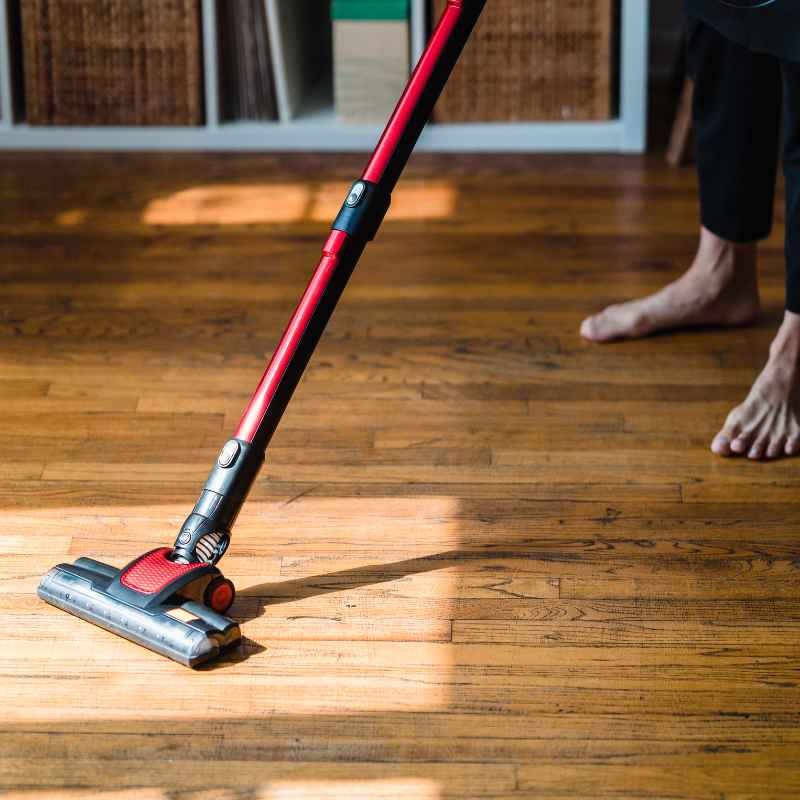
When we talk about using a wet dry vacuum on hardwood, we need to be very clear about one thing. You should never use the wet function on hardwood floors. The water can get into the wood grain. It can cause swelling or discoloration. It’s like giving your floors a drink they don’t need. This can lead to permanent damage.
Dry Mode is Your Friend
The Key: Dry Cleaning Only. When using a wet dry vacuum on hardwood, stick strictly to the dry mode. This mode works like a regular vacuum cleaner. It picks up dust, dirt, and debris.
Suction Power: Be Gentle. Wet dry vacuums can have very strong suction. This is great for picking up heavy dirt. But on hardwood, high suction can potentially lift or damage loose finish.
You might need to adjust the suction setting if your vacuum has one.
Choosing the Right Attachment for Hardwood
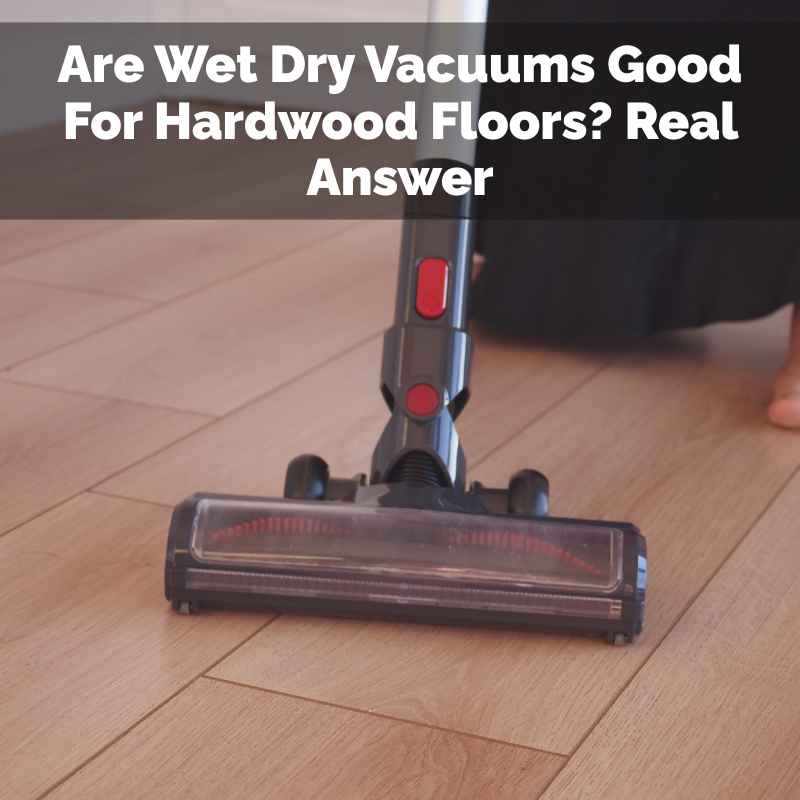
The attachment you use is super important. A standard crevice tool or a stiff brush can scratch your floors. You need something soft. Think of a gentle brush. Many wet dry vacuums come with different heads. Some are designed for bare floors. These often have soft bristles or a felt strip. This is what you want.
Soft Brush Attachment Power
Look for this: A brush roll with soft bristles. Or, a felt or rubberized edge. This helps the vacuum glide smoothly.
It also protects the wood surface from scratches.
Avoid this: Stiff bristles, exposed metal parts, or aggressive beater bars. These can easily mar your beautiful hardwood.
When is a Wet Dry Vacuum NOT Good for Hardwood?
There are times when even the best-intentioned use of a wet dry vacuum is a bad idea. This is especially true if your hardwood floors are older or have a less durable finish. Sometimes, older floors might have gaps between the boards. Water can easily seep into these. Also, if the sealant is worn off, the wood is much more exposed.
Myth vs. Reality
Myth: All wet dry vacuums are bad for hardwood.
Reality: They can be used, but only in dry mode with the correct attachments. The risk comes from improper use, especially using water.
Old or Damaged Finishes
If your hardwood floors have seen better days, be extra cautious. A worn finish means less protection. Small amounts of moisture can soak in faster. This can lead to dark spots or warped boards. A wet dry vacuum, even on dry mode, can stir up fine dust. This dust, combined with any residual moisture on the floor, can create a fine, gritty paste. This paste can then scratch the wood as you vacuum.
Unsealed or Oiled Floors
Some hardwood floors are not sealed with polyurethane. They might have an oiled finish. These floors are more porous. They absorb liquids more easily. A wet dry vacuum is generally not recommended for these types of floors at all. The risk of damage is too high. For these, a soft broom and a damp (not wet) microfiber mop are better.
Expert Advice: What to Look For
As an expert who has seen many homes and dealt with many cleaning tools, I always stress simplicity and safety for wood floors. When considering a wet dry vacuum for hardwood, here’s what I’d tell you to look for.
Quick Scan: Wet Dry Vacuums for Hardwood
| Feature | Good for Hardwood | Bad for Hardwood |
| Mode of Operation | Dry Mode Only | Wet Mode (Never Use) |
| Floor Attachment | Soft Brush Roll, Felt Pad, Rubberized Edge | Stiff Bristles, Aggressive Beater Bar, Exposed Metal |
| Suction Power | Adjustable, Lower Settings Preferred | Max Suction (if no adjustment) |
| Hose Material | Smooth, Non-Scratching Plastic or Rubber | Rough or Metal Hose That Can Drag |
When You Should Stick to Other Tools
Sometimes, the best tool is not the most powerful one. For routine cleaning of hardwood floors, a good quality microfiber mop is often the best choice. You can use a specialized wood floor cleaner. A gentle sweep with a soft-bristled broom also works well for picking up surface dust and debris. These tools are designed for the delicate nature of wood.
The Safer Choice: Microfiber Mop
Why it’s great: Microfiber is gentle. It traps dirt effectively. You can use it dry or slightly damp.
This minimizes moisture contact with your wood.
What to use: Look for a mop with a soft, washable microfiber head. Pair it with a cleaner made for hardwood floors. Always wring out the mop well.
It should feel only slightly moist, not wet.
Deep Cleaning Needs
If you have very stubborn dirt or scuffs, consider professional cleaning. Or, use a cleaning method specifically designed for hardwood. This might involve a special floor cleaner and a soft brush attachment on a regular vacuum. It’s about choosing the right tool for the right job. A wet dry vacuum is usually for more intense, often commercial-style, cleaning.
My Experience with a ‘Gentle’ Setting
I once bought a wet dry vacuum that boasted a “gentle floor” setting. I was hopeful. It had a special attachment with soft bristles. I tried it on my living room floor. It picked up dust well. But I noticed it still had quite a bit of power. Even on the lower setting, I worried about the long-term effects. It’s like driving a sports car in a school zone. You can go slow, but the car is built for speed.
That’s why I always recommend testing in an inconspicuous area. Check for any dulling of the finish or faint scratches. For me, it always comes back to the simplicity of a microfiber mop for daily upkeep. The wet dry vacuum stays in the garage for garage messes.
Understanding Sealants and Finishes
The protective layer on your hardwood floor is key. Most modern hardwood floors have a polyurethane finish. This is quite durable. It acts like a shield against moisture and wear. However, even polyurethane can be damaged by too much water or harsh scrubbing. Older floors might have wax finishes. These are much more sensitive to liquids.
Finish Types and Their Needs
Polyurethane: Most common. Offers good protection. Still, avoid standing water.
Use dry vacuuming with care.
Waxed: Older style. Needs special care. Avoid water and most liquid cleaners.
Buffing is key.
Oiled: Natural look. Porous. Absorbs liquids easily.
Best cleaned with specific oil-soap cleaners and soft tools.
When It’s Okay to Use a Wet Dry Vac (The ‘Barely There’ Wetness)
There’s a tiny exception. Some people use a wet dry vacuum on a barely damp setting for very specific, tough cleaning jobs. This is risky. It’s only when you have really dried-out, scuffed floors and you are desperate. You would use the dry mode. Then, you would very lightly spray a wood floor cleaner. You would immediately vacuum it up. The key is minimal moisture.
I’ve seen people do this. They use the vacuum’s crevice tool very carefully. They angle it so it only touches the edges of the boards. The goal is to lift residue without soaking the wood. But this is advanced. And it carries a real risk. For most people, it’s not worth the gamble. It’s better to trust the professionals or stick to proven, safe methods.
What About Wood Floor Specific Vacuums?
You might see vacuums marketed specifically for hardwood floors. These are often upright vacuums with soft brush rolls. They usually have adjustable suction. They are designed to be gentle. Some might even have a specialized mopping function. These are a much safer bet than a powerful wet dry vacuum. They combine cleaning power with wood floor care.
Real-World Scenarios
Imagine you’ve dropped a bag of flour in your kitchen. It’s a dry mess. Your wet dry vacuum, with its soft brush attachment, can handle this easily. It will suck up all the fine powder without a problem. This is a good use case. The key is that it’s a dry spill.
Now, imagine your dog had an accident on the floor. While your wet dry vacuum can suck up liquid, you absolutely should not use it on your hardwood. The urine can soak into the wood and permanently stain it. Even if you vacuum it up quickly, the residue and moisture can cause damage. In this case, you’d need to clean it up manually with paper towels and a specialized pet stain remover for wood floors.
The Importance of Routine Maintenance
Keeping your hardwood floors clean regularly is your first line of defense. Dust and grit are like tiny bits of sandpaper. They get ground into the floor with every step. This causes wear and tear. A daily sweep or a quick vacuum with a regular vacuum cleaner (with a soft brush attachment!) can prevent this.
Daily Care Habits
Sweep or Vacuum: Use a soft broom or a vacuum with a soft brush head daily or every other day. Focus on high-traffic areas.
Wipe Spills Immediately: Have rags or paper towels ready. Clean up any liquid spills as soon as they happen.
Use Doormats: Place mats both inside and outside entryways. This helps trap dirt and moisture before it gets onto your floors.
Checking Your Floor’s Condition
Before you even think about using a wet dry vacuum, take a good look at your floors. Are they shiny and well-sealed? Or do they look dull, with visible grain or small cracks? If they look worn, a wet dry vacuum is probably not the best idea. You might need to refinish them first.
I always tell people to get down on their hands and knees. Look closely at the boards. Run your hand over them. Can you feel any roughness? Can you see any gaps? These are all signs that your floor needs gentle care.
What This Means for You
So, are wet dry vacuums good for hardwood floors? The answer is a cautious yes, but with major caveats. They are good for dry debris removal. They are not good for wet cleaning. You must use the right attachments and settings. And always prioritize the health of your floor.
When it’s normal to consider one: You have dry, dusty messes on well-sealed hardwood. You have the correct soft brush attachment. You can control the suction power.
When to worry: You have a wet spill. Your floors have a worn finish or visible damage. You don’t have a soft brush attachment. You are unsure about your floor’s sealant. In these cases, step away from the wet dry vacuum.
Quick Fixes and Tips for Safe Vacuuming
If you’ve decided to use your wet dry vacuum, here are some tips to keep your hardwood safe:
Always use dry mode. Never the wet function.
Attach the soft brush head. Make sure it’s clean.
Lower the suction. If your vacuum has this option, use it.
Vacuum in the direction of the wood grain. This helps prevent scratches.
Don’t let the hose drag. Keep it lifted slightly.
Empty the vacuum after use. This keeps it working well.
Clean the brush attachment regularly. This removes trapped grit.
Frequently Asked Questions
Can I use a shop vac on my hardwood floors?
A shop vac is a type of wet dry vacuum. So, the same rules apply. You can use it for dry messes only. Always use a soft brush attachment. Never use the wet function. High suction can also be an issue, so adjust it if possible.
What is the best vacuum for hardwood floors?
The best vacuum for hardwood floors is usually one designed for them. Look for models with a soft roller brush or a suction-only setting. Many brands make vacuums specifically for bare floors. A good quality microfiber mop is also excellent for regular cleaning.
How do I clean up a spill on hardwood floors?
Clean up spills immediately with absorbent towels. For sticky residue, use a cleaner made for hardwood floors. Use a microfiber cloth. Wring it out well so it’s only slightly damp. Avoid letting water sit on the wood.
Is it okay to use a vacuum with a beater bar on hardwood?
Generally, no. Beater bars are designed to agitate carpet. They can scratch and dull hardwood floors. Most vacuums designed for hardwood have a soft brush roll or can turn the beater bar off.
Can I use my wet dry vac to clean up pet hair from hardwood?
Yes, if you use it in dry mode with a soft brush attachment. Pet hair can be stubborn. The strong suction of a wet dry vac can help lift it. Just ensure the attachment is soft and that you are not using any moisture.
How often should I vacuum my hardwood floors?
It depends on foot traffic and pets. For most homes, vacuuming or sweeping every day or two is ideal. This removes abrasive dirt and grit that can damage the finish over time.
Final Thoughts
Your hardwood floors are a beautiful investment. Treating them with care is essential. While a wet dry vacuum can be a powerful cleaning tool, it’s not always the right one for your wood floors. When in doubt, err on the side of caution. Stick to gentle, dry methods. Your floors will thank you for it, looking lovely for years to come.
Sponsored / affiliate links. As an Amazon Associate I earn from qualifying purchases. I may earn additional commission from eligible campaigns.