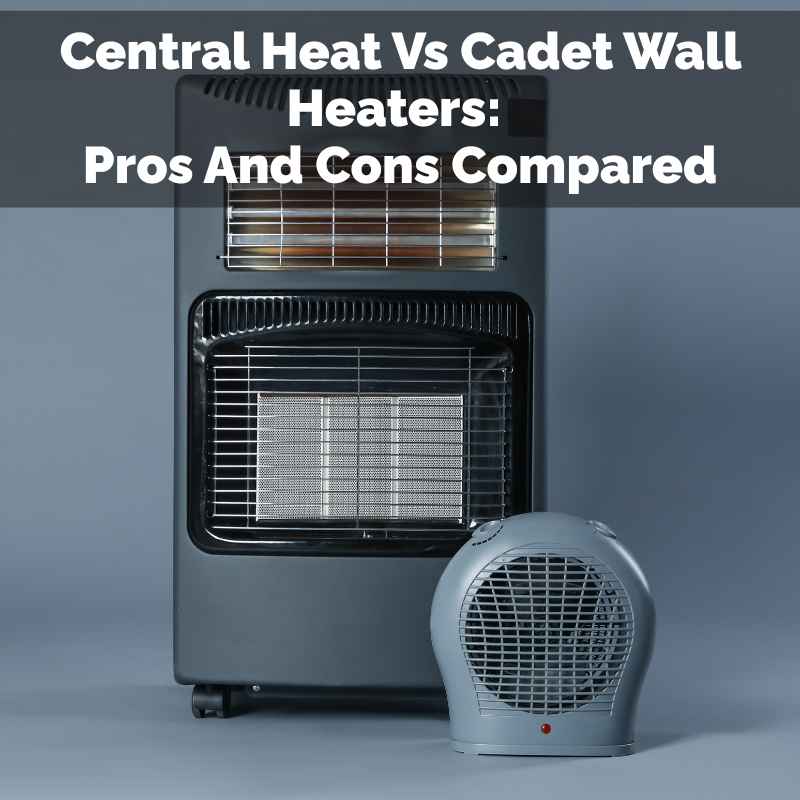
Central Heat Vs Cadet Wall Heaters: Pros And Cons Compared
Navigating the world of home heating can feel like a maze. You want comfort, sure, but also safety and a system that won’t break the bank. Maybe you’re looking at upgrading your current setup, or perhaps you’re building new and need to decide from scratch.
Two common options often pop up: central heating systems and cadet wall heaters. They’re quite different beasts. Understanding their strengths and weaknesses is key to making the right choice for your space and your family.
Let’s dive in and break it all down, so you can feel confident about your heating decision.
Central heat offers whole-home warmth, while cadet wall heaters provide localized heat. Central systems are typically more energy-efficient for large areas but have higher upfront costs. Cadet heaters are simpler and cheaper to install for specific rooms but can be less efficient overall and may pose safety concerns if not used correctly.
What’s the Deal with Central Heat?
Central heating is like the heart of your home’s warmth. It’s a system designed to heat your entire house from one main source. Think of a furnace or a boiler.
This heat then travels through a network of ducts or pipes to reach every room. You usually control it all with a single thermostat. It aims to keep every corner of your home at a comfortable, consistent temperature.
This is the kind of system most people imagine when they think of a “warm house” on a cold day. It’s a big commitment, but it’s built for full coverage.
The magic behind central heat often starts with burning fuel like natural gas, propane, or oil. Some systems use electricity, but those can be costly to run. The furnace or boiler heats up air or water.
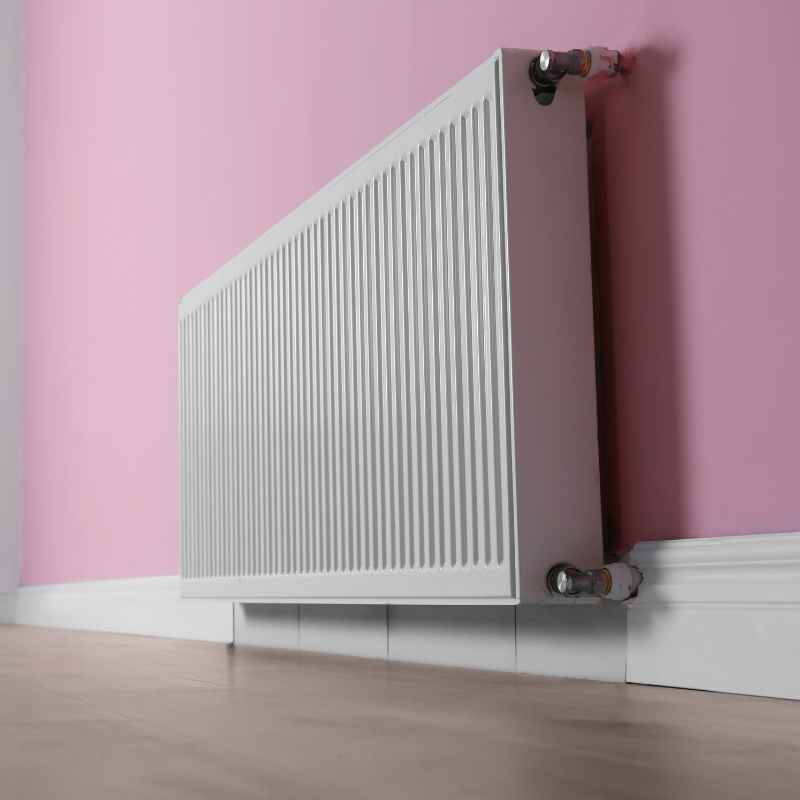
Then, a fan (for forced air systems) pushes the warm air through ducts. Or, a pump (for hydronic systems) sends warm water through pipes to radiators or baseboard heaters. It’s a complex but effective way to manage your home’s temperature evenly.
The goal is to make sure no room is left out in the cold.
One of the biggest pluses is convenience. You set the temperature, and the system works to maintain it throughout your home. No need to adjust things in every single room.
This also means a more uniform temperature. You’re less likely to find one room freezing while another is a sauna. For larger homes, this consistent coverage is hard to beat.
It truly makes your whole house feel like a cozy retreat during the winter months.
And What About Cadet Wall Heaters?
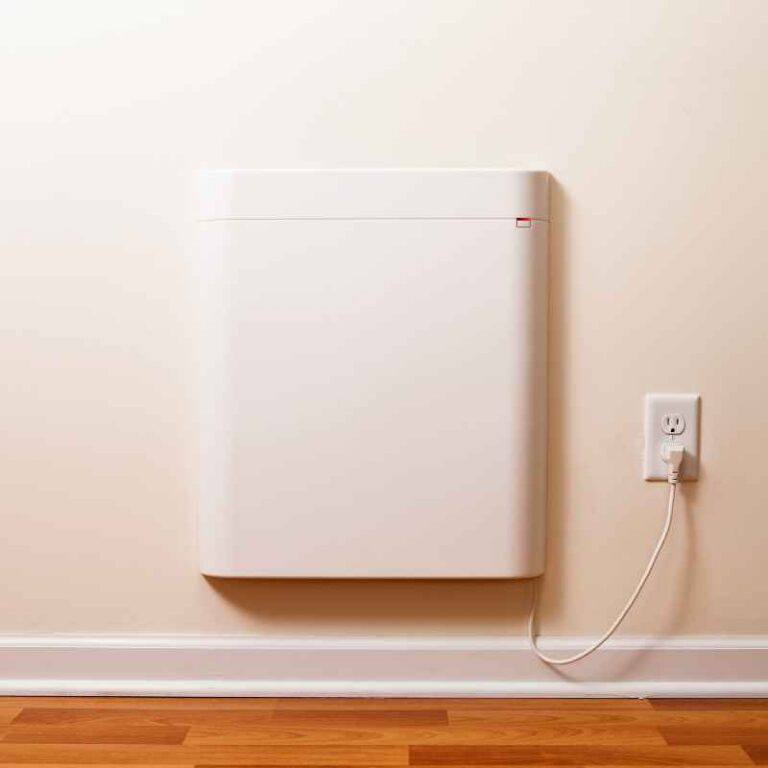
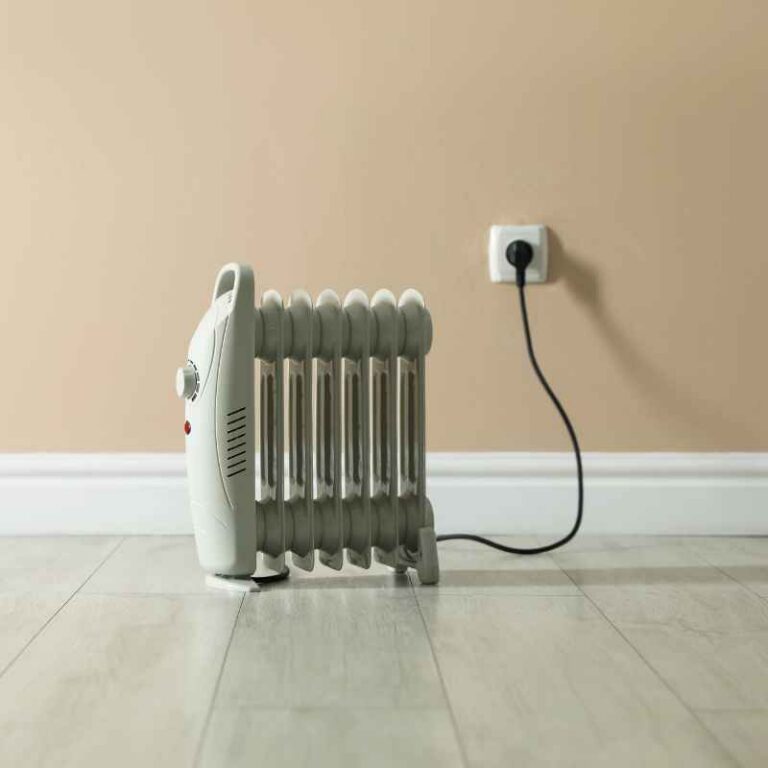
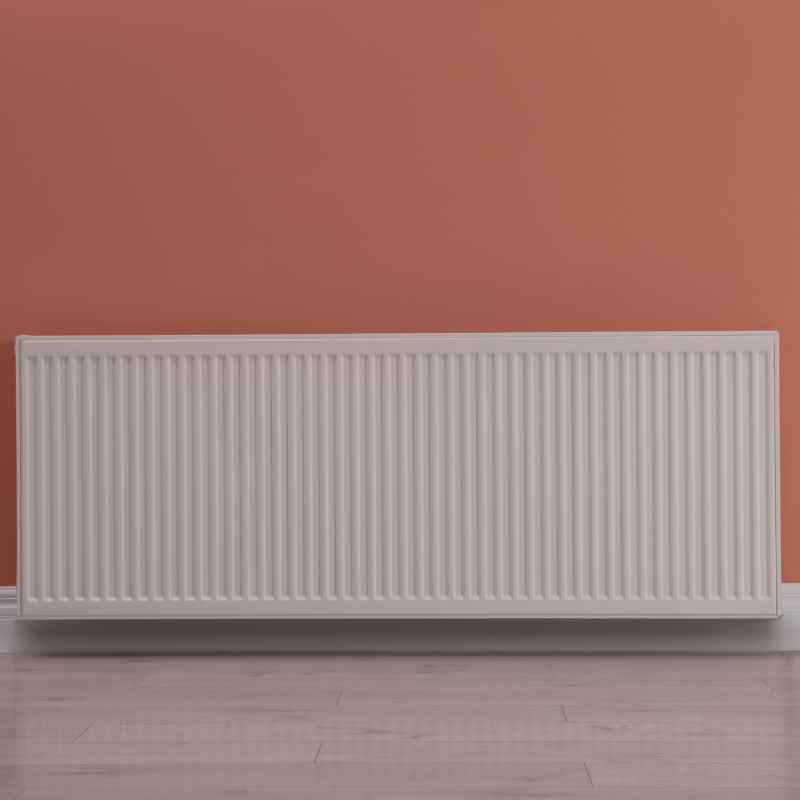
Cadet wall heaters, also known as electric baseboard heaters or wall-mounted electric heaters, are a very different story. They are designed to heat a single room or a small area. Each heater is usually installed on a wall, often near the floor.
They use electricity to generate heat directly. You typically control each heater with its own thermostat, often located right on the unit. They are a popular choice for adding heat to specific spaces or for supplementing an existing heating system.
These heaters work by passing electricity through a resistance element. This element gets very hot. Then, a fan might blow air over the element to push warm air into the room.
Some models rely more on convection, where the warm air naturally rises and circulates. They are straightforward in their operation. You plug them in or wire them up, set the temperature, and they start heating.
They don’t need ducts or pipes, making them much simpler than central systems.
Their main appeal lies in their simplicity and lower upfront cost. Installing a cadet heater is usually much cheaper than putting in a whole new central heating system. They are perfect for rooms that don’t get enough heat from your main system, like sunrooms or basements.
They are also great for supplemental heat. If you only need a little extra warmth in your home office during the day, a cadet heater can do the job without running your main furnace. They offer targeted warmth where and when you need it most.
Central Heat vs. Cadet Heaters: A Deep Dive
Let’s break down how these two heating methods stack up. We’ll look at efficiency, cost, installation, comfort, and safety. This comparison should help clear the air on which might be the better fit for your needs.
Efficiency Ratings and Energy Use
When we talk about heating, efficiency is a big word. It tells us how well the system turns energy into heat for your home. Central heating systems, especially modern ones, can be very efficient.
Furnaces, for example, have Annual Fuel Utilization Efficiency (AFUE) ratings. A high AFUE rating means less fuel is wasted. For example, a 95% AFUE furnace means only 5% of the fuel is lost as heat up the chimney.
Electric cadet wall heaters, on the other hand, are essentially 100% efficient at converting electricity into heat at the point of use. This sounds great! However, this doesn’t tell the whole story.
The electricity itself has to be generated somewhere, and that generation process isn’t 100% efficient. More importantly, the cost of electricity is often much higher than the cost of natural gas or propane. So, while they don’t waste heat in the room, using them as a primary heat source for an entire home can lead to very high energy bills.
For a whole house, a well-maintained central heating system using natural gas or propane will almost always be cheaper to run than a home heated solely by electric cadet heaters. However, for a single, rarely used room, a cadet heater might be more cost-effective than running your main central system just for that one space.
Energy Use Snapshot
Central Heat (Gas/Propane):
- Uses fuel (gas, propane) burned at the source.
- Efficiency measured by AFUE (Annual Fuel Utilization Efficiency).
- Can be very efficient (90%+ AFUE).
- Fuel costs are typically lower than electricity.
- Heat is distributed throughout the home.
Cadet Wall Heaters (Electric):
- Uses electricity directly.
- Nearly 100% efficient at point of use.
- Electricity generation has its own inefficiencies.
- Electricity costs are often higher per unit of heat.
- Provides localized heat.
Upfront Costs: Installation and Equipment
This is where you’ll see a big difference. Installing a new central heating system is a significant investment. You’re talking about the furnace or boiler itself, plus the network of ducts or pipes, vents or radiators, and a thermostat.
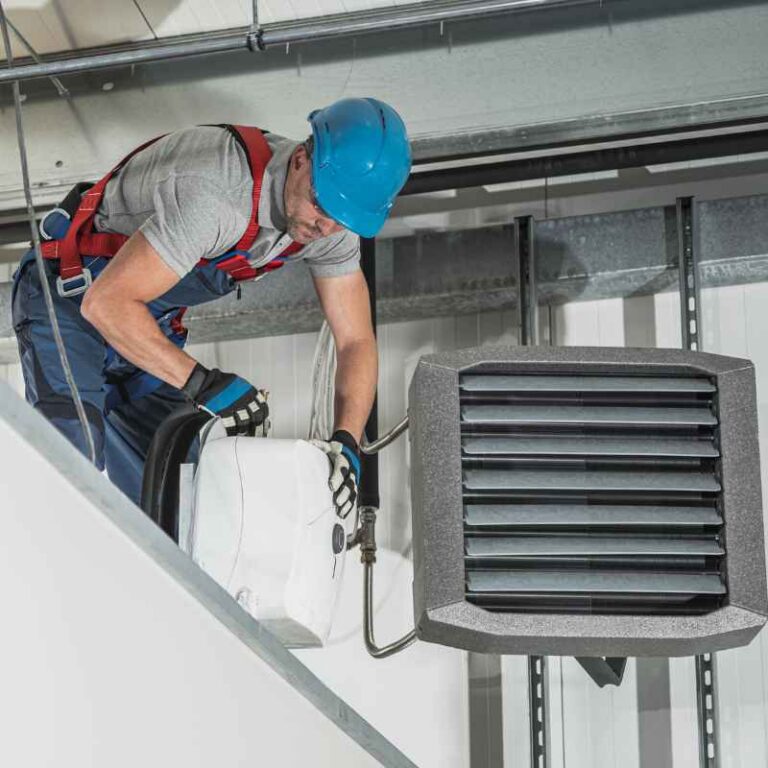
Professional installation is essential. This can easily run into thousands, sometimes tens of thousands, of dollars depending on the size of your home and the complexity of the installation. It’s a major home improvement project.
Cadet wall heaters, on the other hand, are much more budget-friendly upfront. The heaters themselves are relatively inexpensive, costing a few hundred dollars at most per unit. Installation can be as simple as plugging them into an existing outlet if they are portable units.
For hardwired units, an electrician will need to install them, but this is still far less labor-intensive and costly than installing ductwork or piping for a central system. You could outfit a whole room with cadet heaters for a fraction of the cost of a single central furnace.
So, if budget is your primary concern for initial outlay, cadet heaters win hands down. But it’s crucial to balance this with the long-term running costs. A cheaper initial purchase might cost you more over the years in energy bills.
Running Costs: Bills and Budgeting
As touched on earlier, running costs are a critical factor. Natural gas and propane are generally cheaper energy sources per British Thermal Unit (BTU) than electricity in most parts of the U.S. This means that to produce the same amount of heat, burning gas or propane is usually less expensive than using electric resistance heat.
Therefore, a central heating system fueled by gas or propane will typically have lower monthly operating costs than relying on electric cadet heaters for whole-home heating.
However, there’s a nuance. If you only need to heat a very small, well-insulated space for short periods, a cadet heater might be cheaper to run for that specific scenario. For instance, heating a small home office for a few hours a day with a cadet heater could be cheaper than firing up your entire central heating system.
But if you are trying to heat, say, a 2,000-square-foot house with cadet heaters, your electricity bill will likely be astronomical.
Consider the climate too. In milder climates where heating needs are minimal, the difference might be less pronounced. But in colder regions, the cost difference between gas and electric heat can be substantial.
This is why many people use cadet heaters as a supplemental source, not their primary one.
Cost Comparison at a Glance
Upfront Cost:
- Central Heat: High (thousands to tens of thousands)
- Cadet Heaters: Low (hundreds to a few thousand for multiple units)
Running Cost (Whole Home):
- Central Heat (Gas/Propane): Generally Lower
- Cadet Heaters (Electric): Generally Higher
Running Cost (Single Room/Limited Use):
- Central Heat: Can be inefficient to run for small zones.
- Cadet Heaters: Can be cost-effective for targeted, short-term heating.
Comfort and Consistency
When it comes to comfort, central heating systems often have an edge for whole-home warmth. They are designed to deliver consistent, even temperatures throughout your house. You set your thermostat, and the system works to maintain that setting everywhere.
This means no cold spots and no drastic temperature swings between rooms. This uniformity is a major comfort factor for many homeowners, especially in larger homes.
Cadet wall heaters provide localized heat. This is great if you only need to warm up one specific area. The heat is immediate and direct.
However, they don’t contribute to the overall temperature of the house. If your central system isn’t great, or if you have a drafty room, a cadet heater can make that specific room comfortable. But it won’t warm up the hallway or the bedrooms unless they are right next to it and the door is open.
The type of heat also differs. Central heating often provides forced air, which can sometimes feel a bit dry or drafty if not well-balanced. Hydronic (water-based) central heating systems, like those with radiators, provide a more radiant and gentler heat.
Electric cadet heaters also provide radiant and convective heat, which many people find quite comfortable and direct. The perception of comfort can be subjective, but consistency across the entire living space is a hallmark of central heat.
Installation Complexity and Requirements
The installation process for central heating is quite involved. It requires extensive ductwork to be run through walls, ceilings, and floors, or a network of pipes for hydronic systems. This often means opening up walls and ceilings during construction or major renovation.
The main unit (furnace/boiler) needs a specific location and often requires access to fuel lines (gas/propane) and an electrical connection, plus a flue for exhaust gases. Professional installation is absolutely required and takes time and expertise.
Cadet wall heaters are significantly simpler to install. For plug-in models, it’s as easy as finding an outlet. For hardwired models, an electrician needs to connect them to your home’s electrical panel.
This is a much quicker job. They don’t require any ductwork or plumbing. This simplicity makes them ideal for additions, renovations, or areas where running ducts or pipes would be impractical or prohibitively expensive.
You can even install them yourself if you have basic electrical knowledge for plug-in units, though hardwired units are best left to professionals.
The relative ease of installing cadet heaters makes them a flexible solution. You can add them room by room as needed, without disturbing the entire house. This is a huge advantage if you’re not doing a full system overhaul.
Maintenance Needs
Central heating systems require regular maintenance to run efficiently and safely. This typically includes annual check-ups by an HVAC technician. They will inspect the furnace or boiler, clean components, check for gas leaks, and ensure the system is working optimally.
Air filters for forced-air systems need to be changed regularly (monthly or quarterly) by the homeowner to maintain air quality and system efficiency. Ductwork should also be cleaned periodically to remove dust and debris.
Cadet wall heaters require much less maintenance. Since they don’t have moving parts like fans or ignitors (in most basic models), there’s less to go wrong. Generally, they just need to be kept clean.
Dust can accumulate on the heating elements and inside the vents, which can reduce efficiency and potentially be a fire hazard if too much builds up. A gentle vacuuming or dusting of the unit is usually sufficient. The thermostats on the units should also be checked periodically to ensure they are functioning correctly.
The low maintenance requirement of cadet heaters is a definite plus for homeowners looking for a hassle-free heating solution for individual rooms. It means fewer unexpected repair bills and less effort on your part to keep them running smoothly.
Maintenance Checkpoints
Central Heat:
- Annual professional inspection (furnace/boiler).
- Regular air filter changes (homeowner task).
- Duct cleaning (periodic).
- Check for fuel leaks and exhaust safety.
Cadet Wall Heaters:
- Keep units clean from dust and debris.
- Periodically check thermostat function.
- No complex internal components to service.
- Minimal homeowner involvement needed.
Safety Considerations
Safety is paramount with any heating system. Central heating systems, when properly installed and maintained, are generally very safe. The primary concern is usually related to fuel combustion.
Furnaces, for instance, produce exhaust gases like carbon monoxide. This is why a properly functioning vent or chimney and regular safety checks for leaks are critical. Modern furnaces have safety features to shut down if carbon monoxide is detected.
Cadet wall heaters, being electric, don’t produce combustion byproducts like carbon monoxide. This is a significant safety advantage. However, they do get hot.
The surfaces of electric heaters can reach temperatures high enough to cause burns if touched. This is especially a concern in homes with young children or pets. It’s important to ensure that objects are kept clear of the heaters to prevent fire hazards from flammable materials like curtains or blankets getting too close.
Proper installation, ensuring they are securely mounted and not obstructed, is key.
Another aspect of safety is the electrical load. Running multiple high-wattage cadet heaters can put a strain on your home’s electrical system if it’s not adequately wired. Overloaded circuits can lead to blown fuses, tripped breakers, or even electrical fires.
Central heating systems, especially gas or propane units, have their own safety protocols to manage fuel and combustion. For electric heat, the risk is more about overloading circuits and surface temperatures.
Impact on Air Quality
Central heating systems, particularly forced-air systems, can impact indoor air quality in several ways. As mentioned, they circulate air throughout the house via ductwork. If the ductwork is dirty or dusty, this can spread allergens, dust, and other particles into the living spaces.
Regular duct cleaning and diligent changing of air filters can mitigate this significantly. Some systems can also be equipped with air purifiers or humidifiers/dehumidifiers to further improve air quality.
Cadet wall heaters don’t actively circulate air throughout the entire house. They heat the air in their immediate vicinity through convection and radiation. This means they don’t typically spread dust or allergens from other parts of the house.
However, the heating elements themselves can sometimes burn off dust that settles on them, creating a temporary odor or releasing small particles into the air. For people with severe allergies or respiratory issues, this might be a consideration, though it’s usually a minor concern for most.
The primary advantage of cadet heaters from an air quality perspective is that they don’t dry out the air as much as some central forced-air systems can. They also don’t carry airborne contaminants from one room to another like a central system might if its ducts are dirty.
Personal Experience: The Drafty Sunroom Saga
I remember a few years back, we had this beautiful sunroom added to our house. Big windows, lots of light – a dream in the summer. But when fall rolled around, it became a freezing, unusable space.
Our central heating just couldn’t keep up. The ducts didn’t even go into that room. We tried electric space heaters, but they were clunky and felt unsafe to leave running.
The whole setup was a headache.
One particularly chilly October evening, I was trying to read in there, bundled in three sweaters. My teeth were chattering, and my toes were numb. I looked at the bare wall and thought, “There has to be a better way.” That’s when I started researching cadet wall heaters.
I found a sleek, modern-looking electric baseboard unit. It wasn’t too expensive, and the installation seemed straightforward enough for a professional.
Within a week, we had one professionally installed. The difference was night and day! Suddenly, that sunroom was cozy and inviting again.
We could actually use it! It was amazing how such a simple addition transformed the space. I realized then that sometimes, a targeted solution is far better than trying to force a whole-house system to do a job it wasn’t designed for.
It was a small change that made a huge difference in our home’s usability. That little heater became a hero.
When is Central Heat the Smarter Choice?
Central heating is typically the go-to choice for a reason. It’s best when you need to heat an entire home consistently. If you have a larger house (over 1,500 square feet, generally), a central system is usually more economical to run than trying to heat every room individually with electric heaters.
It provides that baseline comfort throughout your living space, ensuring no one has to shiver in the living room while the bedroom is warm.
It’s also the preferred option if you value convenience and automation. A single thermostat controls your entire home’s temperature. You can program it to adjust temperatures when you’re away or asleep.
This ease of use is a significant factor for many families. Plus, central heating systems can often be integrated with air conditioning systems, providing a complete year-round comfort solution.
If you have access to natural gas, central heating is often the most cost-effective in terms of fuel. Natural gas prices are generally lower per BTU than electricity. Modern central heating units are also becoming increasingly energy-efficient, reducing fuel consumption and environmental impact.
For a primary, whole-home heating solution, central heat remains the standard for good reason.
When Do Cadet Wall Heaters Make Sense?
Cadet wall heaters shine in specific situations. They are perfect for spot heating. Think about additions to your home, like that sunroom I mentioned, or a finished basement that tends to be cooler.
They are also great for rooms that are seldom used but you want to keep from freezing, like a guest bedroom. You can turn them up when needed and leave them off otherwise, saving energy.
Another scenario is supplementing an existing heating system. If your main furnace struggles to heat a particular room, especially a corner room or one on an upper floor, a cadet heater can be installed to boost the warmth in that specific area. This can improve overall comfort without needing to upgrade your entire central system, which could be very expensive.
For renters, or for very small living spaces like apartments or studios, cadet heaters can be a practical solution. They are easier to install (sometimes portable) and don’t require the extensive infrastructure of a central system. Their lower upfront cost also makes them appealing for those on a tighter budget who need immediate heating for a specific room.
Best Use Cases
Central Heat is Ideal For:
- Heating entire homes, especially larger ones.
- Providing consistent, uniform temperatures.
- Convenience and integrated smart home controls.
- Homes with access to natural gas for lower running costs.
- Combined heating and cooling systems.
Cadet Wall Heaters Excel At:
- Spot heating specific rooms or areas.
- Heating additions or spaces not connected to central ducts.
- Supplementing existing heating systems.
- Renters or temporary heating needs.
- Garages, workshops, or sheds requiring occasional warmth.
Factors to Consider for Your Home
Choosing between central heat and cadet heaters isn’t a one-size-fits-all decision. You need to look at your specific situation. What is the size of your home?
What kind of insulation do you have? What are the typical winter temperatures in your region? These all play a big role.
Your budget is also a major factor. How much can you afford upfront for installation? What can you afford monthly for energy bills?
You need to weigh the long-term savings against the initial investment. The availability of different fuel sources in your area also matters. If natural gas isn’t an option, propane or electric heating might be your primary choices, influencing the cost-effectiveness of central versus cadet systems.
Finally, think about your comfort needs. Do you need consistent warmth everywhere? Or is it enough to heat a few key rooms?
Understanding your priorities will help guide you to the best solution. Don’t forget to consider safety and any specific needs you might have, like young children or pets in the home.
Home Size and Layout
The square footage of your home is a primary driver. For larger homes (say, over 1,500 sq ft), a central heating system is almost always the more practical and cost-effective solution for overall warmth. Ducts are designed to distribute air efficiently across a large area.
Trying to achieve the same with electric wall heaters would involve numerous units, complex wiring, and likely very high electricity bills.
For smaller homes, cabins, or apartments, cadet heaters might be sufficient, especially if they are well-insulated. If your home has many separate rooms or zones that you don’t always use, cadet heaters can offer more flexibility. You can heat only the areas you need, when you need them.
A central system might be overkill and less efficient for heating only one or two rooms in a small dwelling.
The layout also matters. Homes with open floor plans might be well-served by a central system. Homes with many small, distinct rooms, or areas that are difficult to reach with ductwork (like a detached garage or a sunroom addition), are better candidates for supplemental cadet heaters.
Climate and Insulation
The climate you live in is a huge factor in heating system choice. In very cold regions, a robust and efficient central heating system is usually essential for keeping a home comfortable and safe. Electric resistance heat, while 100% efficient at the point of use, can struggle to provide enough heat quickly and affordably in extreme cold for an entire house.
Your home’s insulation plays a critical role too. A well-insulated home loses less heat. This means any heating system, central or cadet, will work less and cost less to run.
If your home is poorly insulated, you’ll have higher heating bills regardless of the system. In such cases, improving insulation might be a more cost-effective first step than upgrading your heating system.
For milder climates where heating is only needed sporadically, cadet heaters can be an excellent choice for supplemental warmth. They are quick to provide heat for those chilly mornings or evenings without having to run a large, central system.
Available Fuel Sources
What kind of energy can you easily and affordably access? Natural gas is often the cheapest fuel source for heating in many parts of the U.S. If natural gas lines are available to your home, a natural gas furnace is usually the most economical choice for central heating in terms of running costs.
If natural gas isn’t available, propane is another option for central heating, but it’s typically more expensive than natural gas. Electric heat is universally available, but its cost per BTU can vary widely depending on local electricity rates. In some areas, electricity is relatively affordable, making electric central heating (like heat pumps, which are different from cadet heaters) a viable option.
However, electric resistance heat from cadet heaters is generally the most expensive way to heat a large area.
Consider your local utility costs. Look at the price of natural gas, propane, and electricity per therm or kilowatt-hour. This will give you a good idea of which fuel source is most economical for your area.
This is a crucial step in determining the long-term running costs of your chosen system.
Environmental Impact
The environmental impact of your heating system is also worth considering. Central heating systems that burn fossil fuels (natural gas, propane, oil) produce greenhouse gas emissions. The amount depends on the efficiency of the system and the fuel used.
Modern, high-efficiency furnaces produce fewer emissions than older models.
Electric heating systems, like cadet heaters, have an indirect environmental impact based on how the electricity is generated. If your local power grid relies heavily on fossil fuels for electricity generation, then electric heat still has a significant carbon footprint. However, if your region uses a lot of renewable energy sources (hydro, solar, wind), then electric heat can be a much cleaner option.
There’s also the lifecycle impact of the equipment itself – manufacturing, transportation, and disposal. Generally, systems that are more durable and last longer have a lower overall environmental impact. High-efficiency systems also consume fewer resources over their lifespan.
Quick Checks and Common Worries
When thinking about heating, some common questions and concerns pop up. Let’s address them.
Is my current heating system old?
If your central heating system is over 15-20 years old, it’s likely not operating at peak efficiency. Older furnaces and boilers can waste a lot of energy. Replacing an old system with a new, high-efficiency model can lead to significant savings on your energy bills.
It also reduces the risk of breakdowns and costly repairs.
Are my energy bills too high?
If your heating bills seem unusually high, it could be a sign that your system isn’t efficient or that your home is losing a lot of heat. Poor insulation, air leaks, and an old or inefficient heating system all contribute to high bills. Consider an energy audit to pinpoint where you’re losing heat.
Sometimes, simple fixes like sealing drafts can make a big difference.
Are there cold spots in my house?
Cold spots are a common complaint, especially in homes with older central heating systems or in rooms far from the main furnace. If you have rooms that are consistently colder than others, it might indicate an issue with ductwork balance, poor insulation in those rooms, or that the central system simply isn’t powerful enough for the whole house.
Is my heating system safe?
Safety is non-negotiable. For central systems, regularly check for any unusual smells, strange noises, or signs of soot. A carbon monoxide detector is essential in any home with a combustion-based heating system.
For electric heaters, ensure cords are in good condition, they are placed away from flammable materials, and they aren’t overloading electrical circuits.
Making the Decision: Central vs. Cadet
Deciding between central heating and cadet wall heaters really comes down to your specific needs and priorities. For most homeowners seeking to heat an entire house, a central heating system is the most effective and efficient long-term solution. The upfront cost is higher, but the consistent comfort, whole-home coverage, and generally lower running costs (especially with natural gas) make it a worthwhile investment.
Cadet wall heaters are excellent supplemental heaters or solutions for specific zones. They are great for adding warmth to problem rooms, additions, or areas that don’t get enough heat from your main system. Their low upfront cost and simple installation make them very appealing for targeted heating needs.
They are not typically the best choice for heating an entire home as a primary source due to higher running costs and potential strain on electrical systems.
Think about your home’s size, your budget, your climate, and your comfort preferences. Often, a combination approach works best: a central system for the main living areas and cadet heaters for specific rooms that need extra warmth.
Frequently Asked Questions
Can I use cadet wall heaters as my only heat source?
While you can technically use cadet wall heaters as your only heat source, it’s generally not recommended or cost-effective for heating an entire home, especially in colder climates. They are best suited for spot heating or supplementing other systems due to the high cost of electricity compared to natural gas or propane for whole-house heating.
How many cadet wall heaters do I need for a room?
The number of cadet heaters needed depends on the size of the room, its insulation, the climate, and the desired temperature. A general rule of thumb is about 10 watts per square foot for average conditions. It’s always best to consult with an HVAC professional or electrician for specific recommendations for your space.
Are cadet wall heaters safe for homes with children or pets?
Cadet wall heaters can be safe, but precautions are necessary. Their surfaces get hot, so keep them clear of flammable materials and ensure children and pets cannot touch them directly. Look for models with safety grates or automatic shut-off features.
Always follow installation and usage guidelines carefully.
What is the difference between cadet heaters and electric furnaces?
Cadet wall heaters are electric resistance heaters designed for individual rooms. An electric furnace is a central heating system that uses electric resistance coils (similar to those in cadet heaters but on a larger scale) to heat air, which is then distributed throughout the home via ductwork. Electric furnaces have higher upfront costs and are more complex than cadet heaters.
How much does it cost to run a cadet wall heater?
The cost to run a cadet wall heater depends on its wattage, how many hours it’s used, and your local electricity rates. For example, a 1500-watt heater running for 8 hours a day at $0.15 per kilowatt-hour would cost about $1.80 per day. This can add up quickly if used for extended periods or in multiple rooms.
Can I combine central heat with cadet wall heaters?
Yes, combining central heat with cadet wall heaters is a very common and often effective strategy. You can use your central system for the majority of your home’s heating needs and use cadet heaters to boost warmth in specific rooms that tend to be colder, like basements, sunrooms, or offices.
Final Thoughts on Home Heating Choices
Choosing the right heating system is a big decision for your home’s comfort and your wallet. Central heating offers comprehensive warmth but comes with a higher initial cost. Cadet wall heaters are simpler, cheaper upfront, and great for specific spots.
Weigh the pros and cons carefully. Consider your home’s unique needs, your budget, and what matters most to you for a cozy, safe, and efficient living space.
Sponsored / affiliate links. As an Amazon Associate I earn from qualifying purchases. I may earn additional commission from eligible campaigns.