Are Electric Wall Panel Heaters Actually Energy Efficient?
You’re looking at your old heater and wondering if there’s a better, cheaper way to keep your home warm. Electric wall panel heaters keep popping up. They look sleek and modern.
But the big question is: are they actually good for your wallet and the planet? You want to know if you’ll save money on your energy bills or just end up with a fancy, expensive decoration. It’s a common worry, and honestly, it’s smart to ask.
Electric wall panel heaters can be energy efficient, especially in well-insulated spaces or for supplemental heating. Their efficiency depends on how they are used, the home’s insulation, and the electricity prices in your area. They offer controllable, targeted heat but are generally more expensive to run for whole-home heating than gas furnaces.
What Are Electric Wall Panel Heaters?
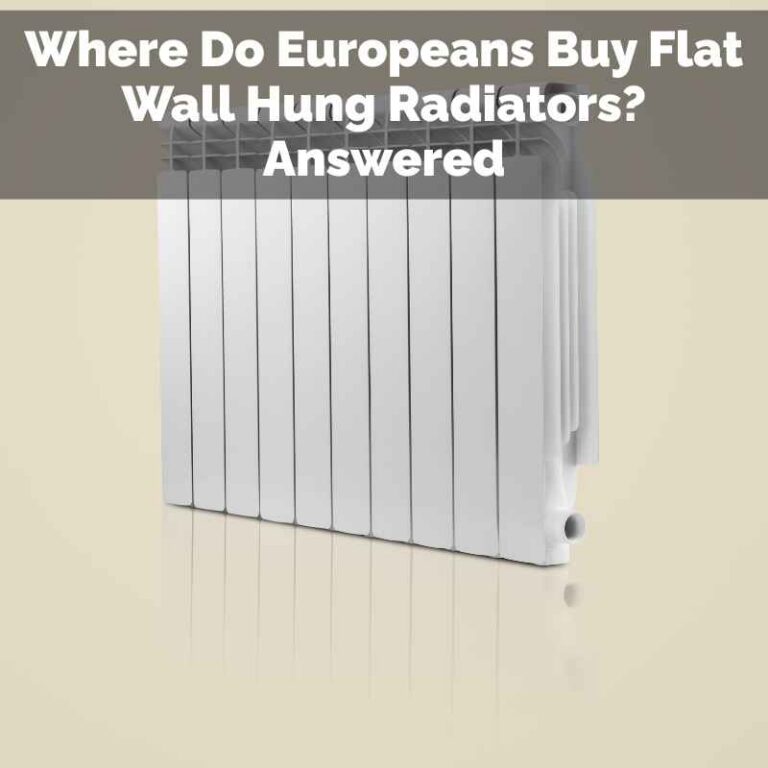
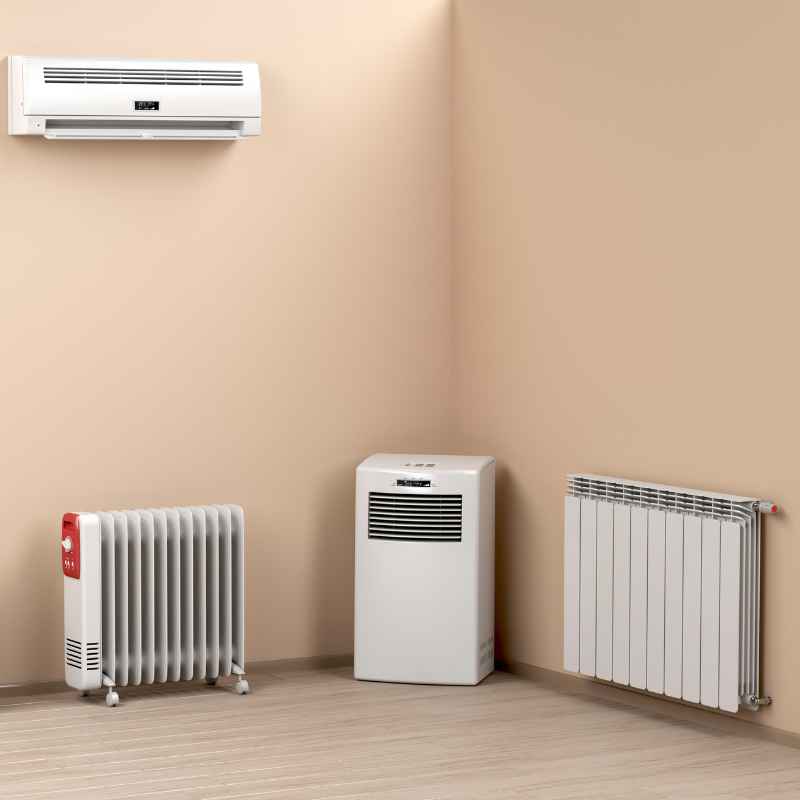
Electric wall panel heaters are slim, flat electric heaters. They usually mount on a wall. You can find them in many homes.
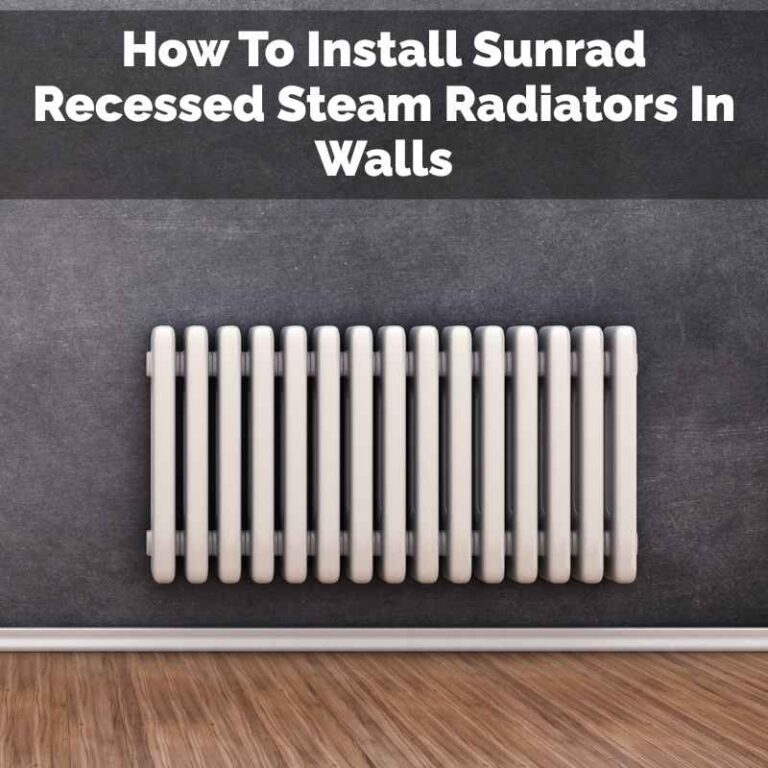
They look a lot like radiators but are much thinner. These heaters work by converting electricity into heat. This heat then warms the room.
They use different ways to give off warmth. Some use a heating element inside. This element gets hot.
Then, it heats the air around it. This warm air rises and fills the room. This is called convection.
Other types use radiant heat. They warm objects directly in front of them.
Think of them like a modern take on electric baseboard heaters. But they are designed to be more stylish and less intrusive. They often have simple controls.
You can set a temperature. The heater then works to keep that temperature steady.
How Do They Work to Heat a Space?
Electric wall panel heaters work in a few simple ways. The most common type uses convection. Inside the panel, there’s an electric heating element.
This element gets very hot when electricity flows through it. The air near the element gets warm. This warm air is lighter.
So, it starts to rise. It moves up and out of the top of the heater.
As the warm air goes up, it pushes cooler air down. This cooler air then gets drawn into the bottom of the heater. It gets heated by the element.
This creates a constant cycle. It’s like a gentle, steady flow of warm air moving around the room. This helps to warm the entire space evenly.
Some panel heaters also use radiant heat. They have a surface that gets hot. This surface then sends out heat waves.
These waves travel in a straight line. They warm anything they touch. This includes people, furniture, and walls.
This type of heat feels warm very quickly. It’s like standing in the sun.
Most modern electric wall panel heaters use a combination of these methods. They aim to heat a room efficiently. They often have thermostats built-in.
This helps to control the heat output. It also prevents them from running all the time. This saves energy.
My Own Experience with a Stubbornly Cold Room
I remember a time when my upstairs spare bedroom was always a little too chilly. It had an old, drafty window. The main heating system in our house just didn’t seem to reach it well.
I tried turning up the thermostat, but it just made the rest of the house feel like a sauna. I was tired of putting on extra sweaters just to sit in there.
I looked into different heating options. I didn’t want to install a whole new system. That seemed like too much work and expense.
I saw these slim electric wall panel heaters. They looked so clean and simple. I thought, “Maybe this could be the answer.” I picked one that was the right size for the room.
Installing it was easy. I just mounted it on the wall. Plugged it in.
Set the thermostat. The first time I turned it on, I was a little skeptical. But within about 20 minutes, the room started to feel noticeably warmer.
It wasn’t just a stuffy heat. It was a gentle, comfortable warmth. The best part was being able to set a specific temperature for that room.
It didn’t make the rest of the house hotter.
It wasn’t a miracle cure. On the absolute coldest days, I might still need to boost it a little. But for the most part, it made that room usable and cozy.
It was a huge improvement. And I felt like I was only using energy when that room needed it. That was a big relief for my energy bill concerns.
Panel Heater vs. Other Electric Heaters
Electric Wall Panel Heaters
- Style: Sleek, slim, modern design.
- Placement: Wall-mounted, saves floor space.
- Heat Type: Often convection with some radiant.
- Control: Usually built-in thermostat.
- Best For: Supplemental heat, secondary rooms, quick warm-ups.
Electric Baseboard Heaters
- Style: Bulkier, runs along the floor.
- Placement: Along the base of walls.
- Heat Type: Primarily convection.
- Control: Can be manual or have thermostats.
- Best For: Whole-home heating in some older homes, less aesthetic focus.
Electric Fan Heaters (Space Heaters)
- Style: Portable, often compact.
- Placement: Floor standing, can be moved.
- Heat Type: Forced convection (fan blows hot air).
- Control: Varies widely, often manual.
- Best For: Quick heating of small areas, temporary use.
Are They Truly Energy Efficient? Let’s Break It Down
This is the million-dollar question, right? The simple answer is: yes, they can be energy efficient. But it’s not as simple as saying “all electric heaters are bad” or “all are great.” It really depends on a few things.
First, all electric resistance heaters convert almost 100% of the electricity they use into heat. So, in that sense, they are very efficient at turning watts into warmth. The key isn’t how much heat they make from electricity.
It’s how much heat you need and how much it costs to get that heat.
Efficiency here means not wasting energy. Electric panel heaters are good at this in a few ways. They are often used for supplemental heating.
This means they warm a specific room or area. You don’t have to run your whole house’s furnace if you only want to warm your office for a few hours. This targeted approach saves energy.
Also, many have good thermostats. This means they turn on and off as needed. They don’t just blast heat constantly.
This prevents overheating. It also stops energy waste. They are often put in rooms that are harder to heat.
This can make the whole house more comfortable. It stops you from overworking your main heating system.
However, electricity itself can be an expensive way to produce heat compared to other sources. In areas where electricity prices are very high, running an electric heater for a long time can still add up. They are often less efficient for whole-house heating than a natural gas furnace, for example.
This is because gas is often cheaper per unit of heat.
So, if you need to heat your entire home all winter, an electric panel heater for every room might not be the most cost-effective choice. But for topping up warmth in specific spots or in well-insulated spaces, they can be very efficient users of energy.
Energy Efficiency: The Good and The Not-So-Good
The Upsides
Precise Control: Built-in thermostats prevent overheating and wasted energy.
Zonal Heating: Heat only the rooms you use, saving energy.
Quick Warm-up: Good for bringing a cold room up to temperature fast.
No Heat Loss: Less heat lost in ducts compared to central systems.
The Downsides
Electricity Costs: Electricity can be more expensive per unit of heat.
Whole-House Heating: May not be the most cost-effective for large homes all winter.
Insulation is Key: Less efficient in poorly insulated or drafty homes.
Factors That Impact Their Energy Use
When we talk about how much energy your electric wall panel heater uses, a few things really matter. It’s not just the heater itself. It’s also how and where you use it.
Understanding these factors helps you get the most bang for your buck and the least amount of energy waste.
First and foremost is your home’s insulation. If your walls, attic, and floors are well-insulated, your home will hold onto heat much better. This means the heater won’t have to work as hard or as often to keep the room warm.
A drafty house is like trying to fill a bucket with holes. The heat just escapes.
Next is how you use the thermostat. If you set it too high, it will run a lot. If you have a smart thermostat or can program it, you can set it lower when you’re away or sleeping.
This makes a big difference. Turning it down by just a few degrees can save a lot of energy over time.
Then there’s the size of the room. A tiny heater in a big room will struggle. It will run constantly and still not make it warm enough.
A heater that’s too big for a small room might cycle on and off too much, which isn’t always the most efficient. It’s about finding the right match.
The climate you live in also plays a big role. If you live somewhere with very mild winters, a panel heater might be all you need. If you live in a place with harsh, freezing winters, it might just be a supplement to your main heating.
You’ll use it more in colder climates.
Finally, electricity prices in your area are critical. Some states or regions have much cheaper electricity than others. Even if a heater is technically “efficient,” if the electricity it uses is very expensive, your bills will still be high.
It’s always good to know your local rates.
Quick Check for Your Home
Insulation Score: (Self-assess)
- Good: Feels consistently warm, few drafts, modern windows.
- Fair: Some drafts, older windows, temperature varies.
- Poor: Noticeable drafts, cold spots, old insulation.
Thermostat Habits:
- Smart: Programmed for lower temps when away/sleeping.
- Manual: Adjusted as needed, sometimes forgotten.
- Constant: Left on high most of the time.
Real-World Costs: Panel Heaters vs. Other Options
Let’s talk about the actual money. How do these panel heaters stack up against other ways to heat your home? This is where things get interesting, and sometimes a little complicated.
When we compare electric panel heaters to natural gas furnaces, the gas furnace is often cheaper to run. Natural gas typically costs less per British Thermal Unit (BTU) of heat than electricity. So, for heating an entire house, a gas furnace is usually the more economical choice.
This is especially true in colder regions.
However, electric panel heaters shine when used for specific purposes. Imagine you have a basement room that’s always cold. Installing a gas line and a furnace vent down there might be very expensive.
An electric panel heater is much cheaper to buy and install. Even if its running cost per hour is higher than gas, you might only use it for a few hours a day.
Let’s look at an example. Heating a 150-square-foot room for 6 hours a day. A typical 1500-watt electric heater uses 1.5 kilowatts (kW) per hour.
If electricity costs $0.15 per kWh, that’s 1.5 kW 6 hours $0.15/kWh = $1.35 per day. Over a month, that’s about $40.50.
Now, compare that to a small, efficient gas heater. If gas is cheaper per BTU, say $0.05 per kWh equivalent, the same amount of heat might cost only $0.45 per day, or about $13.50 a month. That’s a big difference.
But what about another electric option, like a portable fan heater? These use a similar amount of electricity. They can be noisy and might not heat a space as evenly.
Electric radiators are also an option. They are often bulkier and slower to heat up than panel heaters.
The key takeaway here is understanding the application. For topping up heat in a single room, a well-controlled electric panel heater can be a cost-effective solution, especially when you consider installation costs compared to extending a gas line.
Cost Comparison Snapshot (Estimated Monthly for 1 Room)
This is a simplified example. Actual costs vary greatly by location and usage.
| Heating Type | Installation Cost (Est.) | Running Cost (Est. Per Month) | Best For |
|---|---|---|---|
| Electric Panel Heater | $100 – $400 | $30 – $80 | Supplemental heat, small rooms, adding zones |
| Natural Gas Furnace | $4,000 – $10,000+ | $50 – $150+ (whole house) | Whole-house heating in most climates |
| Portable Electric Space Heater | $30 – $100 | $30 – $80 | Quick heating of very small, occupied areas |
The Role of Insulation and Draft-Proofing
You can have the best heater in the world, but if your house is leaking heat like a sieve, it won’t matter. This is where insulation and draft-proofing become super important. They are the unsung heroes of energy efficiency.
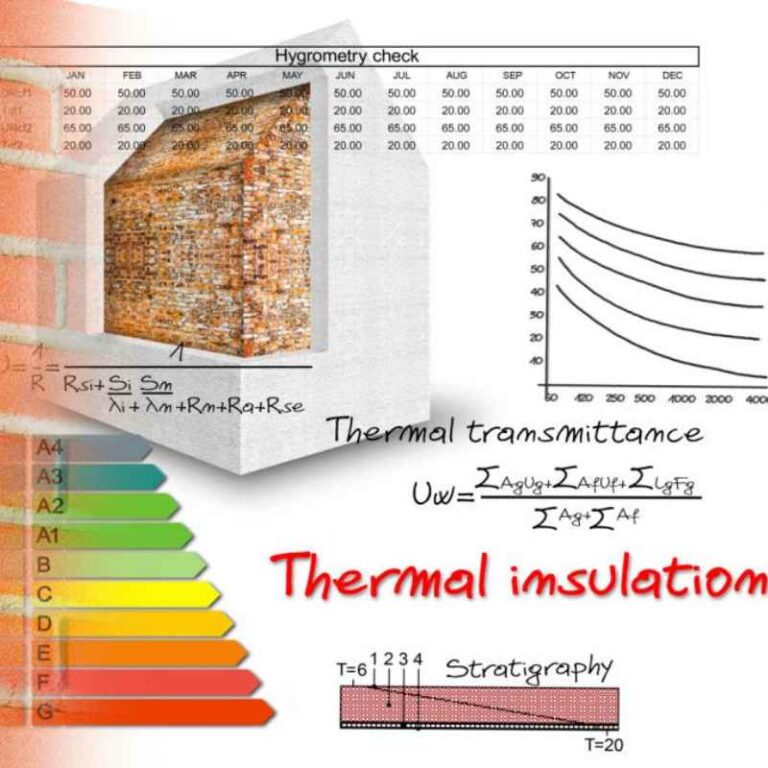
Think of insulation as a cozy blanket for your house. It slows down heat transfer. So, in winter, it keeps the warm air inside.
In summer, it keeps the cool air inside. Good insulation in your walls, attic, and crawl spaces is crucial. It means your electric panel heater (or any heater) doesn’t have to work as hard to replace the heat that’s escaping.
Draft-proofing is about stopping those little leaks where cold air gets in and warm air gets out. Common culprits are around windows and doors. You can use caulk or weatherstripping to seal them up.
Check for gaps around pipes or electrical outlets too. Even a small draft can make a noticeable difference in comfort and energy use.
When your home is well-insulated and draft-free, an electric panel heater can be incredibly effective. It can maintain a comfortable temperature with less energy. It means you’re not paying to heat the outside air.
You’re heating your actual living space. This makes a big impact on your energy bills and your overall comfort.
If you’re considering panel heaters, or any heating system, take a look at your home’s insulation and check for drafts first. It’s often the most cost-effective way to improve energy efficiency. Before you buy new heaters, consider this simple step.
It might save you money in the long run.
When Are Electric Wall Panel Heaters a Smart Choice?
So, when does it actually make sense to go for electric wall panel heaters? They aren’t a one-size-fits-all solution. But in certain situations, they are a really smart choice for homeowners.
One of the best times is for supplemental heating. This is when your main heating system is okay, but there’s one or two rooms that are just never quite warm enough. Think of a home office that gets cold in the afternoon, or a bedroom that’s always a bit drafty.
A panel heater can boost the warmth there without making the whole house too hot.
They are also great for rooms you don’t use all the time. If you have a guest room that’s only occupied a few times a year, heating it constantly might be a waste. You can keep it cooler and just turn on the panel heater when guests arrive.
This way, you only use energy when needed.
Newer, well-insulated homes can also benefit. Modern homes are built to be much more airtight and insulated. This means they require less energy to heat.
In these homes, electric panel heaters can be very effective at maintaining a consistent, comfortable temperature.
They are also a good option for people who want simple zone control. If you want to set different temperatures in different rooms, panel heaters make that easy. You can have a cooler living room and a warmer bedroom, all managed independently.
Finally, consider them if installation cost is a major factor. Installing a central heating system or extending gas lines can be very expensive. Panel heaters are relatively inexpensive to purchase and easy to install.
This makes them a good choice for budget-conscious renovations or for adding heat to spaces where other options are impractical.
Smart Use Scenarios
Scenario 1: The Home Office
Problem: The office is cold when working from home. Main heat is on, but it’s not enough.
Solution: Install a panel heater. Set it to a comfortable 70°F. It warms the office without over-heating the rest of the house.
Scenario 2: The Guest Room
Problem: The guest room is rarely used and kept cool to save energy.
Solution: Set the panel heater to a low 55°F. Turn it up to 70°F a few hours before guests arrive.
Scenario 3: The Drafty Sunroom
Problem: The sunroom is beautiful but too cold to use in winter.
Solution: A panel heater provides targeted warmth. Ensure windows are well-sealed first!
When Might They Not Be the Best Fit?
While electric wall panel heaters have their strengths, they aren’t the perfect fit for every situation. It’s just as important to know when they might not be your best bet. This helps you avoid costly mistakes and disappointment.
The biggest drawback is for whole-house heating in very cold climates. If you live somewhere with long, bitter winters, relying solely on electric panel heaters for every room can lead to very high electricity bills. Natural gas, propane, or even heat pumps are often more cost-effective for primary heating in these areas.
They are also less ideal for poorly insulated homes. If your house has old, crumbling insulation or significant drafts, the heater will run almost constantly trying to keep up. You’ll end up wasting a lot of electricity.
It’s like trying to fill a leaky bathtub.
If you need very rapid, high-heat output for a large area, a convection panel heater might not be fast enough. Some other electric heaters, like fan-forced ones, can blast hot air more quickly. But they can also be noisy and dry out the air.
Also, consider the aesthetic. While sleek, they are still visible on your wall. If you have a very minimalist design or prefer hidden heating, they might not fit your style.
Some people prefer baseboard heaters or in-floor heating systems that are less noticeable.
Finally, if your electricity rates are extremely high, even efficient use might be costly. It’s always worth comparing the price of electricity to other fuel sources in your specific region before making a decision.
Quick Checks You Can Do at Home
Before you decide on any heating solution, including electric wall panel heaters, it’s wise to do a few simple checks. These can give you a clearer picture of your home’s needs and potential efficiency.
1. Feel for Drafts: On a cool day, walk around your home. Hold your hand near windows, doors, electrical outlets, and where pipes enter the house.
Can you feel cold air coming in? If so, draft-proofing is a good first step. Use caulk or weatherstripping to seal these leaks.
2. Check Your Insulation: Go into your attic. Can you see the insulation?
Is it evenly spread? Is it deep enough? Many older homes have insufficient attic insulation.
Adding more can make a huge difference in how well your home holds heat.
3. Room Temperature Consistency: Do some rooms feel much colder than others, even when the main heat is on? This could mean your ductwork needs checking (if you have central heat) or that room just needs supplemental heat.
Use a thermometer to measure temperatures in different rooms.
4. Your Electricity Bill: Look at your past electricity bills. How much do you pay per kilowatt-hour (kWh)?
Knowing this rate is essential for calculating running costs of any electric heater. Compare it to local natural gas prices if that’s an option.
5. Heating Needs Assessment: Think about how you actually use your home. Which rooms do you spend the most time in?
Which rooms only need to be warm occasionally? This helps you decide if you need whole-house heat or just spot heating.
Your Home’s Heating Scorecard
Draft Check:
- Score 1 (Bad): Many drafts felt.
- Score 2 (Okay): A few drafts noticed.
- Score 3 (Good): No drafts felt.
Insulation Check:
- Score 1 (Bad): Barely any insulation in attic.
- Score 2 (Okay): Some insulation, but thin.
- Score 3 (Good): Thick, even insulation covering attic floor.
Temperature Evenness:
- Score 1 (Bad): 10°F+ difference between rooms.
- Score 2 (Okay): 5-10°F difference.
- Score 3 (Good): Less than 5°F difference.
Overall Score = Draft Score + Insulation Score + Temperature Score
- 10-9 Points: Excellent. Panel heaters can be very efficient.
- 8-6 Points: Fair. Address drafts and insulation for best results.
- 5-3 Points: Poor. Focus on sealing and insulating before relying on panel heaters.
Frequently Asked Questions
Are electric wall panel heaters expensive to run?
They can be more expensive to run than gas heating for whole-house warmth. However, their running cost depends on your electricity prices and how you use them. For supplemental heat in a single room, they can be quite cost-effective because you only use energy when and where you need it.
Do electric panel heaters dry out the air?
Electric heaters, including panel heaters, can sometimes lower humidity levels. This is because warm air can hold more moisture. They don’t actively remove moisture like a dehumidifier.
If you find the air dry, using a humidifier can help. Good ventilation also plays a role.
How long do electric wall panel heaters last?
With proper care and maintenance, most electric wall panel heaters can last for 10 to 15 years. They have fewer moving parts than other heating systems, which can contribute to their longevity. Cleaning them occasionally to remove dust buildup is a good practice.
Can I install an electric wall panel heater myself?
Yes, many electric wall panel heaters are designed for DIY installation. They usually involve mounting the unit to the wall and plugging it into a standard electrical outlet. Always follow the manufacturer’s instructions carefully.
If you’re unsure or dealing with complex wiring, it’s best to hire an electrician.
Are panel heaters safe for use around children or pets?
Most modern electric wall panel heaters have safety features. These include tip-over protection and overheat protection. Some models also have cooler-touch surfaces.
However, it’s always important to supervise children and pets around any heating appliance. Ensure they don’t block vents or touch hot surfaces.
What is the difference between radiant and convection panel heaters?
Convection heaters warm the air, which then circulates around the room. Radiant heaters warm objects and people directly with infrared waves. Many panel heaters use a mix of both.
Convection provides more even, whole-room heating, while radiant offers quick, direct warmth.
Conclusion: Smart Heating for Smart Homes
Electric wall panel heaters are a viable and often efficient option for heating. They shine as supplemental heat sources. They are great for specific rooms or for homes that are already well-insulated.
Their ease of use and targeted heating can save energy and money. But they aren’t a magic bullet for all heating needs. Always consider your home’s insulation, your climate, and your local energy costs.
Used wisely, these heaters can be a smart part of your home’s comfort system.
Sponsored / affiliate links. As an Amazon Associate I earn from qualifying purchases. I may earn additional commission from eligible campaigns.