Prefinished Vs Unfinished Hardwood Floors
Choosing the right hardwood floor can feel like a puzzle. You see beautiful wood in homes, but then you hear terms like “prefinished” and “unfinished.” What do they really mean for you and your home? It’s totally normal to feel a bit lost.
We all want our homes to look great, and the floors are a big part of that. Let’s break down these two types so you can pick what’s best.
Prefinished hardwood floors come with a factory-applied finish. Unfinished floors are raw wood planks. You need to sand and finish them after installation.
Prefinished is quicker to install and offers durability. Unfinished gives total design freedom but takes more time and labor.
Understanding Prefinished Hardwood Floors
Prefinished hardwood floors are like ready-to-eat meals. They arrive at your home already sanded, stained, and sealed. The factory does all the hard work.
This means they have a protective coating applied in a controlled environment. This coating is usually very tough and durable.
Think of it as a super-strong shield. This shield protects the wood from everyday wear and tear. It’s designed to last for many years.
The finish often includes multiple layers of aluminum oxide. This is what makes them so resistant to scratches and scuffs. You’ll see a lot of sheen on these floors, from matte to high gloss.
The colors and styles are already set. You pick the look you want before it even gets to your house. This makes shopping for them much simpler.
You know exactly what you are getting.
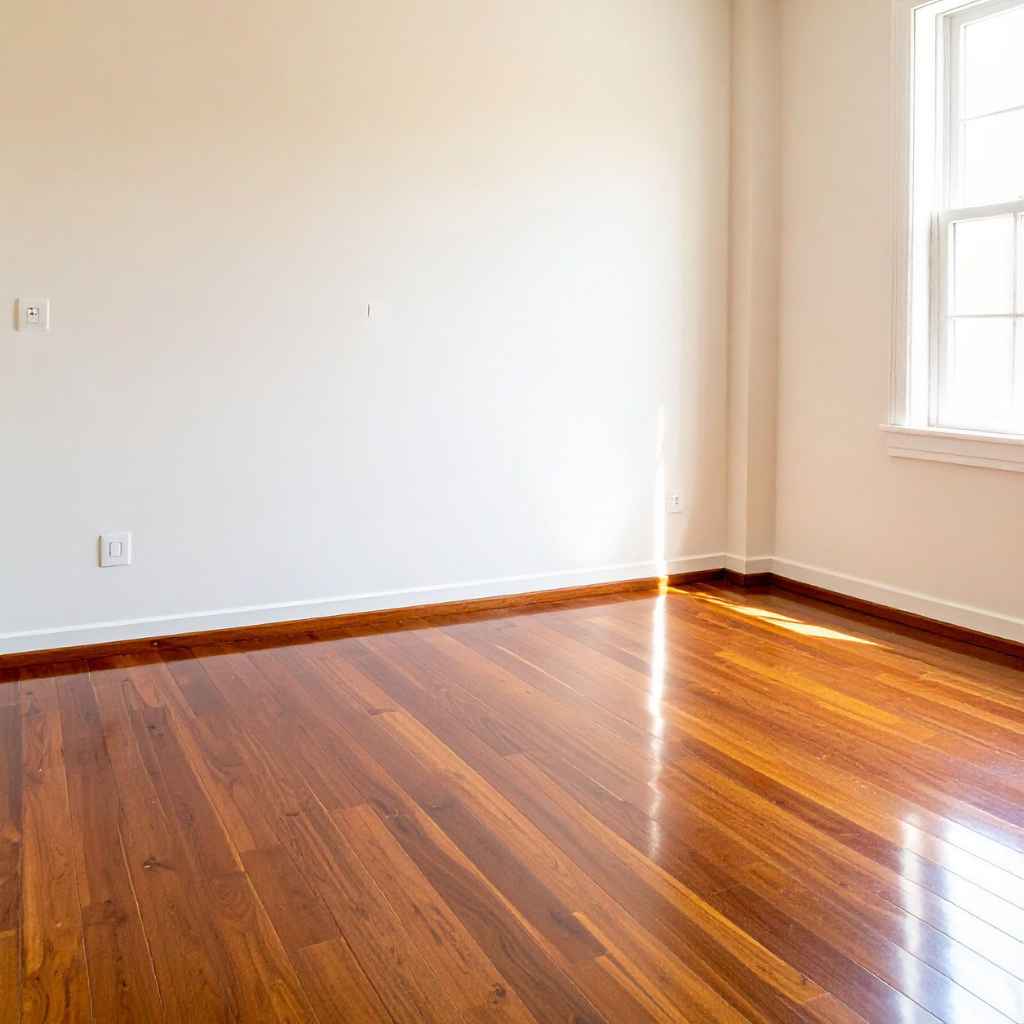
How Prefinished Floors Are Made
The process starts with raw hardwood planks. These planks are carefully selected. Then, they go through machines that sand them perfectly smooth.
After sanding, they are stained if a color is desired. Finally, multiple coats of a protective finish are applied. This is done using special equipment in a factory.
They often use UV curing to harden the finish quickly.
This factory setting is key. It means the finish is applied evenly and thoroughly. There are no dust particles or humidity changes to mess it up.
This results in a very consistent and high-quality seal. The edges of the planks might be slightly beveled. This helps hide small gaps that can appear after installation.
Pros of Prefinished Hardwood
There are several great reasons people choose prefinished floors. One of the biggest is speed. Installation is much faster.
Since the floors are ready to go, you can often walk on them right away. This means less disruption to your home life.
Another big plus is durability. The factory finish is often harder and more consistent than what can be applied on-site. This makes them great for busy homes with kids and pets.
They can handle more abuse without showing it. You won’t have to worry as much about spills or dropped items causing damage.
You also get a predictable outcome. The color and finish you see in the showroom is exactly what you’ll get. There are no surprises.
This makes planning your home’s look much easier.
Here’s a quick look at the advantages:
- Faster Installation: Less mess and quicker completion time.
- Enhanced Durability: Factory finish is tough and long-lasting.
- Consistent Finish: Even color and sheen across the entire floor.
- Less Dust: No on-site sanding means less airborne dust.
- Immediate Use: Often ready to walk on right after installation.
- Wide Variety: Many colors, species, and styles available.
Cons of Prefinished Hardwood
While prefinished floors are popular, they have some downsides. The most obvious is the look. Some people feel they look a bit too perfect.
The factory finish can sometimes appear “plastic-like” compared to a hand-scraped or site-finished floor. You might see a slight, uniform gap between planks.
Repairing them can also be tricky. If a plank gets deeply scratched or damaged, it’s hard to fix it without replacing the whole plank. You can’t just sand down the damaged spot and reapply a finish.
The entire plank needs to be swapped out. This can be a costly and time-consuming repair.
Customization is limited. You are stuck with the color and finish you choose. If you decide later you want a different look, you’d have to refinish the entire floor, which defeats the purpose.
Here are some potential drawbacks:
- Less Natural Look: Some find the uniform finish less appealing.
- Repair Challenges: Difficult to spot-repair deep damage.
- Limited Customization: You can’t change the color or finish later.
- Potential for Gaps: Micro-bevels can sometimes make dirt trap easier.
Understanding Unfinished Hardwood Floors
Unfinished hardwood floors are the opposite of prefinished. They are raw wood. They come to your home completely bare.
There is no stain, no seal, and no color. It’s like a blank canvas for your floors. This means you have complete control over the final look.
This type of flooring requires a skilled installer. After the wood is laid down, it needs to be sanded. This sanding removes any imperfections from the milling process.
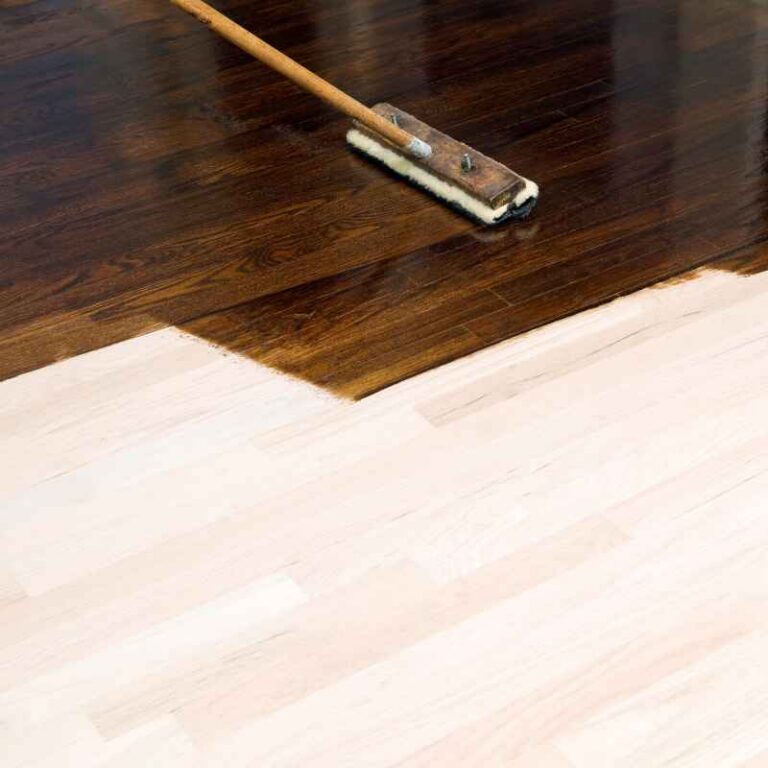
Then, it is stained to your chosen color. Finally, multiple coats of a protective finish are applied. This is all done right there in your home.
The advantage here is endless possibilities. You can choose any wood species. You can pick any stain color you can imagine.
You can even create custom blends. The finish can be anything from a matte look to a high gloss. You can even have it hand-scraped or distressed for a rustic feel.
How Unfinished Floors Are Installed and Finished
The process starts with delivery of the raw wood planks. These are usually acclimated to your home’s humidity for a few days. Then, they are installed.
The installer will nail or staple them down. Once all the planks are in place, the real magic begins.
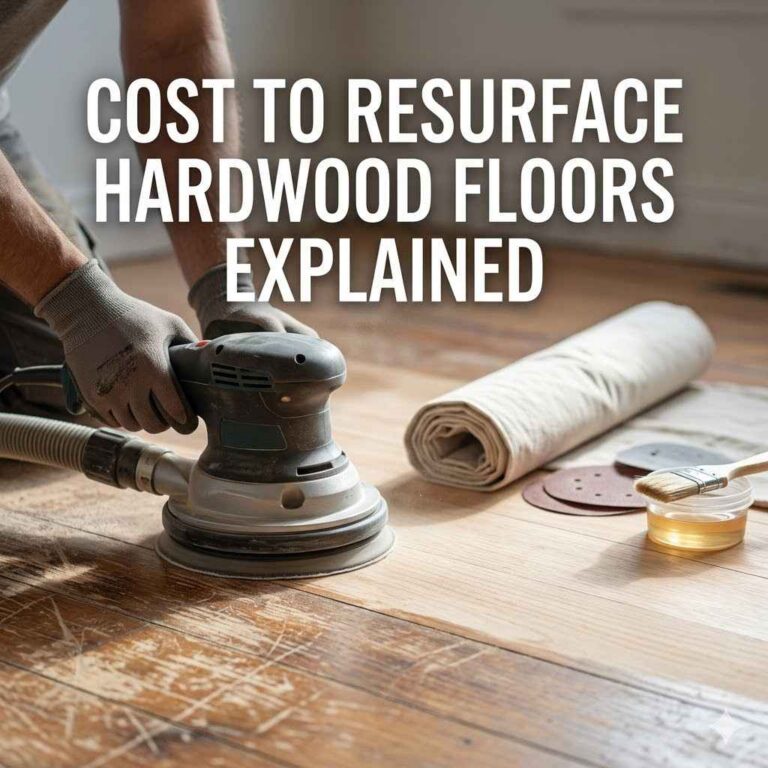
The installer uses powerful sanding machines. They start with a coarse grit sandpaper. They move to finer grits.
This makes the floor perfectly smooth and level. After sanding, they clean the floor very thoroughly. Any dust left behind will ruin the finish.
Next comes the stain. The installer applies the stain evenly. They might do a test patch first to make sure you like the color.
Once the stain is dry, it’s time for the protective finish. This is usually a polyurethane-based product. It’s applied in multiple coats.
Each coat needs to dry. Sometimes, the floor is lightly sanded between coats.
This multi-step process is what gives unfinished floors their unique charm. It allows for a truly custom look. It also results in a very smooth, seamless surface.
There are no beveled edges to worry about.
Pros of Unfinished Hardwood
The biggest draw of unfinished hardwood is customization. You can achieve any look you desire. Want a dark walnut color?
Easy. Prefer a light, natural oak? Done.
Want a distressed, antique look? It’s all possible. You are not limited by factory options.
Another advantage is the seamless finish. When done correctly, there are no visible seams or gaps. The surface is smooth and continuous.
This can make cleaning easier. It also contributes to a more luxurious feel.
Unfinished floors can also be refinished multiple times. Because they are sanded down to the raw wood each time, you can remove scratches and wear. This means an unfinished floor can potentially last much longer than a prefinished one.
It’s an investment that can be renewed.
Key benefits include:
- Total Customization: Choose any color, style, and finish.
- Seamless Appearance: A smooth, continuous surface with no visible gaps.
- Deep Repairs Possible: Can be sanded down to remove deep scratches.
- Longer Lifespan: Can be refinished multiple times over its life.
- Unique Character: Allows for hand-scraping and custom distressing.
Cons of Unfinished Hardwood
The primary drawback is the time and effort involved. Installation and finishing take much longer. It requires skilled professionals.
This means higher labor costs. The entire process can take several days to a week or more, depending on the size of the area.
There’s also more mess. Sanding creates a lot of dust. While professionals do their best to contain it, some dust is inevitable.
This can affect the air quality in your home during the process.
The final outcome depends heavily on the installer’s skill. If the sanding isn’t done right, or the stain is applied unevenly, the floor might look bad. You also can’t walk on the floor until the finish is fully cured, which can take several days.
Consider these potential downsides:
- Longer Installation Time: The entire process takes days or weeks.
- Higher Labor Costs: Skilled professionals are needed for sanding and finishing.
- Messy Process: Sanding creates significant dust.
- Dependent on Installer Skill: Quality relies on the craftsman.
- Drying Time: Cannot be used until the finish is fully cured.
- Site Finish Durability: May not be as durable as factory finishes initially.
Prefinished vs. Unfinished: A Quick Look
Prefinished: Factory-finished, quick install, durable, less customization, easier DIY.
Unfinished: Raw wood, needs sanding/staining/finishing on-site, total customization, seamless look, longer install, higher labor cost.
Cost Comparison: Prefinished vs. Unfinished
When it comes to cost, it’s not always a straightforward comparison. On the surface, unfinished hardwood planks might seem cheaper per square foot than prefinished ones. This is because you are not paying for the factory’s labor and finishing materials upfront.
However, you must factor in the cost of professional sanding, staining, and finishing. This labor can be quite expensive. Skilled craftsmen charge for their time and expertise.
You also have the cost of the stains and finishes themselves. These can add up, especially if you choose premium products.
The total cost for unfinished flooring installed and finished by a professional is often higher than prefinished flooring. Some estimates put unfinished flooring as 20-50% more expensive overall.
For prefinished flooring, the cost is mainly in the material itself. Installation is usually quicker and less labor-intensive. This can make the overall project cost lower, especially if you’re looking for a standard look.
DIY can change the equation. If you are very handy, you might be able to install prefinished flooring yourself. This saves on labor costs.
However, installing and finishing unfinished floors is a much more advanced DIY project. Most people would not attempt this.
Material Cost:
- Prefinished: Often higher per square foot for the wood itself.
- Unfinished: Often lower per square foot for the raw wood.
Labor & Finishing Cost:
- Prefinished: Lower labor for installation. No on-site finishing needed.
- Unfinished: Higher labor for installation, sanding, staining, and finishing.
Total Project Cost (General Estimate):
- Prefinished: Typically less expensive overall for a standard installation.
- Unfinished: Typically more expensive overall due to extensive labor and materials.
Cost Breakdown Example (Illustrative)
Let’s say you have a 500 sq ft room.
Prefinished:
- Material: $5 – $12 per sq ft = $2,500 – $6,000
- Installation: $3 – $7 per sq ft = $1,500 – $3,500
- Total: $4,000 – $9,500
Unfinished:
- Material: $4 – $8 per sq ft = $2,000 – $4,000
- Installation & Finishing: $7 – $15 per sq ft = $3,500 – $7,500
- Total: $5,500 – $11,500
Note: These are estimates and can vary greatly based on wood species, location, and installer rates.
Installation Process and Time
The installation process is a major difference. For prefinished hardwood, installation is often faster. Planks are typically nailed, stapled, or glued down.
Some can even be floated over an underlayment. This means less downtime for your home. You can usually start using the room shortly after the work is done.
I remember a project where we installed prefinished floors in a living room and dining room. The whole job, including moving furniture, took about two days. The family was thrilled they could put their couches back the next morning.
This speed is a huge benefit for busy households.
Unfinished hardwood installation is a multi-stage process. First, the raw planks are installed. Then, the sanding begins.
This involves several passes with different grit sandpaper. Then, the stain is applied and allowed to dry. Finally, multiple coats of finish are applied.
Each coat needs drying time. There’s also a light sanding between coats.
This whole process can take anywhere from 3 to 7 days for a single room. Sometimes longer for larger areas or complex stains. And remember, you can’t put furniture back or walk on the floor without shoes for several days after the final coat is applied.
The finish needs to fully cure.
Prefinished Installation:
- Duration: 1-3 days for most rooms.
- Process: Laying planks, fast completion.
- Ready to Use: Usually within 24 hours.
- Mess Level: Minimal dust, no sanding required.
Unfinished Installation & Finishing:
- Duration: 3-7+ days for most rooms.
- Process: Install planks, sand, stain, multiple finish coats.
- Ready to Use: Several days to a week after finishing for full cure.
- Mess Level: Significant dust from sanding.
Durability and Maintenance
When it comes to durability, prefinished floors often have an edge, especially right after installation. The factory finish, with its aluminum oxide content, is incredibly hard. It’s designed to resist scratches and wear from everyday life.
This makes them a popular choice for homes with children and pets.
The maintenance for prefinished floors is generally straightforward. Regular sweeping or vacuuming is key. You can damp mop them with a wood floor cleaner.
You need to avoid harsh chemicals or excessive water. Because the finish is so tough, they hold up well to this regular care.
Unfinished floors, once finished on-site, can be very durable too. The quality of the stain and finish applied matters a lot. A high-quality polyurethane finish can be just as tough as a factory finish.
However, the initial application might not be as uniform. Small imperfections in the finish can become weak spots over time.
The advantage of unfinished floors is their ability to be renewed. If scratches or heavy wear appear, the floor can be sanded down and refinished. This is like giving the floor a new life.
This means an unfinished floor can potentially last generations, while a prefinished floor might need replacement sooner if it becomes too worn.
Maintenance for a newly finished unfinished floor is similar to prefinished: sweep, vacuum, and damp mop. However, you must be careful for the first week or two as the finish fully cures. Avoid dragging furniture or wearing hard-soled shoes.
Maintenance Tips for Both Types
- Regular Cleaning: Sweep or vacuum daily to remove grit.
- Damp Mopping: Use a wood-floor specific cleaner. Avoid excess water.
- Protect Furniture: Use felt pads on furniture legs.
- Wipe Spills Quickly: Don’t let liquids sit on the wood.
- Avoid Harsh Chemicals: Ammonia, abrasive cleaners can damage finish.
- Use Area Rugs: Place rugs in high-traffic areas and entryways.
Appearance and Aesthetic Choices
This is where the two types really diverge. Prefinished floors offer a wide array of choices, but they are pre-set. You can get wide planks or narrow ones.
You can find smooth finishes or slightly textured ones. Colors range from very light to very dark, and you’ll see options like gray, white, or even painted finishes.
However, the finish itself is factory-applied. This means it’s very uniform. Some people love this clean, consistent look.
Others find it a bit too manufactured. You’ll often see a slight “micro-bevel” on the edges of prefinished planks. This is a tiny, angled edge.
It helps mask small height differences between planks.
Unfinished floors offer ultimate freedom. You can choose from nearly any wood species available. You can then select any stain color.
This allows for complete matching to your home’s decor. You can achieve a perfectly seamless look. There are no micro-bevels.
The floor looks like one solid surface.
This is also where you can achieve unique textures. Hand-scraping, wire-brushing, or distressing can be done on-site. This gives floors an antique, rustic, or custom feel that’s hard to replicate with prefinished options.
The final look is truly a reflection of your personal taste and the skill of your installer.
I once helped a client choose a very specific shade of gray stain for their unfinished floors. They wanted to match a vintage dresser. The installer worked with them, trying different stain combinations until it was perfect.
That level of personalization is a huge advantage of unfinished wood.
Style Focus: Prefinished vs. Unfinished
Prefinished:
- Look: Uniform, consistent color and sheen.
- Edges: Often has micro-bevels.
- Texture: Limited options, mostly smooth or slightly textured.
- Customization: Based on factory offerings.
Unfinished:
- Look: Seamless, can be customized to any color and tone.
- Edges: Flush-mounted, no visible gaps or bevels.
- Texture: Wide range of custom textures possible (hand-scraped, brushed).
- Customization: Almost limitless, based on installer skill and material choice.
Health and Environmental Considerations
When considering hardwood floors, it’s wise to think about what goes into them and what they release into your home. Prefinished floors have a factory finish. This finish contains various chemicals, including VOCs (Volatile Organic Compounds).
However, reputable manufacturers use low-VOC finishes. The curing process in the factory also helps reduce the final VOC off-gassing into your home.
The key is to look for certifications like GREENGUARD or FloorScore. These indicate that the product has been tested for low chemical emissions. The benefit of prefinished is that most of the off-gassing happens before it reaches your home.
Once installed, the emissions are generally very low.
Unfinished floors are raw wood. The wood itself is natural. However, the stains and finishes applied on-site can be a concern.
Many traditional polyurethane finishes contain high levels of VOCs. This can lead to poor indoor air quality during and after the finishing process. It takes time for these fumes to dissipate.
However, there are now many eco-friendly stain and finish options available. Water-based polyurethanes and natural oil finishes have much lower VOC content. If you choose unfinished floors, discussing low-VOC options with your installer is important.
This can significantly improve the indoor air quality.
Both types of floors, when properly maintained, can contribute to a healthier home environment. Hardwood doesn’t trap dust, allergens, or pet dander like carpets do. They are easier to keep clean.
Eco-Friendly Choices
For Prefinished:
- Look for GREENGUARD Gold or FloorScore certifications.
- Choose manufacturers with a commitment to sustainability.
For Unfinished:
- Opt for water-based polyurethanes or natural oil finishes.
- Inquire about low-VOC stains.
- Ensure good ventilation during the finishing process.
Which One is Right for Your Home?
Deciding between prefinished and unfinished hardwood floors depends on your priorities, budget, and lifestyle. There’s no single “better” option; it’s about finding the best fit for you.
Choose Prefinished if:
- You need a quick installation and want minimal disruption.
- You have a busy household with kids and pets and need high durability from day one.
- You prefer a consistent, factory-perfect look.
- Your budget is a bit tighter for the total project cost.
- You’re doing a DIY installation and need something more manageable.
Choose Unfinished if:
- You want a completely custom look that matches your specific style.
- You desire a seamless floor with no visible gaps or bevels.
- You plan to live in your home for a very long time and want the option to refinish it multiple times.
- You don’t mind a longer installation process and potential mess.
- Your budget allows for the higher labor costs associated with custom finishing.
I’ve seen homeowners choose prefinished floors for their speed and ease, and they are always happy with how quickly they can enjoy their new space. On the other hand, clients who choose unfinished floors often rave about the unique, high-end look they achieve. They feel it truly elevates their home.
Frequently Asked Questions About Hardwood Floors
Can I install prefinished hardwood floors myself?
Yes, many prefinished hardwood floors are designed for DIY installation. They often come with click-lock systems or can be glued or nailed down. Always check the manufacturer’s instructions.
How long does unfinished hardwood take to install and finish?
The process typically takes 3 to 7 days. This includes installation, sanding, staining, and multiple coats of finish, with drying time in between.
Is prefinished flooring less durable than unfinished?
Not necessarily. Prefinished floors have a very hard, factory-applied finish that is often more durable initially than site-applied finishes. Unfinished floors can be refinished multiple times, giving them a longer overall lifespan.
Can you match an old unfinished floor with new unfinished planks?
Yes, this is one of the biggest advantages of unfinished flooring. A skilled installer can stain new planks to closely match the color and sheen of existing floors.
What is the biggest advantage of prefinished hardwood?
The biggest advantage is the speed of installation and the immediate usability of the floor. It also offers a very durable finish right away.
What is the biggest advantage of unfinished hardwood?
The biggest advantage is the complete customization of the color, finish, and texture, allowing for a unique and seamless look.
Do prefinished floors show scratches more easily?
While the factory finish is very hard, deep scratches can be more noticeable because they can’t be easily buffed out. Unfinished floors can be sanded down to remove deeper scratches.
Conclusion
Choosing between prefinished and unfinished hardwood floors is a big decision. Both offer beautiful results for your home. Prefinished floors provide speed, durability, and ease.
Unfinished floors offer unparalleled customization and a seamless look. Consider your lifestyle, budget, and desired aesthetic. This will help you pick the perfect wood floor for your space.
Sponsored / affiliate links. As an Amazon Associate I earn from qualifying purchases. I may earn additional commission from eligible campaigns.