How to Clean Hardwood Floors Before Recoating
Clean hardwood floors with a vacuum, microfiber dust mop, and a damp microfiber cloth using a pH-neutral hardwood cleaner. If the surface stays dull, smooth, and residue-free on a white cloth, it is usually ready for screen-and-recoat. Skipping this step can trap wax, soap, or grit under the new finish, which can cause fish-eyes, dull patches, or weak adhesion. This guide shows how to clean, inspect, and decide whether the floor is ready for recoating or needs deeper prep.
What you’ll need
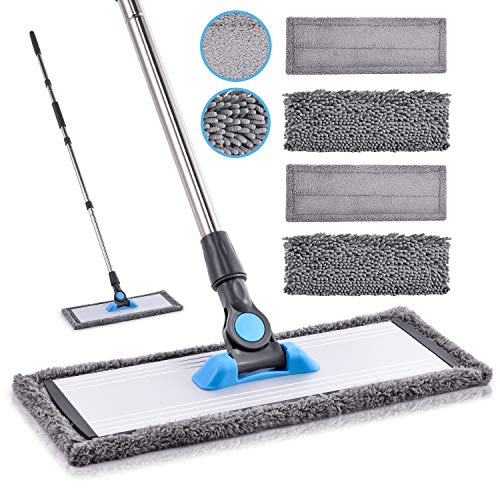
- Microfiber dust mop for dry pre-cleaning
- Vacuum with a hard-floor setting and the brush roll or beater bar turned off
- pH-neutral hardwood floor cleaner
- Microfiber mop or microfiber cloths
- Two clean buckets or spray bottles if the cleaner calls for dilution
- Soft towels for drying
- White cotton cloths for residue checks
- Wood floor repair kit or touch-up markers for visible scratches
- Fan or open windows for faster drying
Do you need to strip or screen first?
Start by identifying the finish. Polyurethane or another sealed finish is a common candidate for a screen-and-recoat, while waxed or penetrating oil floors usually need different prep and may need stripping before a new finish will bond well. If the floor has heavy residue, haze, or oil soap buildup, cleaning alone may not be enough.
Identify the finish type
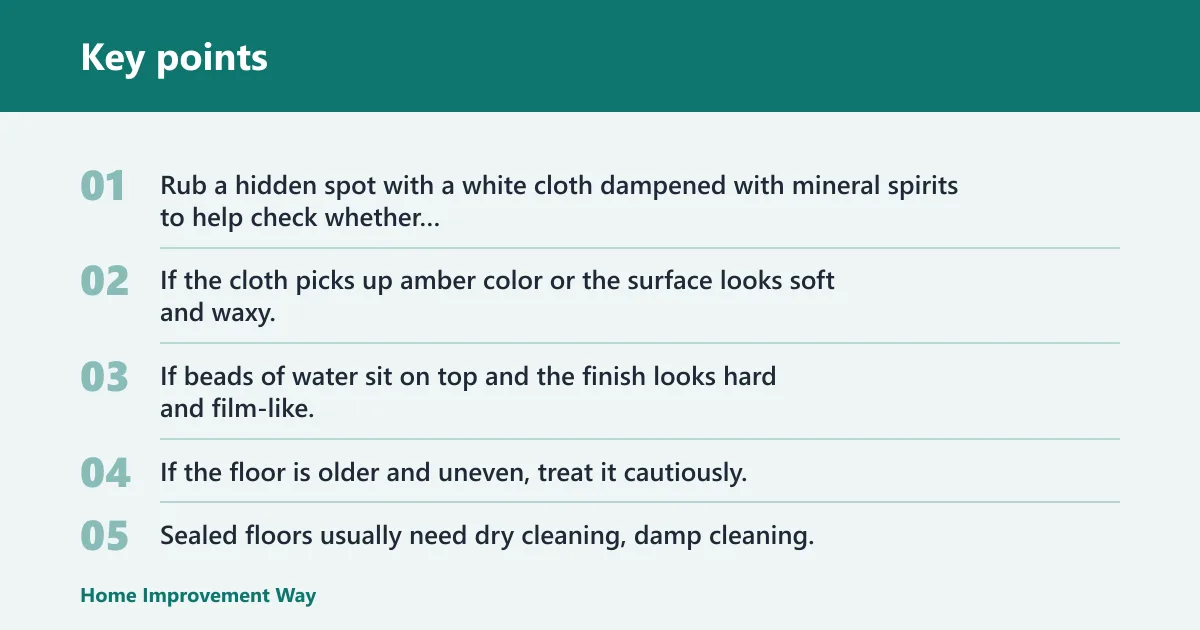
Rub a hidden spot with a white cloth dampened with mineral spirits to help check whether the floor may be waxed or oil-finished. If the cloth picks up amber color or the surface looks soft and waxy, the floor may be waxed or oil-finished. If beads of water sit on top and the finish looks hard and film-like, it is more likely polyurethane or a sealed finish. If the floor is older and uneven, treat it cautiously.
Use the finish type to choose the prep path
Sealed floors usually need dry cleaning, damp cleaning, and a residue check before recoating. Waxed or penetrating oil floors often need stripping or a different maintenance product, because new finish can fail to bond over wax, oil soap, or silicone. HomeServe warns that oil soap products can create major buildup and may need stripping before refinishing.
When buildup means cleaning alone is not enough
If the floor feels greasy, shows cloudy film after drying, or leaves a smear on a white cloth, stop and reassess. That is a strong sign of contamination. Cleaning is not the same as prep for recoating; the goal is a sound surface, not a shiny one.
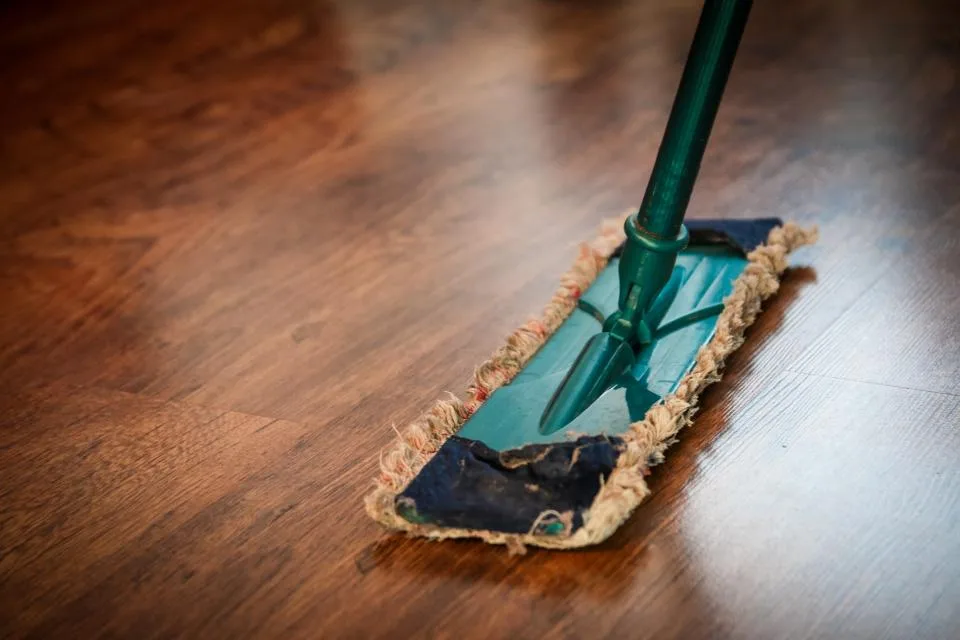
How do you clean hardwood floors before recoating?
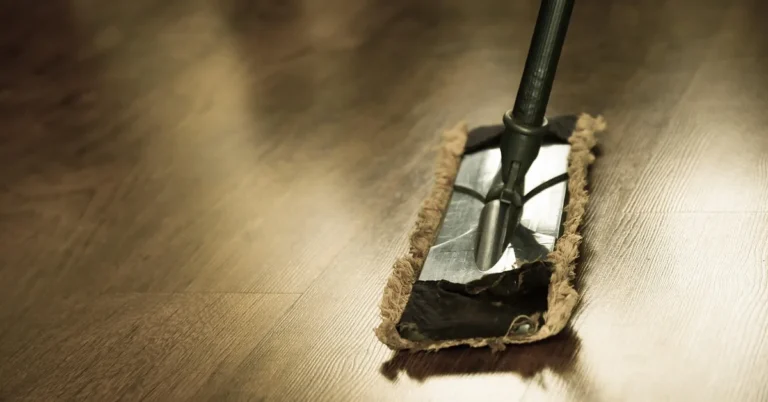
Use a dry microfiber dust mop first, then vacuum edges and corners with the hard-floor setting, and finish with a damp microfiber mop and a pH-neutral hardwood cleaner. Keep the mop damp, not wet. Work in small sections so you can see haze, sticky spots, or missed grit before you seal it in under a new coat.
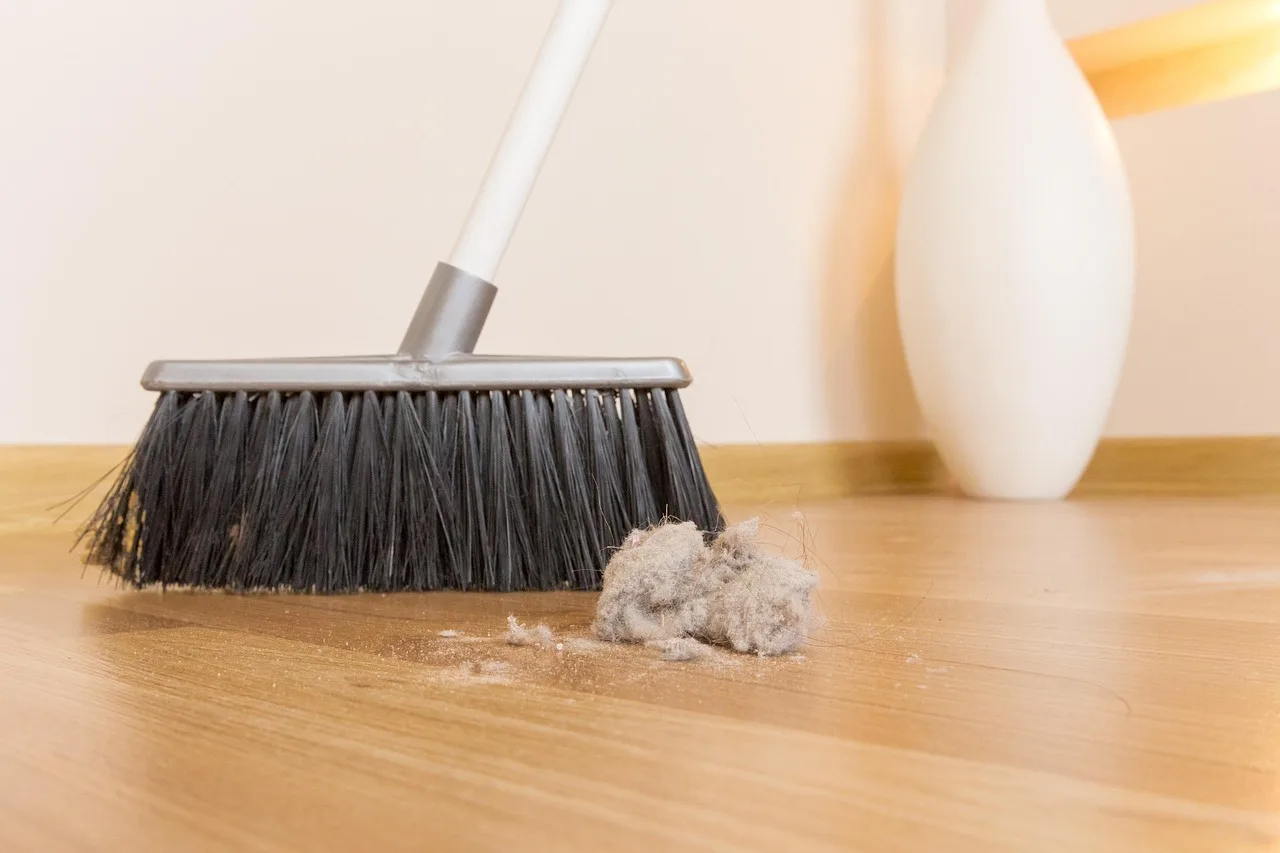
- Dry dust the floor with a microfiber dust mop.
- Vacuum along baseboards, corners, and between boards with the brush roll off.
- Dampen a microfiber mop with wood-safe cleaner, then wring it out well.
- Clean one small section at a time, following the grain.
- Dry each section immediately with a towel if any moisture remains.
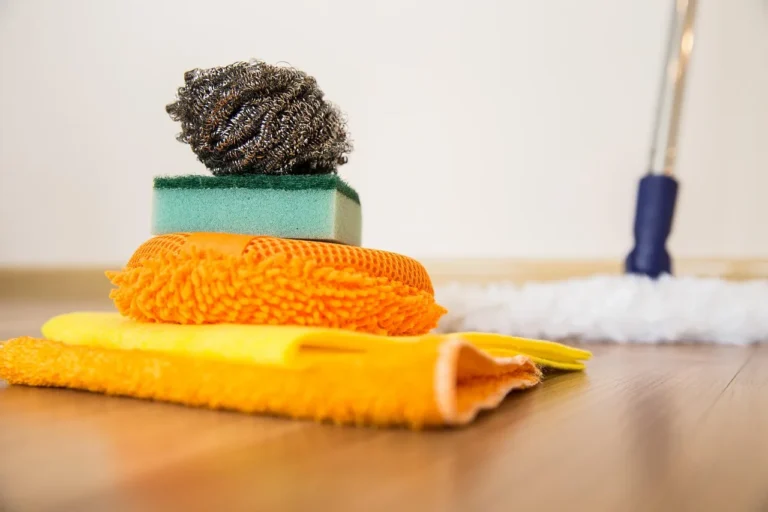
A dry microfiber dusting pad helps pick up dust, pet hair, and debris before wet cleaning. Architectural Digest says microfiber mops use about 20 times less liquid, which matters here because less liquid means less swelling risk and less chance of leaving streaks that interfere with adhesion.
Suppose a 12-by-14-foot living room has a gray film only near the sofa. Clean that area first, then check a white cloth. If it comes away clean but the floor still looks cloudy, the issue is likely residue, not loose dirt.
What should you use to clean hardwood floors before refinishing?
Use a pH-neutral hardwood floor cleaner and a microfiber mop before recoating. Homes & Gardens advises a damp, not drenched, mop on wood floors, and HomeServe warns against vinegar, bleach, ammonia, steam, and excessive water. Do not use all-purpose cleaner unless the label says it is safe for finished wood.
If the product label suggests a stronger dose for stubborn dirt, follow the manufacturer directions carefully. Homes & Gardens notes that the same concentrate may be diluted stronger, with a maximum ratio of 1:1. Use that only when the label allows it, and rinse the mop often so you are not spreading the same residue back across the floor.
How do you remove residue and haze?
Residue and haze are the most common reasons a recoating job fails. Look for cloudy film, sticky drag under your hand, or a white cloth that picks up gray, brown, or oily transfer after cleaning. If the floor still feels tacky after it dries, the finish is not ready for another coat.
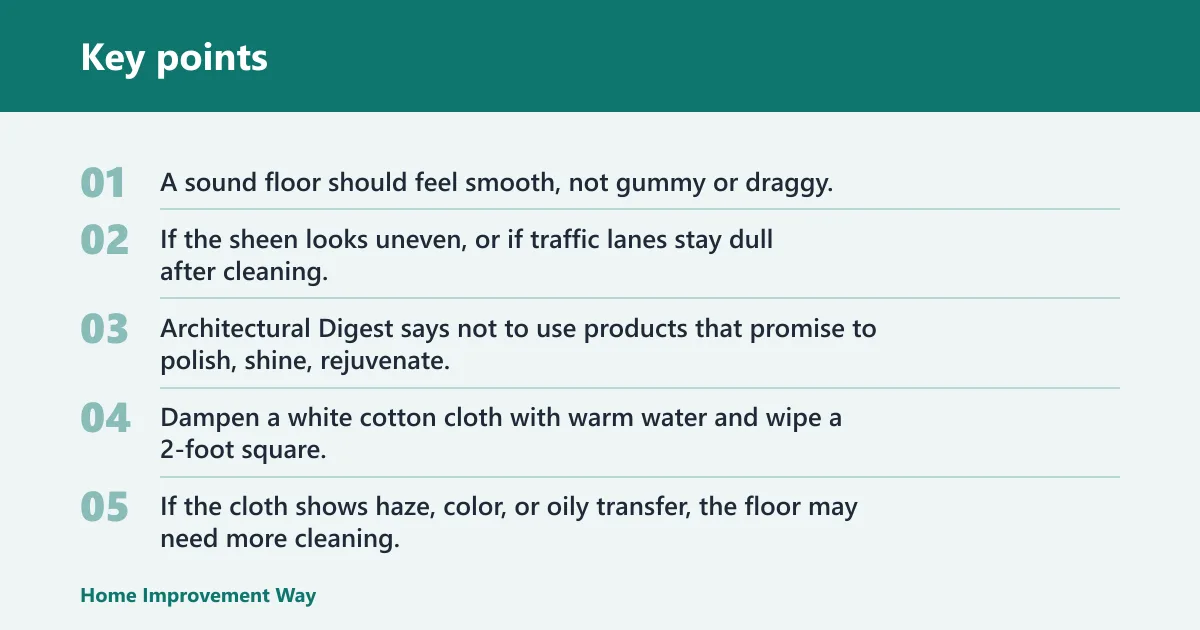
Check for tacky spots and cloudy film
Run your hand across a dry section. A sound floor should feel smooth, not gummy or draggy. If the sheen looks uneven, or if traffic lanes stay dull after cleaning, suspect buildup from wax, polish, oil soap, or the wrong cleaner. The same source says not to use products that promise to polish, shine, rejuvenate, or revitalize a wood floor.
Use a residue test to spot buildup
Dampen a white cotton cloth with warm water and wipe a 2-foot square. If the cloth shows haze, color, or oily transfer, the floor may need more cleaning, so stop and clean again with the correct wood-safe product. For stubborn dirt, a stronger cleaner mix may be acceptable only if the label allows it; otherwise the floor may need screening or stripping.
Dry the floor completely and recheck
After cleaning, dry every section with a towel and let the floor air out. Standing water must be avoided because it can swell the wood. If boards cup, darken, or feel cool and damp hours later, do not recoat yet. That moisture needs to be gone first.
Picture a hallway with pet urine staining near the baseboard. The surface can look clean after one pass, but odor, discoloration, or a sticky edge near the stain may still block adhesion. In that case, deeper prep is safer than sealing over the problem.
Hardwood recoating readiness checklist
Use this checklist after cleaning and before recoating. Every “No” is a warning sign. If more than one item fails, stop and strip or deep prep before adding finish.
| Check | Yes | No | Stop and strip vs proceed to screen and recoat |
|---|---|---|---|
| Finish type identified as polyurethane or sealed finish | ☐ | ☐ | Yes: proceed if other checks pass. No: stop and verify finish first. |
| No visible wax sheen or oily film | ☐ | ☐ | No: stop and strip or use finish-specific prep. |
| White cloth shows no residue after wipe test | ☐ | ☐ | No: clean again; if it persists, stop and strip. |
| No cloudy haze after drying | ☐ | ☐ | No: stop and remove buildup before recoating. |
| No tacky or sticky spots under hand | ☐ | ☐ | No: stop and investigate cleaner residue or wax. |
| No grit in corners, gaps, or along baseboards | ☐ | ☐ | No: vacuum again before screening. |
| No standing water after cleaning | ☐ | ☐ | No: dry immediately and wait before recoating. |
| Boards are flat, not cupped or swollen | ☐ | ☐ | No: stop and let moisture resolve. |
| No active scratches that will show through the new coat | ☐ | ☐ | No: touch up or repair before recoating. |
| Touch-up marker or repair kit tested in a hidden spot | ☐ | ☐ | No: test first, then decide. |
| No cleaner incompatibility or silicone contamination suspected | ☐ | ☐ | No: stop and strip or clean with a compatible method. |
| Floor stays clean after a second residue test | ☐ | ☐ | Yes: proceed to screen and recoat. |
Common mistakes
Using vinegar is a common mistake. HomeServe advises avoiding vinegar on hardwood floors, and vinegar can leave residue risk behind even when the floor looks clean. Skip all-purpose cleaners, too, unless the label specifically says they are safe for hardwood and residue-free.
Another mistake is cleaning with too much water. A soaking-wet mop, steam mop, or standing water can push moisture into the wood and create swelling risk. Dry the floor immediately after mopping. Use a microfiber mop instead of a cotton mop because microfiber uses less liquid and lifts debris more effectively.
Skipping finish identification is also costly. Waxed and penetrating oil floors do not respond the same way as polyurethane or sealed floors. Recoating over scratches, haze, or silicone contamination can leave the new finish fish-eyed or patchy. If a wood floor repair kit or touch-up marker is needed, test it in a hidden area first.
A common first-timer mistake is cleaning a 300-square-foot room with one wet pass and then recoating the same day. If the cloth test still shows residue, the floor is not ready. Clean again, dry it, and recheck before moving forward.
Frequently asked questions
Do I need to sand or strip hardwood floors before recoating?
Not always. Polyurethane or sealed floors often only need cleaning and screening if they are free of residue. Waxed or penetrating oil floors, or floors with heavy buildup, often need stripping or a different prep path. If residue keeps showing up on a white cloth, stop and deep prep instead of recoating.
How do I clean newly refinished hardwood floors?
Wait until the finish manufacturer’s cure time is complete, then dust mop first and use only a lightly damp microfiber mop with a cleaner approved for finished wood. Do not use steam or standing water. Keep maintenance light so the new coat does not haze or soften before it fully cures.
Can I use vinegar to clean hardwood floors before recoating?
No. HomeServe advises avoiding vinegar on hardwood floors, and vinegar can leave residue that interferes with adhesion. Use a pH-neutral hardwood cleaner instead. If the floor already has clouding or sticky buildup, clean with a compatible product and retest with a white cloth before recoating.
How dry should the floor be before recoating?
The floor should feel dry to the touch, show no darkened boards, and leave no moisture on a clean towel. Standing water is a hard stop before recoating. If boards cup, swell, or stay cool and damp after cleaning, wait longer before recoating and inspect again for hidden moisture.
How do I know if my hardwood floor finish is waxed or polyurethane?
Polyurethane usually looks like a clear film on top of the wood. Waxed or oil-finished floors often look softer, may show amber transfer on a cloth with mineral spirits, and can feel more prone to drag or buildup. If you are unsure, test a hidden spot before choosing a cleaner or recoat method.
How do I remove residue or haze before recoating hardwood floors?
Wipe a hidden area with a white cloth dampened with warm water, then clean again with a compatible hardwood cleaner if the cloth shows film. If haze remains after drying, suspect wax, oil soap, silicone, or cleaner buildup. At that point, cleaning alone may not be enough, and stripping or screening may be needed.
Sponsored / affiliate links. As an Amazon Associate I earn from qualifying purchases. I may earn additional commission from eligible campaigns.