Hardwood Floor Care Guide
Use a dry microfiber dust mop daily, vacuum weekly with a bare-floor head, and clean monthly with a nearly dry mop plus a finish-safe cleaner; if water beads, use surface-finished methods, and if it darkens wood fast, treat it as oil/wax. Too much water, the wrong cleaner, or skipped grit control leaves haze, residue, scratches, and early finish wear. I’ve seen all three cause trouble fast. This guide covers finish ID, low-residue cleaning, maintenance timing, and fixes for dullness, film, haze, and scratch risk.
Start with the floor you actually have


Solid hardwood vs engineered hardwood: what changes and what stays the same
Solid hardwood has been the gold standard for centuries. Engineered hardwood is more stable and less sensitive to humidity changes, but the day-to-day care is closer than many guides claim. Both need grit removed before it gets ground in. Both respond well to a microfiber mop, a vacuum on the hard-floor setting, and tight moisture control.
For solid hardwood, I’d use a dry microfiber dust mop every day in active rooms, especially entries, kitchens, and hall paths where grit collects by evening. Vacuum about once a week with a bare-floor head, then damp-mop only with a well-wrung pad rather than a wet one. Keep indoor humidity at 35-55%, and check it with a hygrometer instead of guessing by how the room feels. Skip steam mops. I avoid them because heat and moisture can stress board edges and finish. Wax-based cleaners should also be avoided on most modern finishes because they often layer residue that catches more dirt.
Engineered hardwood flooring follows the same basic routine: dry soil removal first, then damp, not wet, mopping. It still should not be excessively wet mopped. It also reacts badly to abrasive scrubbers and to oil-based or wax cleaners that leave buildup or interfere with the factory finish.
The bigger split is usually not solid versus engineered. It is finish type.
Sealed finish vs oiled finish: the choice that controls your cleaner
A sealed floor typically has a film-forming finish on top of the wood. Dirt, moisture, and cleaner residue sit on that finish layer. A pH-neutral or hardwood-safe cleaner made for sealed floors is usually the safer choice here, especially one meant for damp-mop use and low residue.
An oiled floor is different. The finish is part of the wood surface rather than a separate film sitting above it. That changes cleaner choice, maintenance products, and how the floor reacts to water. A sealed-floor spray can leave streaks or dry the surface oddly on an oiled floor. Product compatibility matters more than the board construction.
Oak is one of the most popular hardwoods, and there are over 600 oak species used for projects. Walnut is also used for flooring, furniture, cabinets, and carvings. Species can affect color and grain, but cleaner choice still starts with the finish.
How to identify your finish before you mop
Start with the least risky clues. If the floor has an even, surface sheen and spills tend to sit on top briefly, it is often sealed. If water beads, use surface-finished methods. If a tiny drop darkens the wood fast, treat it as oil/wax until proven otherwise.
Look at worn traffic spots. Sealed floors often show finish wear first, with dull patches where the coating has thinned. Oiled floors often look thirsty or patchy in use zones, without a peeling film.
If there is any doubt, use the floor maker’s care sheet if available. If that is gone, test the mildest finish-safe method in a closet or under a bed before cleaning the whole room.
Why are my hardwood floors always dirty?
Hardwood floors stay dirty when grit keeps getting tracked in, residue keeps getting layered on, or the mop pad keeps putting old soil back down. Entry doors, pet paths, and kitchens cause most repeat complaints. Floors that look dull or smeary after cleaning often have a cleaner problem, not a dirt problem.
Tracked-in grit, pet traffic, and kitchen film: where the mess really comes from
Sand and fine grit do the most visible damage. They act like tiny abrasives under socks, bare feet, and chair legs. That is why entryways go dull first, then hall lanes, then the route from sink to fridge.
Pet traffic adds a different pattern. Paw grime brings in damp dirt, while nails turn loose grit into scratches. In kitchens, the issue is often a thin film from cooking residue and foot traffic, which grabs dust and makes the floor feel dirty again quickly.
How cleaner residue and dirty mop pads keep redepositing soil
Many floors are not failing to get cleaned. They are getting coated. Too much cleaner, wrong dilution, wax-heavy products, oil soaps, or repeated spray-and-wipe habits can build a sticky layer that holds footprints and lint.
Dirty mop pads make it worse. Once a pad loads up with soil, it stops lifting and starts smearing. I change pads sooner than most people expect. The result is a floor that looks worse at an angle than it did before mopping.
Why entryways and traffic lanes go dull first
Dullness in lanes is usually abrasion plus film. Grit cuts the finish microscopically. Residue then settles into that worn area and changes the way light reflects. Many people read that as “the floor needs more cleaner,” when it usually needs less cleaner and better grit control.
What is the safest everyday routine for hardwood floor care?
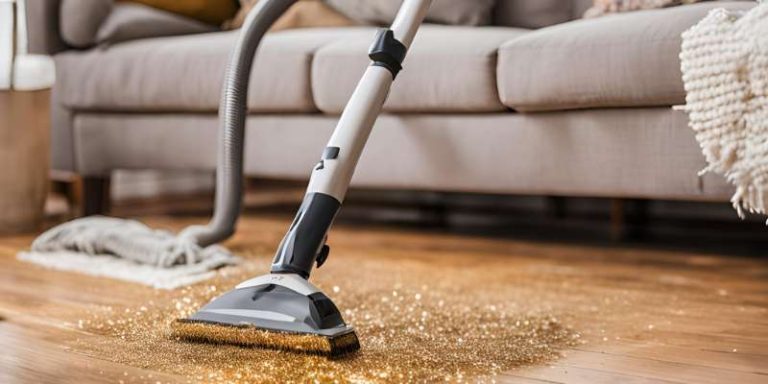
The safest routine starts dry. Use a microfiber dust mop or a vacuum with the beater bar off to remove grit before it scratches. Damp-mop only when dry cleaning stops working, and keep the pad lightly damp, never dripping. Adjust the schedule by traffic, pets, kids, and entryway exposure.
Dry cleaning first: microfiber mop, soft broom, or vacuum with hard-floor setting
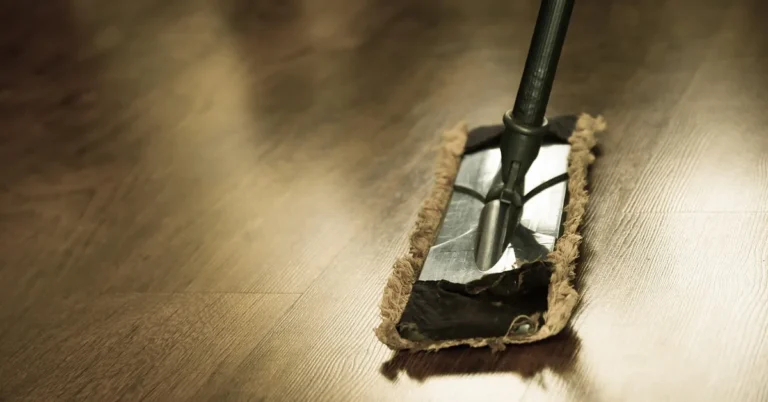
A microfiber mop is the best default tool because the soft cleaning surface lifts fine grit without scuffing the finish. It also works for both dry dusting and damp mopping, which keeps the routine consistent.
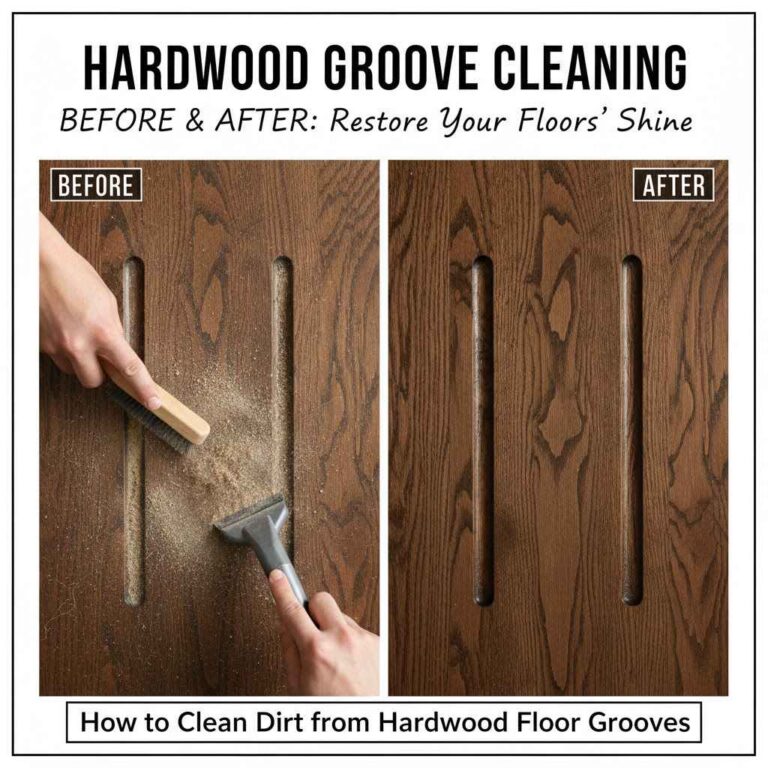
A soft broom is fine for larger debris, but it tends to miss the fine powder that causes haze and scratches. A vacuum on the hard-floor setting is better for edges, corners, and textured grain. Keep the carpet beater bar off.
When to dust daily, when to vacuum, and when to damp-mop
Solid hardwood daily care includes sweeping or dust mopping daily. That same cadence works well for engineered hardwood in active homes. Vacuum weekly at minimum, and sooner if there is visible grit in corners or along baseboards.
Damp-mop when dry methods no longer remove the visible soil or when footprints, sticky spots, or light smearing remain. For many homes, that lands around monthly overall, with shorter intervals in kitchens and entries.
How to set a routine by room traffic, pets, and kids
| Zone | Dry clean | Damp-mop | Main concern |
|---|---|---|---|
| Entryway | Daily | As soon as smears or grit remain after dusting | Sand, salt, repeated abrasion |
| Kitchen path | Daily or after heavy cooking days | When footprints or sticky film appear | Greasy film, tracked crumbs |
| Pet route | Daily | When paw marks or bowl splash appear | Paw grime, water drips, nail scratches |
| Living room | Several times weekly | When dull lanes or smearing show in angled light | Traffic wear, furniture drag |
| Bedroom | Weekly or as needed | When dusting no longer restores a clean look | Low traffic dust buildup |
How do I clean hardwood floors without leaving film?
Use less liquid, a cleaner matched to the finish, and a clean microfiber pad. Most film comes from residue, not from too little scrubbing. Dry clean first, damp-mop in small sections, and stop adding product once the pad is gliding and lifting soil instead of pushing it around.
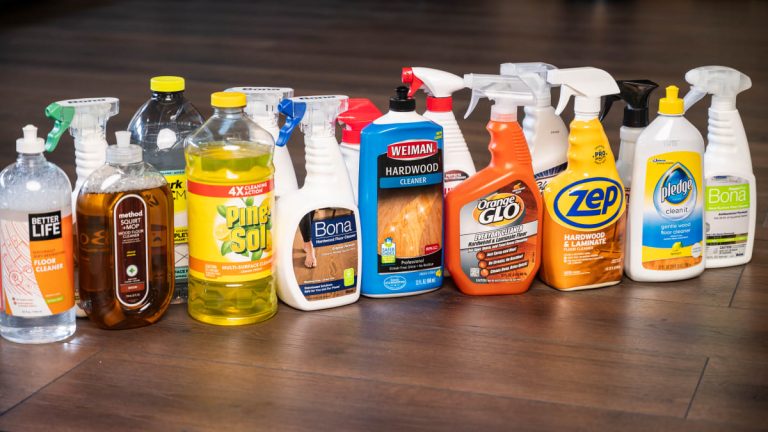
Choosing a hardwood-friendly cleaner: pH-neutral, low-residue, and finish-appropriate
Choose a hardwood-friendly cleaner that is pH-neutral or explicitly hardwood-safe, designed for damp-mop use, and labeled for the floor’s finish. “Floor cleaner” is too vague. A tile-safe or laminate-safe product may still leave residue or be too aggressive for certain wood finishes.
For sealed floors, use a low-residue cleaner made for finished hardwood. For oiled floors, use only products that state they are compatible with oiled wood. That is where most mistakes happen.
How to damp-mop without overwetting the floor
- Dry-dust or vacuum first so moisture does not turn grit into slurry.
- Use a clean microfiber pad.
- Lightly dampen the pad, or spray cleaner onto the pad or a small floor section.
- Work in small sections.
- If the pad leaves visible wet trails, it is too wet.
- Dry any missed moisture promptly with a dry microfiber pad.
The floor should look freshly wiped, not washed. No dripping head. No puddles along board edges. No standing moisture near heat vents, thresholds, or under cabinets.
The rinse problem: why more cleaner usually makes haze worse
People often respond to haze by spraying more cleaner. That usually adds another layer. If the issue is soap film, oil soap residue, or wax carryover, adding product increases the smear.
The fix is restraint. Use repeated passes with clean microfiber pads and the least amount of finish-appropriate cleaner needed to break the residue. Change pads before they load up.
What white haze, streaks, and greasy footprints usually mean
White haze often points to dried residue, hard-water minerals, or moisture caught in a worn finish. Streaks usually mean too much cleaner, a dirty pad, or mopping over dust that should have been removed first. Greasy footprints often mean buildup from waxy, oily, or overused cleaning products.
If the floor looks cleaner at first and worse after it dries, the method is likely wrong.
What should I use and what should I avoid?
Use a microfiber mop, washable pads, and a vacuum with the beater bar off. Choose a pH-neutral or hardwood-safe cleaner matched to the finish. Avoid steam, vinegar, wax products, oil soaps, and abrasive scrubbers because most repeat haze, dullness, and wear complaints start with those choices.
Best tools: microfiber mop, washable pads, and a vacuum with beater bar off
Microfiber is preferred because it traps fine particles instead of pushing them. Washable pads help because a clean pad is part of the method, not an extra step. A hard-floor vacuum removes grit from joints, edges, and under furniture without brushing the finish aggressively.
Cleaners and tools to skip: steam mops, wax products, oil soaps, vinegar, and abrasive scrubbers
Steam mops are a bad bet for hardwood. Heat and moisture can stress joints, edges, and finish layers. Lumber Liquidators says to avoid steam mops, and that guidance matches the wider risk pattern I’ve seen on both solid and engineered floors.
Vinegar is also risky. Its acidity can dull some finishes, and floors may look clean at first because the film is temporarily cut, then worse later as the finish loses clarity. Wax products and oil soaps can create a soft residue layer that traps grime. Abrasive scrubbers can leave fine scratch patterns that catch light and make the floor look permanently dusty.
When a floor-safe label still is not enough
A cleaner can be “floor-safe” and still be wrong for the finish. Stone, vinyl, laminate, and wood do not want the same chemistry. Even within wood, sealed and oiled floors need different products. If a label does not say pH-neutral or hardwood-safe and does not state finish compatibility, keep looking.
How often should I clean hardwood floors?
Clean hardwood by signal, not by a rigid calendar. Dust when grit is underfoot, vacuum when edges collect debris, and damp-mop when smears, footprints, or dull traffic lanes remain after dry cleaning. Humidity swings, open-door weather, pets, and kids can shorten the interval fast.
Use signals, not a fixed calendar: grit underfoot, smears, dull lanes, and footprints
Good floors tell on themselves. If socks pick up grit, dry clean now. If angled light shows smearing after dusting, it is time to damp-mop. If traffic lanes stay dull after mopping, the issue may be residue or finish wear rather than normal dirt.
A practical cadence for low-, medium-, and high-traffic homes
Low-traffic rooms may need only weekly dusting and occasional damp mopping. Medium-traffic homes often need dry cleaning several times a week and damp mopping when a visible film starts to build. High-traffic homes with pets, kids, or frequent entry use usually need daily dust control and more frequent spot damp-mopping in key zones.
That pattern applies to both solid and engineered hardwood. Engineered boards are more stable than solid wood, but they still dislike excess moisture and abrasive cleaning.
How seasonal humidity and open-door weather change the schedule
Wet weather brings more grit and tracked moisture. Dry seasons can increase static dust and make every particle show more sharply. Keep indoor humidity in a moderate range, roughly around the middle band of typical indoor comfort, and monitor it with a hygrometer. In practice, that usually means checking the reading through heating season and during humid summer stretches, then using a humidifier or dehumidifier before gaps, cupping, or finish stress show up. That range reduces expansion and contraction stress and helps the floor behave more predictably through the year.
How do I keep hardwood floors clean longer between mops?
The answer is stopping dirt before it spreads and stopping residue before it builds. Use doormats, remove grit at the entry, protect traffic lanes with breathable rugs, and keep furniture on felt pads. Floors stay cleaner longer when dry soil removal is frequent and wet cleaning is kept light.
Entryway grit control with doormats and shoe habits
A doormat is front-line protection. It captures sand and dirt before they reach the finish. In homes with heavy entry traffic, an outside mat plus an inside mat can cut the grit load enough to reduce both dullness and cleaning frequency.
Shoe habits matter too. The less sand carried inside, the less abrasive wear in the first ten feet of flooring.
Area rugs, runners, and felt furniture pads that reduce wear
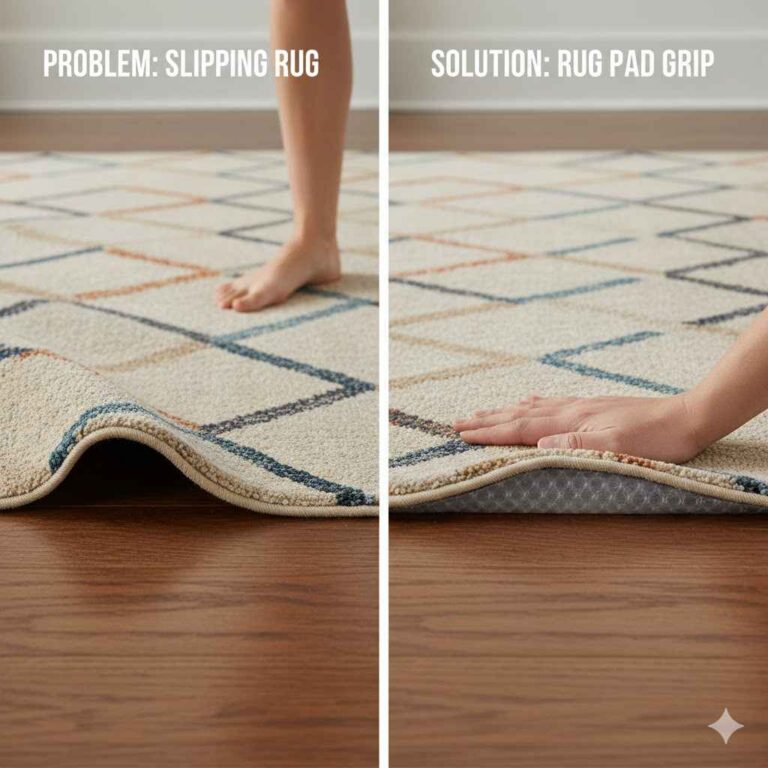
Area rugs and mats help in high-traffic zones and at entries, especially where the same path gets used all day. Keep them dry underneath so moisture is not trapped against the wood. Runners in halls and in sink-to-fridge lanes can slow finish wear dramatically.
Felt furniture pads belong under chairs and furniture legs as standard scratch prevention. Replace dirty or crushed pads, because a grit-loaded felt pad can scratch as badly as a bare foot.
Humidity control at 35-55% and why a hygrometer matters
Humidity control is maintenance, not a side note. Solid hardwood flooring should stay in the 35-55% indoor humidity range. A hygrometer gives a reading you can act on. I like them because they replace guesswork with a number. When air gets too dry or too damp, gaps, cupping, finish stress, and cleaning headaches tend to follow.
Hardwood care decision checklist
One-page hardwood care decision checklist
-
Branch 1: Identify the floor construction.
- Solid hardwood: Dust mop or sweep daily. Damp mop weekly. Keep indoor humidity at 35-55%. Avoid steam mops. Avoid wax-based cleaners. Use felt pads and area rugs.
- Engineered hardwood: Follow the same dry-clean-first routine. It is more stable than solid hardwood, but still avoid excessive moisture, abrasive scrubbers, and oil-based or wax cleaners.
-
Branch 2: Identify the finish.
- Sealed finish: If water beads, use a pH-neutral or hardwood-safe cleaner made for sealed wood. Dry-dust first. Damp-mop with a nearly dry microfiber pad.
- Oiled finish: If a water drop darkens wood fast, treat it as oiled. Use only products that state compatibility with oiled wood. Keep moisture even lighter.
-
Branch 3: Identify the problem.
- Normal dirt: Dry microfiber dust mop first. Vacuum with hard-floor setting if grit collects in edges. Damp-mop only when dry cleaning leaves visible soil.
- Residue or dullness: Stop using more cleaner. Change to a clean microfiber pad and a low-residue finish-appropriate cleaner. Work in small sections. Replace pads as they soil.
- Scratch risk: Add doormats, area rugs, runners, and felt pads. Vacuum grit more often. Keep beater bar off. Avoid abrasive scrubbers.
Red-flag symptoms that mean the cleaner or method is wrong
- White haze appears after the floor dries.
- Greasy footprints show more after mopping than before.
- Streaks follow the mop path.
- The floor feels tacky under bare feet.
- Dullness returns within a day in the same lanes.
- Board edges stay visibly wet after a pass.
- The cleaner leaves a stronger shine but attracts dust faster.
Troubleshooting dullness, residue, and scratch risk by room
Entryways: sand, salt, and repeated abrasion
Entryways usually need the most dry cleaning and the least drama. Sand and grit are the real enemy. Vacuum with the hard-floor setting, beater bar off, then use a microfiber mop. If winter residue or smearing lingers, clean in tight sections with minimal finish-safe cleaner and change pads often.
Kitchens: greasy film and sticky traffic paths
Kitchens collect the thin film many owners mistake for worn finish. Start by dry cleaning crumbs and dust. Then damp-mop only the working path, not the whole room if the rest is clean. If footprints look greasy, suspect product buildup or cooking film, not a need for stronger chemistry.
Living rooms and bedrooms: low-traffic maintenance without buildup
These rooms often get overcleaned. That is how residue starts. If dry dusting restores a clean look, stop there. Damp-mop only when smears, haze, or tracked spots remain. Low-traffic rooms reward a light hand.
Pet zones: nails, water bowls, and repeated paw grime
Pet paths need frequent grit removal. Put mats near bowls, trim the dirt load at doors, and use felt pads under anything that gets nudged. Wipe splash zones promptly. Wet paws plus stray litter or yard grit can scratch a surprising amount in a short path.
Frequently asked questions
are hardwood floors hard to maintain
No. They are manageable when the routine matches the finish, moisture stays controlled, and grit is removed before it abrades the surface. Most frustration comes from residue-building cleaners, overwet mops, or weak entryway dirt control, not from hardwood being unusually difficult to care for.
how do I clean hardwood floors without leaving film
Dry clean first, then use a nearly dry microfiber pad with a pH-neutral or hardwood-safe cleaner that matches the finish. Keep the pad clean, use less product than seems necessary, and work in small sections. Film usually comes from buildup, dirty pads, or too much cleaner.
how do I mop hardwood floors without overwetting them
Use a microfiber pad that is lightly damp, never dripping. Spray the cleaner onto the pad or a small section, not across the whole room. Mop a few boards at a time and dry any missed moisture promptly. If wet trails remain, the pad is too wet.
what cleaner should I use on my hardwood floors
Use a finish-appropriate cleaner that is pH-neutral or explicitly hardwood-safe and intended for damp-mop use. For sealed floors, choose a low-residue cleaner for finished hardwood. For oiled floors, use only a product that states compatibility with oiled wood. Avoid oil soaps and waxy products.
can I use steam on hardwood floors
It is safer to avoid steam on hardwood floors. Steam combines heat and moisture in a way that can stress joints, edges, and finish layers. That risk applies to both solid and engineered boards, even though engineered flooring is generally more stable than solid wood.
how do I keep hardwood floors clean longer between mops
Control grit at the door, use area rugs and runners in traffic lanes, keep felt pads under furniture legs, and dry-dust often with microfiber. Floors stay cleaner longer when loose soil gets removed early and residue does not build from heavy-handed spraying or wet mopping.
Sponsored / affiliate links. As an Amazon Associate I earn from qualifying purchases. I may earn additional commission from eligible campaigns.