How to Clean Hardwood Floors Without Leaving Film
Clean hardwood-floor film with a microfiber pad and a pH-neutral hardwood cleaner. If the residue is sticky on polyurethane, try a small test patch with a cleaner the floor finish allows, then dry it right away. Left alone, haze and residue pull in dirt and leave streaks, which makes a good finish look worn. The right fix depends on the film type and the floor finish.
What you’ll need


- Dry microfiber dust mop or cloth
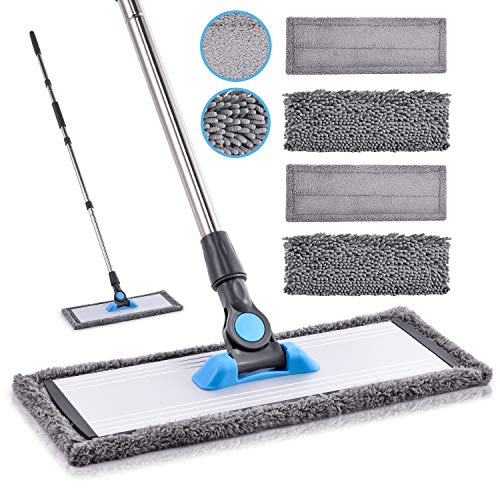
- Microfiber mop pad for damp cleaning
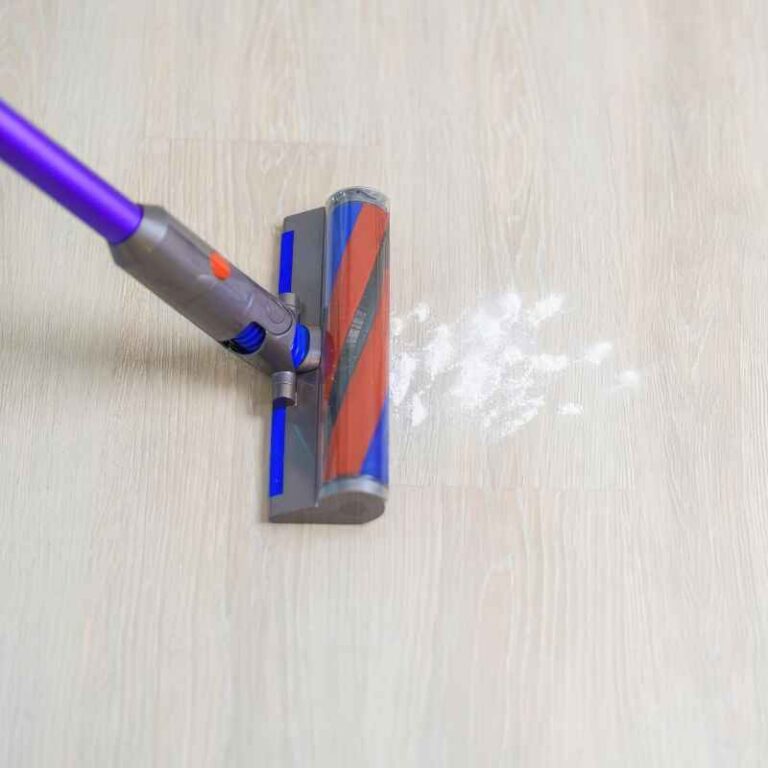
- Vacuum with a hard-floor setting and brush roll turned off
- pH-neutral wood floor cleaner made for hardwood floors
- Bucket, spray bottle, and clean towels
- White vinegar for limited test patches only when the finish allows it
Film finder decision table
| Residue type | Most likely cause | Safest test patch | Least-risk removal method by finish |
|---|---|---|---|
| Cleaner buildup | Too much product, repeated mopping, or a cleaner that leaves residue | Hidden baseboard edge with a barely damp microfiber pad | Surface-sealed: wipe with pH-neutral cleaner, then follow with clean water on a damp pad and dry at once. Waxed: dry dust only until you confirm the finish; use the floor maker’s care directions. Penetrating or oil: use only label-approved cleaner and minimal moisture. |
| Wax or polish buildup | Floor polish, furniture polish, or wax used on a finish that does not need it | Inside a closet or behind a door with a dry microfiber cloth | Surface-sealed: stop using polish, then clean with a residue-free hardwood cleaner. Waxed: do not scrub hard; use the finish-specific wax care method. Penetrating or oil: avoid polish and check the product label before using any liquid cleaner. |
| Hard-water spotting | Mineral-heavy water drying on the surface after mopping or spot cleaning | Small spot near a sink or entryway with a lightly damp cloth | Surface-sealed: blot, then wipe with a damp microfiber pad and dry fully. Waxed: use the least water possible and dry right away. Penetrating or oil: use the cleaner recommended for that finish and avoid soaking the wood. |
| Greasy transfer | Kitchen splatter, shoe residue, pet oils, or body oils tracked across the floor | Under a chair or along a cabinet toe-kick with a microfiber cloth | Surface-sealed: clean with pH-neutral hardwood cleaner on a damp pad. Waxed: test first; too much liquid can disturb the finish. Penetrating or oil: use the maker-approved cleaner and recheck for dull spots after drying. |
How do you prep a hardwood floor without scratching it?
Remove grit before any wet cleaning. Daily dust removal helps keep debris from scratching hardwood floors, and Realtor.com warns that even small dirt specks act like sandpaper. Use a dry microfiber dust mop, or vacuum with the hard-floor setting and the brush roll off, especially along edges and entryways.
Start where film builds fastest: entryways, kitchen paths, pet routes, and under chairs. Realtor.com says vacuuming or sweeping every two to three days is ideal for hardwood floors, and Homes and Gardens recommends a quick clean daily for most homes.
- Vacuum or sweep the whole floor.
- Turn the brush roll off on the vacuum.
- Dust mop the baseboards, corners, and traffic lanes.
- Check those same zones again for sticky buildup before mopping.
How do you mop hardwood floors without leaving residue?
Use a damp microfiber pad, not a drenched mop. Experts recommend a damp, not drenched, mop for hardwood floors, because extra water and extra cleaner are what most often leave streaks and haze. Work in small sections so the solution does not dry on the surface before you wipe it up.
Keep the pad just moist enough to lift soil. If it leaves visible water after one pass, wring it out more. If the floor looks cloudy after drying, the pad was likely too wet or the cleaner was too concentrated.
- Dampen the microfiber pad with pH-neutral wood floor cleaner.
- Wring it until no water drips from the pad.
- Mop one small section at a time.
- Flip or rinse the pad when it starts smearing soil instead of lifting it.
- Dry the section with a clean microfiber towel before moving on.
How much cleaner should you add?
Follow the label first. For stubborn dirt, one expert suggests using a stronger dilution only if the product label allows it. Use that only on a hidden test spot first. If the floor still looks filmy, do not keep adding cleaner.
How do you remove cleaner buildup safely?

Start with the least aggressive fix that matches the finish. A residue-free or low-residue hardwood cleaner is usually safer than household soap, polish, or vinegar on an unknown floor. Dry the area fully after each pass so you can see whether the haze is gone or only spread thinner.
If a hallway near the kitchen turns cloudy after every cleaning, that points more to cleaner buildup or greasy transfer than to a floor defect. Clean about a 2-by-2-foot test patch first, then compare it with the surrounding boards after it dries.
- Stop using the product that left the film.
- Dry dust the area again to remove loose residue.
- Test a hidden patch with the chosen cleaner.
- Wipe the patch with a fresh damp microfiber pad.
- Dry it completely and inspect it under side light.
If that didn’t work, try this next
If the haze remains on a surface-sealed floor, repeat once with a cleaner made for hardwood floors and a fresh pad. Do not switch to vinegar, polish, or steam. If the finish is waxed or oil-based, stop and use the finish-specific care method from the floor maker’s guidance.
- Rinse the pad thoroughly and wring it out.
- Reclean the same patch with less solution, not more.
- Dry with a clean microfiber towel.
- If the film stays, check the floor finish before any second round.
How do you match the cleanup to the finish?
Finish type changes what cleaners are safe. The general advice is to check the floor finish before choosing a cleaner, and newer wood floors are likely surface sealed. When the finish is unknown or mixed across rooms, use the mildest method and test first.
Surface-sealed floors
Surface-sealed floors usually tolerate a pH-neutral hardwood cleaner best. Generic hardwood floor cleaners for sealed surfaces should not be wax- or petroleum-based. A microfiber mop works well here because it lifts residue without flooding the boards.
Waxed floors
Waxed floors need a different approach. Do not assume the same cleaner that works on polyurethane is safe here. Test a hidden spot first, use the least liquid possible, and avoid any product that adds shine unless the floor maker recommends it.
Penetrating or oil finishes
Penetrating or oil finishes are less forgiving of generic cleaners. Use the product listed for that finish, and do not rely on a universal routine if the floor has mixed rooms or an older refinish. When in doubt, read the label before cleaning the rest of the floor system.
Common mistakes
Steam mops are a mistake on hardwood floors. Realtor.com explicitly advises against steam mops on wood floors, and steam can damage both finish and wood. White vinegar also deserves caution: it appears often in DIY advice, but it can dull or strip some finishes over time, so it is not a universal cleaner.
Other common errors are easier to fix. Too much cleaner leaves buildup. Too much water leaves streaks. Adding polish to hide haze usually makes the problem worse.
- Do not use a steam mop.
- Do not mop with a soaking pad.
- Do not mix vinegar into routine cleaning on an unknown finish.
- Do not cover film with polish.
- Do not skip dry dusting before wet cleaning.
How do you clean hardwood floors without leaving a film?
Vacuum or dust mop first, then clean with a damp microfiber pad and a pH-neutral hardwood cleaner. Keep the pad damp, not drenched, and dry each section after mopping. On surface-sealed floors, that routine usually removes soil without leaving the buildup that causes haze and streaks.
How do you clean hardwood floors without leaving residue?
Use less product, not more. A low-residue hardwood cleaner and a well-wrung microfiber mop are the safest combination for most finished floors. If residue keeps returning in one room, clean that room more often rather than using a stronger cleaner every time.
What causes a cloudy film on hardwood floors after mopping?
Cloudiness usually comes from cleaner buildup, wax or polish buildup, hard-water spotting, or greasy transfer. The cure changes with the cause. A sticky hallway near the kitchen points to grease; a dull, patchy sheen near a front door often points to tracked residue or repeated product buildup.
What cleaner should I use on hardwood floors to avoid streaks?
Use a pH-neutral wood floor cleaner made for hardwood floors and labeled residue-free or low-residue. On sealed floors, avoid wax- or petroleum-based products unless the floor maker specifically allows them. If the finish is uncertain, test a hidden board first and let it dry before cleaning the rest.
Can I use vinegar on hardwood floors without damaging the finish?
White vinegar is not a universal hardwood cleaner. Realtor.com notes a capful of white vinegar in a gallon of water is used for monthly cleaning, but vinegar can dull or strip some finishes over time. Use it only on a small test patch when the finish is known to tolerate it.
How wet should a mop be when cleaning hardwood floors?
Just damp. Experts recommend a damp, not drenched, mop for hardwood floors. If the pad leaves water trails, wring it out more. A practical check is simple: after one pass, the section should dry quickly without visible puddles or a tacky film.
How do you remove soap residue from hardwood floors?
Stop using the soap first, then dry dust the floor and wipe the residue with a lightly damp microfiber pad and a hardwood-safe cleaner. If the floor is surface-sealed, a second pass with a clean damp pad can help lift the film. Dry it fully before judging the result.
Sponsored / affiliate links. As an Amazon Associate I earn from qualifying purchases. I may earn additional commission from eligible campaigns.