Can You Refinish Hand Scraped Hardwood Floors?
Yes, you can refinish hand scraped hardwood floors. The process is similar to regular floors but needs more care. It’s important to understand the texture and approach it gently. You can bring back their beauty and even change their look if you want.
Understanding Hand Scraped Floors
Hand scraped floors have a history. They mimic old-world charm. Craftsmen used tools to make them look worn. This creates a rustic, textured feel. It’s not flat like most modern floors. Each plank has unique dents and grooves. This texture is what gives them their character. It’s a deliberate design choice.
These floors tell a story. They feel more natural and organic. They can hide minor imperfections well. This is a big plus for busy homes. The uneven surface catches light differently. This adds depth and visual interest. It’s a look many people love. But this texture also brings up questions about upkeep. Especially when it’s time for a refresh.
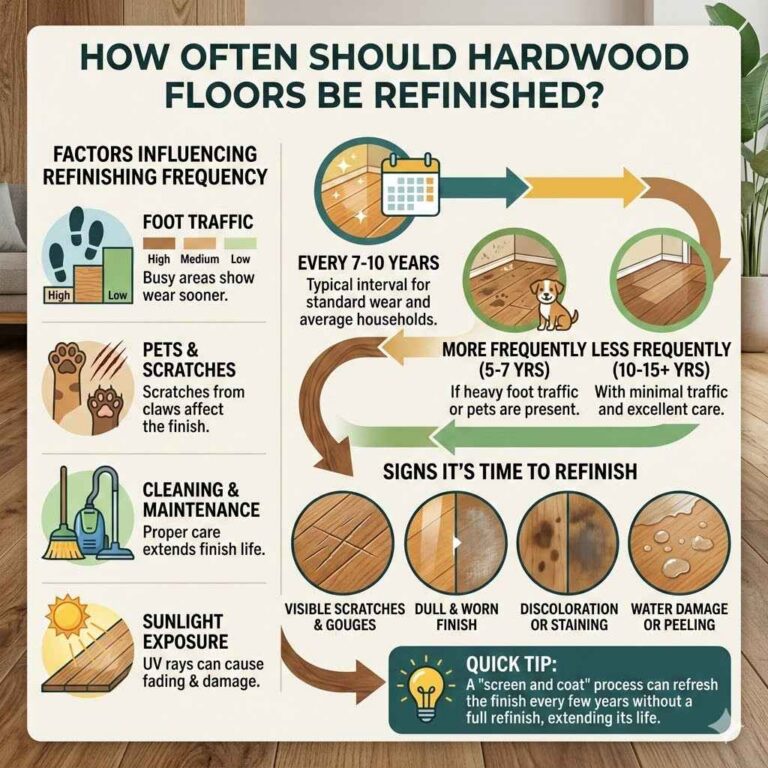
When floors age, they can get dull. Scratches can show. The finish might wear away in spots. For most hardwood, this means sanding and refinishing. But hand scraped floors are special. The scraping makes them uneven. This surface detail is the main concern. Can a sander handle it? Will it make them smooth and lose their charm?
The good news is, it’s possible. You just need the right approach. It’s not about removing the texture. It’s about carefully refreshing it. You want to keep that handmade feel. The goal is to enhance, not erase. This takes a bit more thought than usual.
Why Refinish Hand Scraped Floors?
Why would you even consider refinishing these floors? Maybe the current finish is worn. It might look dull or scuffed. Pets and kids can take a toll. Or perhaps you just want a new look. You might want a different color stain. Or a new protective coating. Refinishing offers a chance for change.
Sometimes, water damage or deep scratches happen. These can mar the floor’s beauty. Refinishing can fix these issues. It brings the wood back to life. It’s an investment that pays off. New floors are very expensive. Refinishing costs less. It can make old floors look new again.
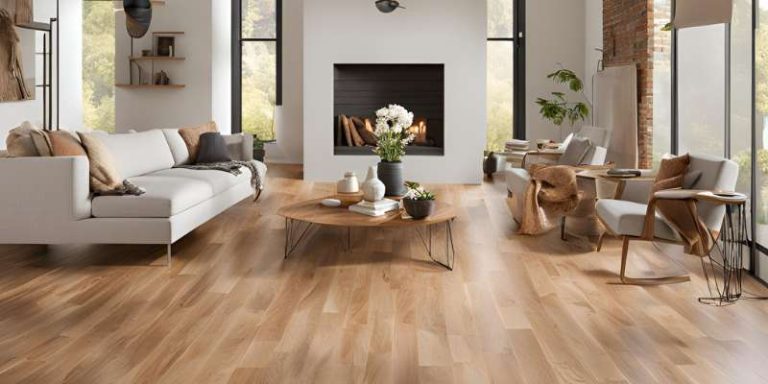
Think about selling your home. Beautiful hardwood floors add value. They are a major selling point. Refinishing makes them stand out. It shows you care about your home. It makes a great first impression. Buyers notice well-maintained floors.
You can also update the style. Maybe you want a darker stain. Or a lighter one. You could switch from a matte finish to a satin. Or go for a high-gloss look. Refinishing lets you customize. It lets you make the floors truly yours.
The Process: What to Expect
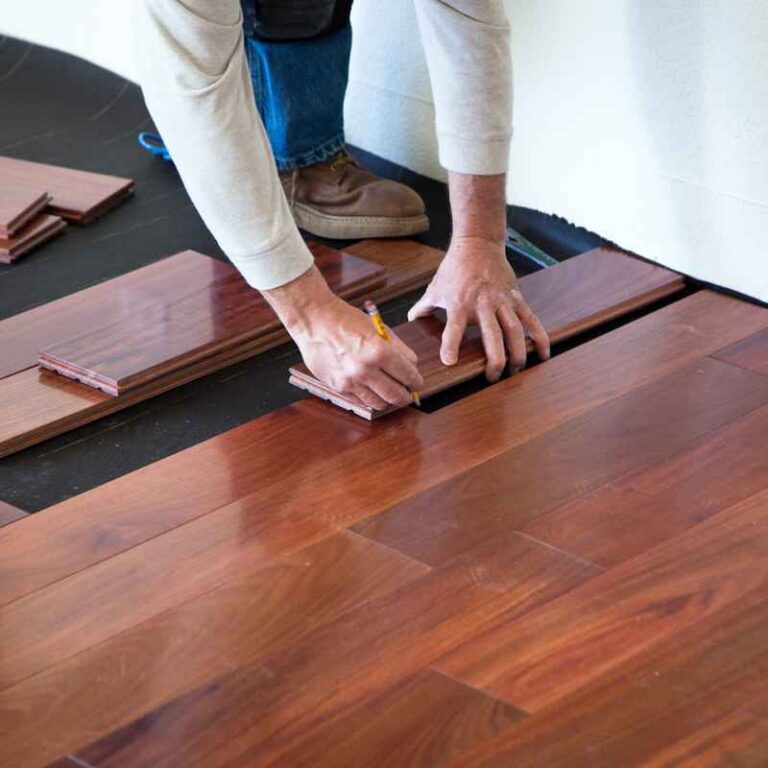
Refinishing these floors is not a simple DIY job. It requires skill and the right tools. You often need to hire a professional. They understand the unique challenges. They know how to work with the texture.
The first step is always evaluation. A pro will look at your floors. They check the wood type. They assess the depth of the scraping. They note any damage. This helps them plan the best approach. They will tell you if refinishing is a good idea.
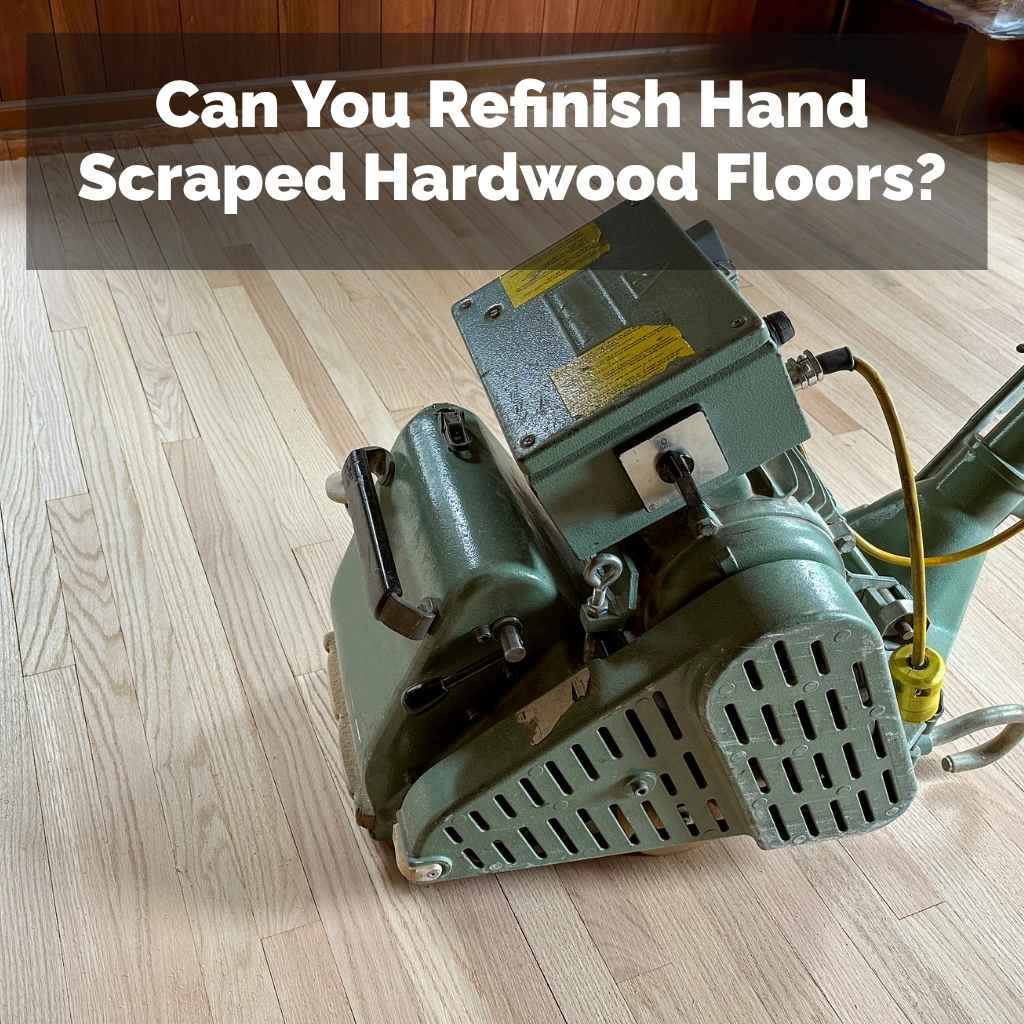
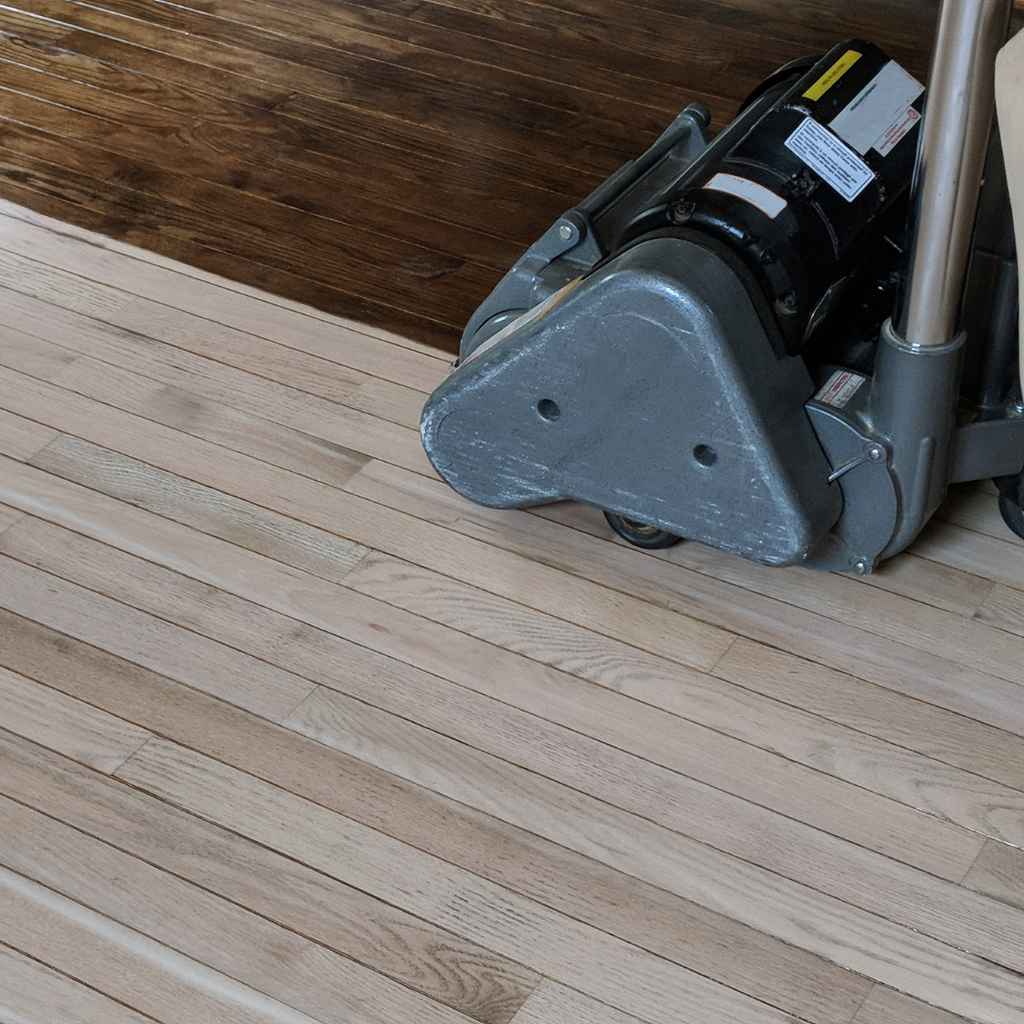
Then comes the sanding. This is where it gets tricky. Regular sanding uses machines. These spin or vibrate to remove old finish. For hand scraped floors, this can be too harsh. It might knock down the scraping. It could make the floors too smooth.
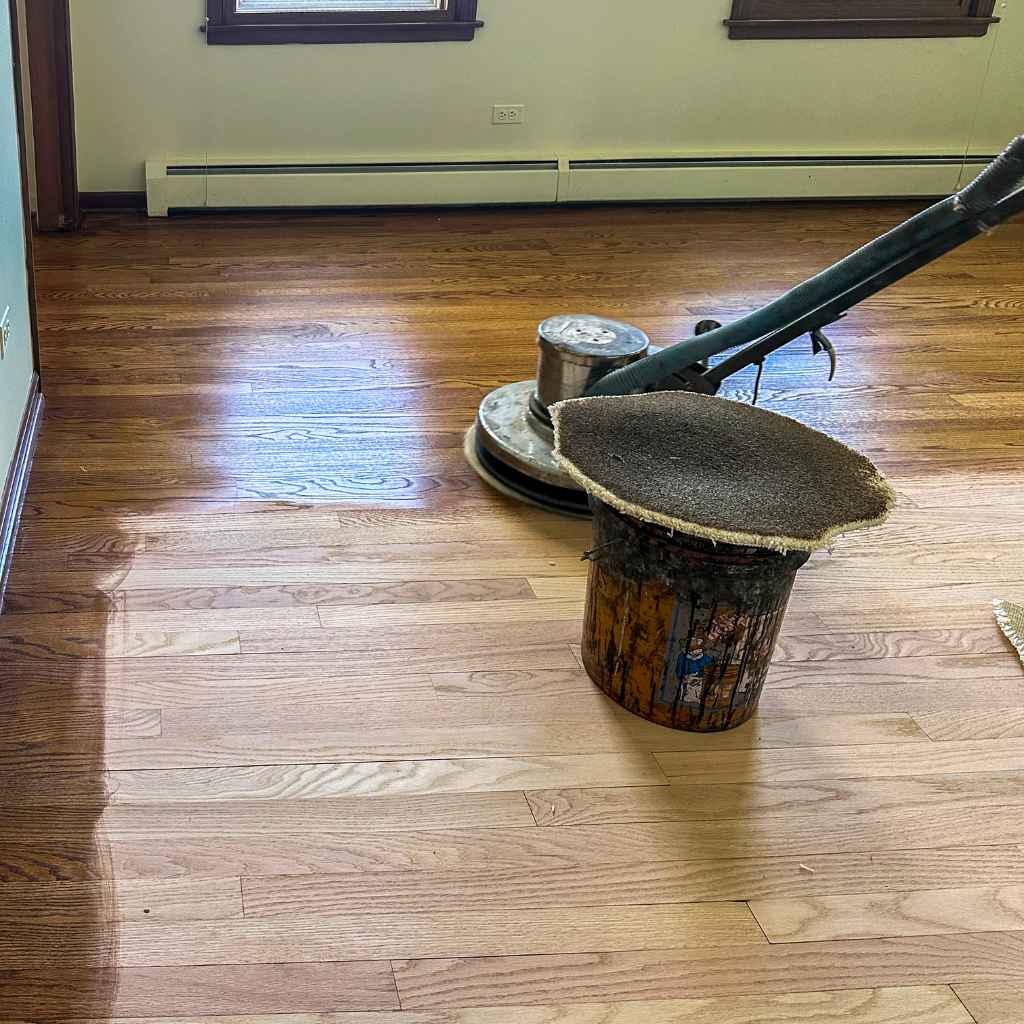
Pros often use specialized sanding methods. They might use buffer machines. These use abrasive screens. They are gentler than drum sanders. They can follow the floor’s contours. This helps preserve the scraping. They might use hand sanding too. This gets into the nooks and crannies.
Sanding Options for Texture Preservation
- Gentle Buffing: Using a floor buffer with abrasive screens instead of aggressive drum sanders.
- Edge Sanding: Special tools for the edges of rooms that a buffer can’t reach.
- Hand Scraping: For very deep grooves or intricate areas, manual tools might be used.
- Screening: A final, light sanding pass to smooth the surface without erasing texture.
After sanding, the floor is clean. It’s ready for stain or finish. You can choose a new color. Or stick with something similar. Then, a protective top coat is applied. This shields the floor from wear. It brings out the wood’s natural beauty. Multiple coats are usually needed.
The Difference: Hand Scraped vs. Smooth Floors
Smooth floors are the standard. They have a uniform, flat surface. Refinishing them is straightforward. Standard sanding machines work well. They remove the old finish quickly. They create a clean slate.
Hand scraped floors are different. The texture is the key. It’s like a relief map. The peaks and valleys catch light. They create shadow and depth. This is what makes them special. When you sand them, you have to respect this.
If you sand too aggressively, you lose the texture. The floor becomes flatter. It loses its rustic charm. It might look like any other floor. This is the main risk. Many people choose hand scraped floors for their unique look. They don’t want to lose that.
Key Differences in Refinishing
| Feature | Smooth Floors | Hand Scraped Floors |
|---|---|---|
| Surface Texture | Flat and uniform | Uneven, with dents and grooves |
| Sanding Approach | Standard machines, efficient | Gentle methods, careful and slow |
| Risk of Texture Loss | Low | High if done incorrectly |
| Visual Effect | Sleek and modern | Rustic and dimensional |
So, the question isn’t if you can refinish. It’s how you will refinish. You want to preserve the charm. You want to bring back the shine. This means choosing the right tools and techniques.
My Own Hand Scraped Floor Challenge
I remember looking at my living room floor. It was hand scraped oak. Years of life had taken their toll. The finish was dull in high-traffic areas. There were faint scratches from the dog’s nails. I loved the rustic look. I didn’t want a flat, boring floor.
I talked to a flooring contractor. He seemed a bit hesitant at first. He mentioned the texture. He said standard sanding could flatten it. My heart sank a little. Was this floor doomed to look tired forever? He saw my worried face. He explained they had special methods.
They used a buffer machine with screens. It was much gentler. It followed the wood’s dips and curves. They also had an edge sander. This got the spots the big machine missed. The work took longer than a smooth floor. But I could see the care they took. The scraping stayed. The shine came back. It was a relief. The floor looked beautiful again.
This experience taught me a lot. It showed that specialized floors need specialized care. It’s worth asking questions. It’s worth finding someone who knows. They can help you keep that special character.
Can You Change the Look?
Refinishing is not just about restoring. It’s also about transforming. You can change the color of your hand scraped floors. This is a big decision. It means working with stain.
Stain has to settle into the wood. The scraping creates high and low spots. This can affect how the stain looks. Darker stains often work well. They can fill the grooves. This makes the scraping less obvious. It gives a more uniform color. It can look very dramatic.
Lighter stains can also be beautiful. They highlight the natural wood tones. But the texture might show more. The stain might look lighter in the high spots. And darker in the low spots. This can be a cool effect. It adds visual interest. But it’s different from a smooth floor.
Stain Effects on Textured Floors
- Darker Stains: Tend to create a more uniform color. The scraping effects are softened by the deep color.
- Lighter Stains: Can accentuate the texture. Color may appear varied across the scraped surface.
- Natural Tones: Often enhance the wood’s inherent beauty. The texture plays a significant role in the final look.
- Gray or White Washes: Can create a very modern, coastal feel. The scraping adds a unique dimension to these light colors.
It’s wise to test the stain first. Professionals will do this. They apply small samples in a hidden area. This shows you exactly how it will look. It helps you make the right choice. You want to be happy with the final result.
You can also change the finish. Many hand scraped floors have a matte or satin finish. This fits the rustic look. You could go for a semi-gloss. Or even a high-gloss finish. This would make the floor stand out more. It would reflect more light. It’s a bolder choice for a textured floor.
Some people even use a technique called “lime washing.” This involves applying a thin white coating. It partially fills the scrapes. It creates a soft, weathered look. It’s very popular for a beachy or farmhouse style.
When to Leave Them Alone
Not every floor needs refinishing. Sometimes, a good cleaning is enough. If the scraping is deep and beautiful, maybe you don’t want to sand. If the wear is minimal, perhaps you can skip it.
Consider the wood’s thickness. Hardwood floors have a wear layer. This is the part above the tongue and groove. Refinishing removes a bit of this layer. You can only refinish a floor so many times. If the wear layer is very thin, you might not be able to sand at all. This is especially true for engineered wood floors.
If the scraping itself is the main charm, and it’s in great shape, maybe just a recoat is needed. A recoat means applying a new layer of finish. It doesn’t involve sanding. It just refreshes the surface. This is much less invasive.
A recoat is for floors with a good finish but dullness. If there are deep scratches or gouges, a recoat won’t fix them. Sanding is needed for those issues. But if your floor only needs a shine boost, a recoat is a great option.
When to Consider a Recoat Instead of Refinishing
- The current finish is dull but not significantly damaged.
- There are no deep scratches or gouges.
- The wood’s natural color and texture are still appealing.
- You want to preserve the maximum thickness of the wear layer.
- You are satisfied with the current stain color.
Always get expert advice. A good flooring professional can assess your floor. They can tell you if a recoat is enough. Or if full refinishing is necessary. They will also check the wear layer. This is crucial for the floor’s lifespan.
Hiring the Right Professional
Choosing the right person is key. This is not a job for just anyone. You need someone experienced. Especially with hand scraped floors.
Ask potential contractors about their experience. Specifically ask about hand scraped floors. Do they know how to sand them? What methods do they use? Ask to see examples of their work. Look for photos or ask for references.
Get multiple quotes. Compare prices and services. Don’t just choose the cheapest. Look for quality and experience. A good contractor will explain the process clearly. They will answer all your questions. They should be transparent about costs.
A reputable company will often offer a warranty. This gives you peace of mind. It shows they stand behind their work. Check reviews online. See what other customers say.
Questions to Ask Your Flooring Contractor
- What is your experience with hand scraped hardwood floors?
- What sanding methods do you use to preserve the texture?
- Can you show me examples of similar floors you’ve refinished?
- What type of finish do you recommend?
- How long will the process take?
- What is the warranty on your work?
Hiring the right pro can make all the difference. It ensures your beautiful floors stay beautiful. And that their unique charm is preserved.
Maintaining Your Refinished Floors
Once your floors are refinished, you want them to last. Proper maintenance is key. This is true for any hardwood floor.
Sweep or vacuum regularly. Use a soft brush attachment for vacuuming. This picks up dirt and grit. Grit can scratch the finish. Avoid harsh cleaning chemicals. Use a wood floor cleaner made for your finish type.
Use doormats at entrances. This helps catch dirt before it gets on the floor. Put felt pads on furniture legs. This prevents scratches when moving chairs or tables.
Be careful with moisture. Spills should be wiped up immediately. Don’t let water stand on the floor. Avoid steam mops. They can damage the finish and the wood.
Daily Care Tips for Refinished Floors
- Sweep or vacuum daily: Use a soft brush attachment.
- Wipe spills quickly: Don’t let liquids sit.
- Use doormats: At all entryways.
- Add felt pads: To all furniture legs.
- Avoid harsh cleaners: Use pH-neutral wood floor cleaners.
- No steam mops: They use too much heat and moisture.
These simple steps will help keep your floors looking great. They will help preserve that unique hand scraped texture. And the beautiful finish you chose.
Common Concerns Addressed
People often worry about losing the scraped look. This is a valid concern. It’s why choosing the right professional is vital. They use methods that respect the texture.
Another concern is the cost. Refinishing hand scraped floors can be more expensive. This is due to the specialized labor and tools. But it’s still much cheaper than new floors.
Some ask if the scraping can be redone. If the scraping is very minimal, it might be possible. But it’s hard to replicate factory-made scraping. It’s usually best to preserve what’s there.
What about different wood types? The process is similar. But some woods are softer. They might dent more easily. A professional will know how to handle different species. They consider the wood’s hardness.
What if the floors are very old? If they are solid hardwood, they can often be refinished. But age can bring wear. A professional will check for structural issues. They will ensure the floor is sound.
Quick Checks Before Refinishing
- Wood Type: Solid hardwood vs. engineered.
- Wear Layer Thickness: Crucial for how many times it can be sanded.
- Damage: Water damage, deep gouges, loose boards.
- Existing Finish: Oil-based vs. water-based.
- Desired Outcome: Restore texture or change the look.
The Value of Textured Floors
Hand scraped floors offer a unique aesthetic. They bring warmth and character. They feel more authentic. This texture can hide minor wear. This makes them practical for homes with pets or kids.
The visual depth is stunning. Light plays across the surface. It creates dynamic shadows. This adds a layer of interest. It makes a room feel more inviting.
When you refinish them, you’re not just cleaning. You’re investing in their longevity. You’re preserving a special look. You can even update it if you wish. It’s a way to refresh your home’s foundation.
Conclusion
Refinishing hand scraped hardwood floors is possible. It requires a careful, skilled approach. The goal is to maintain the texture. You want to restore the beauty. Or even change the look to your taste. Always consult with experienced professionals. They can guide you through the process. With the right care, your unique floors can shine for years to come.
Frequently Asked Questions
Can I refinish my hand scraped floors myself?
While some DIYers tackle floor refinishing, hand scraped floors are challenging. Standard sanding equipment can easily remove the texture. It’s best to hire a professional experienced with textured floors to ensure the unique charm is preserved.
Will refinishing make my hand scraped floors look smooth?
Not if done correctly. A skilled professional uses methods like gentle buffing with screens, not aggressive drum sanders, to preserve the texture. The goal is to refresh the finish, not erase the scraping.
Can I change the color of my hand scraped floors during refinishing?
Yes, you can. Stain can be applied to change the color. Darker stains tend to create a more uniform look by filling the grooves. Lighter stains might accentuate the texture, making the color appear varied. Always test the stain in an inconspicuous area first.
What is the difference between recoating and refinishing for hand scraped floors?
Recoating involves applying a new layer of finish over the existing one without sanding. It’s for floors with a good underlying finish but that look dull. Refinishing involves sanding down to the bare wood to remove old finishes and scratches, allowing for stain changes. Refinishing is more invasive.
How much does it cost to refinish hand scraped hardwood floors?
It generally costs more than refinishing smooth floors. This is because it requires more time, specialized tools, and skilled labor to protect the texture. Prices vary by location and the complexity of the job, but expect it to be higher than standard refinishing.
How long do refinished hand scraped floors last?
With proper care and maintenance, refinished hardwood floors can last for many years, often 10-20 years or more. The lifespan depends on the quality of the wood, the finish applied, and how well the floors are maintained.
Sponsored / affiliate links. As an Amazon Associate I earn from qualifying purchases. I may earn additional commission from eligible campaigns.