Best Vac Modes for Hardwood Floors (2026): Research Shows
Use your vacuum’s hard-floor mode or turn the brush roll off, then start with low to medium suction; on sealed hardwood, that is usually the safest setting. Wrong settings can scratch the finish, scatter grit, or leave the floor cleaner-looking but dull faster. This guide shows how to match suction, brush roll, and attachment to your floor finish and the dust level in each room.
Quick comparison
| Product | Badge | Best for | Price | ||
|---|---|---|---|---|---|
 |
CHEBIO Lightweight Cordless Vacuum Cleaners for Home, StickCHEBIO | Our pick | 45kPa suction · 5 lbs · red cordless | $79.98
Price as of 24 Oct 2026
|
View |
 |
Selgo Hardwood Universal Vacuum Cleaner Floor Brush 1 ¼Selgo | Pair with it | 10" wide · horsehair · white plastic | $11.95
Price as of 24 Oct 2026
|
View |
Most hardwood cleaning problems come from the controls, not the vacuum category. The right choice depends on whether you can shut off the brush roll, reduce suction, and swap to a soft floor head without forcing the tool across the finish.
For mixed floors, choose a vacuum that changes modes quickly. For mostly wood floors, a canister or stick with a true hard-floor setting is usually easier to control than an upright with a fixed brush.
How we chose
We compared the control labels that homeowners actually see on vacuums: hard floor mode, floor selector, suction dial, and brushroll shutoff. Those controls matter more than marketing claims.
We also weighed finish safety, because polyurethane, oil-based sealer, and wax finishes can react differently to friction and attachment stiffness. Protecting the finish is the main reason settings matter.
Finally, we looked at mixed-floor use, edge cleaning, and dust control. HEPA filtration helps in homes with pets or dust sensitivities, and a crevice tool matters more than many buyers expect.
What to use on hardwood floors
CHEBIO cordless stick vacuum is the better fit for homes that want one lightweight machine for quick hardwood cleanup and occasional rugs. Based on the listed specs and buyer feedback, the 45kPa suction, 45-minute runtime, and self-standing design make it easy to move through rooms without dragging a heavy head over the finish.
The drawback is the same one common to many sticks: high suction on a smooth floor can make the head hard to push, especially if the floor is very smooth or the debris load is light. Use the hard-floor setting if the model offers it, and lower suction before you assume the floor is the problem.
Soft-brush attachment: best for hard floors
Selgo hardwood floor brush is the safer add-on for an existing vacuum when the standard floor head is too stiff. Its horsehair bristles and 10-inch width work well for broad passes on wood, and the 1.25-inch diameter fits many vacuums with that inner size.
The drawback is compatibility. A universal attachment still depends on the hose or wand size, and a soft brush does not fix a vacuum that has too much suction or a brushroll that cannot be turned off. It solves the head, not the whole machine.
Can vacuums work on hardwood?
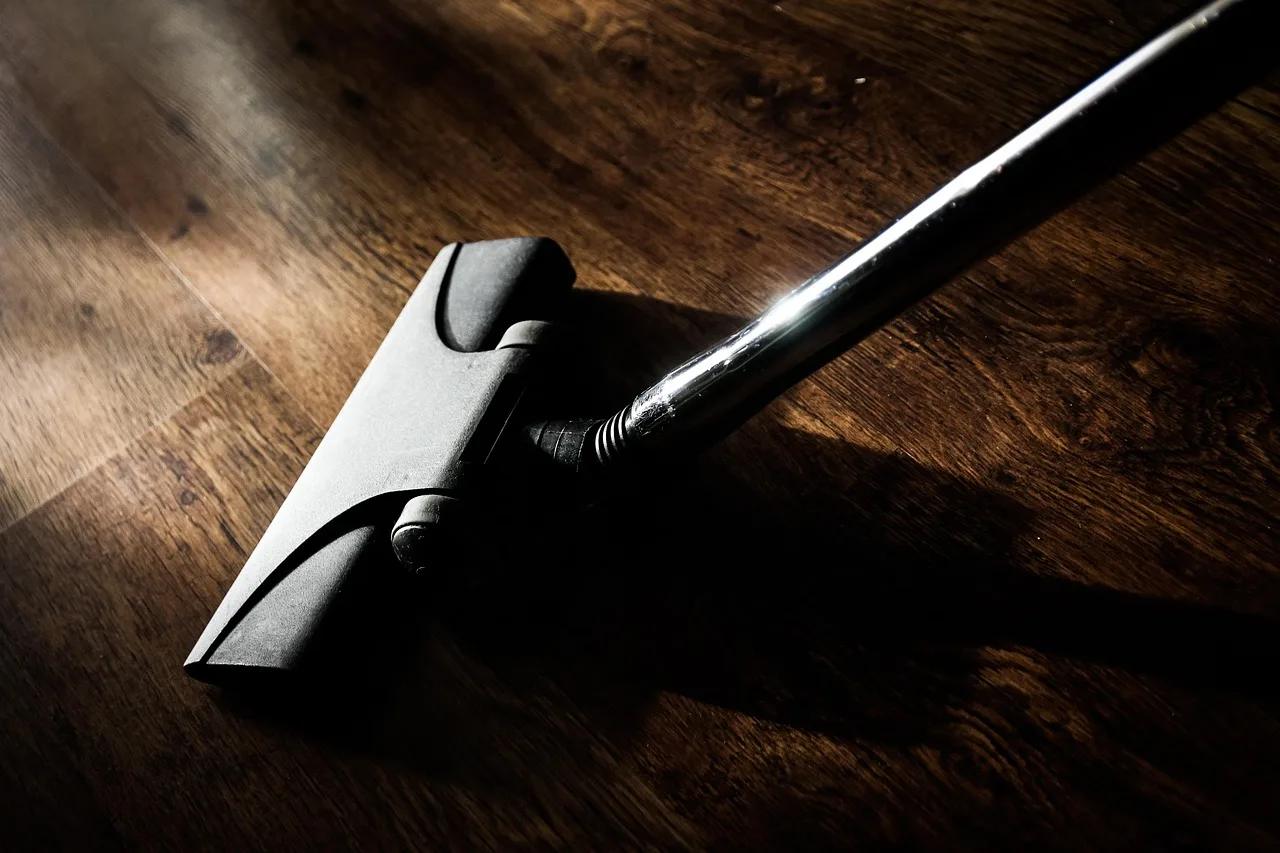
Yes. A vacuum is often the easiest way to pick up dust, crumbs, pet hair, and grit before those particles get walked into the finish. Hardwood Floors Magazine, the magazine for the National Wood Flooring Association, treats routine dirt removal as a normal part of floor care, and competitor guidance agrees that gentle dust and dirt capture is the goal.
The key is control. Use hard floor mode if your vacuum has it, keep the brush roll off, and change the attachment if the head feels grabby. Polyurethane, oil-based sealer, and wax finishes all benefit from less friction, not more.
What attachment should I use on hardwood floors?
Use a soft brush roll, parquet brush, or other hard-floor attachment with soft bristles. For baseboards, seams, and corners, use the crevice tool. If the default head has stiff nylon bristles, switch it out before you start.
Hard-floor-specific heads reduce scratch risk because they avoid aggressive bristle contact. That matters most on waxed floors, older oil-based finishes, and any finish that already shows dulling in traffic lanes.
Should I use the beater bar on hardwood floors?
No. Turn off the beater bar or rotating brush roll on hardwood. Stiff nylon bristles can strip finish, leave swirl marks, and create long visible scratches, especially if grit is already on the floor.
Many vacuums have a floor mode or brushroll shutoff for exactly this reason. If the head still spins in wood mode, use a different attachment or a different machine.
What suction setting is best for hardwood floors?
Low to medium suction is the usual starting point, but the best setting is the one that lifts dust without pulling the head into the floor. Everyday Cleaning Tips says high suction on smooth floors can make the vacuum difficult to push, and Woodworking Advisor notes that full power is what pulls grit into a scratching pattern.
Raise suction only if the floor still has visible debris after one slow pass. On some cordless sticks and canisters, medium or auto mode is normal for hardwood, not too strong.
How to set the vacuum
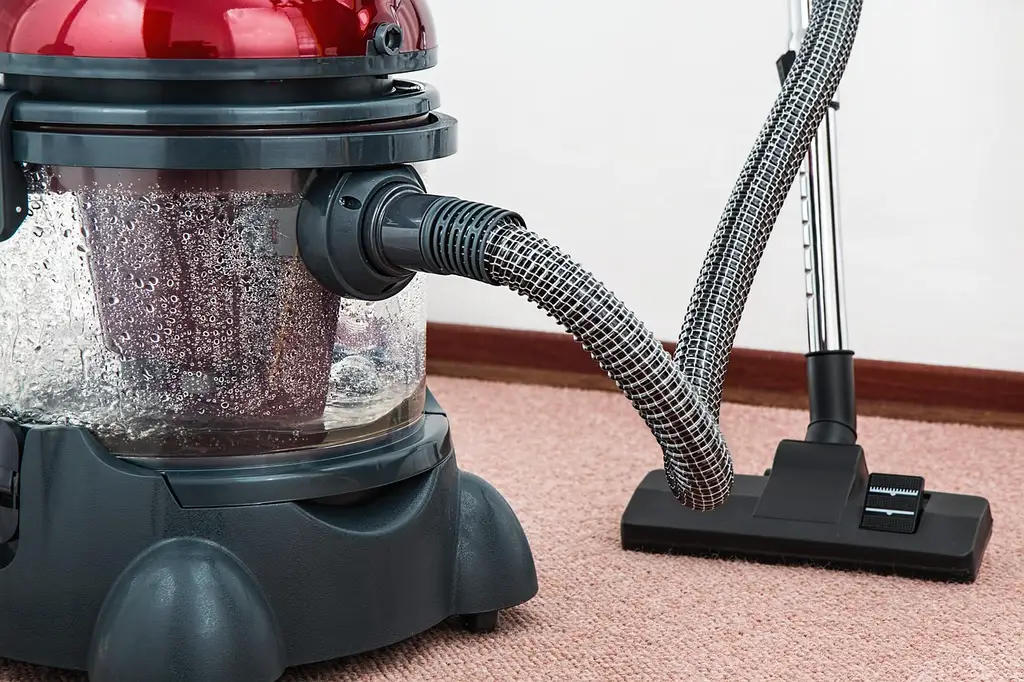
- Check the floor mode selector and choose hard floor mode before the first pass.
- Switch off the beater bar or rotating brush roll if the vacuum has that control.
- Set the suction dial to low, then move to medium only if debris remains after one pass.
- Attach a soft brush roll, parquet brush, or hard-floor head for sealed wood.
- Use the crevice tool at baseboards, seams, vents, and corners after the main pass.
- Vacuum with the grain when it helps the head track more smoothly; cross-grain passes are acceptable for stuck dust, but do not force the tool across the boards.
- Set the vacuum to hard floor mode or bare-floor mode.
- Turn off the brush roll before you begin.
- Start on low suction and make one slow pass.
- Raise suction one notch if grit remains; do not jump straight to maximum unless the debris load is heavy.
- Swap to the crevice tool for edges, corners, and seams.
- Repeat the main pass with the grain if the floor still has fine dust.
Suppose a kitchen has fine sand near the back door. A low-suction pass with a soft brush head clears the loose grit first, then a second pass at medium suction picks up what is left. That is safer than using maximum suction from the start, which can drag particles across the finish.
A common first-timer mistake is leaving the brush roll on because the floor looks clean. On a polyurethane floor, that can seem harmless at first and still leave faint swirl marks after repeated use, especially around the same turning points.
What if my vacuum sticks to hardwood?
Lower the suction first. If the head still grips the floor, switch to hard floor mode, raise the height setting if your upright has one, or change to a softer parquet brush. If the machine still sticks, the head is too sealed to the floor for that finish.
If that did not work, try a wider attachment with softer bristles and a slower walking pace. Lightweight sticks can stick on smooth boards because the suction is strong relative to the head size.
What vacuum settings work best for different finishes?
Polyurethane finishes usually tolerate routine vacuuming well when you avoid stiff brushes and excess suction. Oil-based sealer and wax finishes need more caution because friction can dull them faster, and waxed floors are especially sensitive to hard contact and repeated rubbing.
For polyurethane, a hard-floor mode with a soft head is usually enough. For oil-based sealer and wax, keep the suction moderate, avoid aggressive attachments, and inspect the head for grit before each use. Protecting the finish is the main reason the settings matter.
Can a vacuum scratch hardwood floors?
Yes, if the wrong head or setting is used. Popular Mechanics says a stiff brush head may cause small scratches, and grit or sand can scratch hardwood finishes when it is pushed around by a hard, fast-moving head.
Scratches are more likely when the brush roll stays on, suction is too high, or the attachment has stiff bristles. A soft head and steady passes lower that risk.
Should I vacuum with the grain or across it?
With the grain is gentler and often tracks better, which is why many cleaning guides recommend it. The same source says to vacuum with the direction of the wood planks, and that is a good default when the floor is clear and the vacuum moves easily.
Cross-grain passes are not forbidden, but they can force debris into gaps if you rush or use the wrong head. Use them only when you need to lift dust from a stubborn patch, then finish with a pass along the boards.
How often should you vacuum hardwood floors?
Most homes do well with 2 to 3 vacuuming sessions per week. The same source gives that pace as a general target, and daily vacuuming makes more sense in entryways, pet-heavy areas, or any room that collects grit and sand quickly.
Light, frequent cleaning is safer than waiting for a thick layer of debris. The more grit on the floor, the more likely the vacuum is to drag it around before pickup.
Do vacuums work on hardwood?
Yes, and they are usually the best first step for loose dust and grit. The right setup is a hard-floor mode or brushroll-off setting, plus a soft attachment that does not scrape the finish.
Homes with pets or dust sensitivities also benefit from HEPA filtration, especially when it is paired with sealed filtration. That combination helps keep fine dust from blowing back into the room.
Can I use the same vacuum on hardwood and carpet?
Yes, if the machine has a clear floor selector and a brushroll shutoff. That setup lets you switch from hardwood to carpet without dragging a rotating brush over the wood.
For mixed floors, change settings at the transition, not after the fact. Carpet wants more agitation; hardwood wants less.
Which vacuum type fits your rooms?
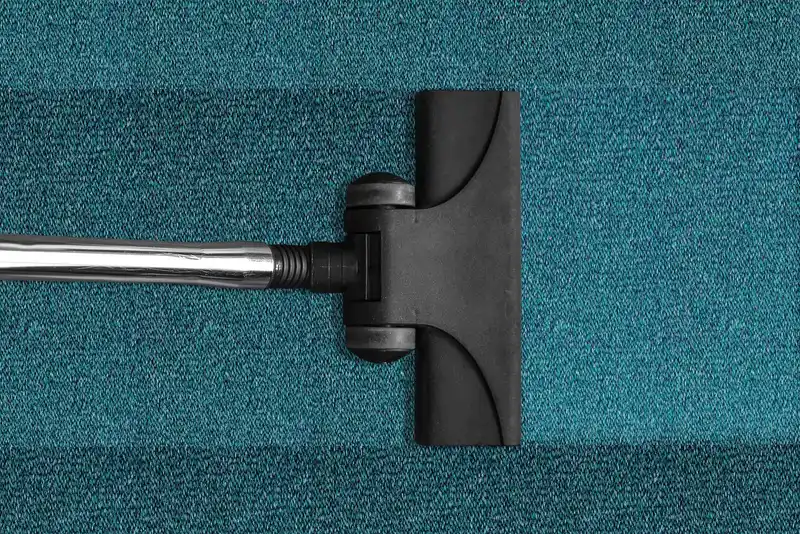
Uprights, canisters, sticks, and robots can all work on hardwood, but they behave differently. Uprights are fine when they have hard floor mode and brushroll shutoff. Canisters usually handle transitions well because you can change the head quickly. Stick vacuums are handy for fast cleanup, while robot vacuums are best for daily dust control, not edge detail.
For a mostly wood home, a canister or stick with a soft head is often the easiest setup. For mixed carpet and hardwood, the best choice is the one that switches modes cleanly and does not fight the floor as you move between rooms.
Can uprights work on hardwood?
Yes, if they have hard floor mode and a brushroll shutoff. That turns the upright from a carpet tool into a safer bare-floor tool. Without those controls, many uprights are too aggressive for wood.
An upright is a poor fit when the head cannot stop spinning, when it has stiff bristles, or when it leaves swirl marks at the turn. In those cases, use a different head or a different vacuum.
Can canisters handle mixed floors?
Yes. Canisters are often the easiest way to move between hardwood and rugs because the hose, wand, and head can change quickly. Many also pair well with parquet brushes and soft-floor heads, which is why they are a common match for mixed rooms.
Suction control matters here. A canister can clean hardwood well on low or medium suction, then move to rugs with a stronger setting after you switch heads.
What about stick vacuums and robots?
Stick vacuums are good for quick cleanup, but lightweight heads can stick to smooth wood if suction is too high. Robot vacuums are useful for daily dust control in low-grit rooms, yet they are weaker at edges, corners, and floor seams.
Robot brush design matters too. Hard-floor models with softer brushes are safer than models built mainly for carpet, but they still do not replace a manual pass with a crevice tool.
Hardwood settings checklist
| Vacuum control label | Safe hardwood setting | When to change it | Red-flag symptoms |
|---|---|---|---|
| Beater bar / rotating brush roll | Off on hardwood | Turn it back on only for carpet | Swirl marks, long scratches, scratchy noise |
| Suction dial | Low to medium | Raise one notch for grit or sand; lower it if the head sticks | Hard to push, debris skates ahead of the head |
| Floor mode selector | Hard floor mode / bare floor mode | Switch when you move off wood onto carpet | Brush still spinning on wood, dust scatter |
| Soft roller / parquet brush | Soft bristles or no brush roll | Use when the default head is stiff or leaves marks | Dulling, faint scratches, grabby turns |
| Mixed hardwood/carpet transitions | Pause, switch mode, then continue | Every time the floor type changes | Brush engagement on wood, rough pull at the edge |
| Crevice tool | Use for edges, corners, seams, and baseboards | After the main floor pass | Dust lines, hair in corners, grit at trim |
Common mistakes
Leaving the brush roll on is the biggest one. The next most common mistake is using maximum suction because it feels stronger, even when the floor does not need it.
Another mistake is skipping the attachment change. A stiff default head can scratch a finish that a soft parquet brush would handle easily. The last common error is moving too fast through a gritty entryway, which gives the vacuum less time to lift sand before it gets dragged around.
Prevention is simple: inspect the floor head before each pass in high-traffic zones, especially at doorways where grit builds up fastest.
Sponsored / affiliate links. As an Amazon Associate I earn from qualifying purchases. I may earn additional commission from eligible campaigns.